How Choosing Solitude Can Make You Happier

Spending time alone is often seen as something to avoid, but choosing solitude can actually be a powerful source of happiness. People who regularly take moments for themselves often feel calmer and more grounded, because they are not constantly reacting to other people’s expectations or to the noise of everyday life. Instead of feeling like an outsider, they start to experience solitude as a deliberate pause, a chance to breathe and reset emotionally.

It is important to distinguish between loneliness and solitude, because they feel very different even if they look the same from the outside. Loneliness is usually painful, marked by a sense of being unwanted or disconnected, while solitude is a chosen space where you can hear your own thoughts more clearly. In solitude, you are not cut off from others forever; you are simply stepping back for a while so you can return to your relationships with more energy and clarity.

Time alone can also fuel creativity and self-understanding. Without constant input from social media, messages, and conversations, the mind has space to wander, make new connections, and surface ideas that get drowned out by busyness. Many people notice that when they go for a quiet walk, read, or simply sit with their thoughts, they start to recognize what genuinely interests them and what they have been doing only to please others. This kind of honest reflection can guide better choices in work, friendships, and lifestyle.

Learning to enjoy solitude is a skill, and it often starts with small, intentional moments. Setting aside even 10 to 15 minutes a day with no screens and no multitasking can gradually make being alone feel less uncomfortable and more restful. Simple activities like journaling, listening to music just for yourself, or taking a solo walk can turn solitude into something you look forward to rather than fear. Over time, these quiet pockets of the day can become a reliable way to recharge, making you more present and satisfied in the rest of your life.

Golden Gate Bridge Celebrates 93rd Birthday

The construction of the Golden Gate Bridge began during one of the most challenging periods in American history: the Great Depression. For decades, San Francisco’s connection to Marin County across the bay depended on ferries that were frequently delayed by fog, strong currents, and rough waters. Although many experts believed a bridge across the Golden Gate Strait was impossible due to deep water and powerful winds, the vision endured.

On January 5, 1933, that vision officially became reality. The groundbreaking marked a historic moment not only for San Francisco but for the entire nation. At a time when unemployment was widespread, the start of construction symbolized hope, progress, and economic relief. Thousands of workers found jobs on the project, making the bridge a vital source of income during the depths of the Depression.

Chief engineer Joseph B. Strauss led the ambitious effort. Early construction focused on building the massive concrete anchorages and towers needed to support the suspension cables. Workers faced extreme dangers, from high winds to frigid waters and dizzying heights. To improve safety, Strauss introduced an innovative safety net beneath the bridge, setting new standards for construction safety.

The bridge’s iconic International Orange color was chosen for visibility in fog and harmony with the surrounding landscape. From its groundbreaking on January 5th, the Golden Gate Bridge stood as a lasting symbol of modernization and resilience, leading to its place among the world’s most iconic and celebrated landmarks.

Looking Back on 2025

On New Year’s Eve, looking back tends to happen naturally. Before the countdown begins, many people find themselves scrolling through their phones, stopping at reminders of the year that is ending. Over the past few years, that habit has been shaped by the year-in-review features that many platforms release each December.

It started with Spotify Wrapped. What made it catch on was not the data itself, but how familiar it felt. Instead of lists and charts, it showed patterns in what people actually listened to. Songs that followed them through long commutes, artists they returned to without thinking, phases of the year that sounded different from one another. Sharing it became part of the season because it felt personal, not performative.

Other platforms followed in similar ways. Duolingo’s recap shows how often you showed up, even if progress was uneven. Strava’s annual summary shows how much you moved, where you went, and how consistent you were, without trying to turn every workout into a milestone.

Music services like Apple Music and tools like Apple Fitness offer their own versions of this. They focus less on standout moments and more on the quiet patterns that formed – what you kept doing, what slowly added up across months.

These reviews fit naturally into New Year’s Eve because they do not ask anything of you. They do not suggest changes or set expectations. They simply show what the year looked like as it happened. A favorite song, a walking habit, a streak that survived busy weeks.

As the new year approaches, these summaries often get shared. Screenshots appear in group chats and social feeds next to photos of dinners, drinks, and fireworks. It is a simple way of marking the year without turning it into a statement. When midnight arrives, these small digital records feel like a quiet closing note. Not a judgment, just a reminder of how the year passed before the next one begins.

Pantone Shifts Focus with 2026 Color

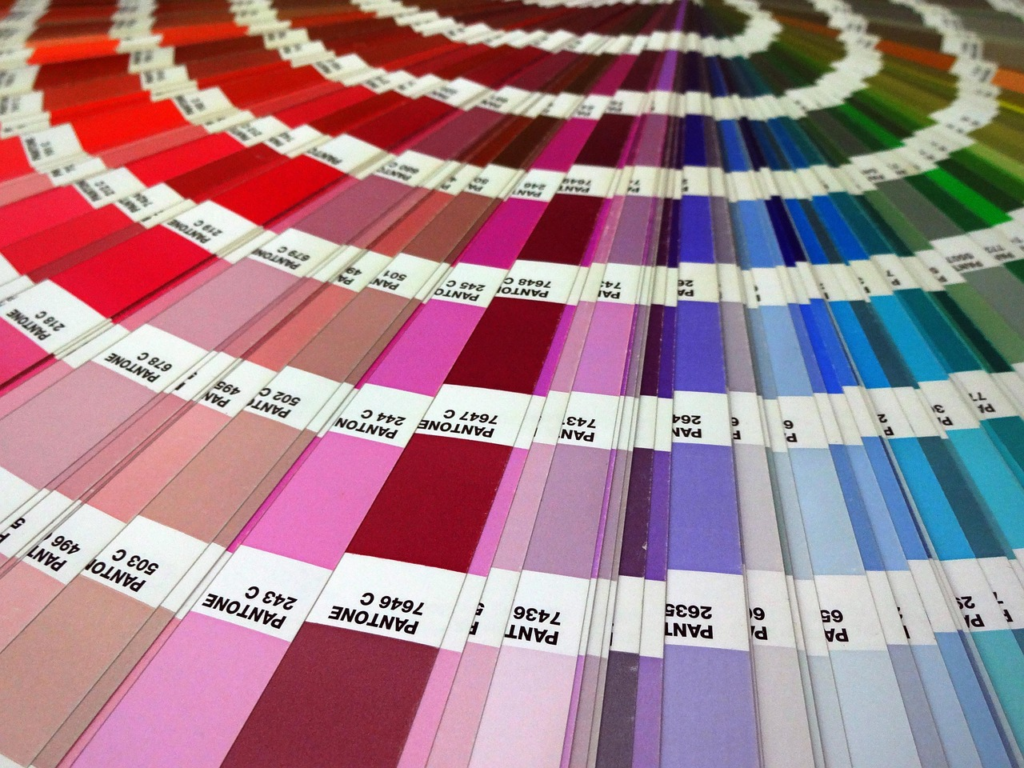
Pantone, the global authority on color standards, is best known for its color matching system used across fashion, design, and manufacturing. Each year, the company selects a Color of the Year to reflect broader shifts in culture, consumer behavior, and visual preferences. For 2026, Pantone has announced Cloud Dancer, a soft white shade.

In past years, Pantone’s annual choices have leaned towards colors that felt expressive or emotionally charged. Bold colors and rich tones have been used to signal optimism, confidence, creativity, or a response to uncertainty. These selections have influenced everything from clothing collections to product packaging and interior design.

The 2026 choice signals a change in direction. Cloud Dancer is restrained and subtle. Instead of relying on intensity or contrast, the color focuses on simplicity. The shade reflects a growing interest in calm environments and more intentional design choices, especially in a time when visual noise has become harder to escape.

As a clean neutral, Cloud Dancer adapts easily across categories. In interior spaces, it works as a light and flexible backdrop. When used in product packaging, it offers a soft, minimal base that works across different product categories. In fashion and branding, it favors clean lines and subtle styling that lasts over time instead of chasing statement trends. 

Pantone’s choice for 2026 points to a broader move towards clarity and ease. The focus shifts away from strong visual expression and towards balanced colors that feel practical, steady, and supportive of everyday life.

Cozy Holiday Self-Care

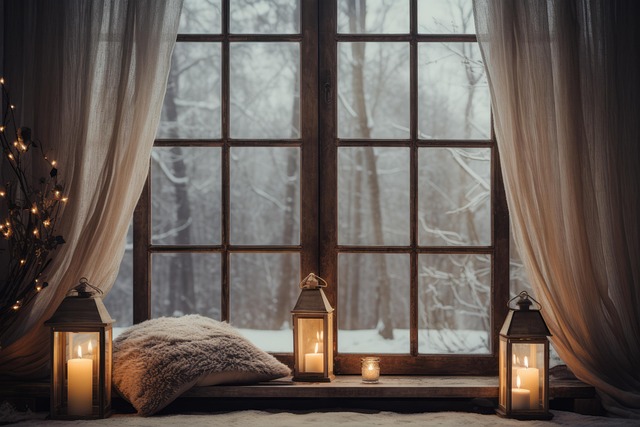
The holidays are supposed to be magical, but in real life they often feel more like a juggling act. Between work, family plans, money worries, and all the expectations floating around, it’s easy to end up exhausted just trying to keep up. That’s exactly why holiday self-care matters: not as another thing on your to-do list, but as a way to protect your energy so you can actually enjoy the season instead of just surviving it.


Start by easing up on the pressure you put on yourself. The decorations don’t have to be perfect, the food doesn’t have to be flawless, and you don’t have to say yes to every single invite. It’s completely fine to turn down a party, leave early, or choose a quiet night at home when you’re drained. Setting gentle boundaries with friends and family might feel awkward at first, but being honest about what you can handle usually leads to better moments together, not worse ones.


Emotions can run high this time of year, especially if you’re missing someone, feeling lonely, or just not in a “festive” mood. Let yourself feel what you feel instead of forcing constant cheer. Talking with a trusted person, writing things down, or simply naming your emotions out loud can make them feel less heavy. And while it sounds basic, the small things really help: getting enough sleep, eating in a way that leaves you feeling nourished, and moving your body in gentle ways like walking, stretching, or dancing in the kitchen.


In the end, the holidays don’t need to look like a movie to be worth celebrating. If you end up in comfy clothes on the couch, sipping something warm and laughing with one person you love (including your own company), that counts as a win. Take care of yourself, lower the bar a little, and let the cozy, imperfect magic find you.

A Fresh Take on Modern Kitchen Style

Modern kitchens are becoming flexible spaces where people cook, gather, and relax. The look of these rooms is shaped by simple design choices and new ideas that make everyday life easier.

One of the most noticeable features today is the statement backsplash. Homeowners enjoy using bold patterns, bright colors, textured glass, or natural stone to add depth and interest. Recently, many kitchens also feature fluted cabinetry and open shelving. These details keep the space minimal while adding a warm, personal touch through displayed glassware or ceramics.

Hidden storage continues to be a favorite. Toe kick drawers, deep corner cabinets with rotating trays, pull out spice racks, and appliance garages help keep the kitchen organized. These ideas support a clean layout and make it easier to move around the room.

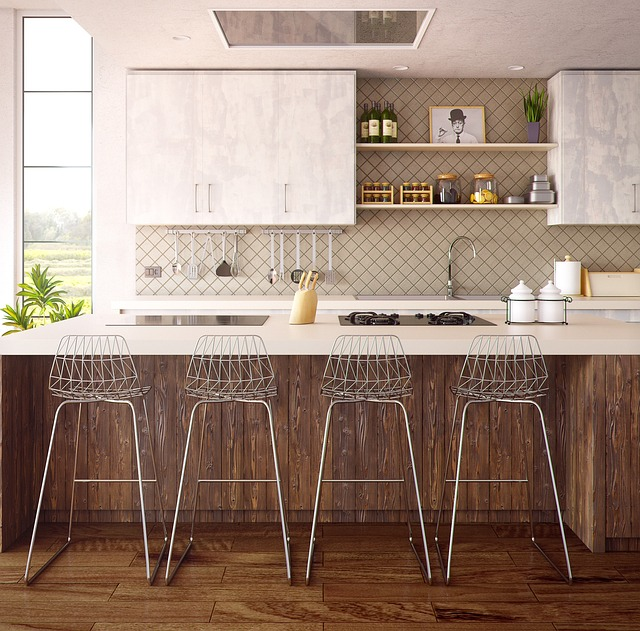
The modern kitchen island has become a central gathering spot. Many islands now include built in sinks, ovens, charging stations, and flexible seating. This turns the island into a place for both cooking and spending time with others. Seamless countertops with integrated sinks remain popular for their simple and cohesive look.

Warm and natural colors are shaping current styles. Wood tones, sage green, terracotta, and muted blues are common. Two tone cabinetry with darker bases and lighter uppers creates gentle contrast. Indoor outdoor living also influences design. Durable materials and outdoor friendly cabinetry help kitchens flow into exterior spaces. Technology adds convenience through voice activated appliances and touchless faucets. Sustainability plays an important role as well, with many choosing recycled glass, reclaimed wood, and other eco friendly materials. Different cultural styles blend together, creating kitchens that feel personal and inviting. All of these ideas come together to create kitchens that feel easy to live in, comfortable to gather in, and truly connected to the way people want to use their homes today.