


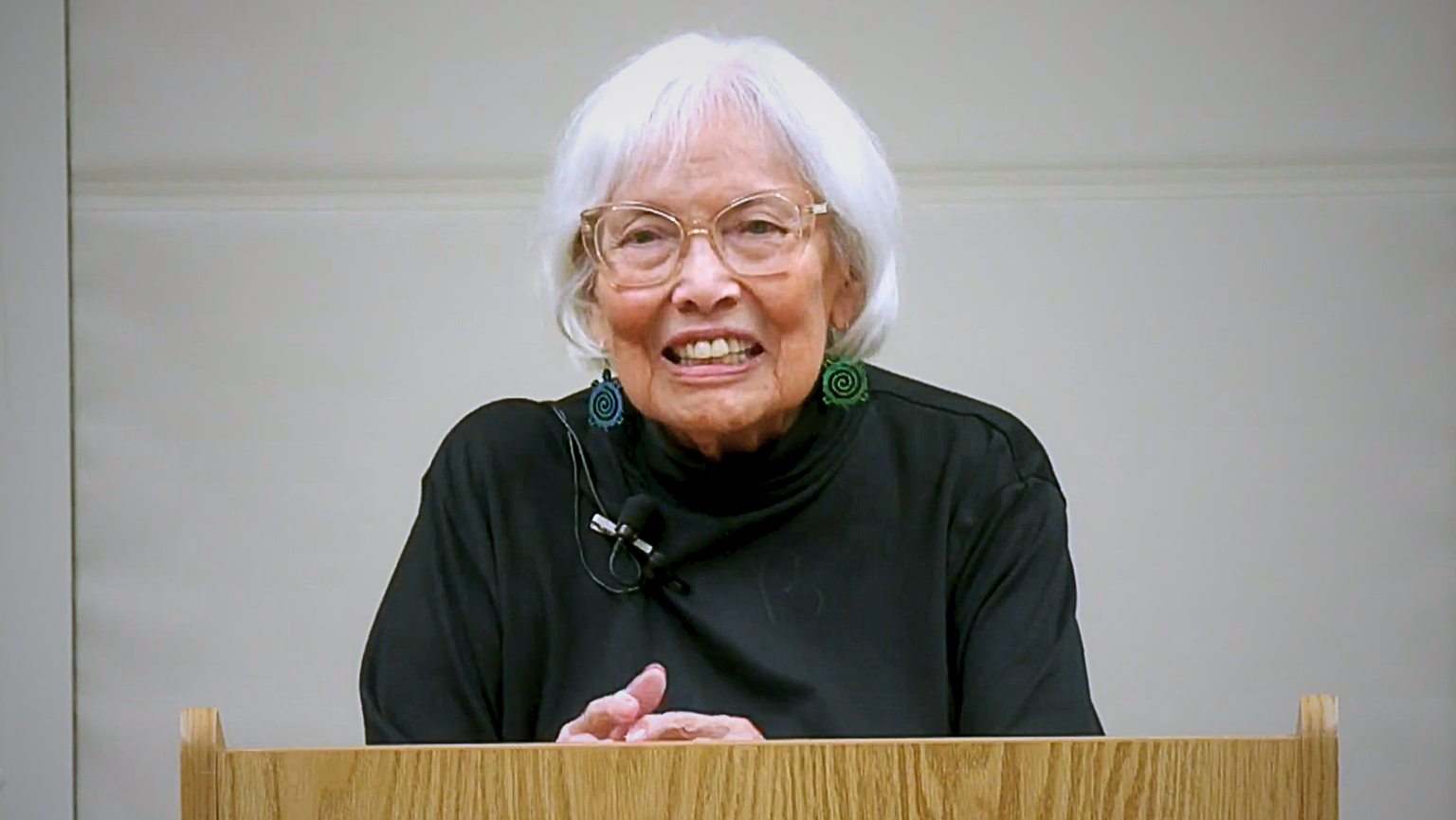

Virginia Driving Hawk Sneve (Sicangu Lakota and Ponca) mistook her first interaction with racism — a separate gas station outhouse reserved for “Indians” — as a privileged courtesy for her and her people. It is one of the “Special Places, Sacred Circles” that she recalls in the account of her life on the dry, windy plains of South Dakota. She tells of the Great Depression, grandmothers who taught her the power of words, and navigating a literary world that embraced her. Sneve was one of the first authors to offer an alternative to children’s literature flush with stereotypes. Her insightful writing took her from her home along Ponca Creek to a presidential honor at the White House. We’ll hear Sneve talk about her life as a writer and public school educator.
| CARVIEW |
Select Language
HTTP/2 200
date: Fri, 23 Jan 2026 08:53:28 GMT
server: Apache/2.4.66 () OpenSSL/1.0.2k-fips
x-powered-by: PHP/8.2.29
cf-edge-cache: cache,platform=wordpress
link: Native America Calling »



Past Shows
Thursday, January 22, 2026 – A tribal mining development agreement: a path forward or a one-time anomaly?
A recent agreement between a gold mining company and the Shoshone Paiute Tribes of the Duck Valley Reservation is being called “historic” by its chairman. The mining company president says the agreement follows the standards set by the United Nations Declaration on the Rights of Indigenous Peoples and gives the tribe a share of the profits from the mine. The company and tribal officials are optimistic this will set a precedent for how mining companies partner with tribes.
At the same time as the agreement, the U.S. Environmental Protection Agency proposes to severely limit the power of tribes to interfere with construction of oil and natural gas pipelines and resource-guzzling data centers.
Wednesday, January 21, 2026 – Native activists prepare for ongoing resistance and documentation as federal crackdowns expand
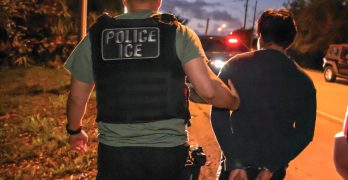
In Los Angeles, Chicago, and now Minneapolis, activists, community leaders, and concerned neighbors have organized loose-knit networks of support for what they believe will be a protracted resistance effort against the crackdowns by federal Immigration and Customs Enforcement (ICE) officers. The Powwow Grounds Coffeehouse in Minneapolis is among the locations collecting food, cash, and other support for those filling the streets with whistles, drums, and their own voices. Doing so carries risk. ICE agents shot and killed one person. Many more are injured. At least one Minneapolis restaurant fended off ICE agents who attempted to enter. We’ll hear from Native organizers in cities around the country about what they expect in the weeks and months ahead.
Tuesday, January 20, 2026 – Tribes see increasing urgency to confront flooding threat
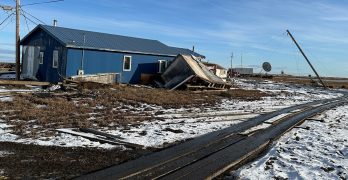
The village of Kwigillingok, Alaska is at a crossroads after flooding, fueled by a serious Bearing Sea storm, washed away 50 houses, killing three residents. The storm is one of the increasingly frequent and increasingly severe storms to pummel the area. Combined with thawing permafrost and rising sea levels, village leaders are pushing to move — a plan that state and Native regional corporation officials reject.
Recent flooding in Washington State also has tribal officials assessing their options. There too, major flooding — what used to be a once-in-a-lifetime event — threatens residents’ lives and property and the natural viability of the rivers than once sustained life for local tribes.
We’ll get updates about the effects of increasing floods and the difficult choices tribal officials face.
Monday, January 19, 2026 – Maintaining Martin Luther King, Jr’s vision for civil rights
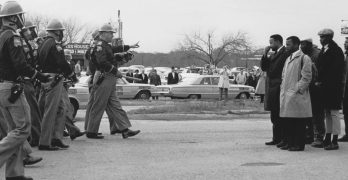
This year is the 60th anniversary of the Voting Rights Act of 1965, the federal law that promised equal access to voting regardless of race or religion. The document was a milestone in the movement championed by Martin Luther King, Jr. Among the actions that prompted the legislation was a series of violent confrontations between protestors and officials intent on preventing their progress, including law enforcement officers’ attack on hundreds of marchers on the Edmund Pettus Bridge in Selma, Ala. Many civil rights advocates say the country is now dismantling the progress that King devoted his life to that has helped Native Americans and so many others.
Friday, January 16, 2026 – Native professionals inspire change and excellence in their communities
Dakota Louis’ (Northern Cheyenne) family bull riding roots go back five generations. His father was a two-time champion at the Indian Finals Rodeo. Now, Louis is a top competitor at the same rodeo and other events around the country. He hopes to pass down his skills and inspiration to a younger generation on the Blackfeet Reservation in Montana where he grew up. On the Qualla Boundary in North Carolina, Jade Blankenship (Colville Tribes/Eastern Band of Cherokee) opened a spa and boutique with her sister. Together they are sharing their business knowledge with budding Native entrepreneurs. They are among the names on this year’s 40 under 40 list by the National Center for American Indian Enterprise Development. We’ll hear from some of the Native people on a variety of career paths recognized for their contributions to their communities.
Thursday, January 15, 2026 – What America’s bold actions in Venezuela could mean for the country’s Indigenous peoples
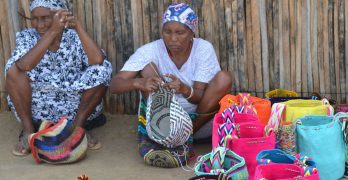
The U.S. capture of Venezuelan President Nicolás Maduro has prompted questions about what comes next. No one is more concerned about the answer to that question than Venezuela’s Wayúu people and the other Indigenous tribes that make up as much as 3% of the population. They are no fans of Maduro, enduring the same oppressive tactics as other residents, contributing to disproportionate socio-economic hurdles. They are also suffering at the hands of both legal and illegal mining operations. What will President Donald Trump’s stated interests in gas and mineral development mean going forward?
Wednesday, January 14, 2026 – A new tax law change means hundreds of millions of dollars more per year for tribes
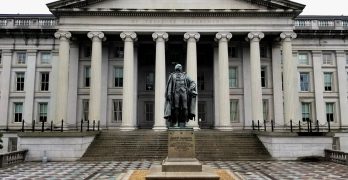
A recent decision by the U.S. Treasury Department is a major win for tribes. For the first time, tribes are on the same level as states when it comes to determining how tribal services are taxed. Advocates call the decision “historic” and say it is a significant breakthrough in tribal sovereignty. Not only will it allow tribes to keep hundreds of millions of dollars more per year, it removes the tax filing hassle for small contractors who work with tribes. We’ll hear about the decade-long push to change what is called the General Welfare Exclusion and what it means for tribal economic development.
Tuesday, January 13, 2026 – String of new affordable housing options offer hope for struggling urban Native Americans
Organizers in Chicago just broke ground on a 45-unit affordable housing project specifically for Native Americans that is scheduled to open this year. The Confederated Tribes of Siletz Indians just cut the ribbon in October for 40 new affordable housing units in Salem, Oreg. And Oakland, Calif. is working on 76 new homes for low-income Native Americans attached to a Native health facility. The surge in projects specifically geared toward urban Native Americans is meant to offset barriers that disproportionately affect their ability to keep a roof over their heads. We’ll hear about the factors fueling the surge in new affordable housing projects in various cities.
Monday, January 12, 2026 – Native Americans caught up in federal crackdown in Minneapolis
Immigration and Customs Enforcement (ICE) agents are accused of forcefully dragging a Native American man from car and detaining him during the increasing tensions in Minneapolis, Minn. More than 2,000 ICE agents and other federal officers descended on the city in what the Trump administration insists is an immigration enforcement action. At least five Native Americans have been detained, several others have had confrontations with ICE agents. The crackdown is roundly condemned by local and state community leaders. We’ll talk to some of those caught up in the action and what more might be in store elsewhere.
We’ll also hear from the leader of Virginia’s Rappahannock Tribe about their opposition to a plan by county officials to use 9,000,000 gallons of water from the tribe’s namesake river for a proposed data center, a plan that tribal leaders say was drafted without proper consultation.
Search Our Archive


NAC @ Santa Fe Indian Market
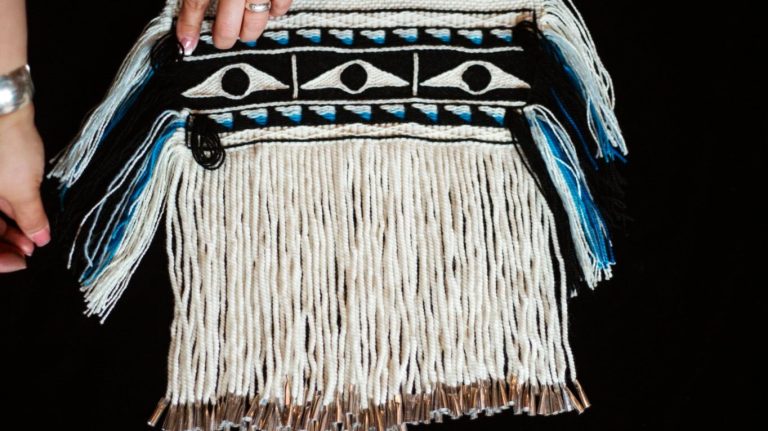
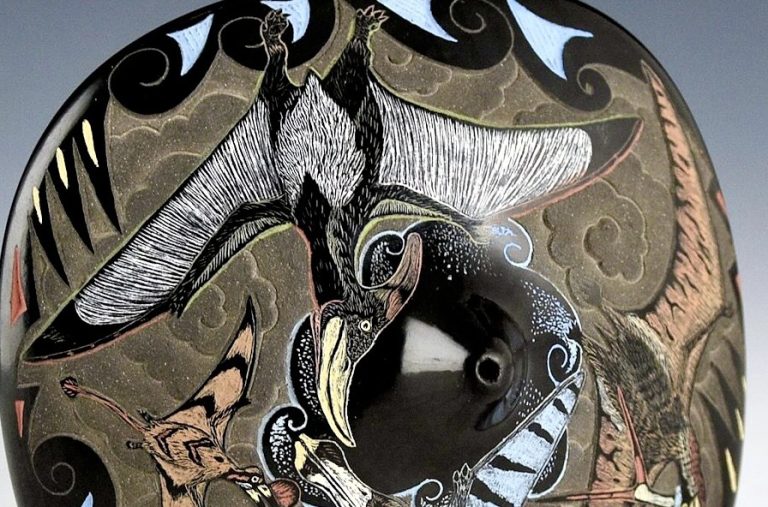
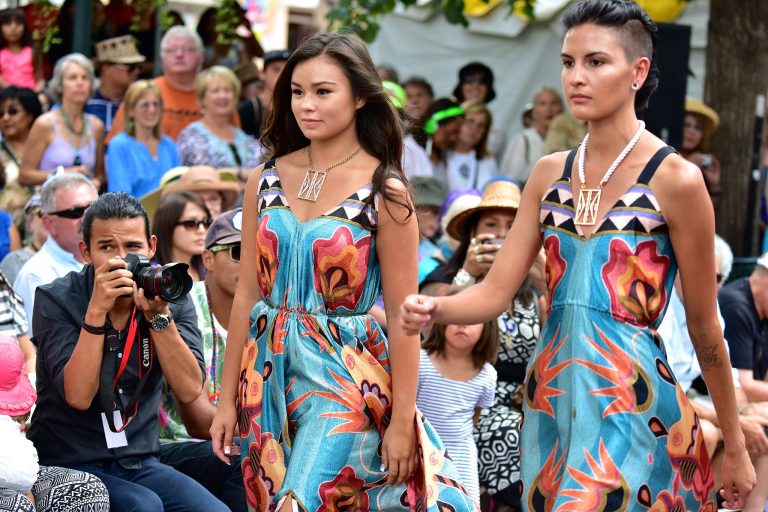
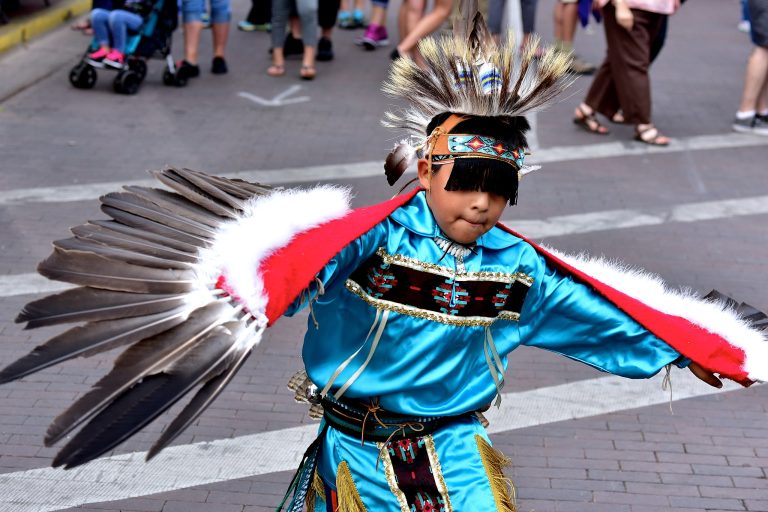
After 103 years, the Santa Fe Indian Market remains the biggest draw for Native artists, potters, and jewelry makers as well as those who appreciate and collect their work. More than 1.000 juried participants come from hundreds of Native communities, offering a hugely diverse range of inspiring work. We’ll take a small sample of that creativity and check in on the outlook for Native arts and arts education.
Distinctly Native American artwork, fashion, and films converge again for the annual Santa Fe Indian Market, with at least 1,000 booths and somewhere around 100,000 visitors. Native America Calling is live from Santa Fe, hearing from Southwestern Association for Indian Arts representatives, 2023 Best In Show winner Jennifer Tafoya, curators from the Native Cinema Showcase, and others to get a preview of the largest juried Native art market in the world.
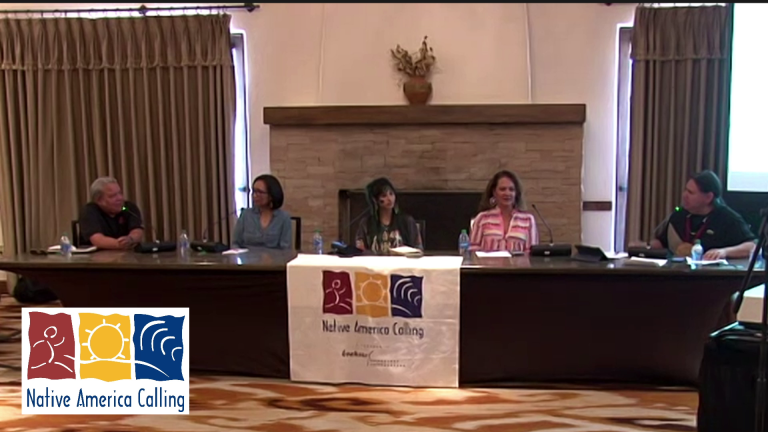
Listen back to Native America Calling’s live broadcast from the Santa Fe Indian Market featuring host Shawn Spruce and guests Dawn Houle (Chippewa Cree from Rocky Boy Montana), Mandolin Rain Song (Taos Pueblo), Jennifer Johns (Diné), and Jason Garcia (Santa Clara Pueblo).
Artists from hundreds of Native nations are tending to their booths in the streets of Santa Fe, selling works they’ve labored for months to prepare. SWAIA’s Santa Fe Indian Market has come a long way in 100 years. Today on Native America Calling, Shawn Spruce is live from Indian Market for a second day with Dr. Suzanne Newman Fricke, director of Gallery Hózhó at Hotel Chaco; Dr. Robert Martin (Cherokee), Institute of American Indian Arts president, to get a feel for what’s in store for the next century; Amber Dawn Bear Robe (Siksika Nation), Indigenous Fashion Show producer for the Southwestern Association for Indian Arts and art history professor at the Institute for American Indian Arts; Dr. Jessica Metcalfe (Turtle Mountain Chippewa), owner of Beyond Buckskin; and Kristin Gentry (Choctaw), artist, photographer, writer, and curator.
It survived the Termination Era, The Depression, a World War, and, most recently, a pandemic. The Southwestern Association for Indian Arts marks the 100th Santa Fe Indian Market, a place to buy works directly from artists, to experience the creative vision of Native designers, and watch films by Indigenous filmmakers.
Today on Native America Calling, Shawn Spruce is live from the Market to get a rundown of this year’s schedule and reflect on the evolution of this major achievement of Native creativity and commerce with Cindy Benitez, program manager for the Native Cinema Showcase by the National Museum of the American Indian; film director Fritz Bitsoie (Diné);Stephine Poston (Pueblo of Sandia), board chair for the Southwestern Association for Indian Arts; and Leah Salgado (Pascua Yaqui), Chief Impact Officer for Illuminative.
We use cookies to ensure that we give you the best experience on our website. If you continue to use our site, we will assume you have given your consent. Click here to opt-out.