


| CARVIEW |
Select Language
HTTP/2 200
date: Wed, 21 Jan 2026 21:24:09 GMT
content-type: text/html; charset=UTF-8
server: cloudflare
cache-control: max-age=900, public
x-drupal-dynamic-cache: UNCACHEABLE (poor cacheability)
content-language: en
x-content-type-options: nosniff
x-frame-options: SAMEORIGIN
expires: Sun, 19 Nov 1978 05:00:00 GMT
last-modified: Wed, 21 Jan 2026 20:25:12 GMT
x-generator: Drupal 10 (https://www.drupal.org)
purge-cache-tags: config:block_list config:block.block.msf_footer_string config:block.block.msffooter config:block.block.msfminisitefooter config:block.block.msfsearchsuggestion config:block.block.msfheader config:block.block.msfminisiteheader config:extlink.settings block_view config:system.menu.footer config:system.menu.footer-social config:system.menu.footer-legal config:msf_navigation.financial_impact_settings block_list node:47599 node_view paragraph_view paragraph:186586 config:paragraphs.settings config:image.style.image_desktop file:62126 paragraph:250691 paragraph:34661 taxonomy_term_view taxonomy_term:4386 taxonomy_term:6331 taxonomy_term:4381 taxonomy_term:6573 taxonomy_term:4351 taxonomy_term:6593 paragraph:34651 config:views.view.solr_content config:search_api.index.solr_index search_api_list:solr_index node:50013 user:85510 node:50014 node:50015 node:50016 user:571 node:50017 user:143957 node:50022 node:50018 node:50019 node:50020 node:50021 paragraph:186581 config:filter.format.simple_html paragraph:34646 paragraph:186496 paragraph:299189 paragraph:80366 paragraph:305336 paragraph:198501 paragraph:261226 user:1 local_task media:125022 rendered page_manager_route_name:msf_system.default_page_homepage http_response config:user.role.anonymous config:system.menu.main config:system.menu.main-top node:46886 node:41596 paragraph:336137 paragraph:327635 paragraph:327634 paragraph:327633 paragraph:327632 paragraph:327631 paragraph:175976 paragraph:175981 paragraph:260573 paragraph:175956 paragraph:266893 paragraph:259791 paragraph:175961 paragraph:316611 paragraph:175951 paragraph:175971 paragraph:175941 paragraph:175936 paragraph:175921 paragraph:175916 paragraph:175911 paragraph:175906 paragraph:175901 paragraph:169191 paragraph:169186 paragraph:169176 paragraph:138501 node:40211 paragraph:64031 paragraph:64026 paragraph:64021 paragraph:64016 paragraph:64011 paragraph:64036 paragraph:64041 user:71 node:39541 paragraph:291490 file:66602 paragraph:49836 file:66601 paragraph:55201 file:66600 paragraph:291494 paragraph:49841 node:39741 paragraph:328597 paragraph:328598 paragraph:328596 paragraph:328595 paragraph:328594 paragraph:328593 config:configurable_language_list
x-drupal-cache: MISS
x-url: /
x-host: www.msf.org
vary: Cookie, Accept-Encoding
x-varnish: 92737386 91155038
age: 3535
via: 1.1 varnish (Varnish/6.0)
x-varnish-cache: HIT
x-varnish-cache-hits: 513
x-cache-ttl-remaining:
x-varnish-grace: none
x-varnish-clientip: 127.0.0.1
x-varnish-methodreq: GET
cf-cache-status: DYNAMIC
content-encoding: gzip
cf-ray: 9c19e0720f2d755c-BLR
MSF - Médecins Sans Frontières | Medical humanitarian organisation
Skip to main content
Who We Are
Learn more
How we work
How we're run
Reports and financials
Accountability
Contact us
Africa
Asia & Pacific
Middle East & North Africa
Europe & Central Asia
The Americas
MSF Access
CRASH
UREPH
ARHP
MSF Analysis
MSF Supply
MSF Logistique
Amsterdam Procurement Unit
Brazilian Medical Unit
MSF Medical Guidelines
Epicentre
Evaluation Units
LGBTQI+ Inclusion in Health Settings
LUXOR
Intersectional Benchmarking Unit
MSF Academy for Healthcare
Humanitarian Law
MSF Paediatric Days
MSF Foundation
DNDi
MSF Science Portal
Noma
TIC
Telemedicine
Sweden Innovation Unit
Geo MSF
View Resource Centre
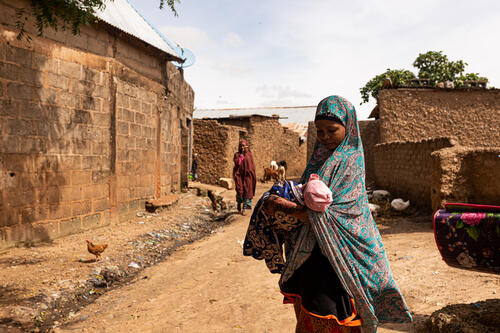
Amina Tahila, a new mother, reaches her home in Shinkafi town after being discharged. Nigeria, September 2025.
© Nnoli Amarachi
 outpatient consultations
Malaria cases treated
patients admitted
countries
outpatient consultations
Malaria cases treated
patients admitted
countries

View All Countries

About Us
See what triggers an intervention and how supply and logistics allow our teams to respond quickly.
Learn more How we workDiscover our governance and what it means to be an association. Find a quick visual guide to our offices around the world.
Learn more How we're runRead through our annual financial and activity reports, and find out about where our funds come from and how they are spent.
Learn more Reports and financialsRead the policies, reports, and plans on how we address issues like racism and reduce our carbon footprint, ensuring our actions align with the highest ethical standards.
Learn more AccountabilityVisit this section to get in touch with our offices around the world.
Learn more Contact usWhat we do
Médecins Sans Frontières brings medical humanitarian assistance to victims of conflict, natural disasters, epidemics or healthcare exclusion.
View all topics Activities by country
Medical Activities

Learn about how, why, and where MSF teams respond to different diseases around the world, and the challenges we face in providing treatment.
Learn more
Crisis Settings

Learn about the different contexts and situations in which MSF teams respond to provide care, including war and natural disaster settings, and how and why we adapt our activities to each.
Learn more
In Focus

Learn about our response and our work in depth on specific themes and events.
Learn more
Where we work
In more than 70 countries, Médecins Sans Frontières provides medical humanitarian assistance to save lives and ease the suffering of people in crisis situations.
View all countries
Africa
+ 36 More
Asia & Pacific
+ 20 More
Middle East & North Africa
+ 10 More
Europe & Central Asia
+ 36 More
The Americas
+ 16 More
MSF Websites
A Global Network
Our offices around the world
- Argentina
- Australia
- Austria
- Belgium
- Brazil
- Canada
- China
- Colombia
- Czech Republic
- Denmark
- Eastern Africa
- Finland
- France
- Germany
- Greece
- Holland
- Hong Kong
- India
- Indonesia
- Ireland
- Italy
- Japan
- Lebanon
- Luxembourg
- Malaysia
- Mexico
- New Zealand
- Norway
- Philippines
- Poland
- Southern Africa
- South Asia
- South Korea
- Spain
- Sweden
- Switzerland
- Taiwan
- Thailand
- UAE
- UK
- Uruguay
- USA
Other Sites
View Resource Centre
MSF Access pushes for access to, and the development of, life-saving and life-prolonging medicines, diagnostic tests and vaccines for people in our programmes and beyond.
GO TO SITE MSF AccessBased in Paris, CRASH conducts and directs studies and analysis of MSF actions. They participate in internal training sessions and assessment missions in the field.
GO TO SITE CRASHBased in Geneva, UREPH (or Research Unit) aims to improve the way MSF projects are implemented in the field and to participate in critical thinking on humanitarian and medical action.
GO TO SITE UREPHBased in Barcelona, ARHP documents and reflects on the operational challenges and dilemmas faced by the MSF field teams.
GO TO SITE ARHPBased in Brussels, MSF Analysis intends to stimulate reflection and debate on humanitarian topics organised around the themes of migration, refugees, aid access, health policy and the environment in which aid operates.
GO TO SITE MSF AnalysisThis logistical and supply centre in Brussels provides storage of and delivers medical equipment, logistics and drugs for international purchases for MSF missions.
GO TO SITE MSF SupplyThis supply and logistics centre in Bordeaux, France, provides warehousing and delivery of medical equipment, logistics and drugs for international purchases for MSF missions.
GO TO SITE MSF LogistiqueThis logistical centre in Amsterdam purchases, tests, and stores equipment including vehicles, communications material, power supplies, water-processing facilities and nutritional supplements.
GO TO SITE Amsterdam Procurement UnitBRAMU specialises in neglected tropical diseases, such as dengue and Chagas, and other infectious diseases. This medical unit is based in Rio de Janeiro, Brazil.
GO TO SITE Brazilian Medical UnitOur medical guidelines are based on scientific data collected from MSF’s experiences, the World Health Organization (WHO), other renowned international medical institutions, and medical and scientific journals.
GO TO SITE MSF Medical GuidelinesProviding epidemiological expertise to underpin our operations, conducting research and training to support our goal of providing medical aid in areas where people are affected by conflict, epidemics, disasters, or excluded from health care.
GO TO SITE EpicentreEvaluation Units have been established in Vienna, Stockholm, and Paris, assessing the potential and limitations of medical humanitarian action, thereby enhancing the effectiveness of our medical humanitarian work.
GO TO SITE Evaluation UnitsMSF works with LGBTQI+ populations in many settings over the last 25-30 years. LGBTQI+ people face healthcare disparities with limited access to care and higher disease rates than the general population.
GO TO SITE LGBTQI+ Inclusion in Health SettingsThe Luxembourg Operational Research (LuxOR) unit coordinates field research projects and operational research training, and provides support for documentation activities and routine data collection.
GO TO SITE LUXORThe Intersectional Benchmarking Unit collects and analyses data about local labour markets in all locations where MSF employs people.
GO TO SITE Intersectional Benchmarking UnitTo upskill and provide training to locally-hired MSF staff in several countries, MSF has created the MSF Academy for Healthcare.
GO TO SITE MSF Academy for HealthcareThis Guide explains the terms, concepts, and rules of humanitarian law in accessible and reader-friendly alphabetical entries.
GO TO SITE Humanitarian LawThe MSF Paediatric Days is an event for paediatric field staff, policy makers and academia to exchange ideas, align efforts, inspire and share frontline research to advance urgent paediatric issues of direct concern for the humanitarian field.
GO TO SITE MSF Paediatric DaysThe MSF Foundation aims to create a fertile arena for logistics and medical knowledge-sharing to meet the needs of MSF and the humanitarian sector as a whole.
GO TO SITE MSF FoundationA collaborative, patients’ needs-driven, non-profit drug research and development organisation that is developing new treatments for neglected diseases, founded in 2003 by seven organisations from around the world.
GO TO SITE DNDiOur digital portal dedicated to sharing the latest medical evidence from our humanitarian activities around the globe.
GO TO SITE MSF Science PortalNoma is a preventable and treatable neglected disease, but 90 per cent of people will die within the first two weeks of infection if they do not receive treatment.
GO TO SITE NomaThe TIC is aiming to change how MSF works to better meet the evolving needs of our patients.
GO TO SITE TICMSF's telemedicine hub aims to overcome geographic barriers for equitable, accessible, and quality patient care.
GO TO SITE TelemedicineLaunched in 2012, the MSF Sweden Innovation Unit deploys a human-centered approach for promoting a culture of innovation within MSF.
GO TO SITE Sweden Innovation UnitThe GeoMSF platform is a dynamic one-stop-shop website for all of MSF's GIS related services and products. Access maps and applications through the catalogue, request geographical support, or produce a map on GeoMSF.
GeoMSF Geo MSF
An international, independent medical humanitarian organisation
We provide medical assistance to people affected by conflict, epidemics, disasters, or exclusion from healthcare. Our teams are made up of tens of thousands of health professionals, logistic and administrative staff - most of them hired locally. Our actions are guided by medical ethics and the principles of impartiality, independence and neutrality.
16.5M
16.5M
3.9M
3.9M
1.7M
1.7M
75
75
Featured
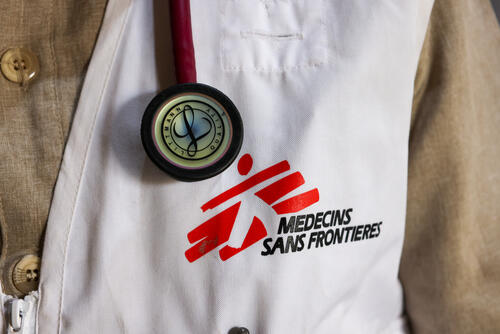
Burundi
The humanitarian situation for refugees in Burundi remains alarming
Project Update
14 Jan 2026
Haiti
MSF calls for protection of civilians as violence in Bel Air forces suspension of activities
Press Release
8 Jan 2026
Gaza-Israel war
Israel’s threat to withhold NGO registrations is a blow to humanitarian aid
Statement
2 Jan 2026
Where we work
In more than 70 countries, Médecins Sans Frontières provides medical humanitarian assistance to save lives and ease the suffering of people in crisis situations.
The place names and boundaries in this map do not reflect any position by MSF on their legal status. This map uses the Gall-Peters equal-area map projection.
Our Programmes
The place names and boundaries in this map do not reflect any position by MSF on their legal status. This map uses the Gall-Peters equal-area map projection.
Latest
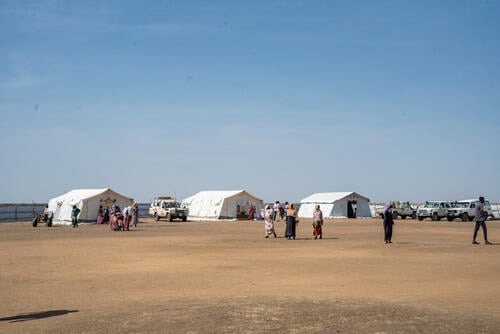
United States of America
One year later: How US policies are reshaping global health and humanitarian aid
21 Jan 2026
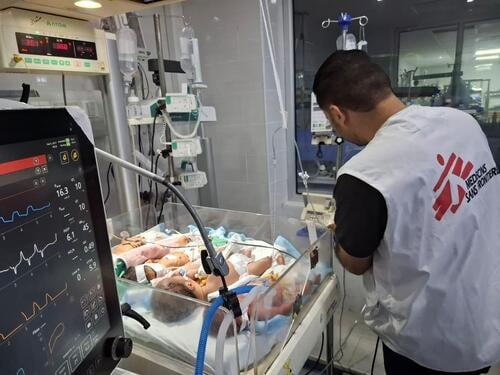
Gaza-Israel war
Addressing frequently asked questions and allegations about MSF’s work in Gaza
16 Jan 2026
South Sudan
Movement restrictions prevent people from accessing lifesaving medical care in Jonglei state
16 Jan 2026
Gaza-Israel war
Israel’s threat to withhold NGO registrations is a blow to humanitarian aid
2 Jan 2026
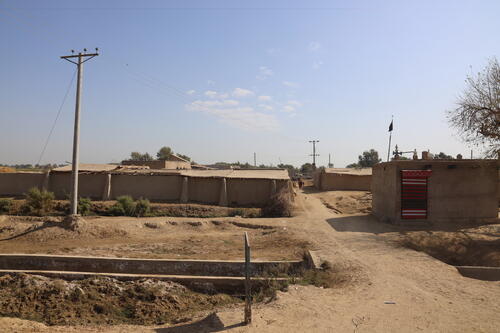
Refugees, IDPs and people on the move
Harsh winter conditions deepen humanitarian crisis for Afghans in Pakistan
2 Jan 2026
In focus
In Focus
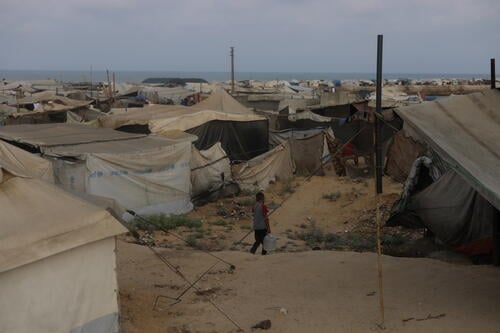
Gaza-Israel war
Learn how MSF teams are responding to the genocide in Gaza, Palestine.
In Focus
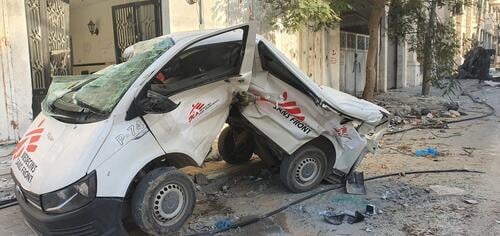
Attacks on medical care
Attacks against medical facilities and health workers, whether deliberate or indiscriminate, are part of generalised violence and atrocities committed against civilians in armed conflict. They deprive populations of health services, often when they need them the most.
In Focus
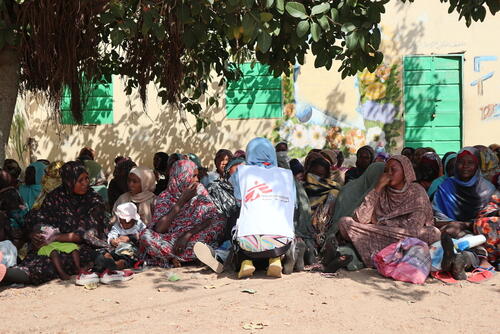
Conflict in Sudan
Find out the latest information on MSF's response to the conflict in Sudan.
In Focus
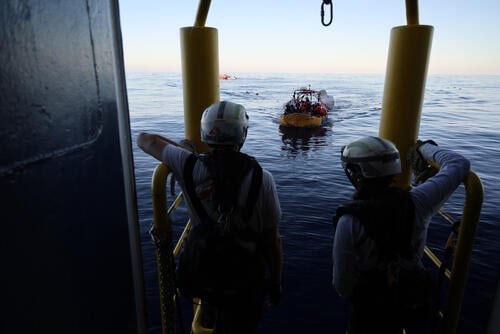
Mediterranean migration
Every year, thousands of people fleeing war, persecution and poverty at home attempt the treacherous journey across the Mediterranean. Countless lives are lost on the way.
In Focus
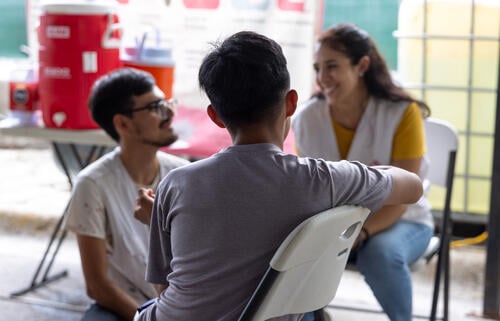
Central American migration
The Central American migration route, from Panama to Mexico’s northern border with the United States, is punctuated by violence.
In Focus
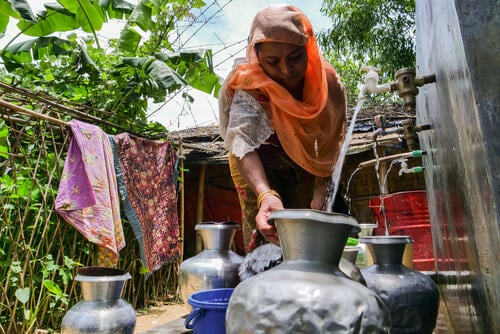
Rohingya refugee crisis
Legally stateless, with very limited options or rights in any country where they have sought refuge, the Rohingya are extremely vulnerable.
video
Welcome to Médecins Sans Frontières/Doctors Without Borders
Working with MSF
What's it like to work with MSF?
We rely on a strong network of professionals to deliver life-saving medical aid.
Each year, thousands of international and locally-hired staff work together around the globe to provide lifesaving medical assistance to people who would otherwise be denied access to healthcare.
Learn more