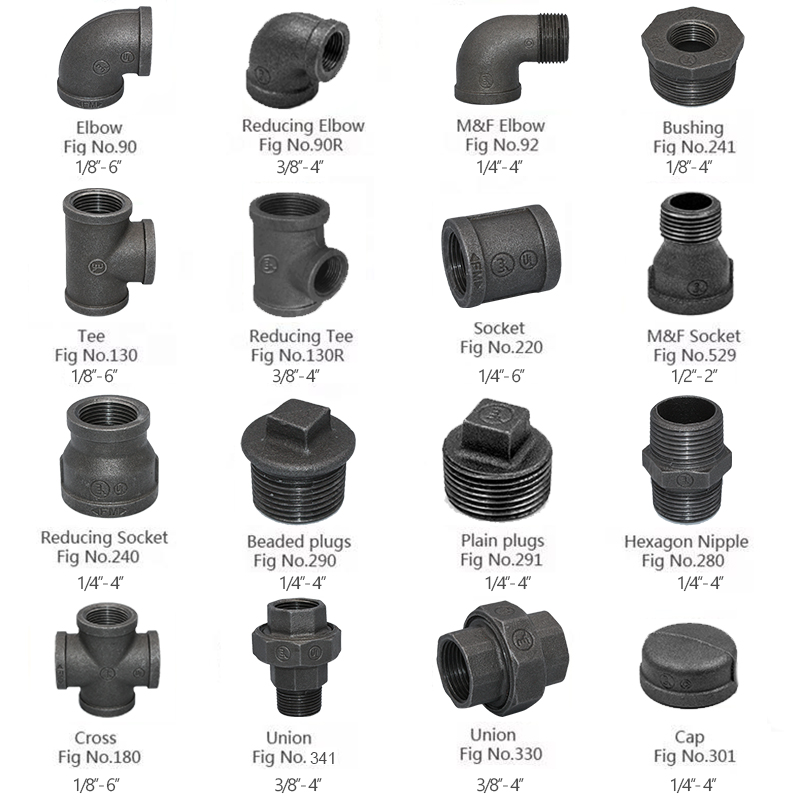
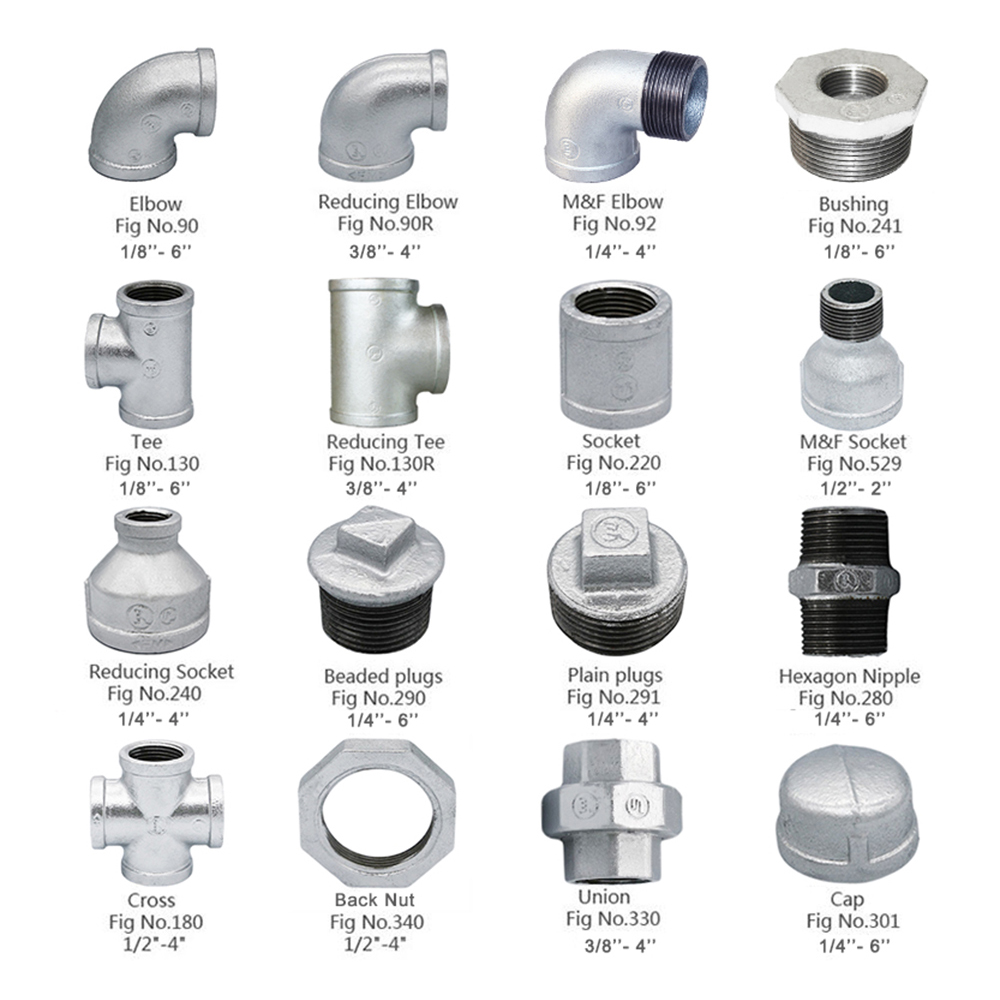
A fire pipe fitting is a crucial component used to connect, alter, or branch off a fire protection pipeline. These fittings are designed to join different sections of pipe within a fire suppression system, ensuring the system delivers water efficiently and quickly to essential fire protection components such as sprinkler heads, fire hydrants, and other firefighting equipment.
Fire pipe fittings come in various types and sizes depending on the requirements of the fire protection system. Made from robust materials such as stainless steel, brass, and ductile iron, these fittings are engineered to withstand the extreme conditions encountered in a fire environment. In addition to the physical stresses of fire exposure, fire pipe fittings are also capable of handling the prolonged exposure to water, chemicals, and high-pressure conditions typically found in fire suppression systems.

The Materials Used in Fire Pipe Fittings
Fire pipe fittings are manufactured from materials chosen for their durability, strength, and resistance to corrosion. The most commonly used materials for fire pipe fittings include:
-
Stainless Steel: Known for its resistance to corrosion and high temperatures, stainless steel is often used in fire protection systems, especially in areas where high pressure or corrosive elements are present.
-
Brass: Brass fittings are commonly used in smaller diameter piping systems due to their good machinability and resistance to corrosion. Brass is a preferred material in some systems, especially where water or chemicals are involved.
-
Ductile Iron: Ductile iron fittings are highly durable and can withstand extreme pressure and temperature changes. This material is particularly useful in larger systems, including industrial fire protection systems.
Each of these materials offers specific advantages, and the choice of material depends on factors such as the type of fire protection system, the environment in which it is installed, and the regulatory standards to be met.
How Do Fire Pipe Fittings Work?
Fire pipe fittings are designed to ensure that water flows through the system in a controlled and efficient manner during a fire emergency. They connect various sections of pipe, change the direction of water flow, maintain water pressure, and prevent leaks. Their function is critical to the effectiveness of fire suppression systems.
Connecting and Joining Pipes
The primary role of a fire pipe fitting is to connect sections of pipe, creating a continuous flow path for water to travel through. These fittings come in various configurations, including elbows, tees, reducers, and crosses, to connect pipes of different sizes or change the direction of the water flow. These connections ensure that water is efficiently distributed to all areas that require fire suppression.
-
Elbows are used to change the direction of the pipe, allowing water to be routed around corners or obstacles.
-
Tees are used to split water flow into multiple directions, ensuring coverage across different areas of the building.
-
Reducers allow for the connection of pipes with different diameters, enabling a smooth transition and maintaining flow efficiency.
Without these fittings, water could not travel efficiently through the fire protection system, compromising its ability to function properly during an emergency.
Redirecting Water Flow
Fire pipe fittings also play a critical role in redirecting water flow within a fire protection system. For example, a 4-way cross fitting can connect four pipes at 90-degree angles, allowing water to flow to different areas at once. This capability is especially useful in large-scale systems, such as those found in commercial or industrial buildings, where water must be distributed across multiple floors or areas.
Redirecting water flow through the use of specialized fittings is essential in ensuring that fire protection is available where it’s needed most, without unnecessary wastage or inefficiency.
Controlling Water Pressure
Fire pipe fittings are also crucial for maintaining the proper water pressure throughout the system. These fittings help ensure that water is delivered at the correct pressure to each sprinkler head, hydrant, or other fire protection device. High-pressure fittings, such as those used in commercial or industrial applications, are designed to handle the increased pressure without leaking or failing.
-
Pressure-reducing fittings are used in systems that require a drop in pressure to prevent damage to the system or ensure that water is delivered at an appropriate rate.
-
Pressure-regulating fittings ensure that the water is maintained at a consistent pressure throughout the system, even during large-scale fire emergencies.
In a fire emergency, pressure is key to ensuring that water can reach the required areas at a sufficient flow rate to suppress the fire effectively.
Importance of Fire Pipe Fittings in Fire Protection Systems
Fire pipe fittings are not only vital for the effective distribution of water but also for the safety, reliability, and compliance of the entire fire protection system. Several key factors make fire pipe fittings indispensable:
Leak Prevention
The integrity of a fire protection system depends heavily on the ability of the pipe fittings to prevent leaks. Any leakage in the system could reduce water pressure or cause a failure in the fire suppression system during an emergency. High-quality fire pipe fittings are designed to create tight seals and prevent water from escaping, ensuring that the system remains fully operational when needed.
Leak prevention is a critical aspect of fire protection systems, as any leaks can compromise the system’s ability to function correctly.
Durability and Heat Resistance
Fire pipe fittings are exposed to extreme temperatures during a fire, which is why they need to be made from materials that can withstand high heat. Stainless steel, brass, and ductile iron are specifically chosen for their ability to endure high temperatures without degrading.
These materials also resist the physical stresses placed on the fittings during a fire, ensuring the longevity of the system and maintaining its performance during emergency situations.
Pressure Maintenance
Pressure maintenance is another crucial function of fire pipe fittings. During a fire emergency, it is essential that the fire suppression system maintains a stable water pressure to ensure that water reaches the sprinkler heads and hydrants at the required rate. Fire pipe fittings play a crucial role in managing and maintaining this pressure throughout the system.
Specialized Design
Fire pipe fittings are designed to meet specific safety standards and building codes that are necessary to ensure the reliability and effectiveness of fire protection systems. These fittings must undergo rigorous testing and meet strict performance requirements to ensure they can handle the unique challenges of fire suppression systems.
-
Code-compliant fittings ensure that the fire protection system adheres to local, national, or international fire safety regulations, which are essential for ensuring public safety.
Difference Between a Fire Pipe Fitting and a Regular Pipe Fitting
While fire pipe fittings share similarities with regular pipe fittings, there are key differences between the two. The primary difference lies in their intended purpose, material composition, and durability requirements.
Fire Pipe Fittings
Fire pipe fittings must adhere to strict standards that ensure they will function correctly in high-pressure, high-temperature environments. These fittings are built to withstand the extreme conditions that occur during a fire, such as high heat and pressure, as well as exposure to water and chemicals.
-
Designed for high-pressure and heat resistance: Fire pipe fittings are made from durable materials such as stainless steel and ductile iron, which can withstand extreme conditions without failing.
-
Must meet safety standards: Fire pipe fittings must comply with local fire safety codes and regulations to ensure they perform as required in an emergency.
Regular Pipe Fittings
Regular pipe fittings, on the other hand, are designed for general-purpose plumbing systems and are not intended for fire suppression. They are made from materials that may not offer the same level of heat resistance or pressure handling capabilities as fire pipe fittings.
How Often Should Fire Pipe Fittings Be Inspected?
Regular inspection and maintenance of fire pipe fittings are crucial to ensure the continued reliability of the fire protection system. Inspections help identify any potential issues, such as corrosion, leaks, or wear, that could affect the system’s performance during a fire.
Inspection Frequency
-
Annually: Fire pipe fittings should be inspected at least once a year to ensure they are functioning properly. This includes checking for leaks, corrosion, or signs of wear that could compromise the system.
-
After major incidents: After any significant event, such as a fire drill, equipment testing, or a real fire, the system should be thoroughly inspected to ensure it is still operational and hasn’t been damaged.
-
In extreme environments: In areas exposed to harsh conditions (e.g., corrosive environments or high temperatures), inspections may need to be more frequent to ensure the fittings remain in good condition.
Conclusion
Fire pipe fittings are an indispensable component of fire protection systems, ensuring that water is delivered efficiently and effectively during a fire emergency. Their ability to connect, redirect, and control water flow makes them crucial for the operation of sprinkler systems, hydrants, and other firefighting equipment. W