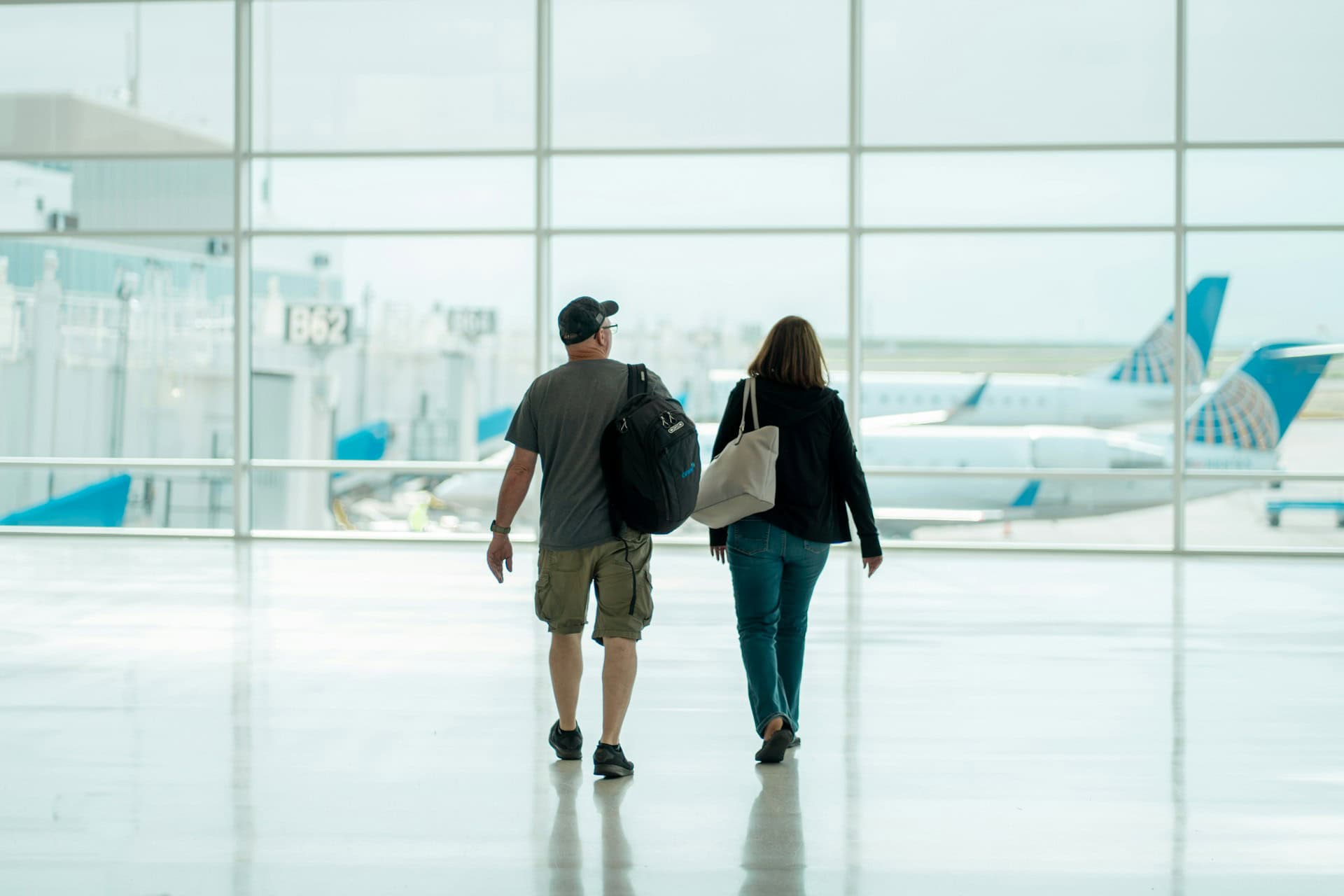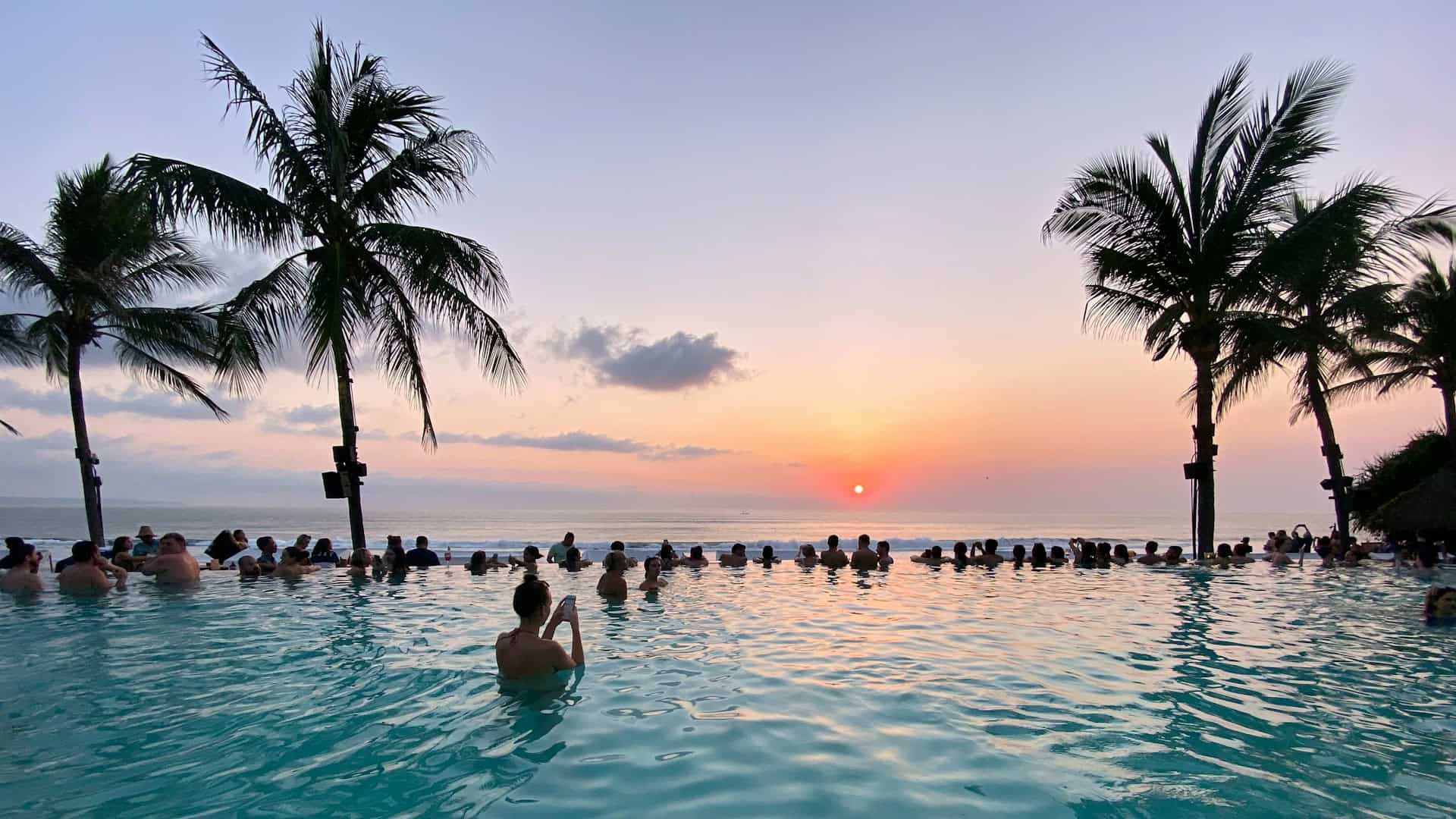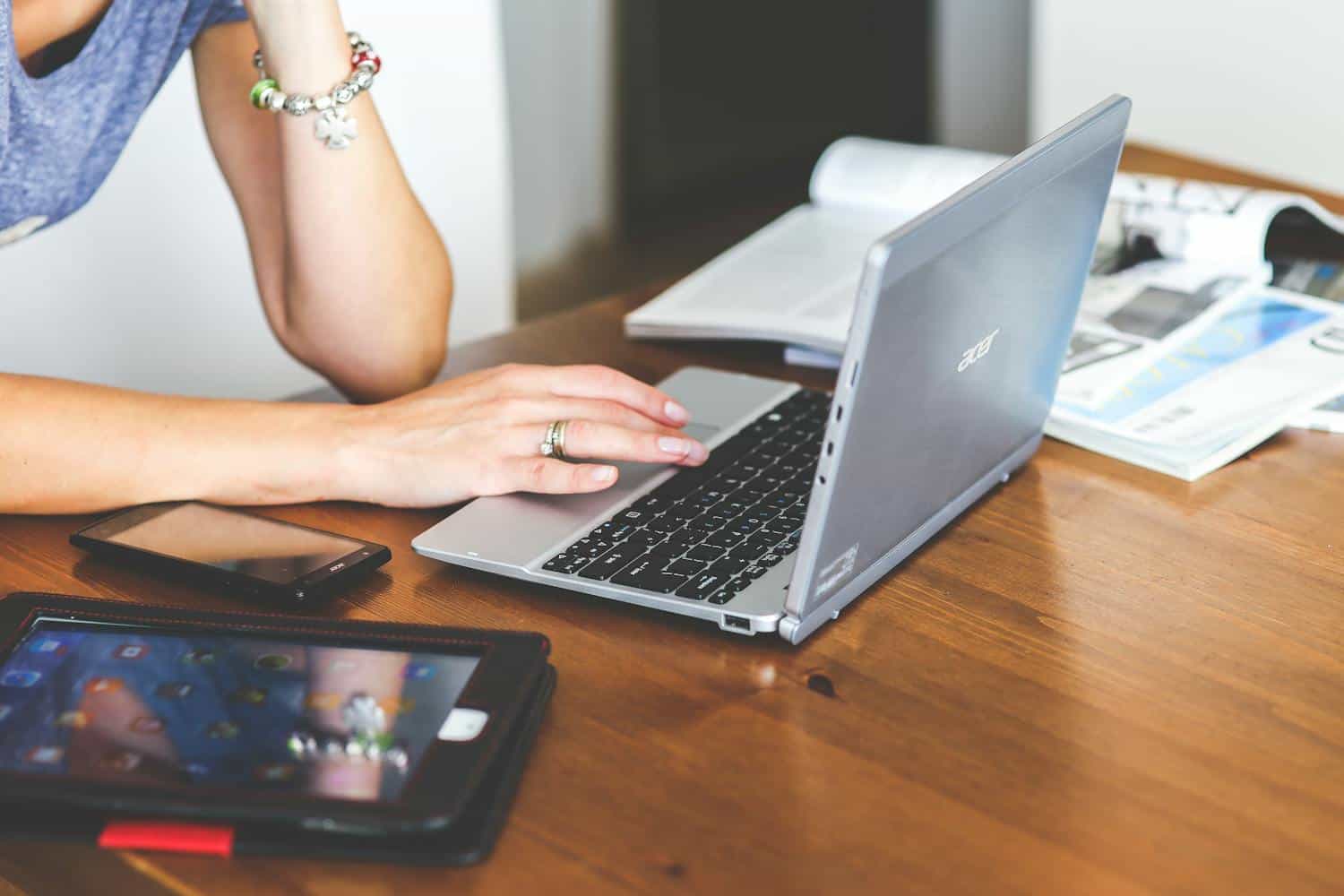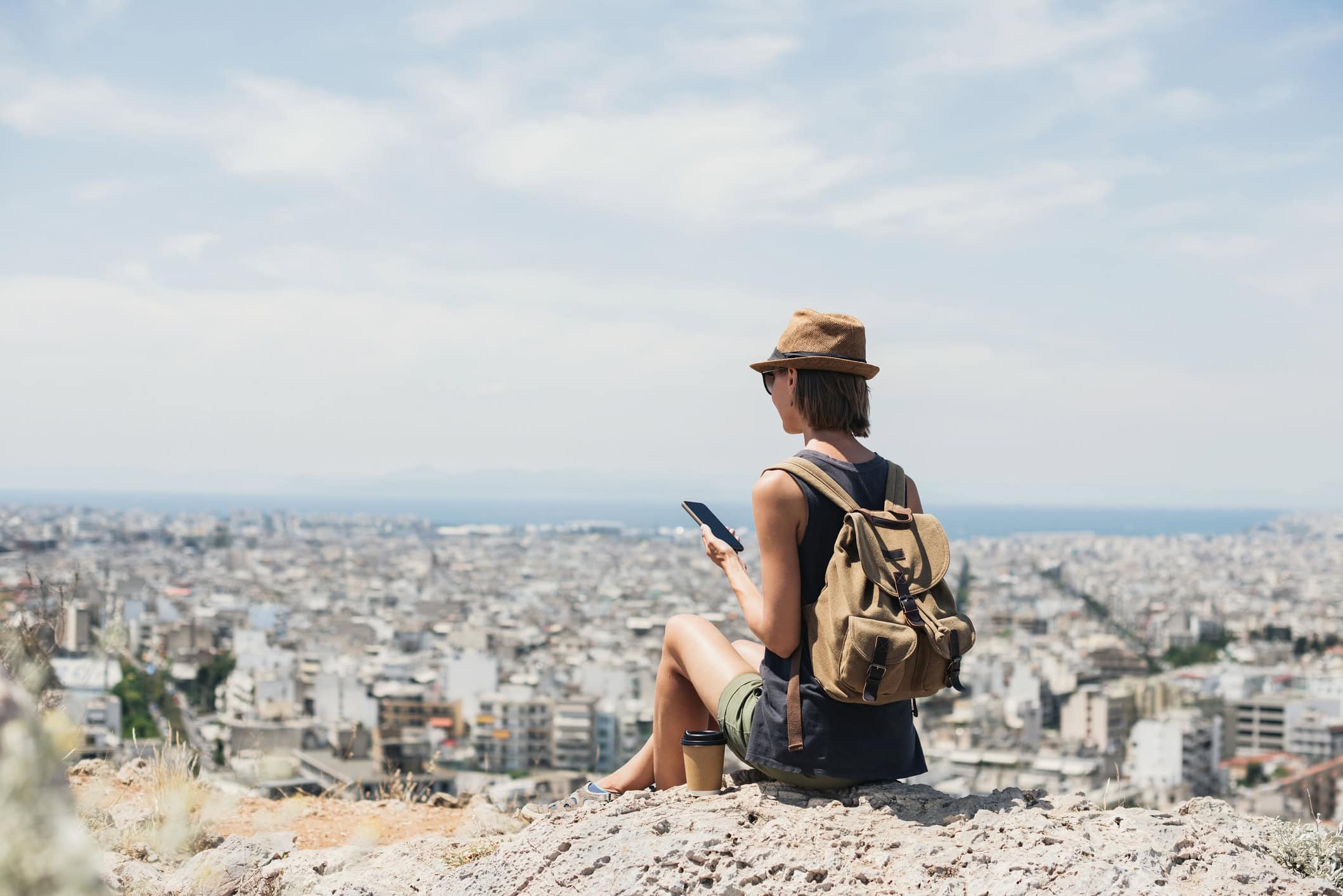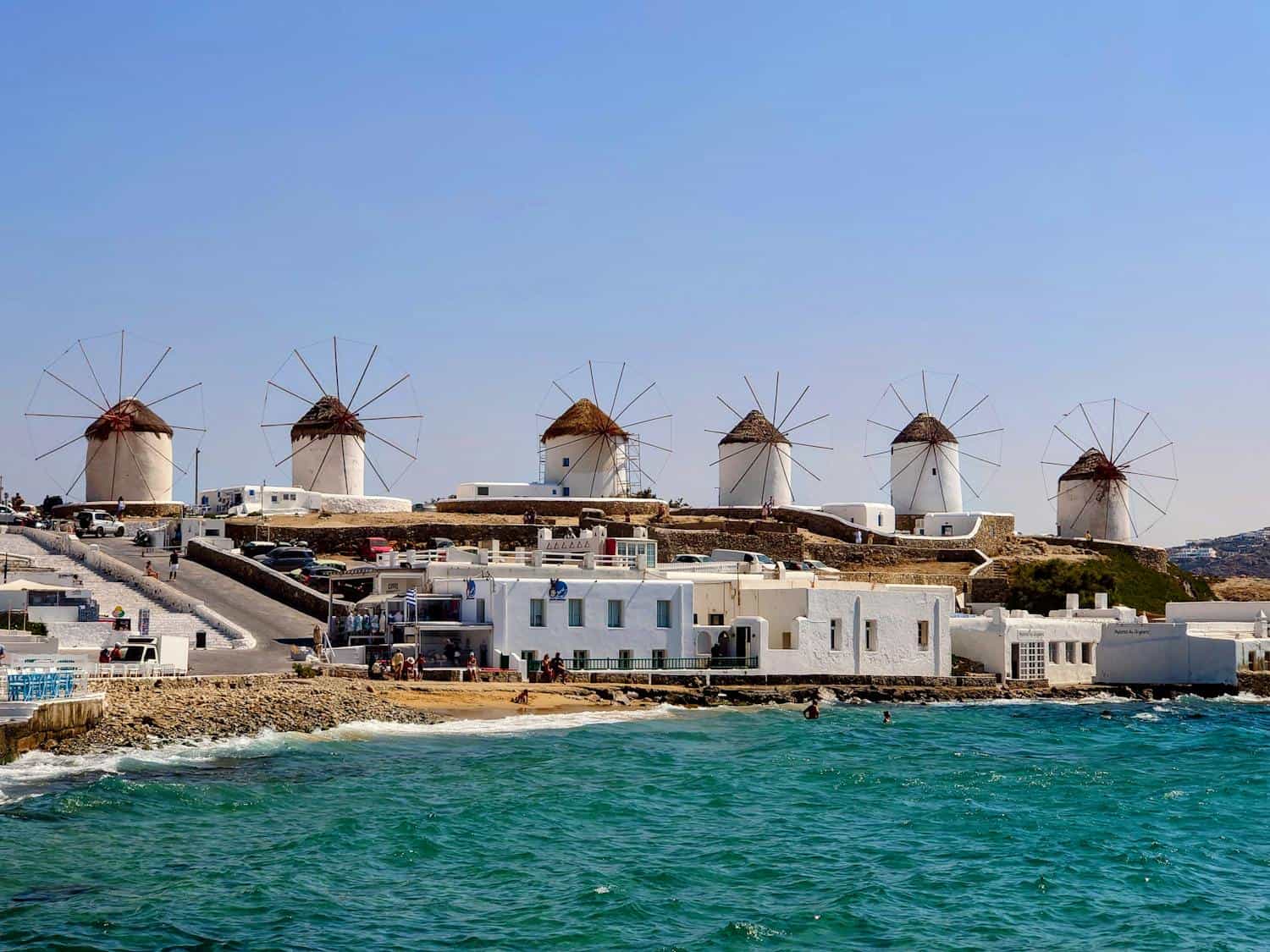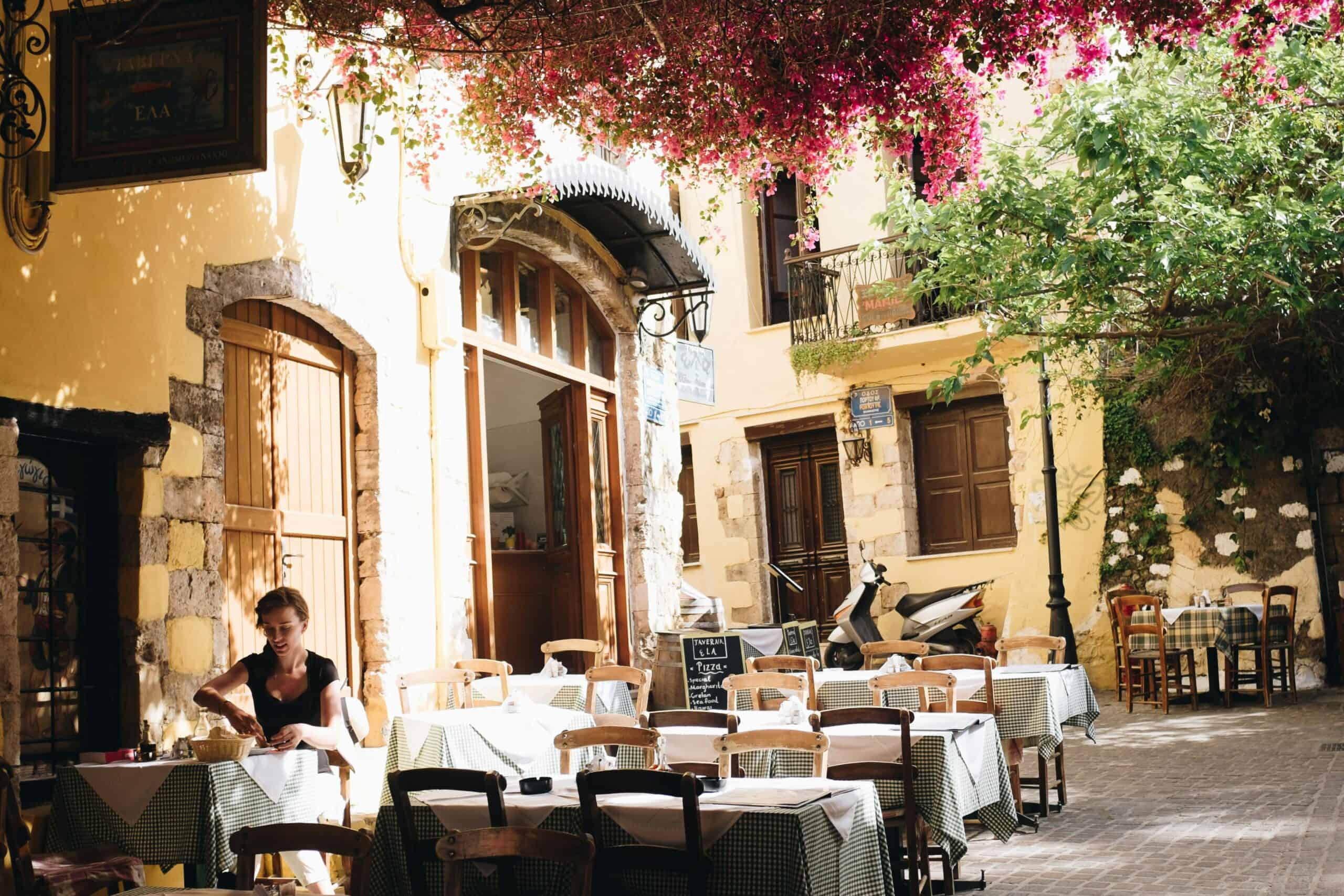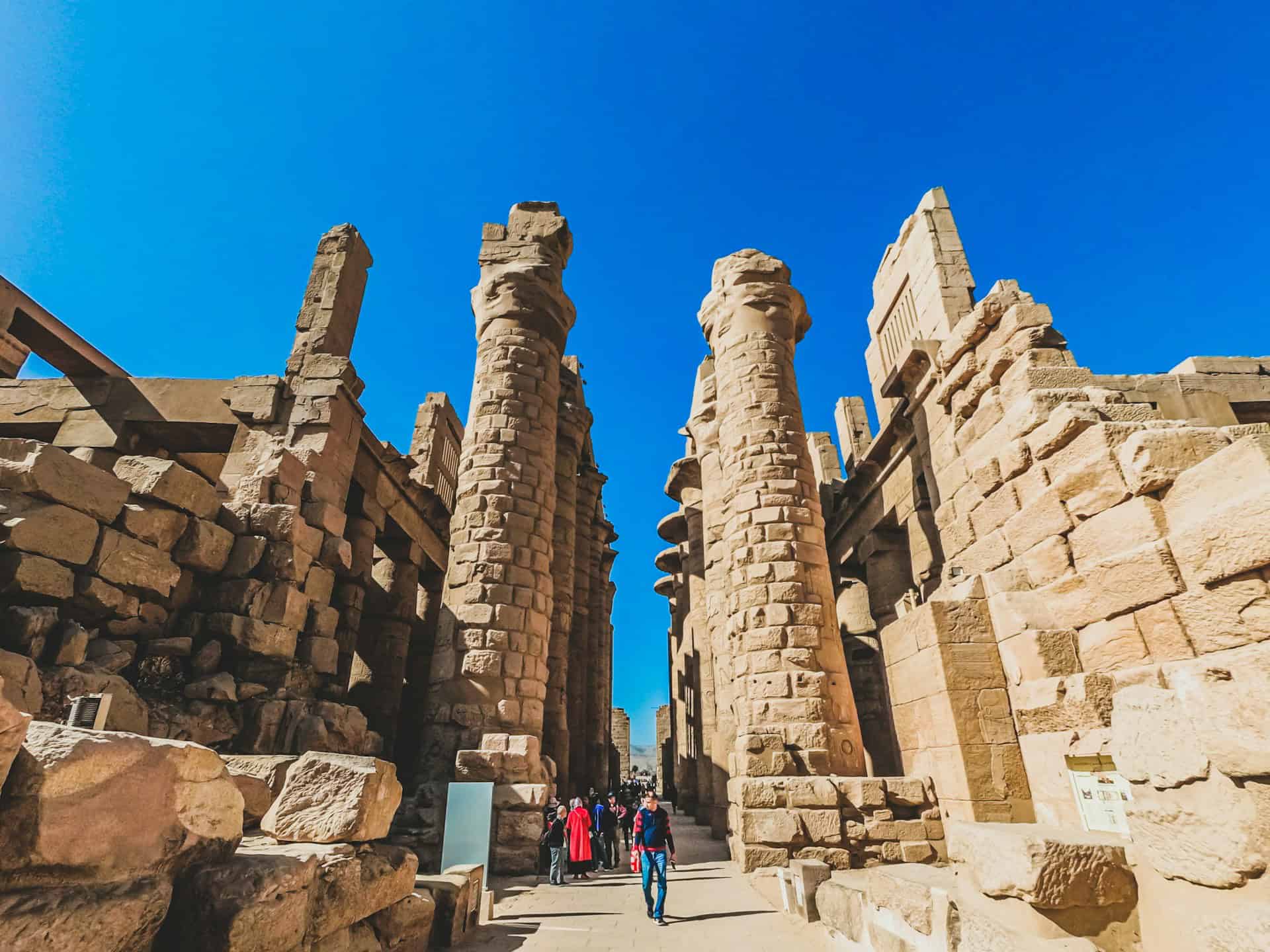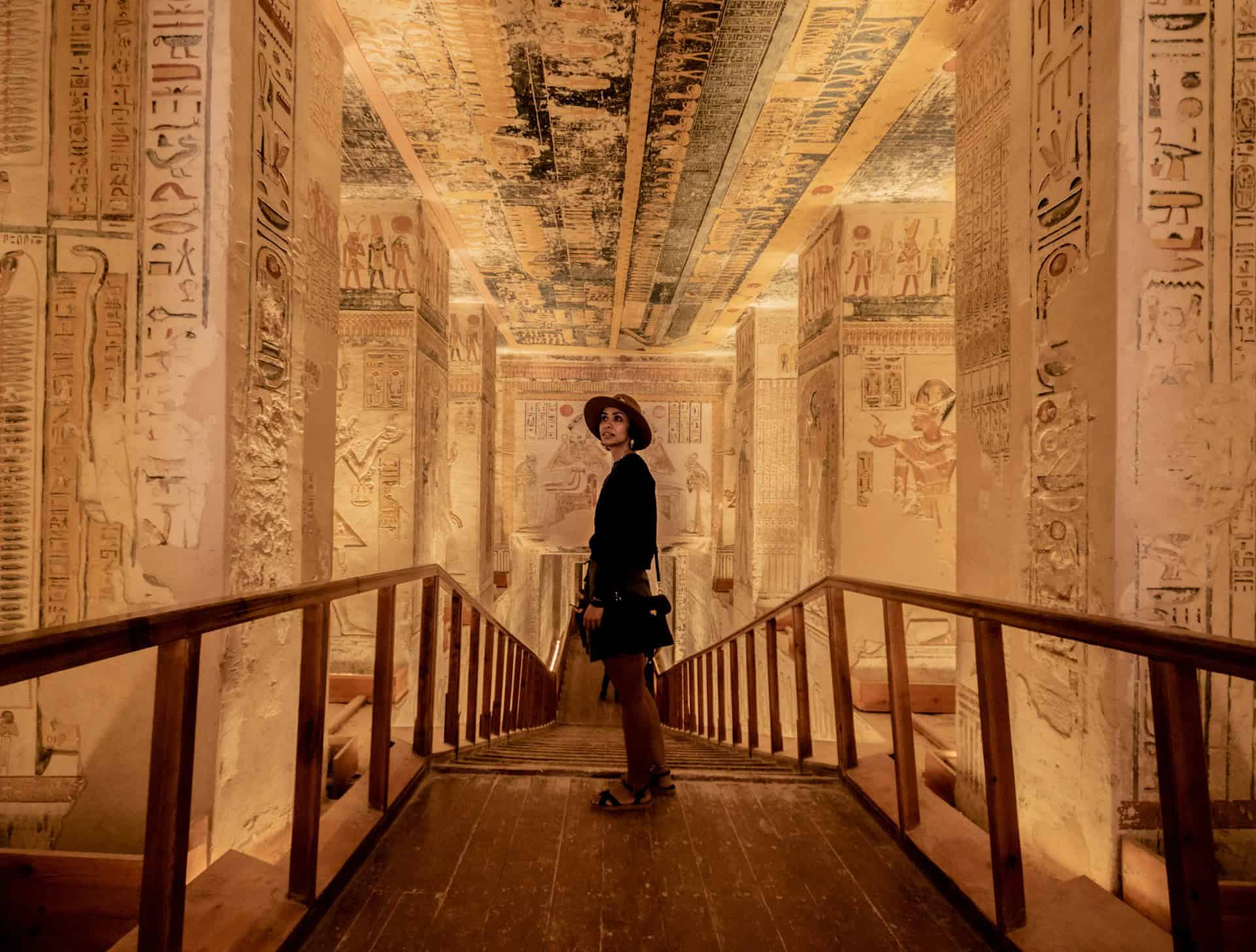
For digital nomads, expats, and long-term travelers, the freedom to work from anywhere represents both a privilege and a challenge. One month, you might be answering emails from a balcony overlooking the Pacific Ocean, and the next, you're setting up your laptop in a compact city apartment halfway across the world.
While browsing apartments for rent abroad, many remote workers quickly discover that dedicated home offices aren't always included, especially in smaller spaces, short-term rentals, or unfamiliar cities.
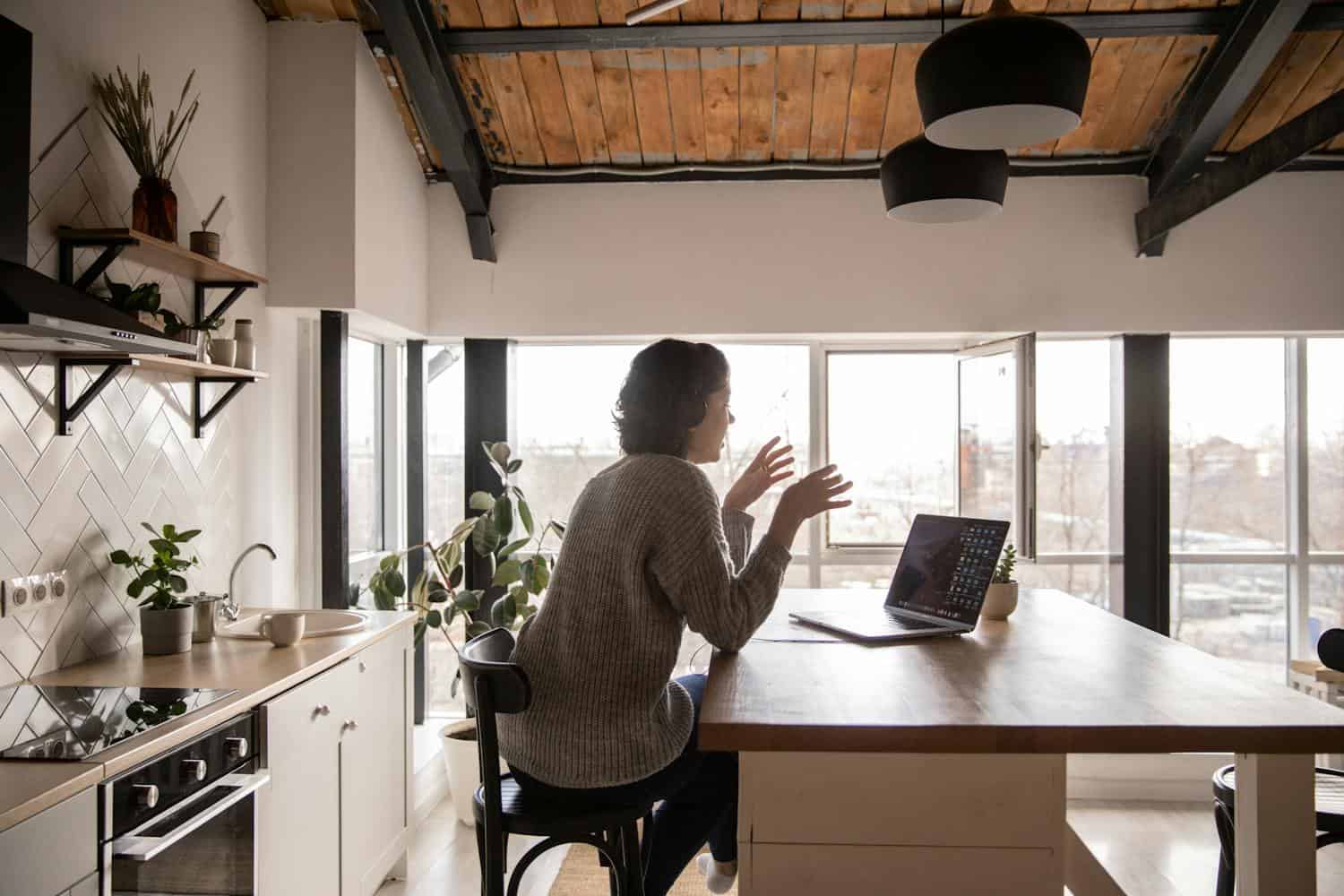
Still, working remotely while traveling doesn't mean sacrificing productivity or balance. With intentional setup choices, portable organization tools, and stable routines, even a small apartment can function as a reliable workspace by day and a comfortable base for going out at night.
The key is designing a work environment that supports focus without diminishing the adventure-driven lifestyle that drew you on the road in the first place.
This guide examines how digital nomads can create flexible, renter-friendly workspaces in apartments while maintaining healthy boundaries between work and travel.
Table of Contents
- Choosing the Right Workspace While Living Abroad
- Designing for Focus in Small Apartments
- Staying Organized in a Temporary Home Office
- Maximizing Vertical Space Without Drilling
- Creating Work-Life Boundaries While Traveling
- Rituals That Support a Location-Independent Lifestyle
- Adapting Your Workspace as You Move
- Turning Apartments Into Temporary Bases
Choosing the Right Workspace While Living Abroad
When you arrive in an exciting new city like San Diego, one of the first challenges is figuring out where work fits into your living space.
In contrast to traditional renters who may stay in one apartment for years, digital nomads often move every few weeks or months. That means your workspace needs to be adaptable, temporary, and easy to dismantle when it's time to move on.
Bedroom corners are a common choice for remote workers who need quiet for video calls or focused tasks. A compact desk or narrow console table can transform unused space into a functional office without crowding the room.
This setup works especially well if you're sharing an apartment or staying in a busy neighborhood where the living area doubles as a social space.
Living room nooks are another popular option, particularly in studios or small one-bedroom apartments. Positioning a desk near a window provides natural light, which helps alleviate eye strain and boost energy, an important consideration when managing work across time zones.
Many nomads prefer desks that combine naturally with the rest of the furniture, so the workspace doesn't dominate the room after hours.
Some travelers also use dining tables or kitchen counters as temporary workstations. While not ideal for full workdays, these setups can work well for short stints or lighter tasks.
The secret is consistency: even a modest, dedicated surface helps establish a mental shift into work mode.
When choosing your workspace, pay attention to pragmatic details. Outlet placement matters more than you might expect, especially if you rely on external monitors, task lighting, or multiple devices.
Choosing a spot that minimizes cable sprawl helps keep your temporary home feeling calm and uncluttered.
Designing for Focus in Small Apartments
Apartments for rent abroad usually prioritize efficient use of space, which can mean tight layouts. In these environments, mindful design choices make a significant difference.
Start by keeping your workspace visually simple. A disorganized desk in a small apartment can feel overwhelming and distracting, particularly if it's visible from your bed or sofa.
Limiting your desk to essential items, such as a laptop, lamp, and notebook, helps preserve focus and prevents work from intruding into the rest of your living space.
Lighting constitutes another critical factor. Many apartments rely on overhead lighting that isn't ideal for dedicated work.
Portable task lamps with dimmable brightness or daylight-temperature bulbs can dramatically improve comfort without requiring permanent installation.
Clamp lamps are especially useful for travelers because they attach easily to desks or shelves and pack down small.
Ergonomics shouldn't be overlooked, even in temporary setups. An uncomfortable chair or poorly positioned screen may cause fatigue and strain over time.
If your apartment's furniture isn't ideal, simple upgrades like a seat cushion, laptop stand, or external keyboard can improve posture without adding bulk to your luggage.
Staying Organized in a Temporary Home Office
Organization becomes even more important when your workspace exists inside a small apartment and may change frequently. Without a system, clutter can rapidly accumulate, making it harder to focus and harder to relax once work is done.
Cable management is a small but powerful upgrade. Tools like cable clips, sleeves, and adhesive organizers keep cords bundled and out of sight, preventing tangles and visual chaos. These solutions are lightweight, inexpensive, and easy to remove when you move.
Desk organizers designed for small spaces are especially helpful for nomads. Vertical pen holders, slim trays, and stacking organizers keep essentials accessible while saving desk space.
Many travelers favor organizers that fit easily into a backpack or suitcase, so their setup stays consistent across locations.
Hidden storage also plays a major role. Under-desk storage boxes, rolling carts, or storage ottomans provide places to stash chargers, paperwork, and tech gear without cluttering the room. These options allow your apartment to shift fluidly from workspace to living space at the end of the day.
Apart from physical organization, daily reset habits help maintain order. Taking five minutes to tidy your desk, back up files, and power down devices creates a clear transition between work and private time. Over weeks or months of travel, this habit can greatly reduce stress and mental fatigue.
Maximizing Vertical Space Without Drilling
Because many digital nomads stay in short-term apartment rentals, permanent changes like drilling holes or installing built-in shelves usually aren't an option. Fortunately, there are plenty of renter-friendly solutions that make use of vertical space without risking damage.
Removable floating shelves with adhesive mounting systems provide storage for books, décor, or office supplies. Over-the-desk organizers add additional capacity without taking up floor space, keeping frequently used items within reach.
Pegboards and wall grids with renter-safe hooks are another flexible option. These systems allow you to hang cables, headphones, and small accessories in a way that suits your workflow. They're easy to rearrange and remove, making them ideal for travelers who move often.
Freestanding furniture also plays an important role. Ladder desks, narrow shelving units, and stackable drawer systems offer storage and work surfaces without attaching to walls.
Rolling carts are particularly popular among nomads because they're mobile and adaptable, working just as well beside a desk as they do in a kitchen or living area.
Creating Work-Life Boundaries While Traveling
One of the biggest challenges of working remotely abroad is maintaining healthy boundaries. When your office is a corner of your bedroom or living room, it's easy to feel like work is always present or that you never fully disconnect.
Visual zoning helps establish separation, even in a single room. A small rug under your desk, a different lamp used only during work hours, or a folding screen can signal when it's time to focus. Such cues help your brain switch modes without requiring permanent changes.
Plants are another effective divider. A tall plant placed between your desk and sleeping area creates a subtle barrier while boosting air quality and mood. Open-back bookshelves can serve a similar purpose, dividing space without blocking light.
Noise management is equally important, especially in busy cities or apartments with thin walls. Noise-cancelling headphones or white noise apps can reduce distractions and improve concentration during calls. These tools also make it easier to work flexible hours across time zones.
Rituals That Support a Location-Independent Lifestyle
Rituals are a powerful way to enforce boundaries when you don't have a separate office. A consistent morning routine signals the start of the workday, even if the view outside your window changes regularly.
A simple startup ritual might include opening the blinds, turning on a task light, reviewing a short to-do list, and tackling one focused task before checking messages. These small actions create a sense of continuity between different apartments and destinations.
Equally important is an end-of-day shutdown ritual. Closing applications, backing up work, charging devices, and clearing your desk help mark the transition from work to personal time. Physically putting your chair under the desk or covering your laptop reinforces the boundary.
Many digital nomads pair their shutdown ritual with a walk, stretch, or visit to a nearby café. This habit resembles the "commute" that traditional office workers experience and helps the brain switch gears. Over time, these rituals help maintain a sense of balance while reducing burnout.
One widely shared rule among experienced remote workers is to avoid bringing the laptop to the sofa or bed after hours. Keeping rest areas work-free helps preserve their purpose as places to relax, socialize, or sleep, especially important when your apartment is small.
Adapting Your Workspace as You Move
Digital nomads prioritize workspace adaptability, selecting tools and furniture that can be reassembled in each new apartment to maintain a familiar working environment.
Lightweight laptop stands, foldable keyboards, compact lamps, and modular organizers are popular for this reason. These items pack easily and provide consistency across locations, helping you settle into work faster after each move.
As you gain experience, you'll learn which elements matter most to your productivity. Some nomads favor natural light, while others focus on quiet or ergonomic seating.
Paying attention to these choices makes it easier to evaluate apartments for rent and choose spaces that support your work style.
Turning Apartments Into Temporary Bases
For digital nomads, apartments are more than places to sleep - they're temporary bases that support both work and exploration. A well-designed workspace allows you to complete tasks efficiently, freeing up time and energy for adventure.
By keeping your setup simple, portable, and intentional, you can preserve productivity without sacrificing the freedom of location-independent living. The goal isn't perfection; it's balance.
With thoughtful choices and a few reliable routines, apartments for rent can become comfortable, functional homes on the road, places where work fits neatly alongside travel, discovery, and life beyond the screen.
_____
This story is published in partnership with Rentler.