


Today, around 21,000 children died around the world. This daily tragedy, from poverty and other preventable causes, rarely makes headline news.
Latest world news
World
Guinea’s Path to Electoral Autocracy
- Inter Press Service

MONTEVIDEO, Uruguay, January 20 (IPS) - In December, the dust settled on Guinea’s first presidential election since the military took control in a 2021 coup. General Mamady Doumbouya stayed in power after receiving 87 per cent of the vote. But the outcome was never in doubt: this was no a democratic milestone; it was the culmination of Guinea’s denied transition to civilian rule.
World Living Beyond Its Means: Warns UN’s Global Water Bankruptcy Report
- Inter Press Service

UNITED NATIONS & SRINAGAR, India, January 20 (IPS) - The world has entered what United Nations researchers now describe as an era of Global Water Bankruptcy, a condition where humanity has irreversibly overspent the planet’s water resources, leaving ecosystems, economies, and communities unable to recover to previous levels.
Global Survey Finds Citizens back a World Parliament as Trust in International System Erodes
- Inter Press Service

BERLIN, Germany, January 20 (IPS) - As democracy faces pressure around the world and confidence in international law drops, a new global survey reveals that citizens in a vast majority of countries support the idea of creating a citizen-elected world parliament to deal with global issues.
World enters era of ‘global water bankruptcy’
- UN News
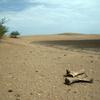
The world has moved beyond a water crisis and into a state of global water bankruptcy, says a new flagship report released on Tuesday by UN researchers.
Prison breaks and renewed clashes raise alarm in northeast Syria
- UN News
The United Nations continues to monitor developments in northeast Syria following clashes between government troops and the Kurdish-led SDF militia during which scores of detained ISIL militants reportedly escaped from prison.
Cold and dark: UN rights chief condemns Russian strikes on Ukraine’s power grid
- UN News
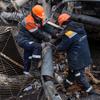
Russian attacks on Ukraine’s energy infrastructure have cut heat, electricity and water to hundreds of thousands of civilians in freezing winter conditions, prompting the UN human rights chief to denounce the strikes as “cruel” and a clear violation of international law.
Human trafficking depends on corruption at every step
- UN News

In 2011, a trafficker in Chile was convicted for recruiting economically vulnerable Peruvian citizens and arranging for them to be brought into the country – destined to become victims of sexual exploitation.
Mozambique floods heighten disease, malnutrition risks – UN agencies
- UN News
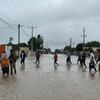
Catastrophic flooding across Mozambique is devastating lives and livelihoods, sharply increasing the risk of disease outbreaks and malnutrition, while also forcing dangerous wildlife – including crocodiles – into flooded urban areas, the UN warned on Tuesday.
UN strongly condemns demolition of UNRWA headquarters in East Jerusalem
- UN News
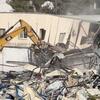
The reported demolition underway early Tuesday of the headquarters of UN agency UNRWA by Israeli forces in occupied East Jerusalem - apparently “under the watch of lawmakers and a member of the Government” - has prompted swift condemnation from the global body.
Karatoya
- Inter Press Service

Once a lifeline of northern Bengal, Bangladesh’s Karatoya River now drifts through Bogura as a fragmented, polluted channel, where climate change and human neglect quietly reshape livelihoods, memory, and everyday life.
- More stories…
Climate
World Living Beyond Its Means: Warns UN’s Global Water Bankruptcy Report
- Inter Press Service
UNITED NATIONS & SRINAGAR, India, January 20 (IPS) - The world has entered what United Nations researchers now describe as an era of Global Water Bankruptcy, a condition where humanity has irreversibly overspent the planet’s water resources, leaving ecosystems, economies, and communities unable to recover to previous levels.
World enters era of ‘global water bankruptcy’
- UN News
The world has moved beyond a water crisis and into a state of global water bankruptcy, says a new flagship report released on Tuesday by UN researchers.
Karatoya
- Inter Press Service
Once a lifeline of northern Bengal, Bangladesh’s Karatoya River now drifts through Bogura as a fragmented, polluted channel, where climate change and human neglect quietly reshape livelihoods, memory, and everyday life.
The UN’s Withering Vine: A US Retreat from Global Governance
- Inter Press Service

The Trump administration’s recent announcement of its withdrawal from 66 international organisations has been met with a mixture of alarm and applause. While the headline number suggests a dramatic retreat from the world stage, a closer look reveals a more nuanced, and perhaps more insidious, strategy. The move is less a wholesale abandonment of the United Nations system and more a targeted pruning of the multilateral vine, aimed at withering specific branches of global cooperation that the administration deems contrary to its interests. While the immediate financial impact may be less than feared, the long-term consequences for the UN and the rules-based international order are profound.
How Extreme Weather is Testing Tanzania’s $2 Billion Electric Railway Dream
- Inter Press Service

DAR ES SALAAM, Tanzania, January 19 (IPS) - On a rainy Wednesday morning, in Dodoma, the capital of Tanzania, the Standard Gauge Railway (SGR) terminal bustled with a steady flow of passengers. Women ushered toddlers along. Snack bags dangling on their hands. Tourists dragged wheeled suitcases across the floor. Students scrolled through smartphones as they returned to campus. Each had been attracted by the speed, reliability and comfort of the electric train.
Will AI kickstart a new age of nuclear power?
- UN News

The rapidly expanding use of artificial intelligence worldwide is putting electrical grids under huge pressure and many believe that, to meet that need without contributing to the climate crisis, a full-scale expansion of nuclear energy is essential.
What Next? United States Exits Key Entities, Vital Climate Treaties in Major Retreat from Global Cooperation
- Inter Press Service

NAIROBI, January 15 (IPS) - President Donald Trump has escalated efforts to further distance the United States from international organizations and entities focused on climate, the environment, and energy. This strategy is in step with his administration’s established approach to undermine and redirect funds and international cooperation away from climate and clean energy programs.
Game-changing international marine protection treaty comes into force
- UN News
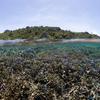
Almost two decades in the making, an international agreement to protect marine life in international waters and the seabed is due to come into force on Saturday, marking a major step forward in efforts to ensure the health of ocean ecosystems for decades to come.
Tracking the Invisible: Monitoring Air Pollution from Space
- Inter Press Service

BANGKOK, Thailand, January 14 (IPS) - Take a deep breath. Did you know that in many countries in Asia and the Pacific, the air we breathe falls short of the safety standards for air quality set by the World Health Organization? While the start of a new year signals new beginnings, it also marks the continuation of the recurring air quality crisis across many countries in the region.
11-year streak of record global warming continues, UN weather agency warns
- UN News

The past 11 years have been the warmest in the modern era, while oceans continue to heat up, too, says the UN weather agency.
- More stories…
Health
Karatoya
- Inter Press Service
Once a lifeline of northern Bengal, Bangladesh’s Karatoya River now drifts through Bogura as a fragmented, polluted channel, where climate change and human neglect quietly reshape livelihoods, memory, and everyday life.
The UN’s Withering Vine: A US Retreat from Global Governance
- Inter Press Service
The Trump administration’s recent announcement of its withdrawal from 66 international organisations has been met with a mixture of alarm and applause. While the headline number suggests a dramatic retreat from the world stage, a closer look reveals a more nuanced, and perhaps more insidious, strategy. The move is less a wholesale abandonment of the United Nations system and more a targeted pruning of the multilateral vine, aimed at withering specific branches of global cooperation that the administration deems contrary to its interests. While the immediate financial impact may be less than feared, the long-term consequences for the UN and the rules-based international order are profound.
Rising hunger and displacement pose growing economic risk, UN tells Davos
- UN News
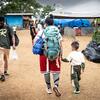
As global leaders gather at the World Economic Forum in Davos this week, UN agencies are warning that rising hunger and displacement are not only humanitarian emergencies but growing threats to global economic stability.
Ageing and Shrinking Populations
- Inter Press Service

PORTLAND, USA, January 16 (IPS) - Ageing and shrinking populations are becoming more prevalent in many countries around the world.
Gaza: Physicians Call For Unimpeded Aid To Restore Reproductive Healthcare
- Inter Press Service

BRATISLAVA, January 14 (IPS) - Israel must lift all restrictions on medicine, food and aid coming into Gaza, rights groups have demanded, as two reports released today (Jan 14) document how maternal and reproductive healthcare have been all but destroyed in the country.
Increase taxes on sugary drinks and alcohol to save lives, urges WHO
- UN News

Beverages like sugary drinks and alcohol are too accessible and cost too little in most of the world – helping fuel obesity, diabetes, cancer and injury, the World Health Organization (WHO) warned on Tuesday.
Sudan war leaves millions hungry and displaced as health system nears collapse
- UN News
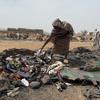
Sudan’s protracted conflict has spiralled into one of the world’s most severe humanitarian crises, with hunger, displacement and the collapse of basic services exacting a daily toll on civilians.
U.S. Withdrawal From Organizations Triggers Global Alarm
- Inter Press Service

President Donald Trump’s executive order to stop U.S. support for 66 international organizations, including 31 United Nations (UN) groups, has faced strong opposition from these organizations, the global community, humanitarian experts, and climate advocates, who are concerned about the negative effects on global cooperation, sustainable development, and international peace and security.
Sudan’s War Nears 1,000 Days as Violence and Hunger Reach Unprecedented Levels
- Inter Press Service

UNITED NATIONS, January 8 (IPS) - As Sudan approaches 1,000 days of civil war, late December and early January saw a brutal escalation of violence, with drone strikes hitting areas at the center of the country’s deepening hunger crisis.
Maternal Deaths Spike in War-Torn Ukraine
- Inter Press Service

BRATISLAVA, January 7 (IPS) - “It was an emergency caesarean section when the life of the pregnant woman was at risk. We did the operation with just flashlights and no water, and against a backdrop of constant explosions,” says Dr Oleksandr Zhelezniakov, Director of the Obstetrics Department at Kharkiv Regional Clinical Hospital, in eastern Ukraine.
- More stories…
Economy
One Carries a Broom, the Other a Schoolbag
- Inter Press Service

SYLHET, Bangladesh, January 19 (IPS) - While other children her age prepared for school, eight-year-old Tania once began her workday. Each morning, she picked up a jharu—the household broom—and cleaned floors inside a private home. At the same time, another child of her age in that household lifted a schoolbag and left for class. One carried a broom. The other carried books.
How Extreme Weather is Testing Tanzania’s $2 Billion Electric Railway Dream
- Inter Press Service
DAR ES SALAAM, Tanzania, January 19 (IPS) - On a rainy Wednesday morning, in Dodoma, the capital of Tanzania, the Standard Gauge Railway (SGR) terminal bustled with a steady flow of passengers. Women ushered toddlers along. Snack bags dangling on their hands. Tourists dragged wheeled suitcases across the floor. Students scrolled through smartphones as they returned to campus. Each had been attracted by the speed, reliability and comfort of the electric train.
Economic Dogma Blocks Pragmatic Policies
- Inter Press Service

KUALA LUMPUR, Malaysia, January 19 (IPS) - After condemning pragmatic responses to the 1997-98 Asian financial crises, the West pursued similar policies in response to the 2008 global financial crisis without acknowledging its own mistakes.
Rising hunger and displacement pose growing economic risk, UN tells Davos
- UN News
As global leaders gather at the World Economic Forum in Davos this week, UN agencies are warning that rising hunger and displacement are not only humanitarian emergencies but growing threats to global economic stability.
Will AI kickstart a new age of nuclear power?
- UN News
The rapidly expanding use of artificial intelligence worldwide is putting electrical grids under huge pressure and many believe that, to meet that need without contributing to the climate crisis, a full-scale expansion of nuclear energy is essential.
Global employment stable but decent jobs in short supply
- UN News

Global unemployment remains stable, but progress toward decent work has stalled, according to a new report from the International Labour Organization (ILO), which warns that young people continue to struggle in a job market which risks being further undermined by AI and trade policy uncertainty.
‘Beyond GDP’ economists push for clearer metrics on wellbeing, sustainability
- UN News

Top finance experts are meeting at UN Geneva this week to push for a radical shake up in the way economic growth is gauged, in response to concerns that GDP measurements provide little insight about progress on key sustainability targets that are vital to our survival.
US Retreat from Multilateral Institutions Undermines Rule Of Law
- Inter Press Service

WASHINGTON, USA, January 9 (IPS) - The Trump Administration’s sweeping executive order to withdraw the United States from dozens of United Nations bodies and international organizations, as well as a treaty ratified by the United States with the advice and consent of the US Senate, is a targeted assault on multilateralism, international law, and global institutions critical to safeguarding human rights, peace, and climate justice.
A Year of High Expectations and Frustrations
- Inter Press Service

DHAKA, Bangladesh, January 8 (IPS) - As many of you know, out of the blue, I have been called in to assist the Interim Government led by Nobel Laureate Professor Muhammad Yunus in stabilising the economy left in ruins by the fallen autocratic-kleptocratic regime that looted the banks, stole public money and robbed small investors in the capital market to siphon off billions of dollars out of the country. I had never served in a government; neither had I ever expected this opportunity. However, my UN experience and political economy understanding have been handy.
Africa Squeezed Between Import Substitution and Dependency Syndrome
- Inter Press Service

MOSCOW, January 8 (IPS) - Squeezed between import substitution and dependency syndrome, a condition characterized by a set of associated economic symptoms—that is rules and regulations—majority of African countries are shifting from United States and Europe to an incoherent alternative bilateral partnerships with Russia, China and the Global South.
- More stories…
More news topics
Read more news stories by
More news by World, Economy, Environment, Geopolitics, Health, Human Rights, More news topics …
World news by


Issues in depth
Latest
Action on climate change is cheaper than inaction
Many are afraid that tackling climate change is going to be too costly. But increasingly, studies are showing action will not just be cheaper than inaction, but could actually result in economic, environmental and even health benefits, while improving sustainability.
Read “Action on climate change is cheaper than inaction” to learn more.
Climate Change and Global Warming Introduction
 The climate is changing. The earth is warming up, and there is now overwhelming scientific consensus that it is happening, and human-induced. With global warming on the increase and species and their habitats on the decrease, chances for ecosystems to adapt naturally are diminishing.
Many are agreed that climate change may be one of the greatest threats facing the planet. Recent years show increasing temperatures in various regions, and/or increasing extremities in weather patterns.
This section looks at what causes climate change, what the impacts are and where scientific consensus currently is.
Read “Climate Change and Global Warming Introduction” to learn more.
COP20—Lima Climate Conference
 An overview of the Climate Change Conference (also known as COP 20), held in Lima, Peru in December 2014.
While it seemed like it was a successful meeting, because developing nations were committed to drawing up their own plans for emissions reductions for the first time, a number of important issues were left undecided such as how financing would work.
This page is an overview of the Lima Climate conference.
Read “COP20—Lima Climate Conference” to learn more.
Ebola Outbreak in West Africa
An overview of the Ebola virus outbreak in West Africa that has been described by the World Health Organization as the largest, most severe and most complex outbreak in the history of the disease.
The epidemic began at the end of 2013, in Guinea. From there it spread to Liberia, Sierra Leone, Nigeria and Senegal. Many of the affected countries face enormous challenges in stopping its spread and providing care for all patients.
Thousands of people have died and many are at risk as the fatality rate from this virus is very high. As the crisis worsens, as well as the enormous health challenges involved, the social and economic consequences may set these countries back, reversing some gains a number of these countries have made in recent years.
Read “Ebola Outbreak in West Africa” to learn more.
Foreign Aid for Development Assistance
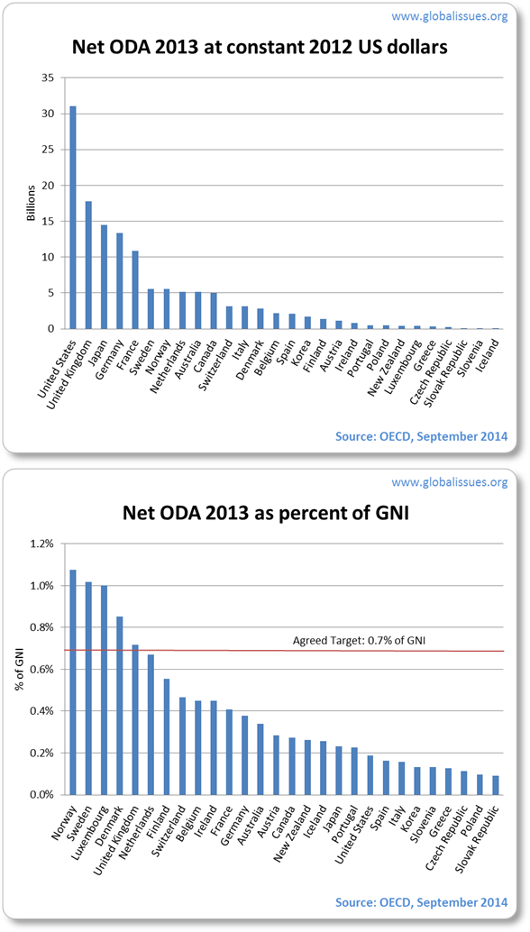
In 1970, the world’s rich countries agreed to give 0.7% of their gross national income as official international development aid, annually.
Since that time, billions have certainly been given each year, but rarely have the rich nations actually met their promised target.
For example, the US is often the largest donor in dollar terms, but ranks amongst the lowest in terms of meeting the stated 0.7% target.
Furthermore, aid has often come with a price of its own for the developing nations. Common criticisms, for many years, of foreign aid, have included the following:
- Aid is often wasted on conditions that the recipient must use overpriced goods and services from donor countries
- Most aid does not actually go to the poorest who would need it the most
- Aid amounts are dwarfed by rich country protectionism that denies market access for poor country products while rich nations use aid as a lever to open poor country markets to their products
- Large projects or massive grand strategies often fail to help the vulnerable; money can often be embezzled away.
This article explores who has benefited most from this aid, the recipients or the donors.
Read “Foreign Aid for Development Assistance” to learn more.
Nature and Animal Conservation
 Preserving species and their habitats is important for ecosystems to self-sustain themselves.
Yet, the pressures to destroy habitat for logging, illegal hunting, and other challenges are making conservation a struggle.
Read “Nature and Animal Conservation” to learn more.
Most Popular
Poverty Facts and Stats
Most of humanity lives on just a few dollars a day. Whether you live in the wealthiest nations in the world or the poorest, you will see high levels of inequality.
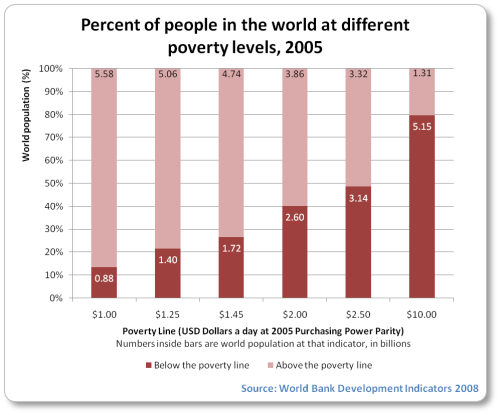
The poorest people will also have less access to health, education and other services. Problems of hunger, malnutrition and disease afflict the poorest in society. The poorest are also typically marginalized from society and have little representation or voice in public and political debates, making it even harder to escape poverty.
By contrast, the wealthier you are, the more likely you are to benefit from economic or political policies. The amount the world spends on military, financial bailouts and other areas that benefit the wealthy, compared to the amount spent to address the daily crisis of poverty and related problems are often staggering.
Some facts and figures on poverty presented in this page are eye-openers, to say the least.
Read “Poverty Facts and Stats” to learn more.
Global Financial Crisis
 Following a period of economic boom, a financial bubble — global in scope — burst, even causing some of the world’s largest financial institutions have collapsed. With the resulting recession, many governments of the wealthiest nations in the world have resorted to extensive bail-out and rescue packages for the remaining large banks and financial institutions while imposing harsh austerity measures on themselves.
Some of the bail-outs have also led to charges of hypocrisy due to the apparent socializing of the costs while privatizing the profits.
Furthermore, the institutions being rescued are typically the ones got the world into this trouble in the first place. For smaller businesses and poorer people, such options for bail out and rescue are rarely available when they find themselves in crisis.
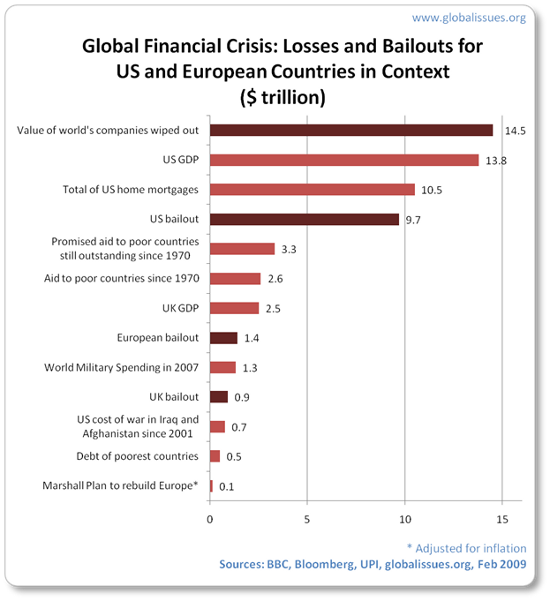
Plummeting stock markets at one point wiped out 33% of the value of companies, $14.5 trillion. Taxpayers bailed out their banks and financial institutions with large amounts of money. US taxpayers alone have spent some $9.7 trillion in bailout packages and plans. The UK and other European countries have also spent some $2 trillion on rescues and bailout packages. More is expected. Much more.
Such numbers, made quickly available, are enough to wipe many individual’s mortgages, or clear out third world debt many times over. Even the high military spending figures are dwarfed by the bailout plans to date.
This problem could have been averted (in theory) as people had been pointing to these issues for decades. However, during boom, very few want to hear such pessimism. Does this crisis spell an end to the careless forms of banking and finance and will it herald a better economic age, or are we just doomed to keep forgetting history and repeat these mistakes in the future? Signs are not encouraging as rich nations are resisting meaningful reform…
Read “Global Financial Crisis” to learn more.
Causes of Poverty
Poverty is the state for the majority of the world’s people and nations. Why is this? Is it enough to blame poor people for their own predicament? Have they been lazy, made poor decisions, and been solely responsible for their plight? What about their governments? Have they pursued policies that actually harm successful development? Such causes of poverty and inequality are no doubt real. But deeper and more global causes of poverty are often less discussed.
Read “Causes of Poverty” to learn more.
Climate Change and Global Warming
The climate is changing. The earth is warming up, and there is now overwhelming scientific consensus that it is happening, and human-induced. With global warming on the increase and species and their habitats on the decrease, chances for ecosystems to adapt naturally are diminishing. Many are agreed that climate change may be one of the greatest threats facing the planet. Recent years show increasing temperatures in various regions, and/or increasing extremities in weather patterns.
This section explores some of the effects of climate change. It also attempts to provide insights into what governments, companies, international institutions, and other organizations are attempting to do about this issue, as well as the challenges they face. Some of the major conferences in recent years are also discussed.
Read “Climate Change and Global Warming” to learn more.
Environmental Issues
Environmental issues are also a major global issue. Humans depend on a sustainable and healthy environment, and yet we have damaged the environment in numerous ways. This section introduces other issues including biodiversity, climate change, animal and nature conservation, population, genetically modified food, sustainable development, and more.
Read “Environmental Issues” to learn more.
Racism
 Racism is the belief that characteristics and abilities can be attributed to people simply on the basis of their race and that some racial groups are superior to others. Racism and discrimination have been used as powerful weapons encouraging fear or hatred of others in times of conflict and war, and even during economic downturns. This article explores racism from around the world.
Read “Racism” to learn more.
Topical
Global Financial Crisis
Following a period of economic boom, a financial bubble — global in scope — burst, even causing some of the world’s largest financial institutions have collapsed. With the resulting recession, many governments of the wealthiest nations in the world have resorted to extensive bail-out and rescue packages for the remaining large banks and financial institutions while imposing harsh austerity measures on themselves.
Some of the bail-outs have also led to charges of hypocrisy due to the apparent socializing of the costs while privatizing the profits.
Furthermore, the institutions being rescued are typically the ones got the world into this trouble in the first place. For smaller businesses and poorer people, such options for bail out and rescue are rarely available when they find themselves in crisis.
Plummeting stock markets at one point wiped out 33% of the value of companies, $14.5 trillion. Taxpayers bailed out their banks and financial institutions with large amounts of money. US taxpayers alone have spent some $9.7 trillion in bailout packages and plans. The UK and other European countries have also spent some $2 trillion on rescues and bailout packages. More is expected. Much more.
Such numbers, made quickly available, are enough to wipe many individual’s mortgages, or clear out third world debt many times over. Even the high military spending figures are dwarfed by the bailout plans to date.
This problem could have been averted (in theory) as people had been pointing to these issues for decades. However, during boom, very few want to hear such pessimism. Does this crisis spell an end to the careless forms of banking and finance and will it herald a better economic age, or are we just doomed to keep forgetting history and repeat these mistakes in the future? Signs are not encouraging as rich nations are resisting meaningful reform…
Read “Global Financial Crisis” to learn more.
Climate Change and Global Warming
The climate is changing. The earth is warming up, and there is now overwhelming scientific consensus that it is happening, and human-induced. With global warming on the increase and species and their habitats on the decrease, chances for ecosystems to adapt naturally are diminishing. Many are agreed that climate change may be one of the greatest threats facing the planet. Recent years show increasing temperatures in various regions, and/or increasing extremities in weather patterns.
This section explores some of the effects of climate change. It also attempts to provide insights into what governments, companies, international institutions, and other organizations are attempting to do about this issue, as well as the challenges they face. Some of the major conferences in recent years are also discussed.
Read “Climate Change and Global Warming” to learn more.
Food and Agriculture Issues
 Food and agriculture goes to the heart of our civilizations. Religions, cultures and even modern civilization have food and agriculture at their core. For an issue that goes to the heart of humanity it also has its ugly side.
This issue explores topics ranging from the global food crisis of 2008, to issues of food aid, world hunger, food dumping and wasteful agriculture such as growing tobacco, sugar, beef, and more.
Read “Food and Agriculture Issues” to learn more.
Foreign Aid for Development Assistance
In 1970, the world’s rich countries agreed to give 0.7% of their gross national income as official international development aid, annually.
Since that time, billions have certainly been given each year, but rarely have the rich nations actually met their promised target.
For example, the US is often the largest donor in dollar terms, but ranks amongst the lowest in terms of meeting the stated 0.7% target.
Furthermore, aid has often come with a price of its own for the developing nations. Common criticisms, for many years, of foreign aid, have included the following:
- Aid is often wasted on conditions that the recipient must use overpriced goods and services from donor countries
- Most aid does not actually go to the poorest who would need it the most
- Aid amounts are dwarfed by rich country protectionism that denies market access for poor country products while rich nations use aid as a lever to open poor country markets to their products
- Large projects or massive grand strategies often fail to help the vulnerable; money can often be embezzled away.
This article explores who has benefited most from this aid, the recipients or the donors.
Read “Foreign Aid for Development Assistance” to learn more.
Tax Avoidance and Tax Havens; Undermining Democracy
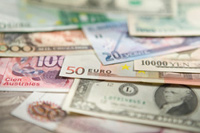 Through tax havens, transfer pricing and many other policies — both legal and illegal — billions of dollars of tax are avoided. The much-needed money would helped developing (and developed) countries provide important social services for their populations.
Some tax avoidance, regardless of how morally objectionable it may be to some people, is perfectly legal, and the global super elite are able to hide away trillions of dollars, resulting in massive losses of tax revenues for cash-strapped governments who then burden ordinary citizens further with austerity measures during economic crisis, for example. Yet these super elite are often very influential in politics and business. In effect, they are able to undermine democracy and capitalism at the same time.
As the global financial crisis has affected many countries, tackling tax avoidance would help target those more likely to have contributed to the problem while avoid many unnecessary austerity measures that hit the poorest so hard. But despite rhetoric stating otherwise, it does not seem to high on the agenda of many governments as you might think.
Read “Tax Avoidance and Tax Havens; Undermining Democracy” to learn more.
World Military Spending
World military spending had reduced since the Cold War ended, but a few nations such as the US retain high level spending.
In recent years, global military expenditure has increased again and is now comparable to Cold War levels. Recent data shows global spending at over $1.7 trillion. 2012 saw the first dip in spending — only slightly —since 1998, in an otherwise rising trend.

The highest military spender is the US accounting for almost two-fifths of the world’s spending, more than the rest of the G7 (most economically advanced countries) combined, and more than all its potential enemies, combined.
Read “World Military Spending” to learn more.
“If a man is offered a fact which goes against his instincts, he will scrutinize it closely, and unless the evidence is overwhelming, he will refuse to believe it. If, on the other hand, he is offered something which affords a reason for acting in accordance to his instincts, he will accept it even on the slightest evidence.” — Bertrand Russell, Roads to Freedom