From our Daily Report:

Planet Watch
Greenland

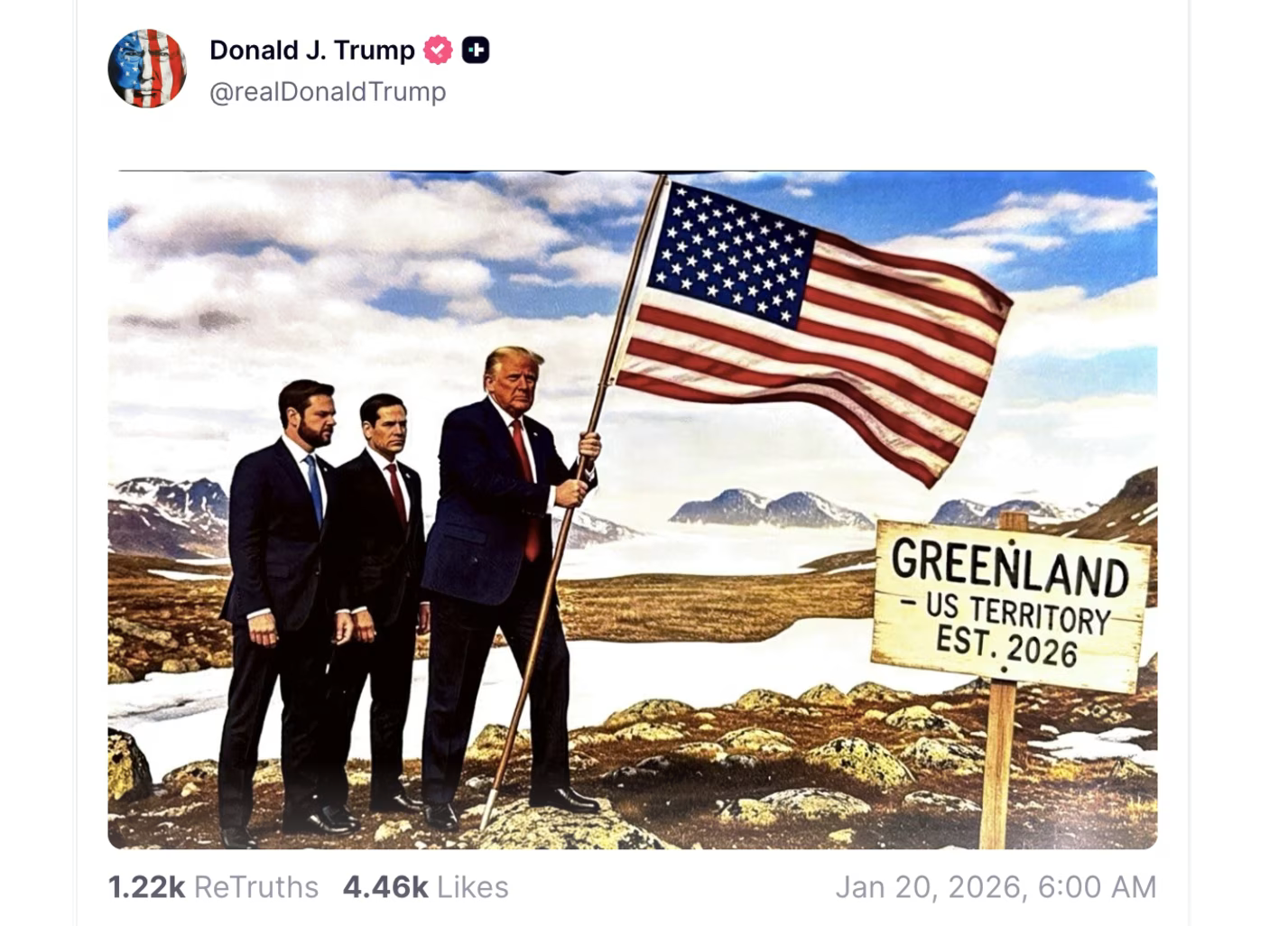
Today Greenland, tomorrow the world

Trump’s Greenland annexation drive is only secondarily about the strategic minerals, but fundamentally driven by a geostrategic design to divide the planet with Putin. Even if his belated and equivocal disavowal of military force at the Davos summit is to be taken as real, the threat has likely achieved its intended effect—dividing and paralyzing NATO, so as to facilitate Putin’s military ambitions in Europe, even beyond Ukraine Also at Davos, Trump officially inaugurated his “Board of Peace,” seen as parallel body to the United Nations that can eventually displace it—dominated by Trump and Putin, in league with the world’s other authoritarians. In the Greenland gambit, the territory itself is a mere pawn in the drive to establish a Fascist World Order. In Episode 314 of the CounterVortex podcast, Bill Weinbergcalls for centering indigenous Inuit voices on the future of Greenland, and universal repudiation of annexationist designs. (Image: TruthSocial)

Planet Watch
Board of Peace

Trump’s global imperial court

When US President Donald Trump first proposed establishing a so-called “Board of Peace” to oversee governance of the Gaza Strip for a transitional period back in September, the idea was quickly likened to a form of colonial takeover. The UN nonetheless adopted a Security Council resolution in November giving its blessing to the board’s creation—a vote some member states may now regret. The board was just officially inaugurated in a ceremony in Davos, Switzerland, where Trump was attending the World Economic Forum. But Gaza seems almost incidental to its true mission, which appears to be creating a global strongmen’s club—led by Trump, potentially for life—to rival, if not replace, the UN itself. (Image via Wikipedia)

North America
anti-ICE

UN rights chief expresses alarm over deaths in ICE custody

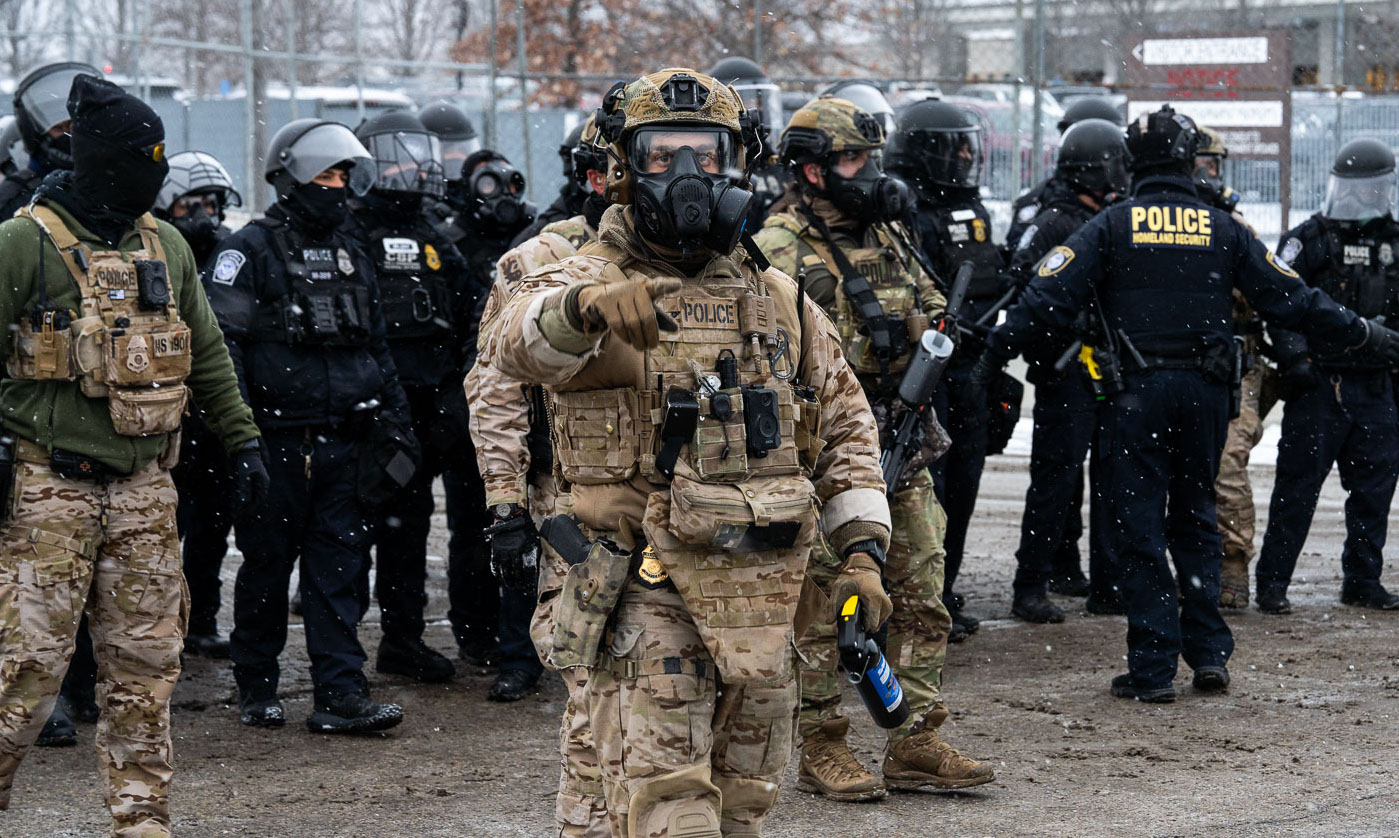
US immigration enforcement faces mounting scrutiny from international officials as well as congressional Democrats following a detainee death ruled a homicide by a county medical examiner in Texas. The disturbing development comes amid a dramatic spike in deaths in Homeland Security custody. UN High Commissioner for Human Rights Volker Türk called on the US to ensure that its immigration policies comply with international law, citing reports of arbitrary detentions, family separations, and dehumanizing treatment. Democratic lawmakers meanwhile demanded that Homeland Security Secretary Kristi Noem answer for a growing death toll in immigration detention since President Donald Trump took office for his second term. (Photo: Paul Goyette in Chicago via Wikimedia Commons)

North America
Border Patrol

Rule of law under attack amid rising authoritarianism in US: Amnesty International

Amnesty International published a report warning of rising authoritarianism in the US and detailing numerous ways in which the rule of law and basic rights are being threatened. The report, entitled Ringing the Alarm Bells: Rising Authoritarian Practices and Erosion of Human Rights in the United States, ties these areas of concern largely to the policies of President Donald Trump. They range from threats to freedom of speech and protest, to the erosion of anti-discrimination protections. The report finds that a key test of democratic resilience will be the federal midterm elections of November 2026, with many early signals pointing to mounting threats to the right to vote. (Photo: Chad Davis)

North Africa
Libya

Another mass grave discovered in Libya

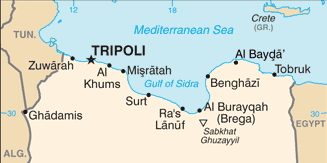
The Libyan Attorney General’s Office announced the discovery of a mass grave containing the remains of 21 bodies near Benghazi. Investigators have ordered that DNA samples be collected from the remains to identify the deceased and that full autopsies be carried out to determine causes of death. Refugees in Libya, a Libyan-run organization registered in Italy that provides support for refugees, urged the International Criminal Court prosecutor, Karim Khan, to “assess this case within the Court’s mandate.” The group further implicated EU policies: “The killings…occurred within a system where people are blocked, intercepted, returned, and abandoned in Libya after being denied safe pathways to protection. This demands accountability beyond Libya.”  (Map: Perry-Castañeda Library)

Central America
Guatemala

Guatemala declares national emergency

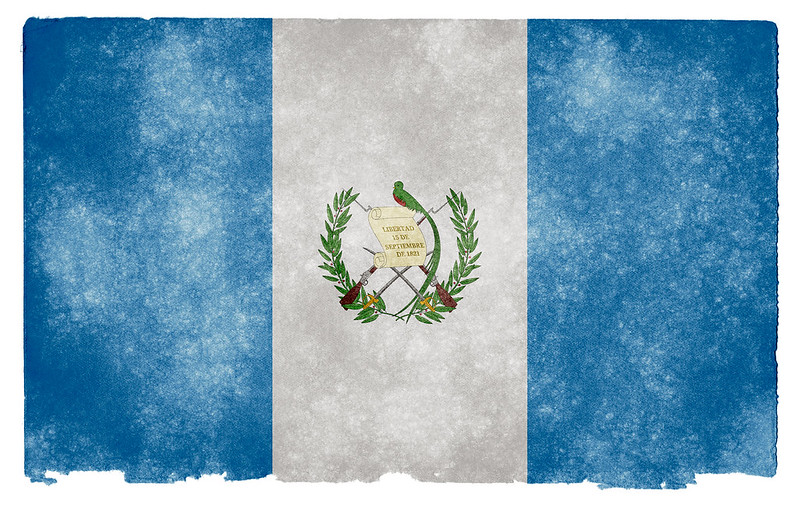
Guatemalan President Bernardo ArĂ©valo declared a 30-day nationwide “state of siege” following a spree of gang violence that left nine police officers dead in the nation’s capital. The declaration was made unilaterally and currently awaits congressional approval. However, it will remain in place until a decision is reached. The recent killings are believed to be gang retaliation for state authorities retaking gang-controlled areas of three maximum-security prisons. The facilities had been taken over in a series of riots that saw over 40 guards taken hostage. The riots were reportedly a response to incarcerated gang members losing certain privileges in prison. (Image: Freestock via Flickr)

Southeast Asia
Rohingya refugees

Burma begins defense in ICJ genocide case

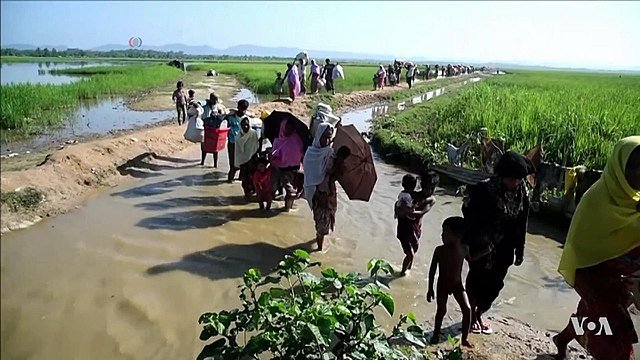
Burma began its defense before the International Court of Justice in the ground-breaking genocide case brought by the Gambia, rejecting all allegations of genocide against the Muslim Rohingya minority. The case opened in November 2019, when the Gambia brought proceedings against Burma under to the Genocide Convention. In 2020, Burma was ordered to halt and prevent all genocidal acts against the Rohingya. The Gambia’s case against Burma is the first instance in which a state not affected by the facts at issue has brought proceedings under the Genocide Convention. The case serves as important precedent for South Africa’s application against Israel, which charges that Israel’s actions against Palestinians amount to genocide. (Photo: VOA via Jurist)

Syria
al-Sharaa

Syria: can new integration pact avert war on Rojava?

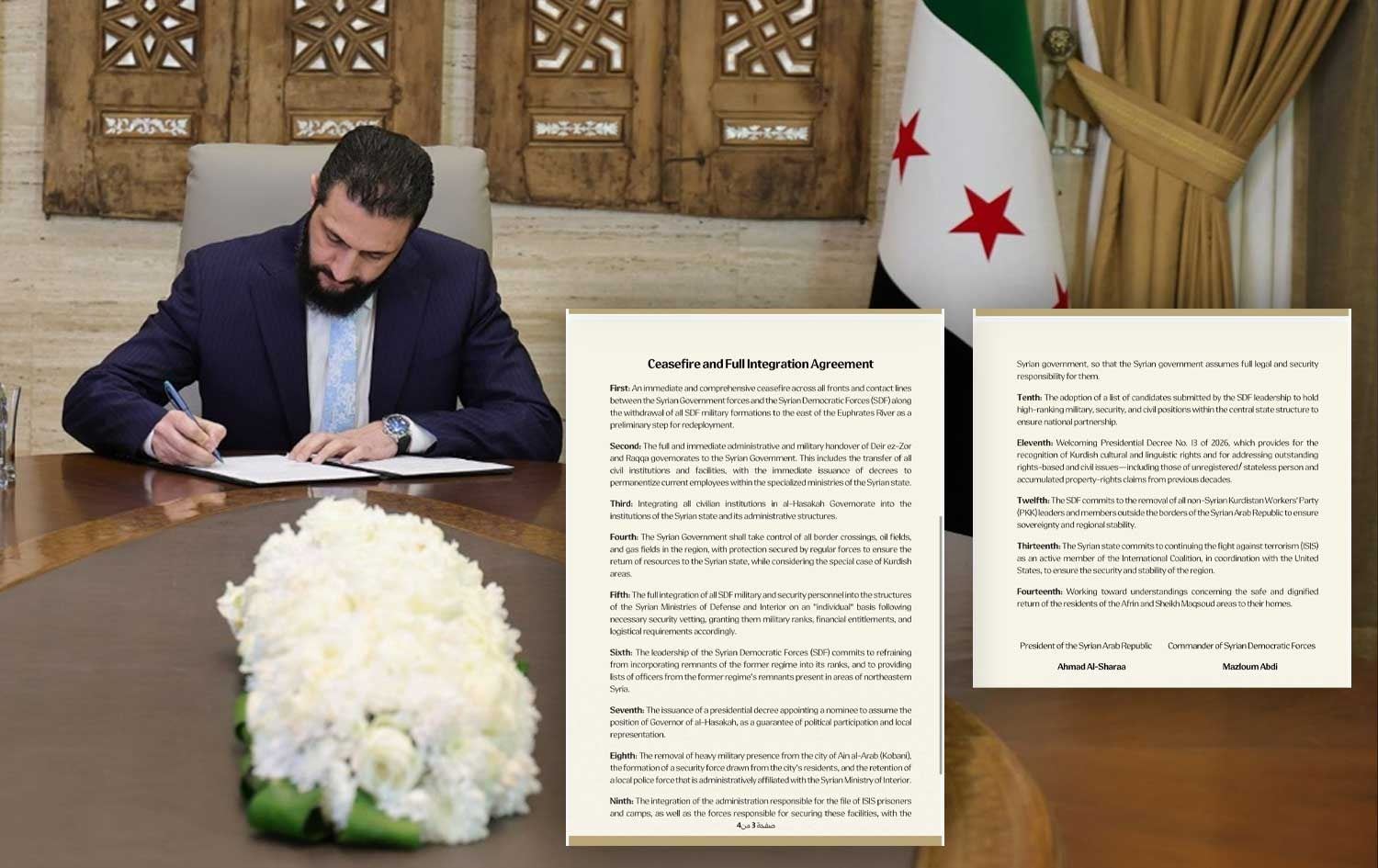
The Syrian interim government and the Kurdish-led Syrian Democratic Forces (SDF) reached an agreement to immediately halt fighting and integrate SDF-held areas into state institutions. The deal follows days of renewed clashes, in which government forces routed SDF strongholds in the city of Aleppo and then pushed east, taking several towns that had been under the control of the Kurdish-led autonomous administration. Just hours before the agreement was reached, autonomous authorities in the Kurdish region, known as Rojava, had announced a “general mobilization” in support of the SDF, citing an “existential war” launched by Damascus against their territory. (Photo: Rudaw)

Iran
ICE

Iran & Minneapolis: fearful symmetry

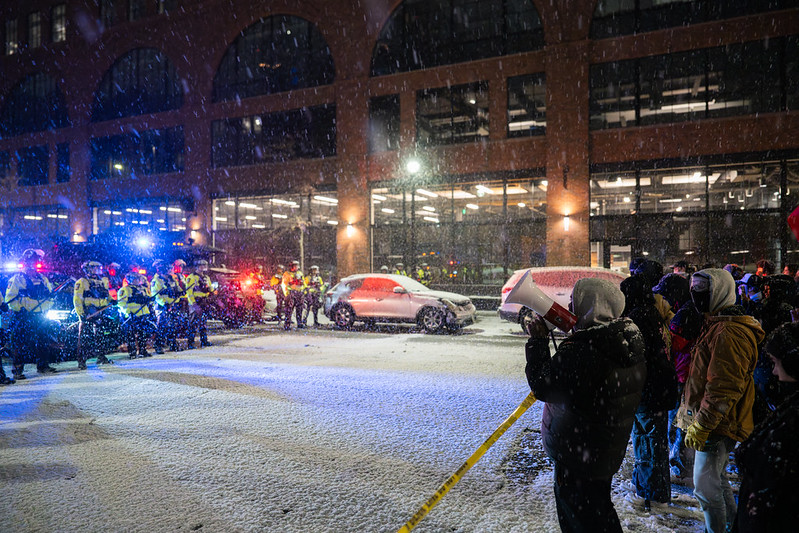
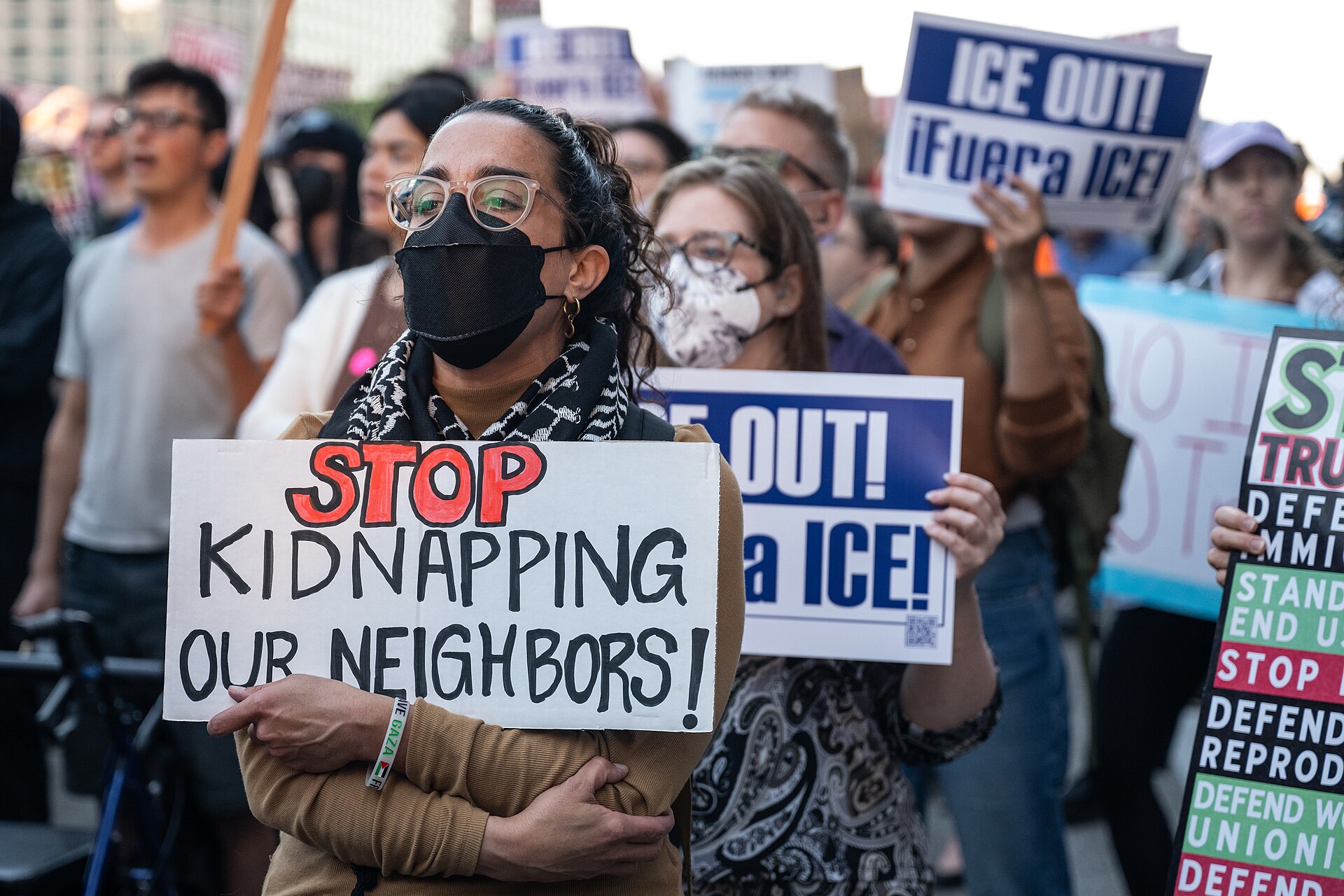
As ICE agents open fire on protesters in Minneapolis, Portland and Los Angeles, Trump frames his military threats against Iran in terms of human rights and democracy—an atypical nod back to the neocons. Following mass deadly repression, the protests in Iran appear to have abated—for now. In Minnesota, both Trump and protesters are turning up the heat. Trump’s blatant hypocrisy highlights the imperative of international solidarity. The challenge for stateside protesters is to repudiate the calumny that the Iran protests are CIA or Mossad astroturf, and recognize them as a genuine self-organized popular uprising. The challenge for Iranian protesters is to repudiate Trump’s bid to exploit them for his imperial ends, as well to reject the ambitions of the reactionary “crown prince” Reza Pahlavi to install himself as leader. In Episode 313 of the CounterVortex podcast, Bill Weinberg urges that explicit mutual support between the anti-authoritarian struggles in the US and Iran is what can move the historical process forward at this grim hour. (Photo: Chad Davis)

Planet Watch
Greenland

Climate change drives Trump’s Greenland gambit

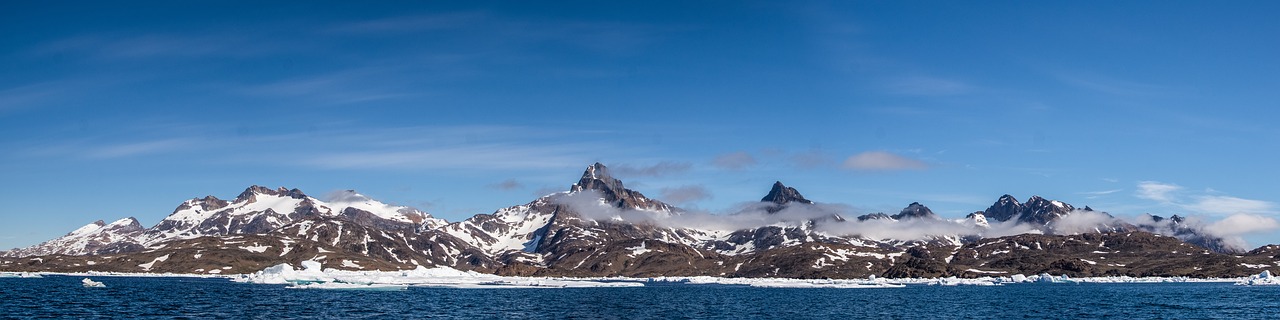
European troops landed in Greenland amid tense talks between the country’s autonomous government, officials from Denmark, and the United States. President Trump has continued to insist the two-million-square-kilometer Arctic island should belong to the United States—despite pre-existing security agreements and a (previously) strong relationship with Denmark that grants the US significant military access to the territory. Beyond Trump’s ego, there are reasons related to climate change that explain why Greenland is becoming of political interest. The territory’s strategic location has become even more so in recent years as the Greenland ice sheet and surrounding sea ice have retreated significantly: The ice sheet lost 105 billion tonnes in 2024-25, according to scientists. This has disastrous implications—ice helps cool the planet, and its melt will lead to rising seas. But it also allows ships and submarines more freedom of movement, making military planners nervous. (Photo: Pixabay)

North America
FUCK ICE

Trump threatens to invoke Insurrection Act

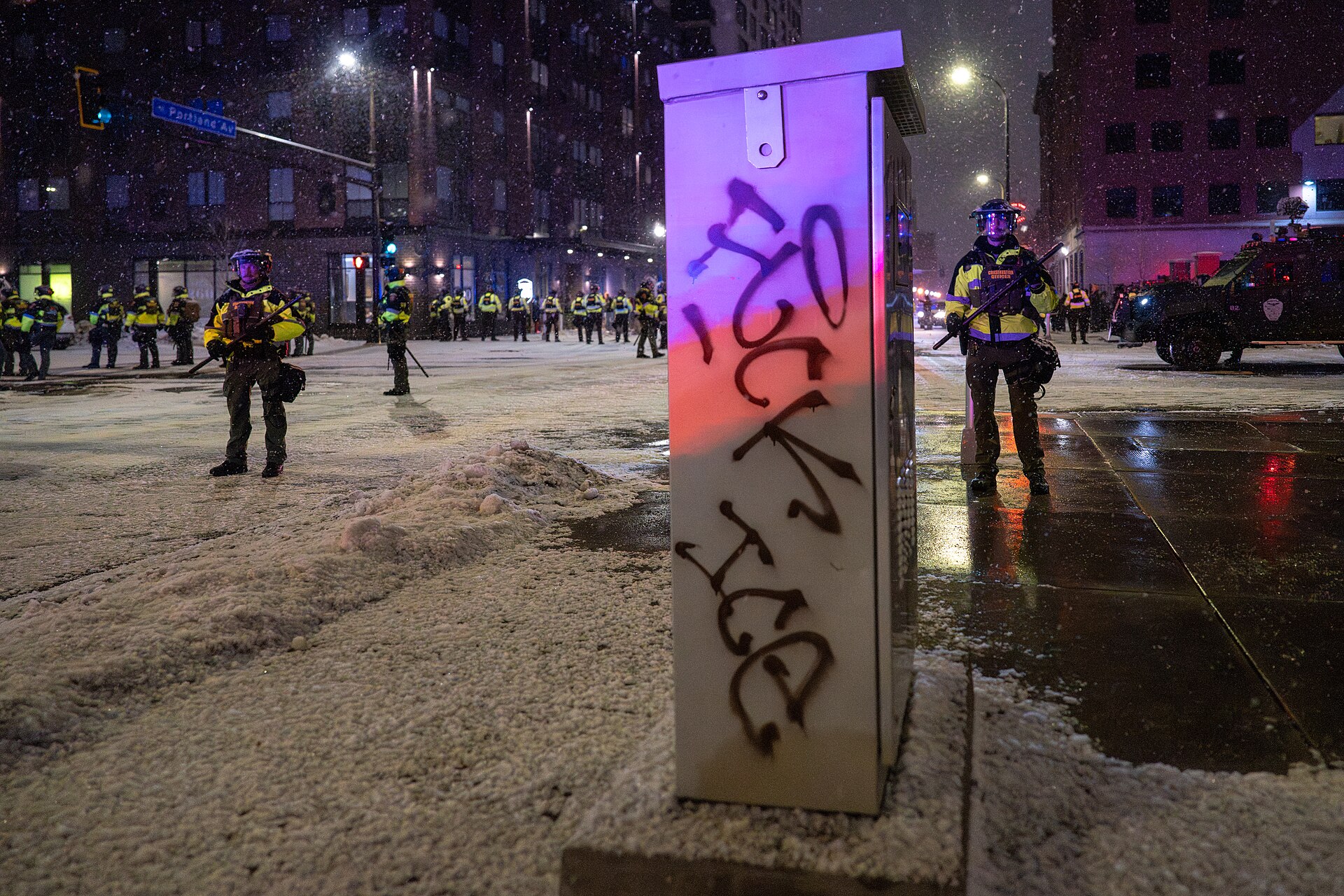
President Donald Trump warned that he may invoke the Insurrection Act to deploy troops in Minnesota to quell protests over the massive deployment of Immigration & Customs Enforcement (ICE) agents to the Twin Cities. The Insurrection Ac, originally enacted in 1792, allows the president to “call into Federal service such of the militia of the other States” in order to suppress insurrection or rebellion. The Insurrection Act has not been significantly updated in over 150 years, and the last time a US president invoked the Act was in 1992, when President George HW Bush received a request from then-California Governor Pete Wilson to help address riots in Los Angeles. Trump has broached invoking the Act before, and has since met with reversals in the courts over his efforts to mobilize National Guard troops under the executive’s constitutional “authority to suppress rebellion.” (Photo: Chad Davis via Wikimedia Commons)

Planet Watch
Greenland

Greenland party leaders reject US annexation

Greenland party leaders issued a joint statement asserting that the autonomous territory rejects US calls for acquisition. Prime Minister Jens-Frederik Nielsen and four other party leaders stated: “We don’t want to be Americans, we don’t want to be Danes, we want to be Greenlanders.” But President Trump commented that same day that the US is “going to do something on Greenland, whether they like it or not.” Reacting to the dispute, French President Emmanuel Macron stated that the US is exempting itself from the international rules it had long promoted until just recently. Germany’s Foreign Minister Johann Wadephul said that the “fate of Greenland will be decided by Greenlanders and the Kingdom of Denmark.” NATO official Gunther Fehlinger went further, warning that if the US annexed Greenland, all its bases in Europe would be “confiscated.” (Photo: Peter Prokosch)

More Headlines

Featured Stories

Burma

BURMA: JUNTA-CONTROLLED ELECTORAL ‘SHAM’

Trouble-torn Burma is heading for the first general elections since the military coup of February 2021 that ousted a democratically elected government. The seating of a new parliament will mark the re-opening of the bicameral body which was suspended when the military junta seized power. However, several prominent political parties will be barred from the three-phase polling to start on December 28—including Aung San Suu Kyi’s National League for Democracy, which won the last general elections held in November 2020. The new elections, with only parties approved by the military junta participating, are rejected by the opposition as a “sham.” And there will be no voting in the nearly half of the country now under the control of the armed resistance loyal to the rebel parallel government, CounterVortex correspondent Nava Thakuria speaks to opposition activists in clandestinity, who demand that the world reject the junta’s controlled elections.

Continue ReadingBURMA: JUNTA-CONTROLLED ELECTORAL ‘SHAM’ 
Fourteenth Amendment

WHEN CITIZENSHIP BECOMES CASTE

Birthright citizenship in the United States was never a bureaucratic detail or an immigration loophole. It was a direct assault on white supremacy’s original theory of the nation—that Black presence was permissible only as labor, never as belonging. The framers of the Fourteenth Amendment sought to end that theory for good. That amendment did not just welcome formerly enslaved Black people into the civic body; it attempted to inoculate the Constitution itself against the return of caste. Yet white supremacy, in every generation, finds new ways to renegotiate the boundaries of who counts as fully American. The Supreme Court has agreed to hear the consolidated case challenging lower-court rulings that struck down Trump’s attempt to repeal birthright citizenship. This signals that the highest court in the land is willing to consider whether whiteness may once again serve as the gatekeeper of America’s future. Timothy Benston of The Black Eye Substack writes that if this administration and this Court seek to restore whiteness as the measure of full belonging, they must face resistance equal to the enormity of that threat.

Continue ReadingWHEN CITIZENSHIP BECOMES CASTE 
Operation Southern Spear

THE PARADOX OF TRUMP’S DRUG WAR

This week, President Donald Trump pardoned a man federal prosecutors described as the architect of a “narco-state” who moved 400 tons of cocaine to United States shores. In September, the US military began killing people on Caribbean vessels based on unproven suspicions they were doing the same thing on a far smaller scale. The strikes have drawn allegations of war crimes; the contradiction has drawn bipartisan scrutiny. In an explainer for JURIST, Ingrid Burke Friedman examines the White House legal justifications for the air-strikes, and the response from international law experts. She also dissects the politics behind the divergent approaches to the pardoned Honduran ex-president Juan Orlando Hernández and the incumbent Venezuelan leader Nicolás Maduro—who faces trafficking charges in the US, and a destabilization campaign.

Continue ReadingTHE PARADOX OF TRUMP’S DRUG WAR 
Yarlung Tsangpo

CHINA’S MEGA-HYDRO SCHEME SPARKS OUTCRY IN INDIA

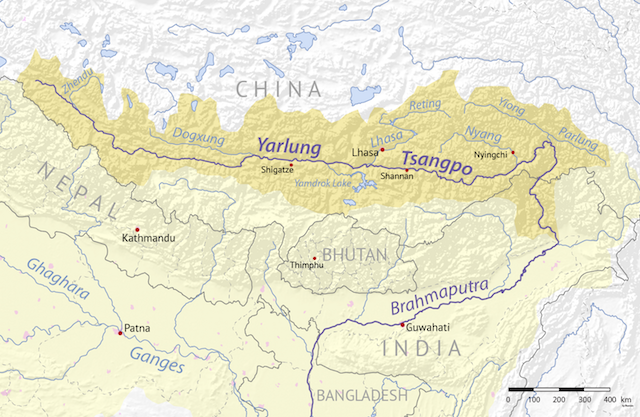
The Chinese state’s hydro-electric activities on Tibet’s Yarlung Tsangpo River—known in India as the Brahmaputra—have long been a source of tension with the downstream countries of India and Bangladesh, which cite a risk of ecological disaster. Now Beijing has started building a colossal dam at the Tsangpo’s great bend in southeastern Tibet, close to the border with the Indian state of Arunachal Pradesh. Chinese Premier Li Qiang just attended the groundbreaking ceremony for the Medog Hydropower Station in Nyingchi, Tibet Autonomous Region, and hailed it as the “project of the century.” But the $168 billion hydro-dam, which will be the world’s largest when it is completed, is described by Arunachal Pradesh leaders as an “existential threat.” CounterVortex correspondent Nava Thakuria reports from Northeast India.

Continue ReadingCHINA’S MEGA-HYDRO SCHEME SPARKS OUTCRY IN INDIA 
Rojava

PKK DISSOLUTION: THE LONG FAREWELL TO VANGUARDISM

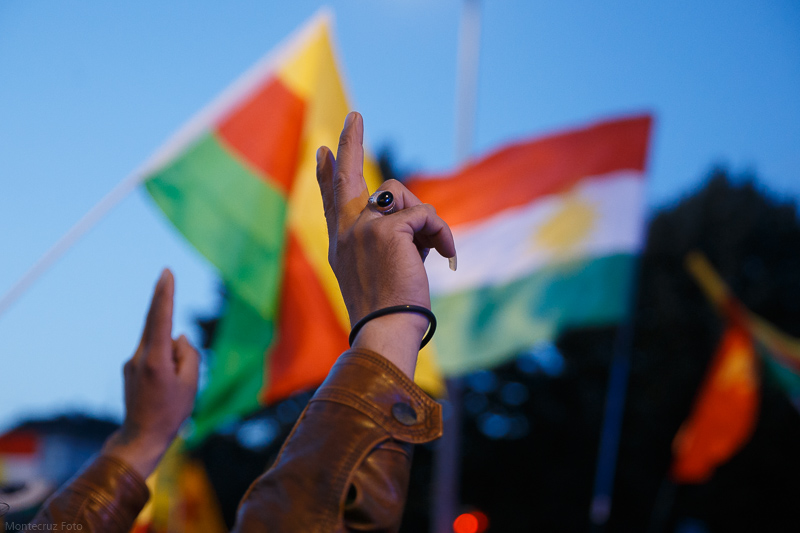
The formal dissolution of the Kurdistan Workers’ Party (PKK), which had waged an armed insurgency against the Turkish state since 1984, has implications beyond the borders of Turkey, as the ideology of imprisoned leader Abdullah Ă–calan has won a following among militant Kurds in Syria, Iraq, Iran and the greater diaspora. In an analysis for Britain’s anarchist-oriented Freedom News, writer Blade Runner argues that the PKK dissolution does not necessarily represent a retreat, but is the culmination of a long rethinking of the precepts of vanguardism, ethno-nationalism and separatism in favor of a broader strategic vision emphasizing gender liberation, pluralism and local democracy.

Continue ReadingPKK DISSOLUTION: THE LONG FAREWELL TO VANGUARDISM 
#Damascus4Palestine

FREE SYRIANS STAND UP FOR PALESTINE

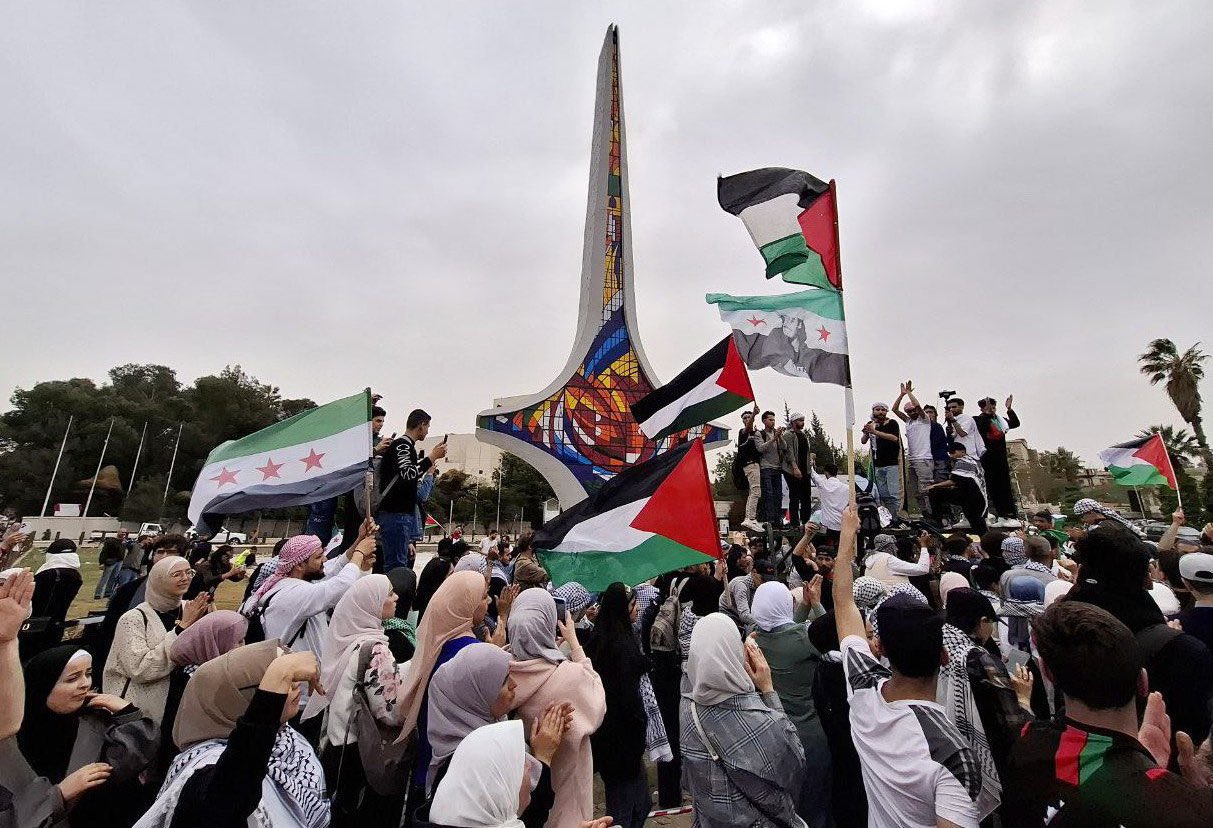
In an unprecedented wave of demonstrations across government-held territory, the Syrian people have taken to the streets not to challenge their own leadership, but to protest Israel’s ongoing human rights atrocities in Gaza and its repeated military strikes on Syrian soil. An explainer by JURIST breaks down what’s fueling the anger, what it signals about a country emerging from decades of harsh internal rule, and why Syrians are rallying around a cause that reaches well beyond their own country’s borders.

Continue ReadingFREE SYRIANS STAND UP FOR PALESTINE 
Leonard Peltier,

LEONARD PELTIER HEADS HOME —AT LAST

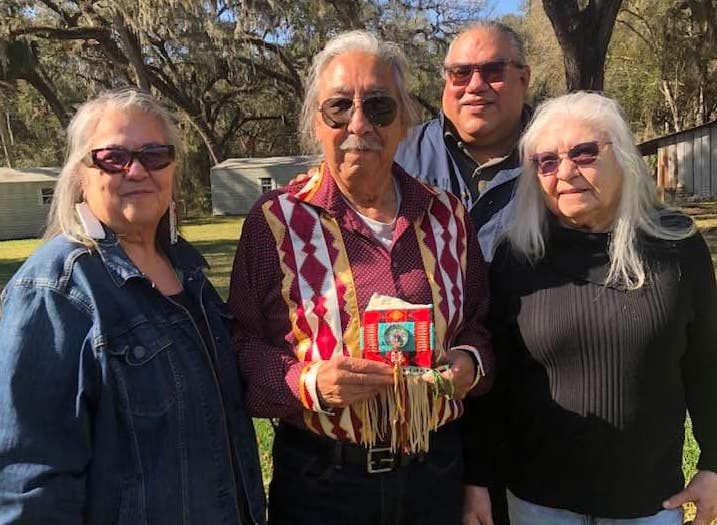
Native American activist Leonard Peltier, one of the longest-serving federal prisoners in US history, has been released to home confinement after spending nearly five decades behind bars. His imprisonment stems from a controversial 1977 conviction in the shooting deaths of two FBI agents on South Dakota’s Pine Ridge Indian Reservation, a case that has been harshly contested between activists and law enforcement for generations. As Peltier returns to his birthplace on North Dakota’s Turtle Mountain Indian Reservation, his case continues to raise questions about justice, reconciliation, and the relationship between the federal government and Native American nations. In an explainer for JURIST, Ingrid Burke Friedman looks back on his case and its legacy.

Continue ReadingLEONARD PELTIER HEADS HOME —AT LAST 

REVOLUTION 9

In a brief memoir written for Canada’s Skunk magazine, CounterVortex editor Bill Weinberg recalls his days as a young neo-Yippie in the 1980s. A remnant faction of the 1960s counterculture group adopted a punk aesthetic for the Reagan era, launched the US branch of the Rock Against Racism movement, brought chaos to the streets at Republican and Democratic political conventions, defied the police in open cannabis “smoke-ins” —and won a landmark Supreme Court ruling for free speech. The Yippie clubhouse at 9 Bleecker Street, the hub for all these activities, has long since succumbed to the gentrification of the East Village, but it survived long enough to provide inspiration to a new generation of radical youth during Occupy Wall Street.

Continue ReadingREVOLUTION 9 
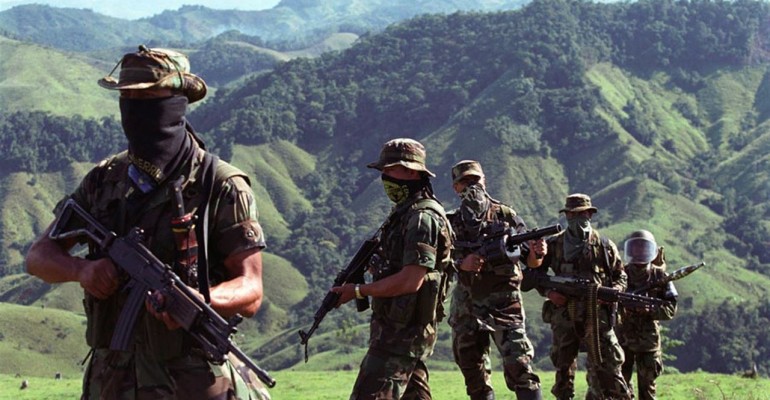
paramilitaries

CHIQUITA TO PAY FOR PARAMILITARY TERROR IN COLOMBIA

In 2007, Chiquita—one of the world’s largest banana producers—admitted that for years it had been knowingly paying a Colombian terrorist organization to protect its operations in the country. The consequence was predictably violent, resulting in thousands of murders, disappearances, and acts of torture. This week, nearly two decades later, a federal jury in South Florida ordered the company to pay upwards of $38 million in damages in the first of multiple waves of wrongful death and disappearance lawsuits. In an explainer for JURIST, Ingrid Burke Friedman explores the factors that drove the multinational to make these payments, the consequences, and the legal impact.

Continue ReadingCHIQUITA TO PAY FOR PARAMILITARY TERROR IN COLOMBIA 
EZLN

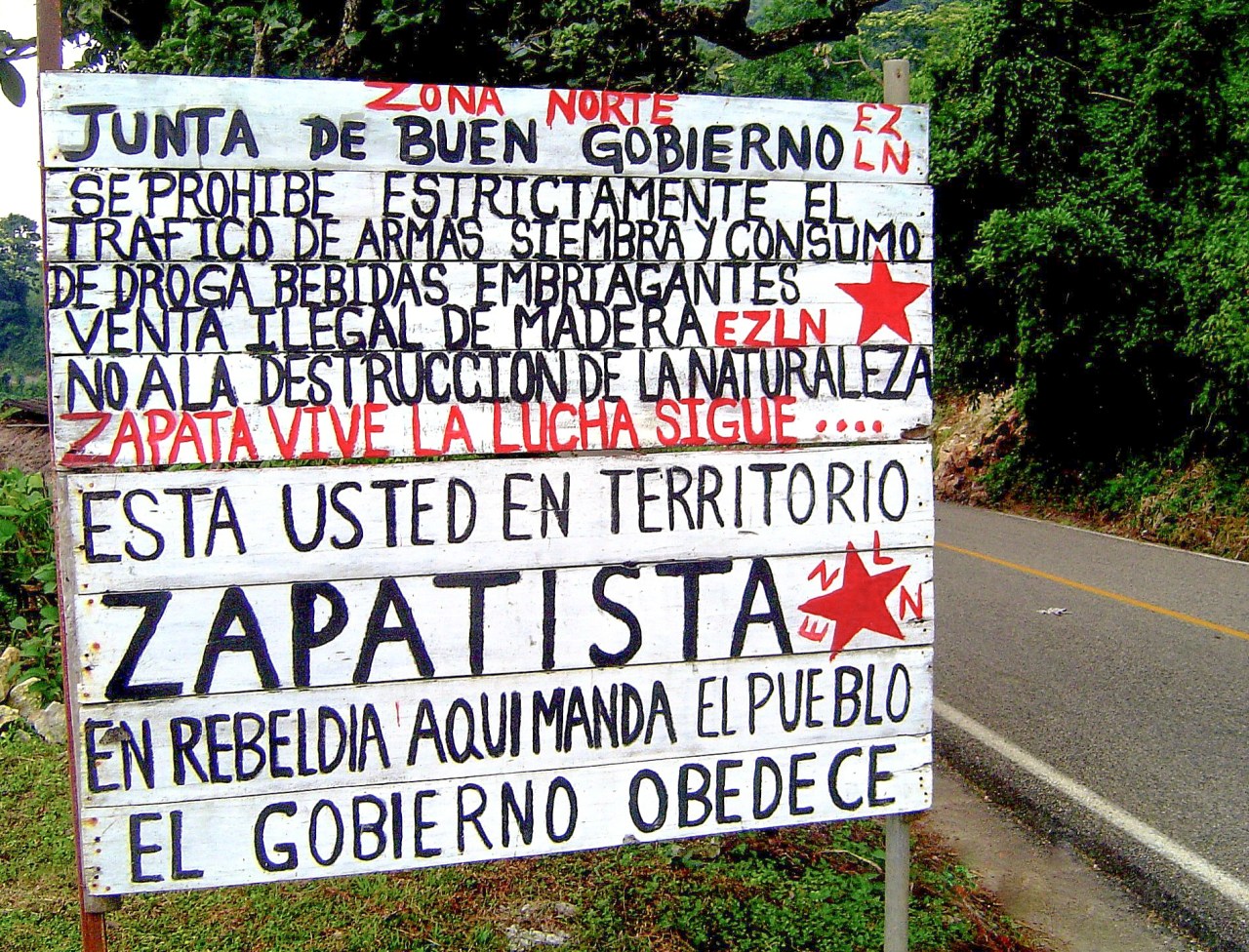
THE NEW ZAPATISTA AUTONOMY

Last week the Zapatista National Liberation Army (EZLN) released a declaration, setting out a new structure for the autonomous indigenous communities in Mexico’s southern state of Chiapas. Uri Gordon of the British anarchist journal Freedom spoke to Bill Weinberg, a longtime radical journalist in New York City, for insight into this change and its significance. Weinberg’s book about the Zapatistas, Homage to Chiapas: The New Indigenous Struggles in Mexico, was published by Verso in 2000. He spent much time in Chiapas and elsewhere in Mexico during the 1990s, covering the indigenous movements there, prominently including the Zapatistas. In recent decades he has reported widely from South America and is now completing a book about indigenous struggles in the Andes, particularly Peru. He continues to follow the Zapatistas and Chiapas closely, and covers world autonomy movements on his website CounterVortex. In this interview, he explores new pressures in the encroachment of narco-paramilitaries on their territories as a factor prompting the Zapatistas’ current re-organization, and how it actually represents a further localization and decentralization of the movement.

Continue ReadingTHE NEW ZAPATISTA AUTONOMY 
Siberia Pipeline

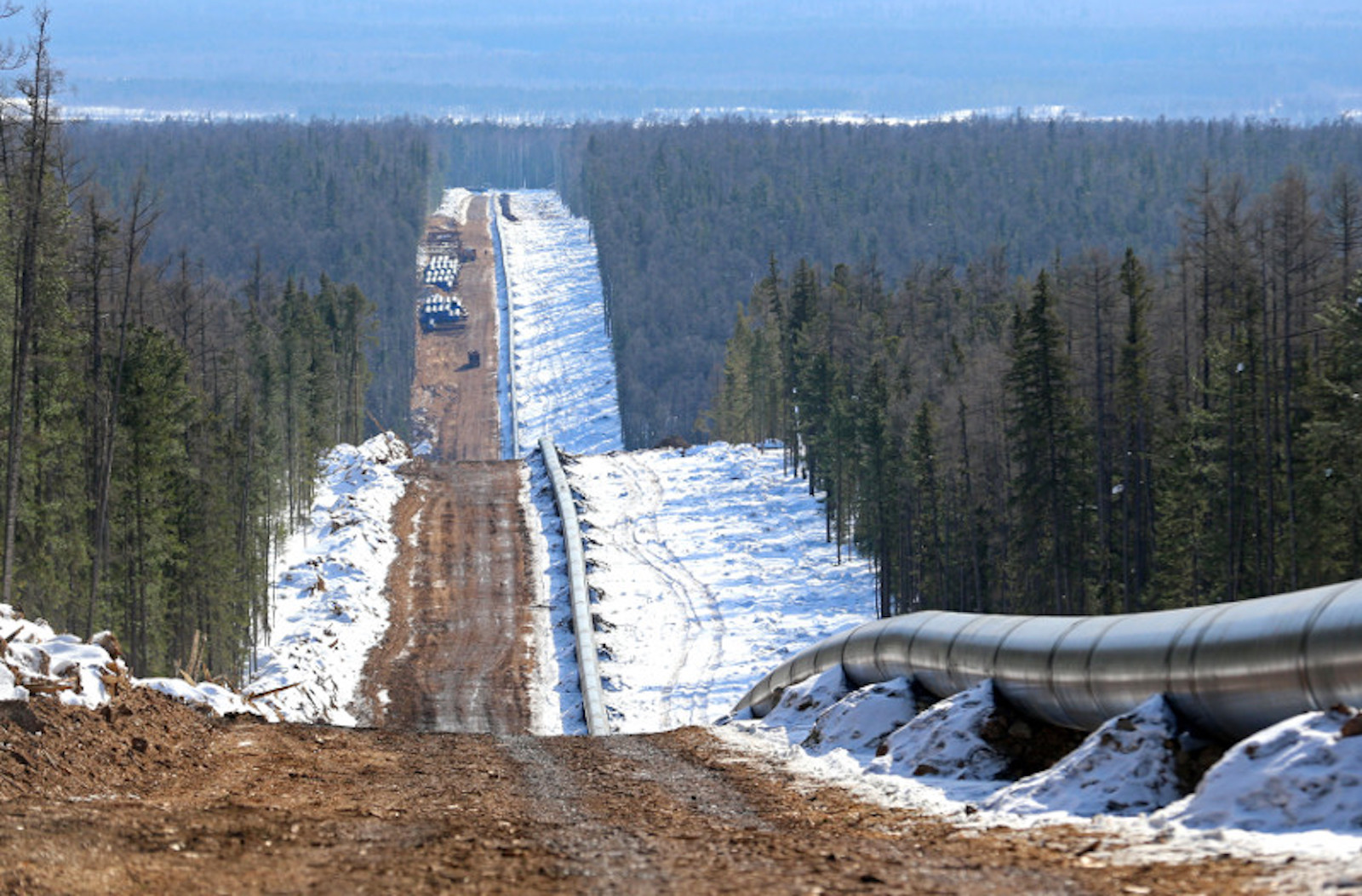
GAS INTRIGUES, ECOLOGY AND THE UKRAINE WAR

Over the past decades, Russia has sought to expand natural gas exports, necessitating construction of pipelines to Europe and China. In addition to profits for the Russian state, fossil fuel exports are a valuable tool for Moscow’s geopolitical ambitions. Since the start of the war in Ukraine in 2014 and the full-scale invasion in 2022, the economic and political stakes have skyrocketed. Russia”s green movements had previously been able to mobilize effective campaigns, winning concessions on pipeline routes through natural areas. Since 2014, however, they have come under increasingly harsh scrutiny from the Russian government, with organizations branded “undesirable” or declared “foreign agents.” Control of pipelines routes through Ukraine itself are also a goad of the Russian war effort. Eugene Simonov and Jennifer Castner of the Ukraine War Environmental Consequences Work Group demonstrate how war fever and militarization threaten resources and ecology across the Russian Federation as well as in Ukraine.

Continue ReadingGAS INTRIGUES, ECOLOGY AND THE UKRAINE WAR 
Ukraine tribunal

UKRAINE’S DIFFICULT PATH TO JUSTICE

This August, Ukraine’s capital of Kyiv hosted a large international conference entitled “Special Tribunal for the Crime of Aggression against Ukraine: Justice to be Served.” The conference was aimed at reinvigorating global efforts to prosecute the crime of aggression against Ukraine—a crime which cannot be prosecuted under the current jurisdictional regime of the International Criminal Court. Many in Ukraine believe that justice can be served only when a fully-fledged international special tribunal for the crime of aggression is created. However, some of Ukraine’s most powerful allies endorse a “hybrid” tribunal, such as those created for Sierra Leone and Cambodia—which would rely in large part on Ukrainian national law and raise questions about the reach of jurisdiction. Despite optimistic expectations at the beginning of the year, disagreements between Ukraine and its allies have left some wondering: in the end, will justice indeed be served? International law scholars Mariia Lazareva of Ukraine’s Taras Shevchenko National University and Erik Kucherenko of Oxford provide an analysis for Jurist.

Continue ReadingUKRAINE’S DIFFICULT PATH TO JUSTICE