




How to Choose Energy-Efficient Appliances for Your Home in Australia
Assessing Energy Efficiency
In the bustling heart of Brisbane, near the Brisbane Powerhouse innovation precinct, the focus on sustainable living is more pertinent than ever. Energy-efficient appliances play a crucial role in this pursuit. As a construction professional, I often examine the integration of smart tv systems into green design projects, considering both their technological capabilities and their environmental impact. Smart tvs, for instance, offer advanced energy-saving modes, reducing power usage during idle times.
Whether evaluating a westinghouse fridge or a samsung television, understanding energy consumption is paramount. Energy ratings display the appliance's efficiency; a higher star rating often translates to lower operational costs and a reduced environmental footprint. This is particularly vital when looking to implement eco-friendly features into architectural developments, like those in Green Square. It’s important to explore long-term efficiency metrics rather than just initial energy consumption figures.
Moreover, examining power consumption patterns allows us to ensure that each component in our designs aligns with targeted sustainability goals. By prioritising appliances that balance technological advancements with energy efficiency, we not only conserve resources but also inspire sustainable living practices in the broader community.
Selecting Appliances by Type
Choosing the right type of appliance is crucial in a sustainable home design, beginning with energy-saving refrigerators. Modern freezers have evolved significantly, offering enhanced efficiency without compromising capacity, a key factor when considering their environmental impact. In particular, chest freezers are lauded for their ability to maintain low temperatures with minimal energy consumption, aligning perfectly with the eco-friendly initiatives commonly discussed around the Queensland University of Technology's Science and Engineering Centre.
To complement your kitchen, efficient washing machines remain indispensable. Look for models that have eco-settings, cutting back significantly on water and electricity use. This can be pivotal in reducing your ecological footprint, an aspect that resonates well with professionals engrossed in Green Square’s eco-friendly architectural developments.
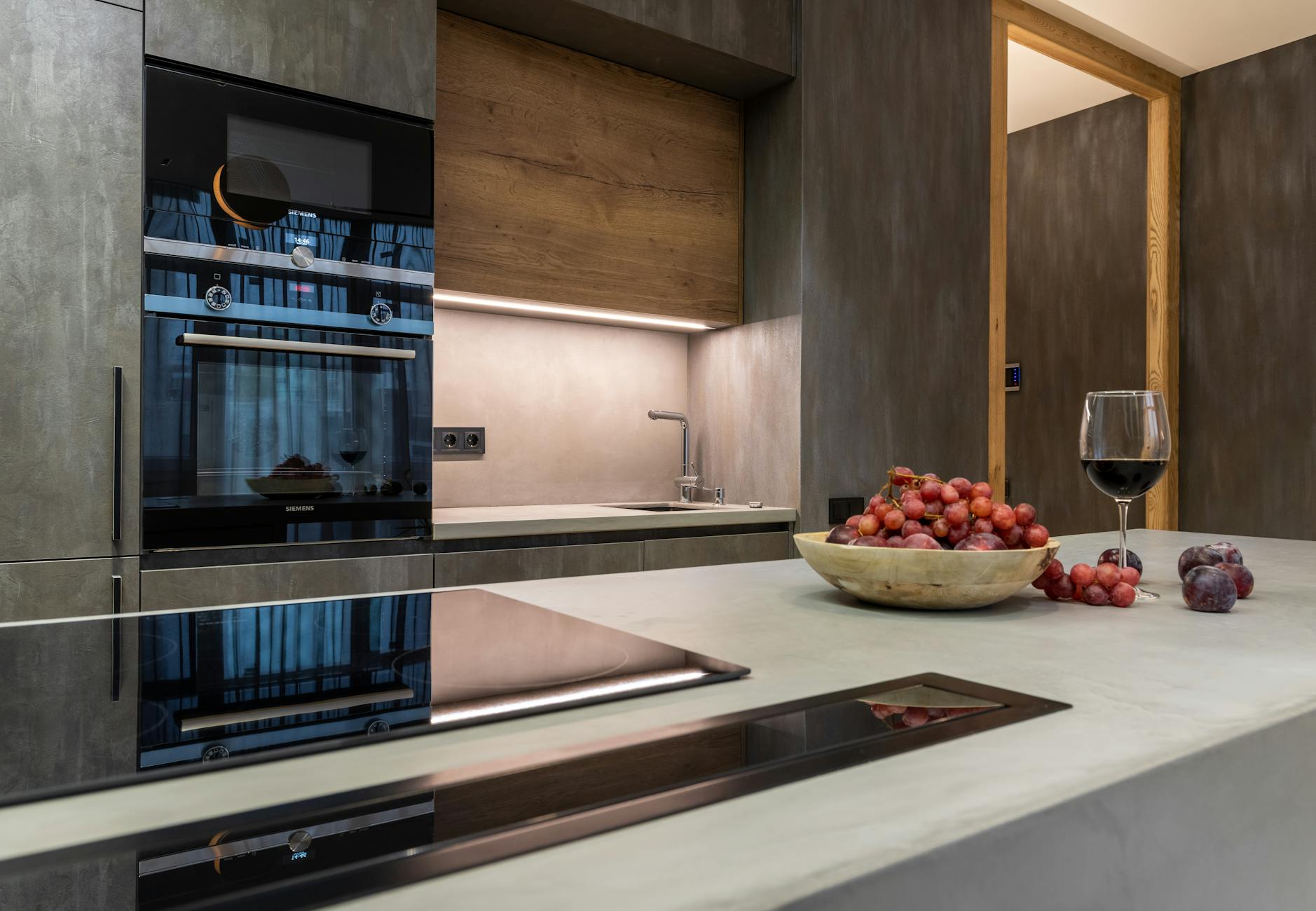
Finally, when it comes to low-consumption ovens and cooktops, it's essential to focus on those with even heat distribution and rapid heating capabilities. Induction cooktops, for instance, are exemplary with their precise energy use, affirming sustainable living choices. Multiplying these decisions across various appliances fortifies your home's energy efficiency, truly making a difference in our collective commitment toward minimizing environmental impact.
Integration with Home Systems
Smart Home Compatibility
Considering smart home compatibility is crucial when choosing appliances for their seamless integration with existing home systems. For a samsung fridge, compatibility with platforms like SmartThings can be a decisive factor, as it allows for enhanced control and monitoring. Connecting these appliances to a smart grid can optimise energy usage by analysing consumption patterns and adjusting operations accordingly. Brisbane’s innovative precincts, like the Brisbane Powerhouse, have been leading examples of such integrated, tech-forward environments that inspire us to harmonise technology with daily living.
Renewable Energy Integration
Integrating renewable energy sources and appliances can significantly reduce a home's carbon footprint. For instance, a bosch dishwasher can be powered by solar panels, effectively reducing its reliance on non-renewable energy while maintaining efficient performance. This sort of integration aligns with eco-friendly architectural developments such as those in Green Square, showcasing a commitment to building a sustainable future. Strategically including renewables provides a cleaner energy supply and often results in decreased utility bills.
Automated Efficiency Controls
Automated efficiency controls offer the potential to enhance the sustainability of home appliances by automatically optimising their operations. Technologies such as AI-driven sensors can be used within appliances to regulate temperature and manage power consumption effectively. This approach is evident in systems studied at Queensland University of Technology's Science and Engineering Centre, where data-driven solutions lead to significant improvements in energy management. With automated controls, you can ensure that appliances function optimally with minimal manual intervention, maximising both efficiency and sustainability.
Checking Reliability and Durability
Researching Product Lifespan
Understanding the lifespan of an appliance is crucial in making eco-friendly choices that align with sustainable living. As a construction professional, you know the impact that durable products have on reducing waste and conserving resources. Take the miele dishwasher, for example. Known for its longevity and efficiency, it not only complements the aesthetics of a modern kitchen but also contributes positively to environmental impact through reduced need for replacements.
Identifying Reliable Manufacturers
Finding manufacturers that prioritise sustainability and quality is key. Brands that emphasize robust construction and eco-conscious design often lead the way in sustainable appliance manufacturing. When evaluating your options, look for companies that provide transparent environmental impact analyses. These analyses highlight the manufacturer's commitment to sustainability in both production processes and product performance, ensuring that your investment supports a greener future.
Ensuring Quality Assurance
Quality assurance is non-negotiable when aiming for reliability. Seek appliances that come with extensive warranties and have passed rigorous testing for performance and endurance. For instance, a clothes dryer from a reputable brand ensures not only superior drying capabilities but also energy efficiency, aligning with environmental goals such as those showcased by the Queensland University of Technology's Science and Engineering Centre. This assurance gives you peace of mind, knowing your appliance is designed to last and perform efficiently over time.
Best Practices
Practical Maintenance Tips
When it comes to maintaining your appliances, a proactive approach can significantly enhance their lifespan and efficiency. In Brisbane's humid climate, it's crucial to regularly clean filters and vents, which can greatly affect energy consumption. Always refer to the manufacturer's guidelines for specific maintenance schedules. By keeping components clean and well-maintained, we reduce the demand on our appliances and support sustainable living initiatives like those championed at the Brisbane Powerhouse innovation precinct.
Efficient Usage Habits
Adopting efficient usage practices not only helps in reducing your utility bills but also plays a vital role in environmental conservation. Simple habits such as operating washing machines with full loads and utilising eco-mode settings can make a significant difference. By understanding the power dynamics, much like the innovative systems at Queensland University of Technology's Science and Engineering Centre, we can model our behaviours to reflect the principles of energy moderation.
Sustainable Disposal Methods
Finally, the life cycle of an appliance doesn’t end when it’s no longer functional. Sustainable disposal is a key component of reducing the environmental footprint. Look into local e-waste programs or recycling facilities that align with the eco-friendly ethos of Green Square's eco-friendly architectural developments. By responsibly disposing of old appliances, we are not only taking a step towards environmental sustainability but also paving the way for future green innovations.