-
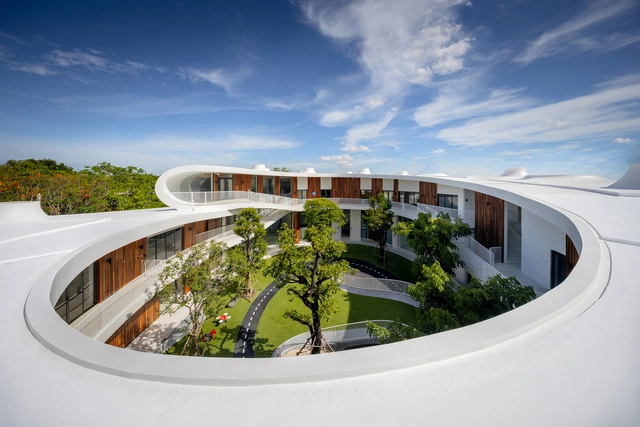
Architects: Sukyf & Architects
- Area: 2252 m²
- Year: 2023
-
Manufacturers: Demix
| CARVIEW |



![Castle Ruin Reichenau / [tp3] architekten - Renovation](https://snoopy.archdaily.com/images/archdaily/media/images/6945/7981/40a1/5c01/805c/1d2c/slideshow/castle-ruin-reichenau-tp3-architekten_12.jpg?1766160820&format=webp&width=640&height=580)

Park Hill, a large social housing complex in Sheffield, stands out as one of the most ambitious examples of modernist architecture in post-war Britain. Designed in 1961 by Jack Lynn and Ivor Smith, its innovative concept of "streets in the sky" aimed to combine high-density housing with the community spirit of traditional neighborhoods. By the late 20th century, the complex had fallen into severe neglect, marked by social problems and structural degradation that undermined both its functionality and reputation. Gradually, Park Hill became synonymous with the failure of modernism, carrying a heavy social stigma and marginalizing its residents.
Starting in the 2000s, significant efforts began to reverse this narrative through a two-phase revitalization process. The first phase, led by Urban Splash in collaboration with the architectural firms Hawkins\Brown and Studio Egret West, focused on preserving and enhancing the building's historical elements while introducing modern interventions to create a livable, functional, and attractive space. This stage demonstrated the potential of adaptive reuse in revitalizing communities and reclaiming architectural icons. The second phase of the renovation, carried out by the firm Mikhail Riches, sought to build on this initial work by introducing new elements that deepened the connection between the existing spaces and contemporary living. With an approach that combined historical sensitivity and architectural innovation, Mikhail Riches continued the process of transforming Park Hill into a landmark example of how modernist architecture can be adapted to meet current needs without losing its original identity.

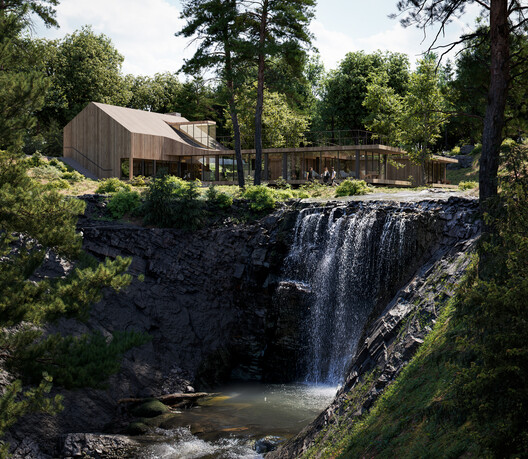
Buildner has announced the results of the Howard Waterfall Retreat architecture competition, an international design challenge developed in close collaboration with the Howard Family Trust. The competition invited architects and designers to propose a multi-generational family retreat set within a privately owned, forested landscape in Northwestern Pennsylvania, centered on the dramatic presence of Howard Falls and the surrounding gorge.
Rather than prescribing a singular architectural solution, the brief emphasized a careful dialogue between architecture and nature. Participants were asked to consider how a retreat could balance shared and private living, respond to steep topography and water systems, and integrate sustainably within a sensitive ecological setting. The project also called for an interpretation of family legacy, encouraging designers to acknowledge the history of the site and the original summer cottage while imagining a retreat capable of evolving across generations.
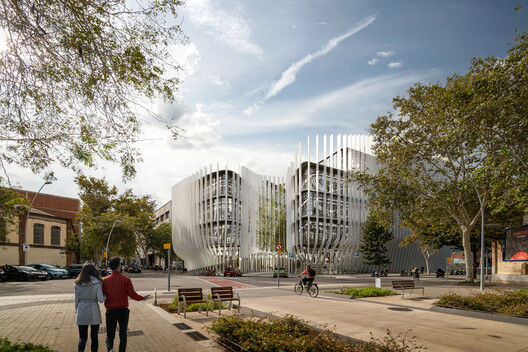
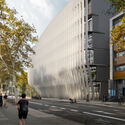
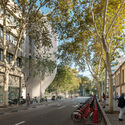
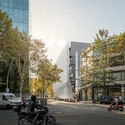
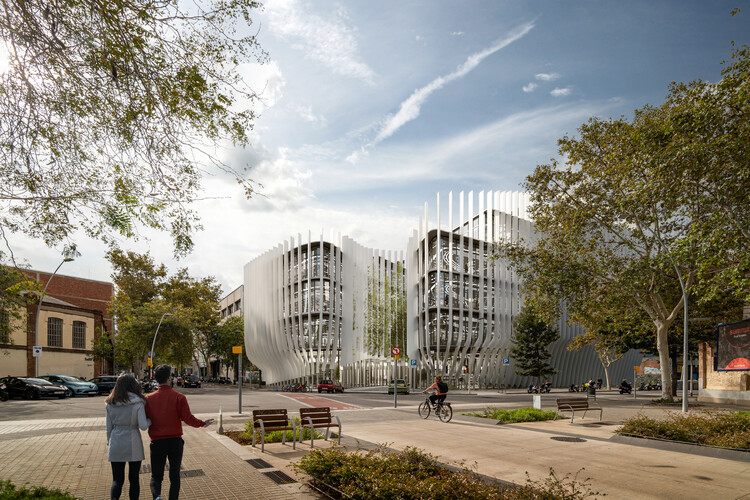
Located in Barcelona's El Raval district, the Futuristic Office Building by SNOB Architects introduces a contemporary office program within a consolidated and historically layered urban environment. Designed by the Lisbon-based practice and scheduled for completion around 2026, the project comprises approximately 12,000 square meters of gross built area. The building's height, massing, and proportions are calibrated in response to the surrounding fabric, reflecting the scale of adjacent structures while establishing a contemporary architectural language. Rather than presenting itself as an isolated object, the project is conceived as part of the existing city, contributing to the gradual transformation of El Raval through a controlled and context-aware architectural approach.
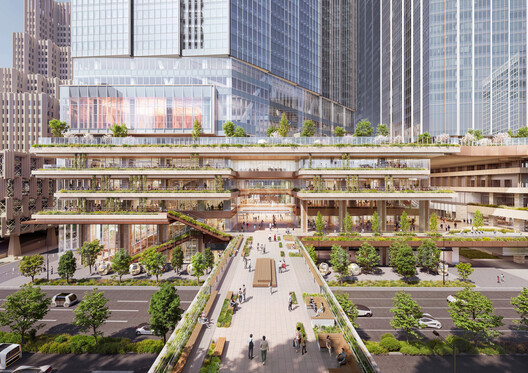
Construction has officially broken ground on Tokyo's new global headquarters for NTT, a major Japanese technology company. The project is a key component of PLP Architecture's Tokyo Cross Park masterplan, a large-scale regeneration development in the Tokyo metropolitan area, first announced in 2022. On December 5, 2025, construction began on the first stage of the scheme, one of four towers planned within the masterplan. The NTT Hibiya Tower, designed by PLP Architecture and developed by NTT Urban Development in collaboration with Tokyo Electric Power Company, is a 230-metre-tall, 361,000-square-metre mixed-use building and forms the central element of the 1.1-million-square-metre Tokyo Cross Park Vision. PLP Architecture serves as Design Architect for the tower, as well as Masterplanner and Placemaking Strategist for the wider development.
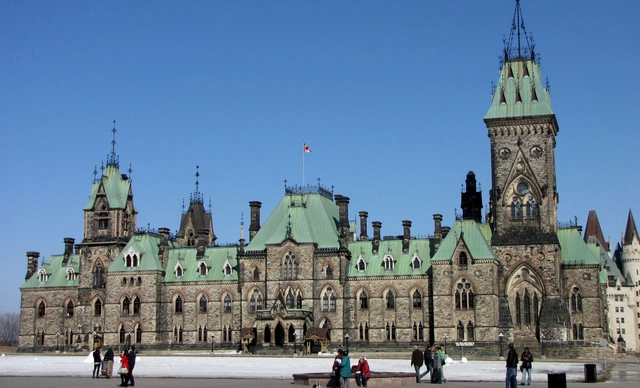
Heritage restoration has always been an intricate process that requires delicate balancing between preserving the integrity of historic materials while integrating contemporary techniques that can enhance accuracy, efficiency, and resilience. With the restoration process of Parliament Hill in Ottawa, Canada's capital city, this intersection of tradition and technology is now on full display. The East Block, built in 1865, offers a compelling example of how digital tools can support the efforts of heritage restoration and contribute to a centuries-old craft such as stone carving.


You'll now receive updates based on what you follow! Personalize your stream and start following your favorite authors, offices and users.






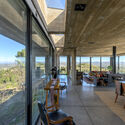
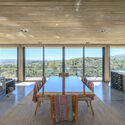
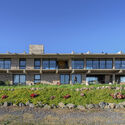
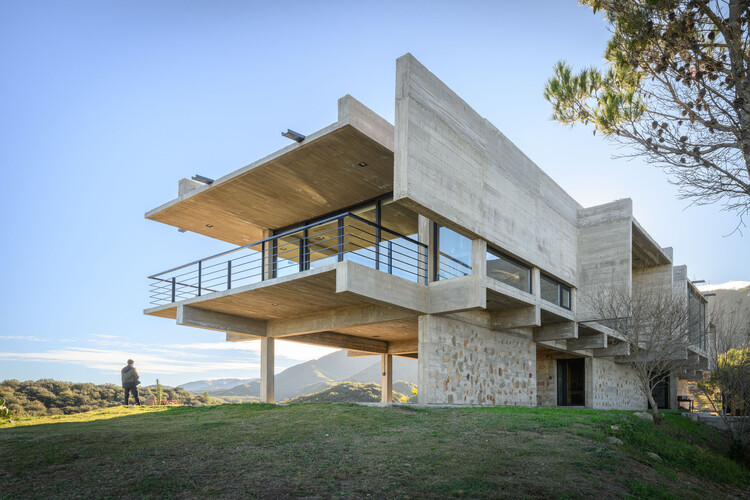
![Castle Ruin Reichenau / [tp3] architekten - Exterior Photography, Renovation](https://images.adsttc.com/media/images/6945/7953/40a1/5c01/805c/1d29/thumb_jpg/castle-ruin-reichenau-tp3-architekten_10.jpg?1766160732 "© Nikolaus Schullerer-Seimayr - Tp3 Architekten")
![Castle Ruin Reichenau / [tp3] architekten - Exterior Photography, Renovation](https://images.adsttc.com/media/images/6945/7977/be50/5601/89f5/3616/thumb_jpg/castle-ruin-reichenau-tp3-architekten_17.jpg?1766160806 "© Nikolaus Schullerer-Seimayr - Tp3 Architekten")
![Castle Ruin Reichenau / [tp3] architekten - Interior Photography, Renovation, Stairs](https://images.adsttc.com/media/images/6928/6634/049e/2200/0108/3847/thumb_jpg/Burgruine_Reichenau_3.jpg?1764255321 "© Nikolaus Schullerer-Seimayr - Tp3 Architekten")
![Castle Ruin Reichenau / [tp3] architekten - Renovation](https://images.adsttc.com/media/images/6928/6635/049e/2200/0108/3849/thumb_jpg/Burgruine_Reichenau_2.jpg?1764255318 "© Nikolaus Schullerer-Seimayr - Tp3 Architekten")
![Castle Ruin Reichenau / [tp3] architekten - More Images](https://images.adsttc.com/media/images/6945/7981/40a1/5c01/805c/1d2c/newsletter/castle-ruin-reichenau-tp3-architekten_12.jpg?1766160820)