Antimicrobial Copper Deployed on Transit Surfaces in Vancouver, B.C.
Copper Alliance member Teck Resources launched a new partnership with TransLink, Vancouver Coastal Health and other partners to pilot the use of antimicrobial copper on high-touch transit surfaces on buses and SkyTrain cars in Vancouver, B.C.
There are hundreds of scientific, peer-reviewed studies reporting on the broad-spectrum antimicrobial efficacy of copper and copper alloys against bacteria and viruses, including SARS-CoV-2. Visit the Evidence Library to access these studies directly from the scientific journals.
Well over 500 institutions around the world have deployed antimicrobial copper solutions including hospitals, fitness and training centers, mass transit systems, schools, professional sports teams, office buildings, restaurants and more. We've highlighted several case studies that show how forward-thinking organizations are deploying antimicrobial copper in high-touch areas to protect public health.
With over 500 antimicrobial copper alloys registered with the U.S. EPA, there is certainly an antimicrobial copper option to meet the demanding needs of your application. See here for the full list of registered alloy compositions.
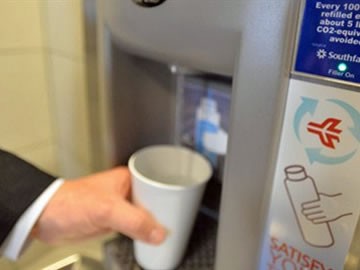
In February 2014 over 50 water bottle filling stations made from antimicrobial copper can be found throughout the Hartsfield-Jackson International Airport in Atlanta.
Antimicrobial Copper Deployed on Transit Surfaces in Vancouver, B.C.
Copper Alliance member Teck Resources has launched a partnership with TransLink, Vancouver Coastal Health and other partners to pilot the use of antimicrobial copper on high-touch transit surfaces on buses and SkyTrain car in Vancouver, B.C.
Proper Use and Care Webinar
Curious on how to properly maintain your copper touch surfaces? Let Adam Estelle of CDA tell you how!
After viewing this webinar, participants will understand how to care for and maintain antimicrobial copper products, and how these continuously active surfaces can supplement standard infection control practices. Learning objectives include:
Discover what antimicrobial copper materials are and how they are used
Learn about the rigorous efficacy testing, EPA public health registration and registered claims
Understand that antimicrobial copper surfaces are a supplement to and not a substitute for standard infection control practices
Learn how to clean and care for antimicrobial copper surfaces
Review a case study from a hospital that has installed antimicrobial copper surfaces