


| CARVIEW |


The Tiny Project
In 2013 I designed and built this one-of-a-kind modern tiny house on wheels
With experience in designing, building, teaching workshops and years of full-time tiny house living, I’m very excited to share all the tiny house tips I’ve learned with you! I offer my tiny house plans for sale, as well as a photo book that details the entire construction process. For more info, please visit my FAQ page. I continue to blog about tiny houses (both the joys and challenges!) and offer a huge list of tiny house resources with how-to’s and expert advice. To receive exclusive content and special subscriber-only discounts on tiny house plans, please sign up HERE.

The Tiny Project has been featured in press from around the world






Tiny House (on wheels) construction plans & blueprints
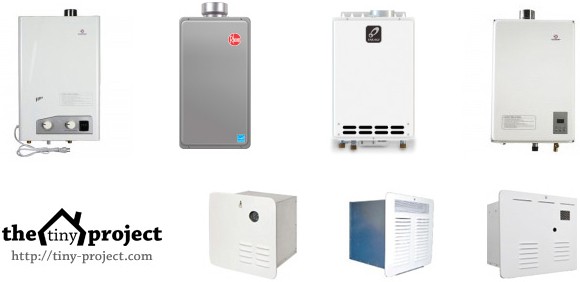
The best tiny house propane water heaters (residential & RV)
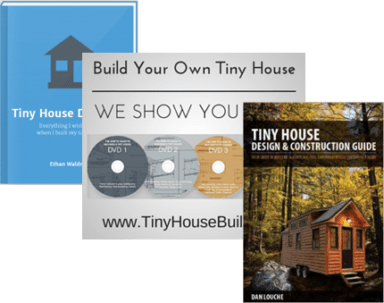
Tiny house guides and books
The best tiny house plans money can buy


Tiny house photo book – 200 photos!
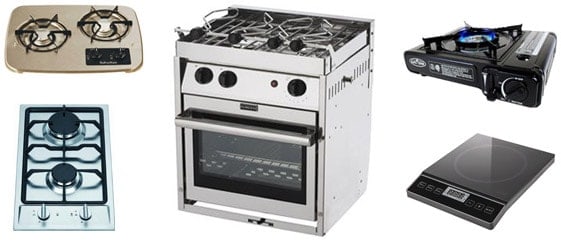
Tiny House Stoves, Cooktops & Ranges

How to Safely Tow a Tiny House
There are also specific safety items and tools you’ll need to tow and park a house. I’ve already written extensively, describing in detail my two long towing trips and everything I did to prepare. Please read the two posts below as well to get all the details not included in this post.
Towing a Tiny House (from California to Texas)
Our Tiny House Towing Adventure: Part One and Part Two
Looking for a tiny house trailer?

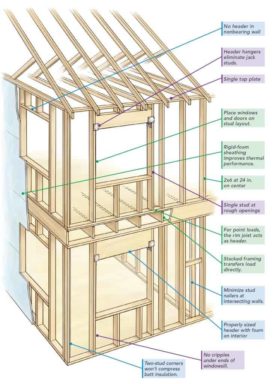
Advanced Framing for Tiny Houses
Video tour and interview
What is a Tiny House anyway?
Most tiny houses, or more specifically a “tiny house on a trailer,” are mini homes built on flatbed or gooseneck trailers. Building a tiny house on a trailer means the house is considered more like an RV, and does not need to adhere to the same square footage requirements, permits and codes associated with building a normal home on a foundation. Tiny houses use a tiny house trailer as their “foundation.” Building a tiny house on wheels allows for the mini home to be towed just about anywhere, giving the tiny house owner nearly unlimited freedom and flexibility.
Tiny homes are usually under 8.5 feet wide and vary in length from 12 to 30 feet. Tiny houses are restricted to 13.5 feet in order to fit under highway underpasses. Most tiny homes include a sleeping loft. Some (like our tiny house floor plans) include complete plumbing and electrical systems, like a full-size house would have, while others choose to live more simply, without water, and possible with solar as their only form of electricity.
No matter what tiny houses plans are used, no matter how the mini home is designed and constructed, tiny house owners tend to choose to do so for one of several reasons:
- Tiny houses are a more affordable option (compared to a full-size home) for debt-free living
- Tiny houses offer an alternative (especially for younger and older generations) to the increasingly difficult, traditional “American Dream” path to home-ownership.
- Building a tiny house is offers mobility and flexibility for anyone who does not wish to be tied to specific location.
- Tiny homes offer an incredibly simple yet all-inclusive form of shelter, perfect for out-of-the-way, off-grid living.
- Tiny houses are a great way to minimize environmental impact by living in a much more efficient and sustainable structure.
- Mini homes create simpler living — they are an easy to maintain, self-contained housing option for those of retirement age.
- Building a tiny house is a fun/challenging/rewarding and educational project used to share alternative housing options to the next generation of home owners/builders!


Get 2 FREE Tiny House Guides
Enter your email address below to receive two free tiny house guides: Tiny House Living, and Tiny House Utilities