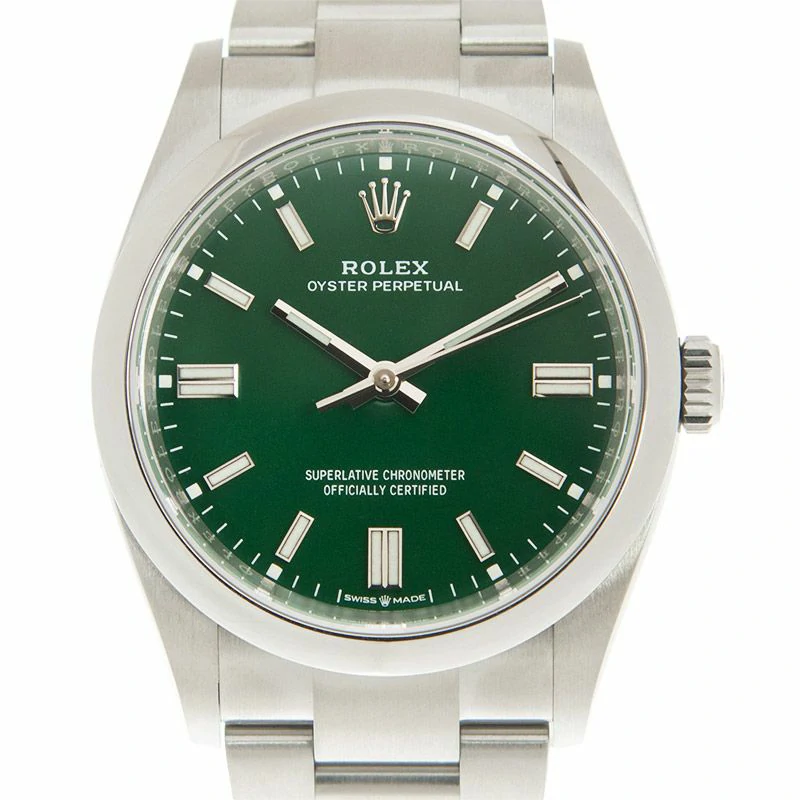
Can You Really Own a Rolex Under $5,000 – and Still Get the Real Experience?

Rolex often feels like a closed arena – crowded, overheated, and dominated by headline models trading far beyond retail. The Submariner and Daytona grab the spotlight, while prices on the secondary market soar into five figures. Yet behind that glare lies a quieter truth: authentic Rolex ownership is still within reach for those who know where to look.

For collectors willing to play smart rather than loud, Rolex offers a roster of watches that deliver the brand’s core virtues – precision, durability, and unmistakable design – without the financial overreach. These are not consolation prizes. They are seasoned performers, many with deeper heritage than today’s hype pieces.

Rolex Datejust: The All-Rounder That Never Misses

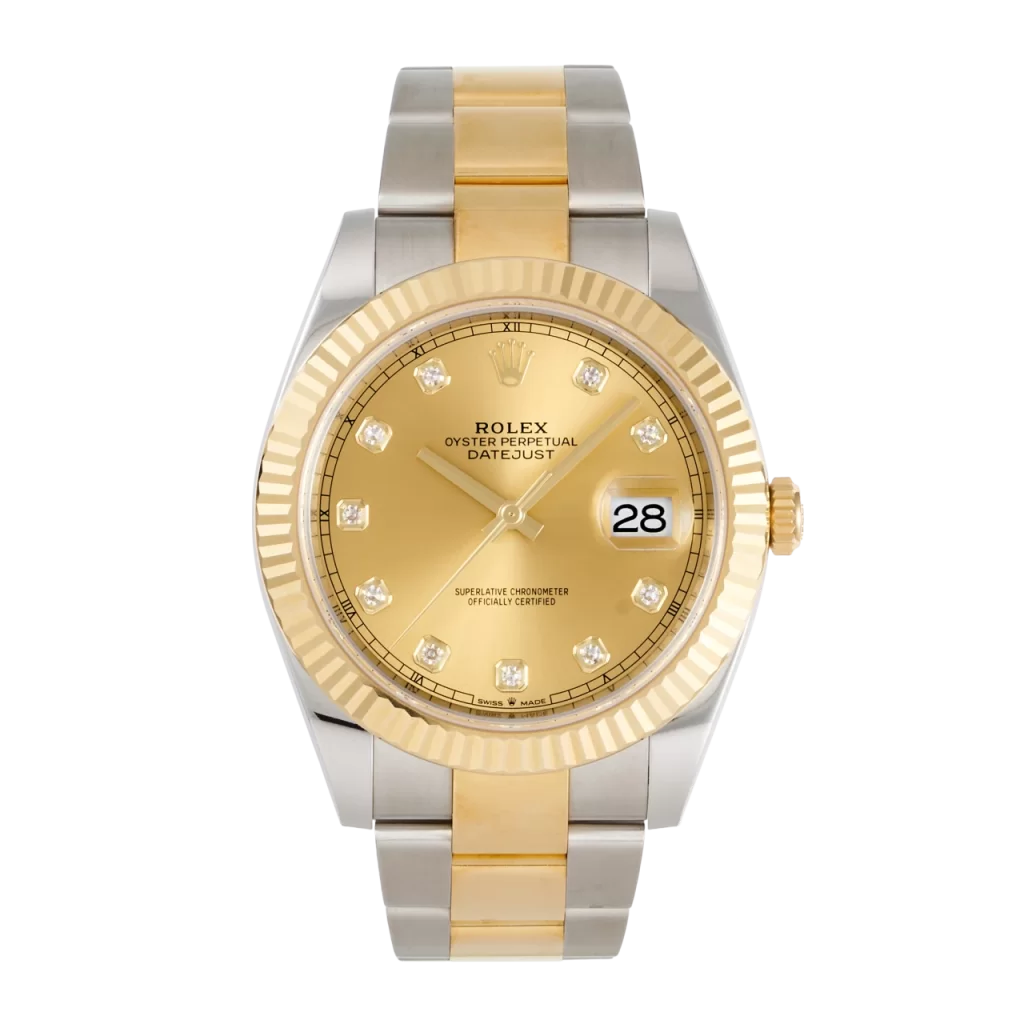
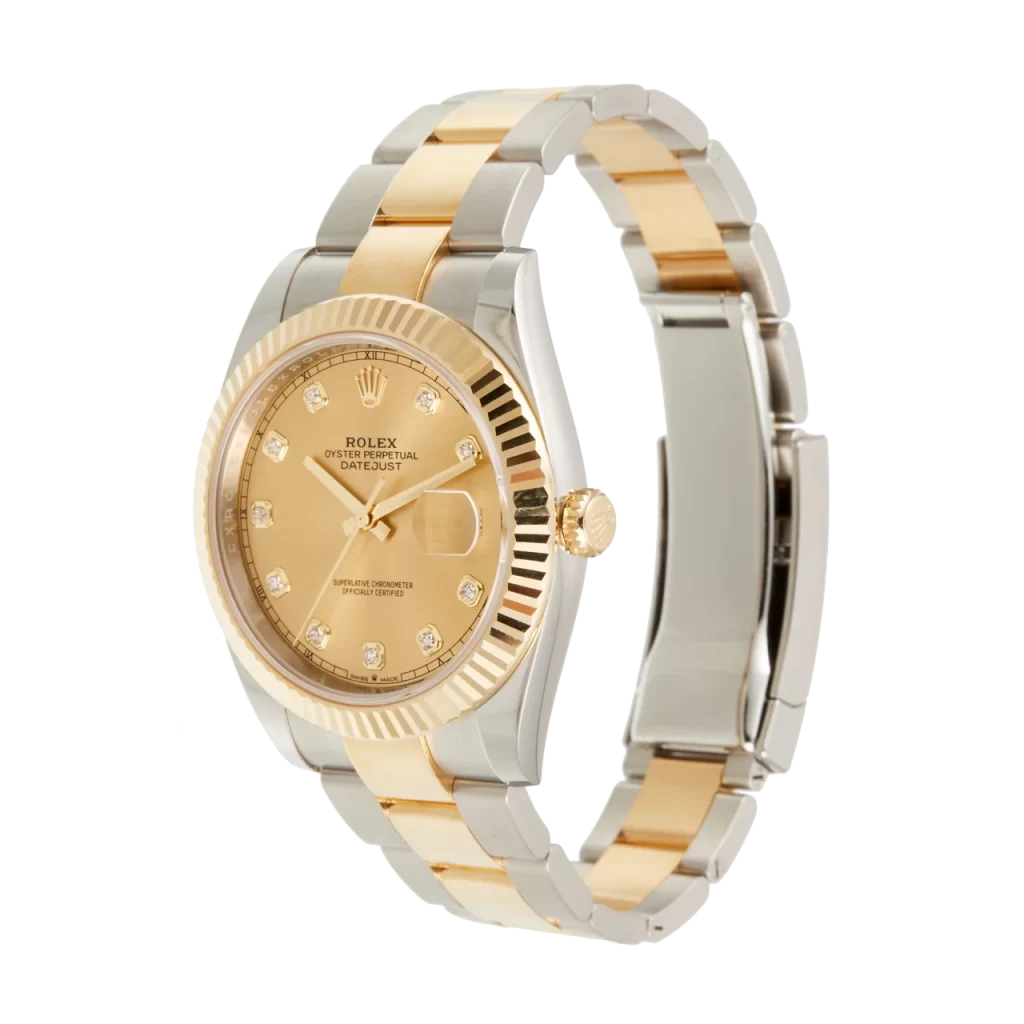
Few watches define Rolex more completely than the Datejust. Introduced in 1945, it was the world’s first self-winding chronometer wristwatch with a date window – and it has barely missed a step since.

The 36-mm Datejust remains the sweet spot. Balanced, versatile, and timeless, it wears effortlessly across decades and dress codes. Vintage stainless-steel references such as the Datejust ref. 1601 offer fluted bezels, pie-pan dials, and undeniable character, often available in excellent condition well below the $5,000 mark.

This is Rolex at its most universal: tough enough for daily wear, refined enough for formal settings, and instantly recognizable without ever shouting.

Rolex Oyster Perpetual Date: Compact, Focused, Underrated

If the Datejust is the team captain, the Oyster Perpetual Date is the utility player – lean, efficient, and quietly impressive.

Produced primarily in 34 mm, references like the ref. 15200 feature the legendary Rolex caliber 3135, sapphire crystal, and Cyclops date magnifier. On the wrist, it feels purposeful and precise, with no excess weight or ornamentation.

Often overlooked due to its size, the Oyster Perpetual Date rewards collectors with exceptional value, mechanical pedigree, and classic Rolex DNA – all comfortably within budget.

Rolex Lady-Datejust: Elegance Without Compromise

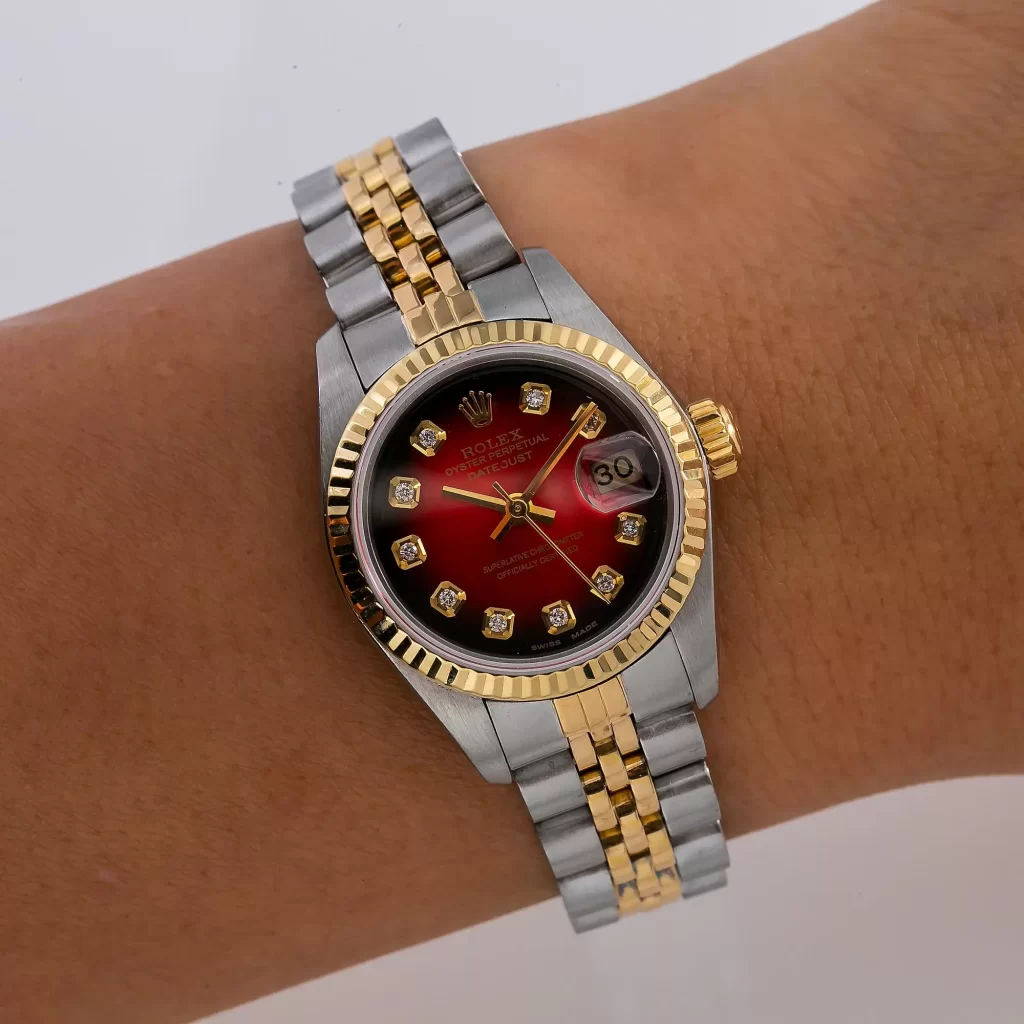
Designed specifically for women, the Lady-Datejust doesn’t dilute the Rolex formula – it refines it.

Earlier references such as the ref. 69173, measuring 26 mm or 31 mm depending on generation, deliver the same visual language as larger Datejust models: fluted bezels, Cyclops dates, and a wide array of dial options. Whether paired with an Oyster or Jubilee bracelet, it offers elegance backed by genuine Rolex engineering.

At around $4,000-4,500, the Lady-Datejust stands as one of the strongest luxury propositions in the women’s watch market.

Rolex Air-King: Aviation Roots, Everyday Grit

The Air-King carries one of Rolex’s longest uninterrupted histories, dating back to the 1950s. Built for pilots and professionals, it favors clarity and reliability over decoration.

Vintage references like the Air-King ref. 5500 deliver classic proportions and surprising variety, including rare fluted-bezel versions. Later models such as the ref. 14000 introduce Explorer-style numerals and upgraded movements while retaining the Air-King’s replica watch ethos.

This is Rolex stripped to essentials – functional, resilient, and quietly charismatic.

Rolex Oysterdate: Pure Vintage, Pure Value

For collectors who appreciate mechanical honesty, the Rolex Oysterdate is the ultimate entry point.

Produced from the 1950s through the late 1980s, the Oysterdate was powered exclusively by manual-wind movements and labeled “Precision” rather than chronometer-certified. The most sought-after reference, ref. 6694, offers clean design, excellent legibility, and unmistakable vintage presence.

With prices ranging from $2,500 to $4,000, it remains one of the most affordable ways to experience true mid-century Rolex craftsmanship.

Owning a Rolex under $5,000 isn’t about settling – it’s about knowing the game. These models may not dominate social media, but they dominate where it matters most: on the wrist, over time, in real life.

Are Rolex Waitlists Finally Easing?

Rolex’s story was simple yet intense. The brand’s iconic watches were in high demand, but supply remained stubbornly limited. The result? A waitlist phenomenon that transformed from inconvenient to legendary.
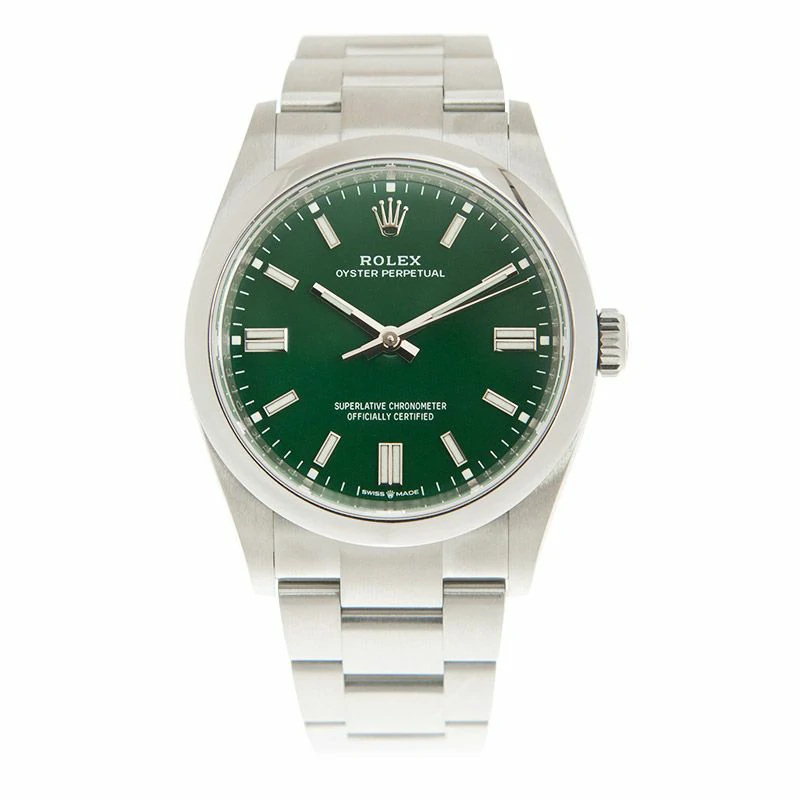
Rolex produces a significant number of fake watches, yet it couldn’t match the world’s growing appetite for its steel sports models. These watches weren’t just tools – they were coveted status symbols. The more exclusive they became, the more desirable they appeared. This imbalance became even more pronounced during the pandemic.

Factory slowdowns, combined with a surge of stimulus funds, a rise in screen time, and an insatiable thirst for social media status, sent demand through the roof. The once manageable waitlist grew into an almost mythical entity. Much like the stories surrounding Audemars Piguet’s “21-year” waitlist in Geneva, obtaining a Rolex became something of a modern-day quest.

Authorized dealers (ADs) took on the role of gatekeepers, and potential buyers found themselves spreading their budgets across a range of jewelry and dress pieces to increase their chances of landing a Submariner, GMT-Master II, or Daytona. The chase became a game in itself – a membership to an exclusive club where patience, loyalty, and purchase history were the price of entry.

Meanwhile, the grey market – unconcerned with the brand’s legacy or the loyalty of buyers – thrived. It offered watches at real-time prices, often at steep premiums, capitalizing on the growing frenzy.

The Softening of Rolex’s Premium Pricing
By 2020 to 2022, secondary market prices detached significantly from retail. A steel replica Rolex Daytona at list price was akin to winning the lottery. Submariners, GMTs, and Explorers were fetching prices far above their retail tags the moment they left the store. Enthusiasts flooded online forums with wrist shots followed by resale screenshots, celebrating their acquisitions.

New wealth, particularly from crypto and tech sectors, added fuel to the fire. The desire for instant status symbols was overwhelming, and Rolex delivered. A ceramic bezel carried more social currency than an NFT could hope to. It was a universally understood marker of success. Even I found myself pulling strings to secure a Pepsi GMT.

Prices soared because people believed they would continue to rise. Liquidity from crypto booms, meme stocks, and easy money kept the cycle going.

But the market eventually took a sharp turn. Crypto crashed, big tech companies scaled back, and interest rates climbed.

Suddenly, the buyer who once eagerly paid a 40-80% premium for the privilege of owning a Submariner on a Tuesday was more than willing to wait until Friday. The grey market adjusted quickly: inventory grew, prices softened, and the once all-pervasive “above list” era started to fizzle out. Some references still commanded a premium, but the days of consistently overpriced replica watches were numbered. This shift also had an impact on showrooms, cooling the buying frenzy. For more details about replicas, please visit replicaimitation.com.

The power dynamic had subtly shifted. The balance between dealers and buyers had slightly tilted, though not drastically. Buyers, increasingly cautious, were no longer driven by the pressure to secure a Rolex at any cost. Instead, they began to question whether paying extra for a quicker acquisition still made sense.

The New Reality of Watch Buying
This shift in mindset is reflected in the choices many buyers are now making. A customer who once would have scoured every channel for a Submariner may now consider a Blancpain Fifty Fathoms, an Omega Seamaster, or, in the case of one reader, a Panerai Ceramic Flyback as a more compelling alternative.

Locally, reports confirm this change. Clients are now receiving calls in a matter of months, not years. The news is promising for the broader market: the once feverish demand has cooled, and buyers are adopting a more rational approach.

At ADs, the language has softened. Follow-ups are now more proactive, and the pieces that once gathered dust in vaults are being offered to patients on the waiting list. Grey market dealers are still active, but flipping watches quickly for a premium is no longer as straightforward. The once coveted act of paying above retail now seems less appealing, especially when the official channels are offering a much smoother route.

The Return to Rationality
It’s essential to remember why Rolex’s demand surged in the first place. The brand offers exceptional craftsmanship, function, and a cultural resonance that crosses global boundaries. This will never change. When economic conditions improve, the desire for Rolex will undoubtedly surge again. But for now, the market seems to have stabilized, and the focus has shifted.

Buyers are no longer chasing the quickest acquisition or the latest status symbol. Instead, they are thinking carefully about value. They are more focused on finding the right watch at the right time. Social media hype has less of a grip, and the buzz surrounding rapid acquisitions has subsided.

This is evident in the more measured decisions of today’s buyers. In the past, a client would have rushed to the boutique to snap up a newly released Sea-Dweller. Today, the same buyer might pause to reflect on whether they truly need that specific piece or if another, equally remarkable model could be a better fit.

Five Exquisite Platinum Rolex Watches That Define Understated Luxury this year

Platinum Rolex watches represent the pinnacle of understated elegance, offering a unique blend of durability, heft, and muted sophistication. Unlike flashy gold models, platinum’s subtlety speaks volumes to discerning collectors. In 2025, Rolex continues to elevate platinum designs, blending heritage with innovation. From the iconic Daytona to the classic Day-Date, these watches are more than just watches – they’re statements of refined taste.

1. Rolex Daytona “Platona” Ref. 126506 – The Legend Reimagined

The platinum Daytona remains a crown jewel in Rolex’s 2025 lineup, now featuring an updated 4131 movement with a 72-hour power reserve and Chronergy escapement 37. Its signature ice-blue dial and chestnut brown Cerachrom bezel create a striking contrast, while the solid platinum case and bracelet exude quiet luxury. Recent iterations include baguette diamond markers and an exhibition caseback, making it a favorite among collectors 59.

2. Rolex Day-Date Ref. 228236 – Meteorite Magic

This model showcases Rolex’s mastery of natural materials. Each meteorite dial is unique, with intricate Widmanstätten patterns that ensure no two watches are alike. The 2025 version pairs this cosmic artistry with platinum fluted bezels and Roman numerals, blending rarity with timeless design 59.

3. Rolex Day-Date Olive Dial Ref. 228206 – A Modern Classic

The olive green sunburst dial on this Day-Date offers a fresh take on platinum elegance. Its smooth bezel (a nod to platinum’s hardness) and applied markers create a harmonious balance of sportiness and sophistication. In 2025, this model gains renewed attention for its versatility, transitioning seamlessly from boardrooms to weekend getaways 9.

4. Rolex 1908 Ref. 52506 – A Return to Elegance

Rolex’s 2025 1908 collection reintroduces classic dress watch aesthetics with a platinum twist. The guilloché ice-blue dial and exhibition caseback reveal the finely finished 7140 movement, a rarity for Rolex. Its knurled bezel and subsidiary seconds dial pay homage to vintage designs while meeting modern precision standards 9.

5. Rolex Yacht-Master 40 – Platinum Meets Steel

Though not fully platinum, the Yacht-Master’s platinum bezel on a stainless steel case (Ref. 126622) offers an accessible entry into Rolex’s platinum world. The 2025 updates include a rhodium dial and improved Chromalight lume, proving that platinum’s luxury can be both subtle and functional 210.

Why Choose Platinum in 2025?

Platinum’s rarity and durability make it a wise investment, with models like the Daytona and Day-Date already trading 50% above retail in secondary markets 37.

2025 Rolex Datejust 80th Anniversary Guide

The Rolex Datejust, first introduced in 1945, has stood the test of time as one of the most iconic luxury watches in history. Over its 80-year journey, the Datejust has evolved in design, mechanics, and cultural significance, proving its resilience through industry shifts and changing tastes. From the quartz crisis of the 1970s to the bold aesthetics of the 1980s, Rolex refined the Datejust without compromising its core identity – precision, durability, and timeless elegance. This guide explores key milestones that cemented its legacy as a watch for all eras.

When the quartz revolution threatened mechanical watchmaking, Rolex responded by fine-tuning the Datejust’s movement, ensuring it remained competitive. Instead of abandoning traditional craftsmanship, the brand doubled down on mechanical excellence, reinforcing the Datejust’s reputation as a reliable luxury watch. Aesthetic updates included the introduction of “Wide Boy” dials with chunky hour markers and the rise of two-tone Rolesor (steel and gold) models, which became instant classics. Today, vintage 1970s Datejusts in steel typically sell for $4,000-$7,000, while rare dial configurations or gold versions can fetch significantly higher prices. Replica Rolex’s commitment to mechanical movements during this era proved that true luxury could not be replaced by battery-powered alternatives.

The 1980s brought pivotal upgrades that made the Datejust even more user-friendly and durable. The introduction of the quickset date function allowed wearers to adjust the date independently – no more endlessly rotating the hour hand. Additionally, sapphire crystals replaced acrylic, offering superior scratch resistance for everyday wear. Culturally, the Datejust became a symbol of success, frequently seen on the wrists of business leaders, celebrities, and even fictional icons like Gordon Gekko. Two-tone steel-and-gold models were particularly coveted, embodying the decade’s bold, aspirational style. Today, 1980s Datejusts in steel start around $4,000-$7,000, while pristine two-tone or rare variants can exceed $10,000. These innovations ensured the Datejust remained not just a replica watch, but a cultural statement.

In recent decades, the Datejust has continued to evolve with new materials, sizes, and movements, including the Caliber 3235 with a 70-hour power reserve. The Oysterflex bracelet, Everose gold, and diamond-set dials have expanded its appeal, while classic configurations remain in demand. Vintage Datejusts, especially from the 1970s and 1980s, are increasingly sought after by collectors, with prices steadily rising. Limited editions and discontinued references – such as the “Stella” lacquer dials – command premium prices at auctions. Whether as an investment or a daily wearer, the Datejust’s enduring design ensures it remains a cornerstone of any watch collection.

The Rolex Datejust’s 80-year history is a testament to adaptability without compromise. From surviving the quartz crisis to becoming a pop culture staple, it has consistently balanced innovation with tradition. Its versatility – equally at home in a boardroom or on a weekend getaway – makes it one of the most recognizable and respected watches ever made. As vintage models appreciate and new iterations push boundaries, the Datejust remains not just a watch, but a legacy. For collectors and enthusiasts, owning a Datejust means owning a piece of horological history.

A Modern Classic ReimaginedRolex Day-Date 36 with Roman Numerals

The Rolex Day-Date 36 has always been a watch that defies trends. Since its debut in 1956, it has remained a cornerstone of luxury watchmaking, thanks to its perfect blend of opulence and functionality. What sets it apart is its ability to balance ostentatiousness with understated elegance. It’s a watch that commands attention without shouting, a rare feat in the world of high-end watches.

For me, the Rolex Day-Date 36 is more than just a watch-it’s a piece of history. It’s a reminder of a time when craftsmanship and design were paramount, and when a watch wasn’t just an accessory but a reflection of one’s identity. The introduction of Roman numerals to the 36mm model feels like a nod to this heritage, a way of honoring the past while embracing the future.

When Rolex introduced deconstructed Roman numerals on the Day-Date 40 in 2015, it was a bold move that divided opinions. Some loved the modern twist, while others felt it strayed too far from tradition. But with the Day-Date 36, Rolex has struck the perfect balance. The Roman numerals on this model are applied, adding depth and texture to the dial while maintaining a classic aesthetic.

The lacquered white dial is simplicity at its finest, with a railroad minute track framing the periphery. The Roman numerals, crafted from solid 18k yellow gold, are a work of art. Each numeral is meticulously faceted, catching the light from every angle and ensuring legibility even in low-light conditions. The “IIII” instead of “IV” for the number four is a subtle nod to traditional clockmaking, adding a touch of historical charm.

What truly sets this dial apart is its modern manufacturing. The precision and craftsmanship required to create these applied indices simply didn’t exist in the 20th century. This makes the Day-Date 36 with Roman numerals a distinctly contemporary piece, yet one that feels timeless. It’s a watch that will undoubtedly be associated with the 2010s and 2020s, but its design ensures it will never look dated.

The Rolex Day-Date 36 underwent a subtle but significant update in 2019. The case, which previously featured a trapezoid cross-section, was redesigned with compound curves, giving it a softer, more refined profile. While some purists (myself included) may prefer the more angular, assertive look of the previous model, there’s no denying that the new design is elegant and versatile.

The yellow gold case of the reference 128238-0113 is a thing of beauty. It’s bold, yes, but it’s also incredibly wearable. At 36mm, it strikes the perfect balance between presence and comfort, making it suitable for both formal occasions and everyday wear. The fluted bezel, another fake Rolex hallmark, adds a touch of texture and sophistication, while the President bracelet remains one of the most comfortable and iconic bracelets in the world.

Inside the Day-Date 36 beats the Caliber 3255, a movement that represents the pinnacle of Rolex’s engineering prowess. Introduced in 2015, this movement offers improved accuracy, a longer power reserve of 70 hours, and enhanced durability. It’s a testament to Rolex’s commitment to innovation and excellence, ensuring that the Day-Date 36 is as reliable as it is beautiful.

Probably not. Its bold design and luxurious materials make it a watch that demands confidence. But for those who appreciate its blend of history, craftsmanship, and modernity, there’s simply nothing else like it. The Day-Date 36 with Roman numerals is a watch that will stand the test of time, just as its predecessors have for nearly seven decades.

What Happens If You Have a Stolen Rolex?

Rolex is one of the most prestigious and sought-after luxury watch brands in the world, renowned for its craftsmanship, durability, and timeless design. However, its high value and desirability also make it a target for theft. If you find yourself in possession of a stolen Rolex, whether knowingly or unknowingly, the consequences can be significant. Here’s what you need to know about the process and implications of owning a stolen Rolex.

Rolex maintains a comprehensive global database of lost and stolen watches. This database is accessible to authorized Rolex dealers and service centers worldwide. Each Rolex watch has a unique serial number engraved on it, which serves as its identifier. If a Rolex is reported stolen, the owner can provide the serial number and proof of ownership to Rolex, and the watch will be flagged in their system. This means that if someone attempts to sell, service, or authenticate a stolen Rolex at an authorized dealer, it will be identified as stolen property.

If you unknowingly purchase a stolen Rolex, you could face serious legal and financial repercussions. Even if you bought the watch in good faith, you do not have legal ownership of it. The original owner retains their rights to the watch, and law enforcement can seize it to return it to them. In such cases, you may lose both the replica watch and the money you paid for it, as the seller of the stolen item is unlikely to refund you.

Additionally, attempting to sell or pawn a stolen Rolex can lead to criminal charges. Dealers and pawnshops often check the serial number against databases of stolen goods, and if the watch is flagged, they are required to report it to the authorities. This could result in an investigation and potential legal consequences for possessing or trafficking stolen property.

If you suspect that a Rolex you own or are considering purchasing may be stolen, the first step is to verify its status. You can take the watch to an authorized Rolex dealer or service center and provide the serial number. They will check the database to determine if the watch has been reported as lost or stolen. If it has, they will likely confiscate it and notify the proper authorities.

To protect yourself when buying a replica Rolex, always purchase from reputable dealers or platforms that verify the authenticity and ownership history of the watch. Request documentation, such as the original receipt, warranty card, and proof of ownership, to ensure the watch is legitimate.

Owning a stolen Rolex can lead to significant legal, financial, and ethical complications. Rolex’s global database of lost and stolen watches makes it difficult for thieves to profit from their crimes, but it also means that buyers must exercise caution when purchasing pre-owned watches.

Is There a Rolex Factory in China?

The Swiss watchmaker has built an empire around its reputation for quality, with each watch embodying decades of Swiss horological tradition. But with the growing influence of global manufacturing, a question often arises: Does Rolex have a factory in China?

The simple answer is no – Rolex does not have any manufacturing facilities in China. The company remains steadfast in its commitment to Swiss watchmaking, and every Rolex watch is crafted in Switzerland, which is home to the brand’s headquarters in Geneva. Rolex has long emphasized the importance of maintaining strict control over its manufacturing process to ensure the highest standards of quality, a hallmark of Swiss watchmaking.

Rolex’s commitment to Switzerland goes beyond merely assembling components; the company is deeply integrated into the Swiss watchmaking industry. Rolex factory, located in the town of Biel/Bienne, produces nearly all of its key components in-house, including the movements, cases, and bracelets. The company also manufactures its own gold through its in-house foundry, where they produce 18k yellow, white, and Everose gold, ensuring a level of control and quality that is unparalleled.

This approach to craftsmanship is part of Rolex’s dedication to “Swiss Made” quality, a designation that guarantees a watch is entirely constructed and assembled in Switzerland, with significant portions of the manufacturing process occurring in Swiss facilities.

While Rolex does not manufacture in China, the country does play an important role in the global luxury watch market. China is a significant consumer of luxury watches, with brands like replica Rolex enjoying high demand among the country’s growing middle and upper class. Many watchmakers, including Swiss brands, sell their watches in China and have dedicated retail stores in major cities.

Additionally, some lower-tier watch brands have outsourced production to China due to its lower labor costs and manufacturing capabilities. However, this practice is not adopted by prestigious brands like Rolex, which prioritize maintaining strict control over their supply chain to ensure the highest levels of quality and authenticity.

While China plays a key role in the global watch market as a consumer, the brand maintains its legacy of craftsmanship through its Swiss-based operations. So, while you may find many Swiss luxury watches in China, you won’t find a Rolex factory there – at least not any authentic Rolex manufacturing facilities.

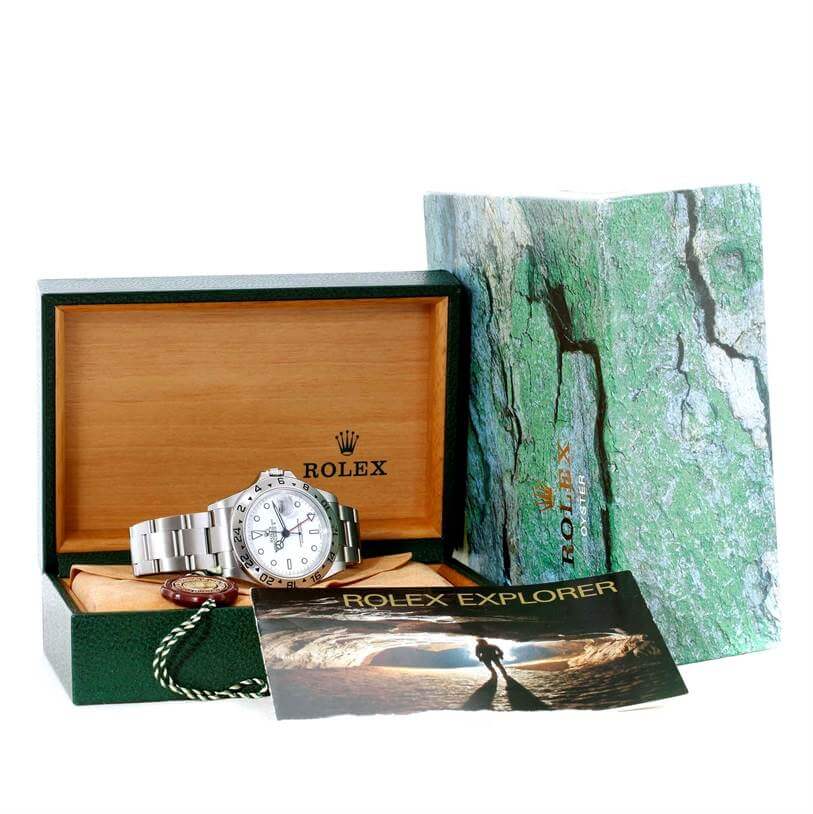
A Timeless Adventure Rolex Explorer II Watch

The Rolex Explorer II, a watch born from the spirit of exploration, has evolved significantly since its introduction in 1971. Designed as a rugged tool watch, it has maintained its core identity while adapting to the needs of adventurers, from mountaineers to spelunkers, and even collectors. This article traces the history of the Explorer II, detailing its design changes, technical advancements, and the nuances that make it one of Rolex’s most revered models.

Origins of the Explorer II: A Watch for the Dark
The story of the Explorer II begins with the original Explorer, released in 1953 as a tool watch for mountaineers. While the first Explorer became a classic, it was the launch of the Explorer II in 1971 that marked a new chapter. Unlike its predecessor, the Explorer II was designed for spelunkers, featuring a 24-hour bezel and hand to differentiate between day and night, a vital feature when cave dwellers often lose track of time. Though initially intended as a day/night indicator, the Explorer II would evolve into a true GMT watch in later versions.

The First Explorer II: Ref. 1655 (1971 – 1984)
The first version of the Explorer II, the reference 1655, made its debut in stainless steel and carried the signature Rolex durability. Unlike GMT replica watches, this model did not feature an independently adjustable 24-hour hand. Instead, the additional orange hand followed the 24-hour scale on the fixed bezel. This limitation made it more of a specialized day/night indicator than a true GMT function, but it served its purpose in low-light environments.

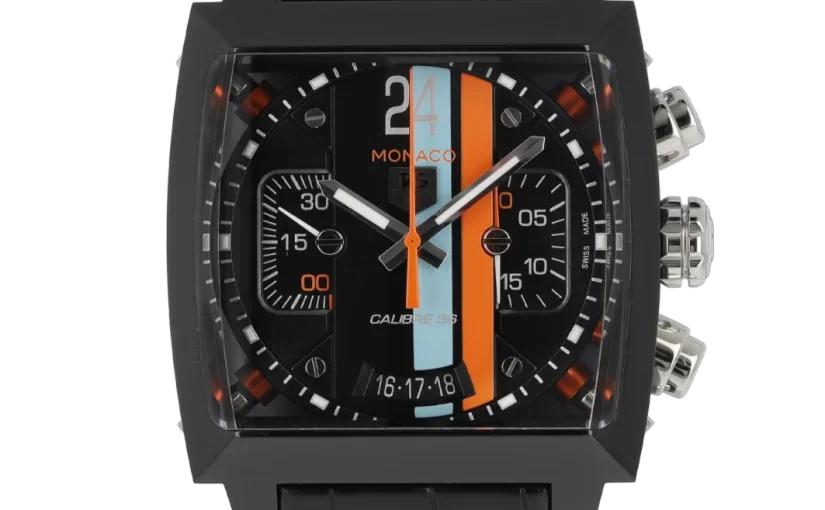
The watch gained fame not for its technical prowess but through marketing, as it was often dubbed the “Steve McQueen watch,” despite the actor never wearing one. Rolex cleverly capitalized on McQueen’s image to boost sales, even though he was known for sporting a TAG Heuer Monaco.

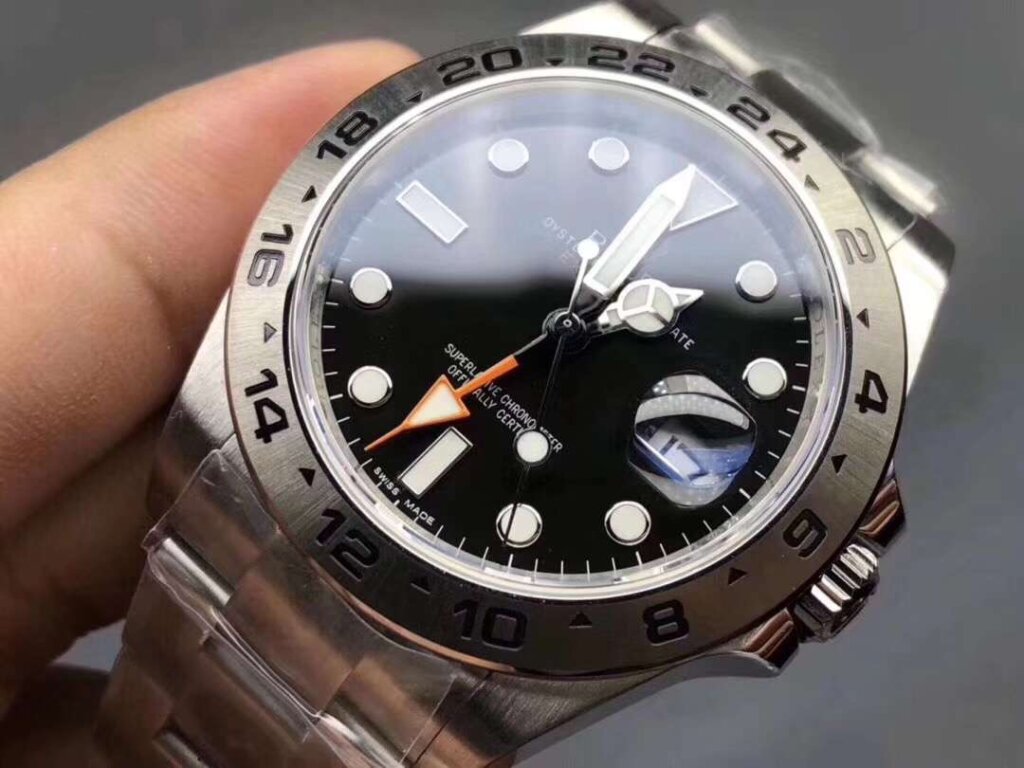
Functionally, the Explorer II featured a unique design, including a matte black dial with stick hands, an oversized inverted triangle at 12 o’clock, and lumed indices at 6 and 9 o’clock. While these features may seem unusual, they were in line with the tool watch ethos Rolex was aiming for. With a larger 39mm Oyster case, water resistance to 100 meters, and an acrylic crystal, the 1655 was well-suited for rough environments like caves, where durability was paramount.

The watch used the Calibre 1575 automatic movement, a COSC-certified chronometer shared with the GMT Master. However, early models sometimes had incorrect movement stamps – a quirky relic from the 1970s. The 1575 offered a reliable 48-hour power reserve and was built to endure, much like the watch itself.

The Ref. 16550: A Shift Toward True GMT Functionality (1985 – 1988)
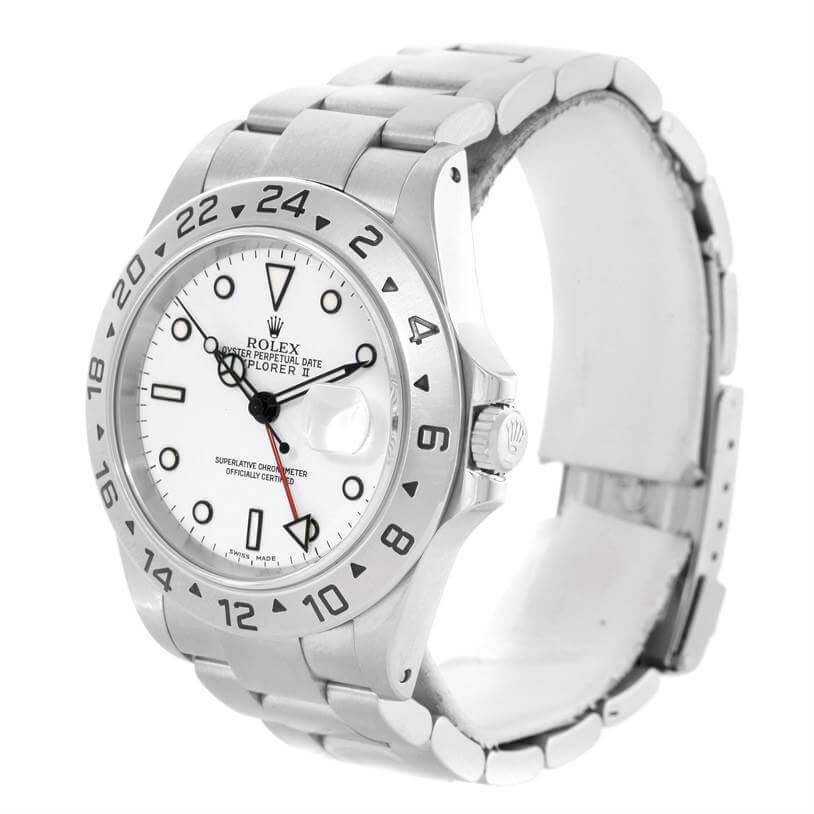
In 1985, Rolex introduced the reference 16550, a significant step forward in the Explorer II’s evolution. This model featured a true GMT function, allowing the 24-hour hand to be set independently, transforming the Explorer II into a legitimate dual-time zone fake watch. The fixed bezel remained, limiting it to tracking only one additional time zone – unlike the GMT Master, which could track two.

The case size grew to 40mm, and the acrylic crystal was replaced with sapphire for better durability. The 16550 also saw the introduction of Mercedes hands, replacing the straight hands of the 1655, and an optional white (Polar) dial. The GMT hand was redesigned with a slender red stem, subtly referencing the original design while offering a more refined look.

Internally, the 16550 was powered by the Calibre 3085, the first Rolex movement to feature an independently adjustable GMT hand. With a higher beat rate and 48-hour power reserve, this movement set the stage for future innovations. The 16550 remained in production for a brief period but laid the foundation for the Explorer II’s continued success.

The Ref. 16570: Refining the Classic (1989 – 2010)
The 16570, produced from 1989 to 2010, brought minimal visual changes but significant improvements in movement technology. The Calibre 3185 replaced the previous 3085, offering increased jewel count and improved performance. By the mid-1990s, Rolex began using LumiNova in place of tritium for better luminosity. Additionally, the white dial (Polar) versions saw updates, including black outlines around the applied indices and hands, improving legibility.

Late models of the 16570 included several key updates, including the engraved “ROLEX ROLEX ROLEX” rehaut to combat counterfeiting, and a shift from “holes” cases to “no holes” cases, which involved changes to how the bracelet was attached to the case.

The 16570 maintained the Explorer II’s iconic design, with the 40mm case and distinctive orange 24-hour hand, making it one of the most beloved iterations for collectors. The movement continued to improve, with the introduction of the Calibre 3186 in the mid-2000s, offering enhanced shock resistance and a power reserve of 50 hours.

The Ref. 216570: A New Era (2011 – 2021)
The release of the 216570 in 2011 marked a significant shift for the Explorer II. The case grew to 42mm, and the orange GMT hand from the original 1971 design made a triumphant return. This model featured the “Maxi” dial, with larger hands and indices, enhancing readability and matching the larger case size.

The 216570 also introduced Super-LumiNova lume, offering superior brightness compared to its predecessors, and the updated Calibre 3187, which included Paraflex shock absorbers. These changes further cemented the replica Rolex Explorer II’s reputation as a rugged yet refined watch. The rehaut continued to feature the repeating “ROLEX” engraving, maintaining Rolex’s commitment to anti-counterfeiting measures.

The Ref. 226570: Celebrating 50 Years of Adventure (2021 – Present)
The most recent iteration, the 226570, celebrates the 50th anniversary of the Explorer II with subtle design changes and a new movement. While the case diameter remains at 42mm, it has been slightly slimmed, and the lugs are narrower for a more refined appearance. The white dial features matte black indices and hands, offering a modern twist on the classic design.

Internally, the 226570 is powered by the Calibre 3285, a movement featuring Rolex’s innovative Chronergy escapement. This improved efficiency by around 15%, resulting in a power reserve of over 70 hours. The Calibre 3285 also boasts an accuracy of +2/-2 seconds per day, setting a new standard for precision.

The 226570 also features an upgraded Oyster bracelet with the latest Oysterlock folding clasp and Easylink extension system, making it both durable and convenient for the wearer.

The Legacy and Appeal of the Explorer II
While the Explorer II may not have the same historical legacy as the original Explorer, it has a rich 50-year history of its own. Collectors highly prize early models like the 1655 for their rarity, while later models like the 16550 and 16570 offer significant improvements in functionality and movement performance. The 216570 and 226570 represent the pinnacle of the Explorer II’s design and functionality, balancing modern aesthetics with the watch’s storied history.

The Rolex Explorer II remains a symbol of durability, adventure, and precision, continuously evolving to meet the demands of its wearers. Whether for collectors or those who appreciate a reliable tool watch, the Explorer II continues to be a prized possession, cementing its place in Rolex’s legendary lineup.

Are Tissot Watches Made in China?

Tissot is a great name in the world of luxury Swiss watches, known for its precision, craftsmanship, and timeless style. With a legacy that dates back to 1853, Tissot has built a reputation for excellence. However, in today’s interconnected global market, where many brands have diversified their production, a common question arises: Are Tissot watches made in China?

Founded in 1853 by Charles-Félicien Tissot and his son Charles-Émile in Le Locle, Switzerland, Tissot quickly established itself as an innovator in the watchmaking world. The brand was the first to mass-produce pocket watches, and over the years, it became known for breakthroughs like the first anti-magnetic watch and the first tactile watch. Today, Tissot is part of the Swatch Group, one of the largest and most influential watchmaking groups in the world.

Despite its widespread recognition and international presence, Tissot’s heritage remains deeply rooted in Switzerland. The company’s headquarters are still located in Le Locle, and it continues to uphold the traditions of Swiss watchmaking. The “Swiss Made” label, a mark of high-quality craftsmanship, is a core principle of Tissot’s brand identity.

While Tissot is firmly anchored in Swiss heritage, the company has adapted to the realities of the global economy. In line with many other Swiss watchmakers, Tissot has expanded its production practices to include components sourced from various countries, including China.

It is important to understand that while Tissot replica watches are primarily assembled in Switzerland, some parts – such as movements and other components – may come from different regions. This is a common practice in the watchmaking industry, allowing brands like replica Rolex to offer competitive pricing while maintaining Swiss-quality standards. For example, some models may feature movements made in Swatch Group facilities, which may include production in countries like China.

However, the final assembly, quality control, and finishing processes of Tissot watches are still carried out in Switzerland, ensuring that each watch meets the high standards associated with Swiss craftsmanship. The “Swiss Made” label on Tissot watches is a testament to the brand’s commitment to quality, regardless of where individual components are sourced.

To directly address the question: No, Tissot watches are not Chinese. Tissot is a proud Swiss brand with a rich history of Swiss craftsmanship. While some of its components may come from global suppliers, including China, this does not undermine the brand’s Swiss heritage. Tissot continues to uphold its commitment to precision, quality, and Swiss-made excellence, making it a trusted name in luxury watches.

Clone Rolex Implements Double-Digit Price Increases Across Australia for 2025

Luxury watch enthusiasts in Australia will be facing higher prices as Rolex, the prestigious Swiss watchmaker, has quietly introduced significant price hikes for 2025. These increases have hit Australian buyers harder than those in many other countries.

When it comes to luxury watches, clone Rolex is a brand that commands global appeal and respect. The allure of owning one of these exclusive watches continues to drive demand among collectors and fans alike. However, while Rolex remains a mid-range option in the luxury watch market, their pieces are far from easy to obtain, often requiring buyers to join long waiting lists.

Due to the combination of limited production and intense demand, prospective Rolex owners might have to wait up to 18 months for models like the Daytona, GMT, or Datejust, especially when purchasing from an authorized dealer.

As 2025 approaches, several countries, including Australia and much of Europe, have experienced steep price hikes on Rolex watches. Though inflation-driven price adjustments are expected, this year’s increase is more complex. A weaker Australian dollar, coupled with rising material costs, has contributed to Rolex’s decision to raise its prices more significantly than usual.

For example, the replica Rolex Cosmograph Platinum Daytona, which retailed for approximately AUD 115,000 last year, is now priced at AUD 122,500 – a 6% rise within just one year. The popular Rolex Daytona Panda has jumped from AUD 22,500 to AUD 24,250, reflecting an 8.1% increase.

Rolex’s two-tone models have seen some of the most dramatic price increases. The Rolex GMT-II ‘Pepsi’ rose from AUD 13,550 to AUD 14,650, marking an 8.1% increase, while the two-tone Rolex GMT-II Rootbeer surged from AUD 22,450 to AUD 26,200 – a significant 16.7% jump. Notably, the two-tone Rootbeer model was priced at AUD 17,500 before the pandemic but has since increased by nearly AUD 10,000.

These price adjustments indicate Rolex’s awareness of market dynamics, perhaps signaling a recalibration in how they position some of their models in the global luxury market.