


| CARVIEW |
The post Video Poker: Your Ultimate Online Gaming Experience first appeared on Simonlucey.com.
]]>How Video Poker Works
Video poker is simple to understand but challenging to master. The game begins when you place a bet and receive five cards. Your goal is to create the best possible poker hand. You can choose which cards to hold and which to discard. The machine then deals replacement cards, and your final hand determines your payout.
Unlike traditional slots, video poker requires decision-making. Knowing which cards to hold can significantly increase your chances of winning. Common hands include pairs, two pairs, three of a kind, straights, flushes, full houses, and royal flushes.
Popular Video Poker Variants
Online casinos offer several video poker variants, each with unique rules and payout structures:
- Jacks or Better: The most classic version, paying out for hands of a pair of Jacks or higher.
- Deuces Wild: All twos act as wild cards, increasing your chances for higher hands.
- Joker Poker: Includes a joker card that acts as a wild card, boosting winning possibilities.
- Double Bonus Poker: Rewards bigger payouts for certain four-of-a-kind combinations.
Each variant presents different strategies and excitement levels, making video poker a versatile choice for players of all skill levels.
Tips for Winning at Video Poker
While video poker is partially based on luck, strategic play can significantly improve your outcomes:
- Learn the Paytable: Each variant has its own payout system. Familiarize yourself with it before playing.
- Practice Smart Holds: Always know which cards to keep based on the probability of forming winning hands.
- Manage Your Bankroll: Set limits and avoid chasing losses. Responsible betting ensures longer gameplay and enjoyment.
- Use Free Versions: Many online casinos offer demo versions where you can practice without risking money.
Why Play Video Poker Online?
Playing video poker online provides several advantages:
- Convenience: Play anytime from your desktop or mobile device.
- Variety: Access multiple game variants on one platform.
- Bonuses: Many casinos offer special promotions and bonuses to video poker players.
- Secure Gaming: Licensed platforms ensure fair play and safe transactions.
For an exceptional online video poker experience, National Casino offers a wide selection of games, attractive bonuses, and a user-friendly interface. Whether you are a beginner or an experienced player, National Casino provides everything needed for hours of entertainment.
Conclusion
Video poker is the perfect blend of skill and luck. Its simple rules, strategic depth, and exciting payouts make it one of the most appealing casino games online. By understanding the rules, choosing the right variant, and playing responsibly, you can maximize both fun and winning potential. Start your journey at National Casino and experience the thrill of video poker today!
The post Video Poker: Your Ultimate Online Gaming Experience first appeared on Simonlucey.com.
]]>The post Betting as a Language of Prediction first appeared on Simonlucey.com.
]]>The Grammar of Odds
Every betting platform speaks through odds. They are the grammar of prediction, compressing complexity into numerical form. A number represents not only probability but invitation. By reading odds, the bettor interprets the future in simplified structure. This grammar is subtle, yet it directs the entire act of wagering.
Prediction as Participation
When one places a bet, they are not just risking money. They are making a prediction, a claim about how events might unfold. This prediction becomes a form of participation in the event itself. The bettor invests not only funds but interpretation. Each bet carries with it an assertion, a way of saying: this is how I read the future.
Narrative Through Repetition
Bets do not stand alone. They accumulate, forming a narrative that extends over time. Each result is absorbed into the story, where wins confirm intuition and losses are reframed as lessons. The repetition of placing wagers builds continuity. The bettor’s experience is less about isolated outcomes than about sustaining a narrative of prediction.
Time and Compression
Digital betting platforms accelerate this process. Odds update in real time, events unfold continuously, and opportunities arise without pause. Time becomes compressed into sequences of rapid prediction. Reflection shortens, and action dominates. This tempo reshapes decision-making, creating engagement through urgency.
Memory Reshaped

Platforms influence what bettors remember. Highlights replay, wins are magnified, and near misses dramatized. Losses are softened or obscured by new opportunities. Memory is not neutral. It is actively rewritten to encourage persistence. What remains in mind is not balance sheets but selected fragments—moments that suggest momentum, even when the reality diverges.
Ritual and Comfort
Betting soon becomes ritualistic. Placing wagers, checking results, reading odds—the sequence stabilizes the experience. Ritual provides comfort, making uncertainty feel predictable. It is less about winning than about repeating familiar gestures. Comfort arises not from outcomes but from rhythm.
Beyond Money: The Attention Economy
While money flows visibly, attention is the deeper currency. Platforms track and transform attention into value. Each second of focus, each act of prediction, extends engagement. What appears as entertainment becomes part of a larger system designed to sustain presence.
The Open-Ended Process
Ultimately, betting resists closure. Each prediction leads into the next, each cycle opens a new possibility. The bettor remains suspended in continuity, never fully detached from the process. This open-endedness is the core logic of modern betting: not resolution, but persistence.
Everyday Decisions
Betting often feels like an everyday choice. A click, a guess, and the outcome arrives. The act is simple, yet it carries weight.
The Pull to Return
Most players return because the process feels familiar. The steps are easy, and the rhythm is steady. That rhythm keeps them coming back.
The post Betting as a Language of Prediction first appeared on Simonlucey.com.
]]>The post The Role of Superstitions at Roulette Tables Around the World first appeared on Simonlucey.com.
]]>The Allure of Superstition to All People
Roulette is fundamentally random. The ball’s landing spot cannot be predicted by any talent or plan. However, it is precisely this ambiguity that encourages superstition. When results feel out of control, people instinctively look for trends and significance. Even when the odds stay the same, a belief in ritual or luck gives one a sense of power. Superstitions are as much a part of roulette as the wheel itself because of this psychological comfort.
European Customs
Players frequently avoid specific numbers or hold onto favorites associated with birthdays or anniversaries in European casinos. Despite having the same odds as any other pocket, the number 17 is very famous in France and is sometimes regarded as lucky. Although it is discouraged by contemporary casino etiquette, some players insist on blowing on the ball to get luck before it spins. This is still recognized as part of roulette mythology.
Rituals in America
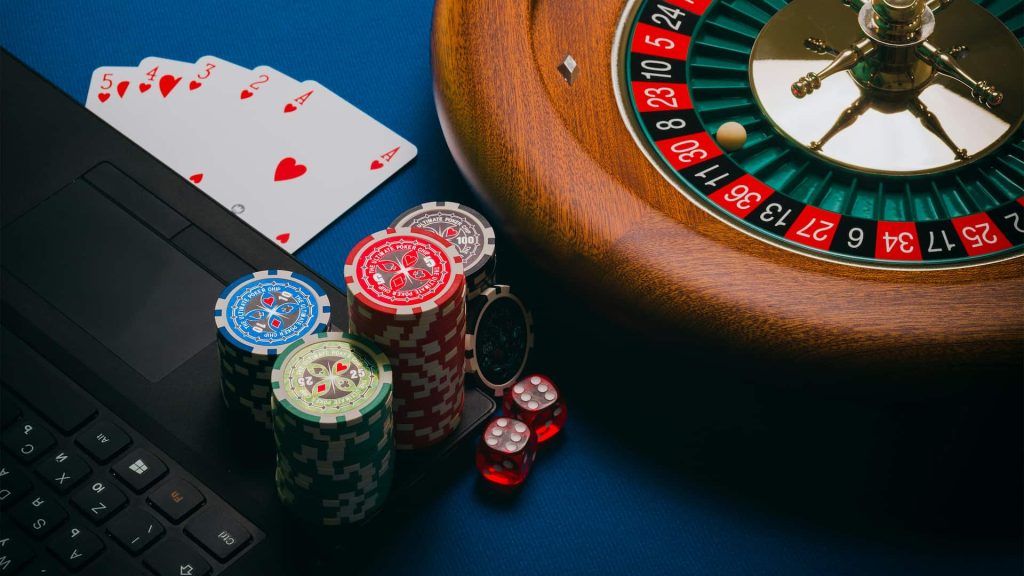
Roulette tables all around the United States come to life with customs that combine many cultural influences. Before making a wager, some players knock on the table, while others rub a rabbit’s foot or dress in red, a hue that has traditionally been connected to good fortune. Because they believe that a “hot streak” is linked to ritual consistency rather than probability, gamblers frequently repeat particular betting patterns, particularly in Las Vegas.
Asian Views
Numbers have strong symbolic meanings throughout Asia. Since the number 8 is associated with wealth and prosperity in Chinese culture, it is sometimes regarded as incredibly lucky at roulette tables. On the other hand, the number 4 is typically avoided because it sounds like the word for death in a number of Asian languages. Players can arrange their chips in specific patterns. They hope that symmetry or order will bring them good luck.
Superstitions on the Internet
Superstitions about roulette have persisted even in the digital age. Online gamers frequently create their own customs before pressing “spin.” While some only play during specific hours of the day, others always start with a minimal wager to “warm up the wheel.” Whether the wheel is virtual or real, people still want to feel like they have a hand in luck.
In summary, although roulette is widely seen as a game of chance, its allure frequently stems from the customs that surround it. Superstitions give players a feeling of control. They make each spin more than just a risk, whether in Macau, Paris, or online casinos. These customs give the game purpose, solace, and even a sense of community, even though they might not alter the chances. Ultimately, roulette is not just about numbers but also about faith and creativity.
The post The Role of Superstitions at Roulette Tables Around the World first appeared on Simonlucey.com.
]]>The post Understanding House Edge: Why the Casino Always Has an Advantage first appeared on Simonlucey.com.
]]>What Is the House Edge?
The house edge is the built-in mathematical advantage that ensures the casino earns money over time. It represents the percentage of each bet that the casino expects to keep in the long run. For example, if a game has a 5% house edge, the casino expects to retain $5 for every $100 wagered.
While the house edge doesn’t guarantee that a player will lose every time, it ensures that over thousands of bets, the casino will remain profitable.
How House Edge Works in Different Games
The house edge varies depending on the game. Some games have a low house edge, offering better chances for players, while others have a higher edge, favoring the casino more.
Roulette: In European roulette, the single zero gives the house an edge of about 2.7%, while American roulette with a double zero increases the edge to 5.26%.
Blackjack: Depending on the rules and strategy, the house edge can be as low as 0.5% for players who use optimal strategies.
Slots: Online slots have a wide range of house edges, typically between 2% and 10%, depending on the game and payout structure.
Understanding the house edge allows players to choose games that suit their risk tolerance and style of play.
Why the House Always Wins in the Long Run

Even if players win occasionally, the house edge ensures that the casino profits over time. Short-term wins are possible, but the more a player bets, the more likely the odds will reflect the house advantage.
This doesn’t mean players can’t enjoy success. Smart bankroll management, responsible play, and understanding probabilities can help players maximize their enjoyment and minimize losses.
House Edge and Fair Play
It’s important to note that the house edge is not cheating. Platforms like 20Bet use certified random number generators (RNGs) and are regularly audited to ensure fairness. The house edge simply reflects the mathematical design of games.
Knowing the house edge helps players make informed decisions, choose the right games, and understand the odds. It turns gambling into a game of strategy and entertainment rather than blind luck.
The house edge is the reason why casinos always have an advantage, but it doesn’t prevent players from enjoying games or winning in the short term. By understanding this concept, players can approach online and offline casinos with realistic expectations. Platforms like 20Bet offer fair play, transparency, and a range of games that allow players to have fun while knowing the odds.
Whether playing slots, roulette, or blackjack, knowing the house edge is key to responsible and enjoyable gambling.
The post Understanding House Edge: Why the Casino Always Has an Advantage first appeared on Simonlucey.com.
]]>The post Who Holds the Future: Online Casinos or Land-Based Venues? first appeared on Simonlucey.com.
]]>There was a time when casinos were associated only with noisy halls, bright lights, and the jingling of slot machines. But the last decade has changed this picture dramatically. Online casinos have entered the scene, and now players have a choice: play from home or head to a real casino. Let’s take a closer look at who the future belongs to.
Online Casinos: Convenience at a Click
Online casinos gained popularity thanks to their simplicity and accessibility. All you need is a smartphone or computer with internet access. No need to waste time traveling, searching for a spot at the table, or worrying about dress codes.
On top of that, online platforms offer hundreds of games to suit every taste: from classic slots to live dealer poker. Very often, online casinos provide generous bonuses and promotions for new players — something land-based casinos rarely do.
And let’s not forget about mobility: today you can play a few rounds even while commuting or during a lunch break. For the modern person who values time, this is a huge advantage.
Land-Based Casinos: Atmosphere and Emotion
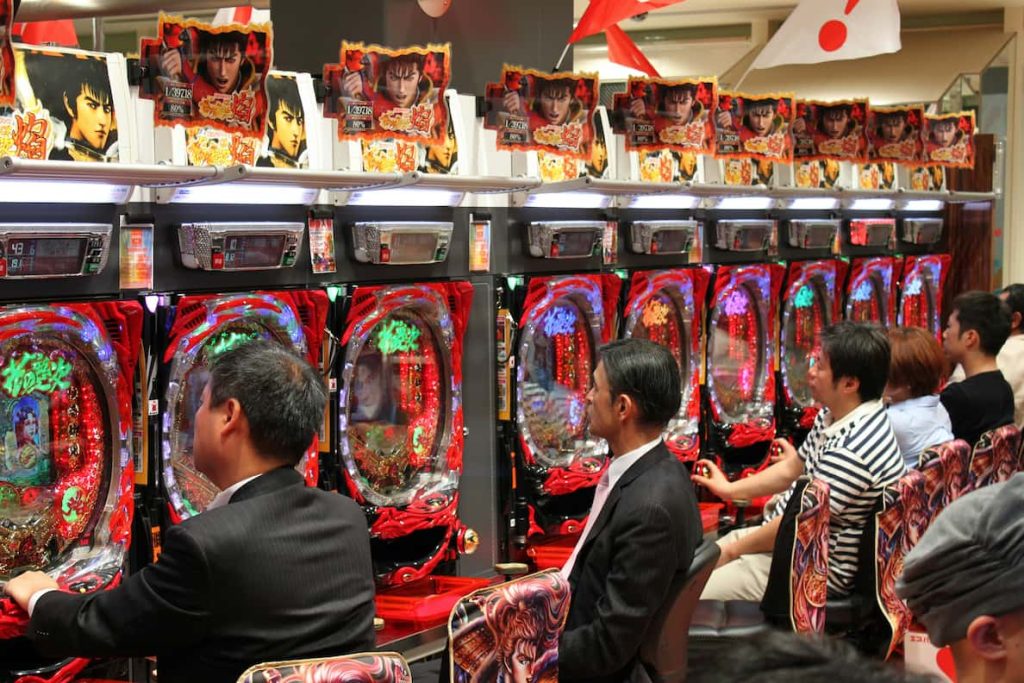
But real casinos have something no screen can offer: atmosphere. Genuine emotions from interacting with other players, the thrill of live action, the music, the lights, and the festive feeling. For many, visiting a casino is not just about gambling — it’s an event in itself.
In such venues, people meet new friends, discuss strategies, and share victories and defeats. There’s also an element of prestige: for some, a casino visit is a way to highlight their lifestyle.
A land-based casino also guarantees transparency: the player sees the dealer, the cards, and the game process in real time, which builds more trust compared to playing through a screen.
Where Is the Future?
Most likely, the future won’t belong exclusively to one side. Online casinos will keep growing and evolving, because convenience and accessibility are trends that are only getting stronger. Virtual and augmented reality technologies may make online gaming even more realistic.
At the same time, land-based casinos won’t disappear. They will remain centers of entertainment and social interaction. They may evolve more into entertainment complexes, offering shows, restaurants, concerts, and a full range of experiences beyond gambling alone.
Conclusion
Online casinos win in terms of speed, convenience, and scale. Land-based casinos shine with atmosphere, emotions, and trust. The future will probably lie in a combination of both formats. Those who want the thrill without leaving home will choose online, while those who crave live emotions and social interaction will stick with the classic.
In the end, it all depends on the player: what matters more — convenience or experience.
The post Who Holds the Future: Online Casinos or Land-Based Venues? first appeared on Simonlucey.com.
]]>The post Best Comedy Movies About Betting Of All Time first appeared on Simonlucey.com.
]]>“Bookies” (2003)
This comedy will certainly keep you glued on your sofa. The movie centers on four college buddies, who devise a scheme to make money on bookmaking bets. The guys act recklessly and the criminal world quickly learns about them. After this situation, the guys realize that they are on the wrong side and act as illegal bookmakers themselves. Their business quickly goes uphill, bringing a lot of money for the students. Now the friends have to pay a percentage of their income, but their adventurous nature does not want to do that, so a plan to cheat the gangsters is already being developed. One of the college buddies is played by the Big Bag Theory star Johny Galecki. It is an entertaining comedy that also features some realistic elements about betting.
“Lay the Favorite” (2012)

A young girl named Beth, who used to work in a strip bar, moves to Las Vegas, where, thanks to her perfect memory for numbers, she gets a job at an underground BK. The company is owned by a Bruce Willis character named Dink. He has an aptitude for the exact sciences and a good education, but that didn’t help him keep from financial fraud, for which he is now a wanted man.
Beth quickly adopts Dink’s knowledge and moves to New York, where she begins to apply it. Independent activity did not like Dink’s wife. She immediately realized that it will not lead to anything good. The cast in this comedy is brilliant: characters are played by Bruce Williams, Vince Vaugh, Catherine Zeta-Jones, and Joshua Jackson. This film is worth watching: you’ll enjoy the humor of the film and also enjoy the film about betting.
“Hardball” (2001)
Well, this film is not a pure comedy, it is a dramedy about gambling addict Conor O’Neill (Keanu Reeves). However, it doesn’t make this film less interesting and thrilling. Connor is passionate about sports betting, but he has many debts after he lost a large amount of money on sports bets. To earn money he decides to coach a local kids Chicago League Baseball team. To pay all his dues Conor must become a good coach and role model for these kids. “Hardball” is an extremely heart-warming comedy for all who are looking for a good sports betting movie
So, as you see, the movie about betting can be a comedy and still keep viewers on their toes. All the films from this list are comedies, but there are still pretty realistic and reflect the sports betting sphere.
The post Best Comedy Movies About Betting Of All Time first appeared on Simonlucey.com.
]]>The post Odds Analysis: How to Understand If a Bookmaker’s Line Is Relevant and Fair first appeared on Simonlucey.com.
]]>Why Fair Odds Matter
Odds are more than just numbers on a screen. They represent the balance between risk and reward. If a bookmaker’s line isn’t fair, you could be making bets that are almost impossible to win in the long run.
The main reasons why odds quality should be considered:
- Profitability: A minor variance of odds can accumulate over the years.
- Transparency: Fair lines indicate that the bookmaker is honest in his/her operations.
- Confidence: When you know that the line is correct, it assists you in betting with a clear plan.
An honest bookmaker maintains their margins fairly and does not manipulate lines in order to defraud players.
Learning How Bookies Line Lines.
In order to determine whether odds are fair or not, it is important to know how they are made. Bookmakers do not just take guesses, and they rely on a combination of data, algorithms, and market behaviour.
Factors That Influence Odds
- Statistics and past outcomes: The initial point is the past performance.
- Status quo: Probabilities may change due to player injuries, team morale, and weather.
- Betting trends of the masses: When a large number of people bet on a particular side, the odds change to bring the game to an even footing.
Bookmakers also have their own margin, which is basically their built-in profit. The lower the margin, the better the chances for players.
Signs of Relevant and Accurate Odds
Spotting good lines requires practice, but there are clear signs to look for.
Consistency Across Platforms
One of the easiest ways to check fairness is by comparing multiple bookmakers:
- If one site’s odds are drastically different, it might be outdated or inaccurate.
- Small variations are normal, but big gaps usually mean something’s off.
- Use odds comparison tools to track changes in real time.
Smooth Market Movement
Odds naturally shift as new information comes in, such as injury reports or team announcements.
Healthy movement looks gradual, not extreme. Sudden, sharp changes without clear news may indicate:
- Insider information hitting the market before it’s public.
- A mistake in the line that hasn’t been corrected yet.
Practical Steps to Analyze Bookmaker Lines
Evaluating odds is part skill, part habit. Here’s how to start building your strategy:
1. Calculate the Margin
A quick formula helps reveal how much profit the bookmaker is taking:
- Convert odds to implied probability.
- Add up all probabilities for a single market.
- Anything above 100% is the margin.
The lower the percentage over 100, the better for you.
2. Watch Multiple Sportsbooks
Tracking different sites helps you see which lines are accurate and which are lagging.
3. Stay Informed
Follow sports news closely. The earlier you know about injuries or team changes, the better your understanding of where odds should be.
Casino Connection: Odds and Side Markets

Fairness matters beyond sports betting. In casinos, odds appear in side bets, table games, and specialty events:
- Live dealer games have side bets with different house edges — check these before playing.
- Slots tournaments sometimes display return rates that reveal the balance between risk and reward.
- Transparent platforms clearly show payout percentages for all games.
By applying the same mindset, you can spot value both in sports and casino settings.
Red Flags of Unfair Odds
Not all bookmakers play fair. Be cautious if you notice:
- Overly low payouts compared to other sites.
- Hidden rules are buried deep in the terms and conditions.
- Lines that never update, even when major news breaks.
If a bookmaker consistently shows these signs, it’s time to take your play elsewhere.
Final Thoughts
Odds analysis is a vital skill for anyone serious about sports betting. By learning to evaluate bookmaker lines, you can identify which platforms are trustworthy and which aren’t worth your time.
Look for consistency, transparency, and logical movement in the markets. Combine these observations with your sports knowledge, and you’ll be betting on a level playing field — with both your bankroll and your peace of mind protected.
The post Odds Analysis: How to Understand If a Bookmaker’s Line Is Relevant and Fair first appeared on Simonlucey.com.
]]>The post Betting Corruption in Minor Leagues first appeared on Simonlucey.com.
]]>Why Minor Leagues Are at Risk
Minor leagues lack strong security systems. Bigger tournaments have protection, but small ones usually do not. Players are often underpaid. Referees may not have steady earnings. Club management usually struggles with low budgets. This financial gap makes small competitions vulnerable to outside influence. When betting syndicates approach players or officials, the offers can look tempting. Sometimes the money is more than their monthly wages. Unlike top leagues with constant monitoring, smaller competitions often play without cameras. They also lack advanced statistics or detailed reports. That makes fixing results easier to hide.
How Match Fixing Works
Fixing in minor leagues is not always about changing the final score. Sometimes it is about small details that bettors can exploit. A player may be asked to deliberately miss a penalty. A referee could be told to give a soft foul. He may also be asked to extend stoppage time. Syndicates use these small actions to control betting outcomes on specific odds. Because these incidents look natural, they rarely raise suspicion. For fans watching the games, it seems like normal mistakes. But for those behind the schemes, it means millions in profit.
The Hidden Damage

Corruption in minor leagues hurts more than just the integrity of the sport. It destroys trust among fans. It makes young players question whether they should keep chasing a career in football or basketball. They wonder if results can be bought. Sponsors also pull back when scandals happen. That leaves clubs with fewer resources to grow. Once a league gets a reputation for being corrupt, it becomes very hard to rebuild credibility. The saddest part is that real talent in these leagues often gets overshadowed. Unfair manipulation cuts off chances for gifted athletes to shine.
What Needs to Change
Fighting betting corruption in small leagues requires clear steps. Better pay for players and referees would reduce the temptation of quick money. Local federations must also invest in monitoring tools. Even simple systems like reporting hotlines or closer oversight of unusual betting patterns can help. Fans and journalists should also raise questions when results look suspicious. Greater awareness builds pressure on organizations to act.
The truth is that betting corruption in minor leagues will not disappear overnight. It grows in the shadows where oversight is weak and temptation is high. But change is possible if players, fans, and officials stand together and refuse to let the game be sold for easy money. Sports at every level deserve fairness. Fans who invest their passion in these matches deserve honesty too.
The post Betting Corruption in Minor Leagues first appeared on Simonlucey.com.
]]>The post Bankroll Architecture: Separate Wallets for Slots, Tables, and Sports first appeared on Simonlucey.com.
]]>Why Separate Wallets Work in Practice
Different games generate different drawdowns. A high-volatility slot can vaporize a week’s progress in minutes, while a conservative blackjack plan grinds at lower variance, and sports betting may wait days for closing lines to validate. Separate wallets ensure a cold streak in one lane doesn’t trigger stake inflation in another. They also align psychology with plan: you approach tables with strategy discipline, slots with entertainment framing, and sports with market timing—without cross-contamination. Clear segregation improves data quality. When you track deposits, stakes, and returns per wallet, you can compute realistic KPIs: hit rate for props, EV vs close for sides, RTP drift for slots. Over a month, the story writes itself: move capital toward the wallet that proves a repeatable edge, trim the one that runs on vibes.
How to Size, Refill, and Pause Each Wallet

Start with a total bankroll you can afford to lose, then allocate by objective and variance. A common split is 50% sports, 30% tables, 20% slots, but adjust to where your competency and risk tolerance actually sit. Inside each wallet, define unit sizes: 1–2% for tables and sports, smaller per-spin stakes for volatile slots. Refill rules matter: never top up a wallet mid-tilt. Instead, evaluate weekly with a pre-committed framework—only rebalance on schedule, and only from profits or a capped reserve. Set stop-loss and stop-win triggers per wallet and in aggregate. If slots hit a weekly stop-loss, freeze that wallet but allow sports to continue if its plan is intact. Pauses protect process; they’re not punishments. The goal is survival long enough for your edge to show.
Tools, Accounts, and Friction That Helps
Give each wallet its own payment rail or sub-account to create physical separation. Many banking apps support spaces or jars; e-wallets can mirror the setup with labeled balances. In your tracker, log every stake and result by wallet with notes on market, limit, and rationale. Add guardrails that slow bad decisions: lower daily limits on the slots wallet, require a two-step transfer to move funds into tables, and lock sports stakes behind a pre-bet checklist (price vs model, injury news, CLV target). Use session timers per wallet so fast-paced slots don’t bleed into slow-burn sports research time. Friction is a feature, not a bug—when it takes a minute to move money, you’ll think twice before chasing across categories.
Cross-Over Rules and Monthly Portfolio Review

Cross-over should be deliberate, not reactive. Set a monthly rebalance window where you can shift 5–20% between wallets based on results and confidence, never during live tilt. Promote capital toward verifiable edge: positive CLV in sports over 200+ bets, steady table returns with low error rates, or slots sessions that meet RTP expectations without overexposure. Demote or sunset a wallet that consistently underperforms its benchmarks. Write simple upgrade/downgrade rules—two losing weeks do not force changes, but three months below target with negative process metrics triggers a cut. Close each month with a single page: bankroll curve by wallet, risk of ruin estimates at current unit sizes, and action items. When your money has a map and your reviews have teeth, discipline becomes default rather than willpower.
The post Bankroll Architecture: Separate Wallets for Slots, Tables, and Sports first appeared on Simonlucey.com.
]]>The post Bonus Hunting Responsibly: Tracking EV Without Abuse first appeared on Simonlucey.com.
]]>Know the Rules That Drive EV
Every promotion converts to EV through a few levers: wagering requirement, contribution rate by game, max bet per spin/hand, time limits, and any caps on winnings or cashable amount. Translate the headline into math: EV ≈ bonus value – (wagering × house edge × contribution). If a $200 bonus carries 20× wagering on slots with 96% RTP (4% house edge) and 100% contribution, the theoretical cost of wagering is 0.04 × ($200 × 20) = $160, leaving $40 gross EV before volatility and caps. Now adjust for real frictions: games at 50% contribution double the cost; a $5 max bet stretches session time; a “wins capped at 5× bonus” ceiling truncates upside. Read void clauses carefully (irregular play, bet patterns, excluded titles). If a single clause can retroactively deny winnings under normal, honest play, discount EV or decline the offer.
Build a Clean EV Tracker
Treat bonuses like a portfolio. For each offer, log: date, site, bonus size, deposit size, wagering multiple, eligible games, contribution table, max bet, expiry, and caps. Add your chosen game, RTP, volatility tier, stake size, and an estimated hands/spins per hour to forecast time cost. Compute theoretical EV and the bankroll buffer you need to survive variance (e.g., 200–500 bets at your unit size for volatile slots). After completion, record actual wagering, session length, and net result to calibrate assumptions. Over a dozen offers, you’ll see which promos match your pace and which waste hours. Use color coding or simple tags—“clean terms,” “tight cap,” “slow cashier”—to rank future choices. The habit keeps you honest: if realized results persistently trail the model, your inputs (house edge, contribution, or execution) need tightening, not bigger stakes.
Play Patterns That Respect Risk Controls
Responsible bonus hunting avoids anything that looks like abuse: no multi-accounting, no identity mismatches, no VPN geolocation tricks, and no bet cycling that breaches term language. Keep bet sizes below the stated cap throughout wagering; spiking bets before or after a bonus credits is a common violation. Favor steady, eligible games with transparent RTP and avoid excluded mechanics. Pace matters, too: set a session timer and stop-loss that aligns with your bankroll so variance doesn’t force desperate choices near expiry. Use site limits—deposit caps, time reminders, cool-offs—so you finish wagering on your schedule, not under pressure. If customer support clarifies a gray clause, save the transcript in your tracker. The objective is long-term access and smooth cash-outs; a single aggressive session that triggers a review can erase months of careful EV.
Decide Go/No-Go With Clear Thresholds

Not every “boost” deserves your time. Set a minimum EV per hour you’re willing to accept after time cost, and a floor for absolute EV (e.g., skip anything < $25 net EV or < $10/hour). Fold in friction: slow verification, weekend cashier downtime, or low contribution can turn theoretical green into practical red. Prefer offers that allow full contribution on low-variance titles when your bankroll is tight; accept higher variance only when EV and time windows justify it and you’ve sized stakes conservatively. When in doubt, pass. Opportunity cost is real: you can spend the same hour line-shopping sports or playing a higher-RTP table under limits you control. Responsible bonus hunting is selective by design—track, compare, and decline freely. The best EV is consistent, clean, and cashes without drama.
The post Bonus Hunting Responsibly: Tracking EV Without Abuse first appeared on Simonlucey.com.
]]>