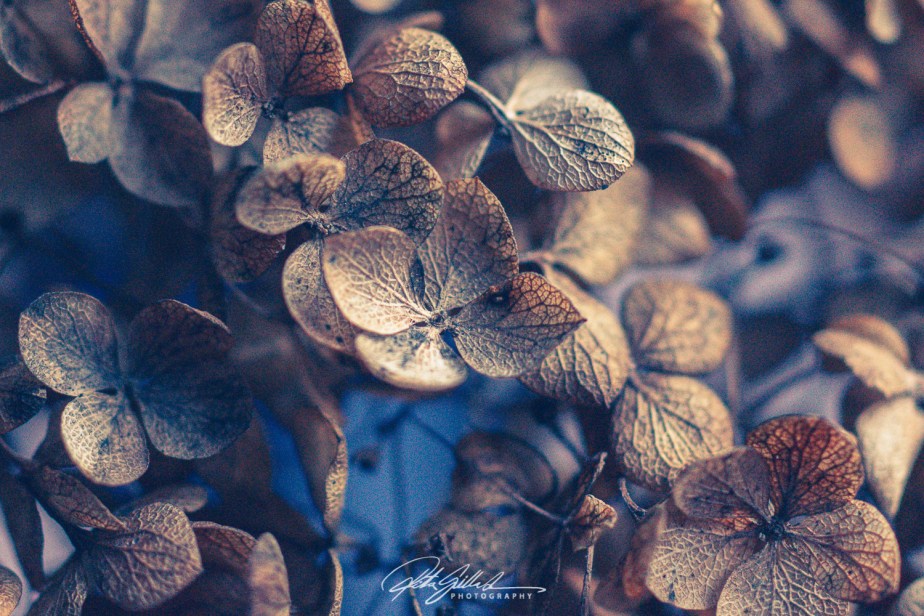
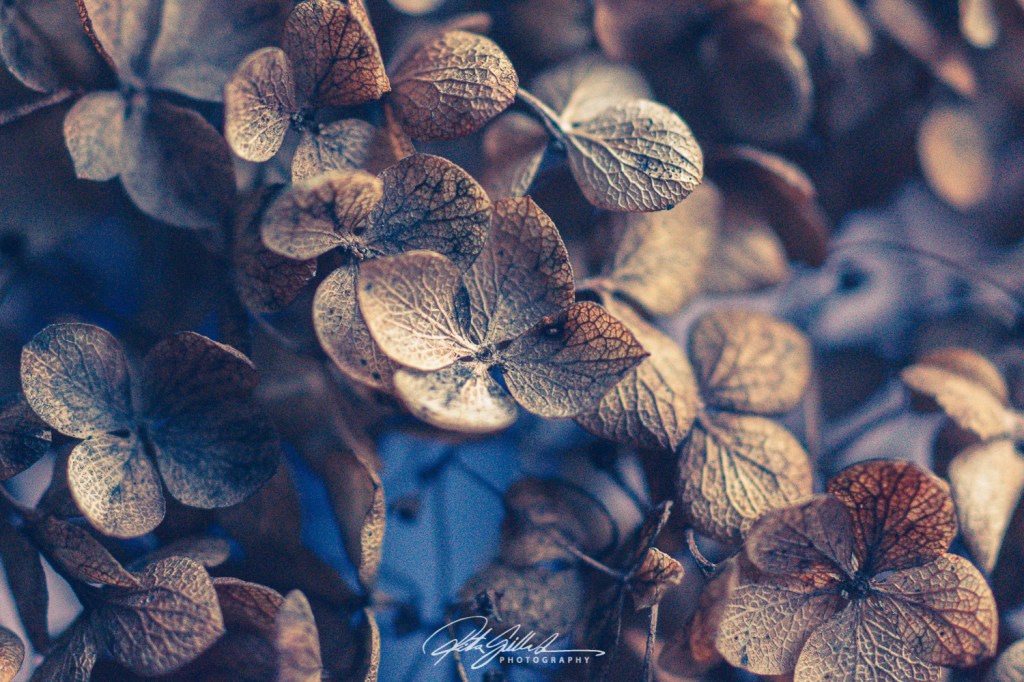
It is cold, and the world outside is mostly white, blanketed in a thick layer of snow. The brown hydrangeas are still up under the snow, their once-vibrant blooms now a muted memory, yet they stand resilient in this wintry landscape. Here are some close-ups from their leaves, showcasing the unique textures and shapes that remain visible even beneath the frosty remnants.
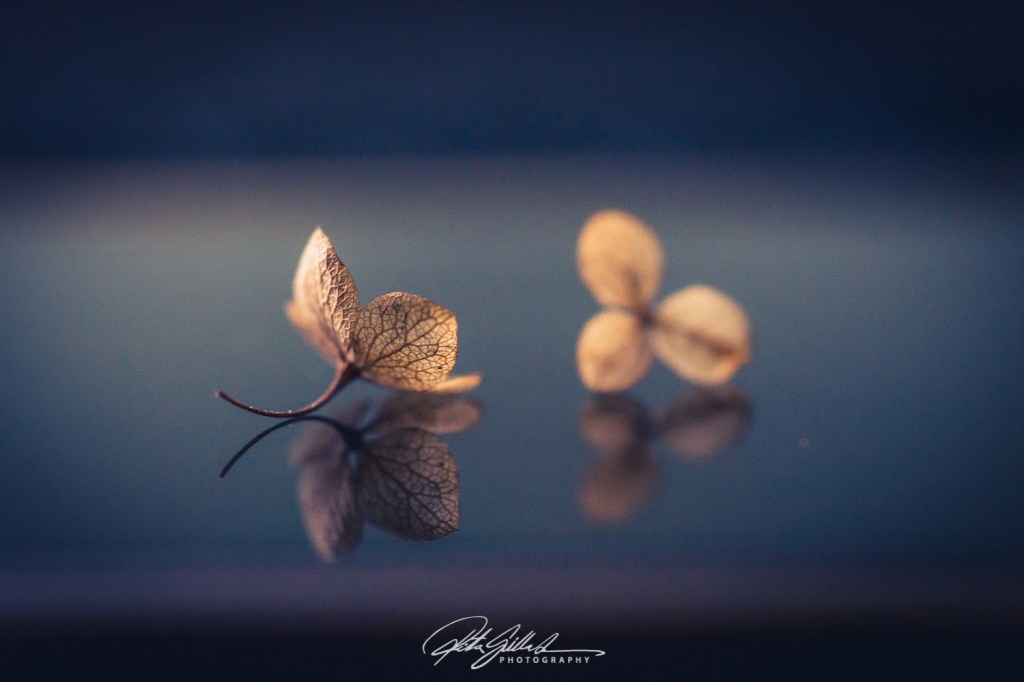
Delicate dried petals reflecting softly against a smooth surface.A close-up view of dried hydrangea leaves, showcasing their intricate textures and muted colors.
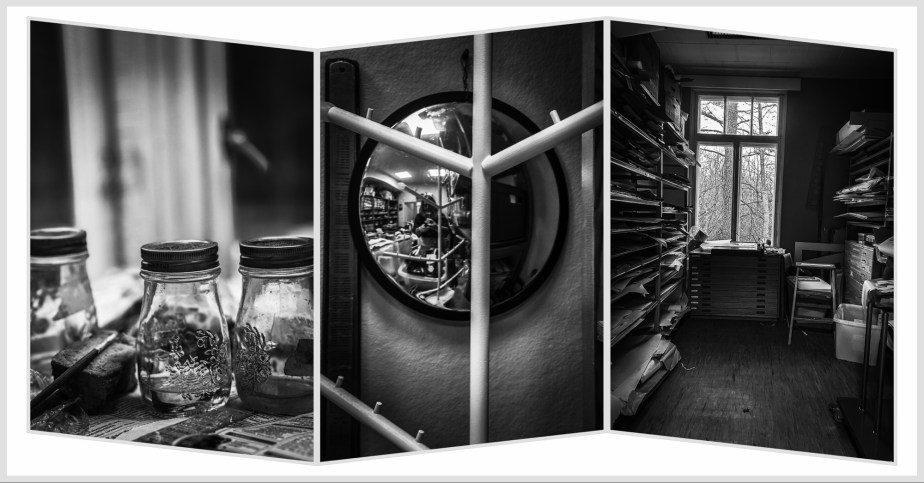
Triptychs offer an enjoyable viewing experience, and this week, Elke from pictures imperfect blog has chosen the theme of Triptychs. She encourages you to create a triptych, using any three images that fit the challenge: whether it’s three of a kind, three that complement each other, or a narrative told in three stages.
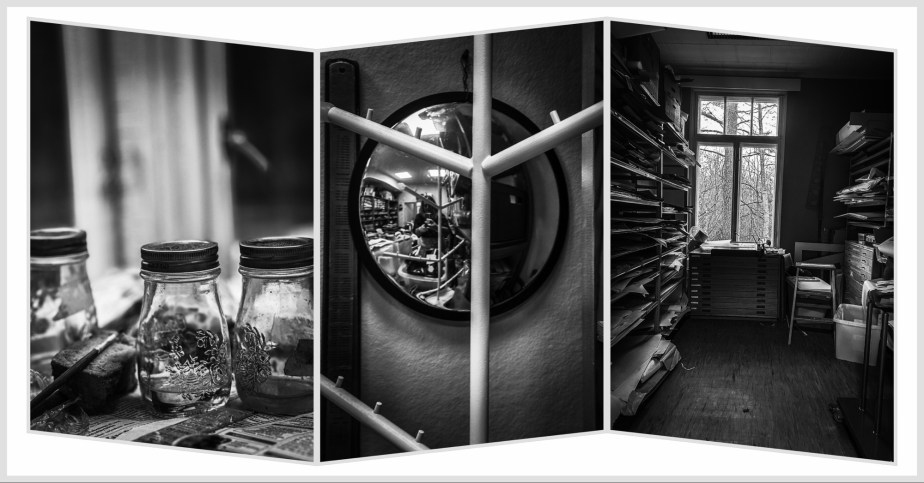
A creative triptych featuring a close-up of jars, a mirror reflecting an artistic workspace, and a cluttered room filled with paper and materials.
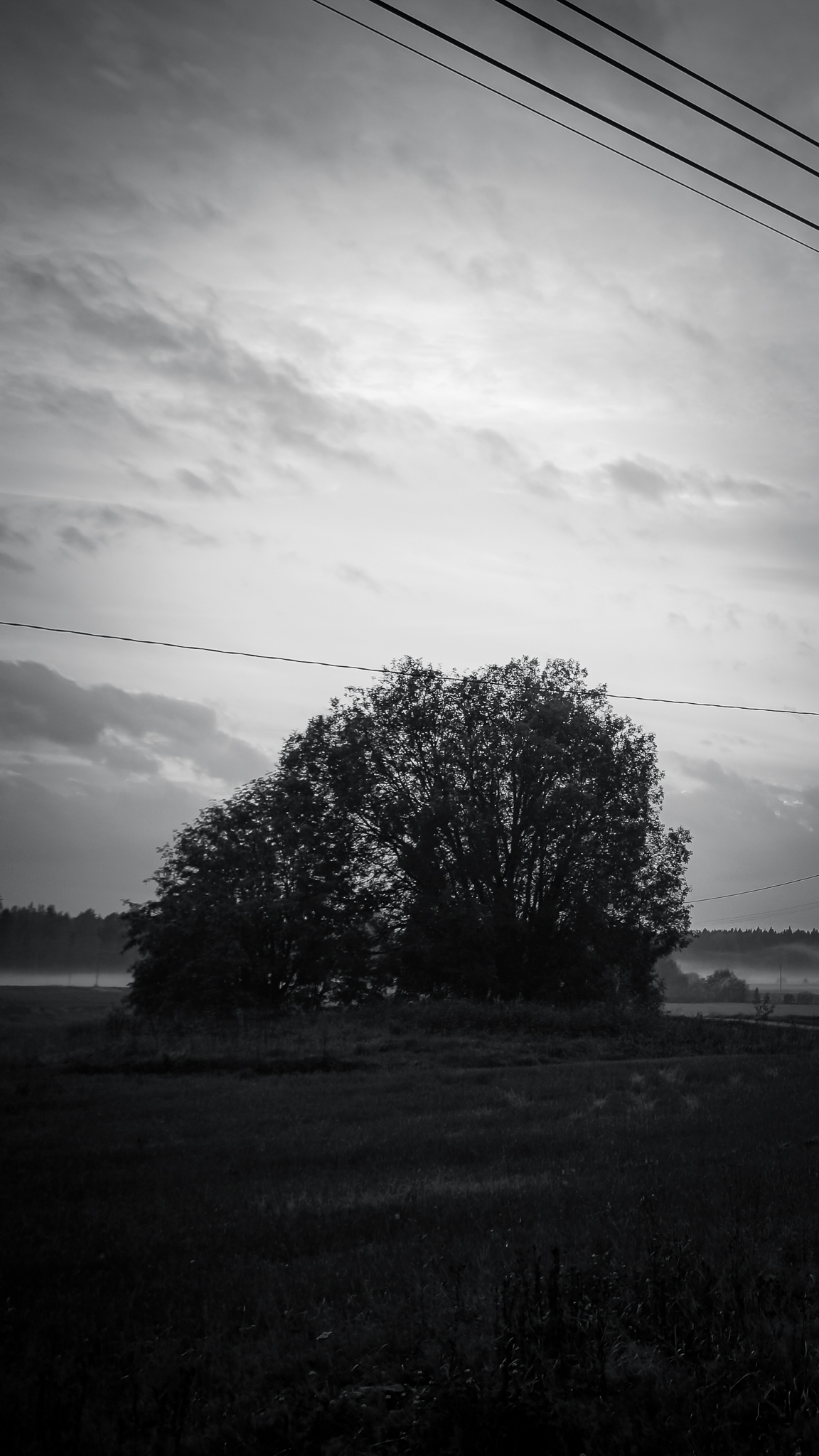
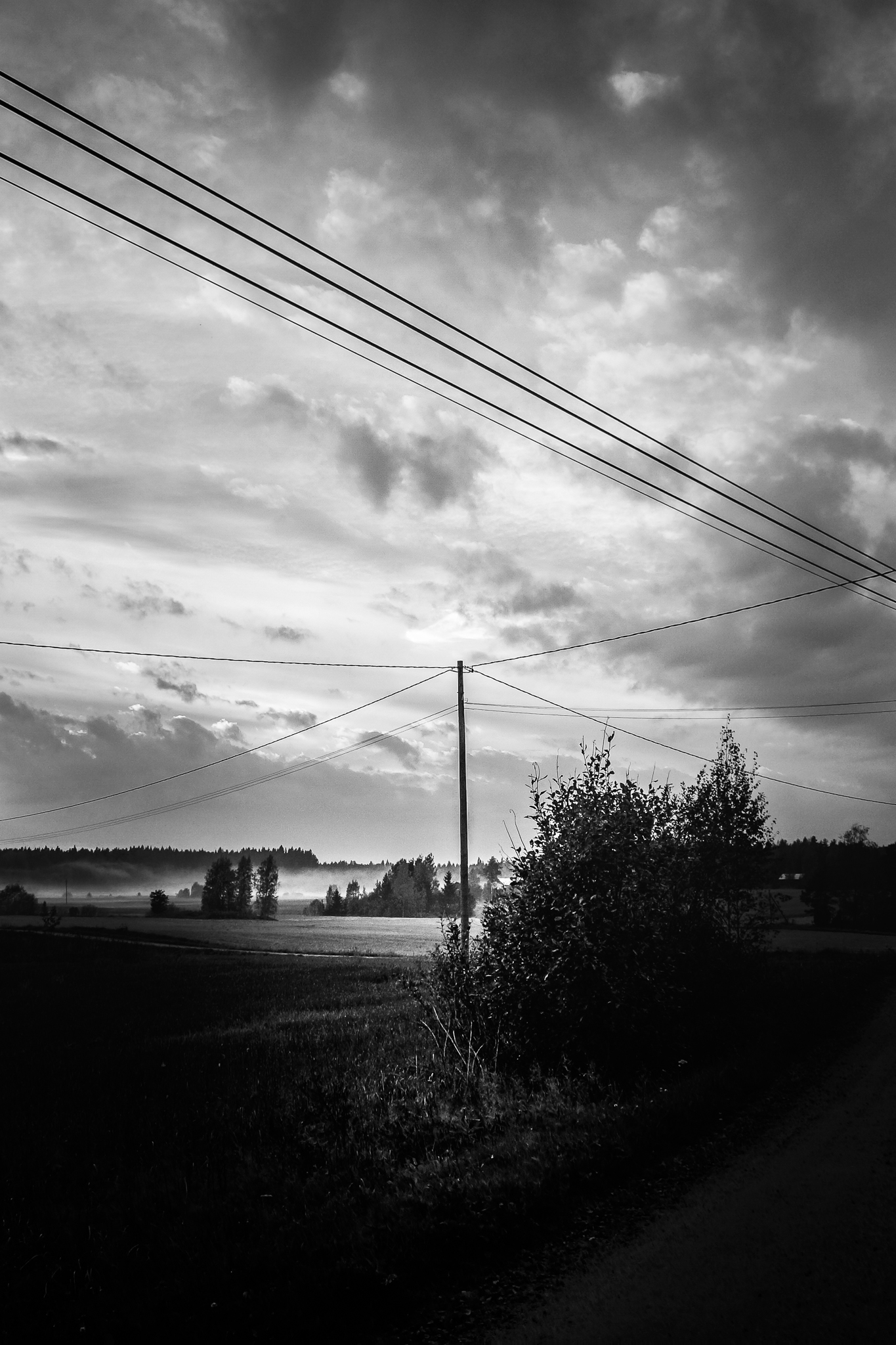
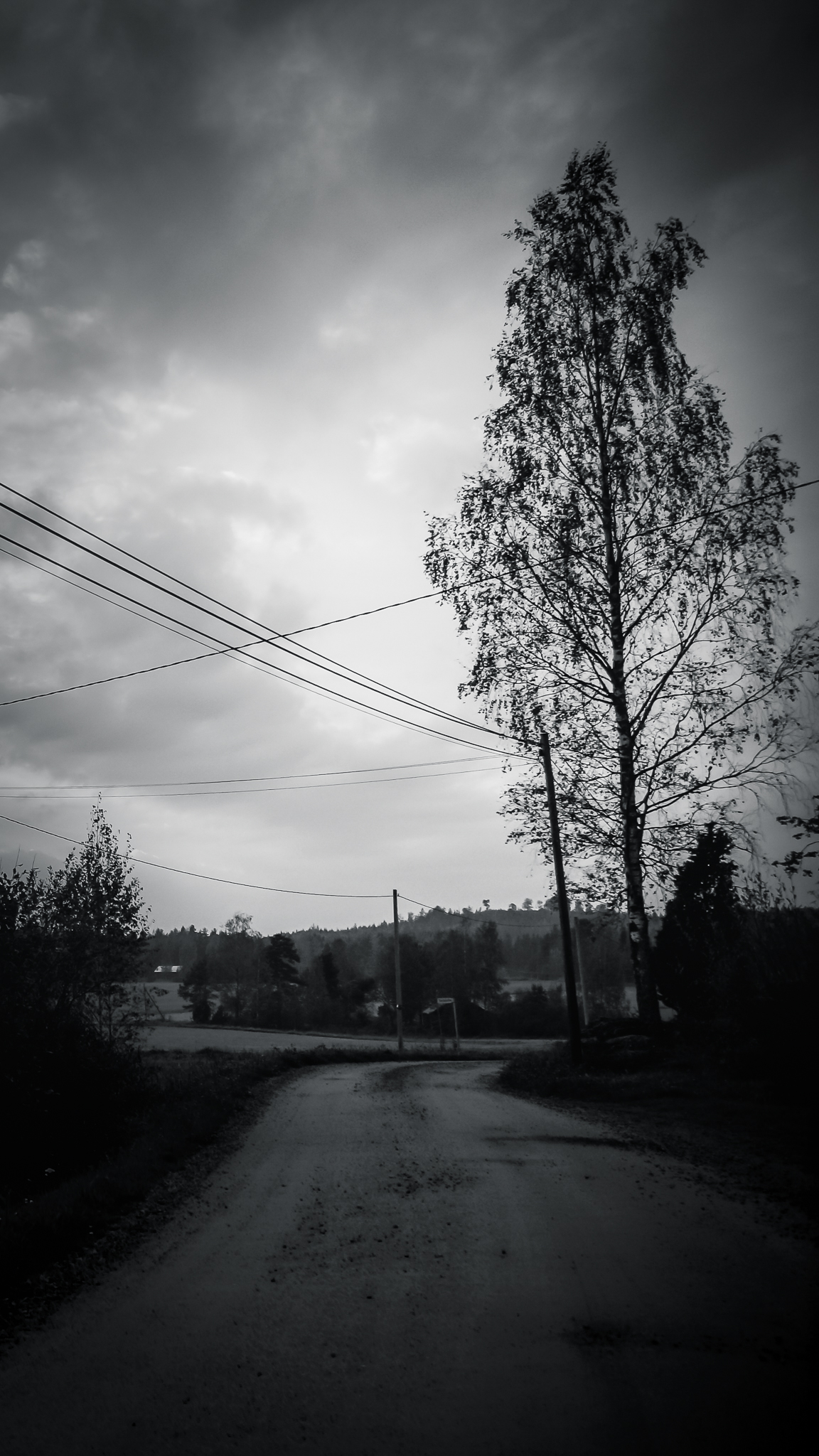
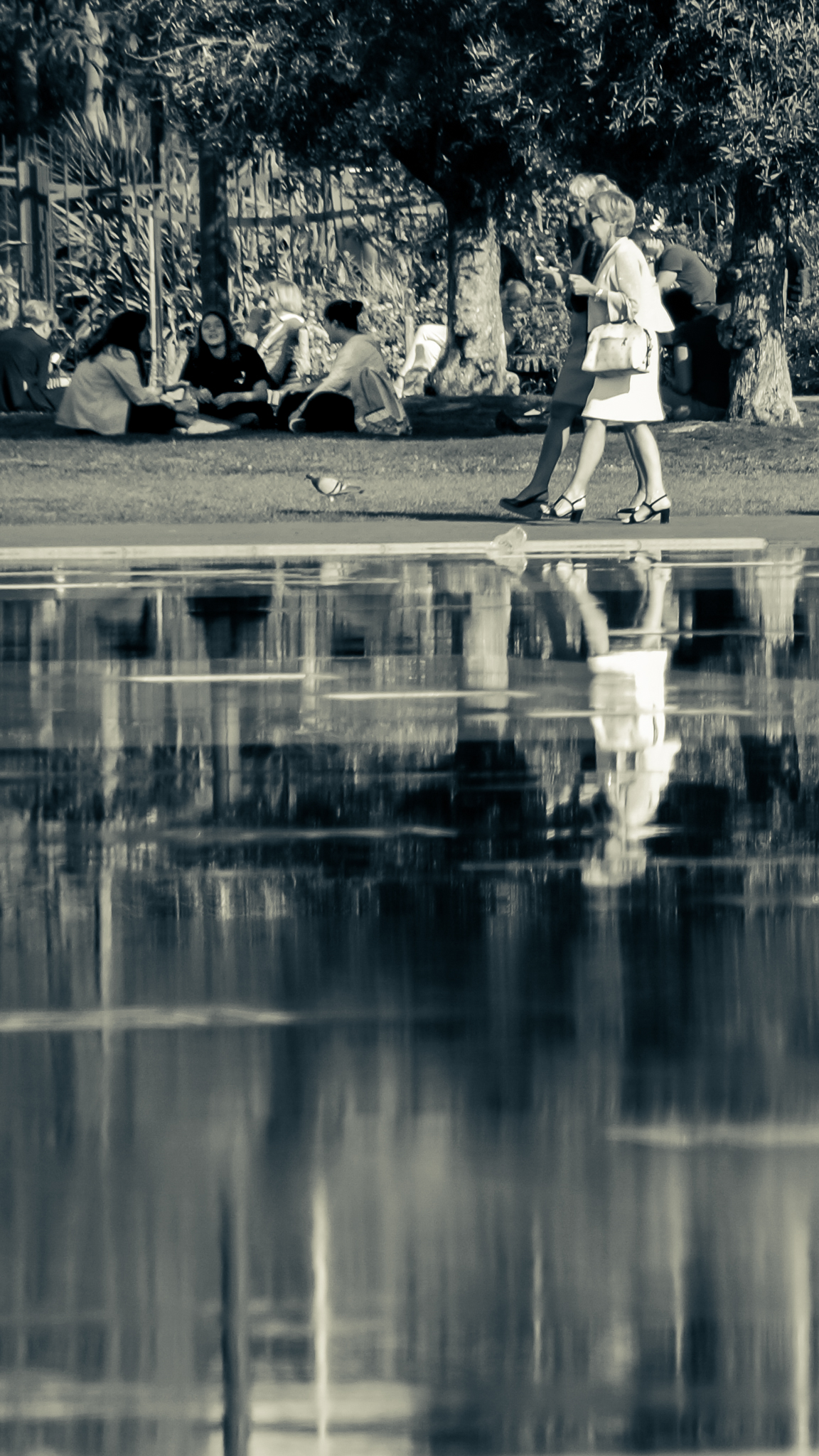
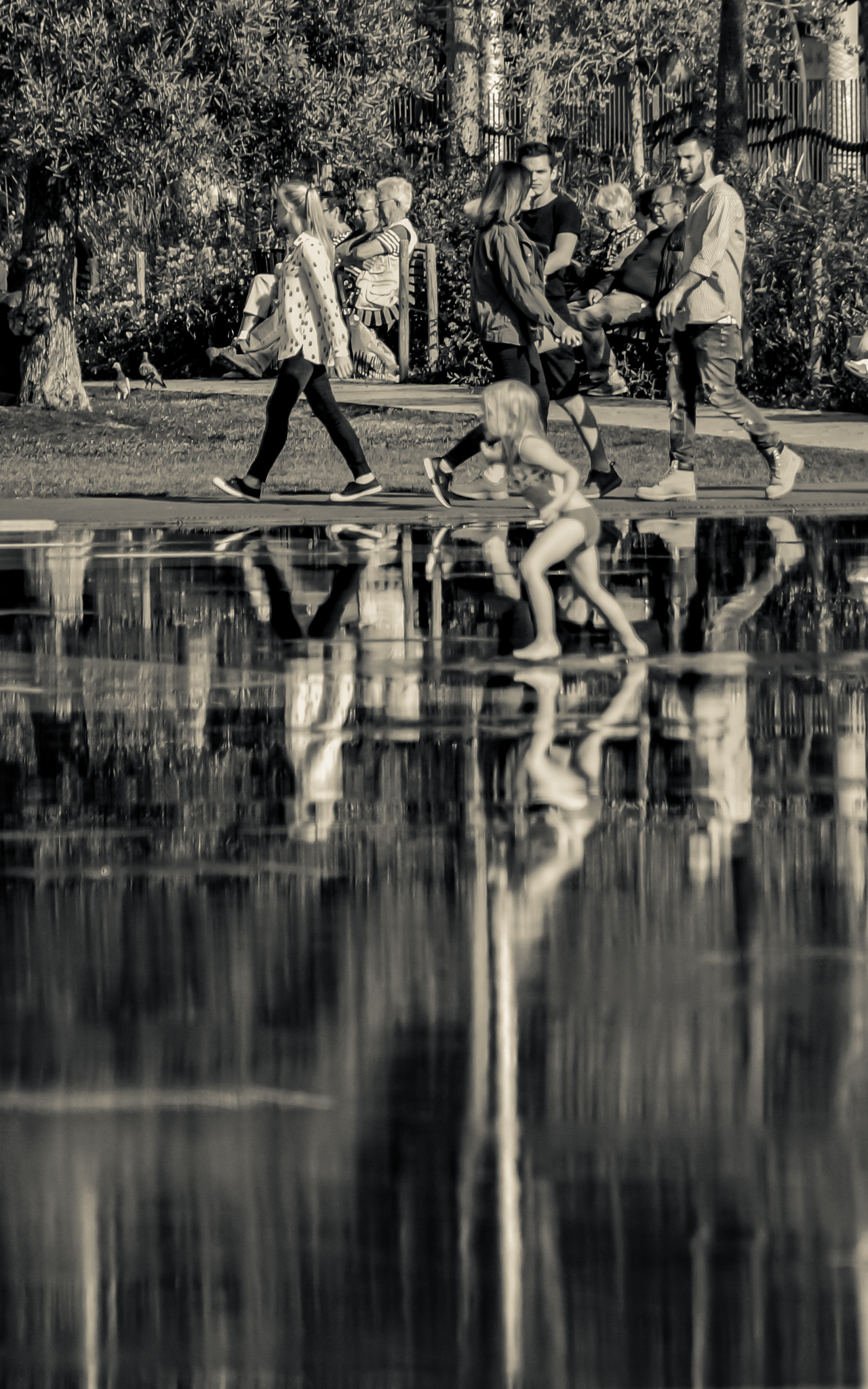
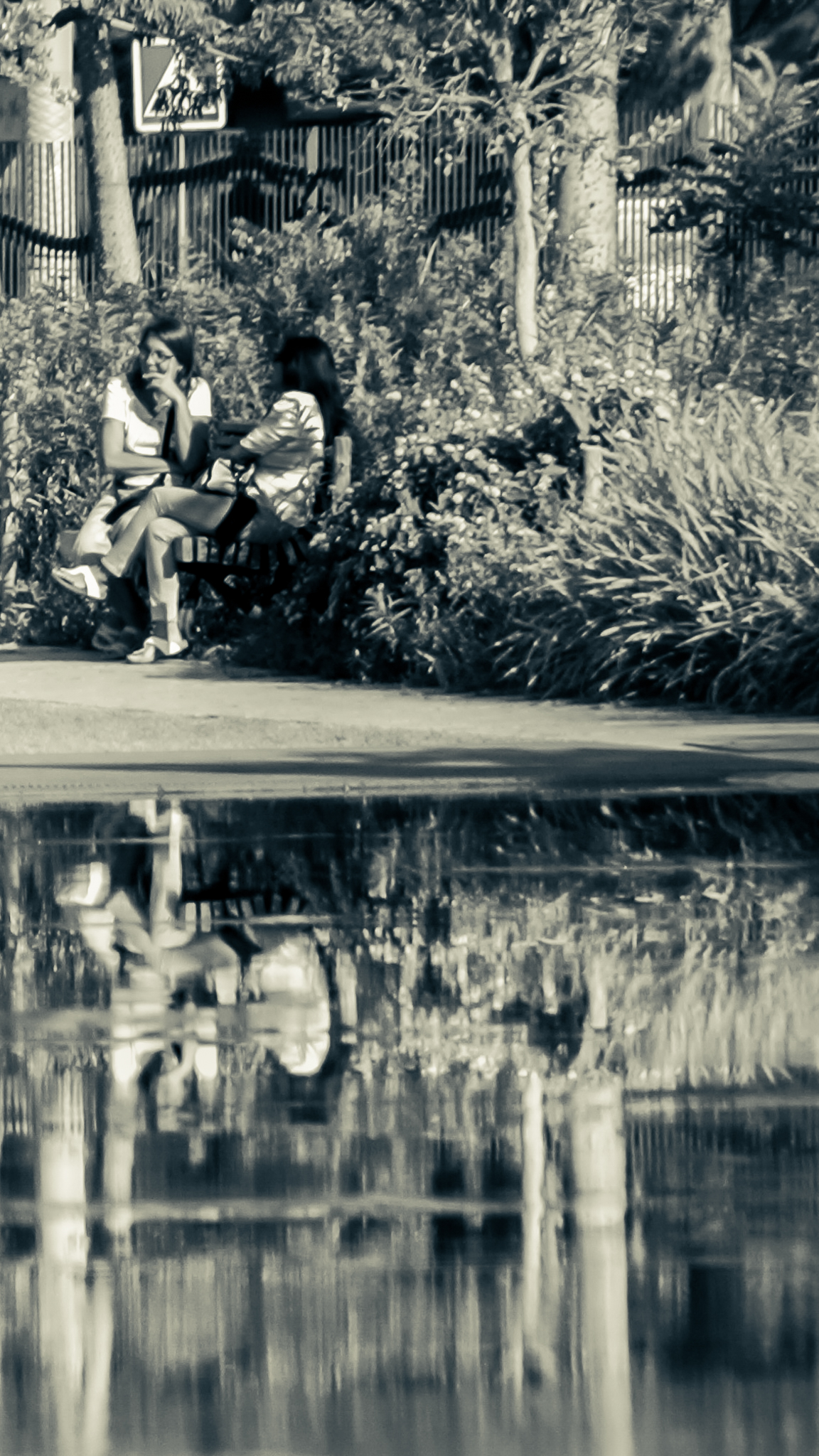
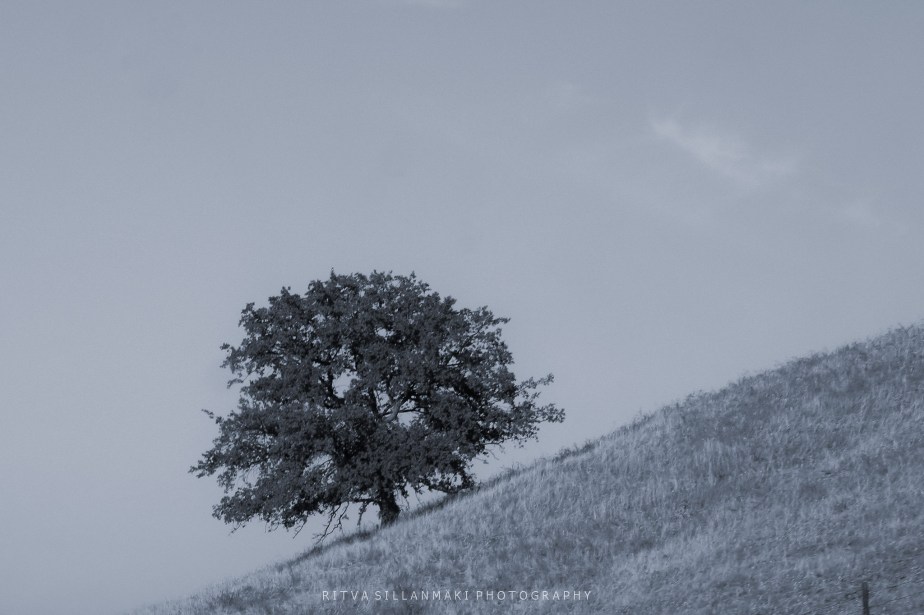
I struggled to recall the process of creating a collage, so I decided to start with a single photo that I edited before compiling it in WordPress, allowing for a separate view of each image. I selected one image from the countryside and another from the city, arranging them in a traditional triptych format with the middle image slightly larger. For the city image, I took a daring approach and edited the tones; quite bold of me! 😂
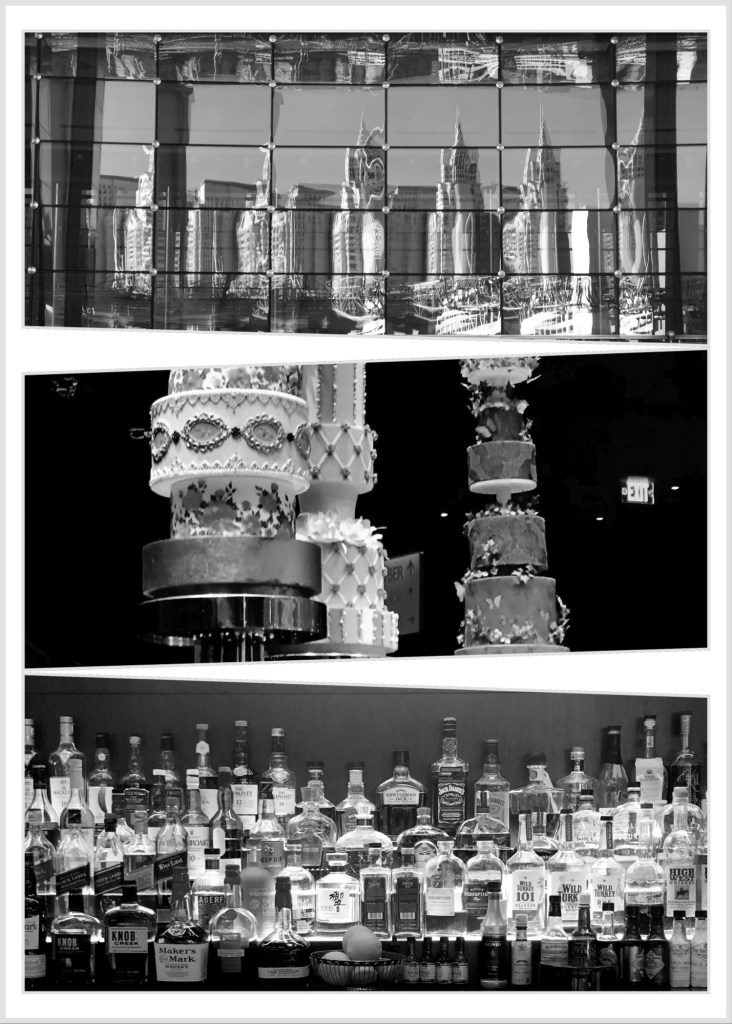
The other three I remembered and did them with the intention to celebrate and enjoy art in all forms, appreciating the creativity and imagination that artists pour into their work. I find it truly inspiring, art can evoke a range of emotions and spark meaningful conversations, ultimately enriching our lives and fostering a deeper understanding of the world around us.
A striking triptych featuring reflections of skyscrapers, an array of elegant cakes, and a well-stocked bar, showcasing a unique blend of urban life, celebration, and leisure.
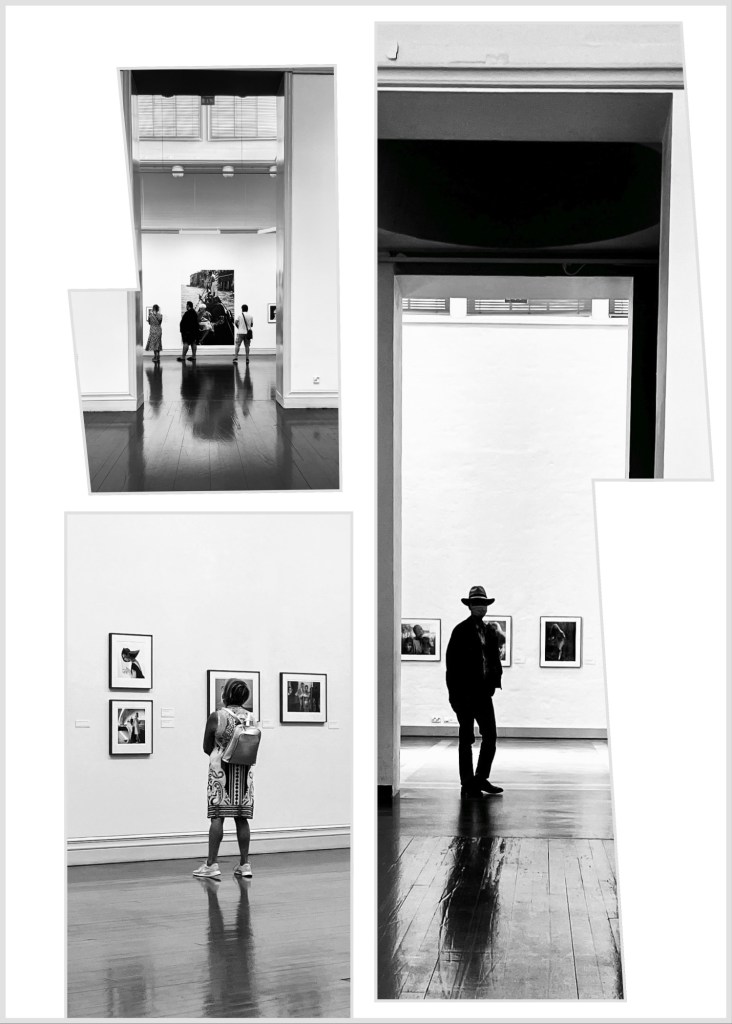
A black-and-white triptych depicting visitors engaging with art in a gallery setting.
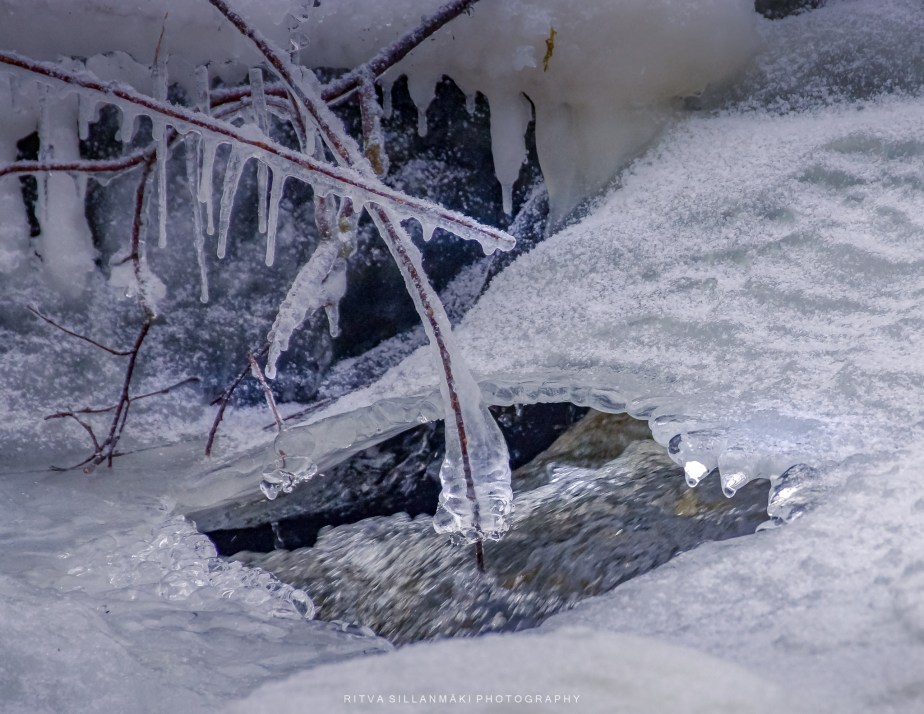
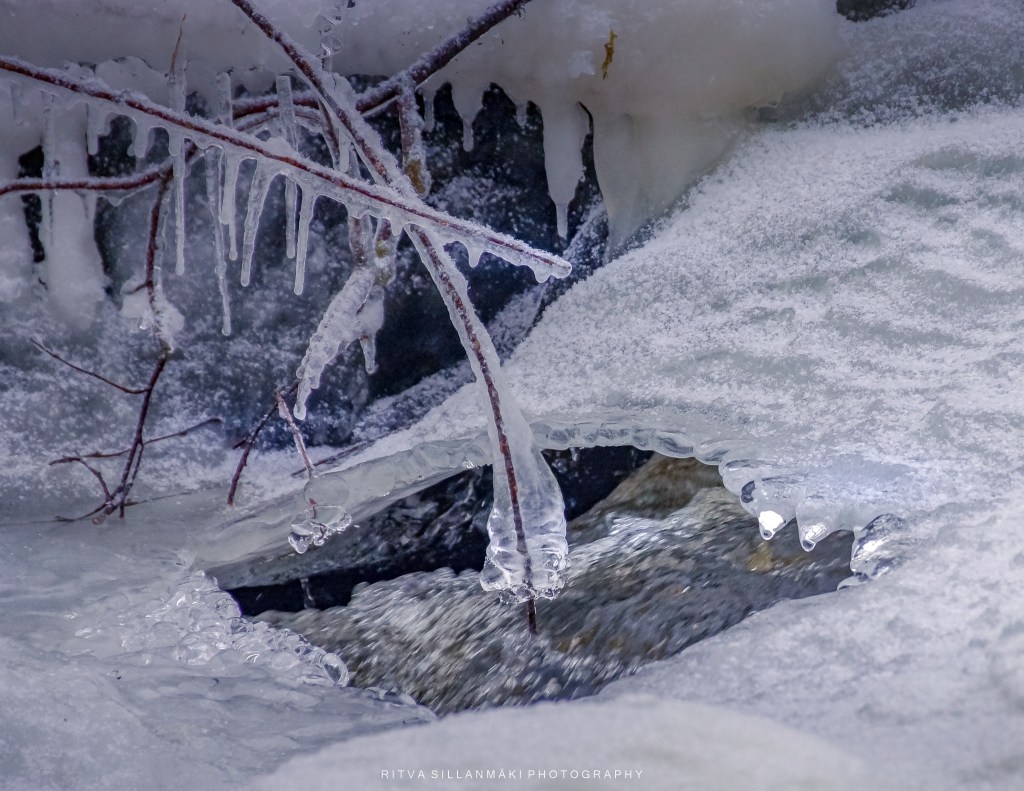
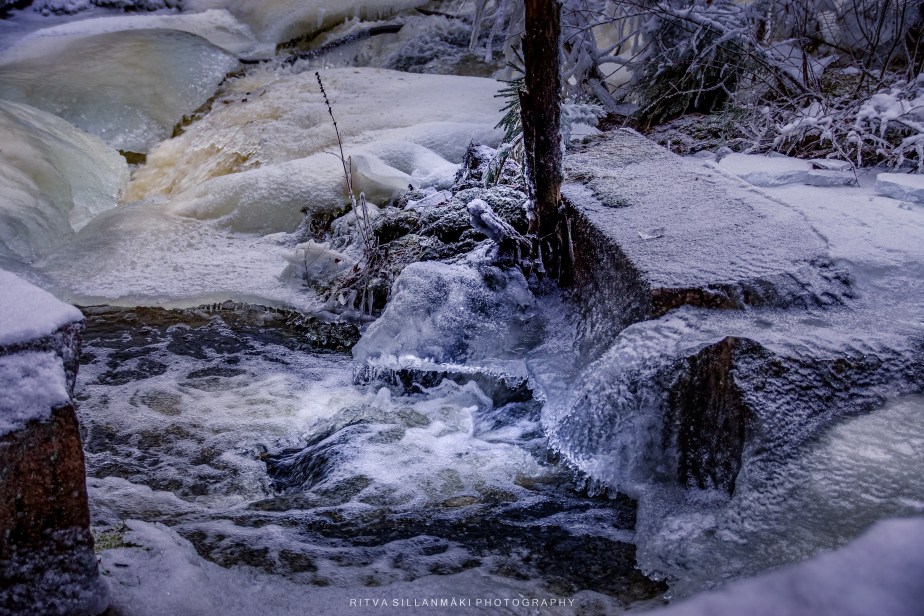
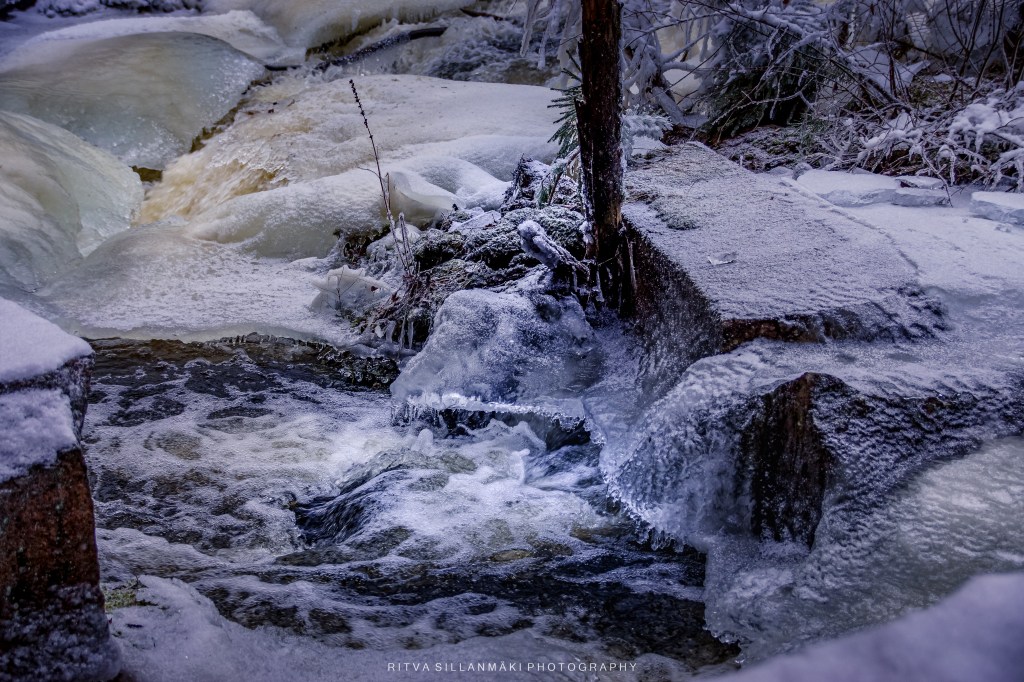
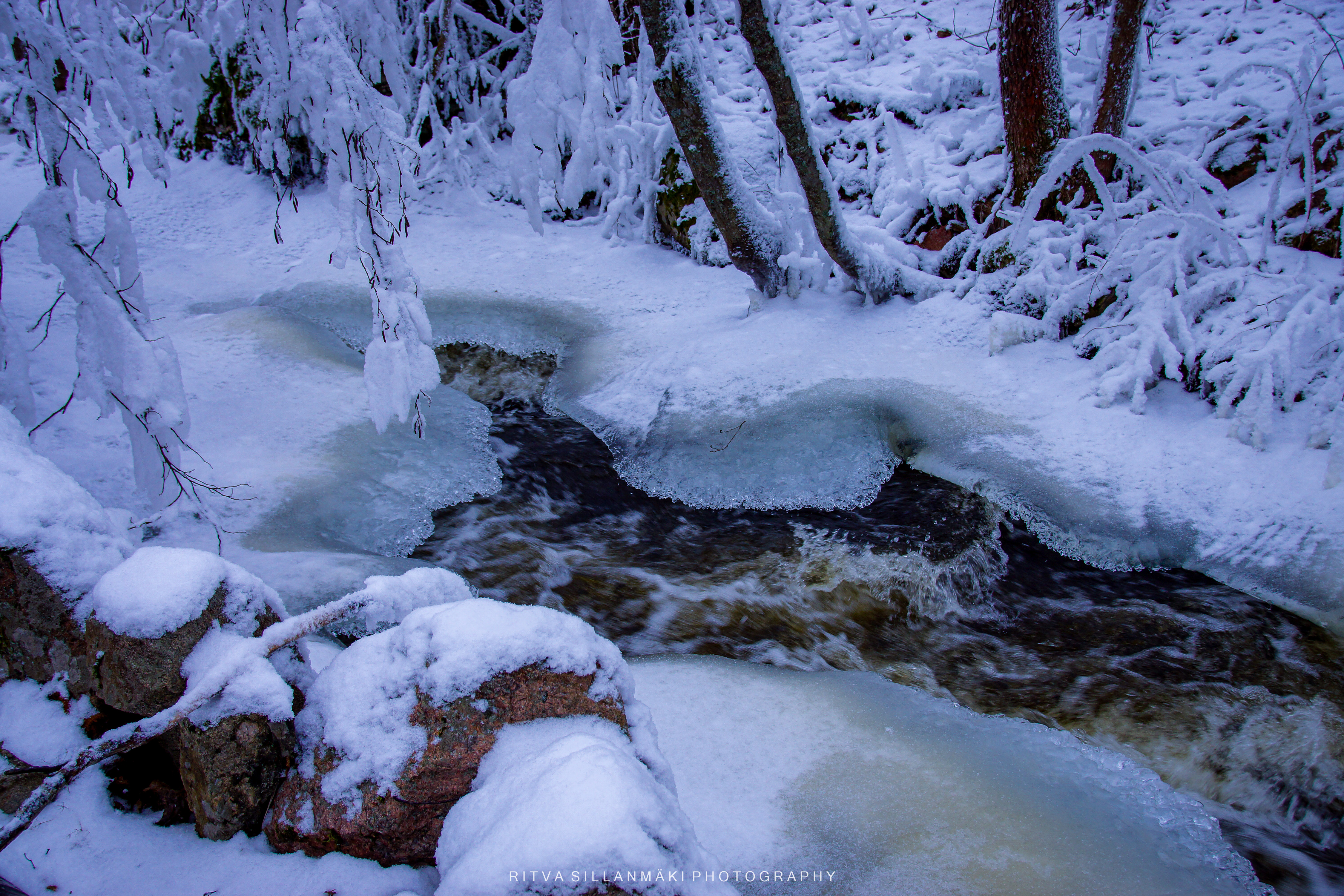
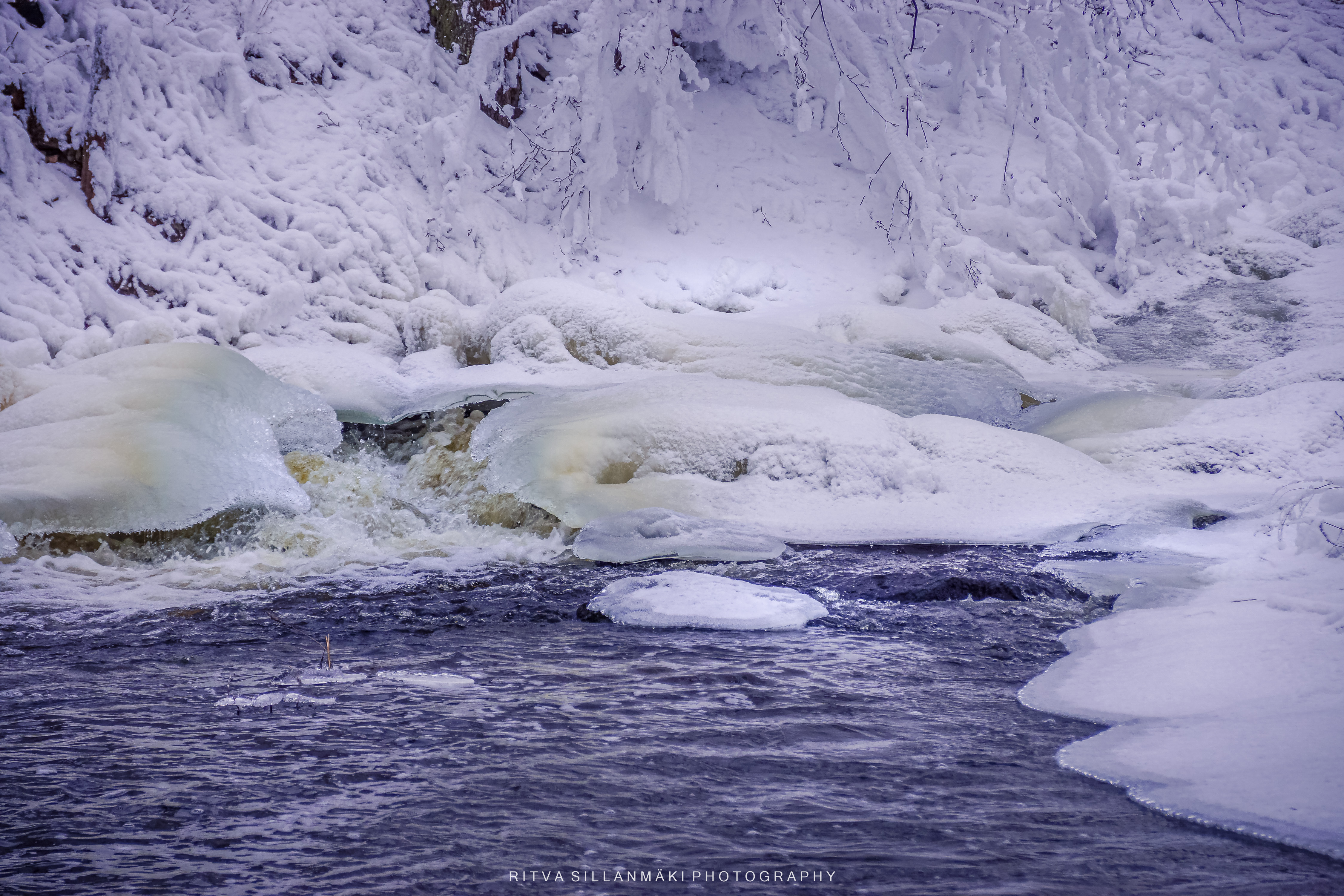
The stunning beauty of winter, featuring icicles and frozen plants that perfectly frame a flowing stream. This picture captures all the cool details of the season, showing off the calm yet eye-catching sights that winter landscapes bring. The mix of cold elements and running water gives a fresh take on nature in this chilly time of year, making you appreciate the delicate balance and beauty found in winter’s embrace. I hope the vibe of winter’s charm in nature comes across.
Icicles and frozen vegetation framing a flowing stream,the beauty of winter details.
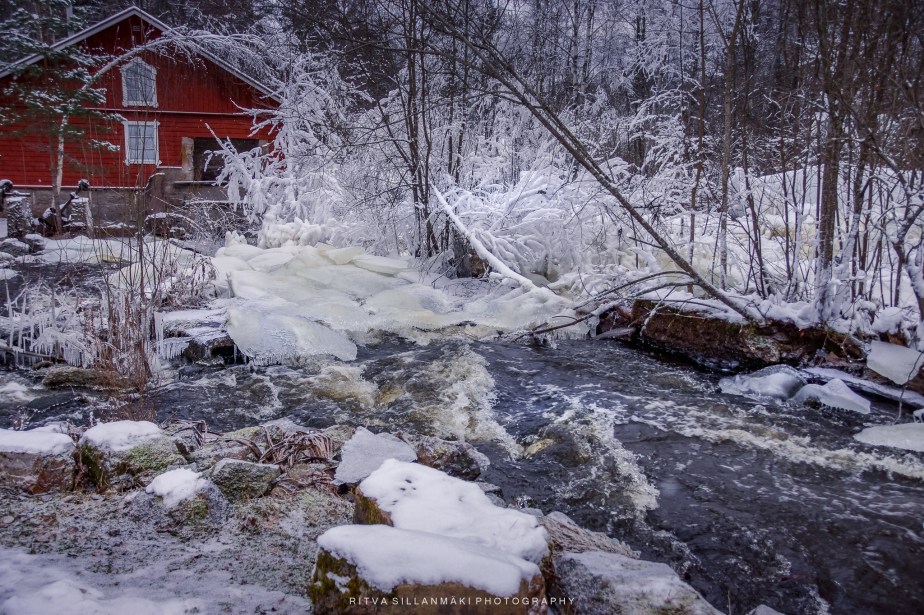
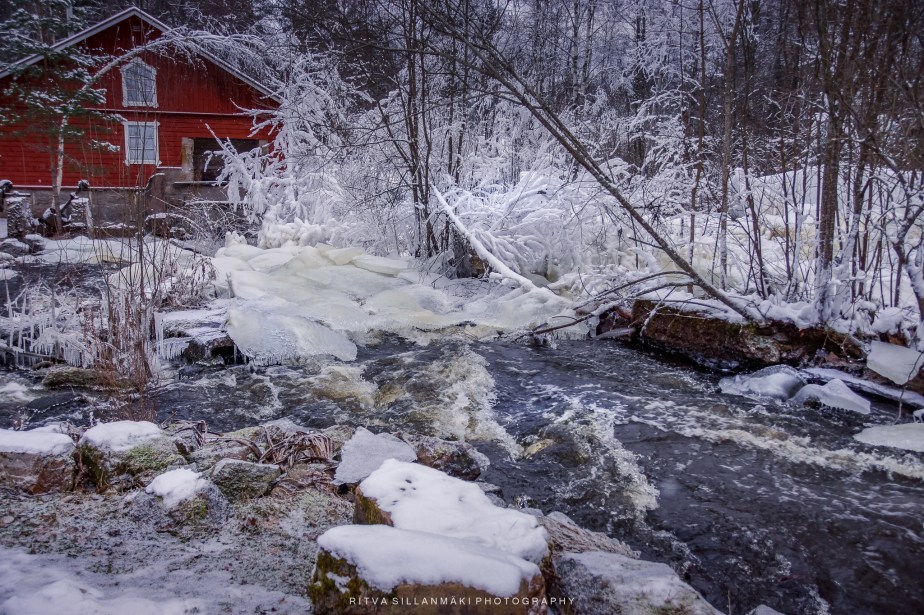
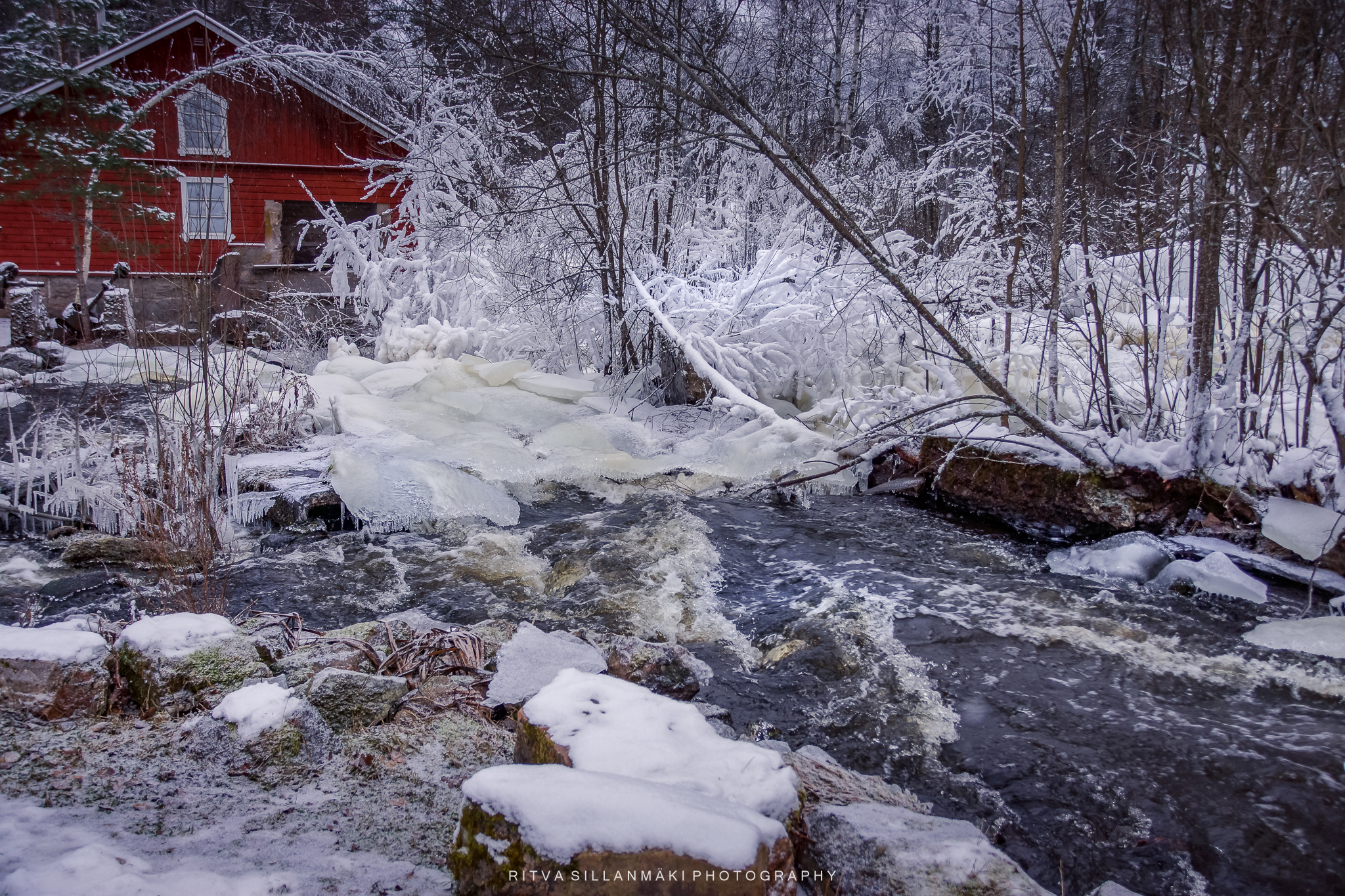
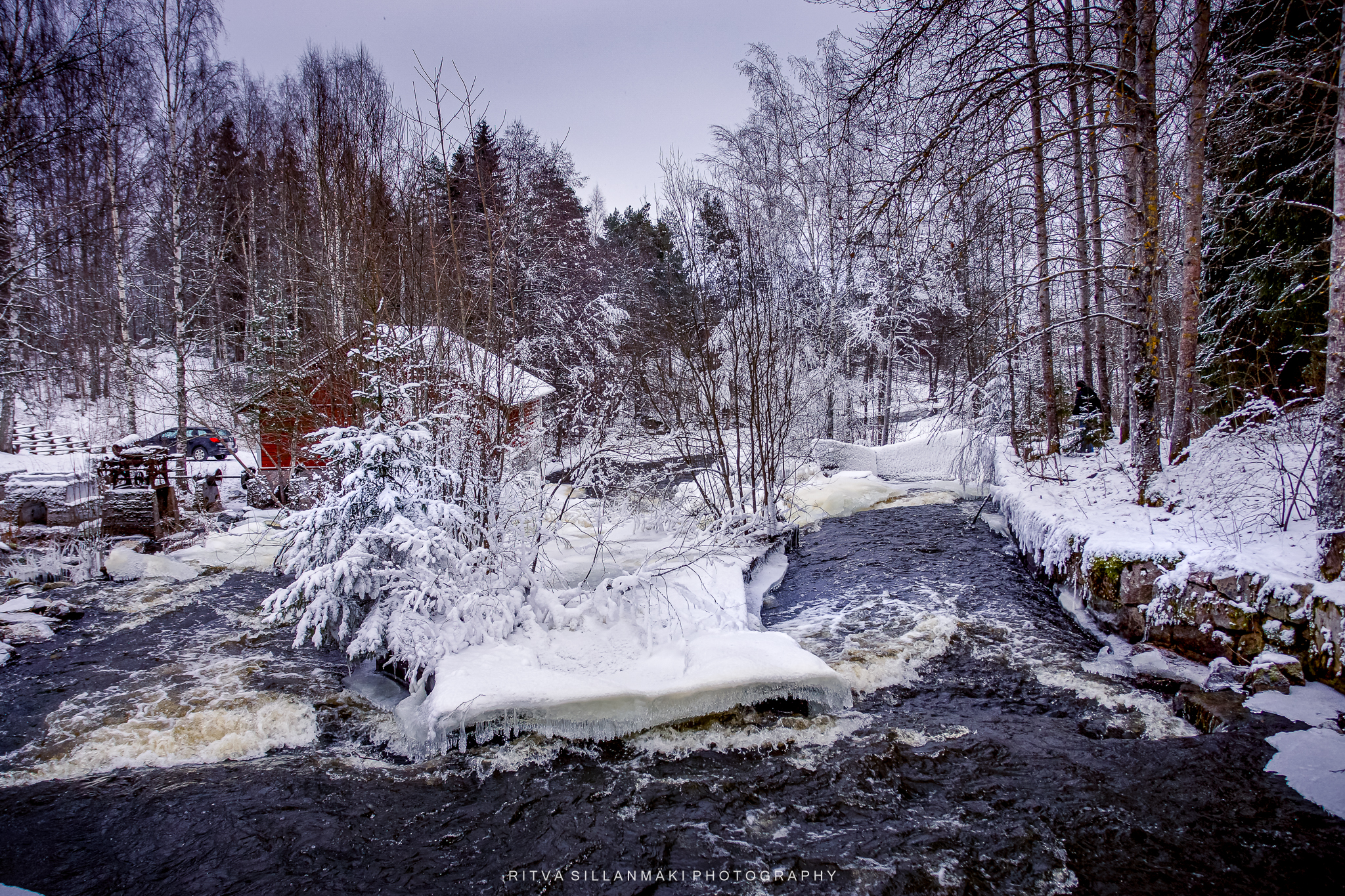
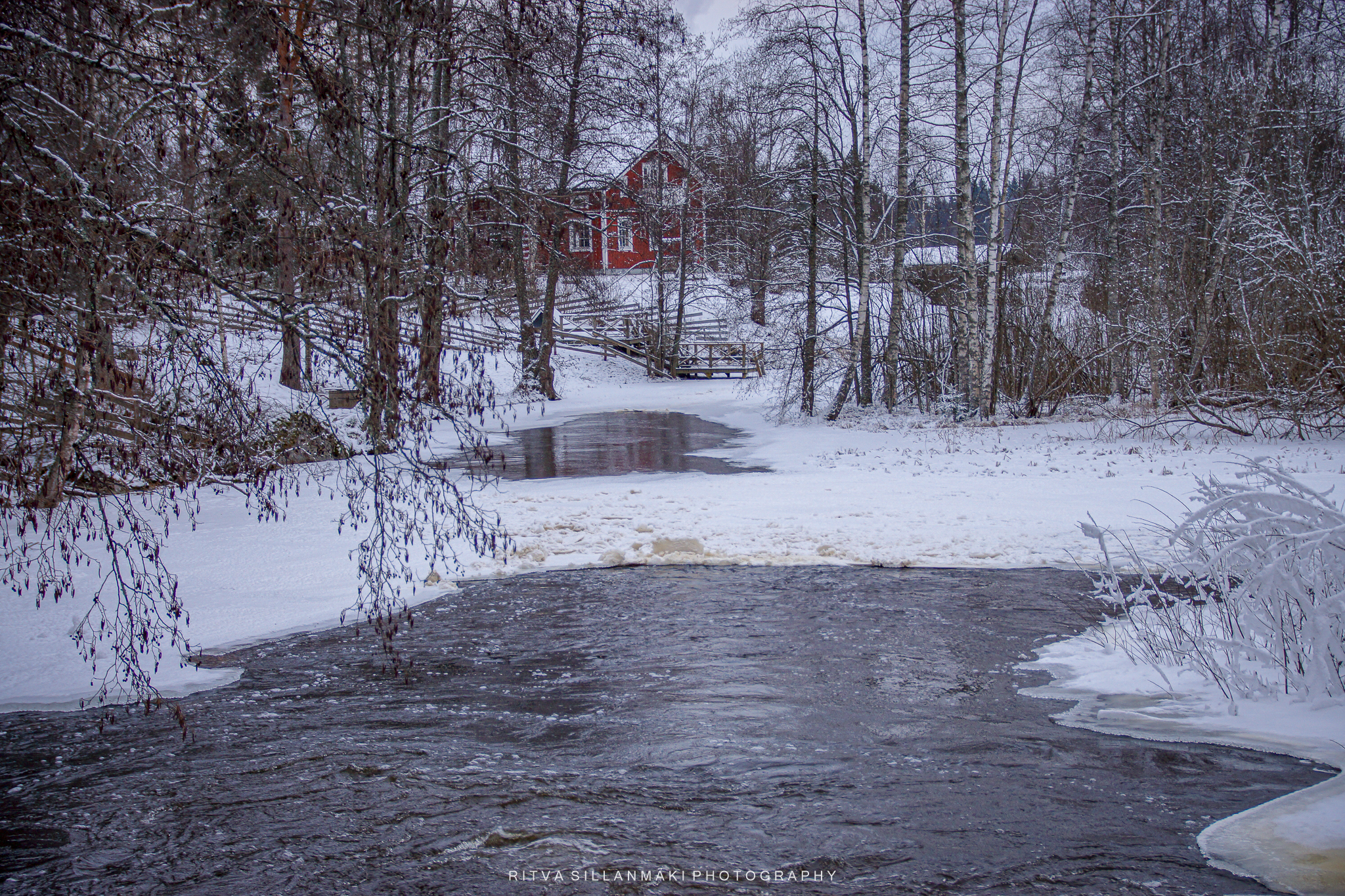
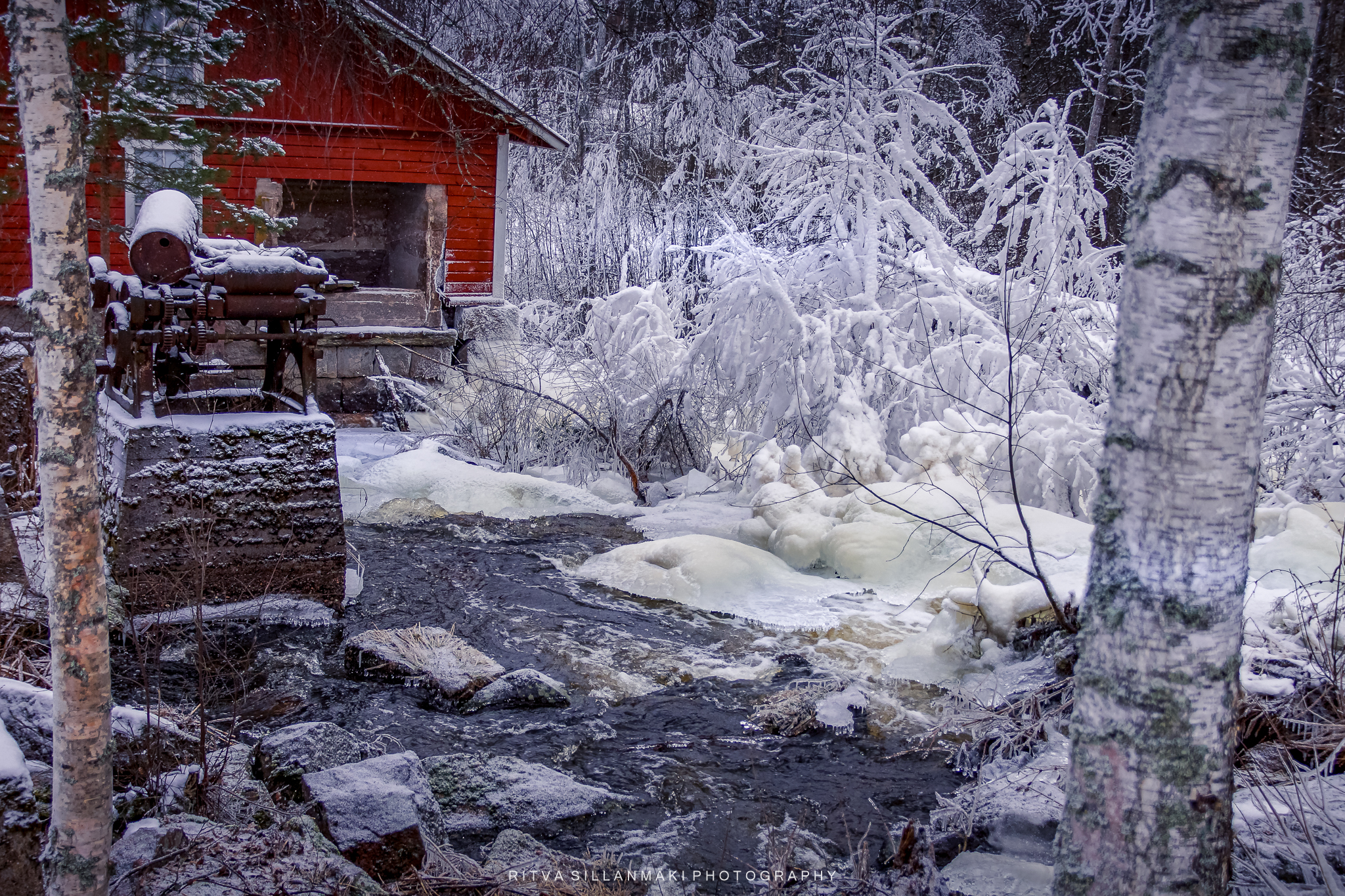
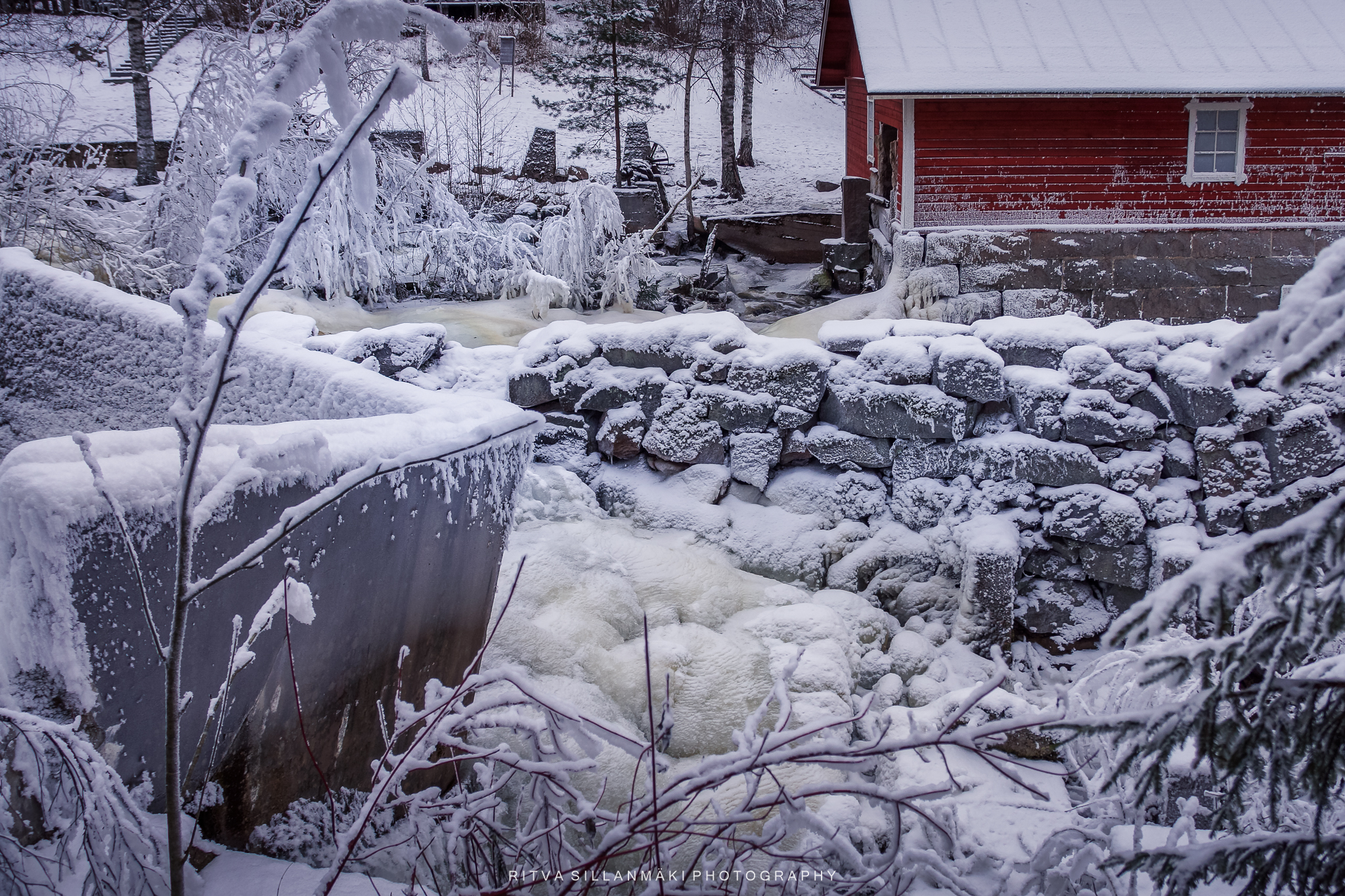
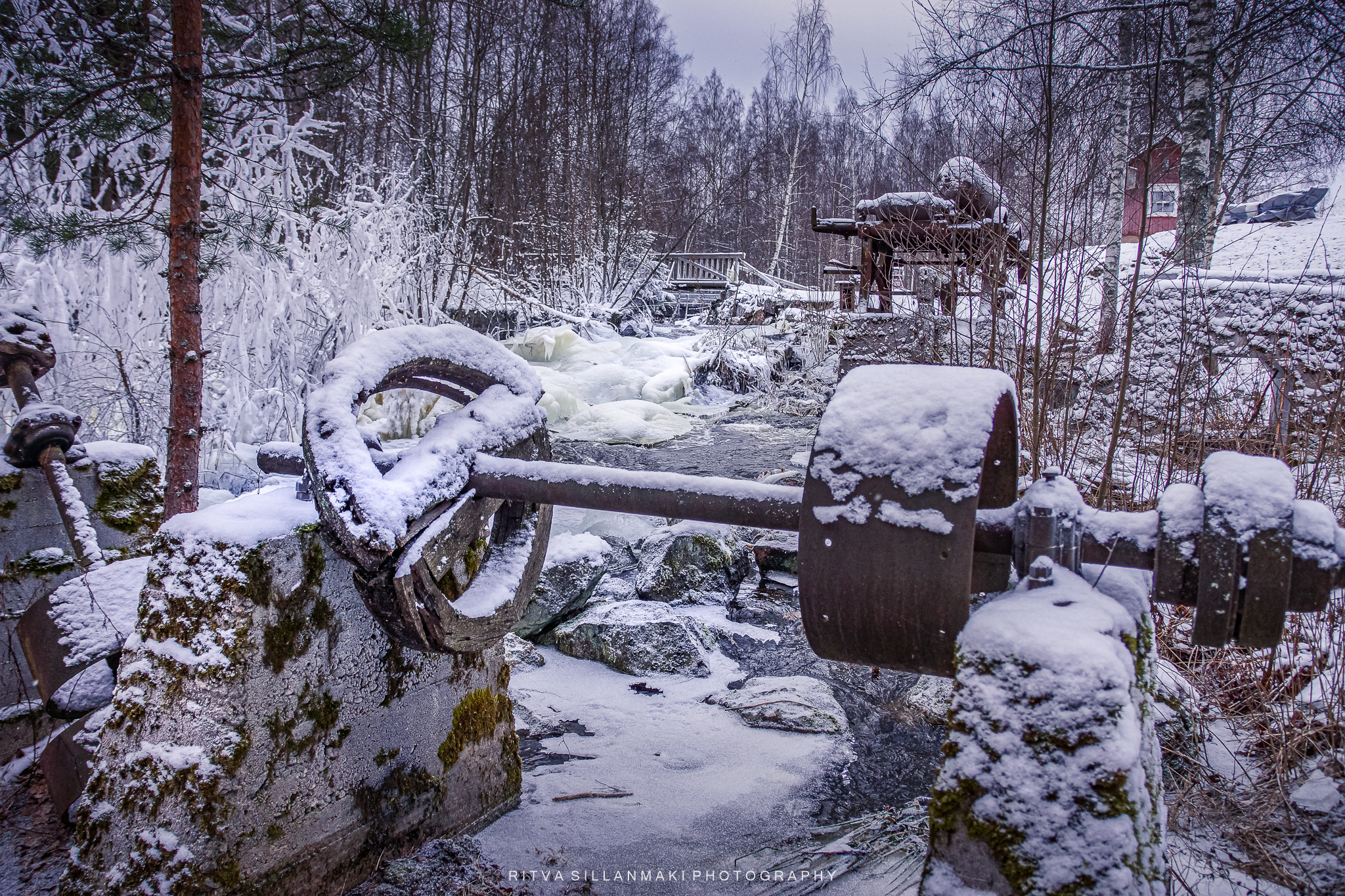
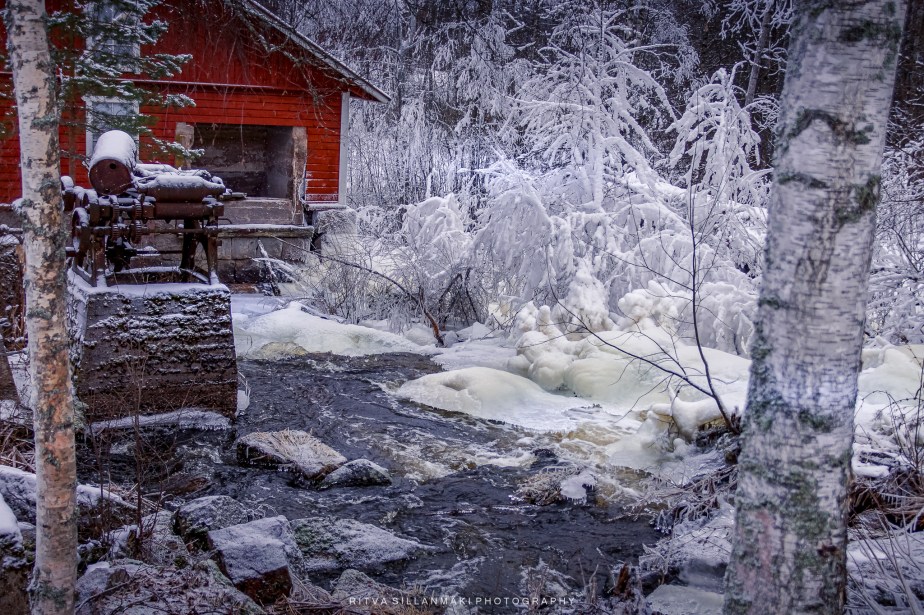
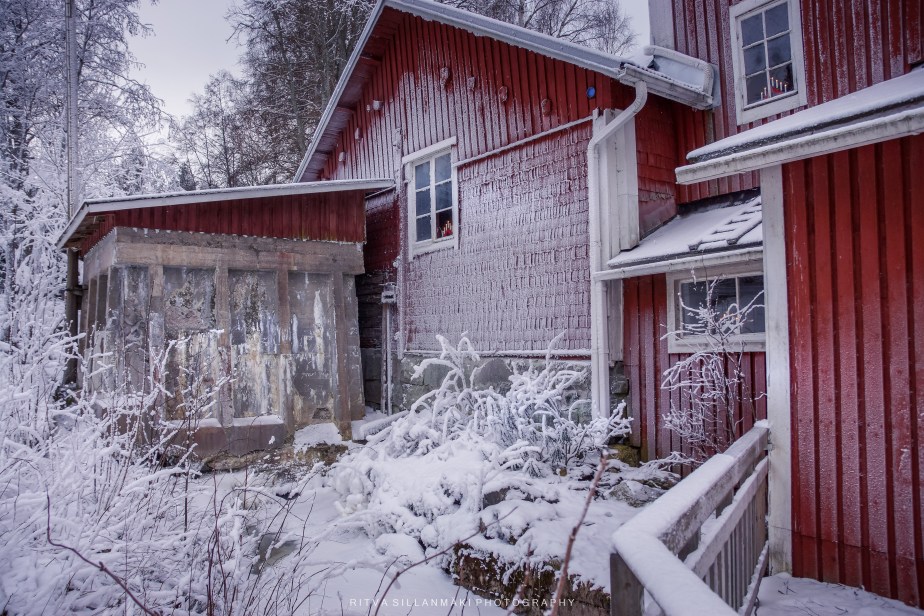
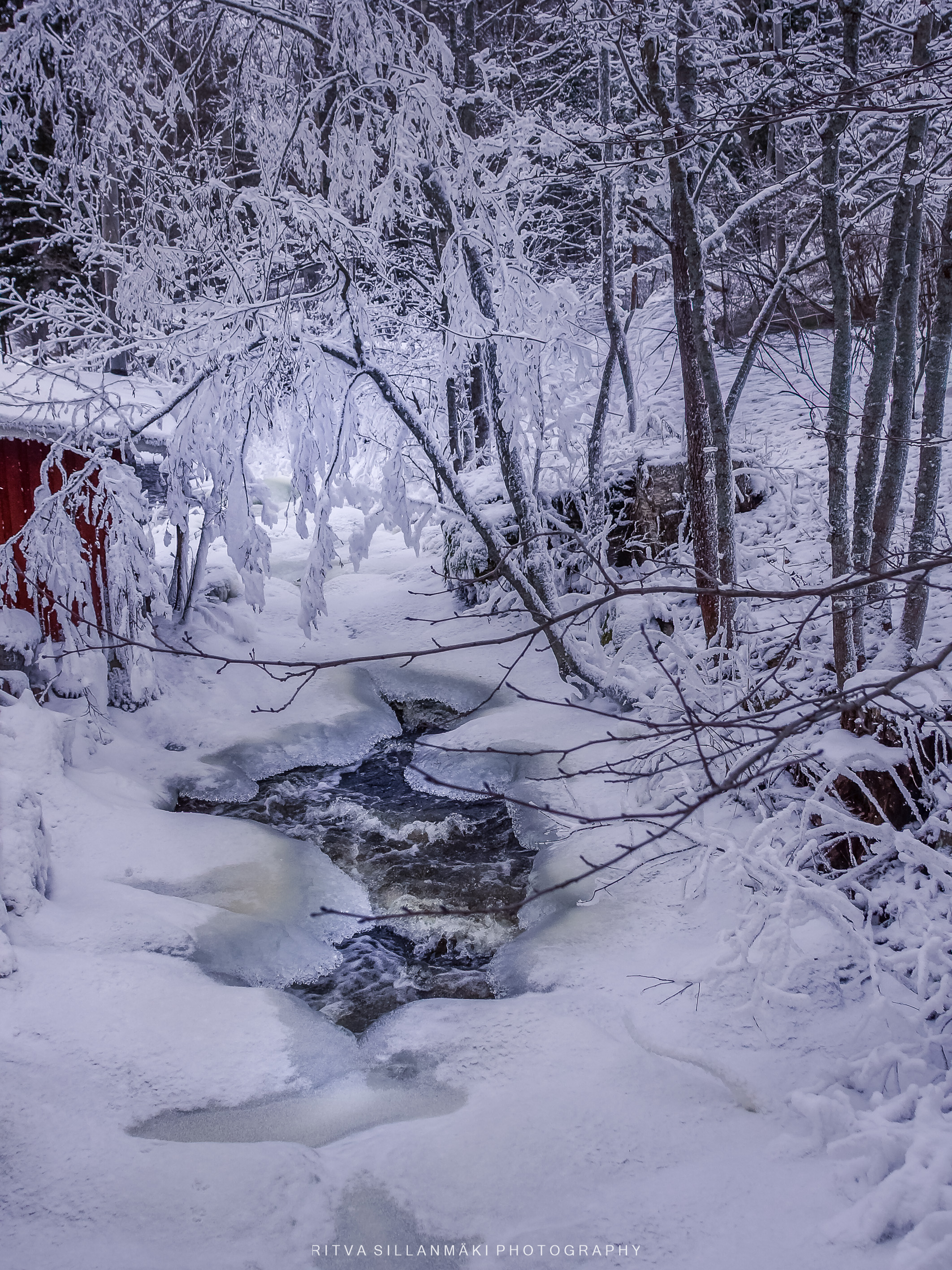
Winter and cold weather make for a nice backdrop for the old red mill in Immilä, Finland
I uncovered some historical insights, and here they are in a nutshell. The Immilä rapids have been the site of grain milling since the Middle Ages, with the earliest written record of mills dating back to 1548. The first sawmill emerged in the 1760s, by which point a settlement and an inn had already established themselves on the hill. As the 19th century unfolded, the population grew, and Immilä transformed into a vibrant village of craftsmen and millers. Following World War II, three mills were operational in the Immilä rapids; alongside two sawmills, there was also a power plant equipped with auxiliary machinery, including a bark planer. The final mill to close its doors was the Immilä district sawmill in May 1969. Of all the mill buildings, only the one erected in 1901 in the Immilä district remains today.
A winter scene featuring a red mill surrounded by snow-covered trees and a partially frozen river.
This week, Egidio has encouraged us to showcase some of our rejected alongside our edited images to highlight the contrasts. I’ve encountered photographers who view editing as “cheating,” believing it undermines the integrity of the moment captured. Nevertheless, I regard editing as an equally vital skill as the art of photographing a subject or scene. It empowers us to emphasize particular features, enhance colors, and evoke emotions that may not be as prominent in the unedited image. Ultimately, the final image should represent not just what was observed but also the artist’s unique vision and perspective. By embracing both photography and editing, we can elevate our creations and convey more impactful stories through our visuals.
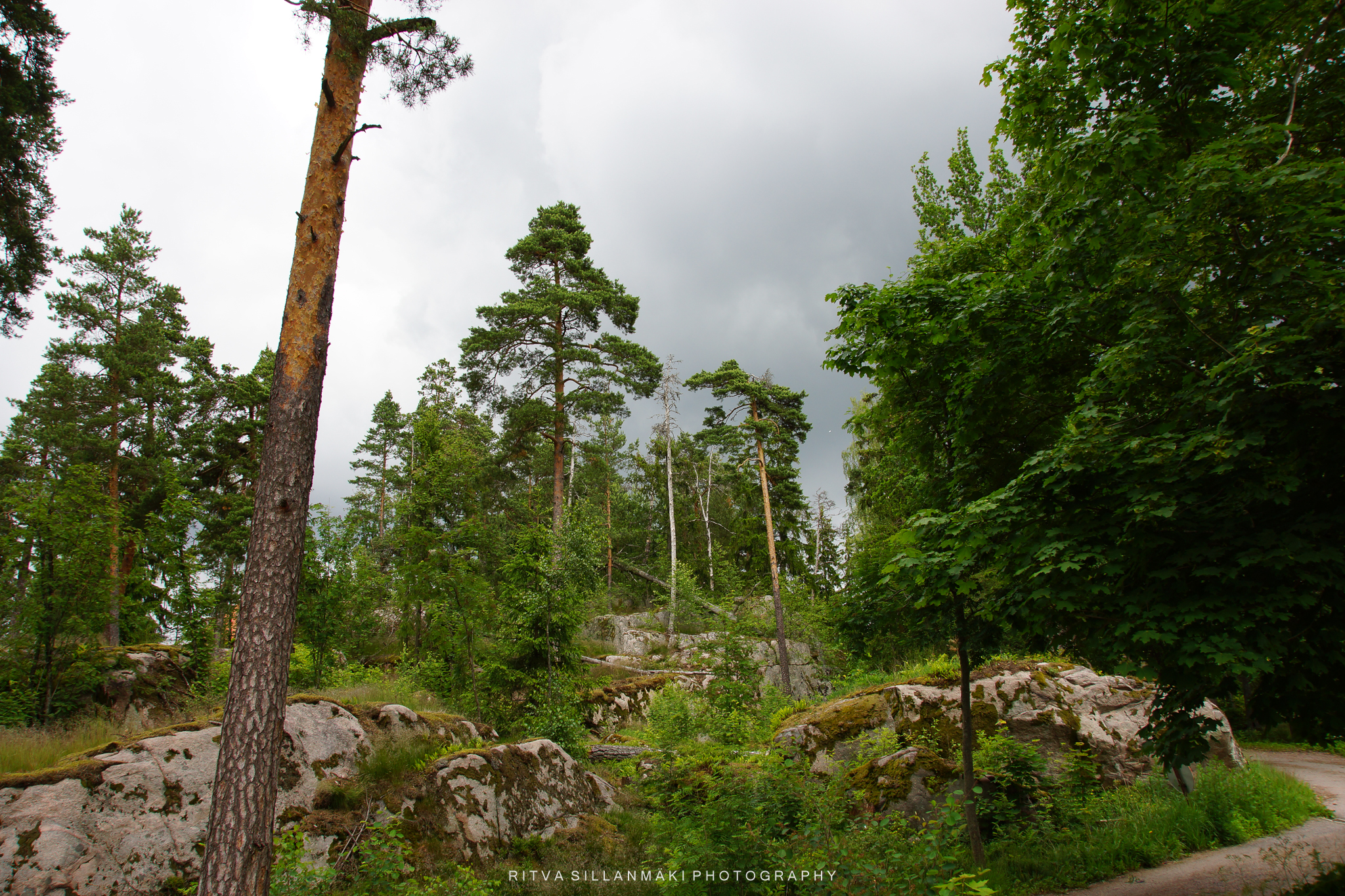
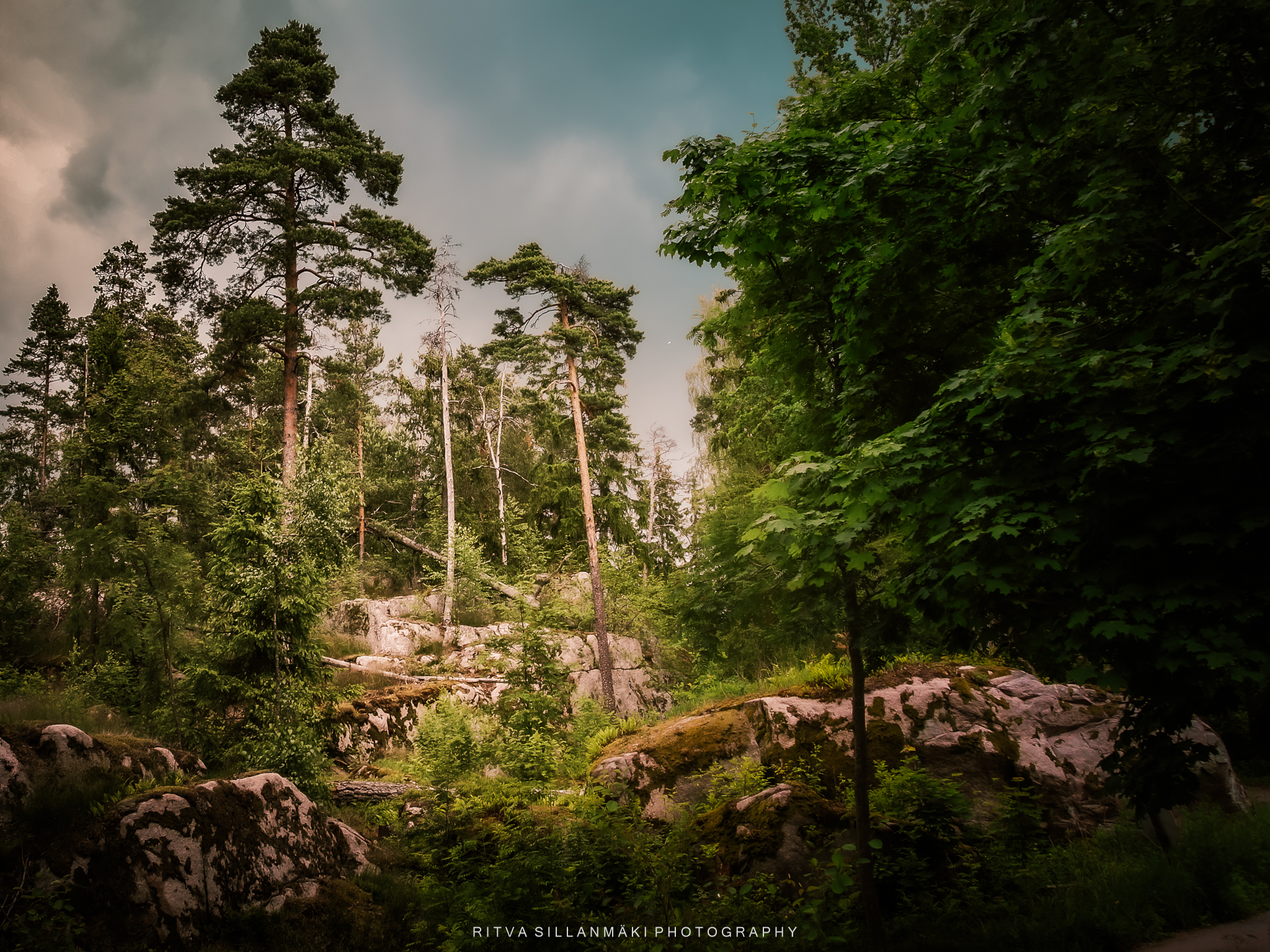
These are all from my visit to Hvitträsk and its surroundings some year ago except the last one. That was a so bad I did not pay any attention to it at all at the time, I just remember being very disappointed in it. I should have binned it, but luckily now with my approved editing skills I was able to do something with it.
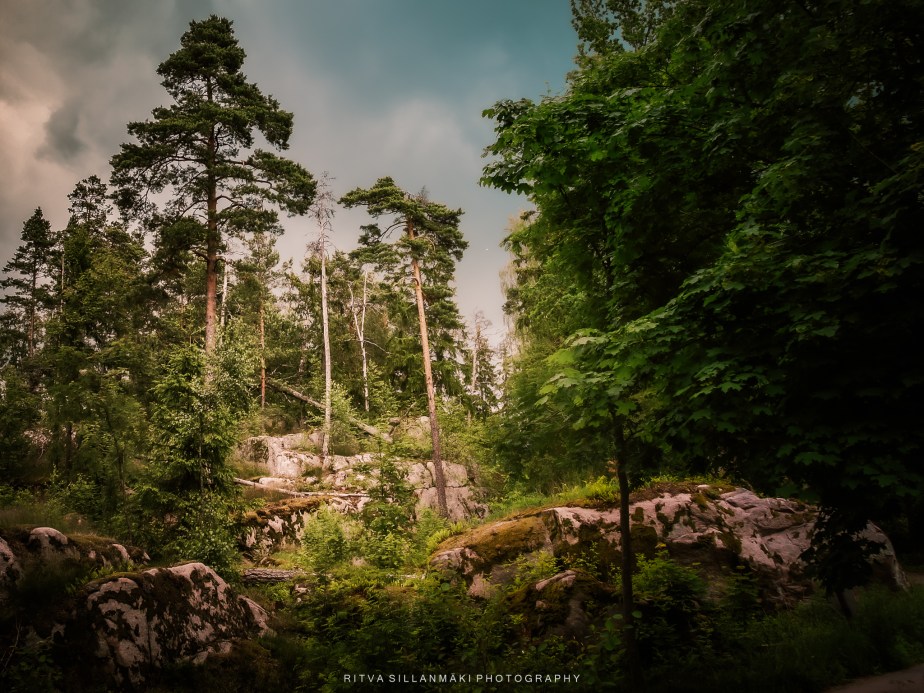
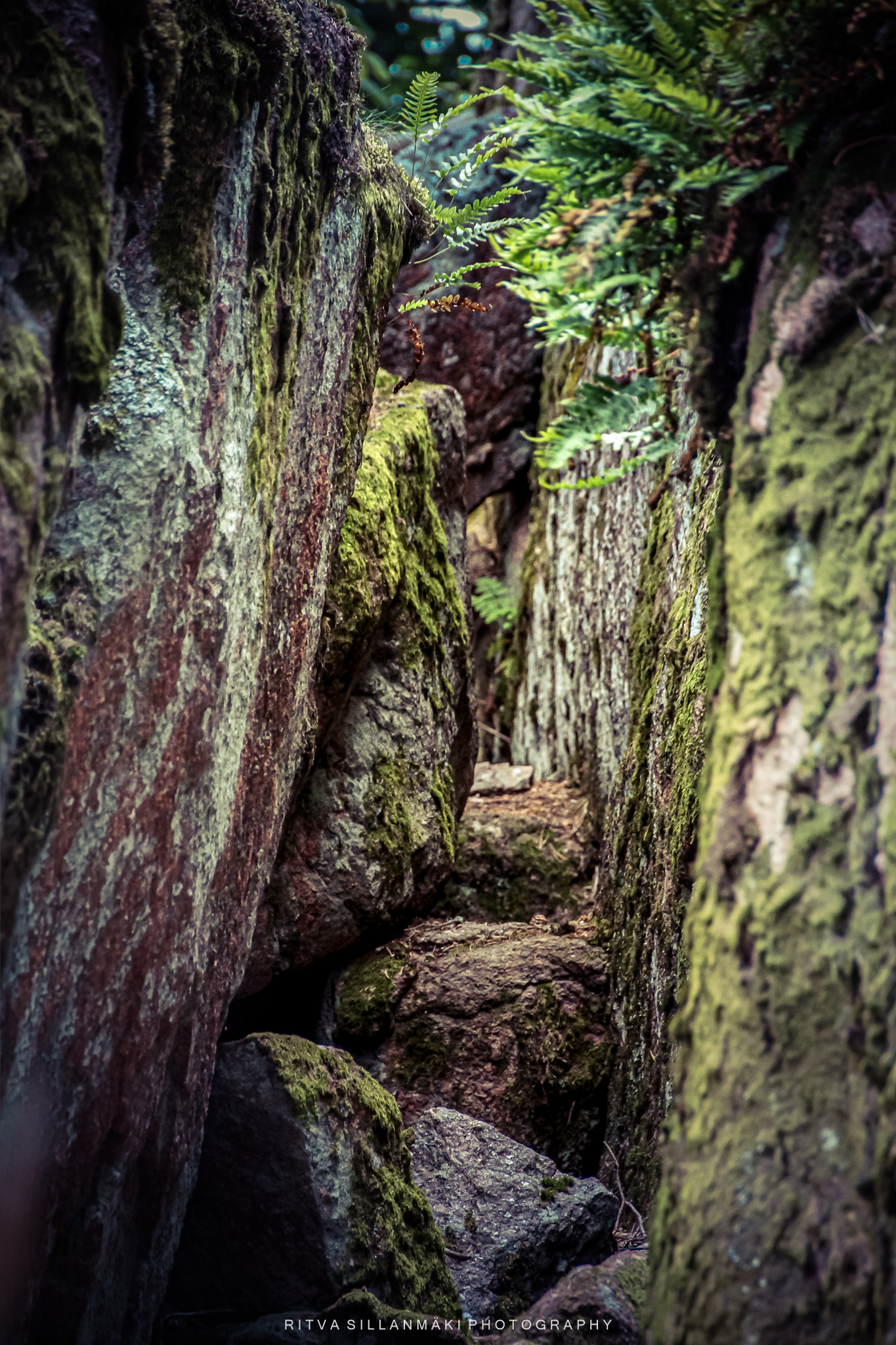
The original image was flat and boring, and I never got around to publishing it, even though the picture has many layers and good elements. Perhaps I didn’t initially realize to crop it enough; for some reason, I wanted the trunk of the pine tree in the image even though it didn’t really fit there. The sky had remained flat and nothing really stood out.
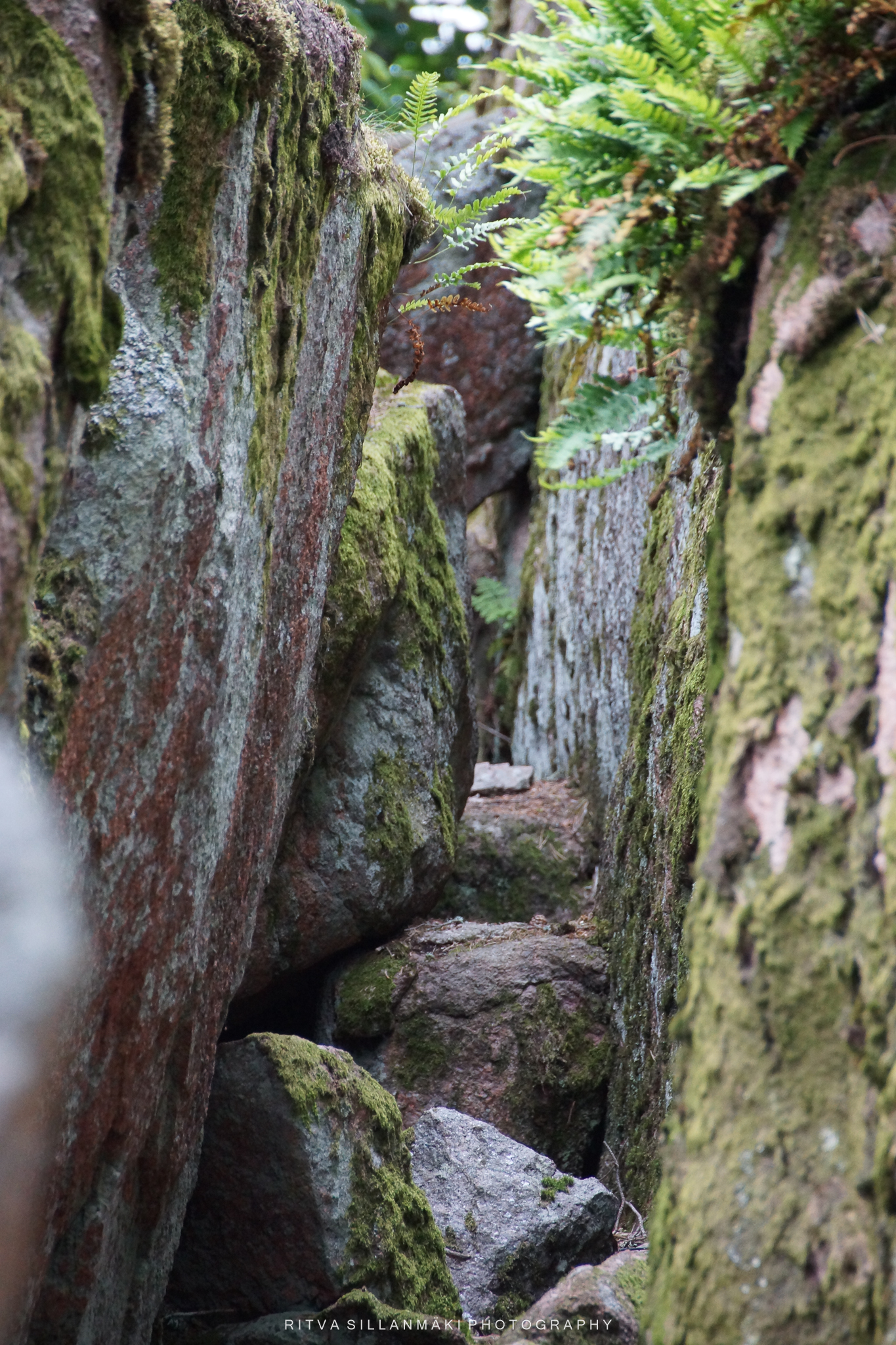
Nature shines
I was drawn to this blurry image; there was something about it that appealed to me, so I decided to rework it in the hope that it would present better with a slight adjustment of contrast and colors. The top of the image was slightly overexposed and clearly out of focus. I am not entirely satisfied with the edit as the colors changed too much from the original—primarily because I try to keep the image as natural as possible.
This could fall into the same category as the previous post, but this is in many parts very unfocused,
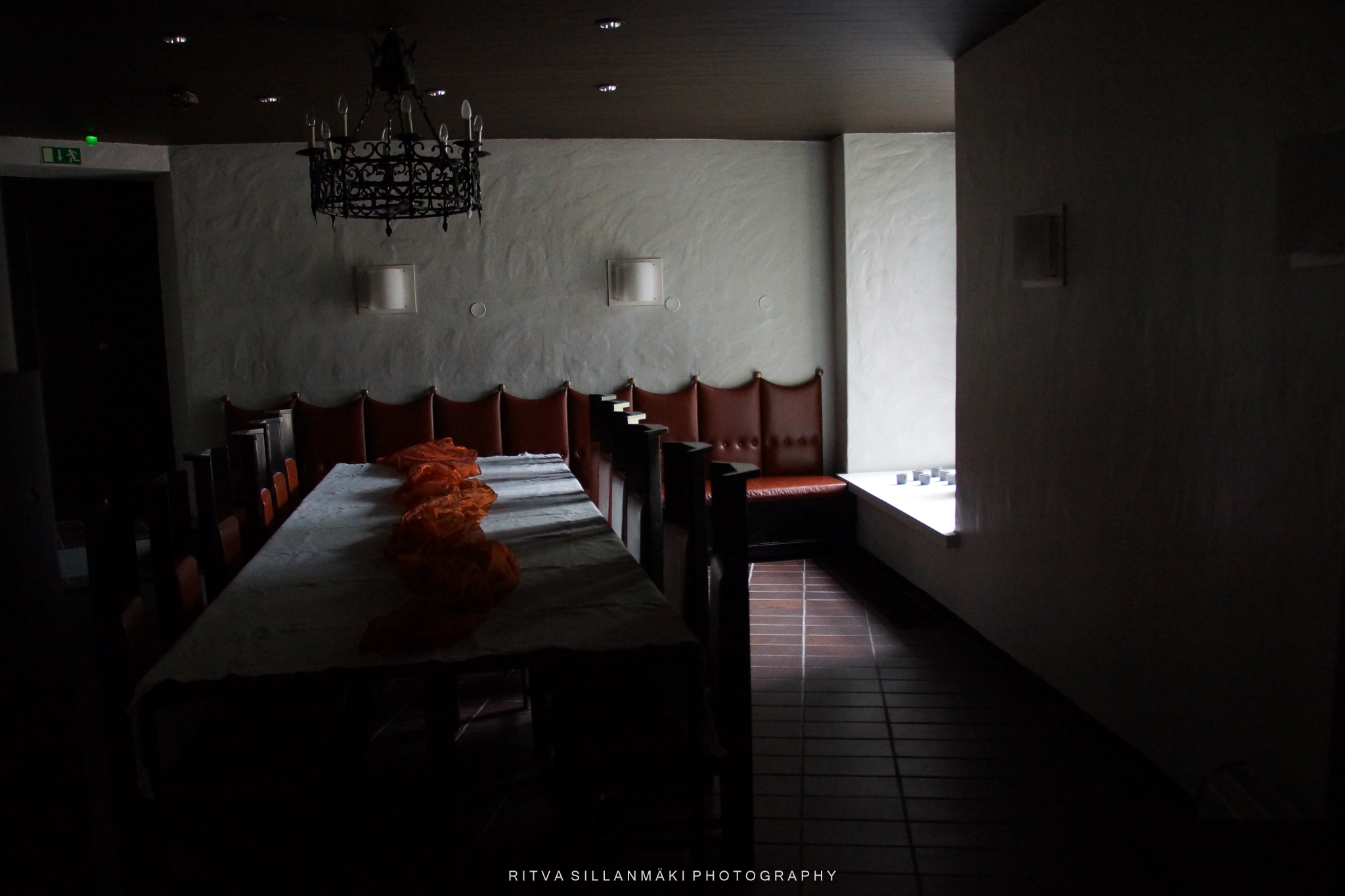
A dimly lit dining room featuring long wooden table in Hvitträsk
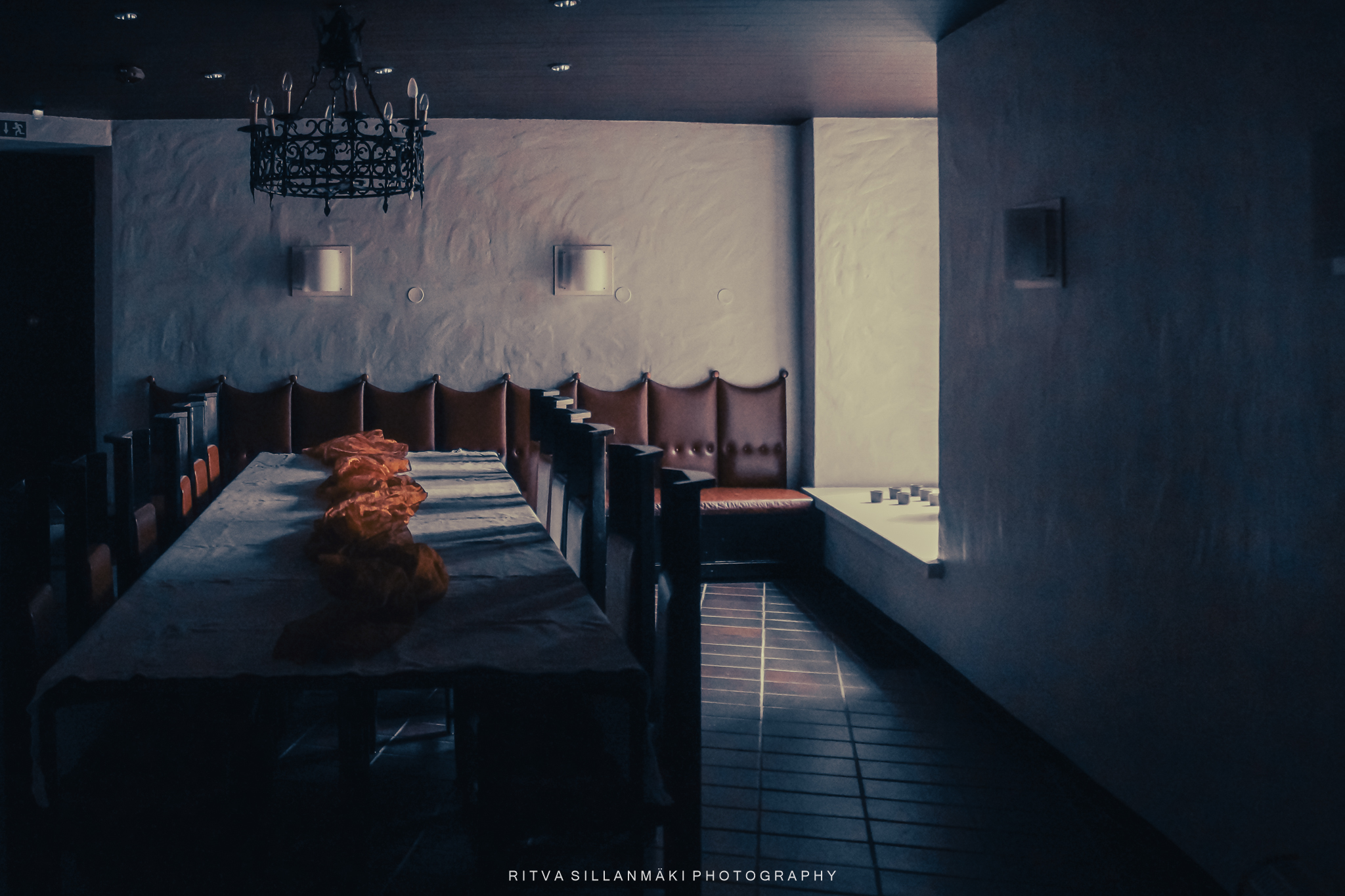
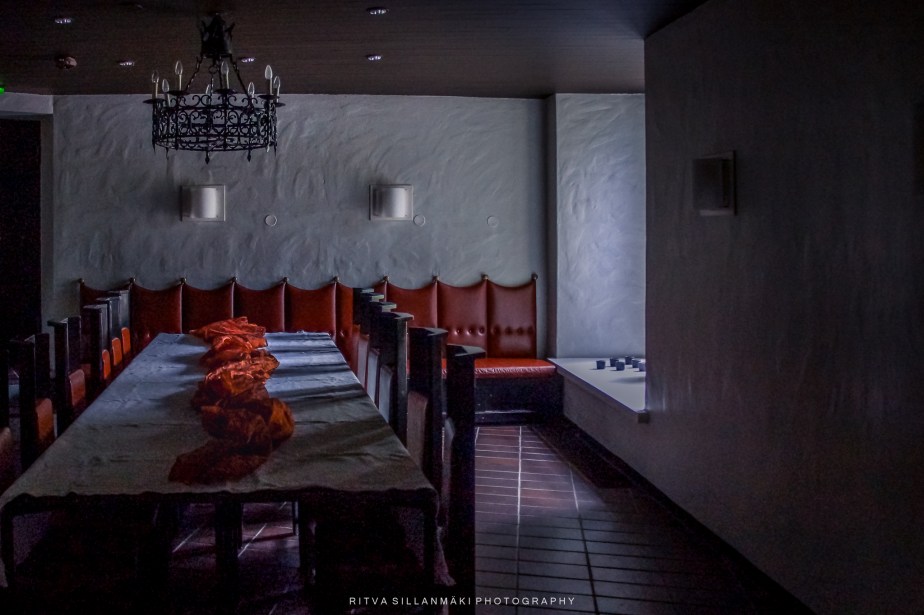
A dimly lit dining room with a long wooden table covered in a white tablecloth, adorned with orange fabric. Red upholstered leather benches line the walls, and a decorative chandelier hangs from the ceiling. In the image above, there is a lot of good, but the picture was left languishing in the archives a bit subdued, and I couldn’t find its purpose; now I decided to boldly edit it in a more cinematic direction. I spent some time battling against making it too colorful, so the third edit is the final result 👇, where I wanted to bring the fabric on the table into focus with light.
A dimly lit dining room featuring long wooden tables and contrasting red seating, evoking a warm yet subdued atmosphere.
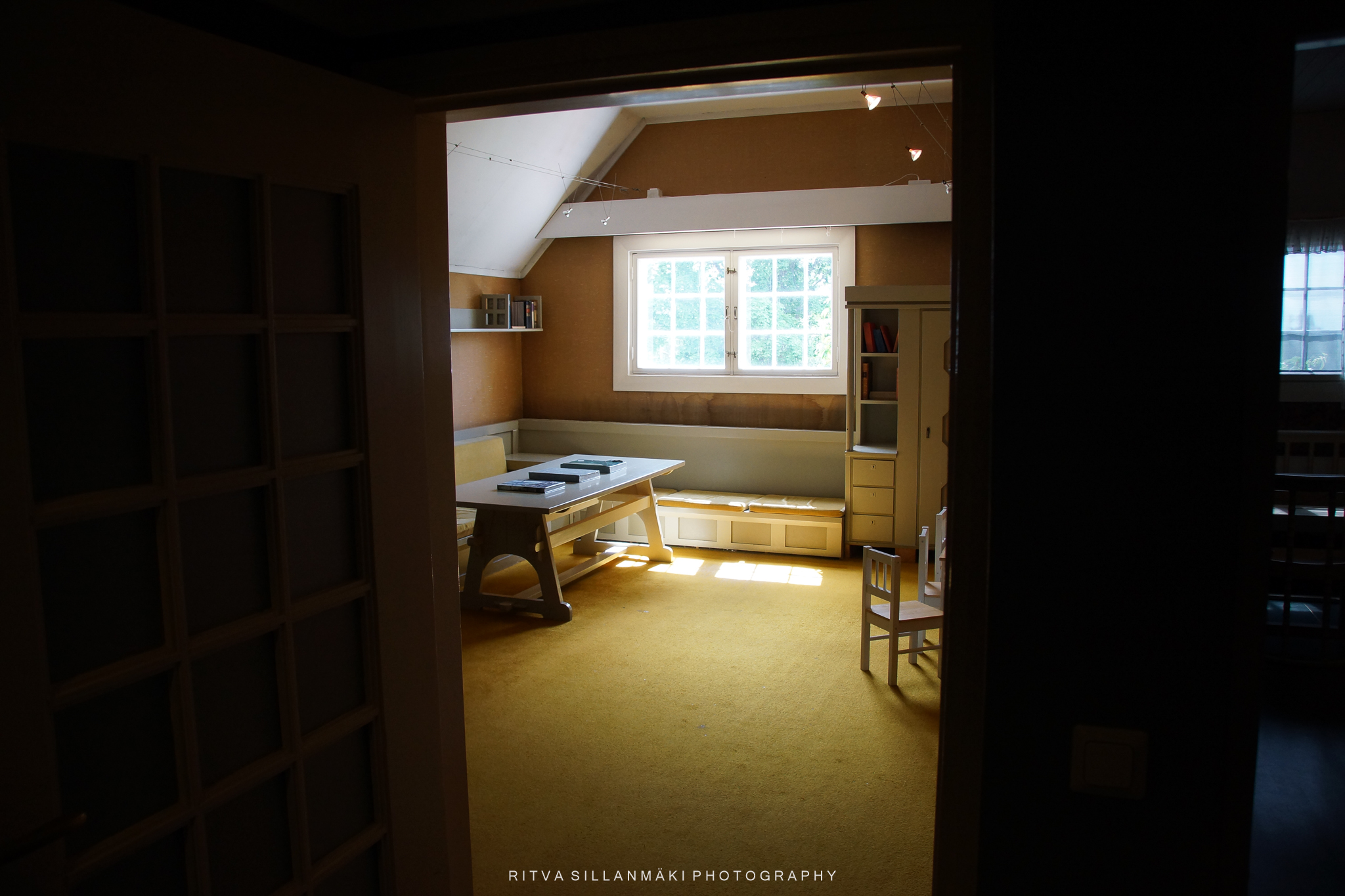
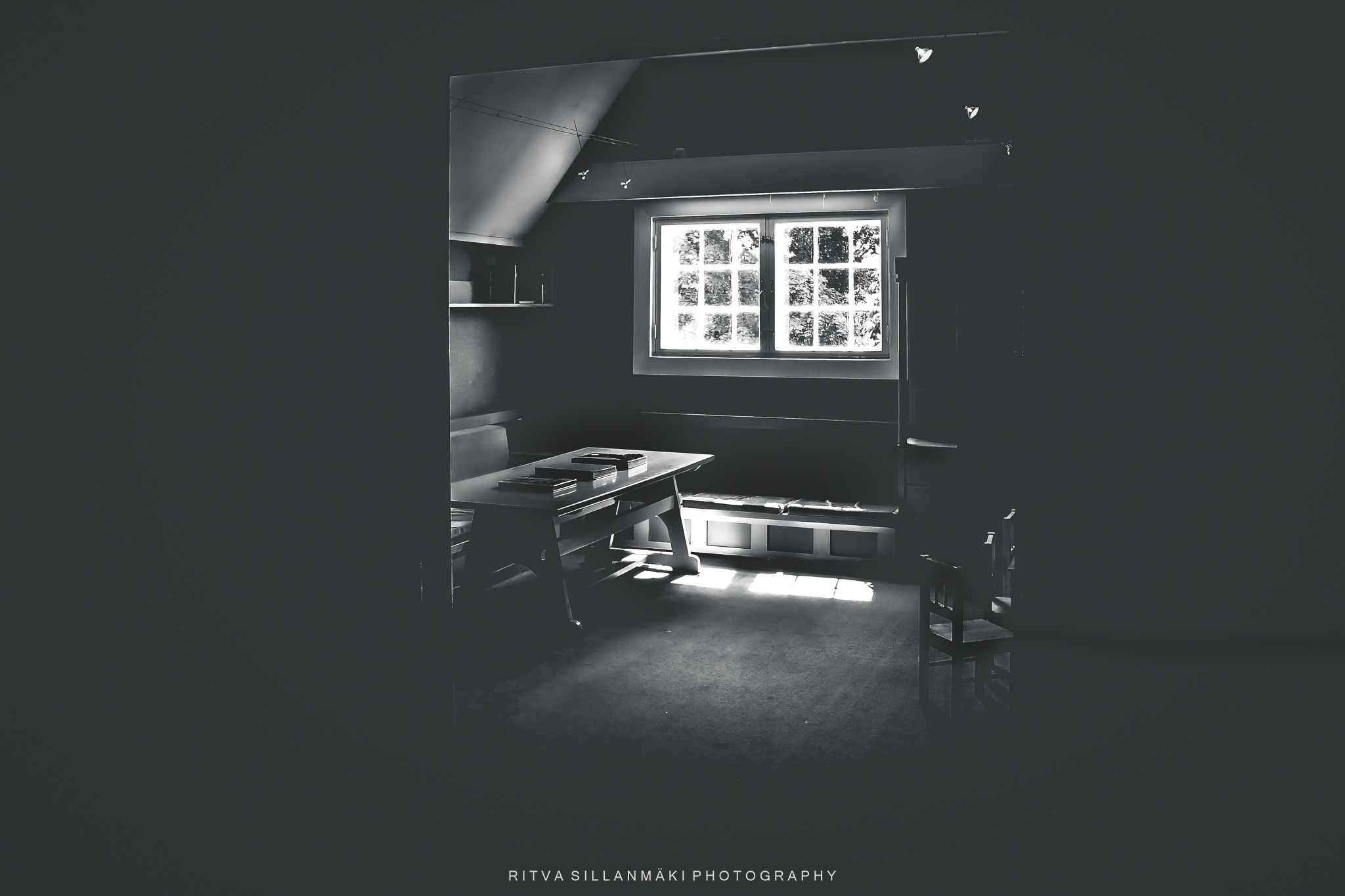
In this last image pair, I wanted to highlight the minimalism of the previous challenge and the black-and-white image as it is a style I really enjoy. I sought to create an atmosphere in the picture and wanted to draw attention to the window and the light coming from it and how it came to the room, and eliminating most of the furniture.
In this picture, I managed to save an image that was clearly overexposed and additionally had completely off coloring. I didn’t know what I had adjusted back then, but for some reason, this remained in the archives. I couldn’t edit this photo to color, but the black and white turned out rather well.
salvation of a bad photo
I would like to extend my gratitude to Egidio for encouraging us to present some of the effort that goes into crafting an image we are proud to share. Don’t forget to check out his original post here, and remember to use the Lens-Artist Tag in your response so we can find you post.
I am grateful to all who took part in last week’s B&W / Minimalism challenge; it highlighted the remarkable power of simplicity when done effectively. I was taken aback by the amount of interest it created and glad to find out that there are so many interested in this style of photography, which emphasizes the beauty of minimalism and the striking impact of black and white imagery. This challenge inspired participants to explore their creativity among those who share a passion for this art form. I loved seeing all your contributions, as each one told a unique story and showcased different perspectives, proving that less truly can be more in the world of visual storytelling.
Lastly, we invite you to join us next week for a challenge Tina will be hosting on Travels and Trifles. In the meantime, smile and try to stay positive
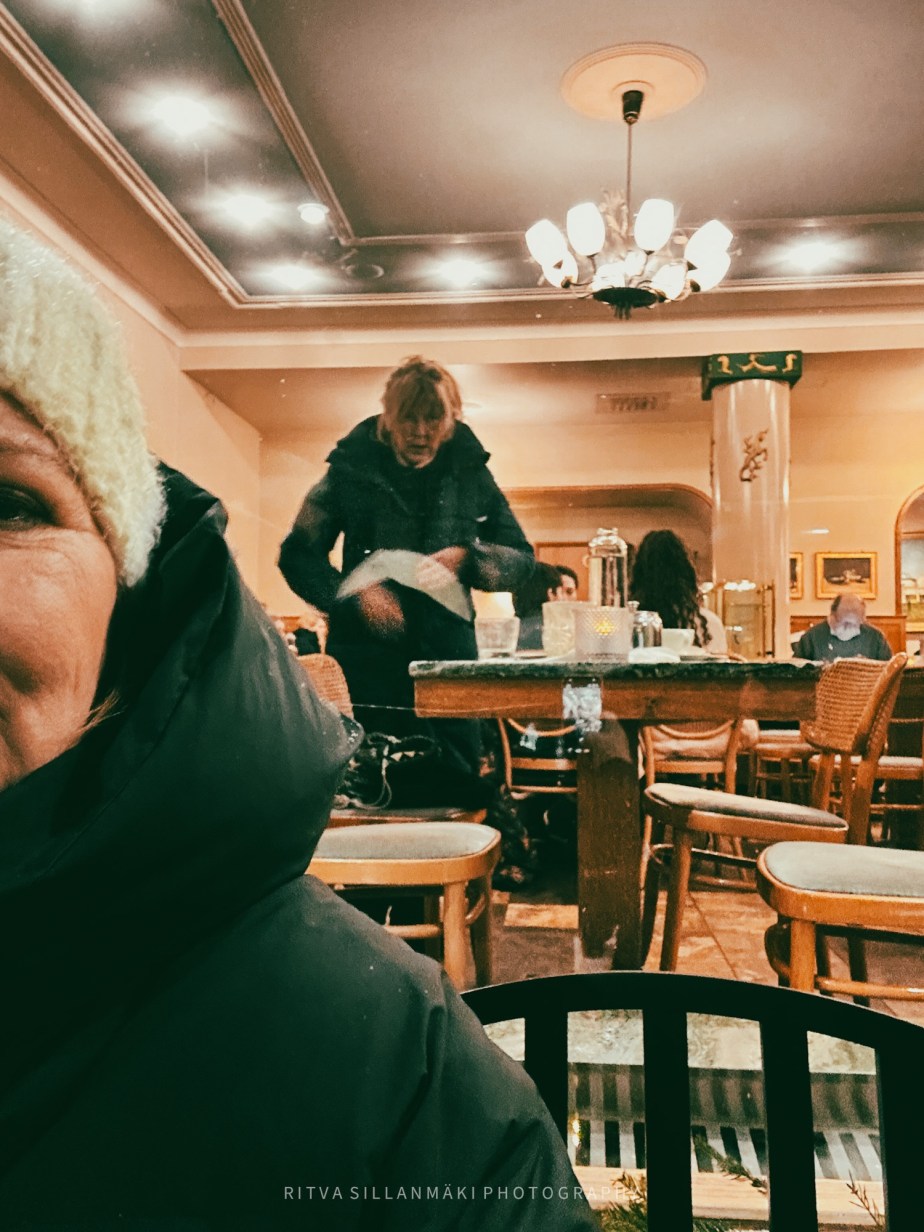
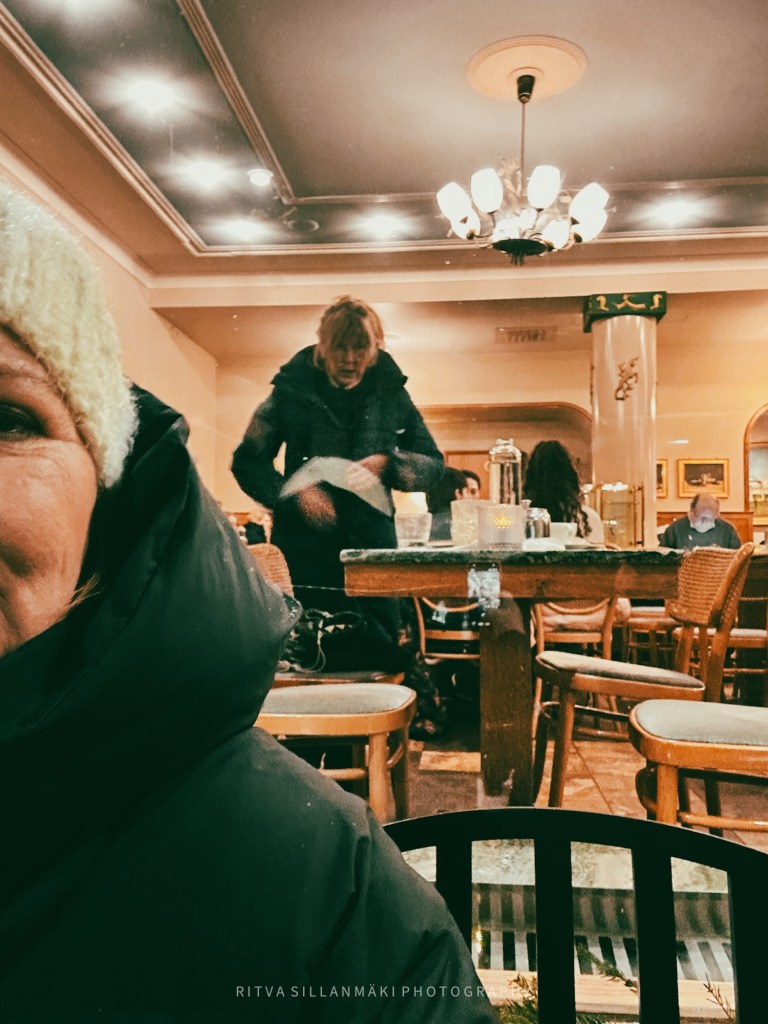
This week, I sought something distinctive in John’s Cellpic Sunday. While the quality may not be top-notch, I genuinely relished the challenge of capturing the moment. I took a cozy café scene with my front camera while outside in the cold, featuring a customer getting dressed to leave in the background. It reminded me of the beauty in capturing unforeseen moments and the joy that comes from sharing those experiences. Even if the outcome isn’t technically perfect, what truly matters are the stories and memories that accompany the image.
A cozy café scene taken with the front camera by me outside the cafe in the cold of a the customer busy at a table in the background.
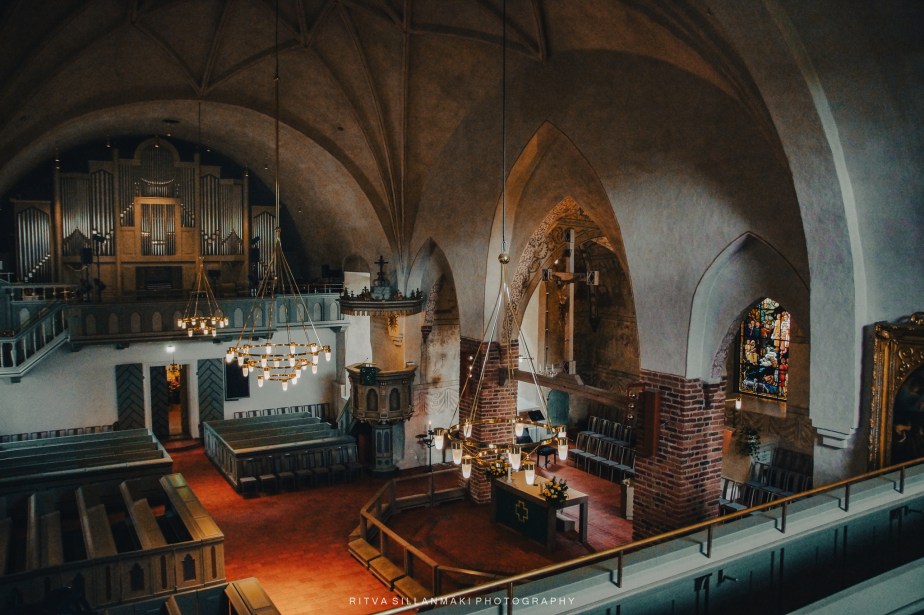
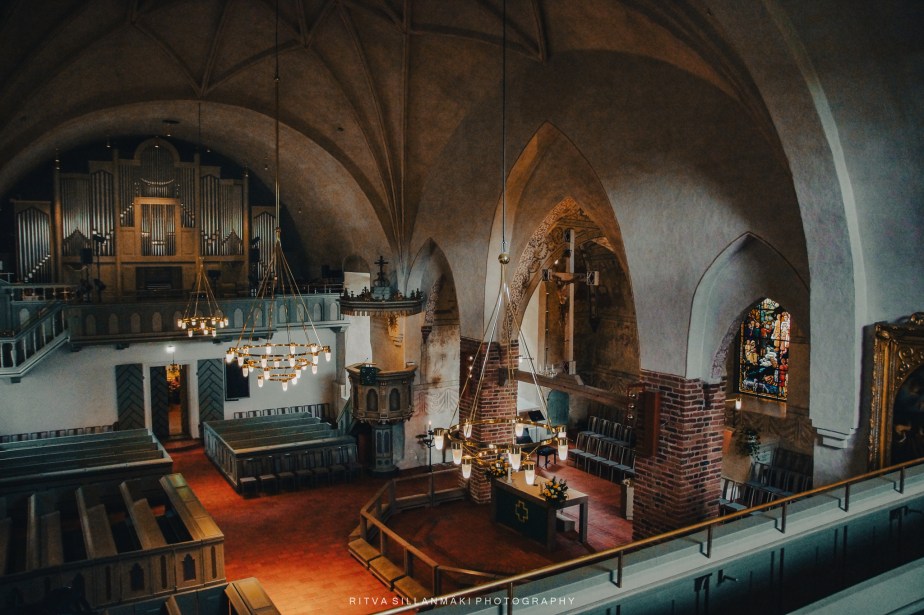
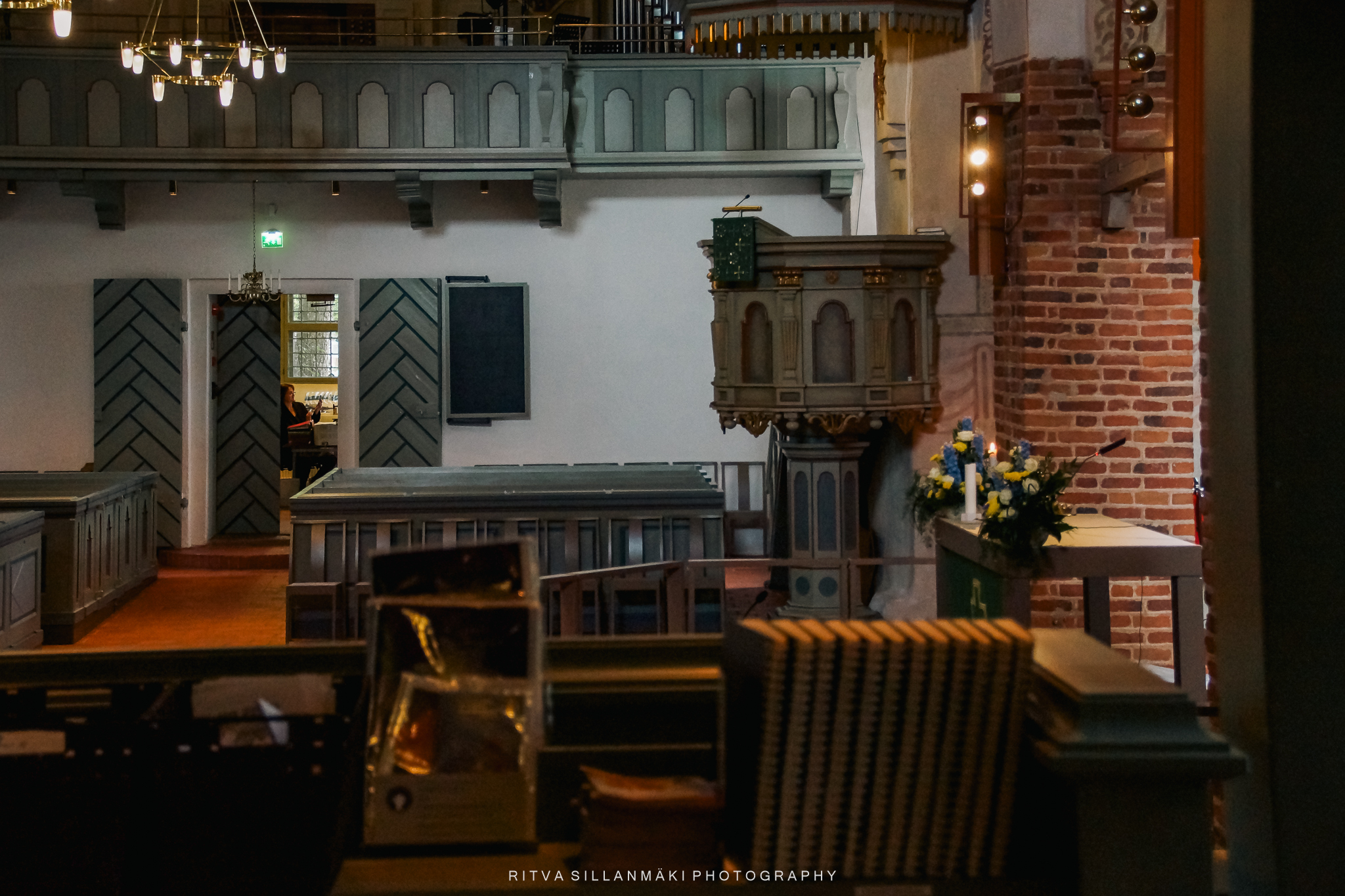
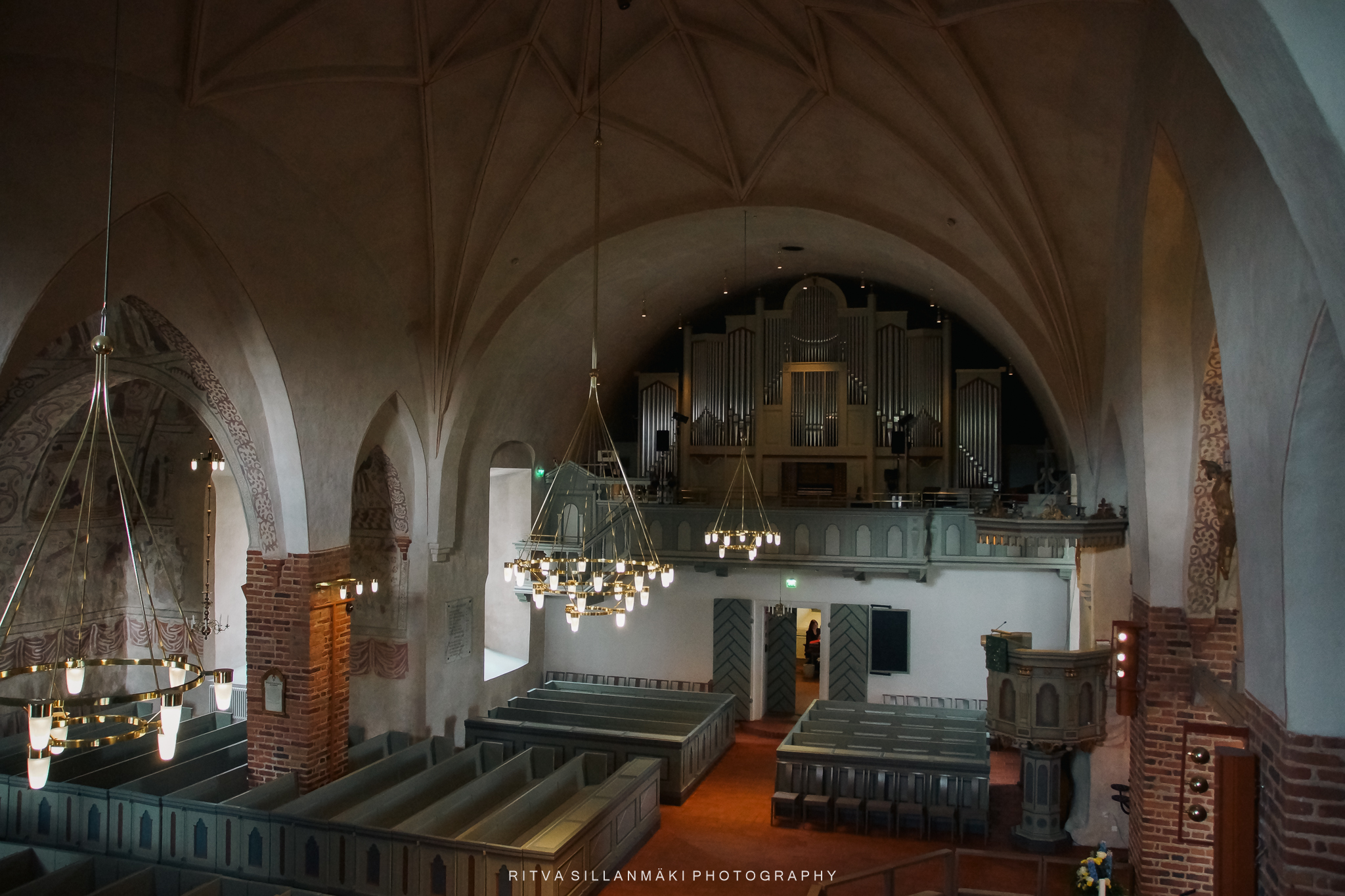
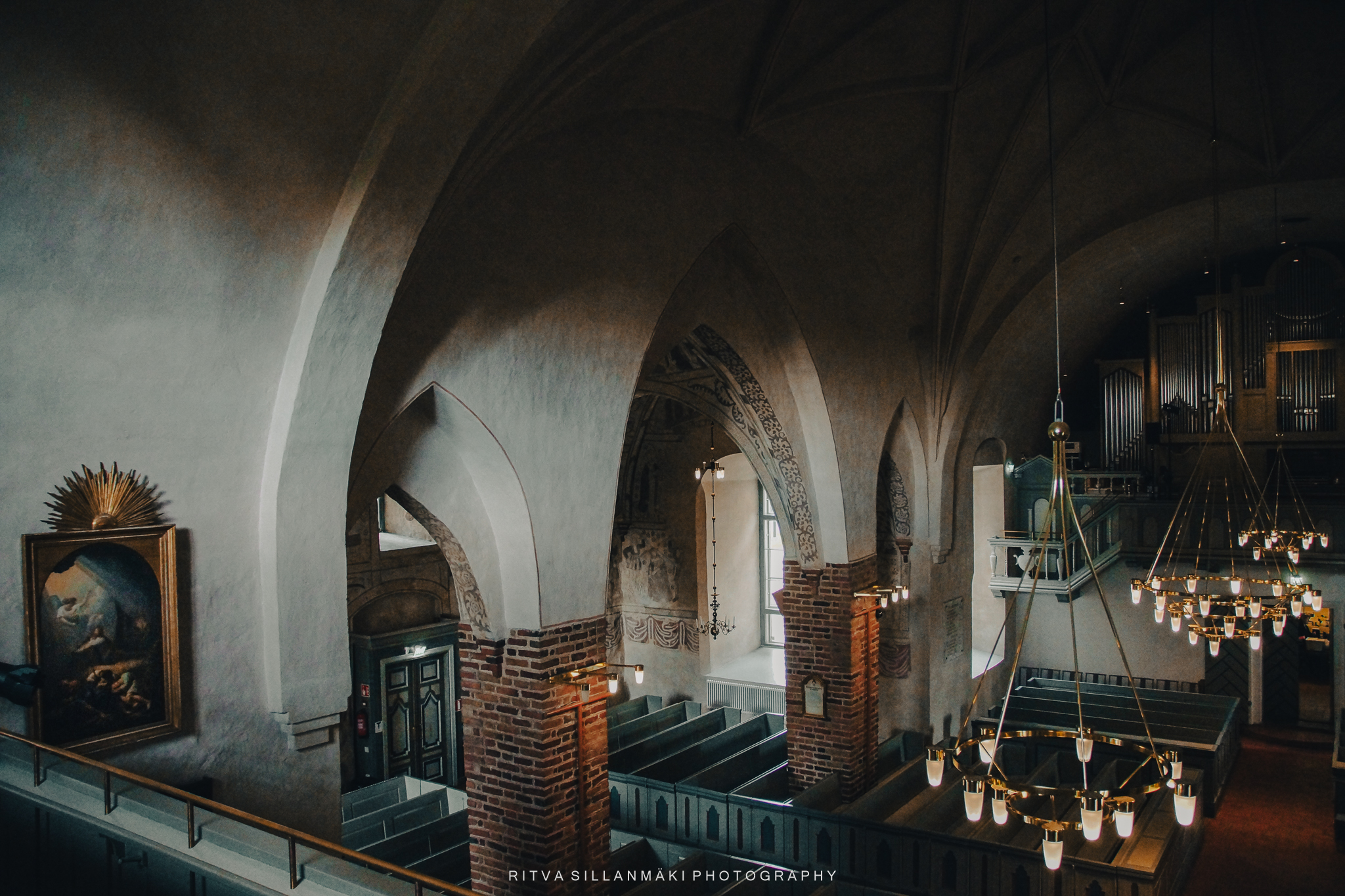
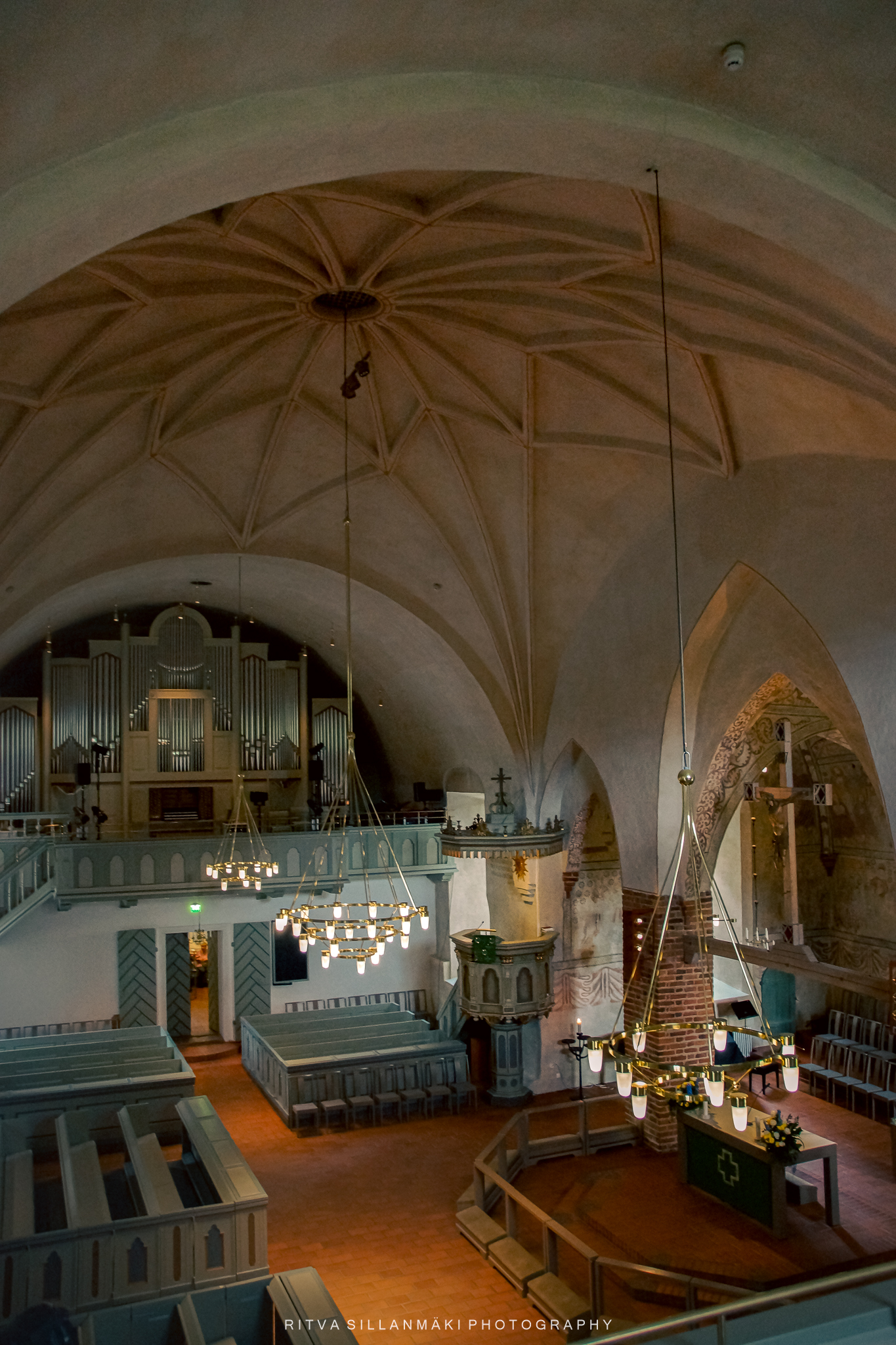
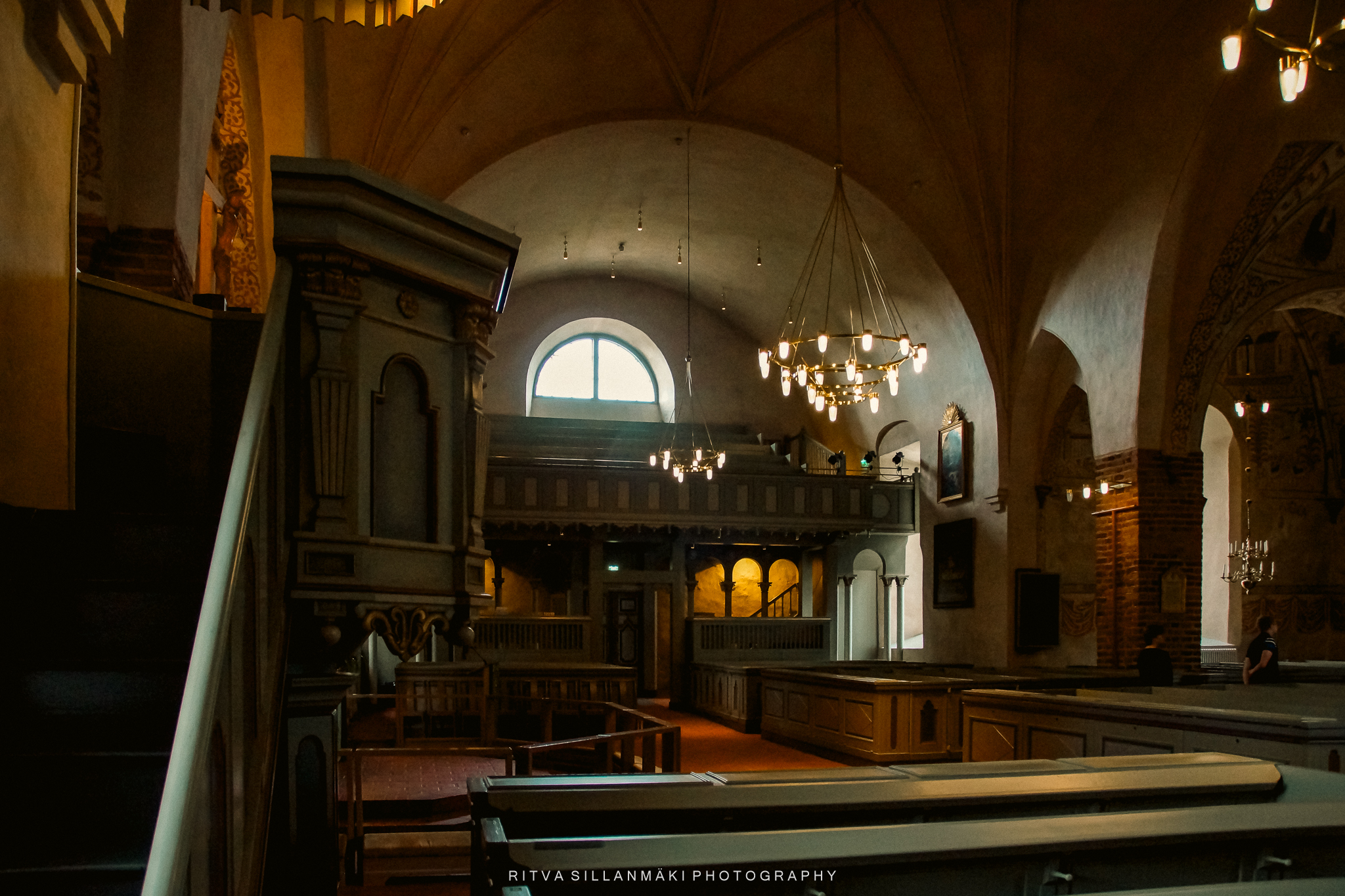
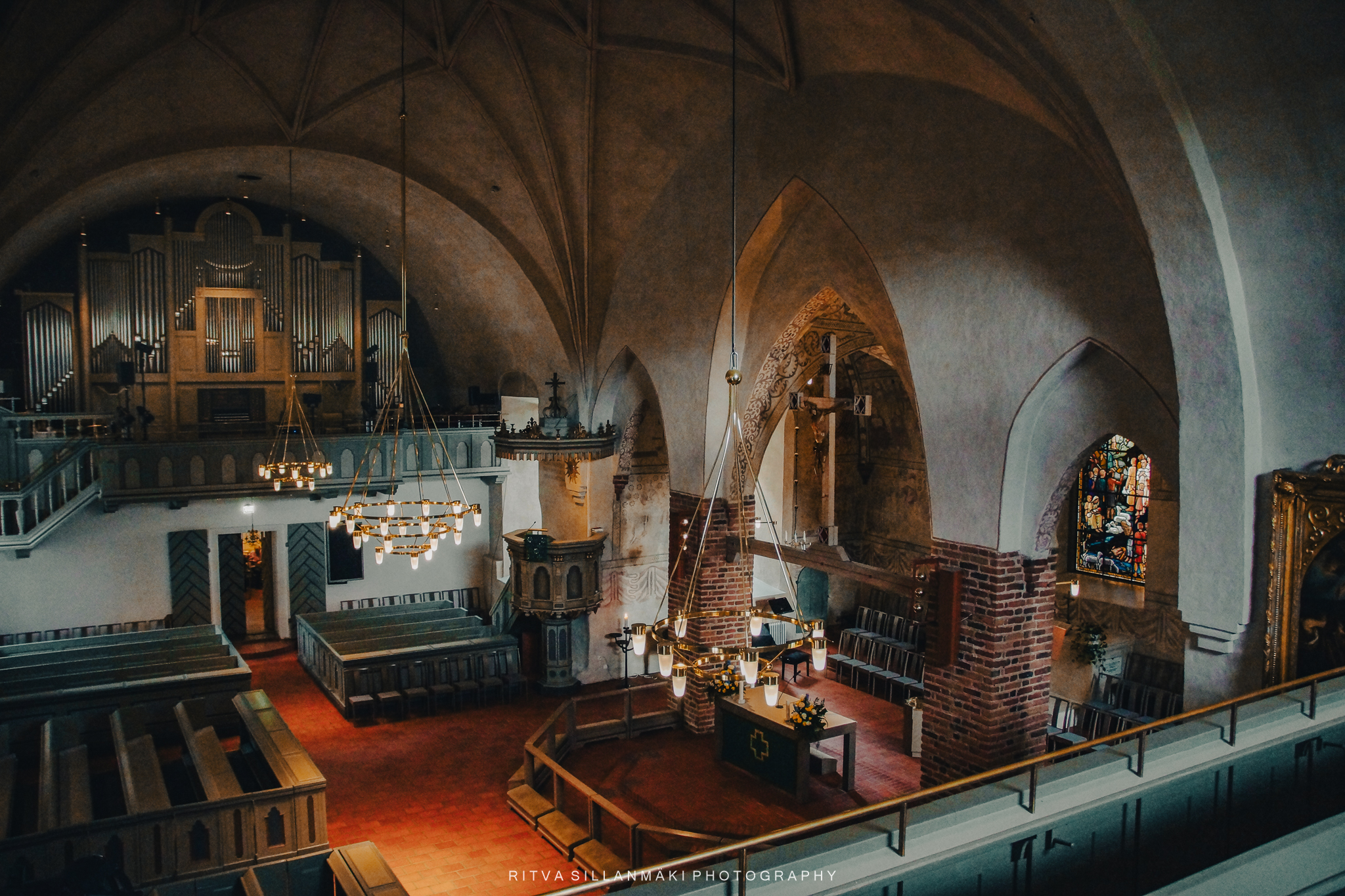
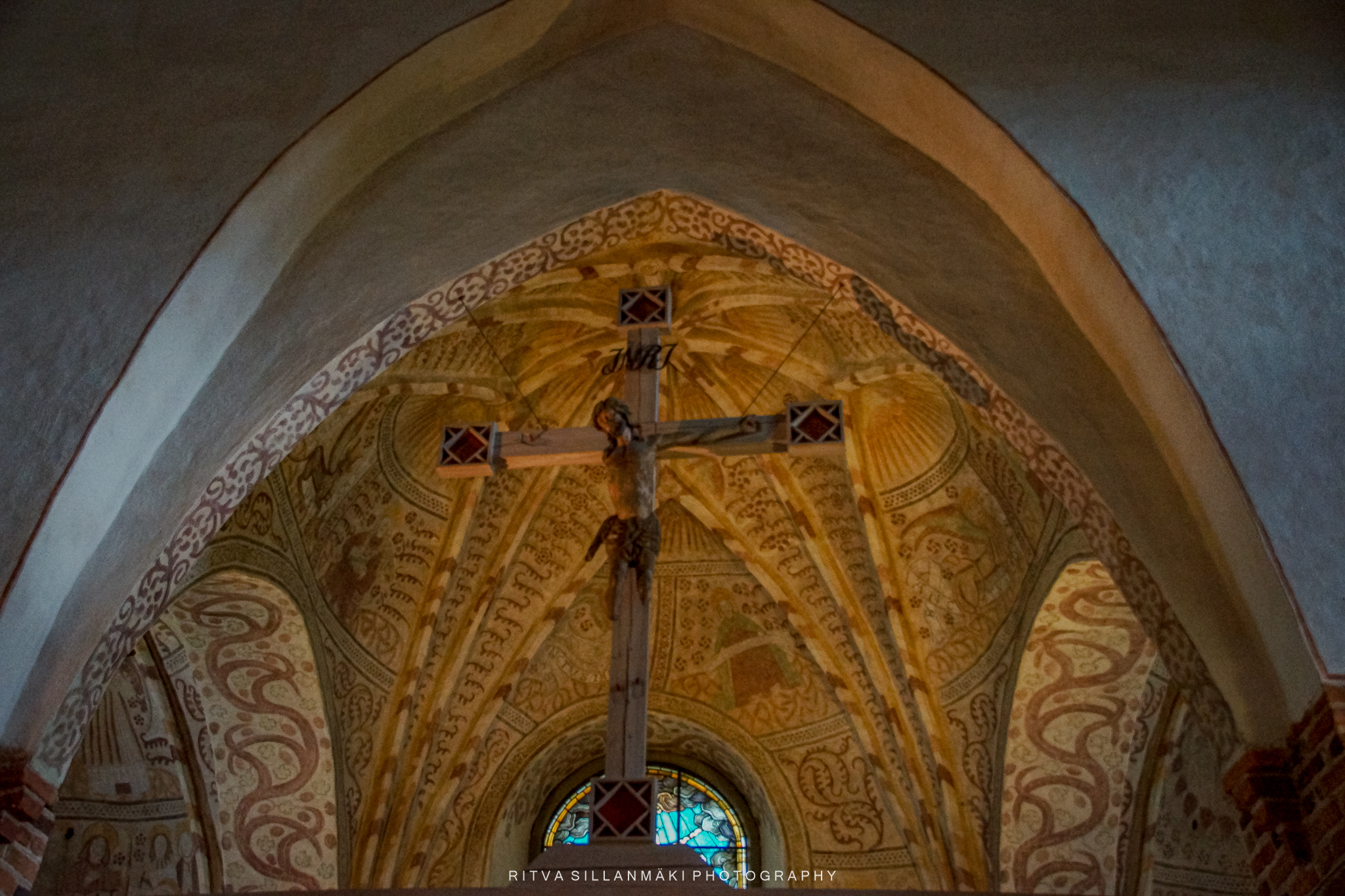
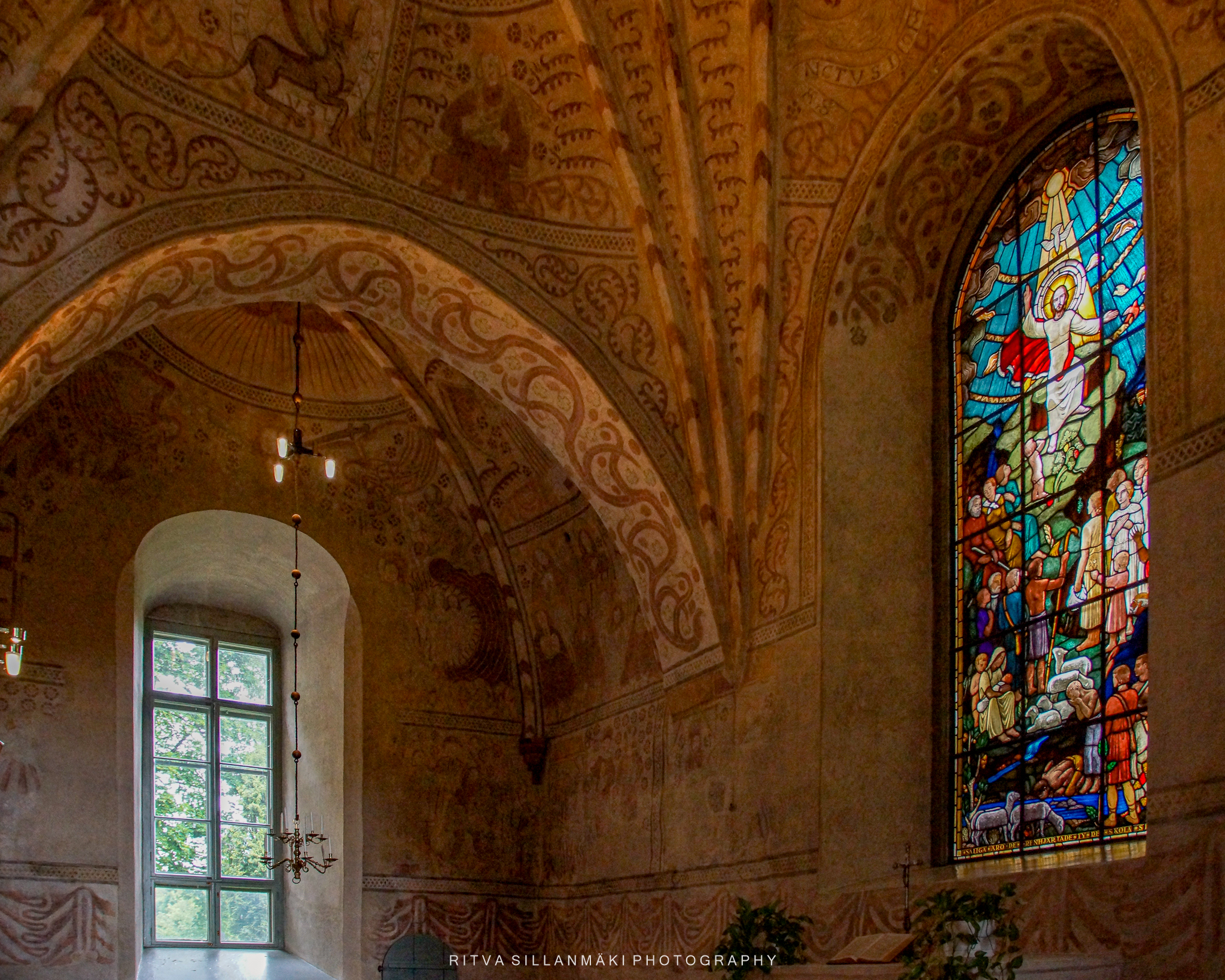
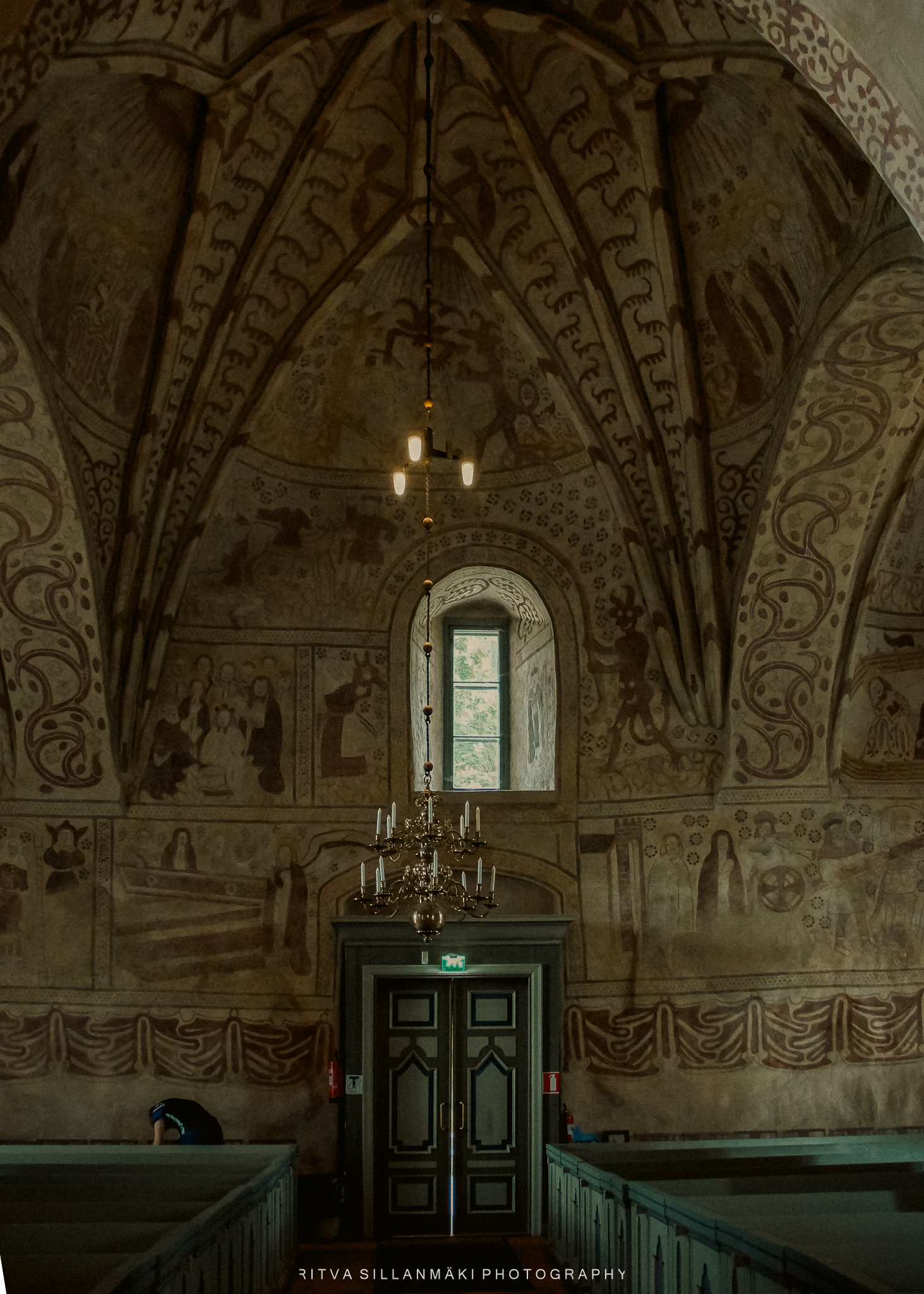
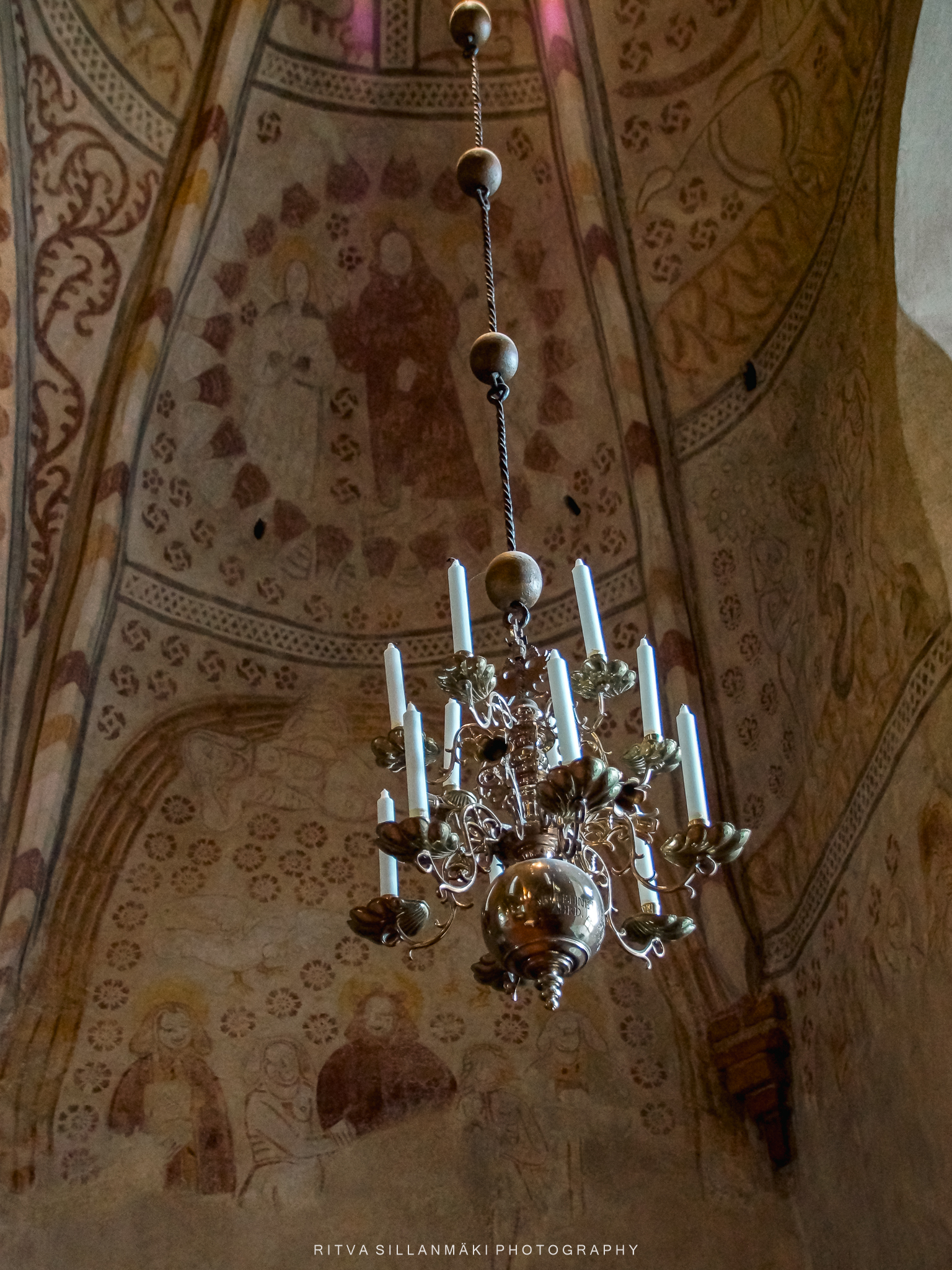
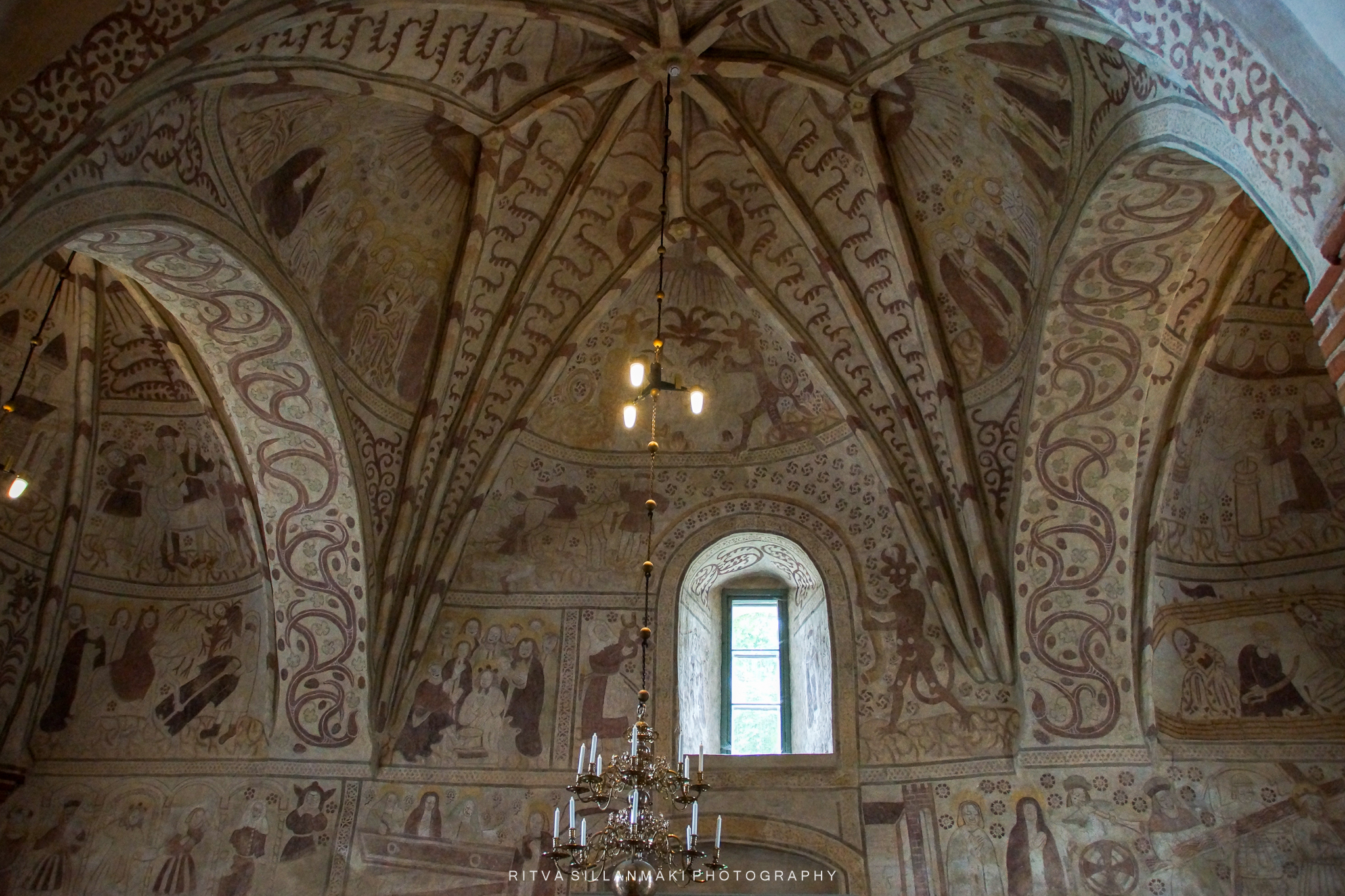
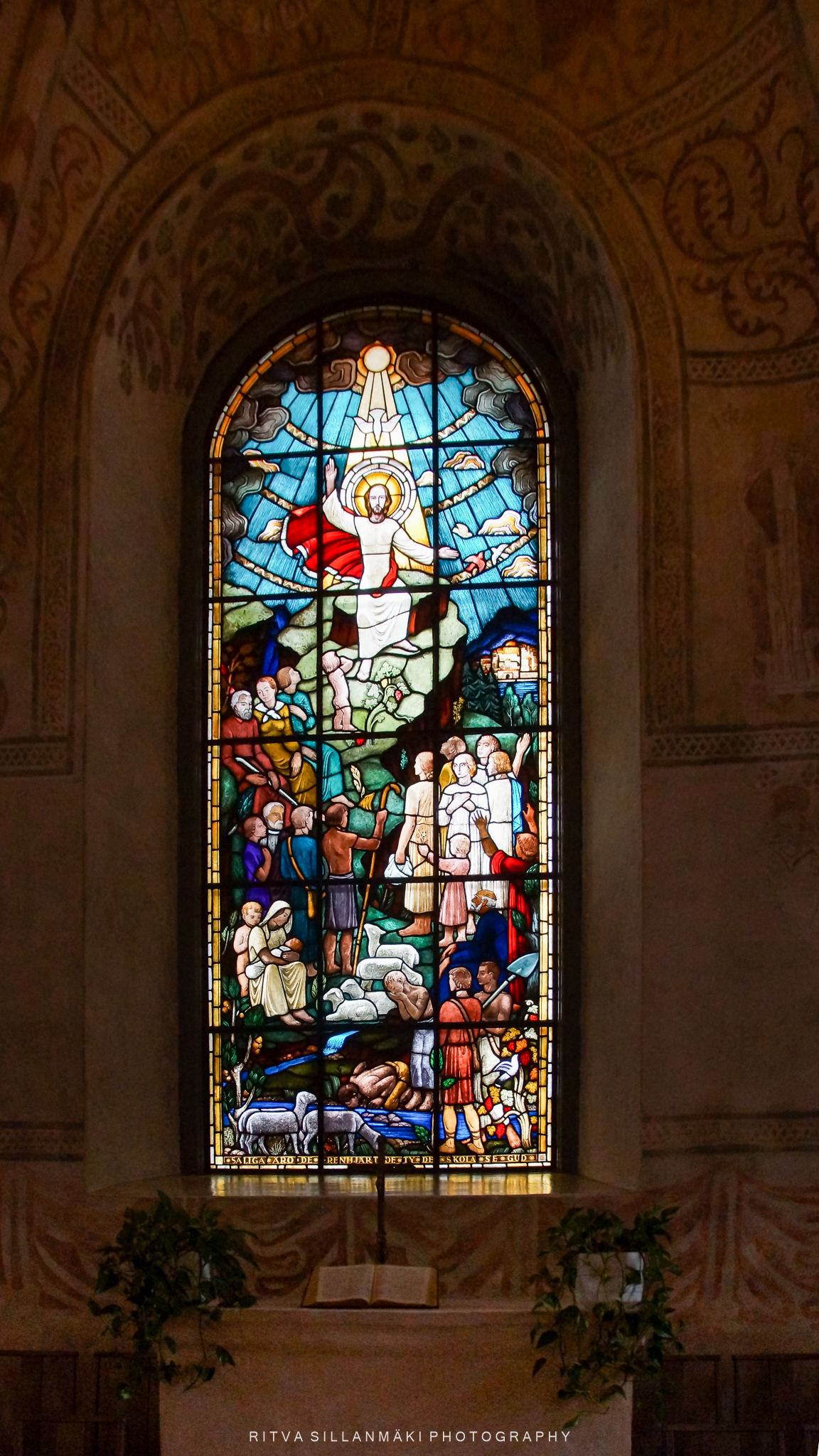
Here are some more images from this old church and a link to more information of Espoo Cathedral .
I have additional images taken, but I plan to share them separately, as I think these particular ones align well with Dan’s theme. I’m aware that people often overlook images when there are too many of them, which has been a common mistake in many of my earlier posts. I really strive to thoughtfully select and limit the number of images I include. Hopefully, I can keep the attention and ensure that every image adds value to the story, creating a more deliberate and enjoyable experience as they explore the content.
The church was crafted in the late 15th century by an anonymous “Espoo master” and constructed between 1485 and 1490 under his guidance. The only remnants of the medieval structure are the eastern and western sections of the nave. The armory was dismantled from 1804 to 1806, and several other portions of the church, including the original sacristy, were taken apart between 1821 and 1823 when the edifice was transformed into a larger cruciform layout.
Click the galleries to see the photos more clearly, that is if you are looking at them on your computer as most of my followers are, I saw in the stats that the number is 82% ☺
The vaults and walls of the older sections of the cathedral feature murals, predominantly painted in the 1510s, showcasing both biblical narratives and scenes from everyday life. These paintings were concealed in the 18th century due to perceptions of being “crude and superstitious,” but were exposed and restored during renovations in 1931. The current campanile of the cathedral was finalized in 1767, with its upper section remodeled between 1868 and 1869.
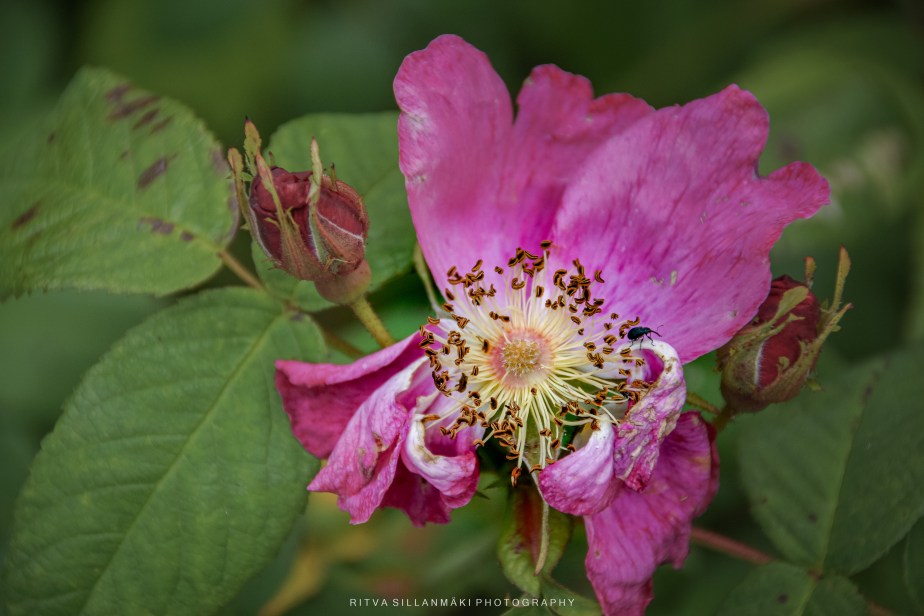
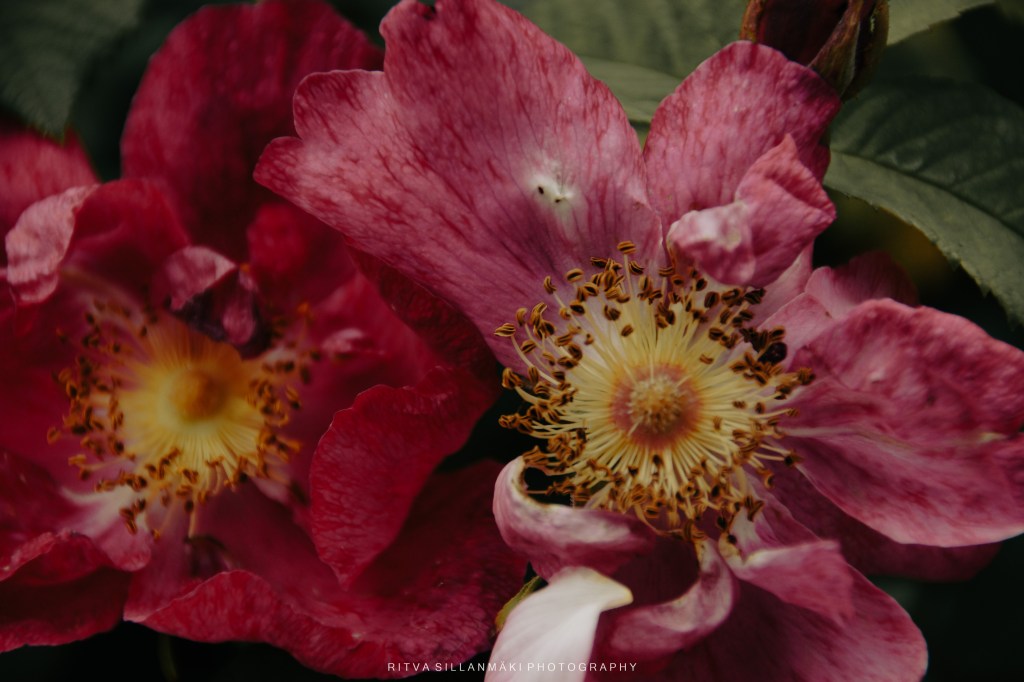
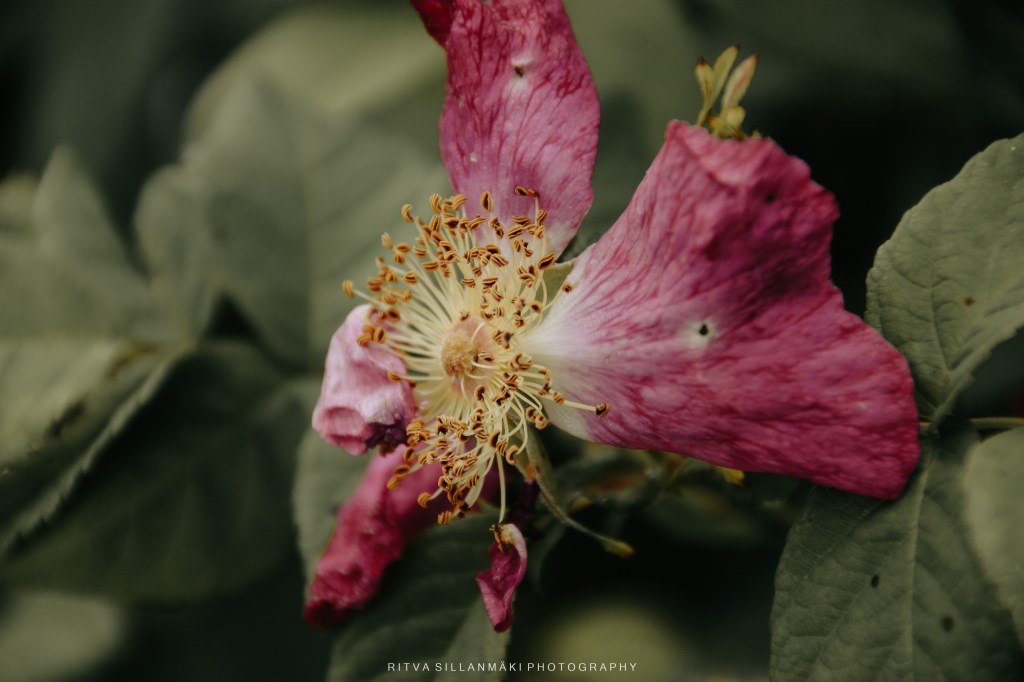
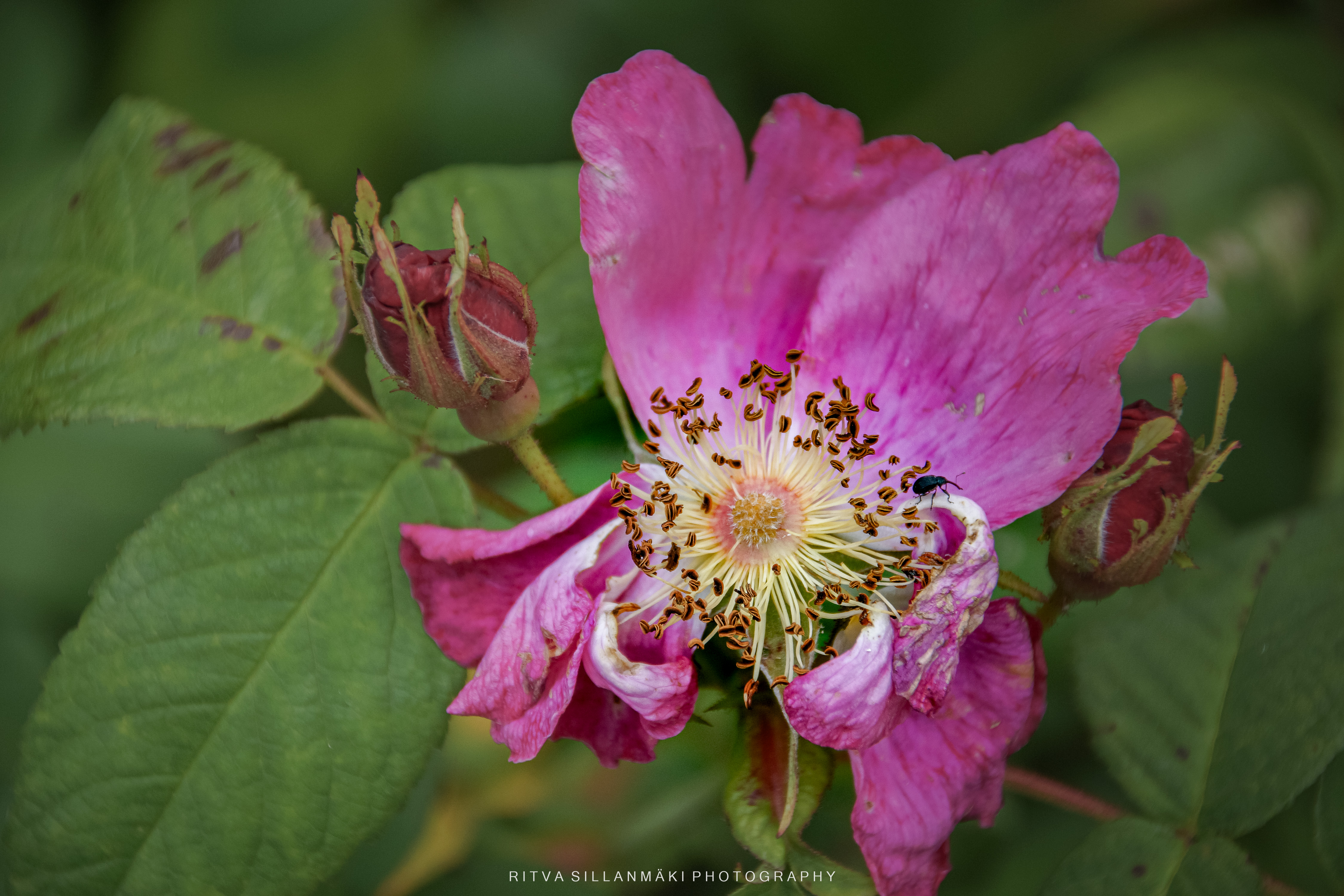
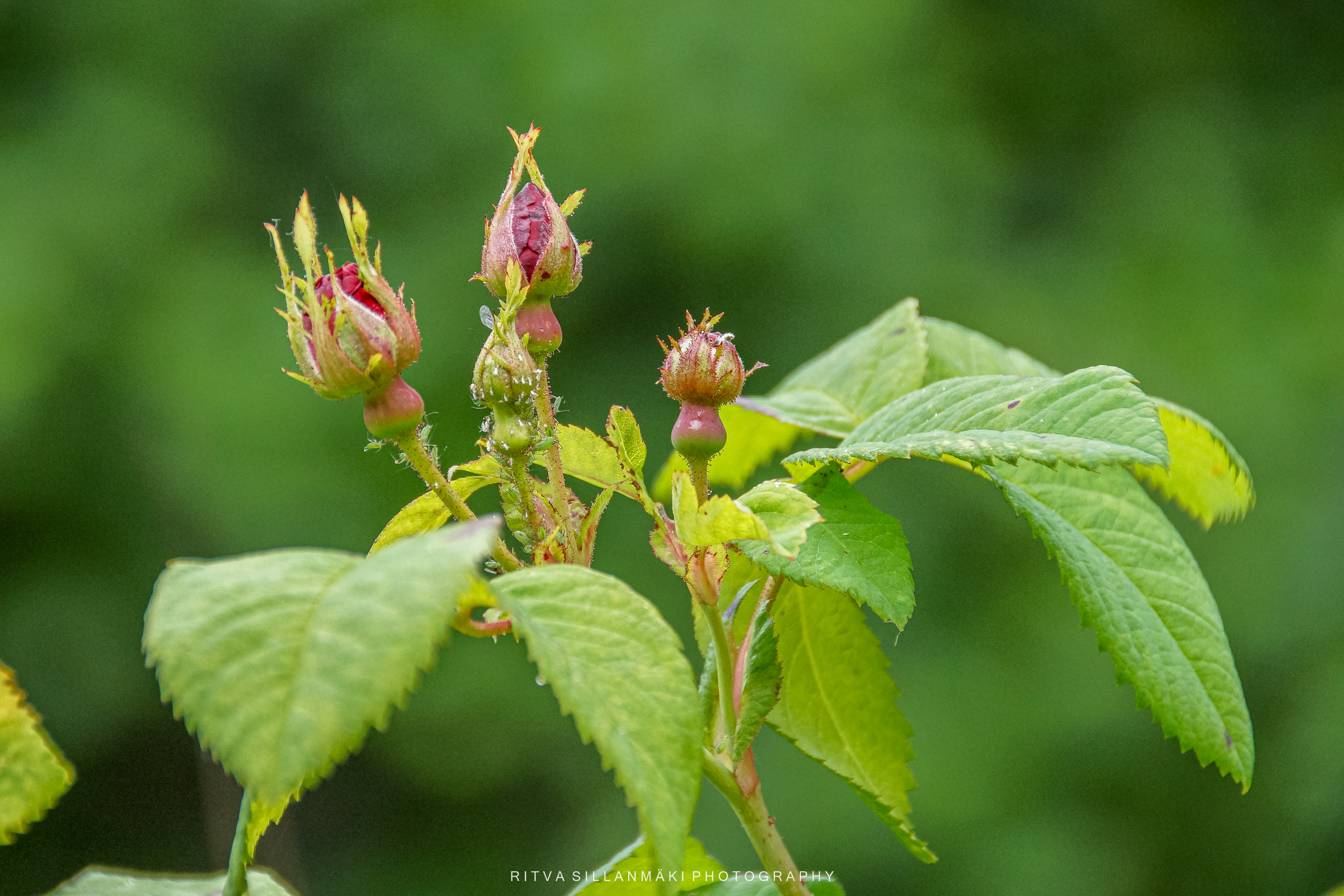
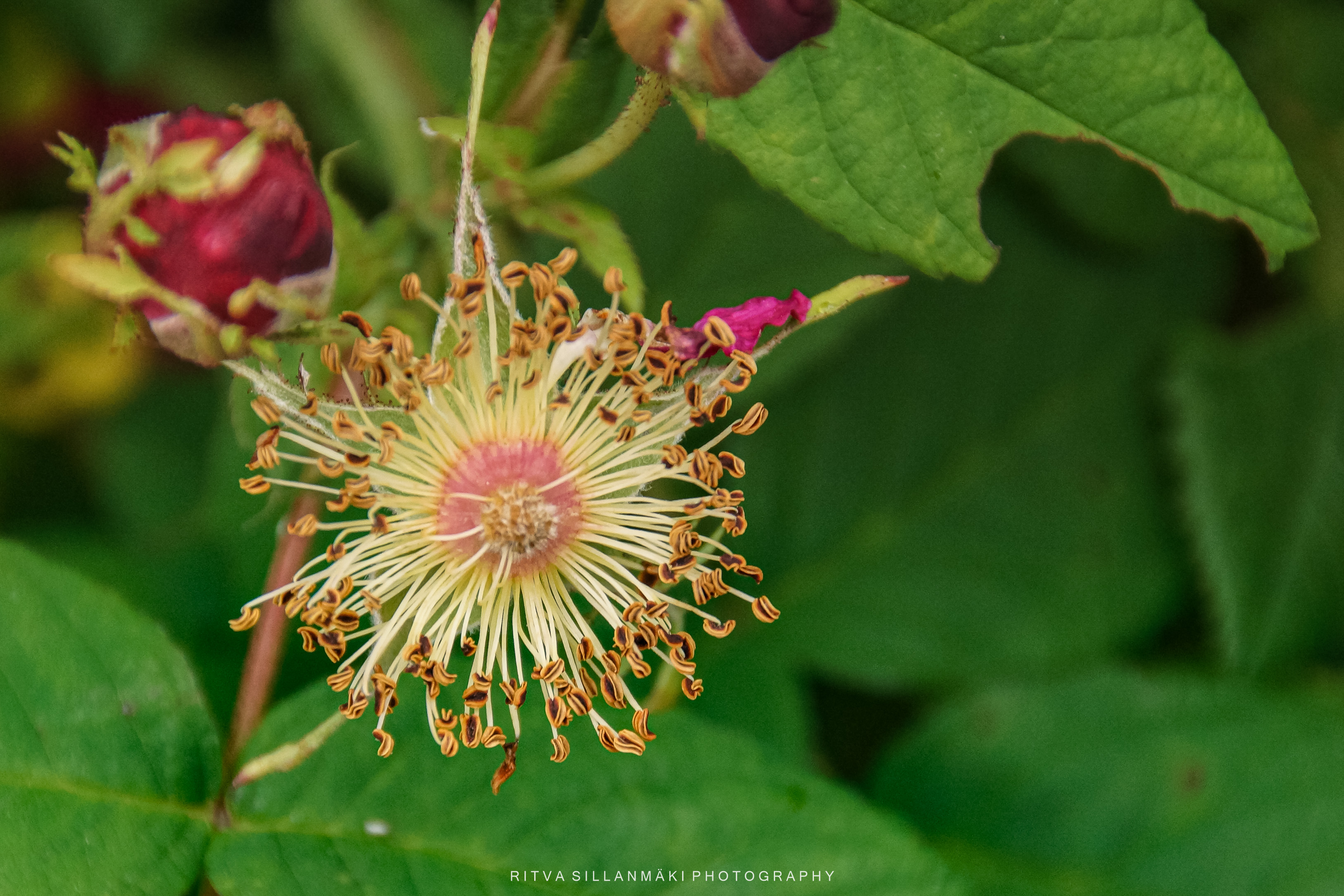
We have snow blanketing the ground and evergreens standing tall at the moment that I could photograph. Right now, I have no fresh flowers in the vase to add a splash of color. However, while sifting through my old photos, I stumbled upon these shots of roses from my visit to the Espoo Cathedral several years ago; there were several flowers to photograph They are not at their peek, but sometimes even the decay looks good. Nowadays these flowers are to be eradicated, but my images were captured before that suggestion was made. I took a bit of editing liberties with the first two images to enhance their vibrant hues and textures, hoping to capture the essence of those fleeting moments when nature’s beauty takes center stage.
Flowers with intricate details.
Why should we eradicate the rugosa rose?
The rugosa rose (Rosa rugosa) is classified as an invasive species under Finnish legislation, and its spread must be prevented and populations eradicated. The cultivation of the rugosa rose and its white-flowered form (Rosa rugosa f. alba) is prohibited as of June 1, 2022.
Rosa rugosa in English is commonly called Rugosa Rose, Japanese Rose, Beach Rose, or Ramanas Rose, known for its tough, wrinkled leaves, fragrant pink/white flowers, large vitamin C-rich hips, and hardiness in coastal/harsh conditions, but it’s also an invasive species in many areas due to its vigorous spreading, making it great for hedges but needing management.
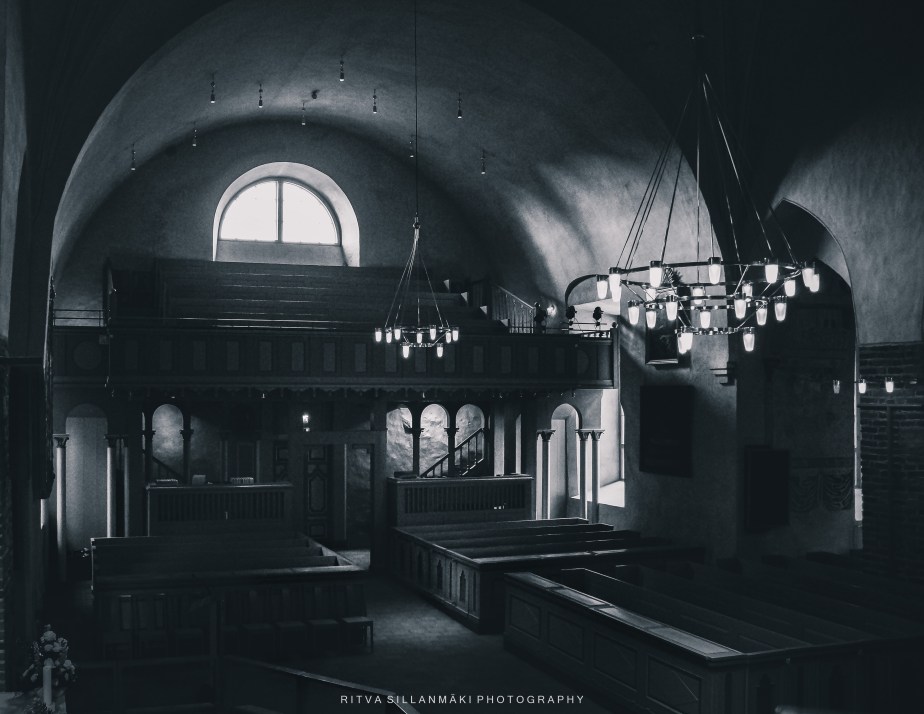
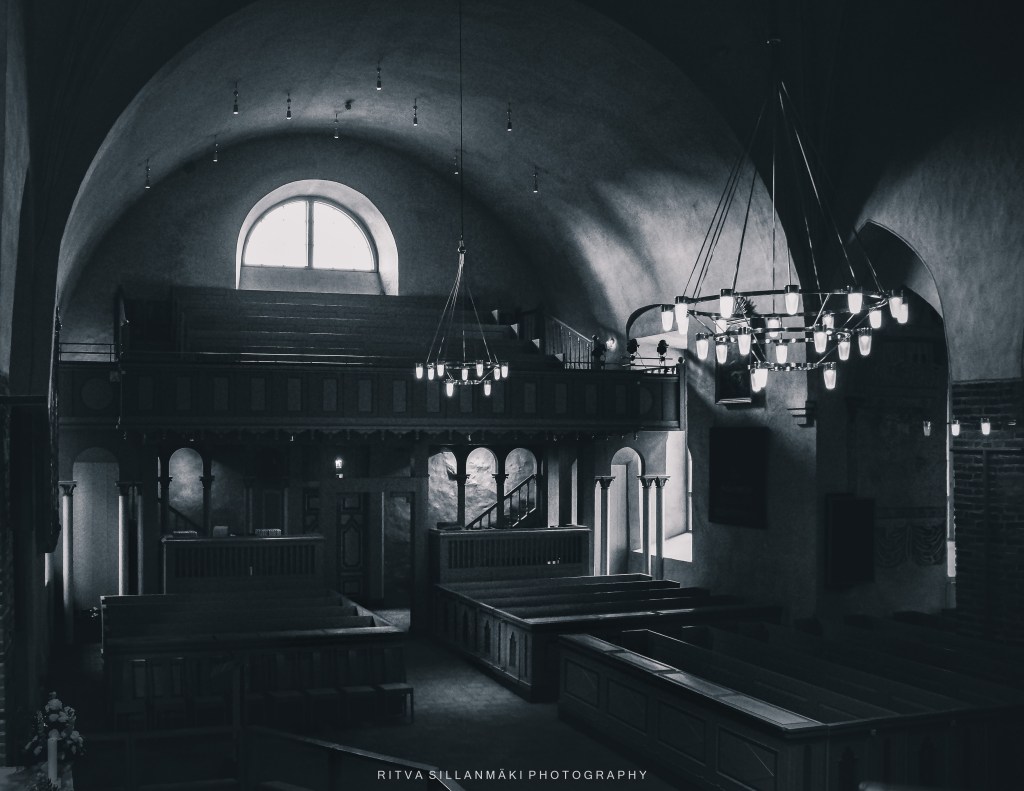
These Black and white images are from Espoon tuomiokirkko , Espoo Cathedral (or simply The Old Church of Espoo) Which is the city’s oldest building, a medieval stone church built in the late 15th century and a significant landmark in Espoo, Finland. I actually had my confirmation there in the end of 1970’s.
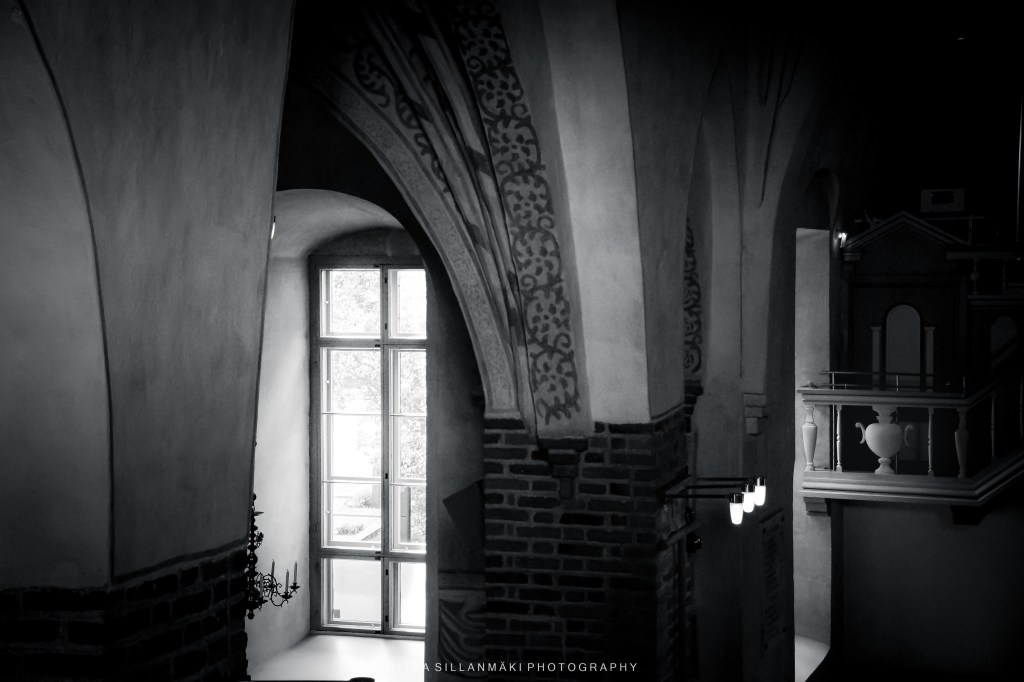
I was trying to capture more mood and how the light came into this church than all the details, even though I have to admit there are many, and I could have gone that way in the editing process. The interplay of light and shadow created a serene atmosphere that seemed to envelop the space. Additionally, the various architectural elements, from the towering arches to the intricate glass windows, added depth , highlighting the artistry involved in the design of the church. Those walls revealed something new, whether it was the soft glow illuminating the pews or the subtle play of light dancing on the stone surfaces as I looked more closely to the image. Participating in Monochrome Madness allowed me to focus more on the essence of these moments rather than getting lost in the precise details.
Interior view of Espoo Cathedral, showcasing its historic architecture in monochrome.
Interior view of Espoo Cathedral highlighting its architectural details and natural light in black and white.
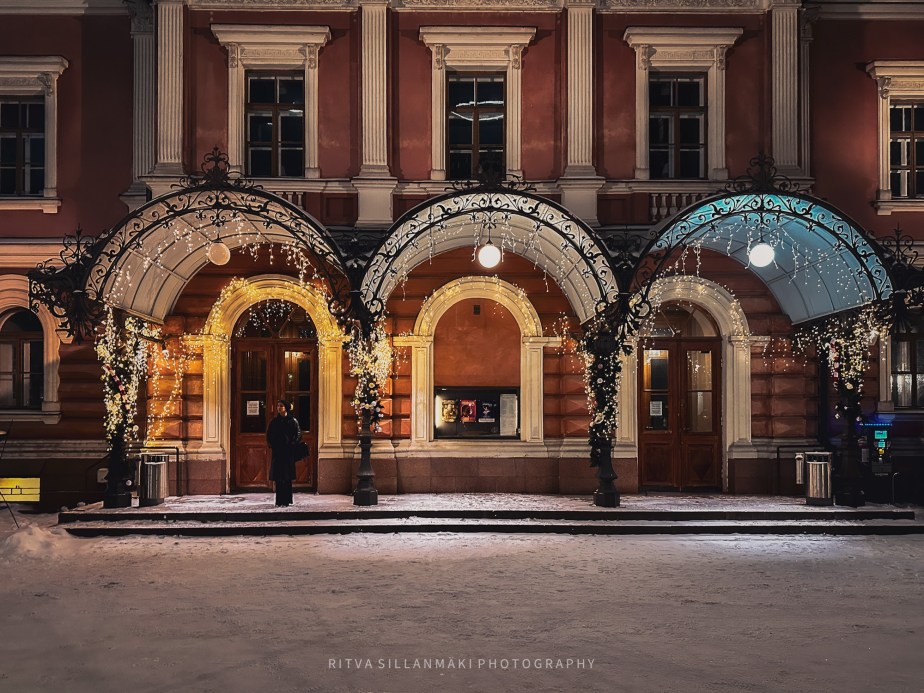
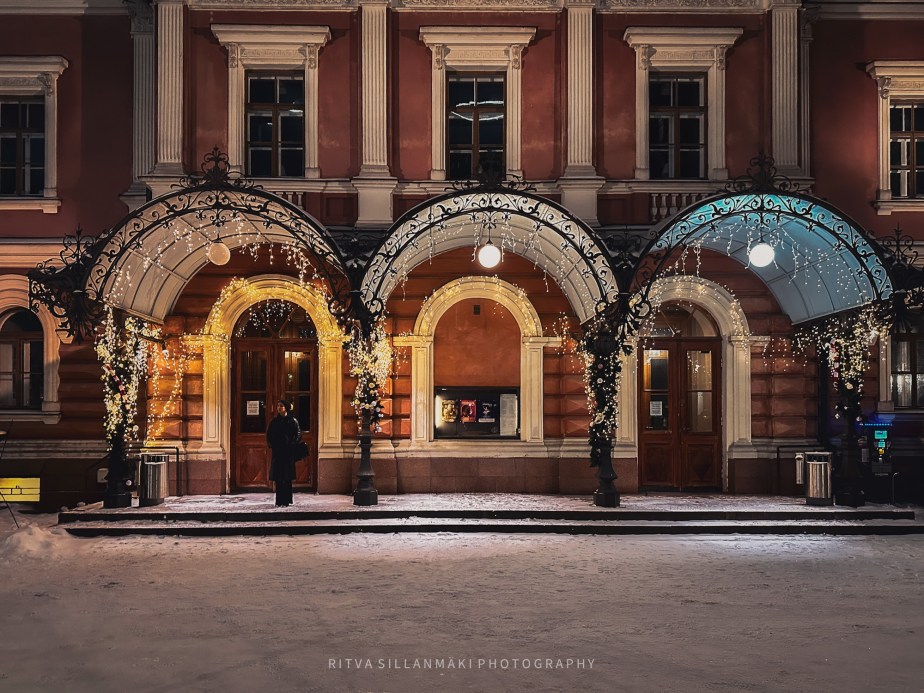
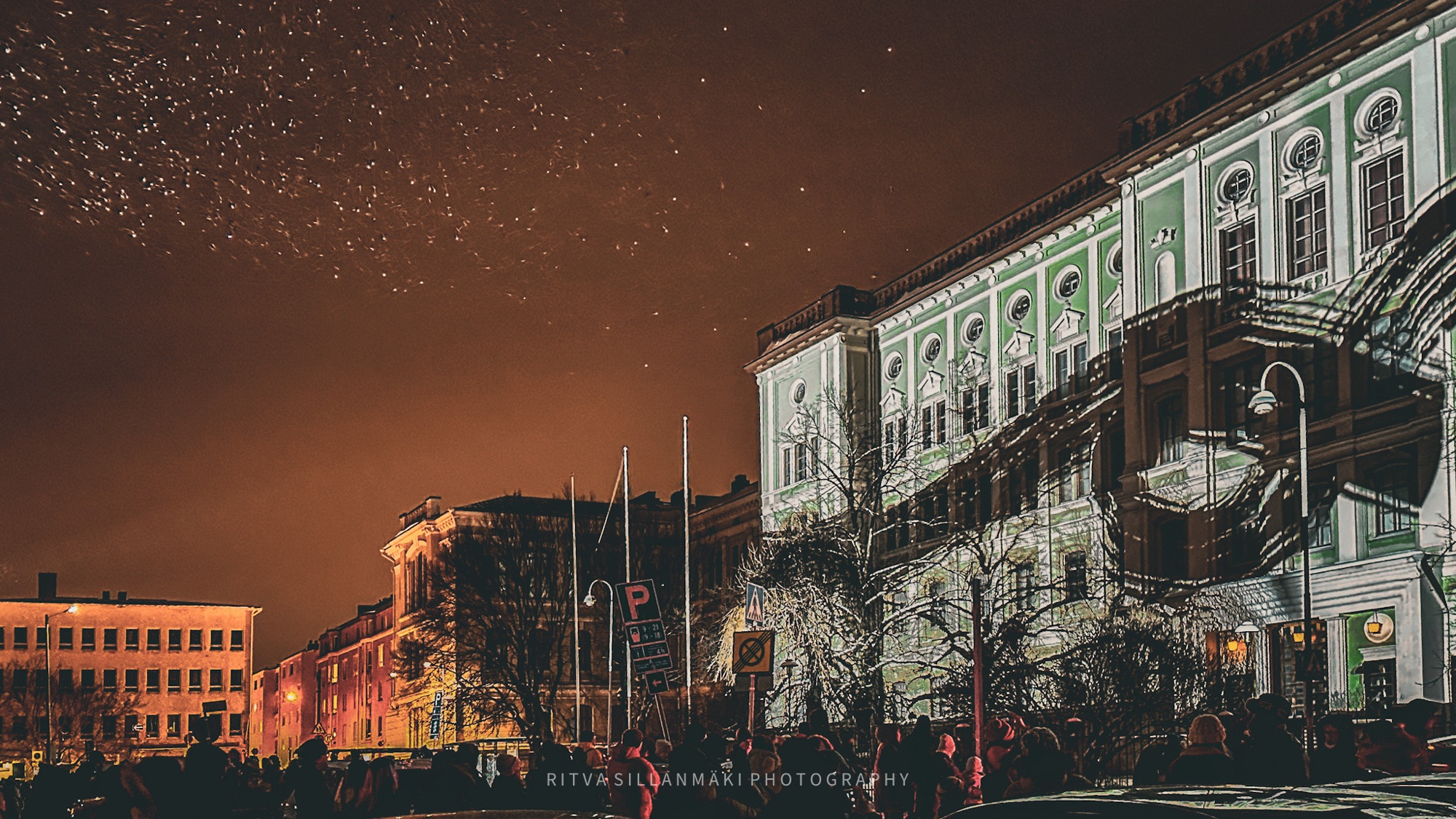
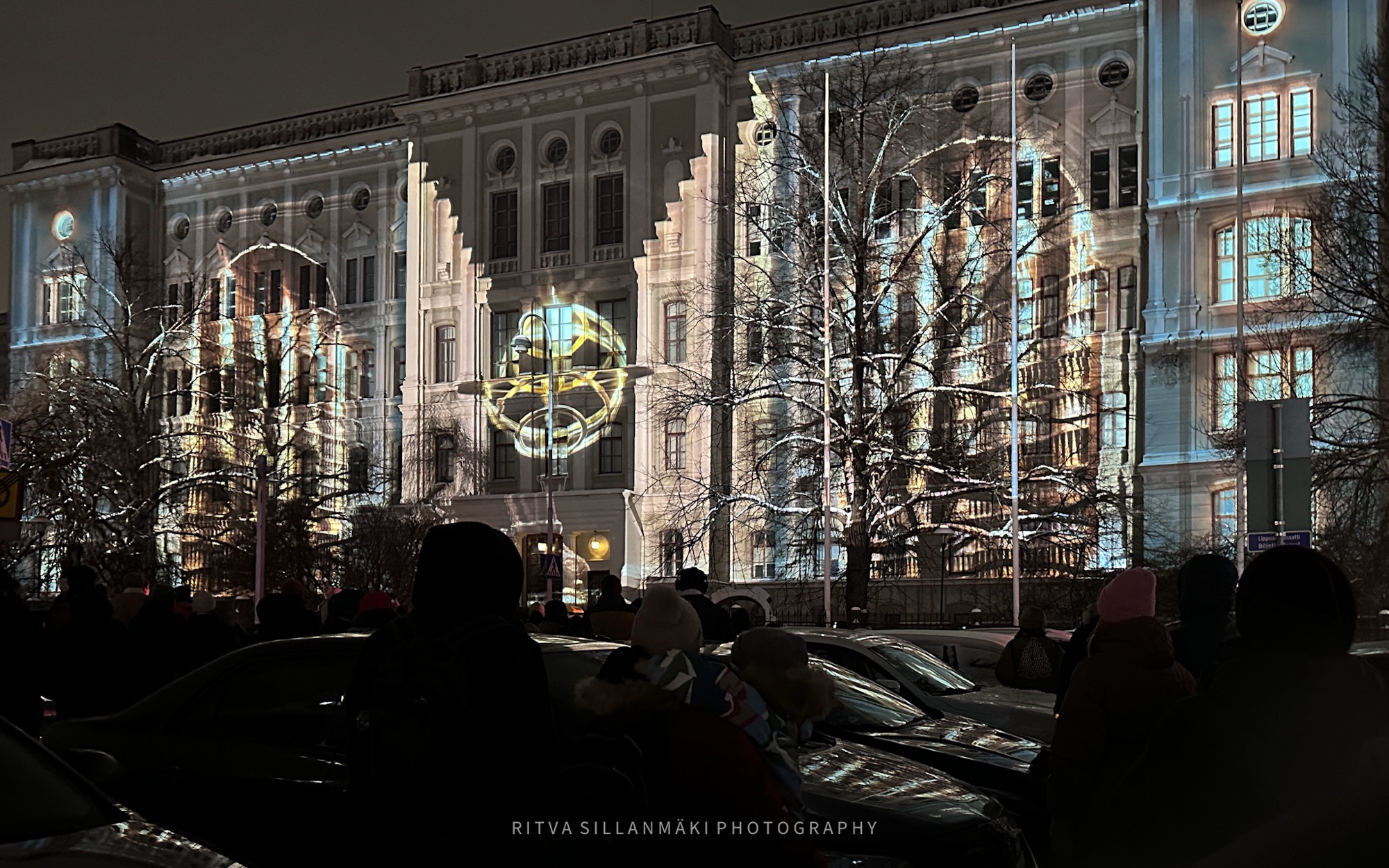
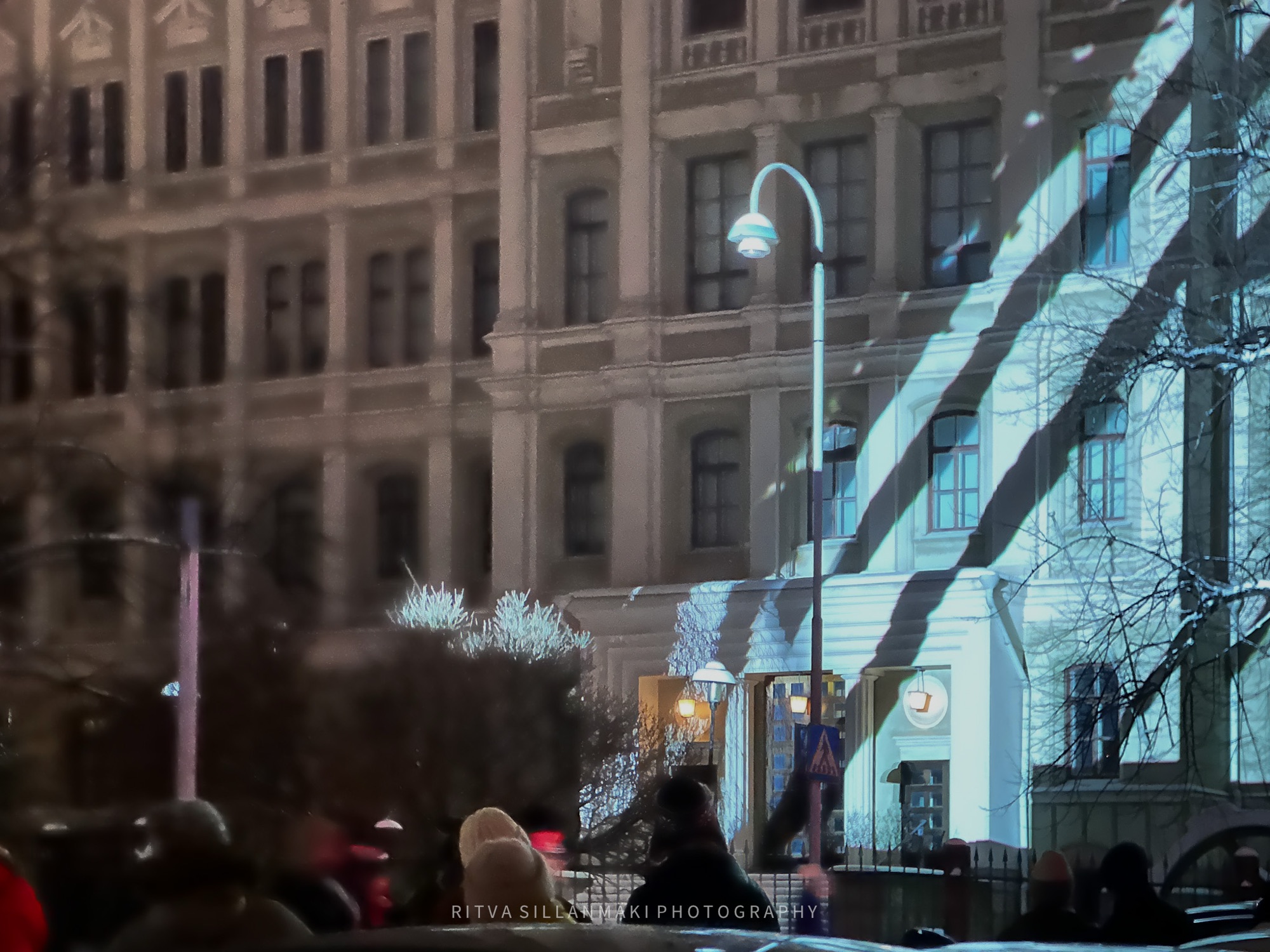
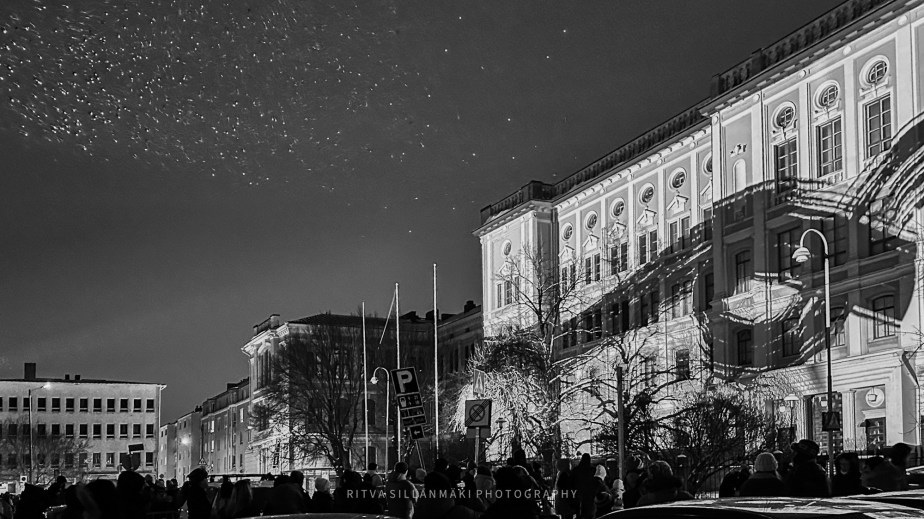
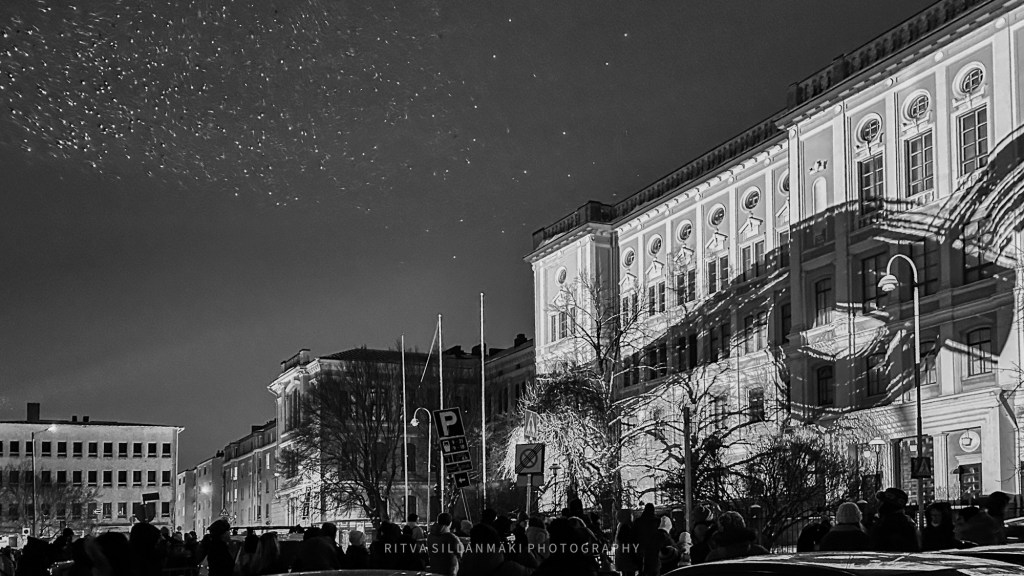
We were delighted to find parking by the Alexander Theatre as all the streets were packed with cars due to LUX Helsinki, which we also came to see. So obviously I was going to take a photograph of it, for some reason I thought I might have use for it. This building has been a cornerstone of Helsinki’s cultural scene. Today, it provides outstanding facilities for various events, including concerts, theatrical productions, and dance performances, making it an ideal venue for visiting groups.
The beautifully illuminated entrance of the Alexander Theatre, a significant cultural venue in Helsinki, adorned with festive decorations and snow.
A brief history of the building:
In the early decades of the 1800s, theatre troupes from Sweden, Estonia and Russia and also from Italy and Germany visited Helsinki. But this changed when Nikolai Adlerberg became the Governor General of Finland and established a Russian Theatre with a grant he organised from the Tsar’s funds.
Construction began in April 1876 and was completed in 1879. Originally the AlexanderTheatre was to serve the local Russian garrison. The bricks for the decorative building were transported all the way from Åland. The National Theatre and Opera companies moved to the building in 1918 and the National Opera remained on the premises until 1993, when they moved to the new Opera House on the Toolo bay. For this reason, AlexanderTheatre, the Old Opera House, is an important part of Finnish cultural history. Text from AlexanderTheatre page.
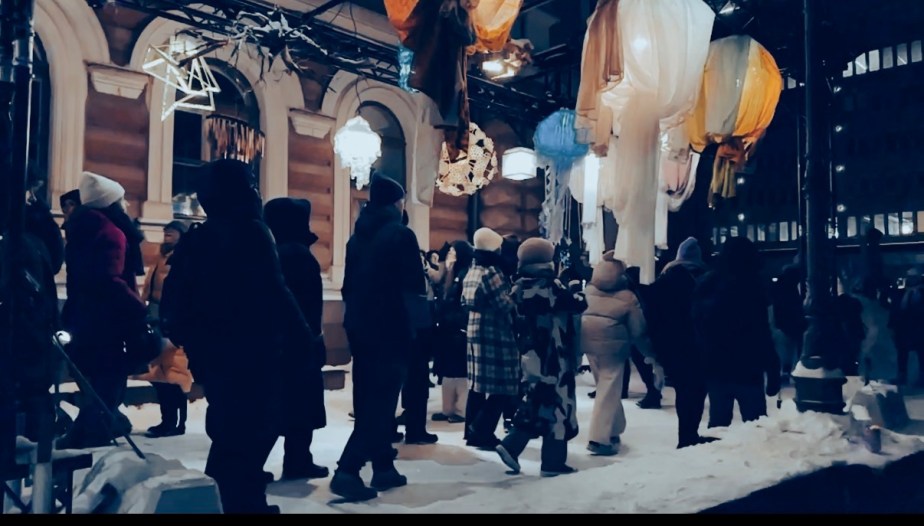
People enjoying the festive atmosphere at LUX Helsinki, with colorful decorations hanging above them.
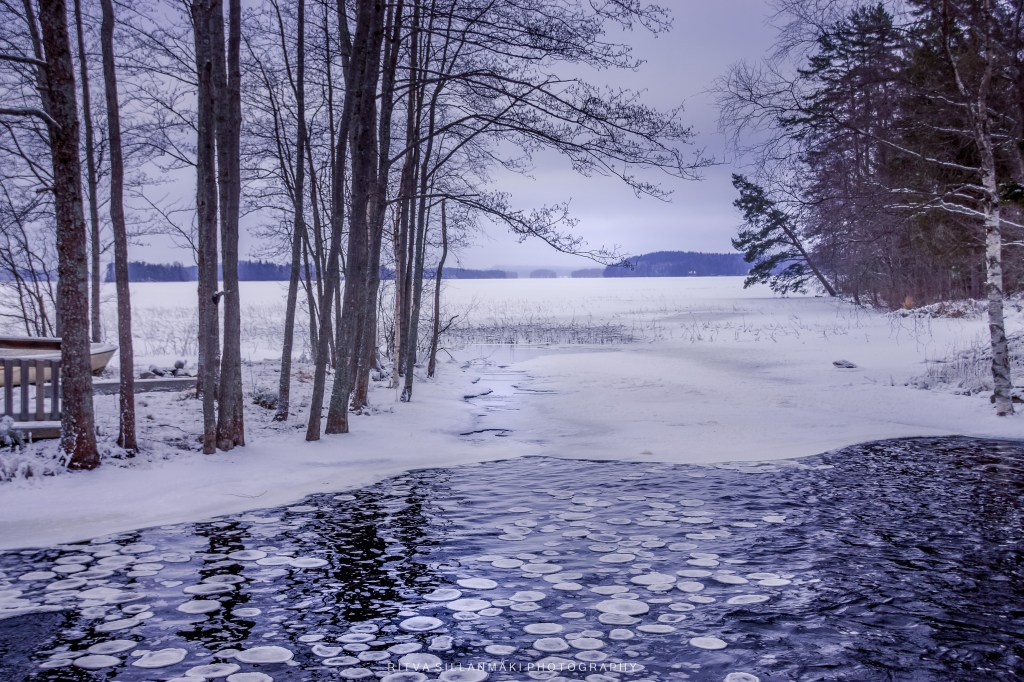
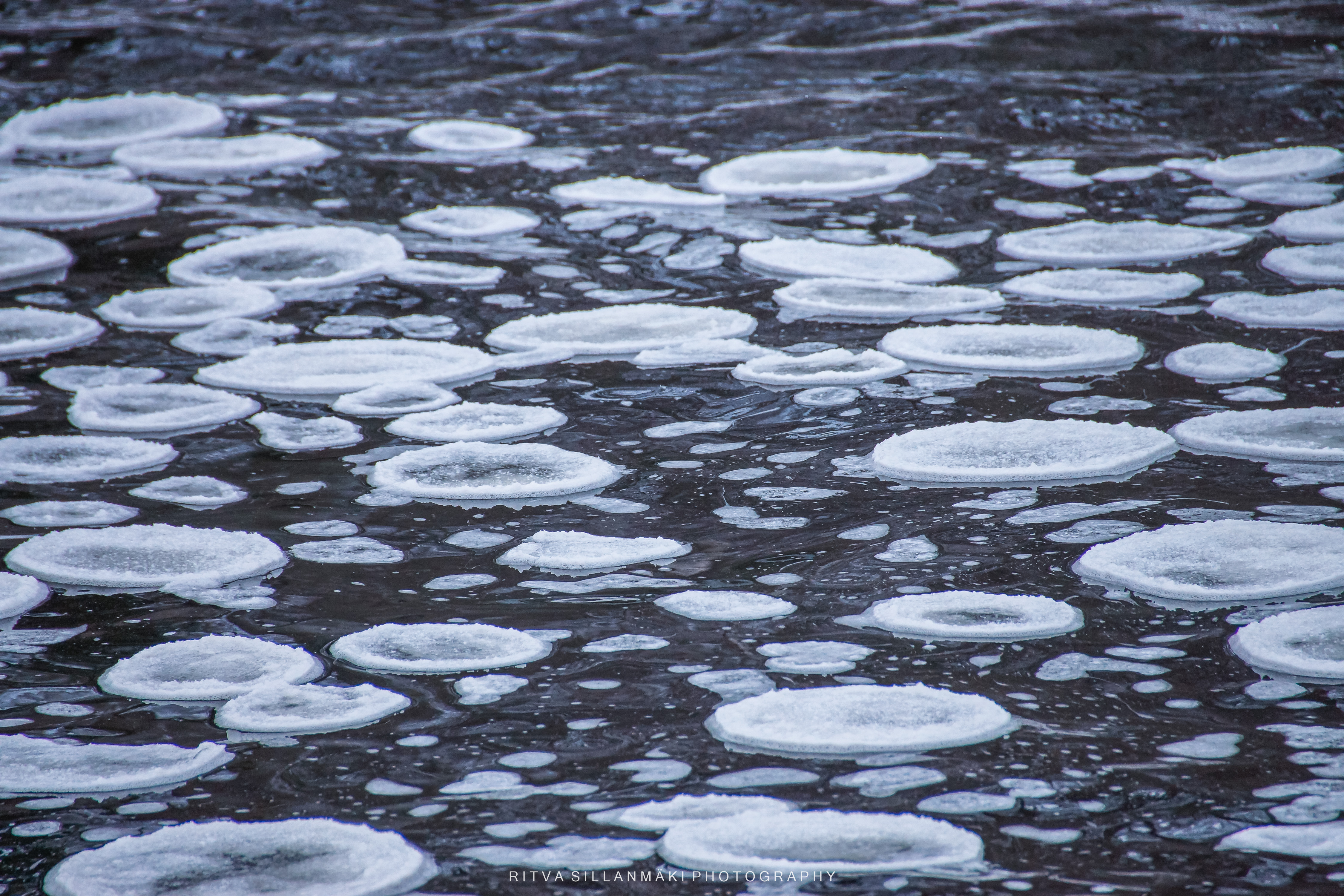
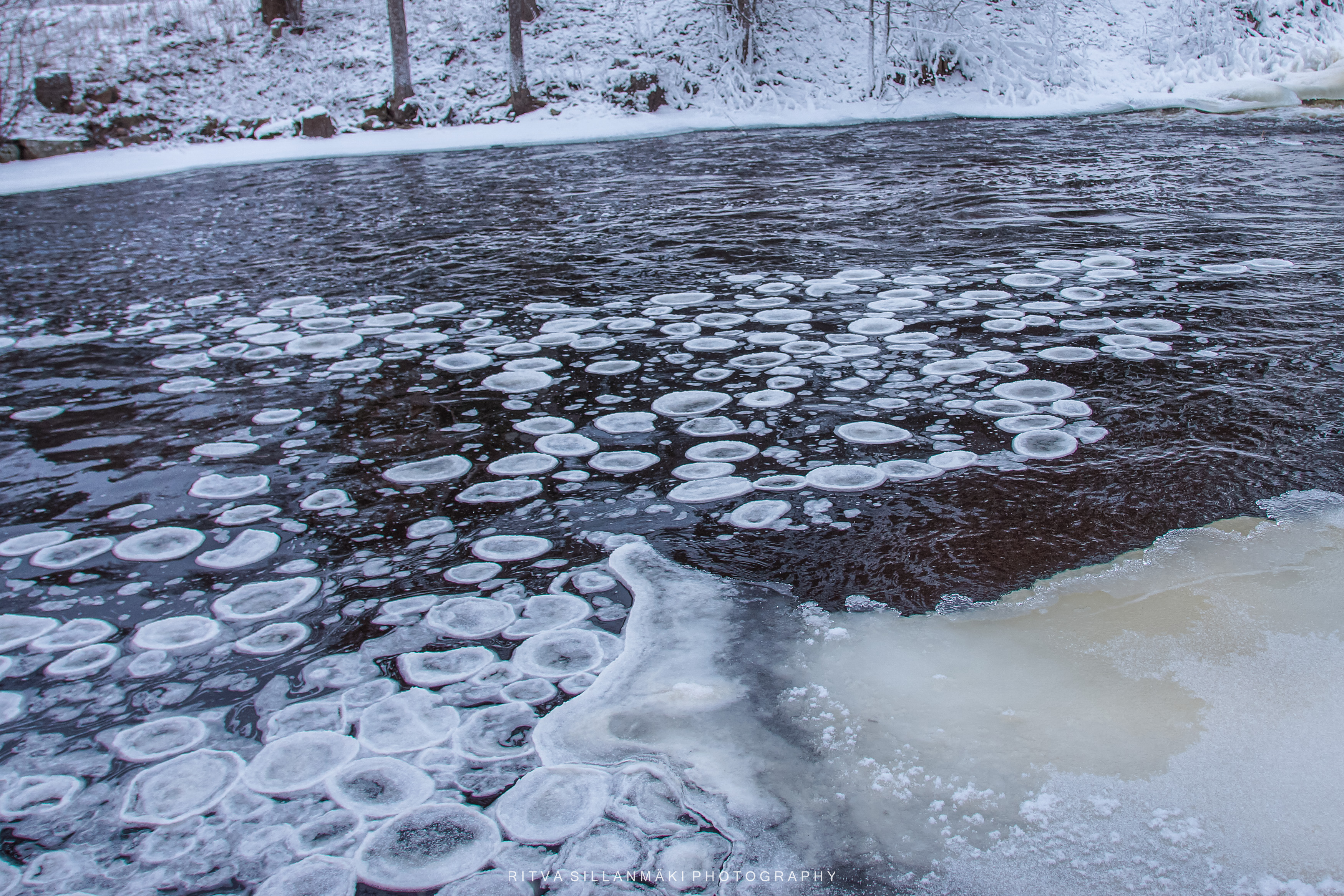
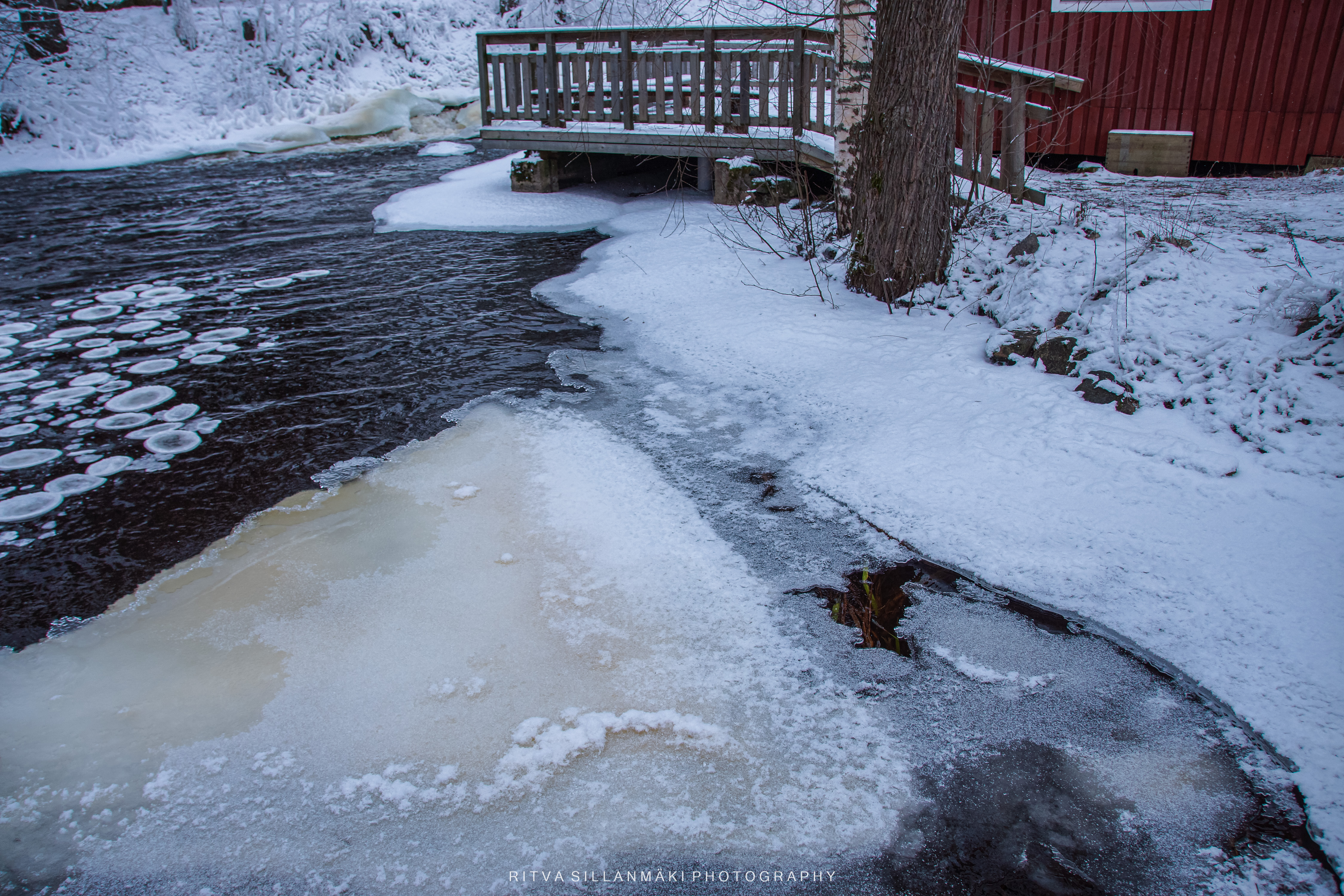
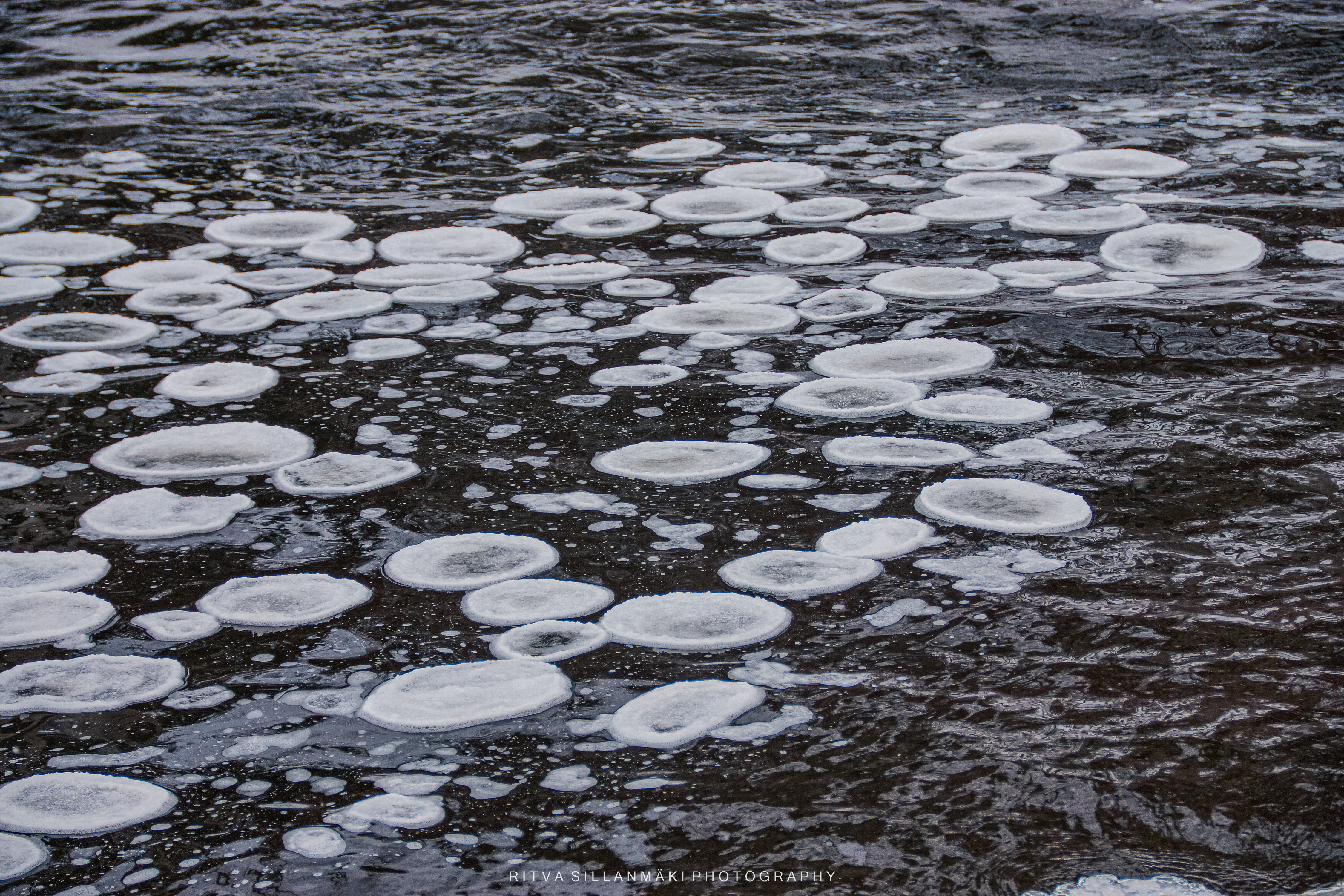
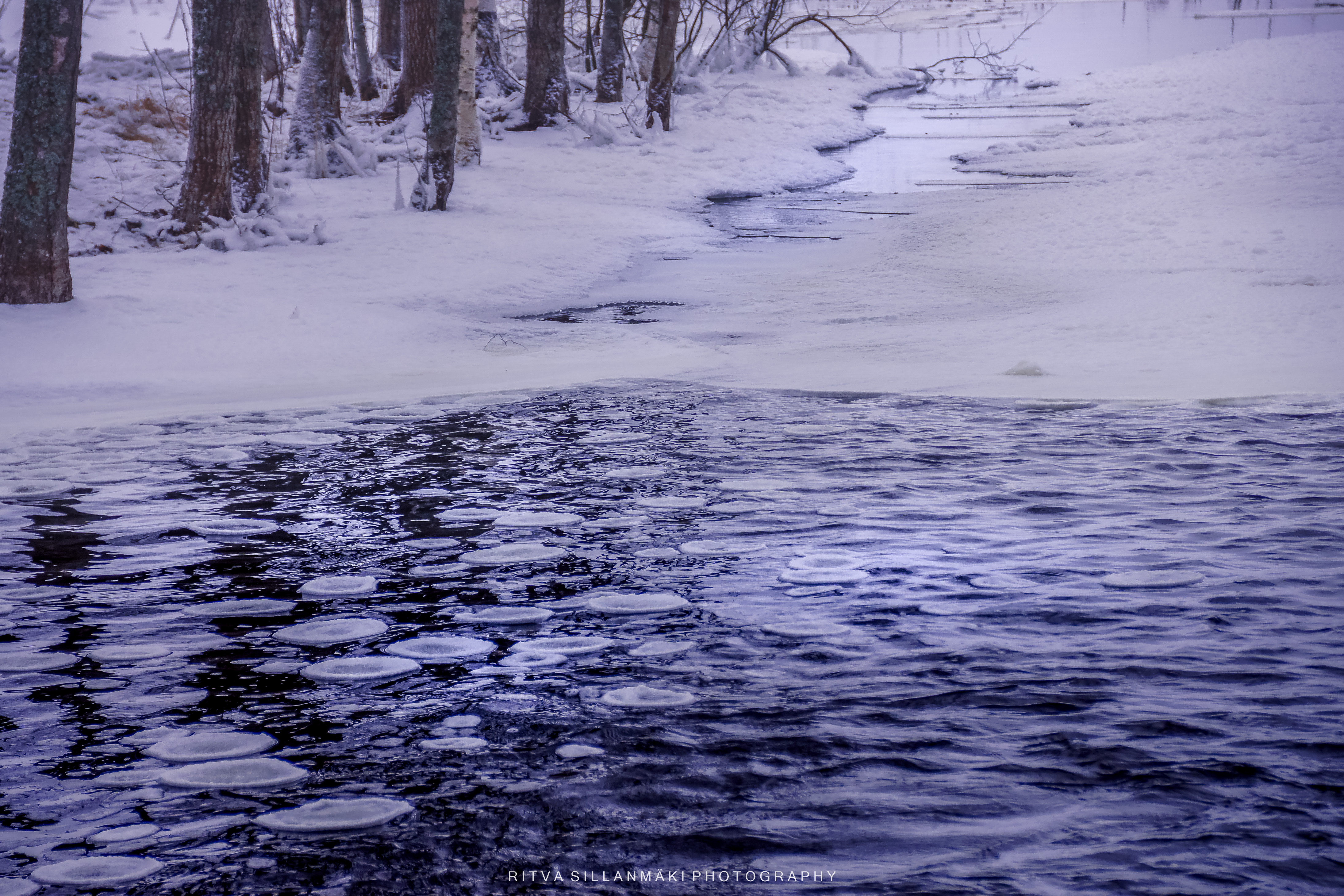
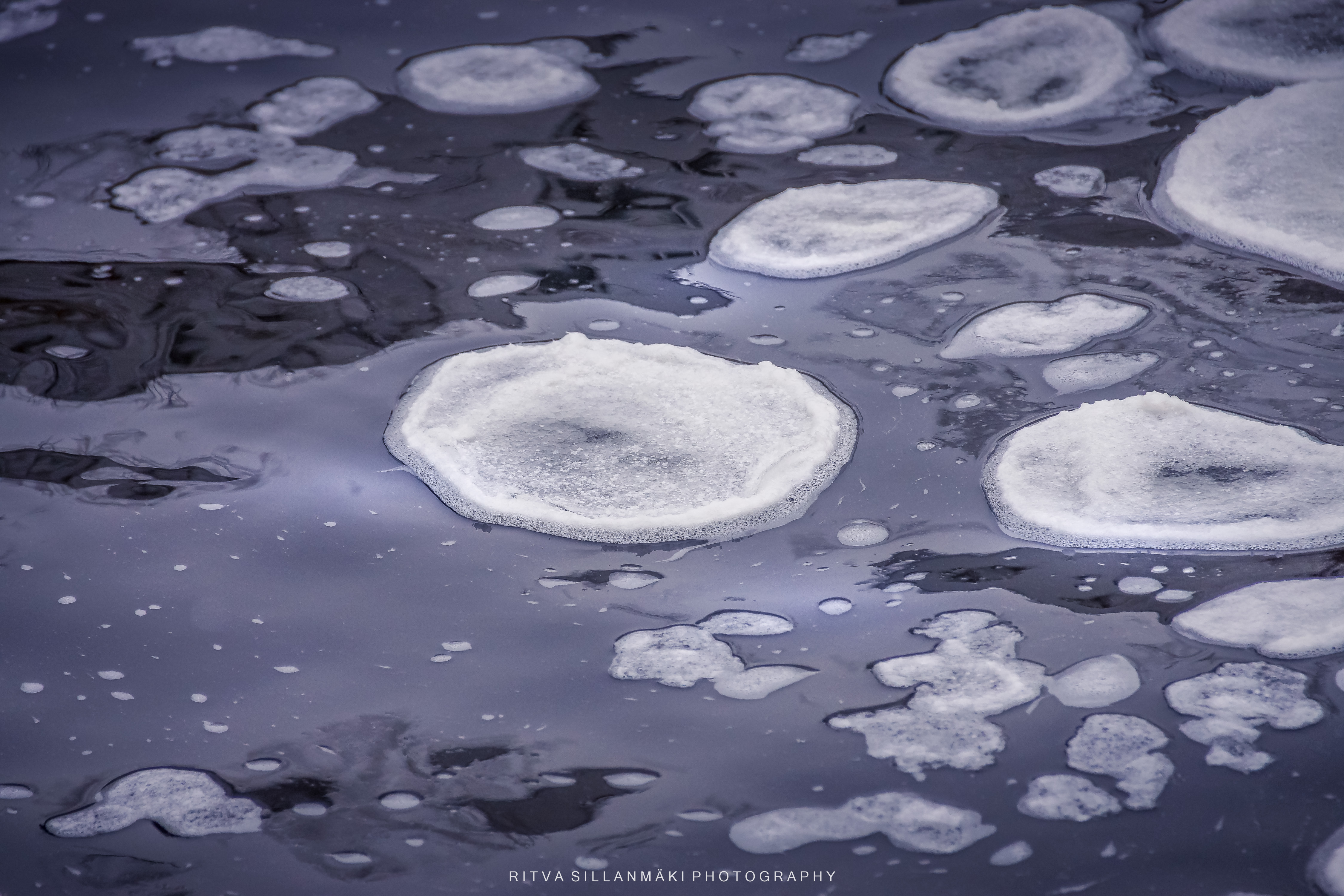
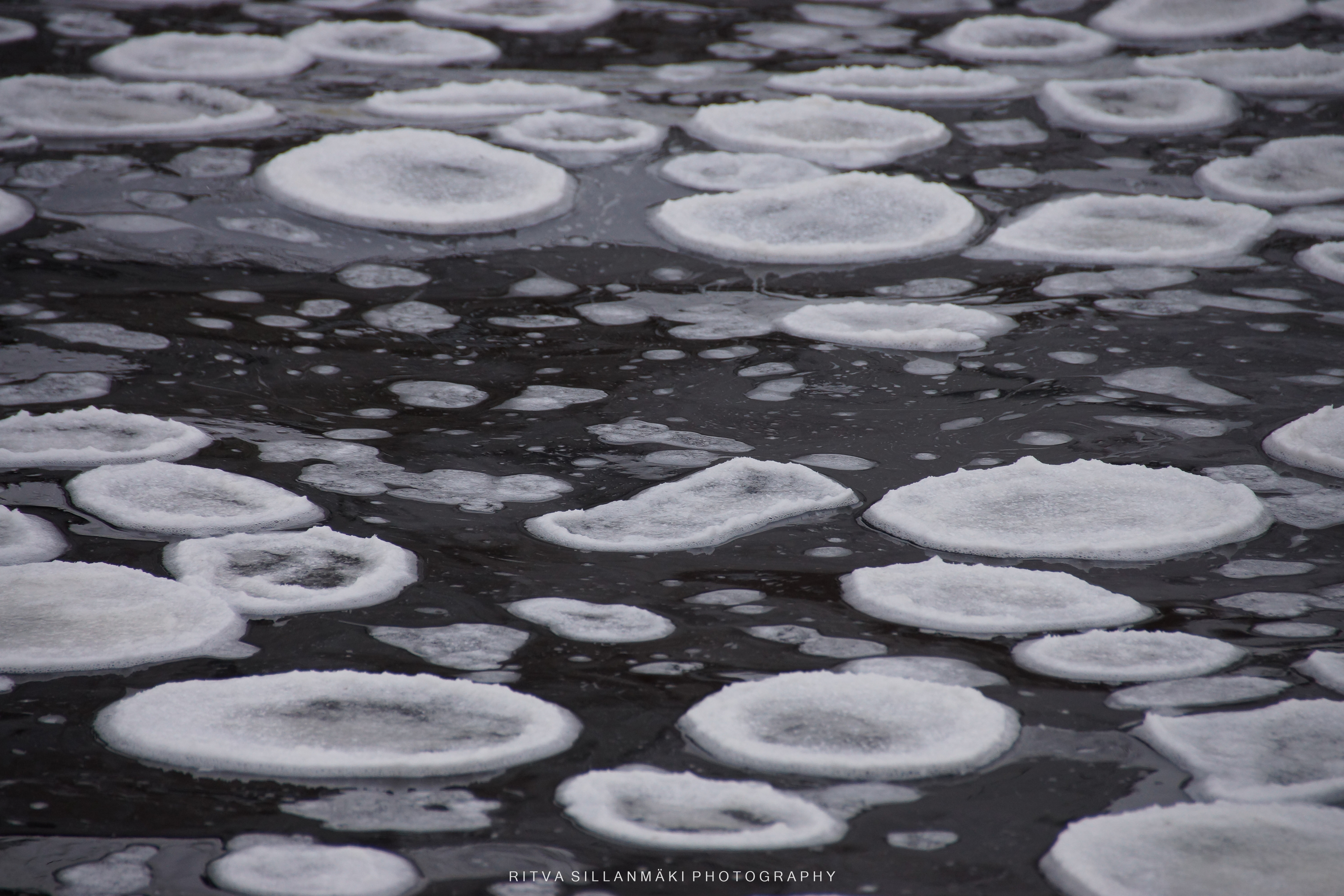
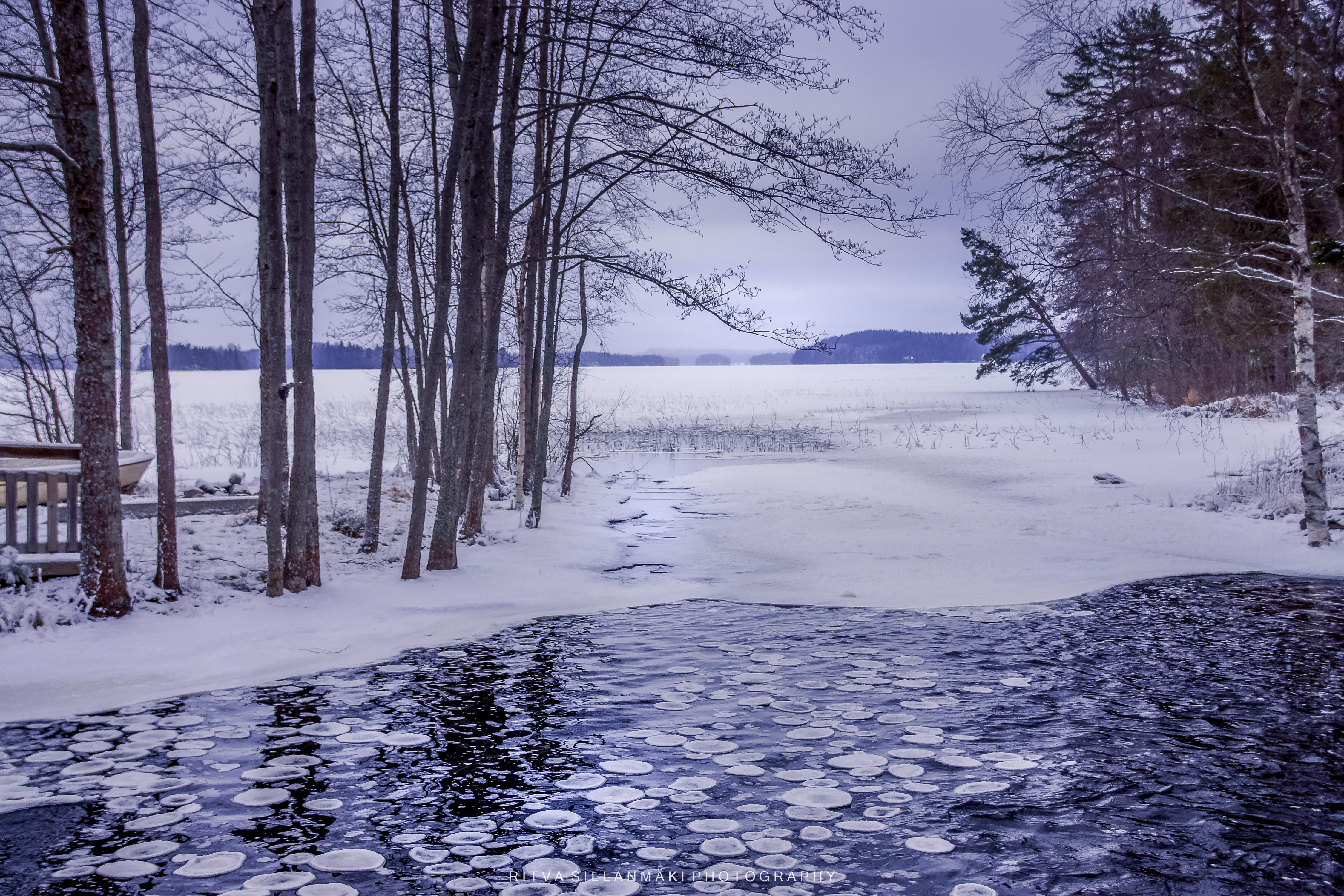
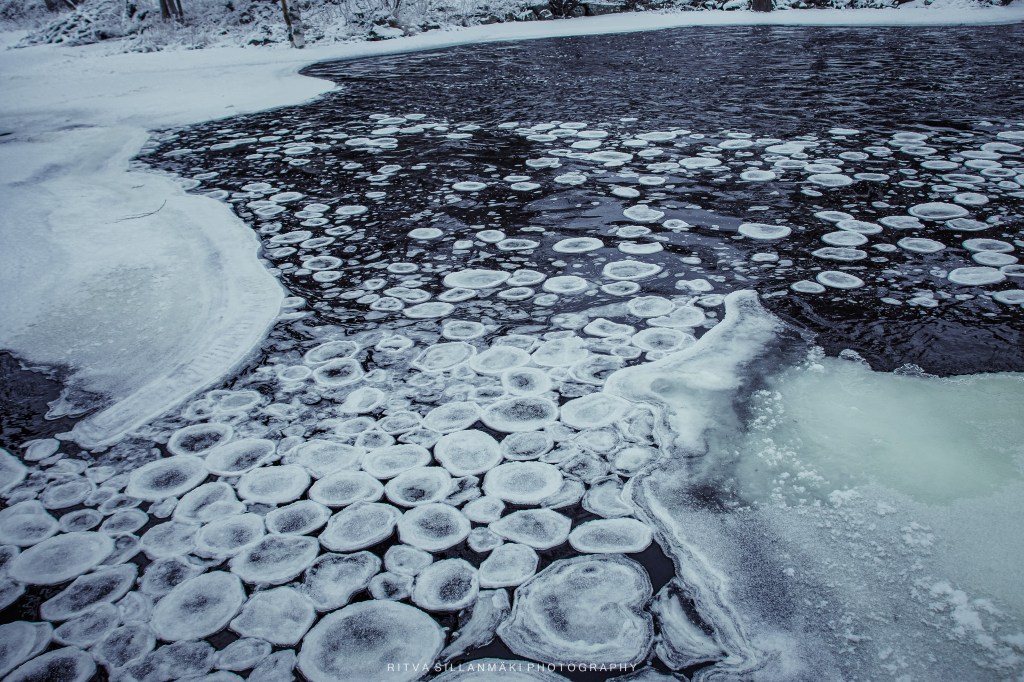
Pancake ice is a fascinating winter occurrence characterized by the formation of circular ice floes in rivers, resulting from water agitation in frigid temperatures. Witnessing this spectacle was enchanting, marking my first and final encounter with ice pancakes. Captured on January 26, 2014, it feels like a distant memory. In Finland, pancake ice creates stunning winter landscapes as rivers form these round, pancake-shaped ice floes when the water is disturbed in freezing conditions, showcasing beautifully rounded edges and a surreal ambiance adorned with snow and frost. This natural marvel attracts photographers and nature enthusiasts alike, highlighting the Arctic charm of Finland in winter.
A tranquil winter scene showcasing pancake ice formations in a river surrounded by trees in Finland.
Pancake ice floes creating a mesmerizing pattern on a river in Finland during winter.
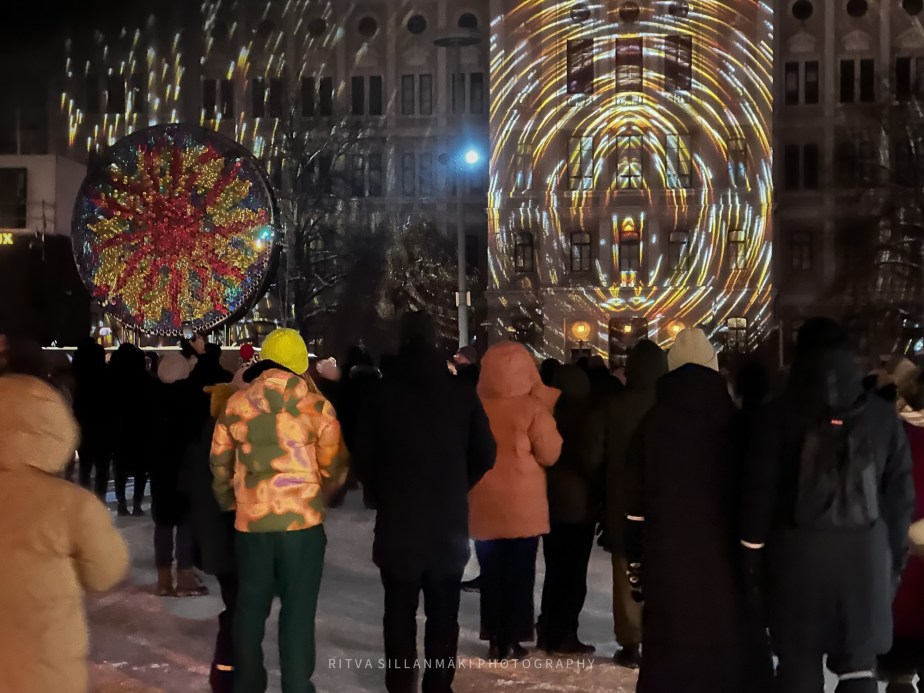
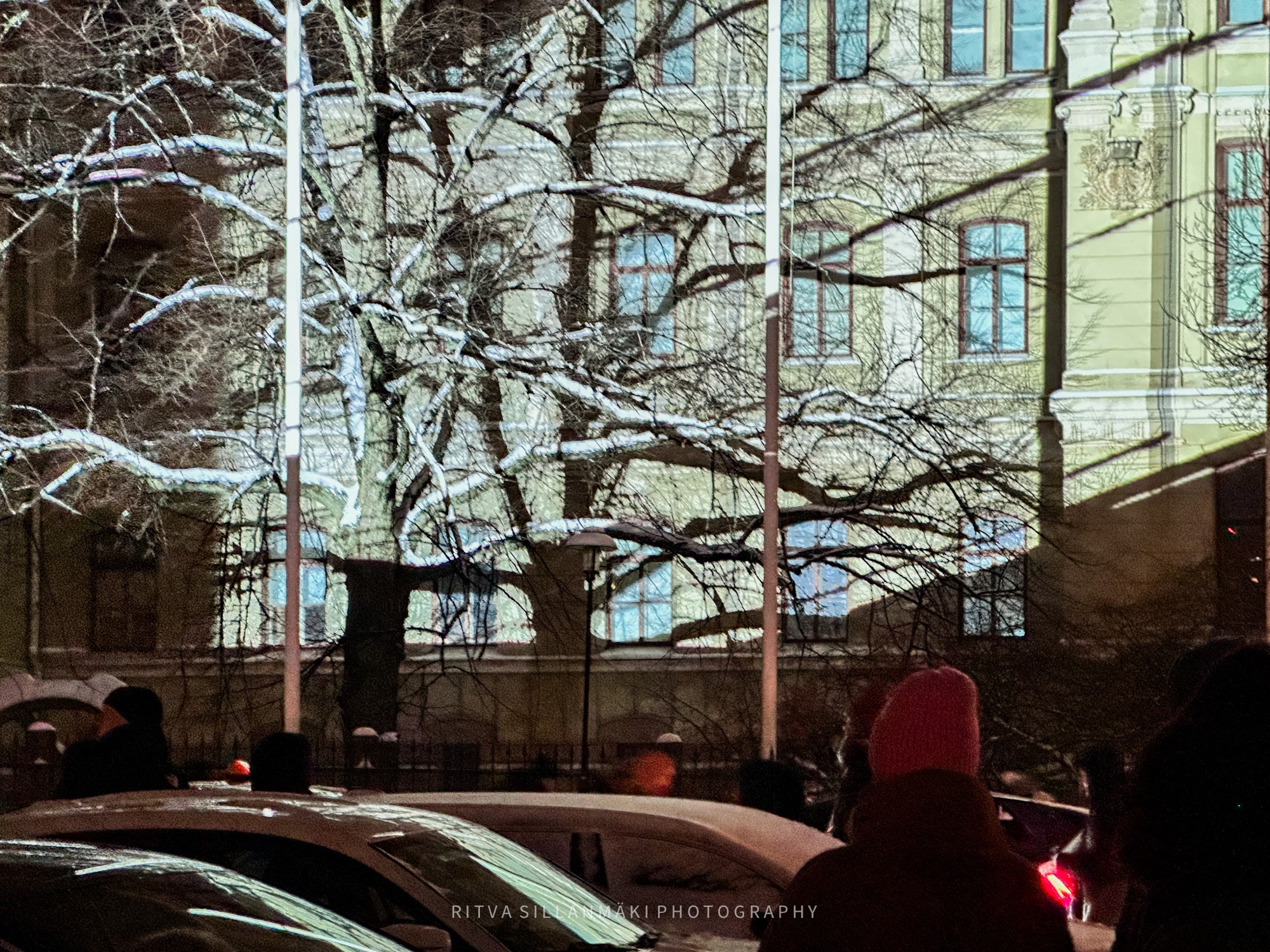
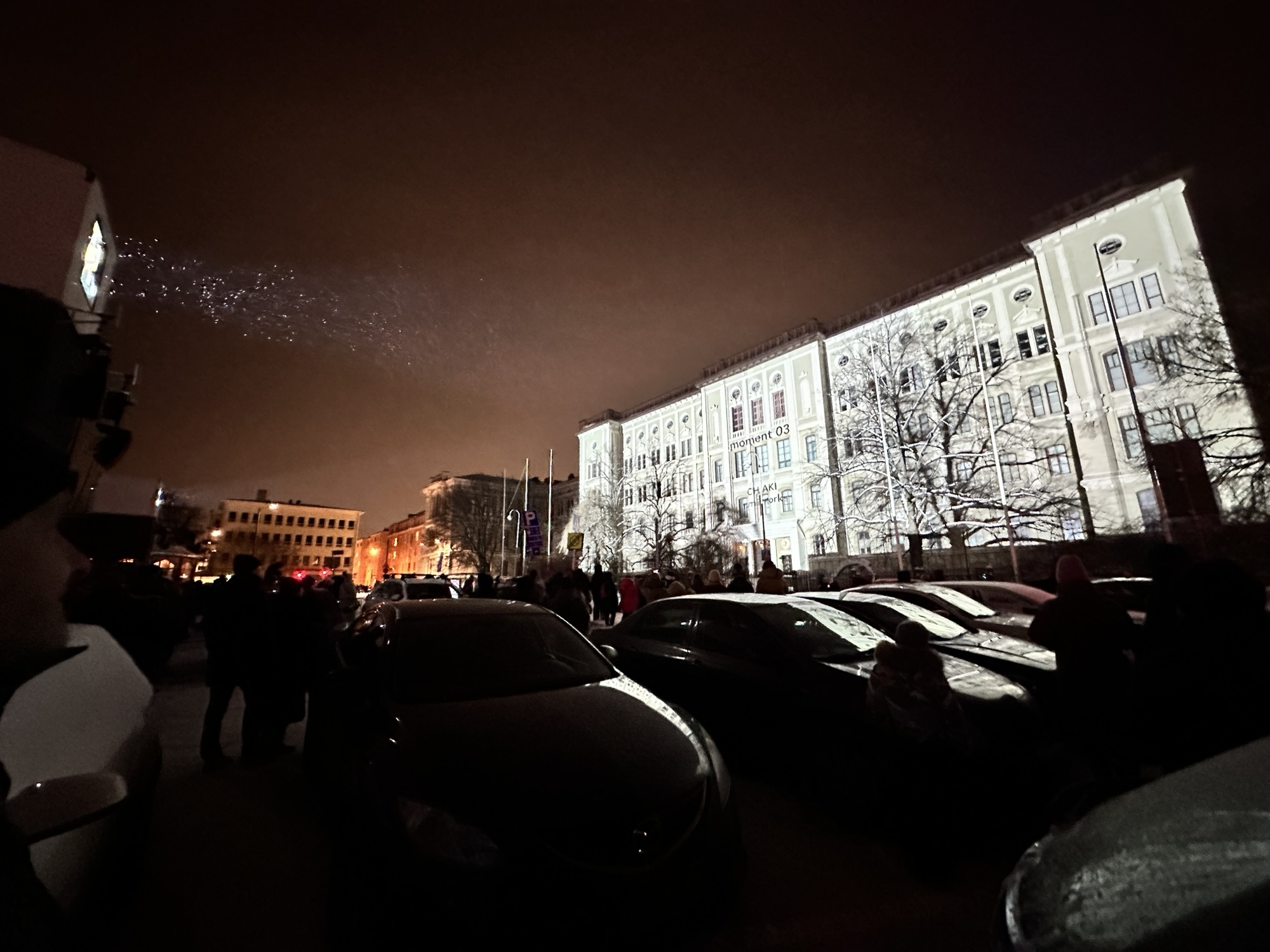
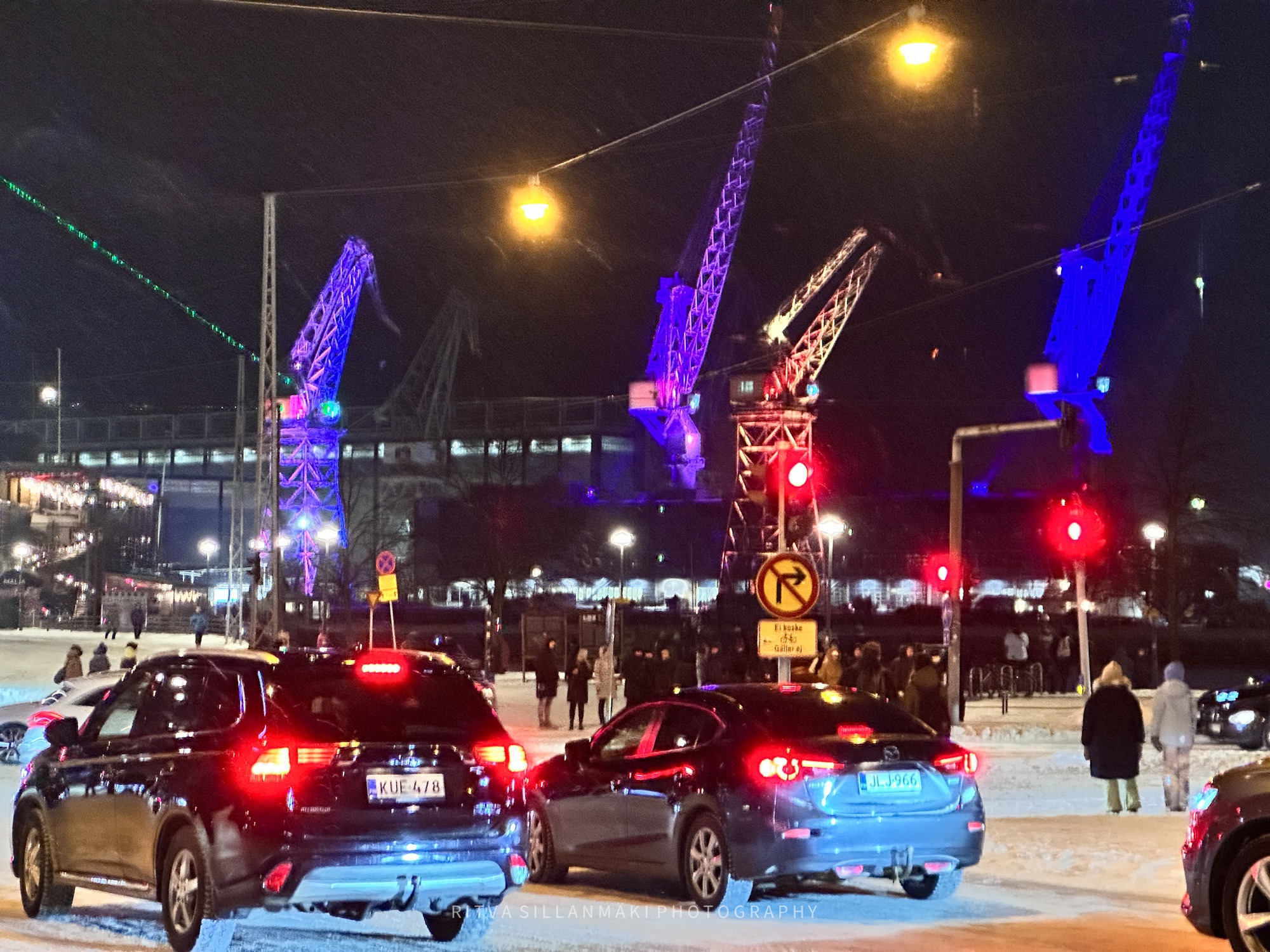
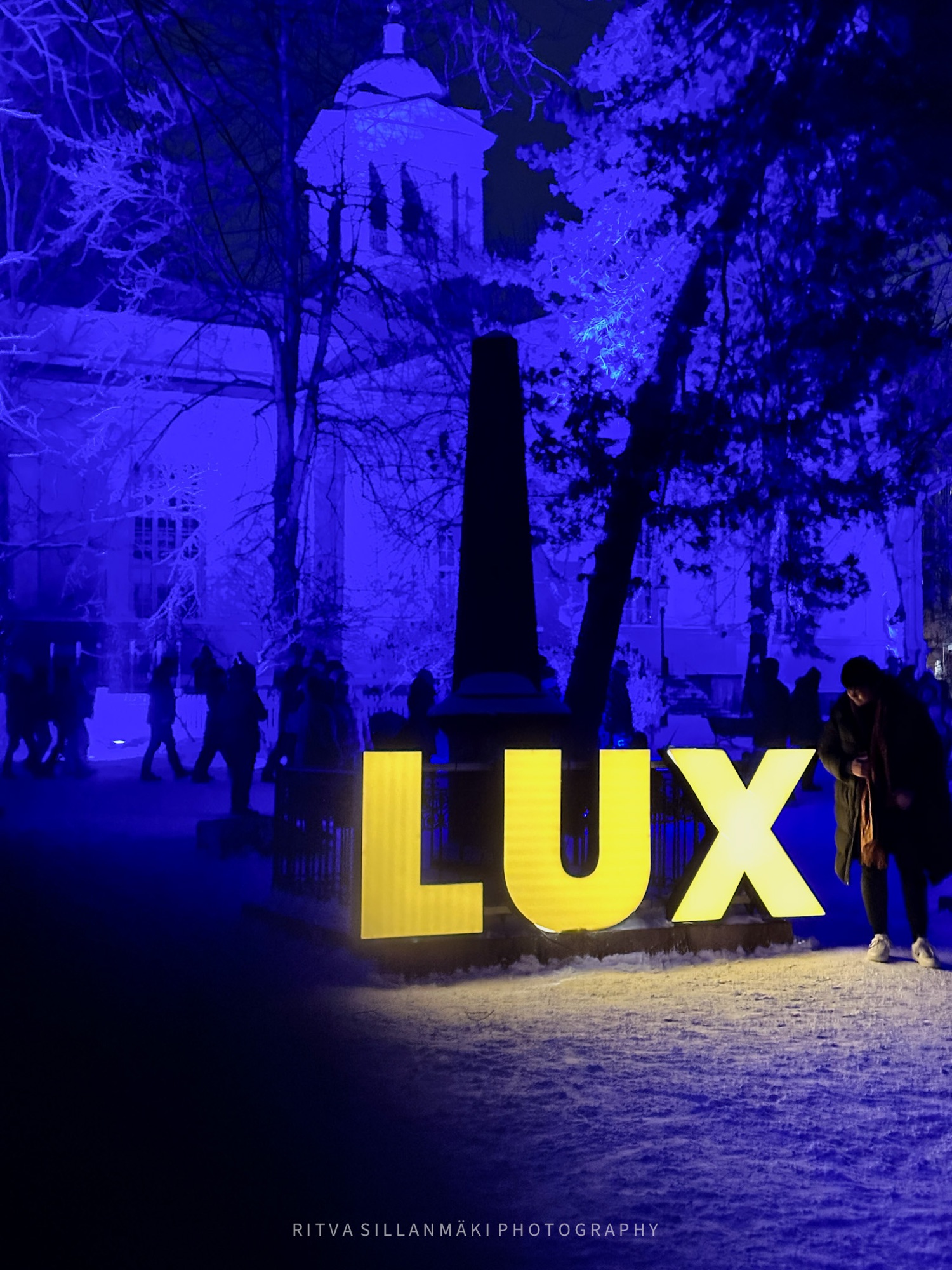
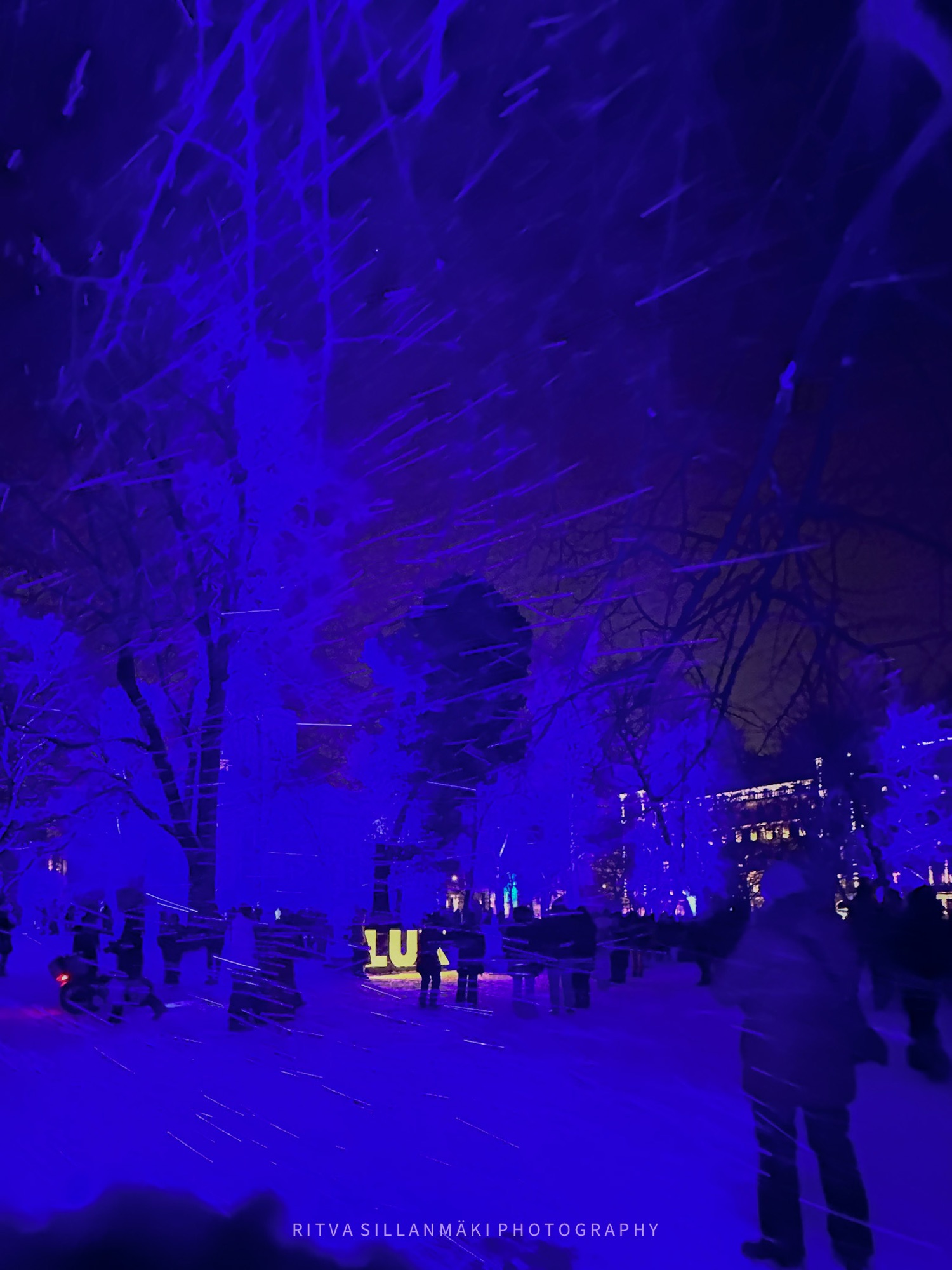
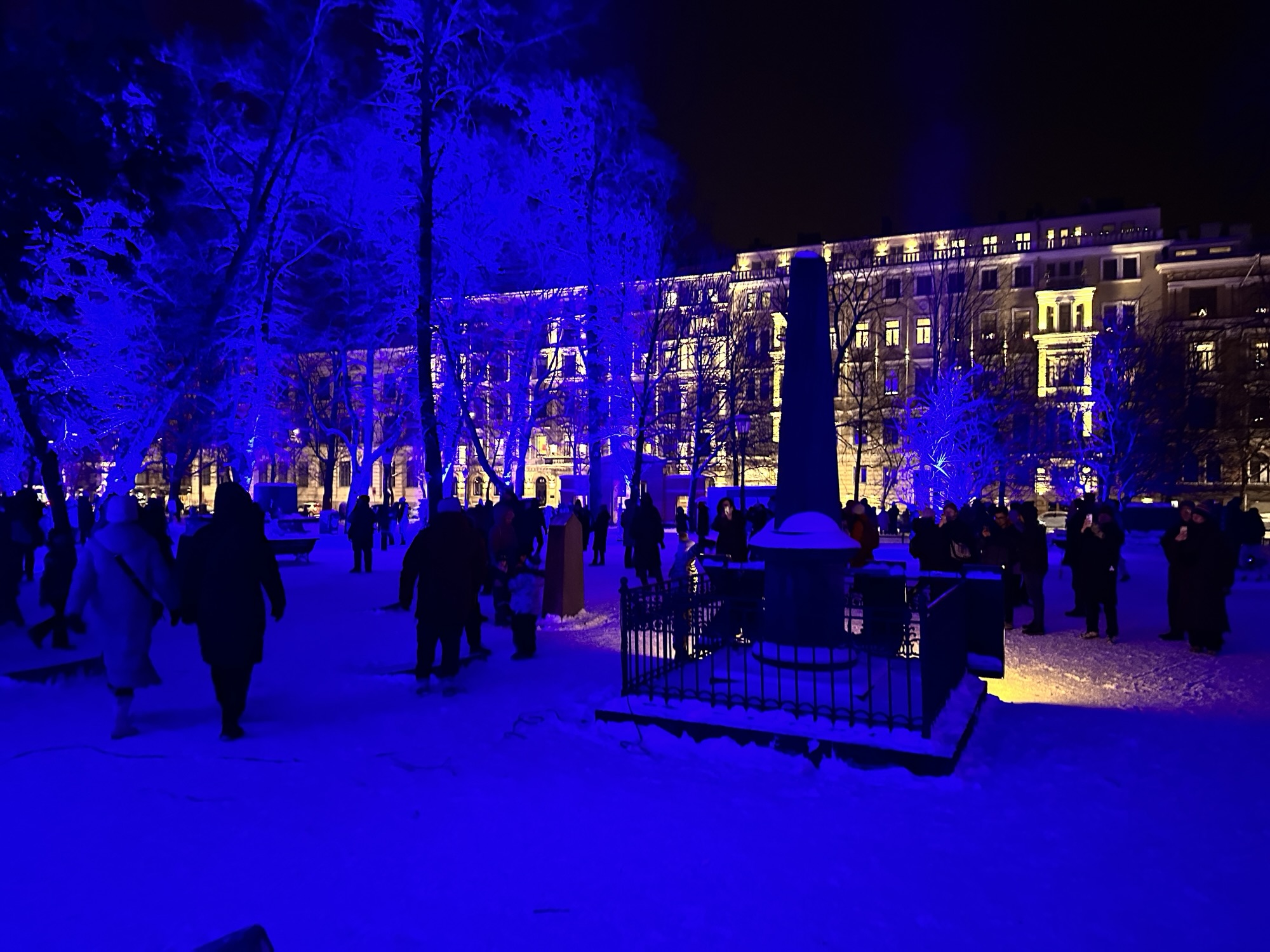
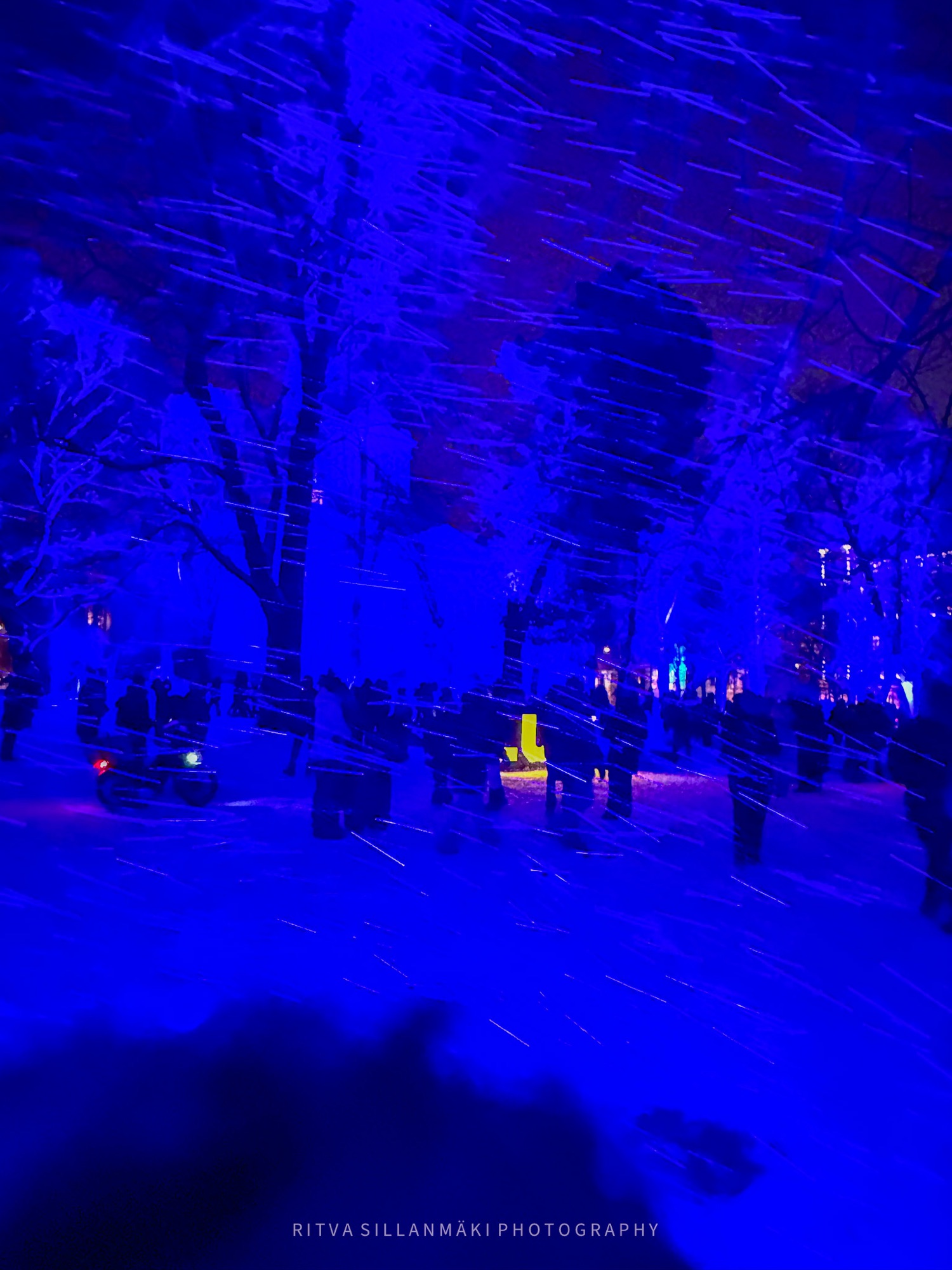
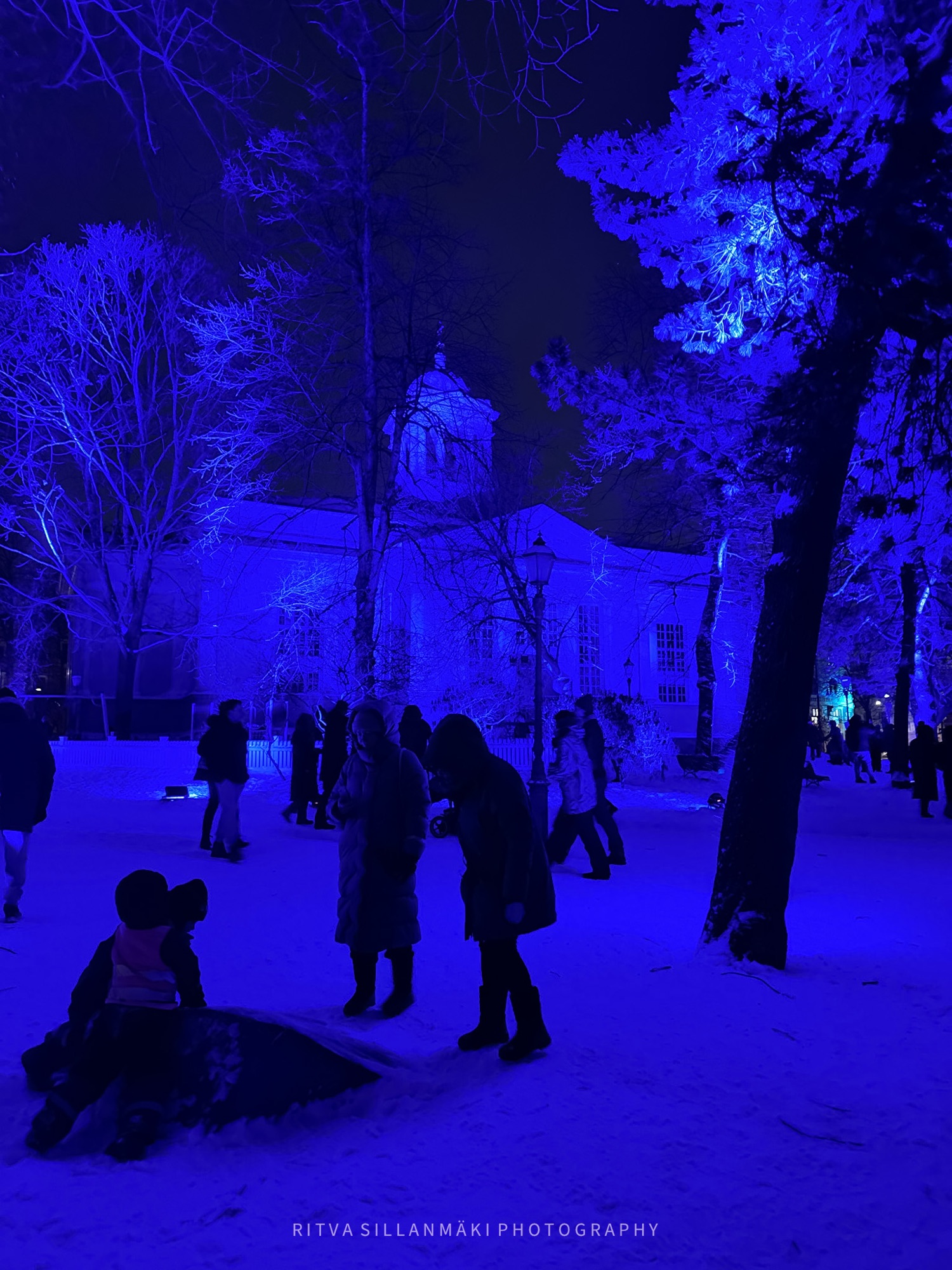
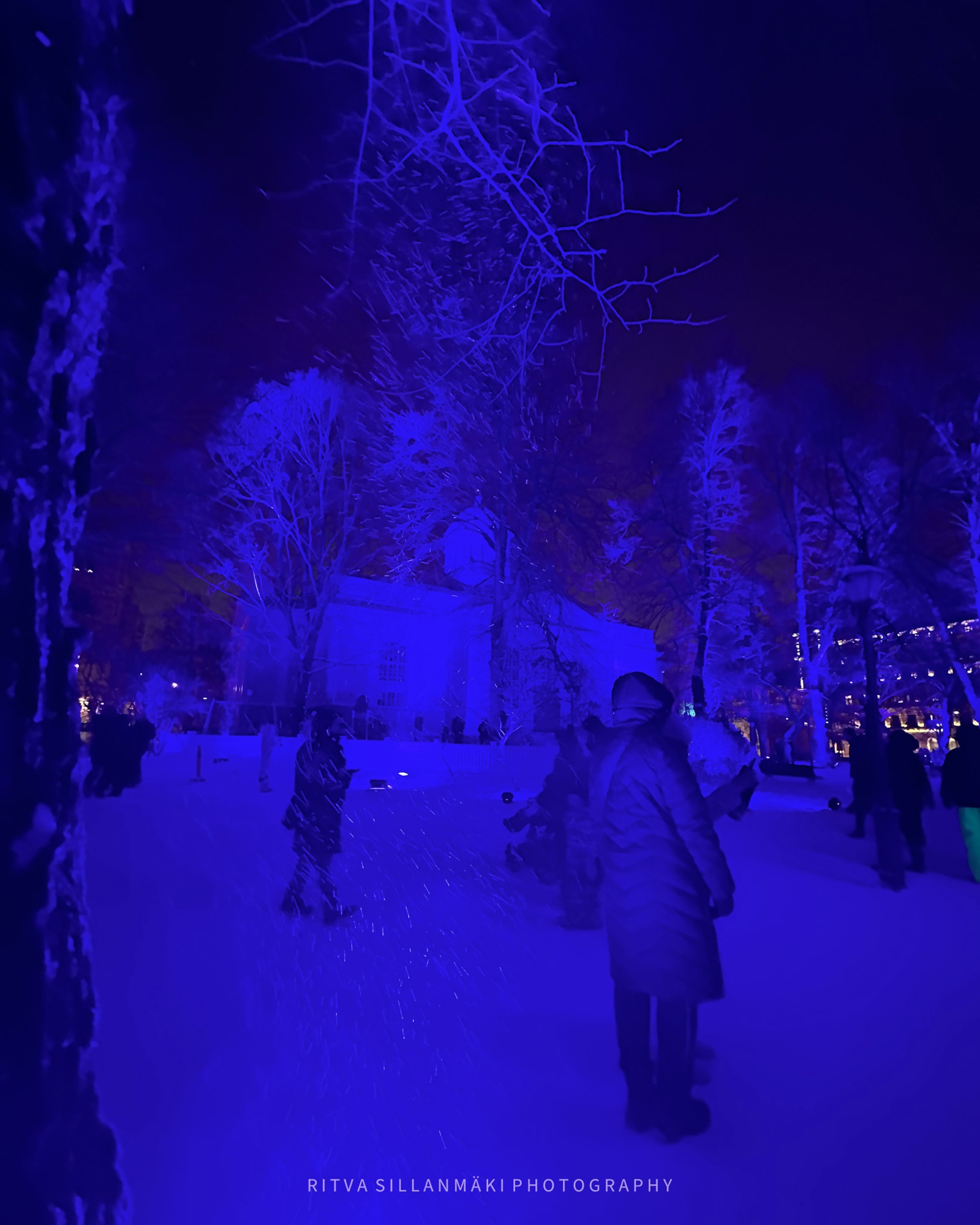
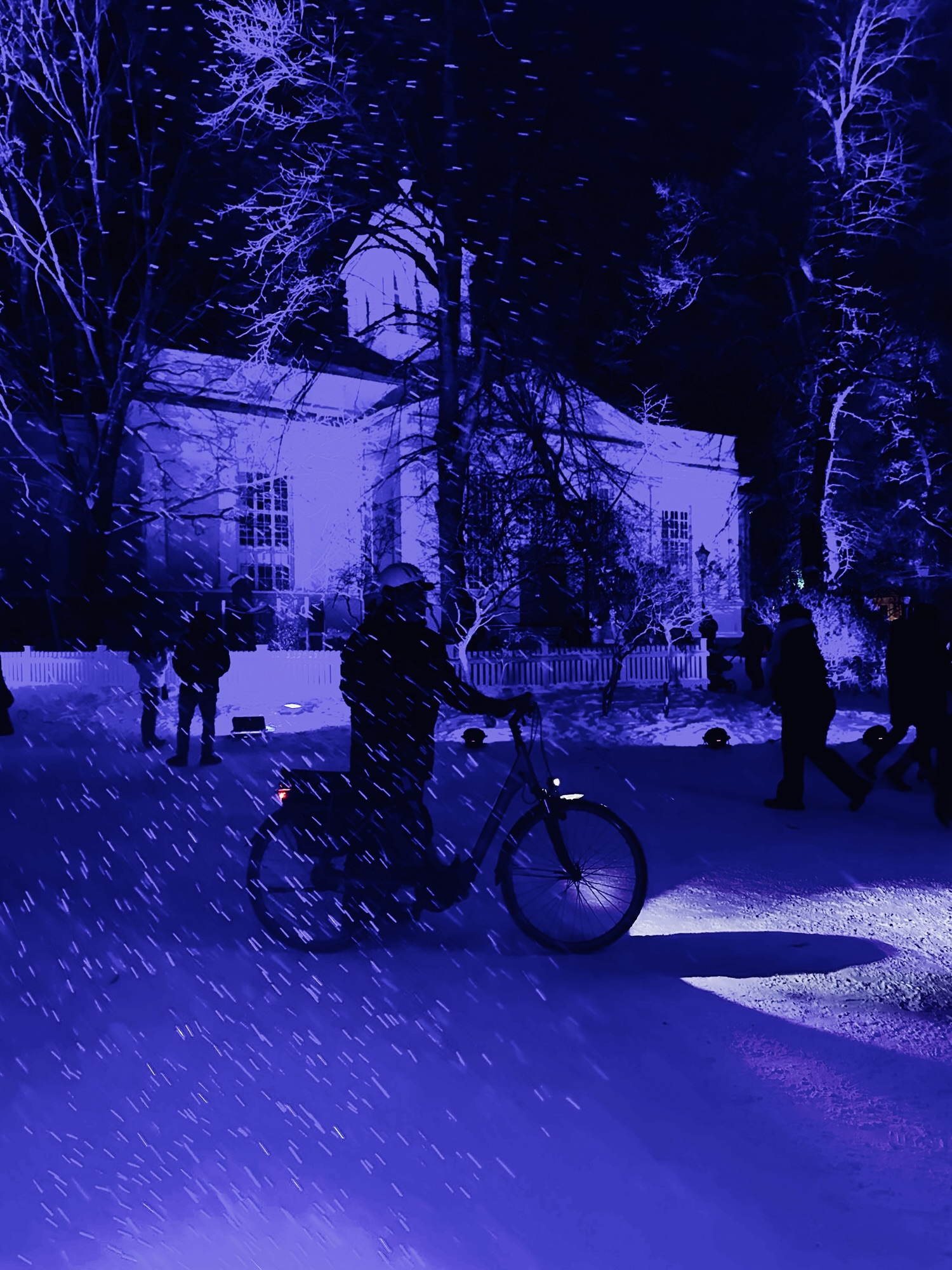
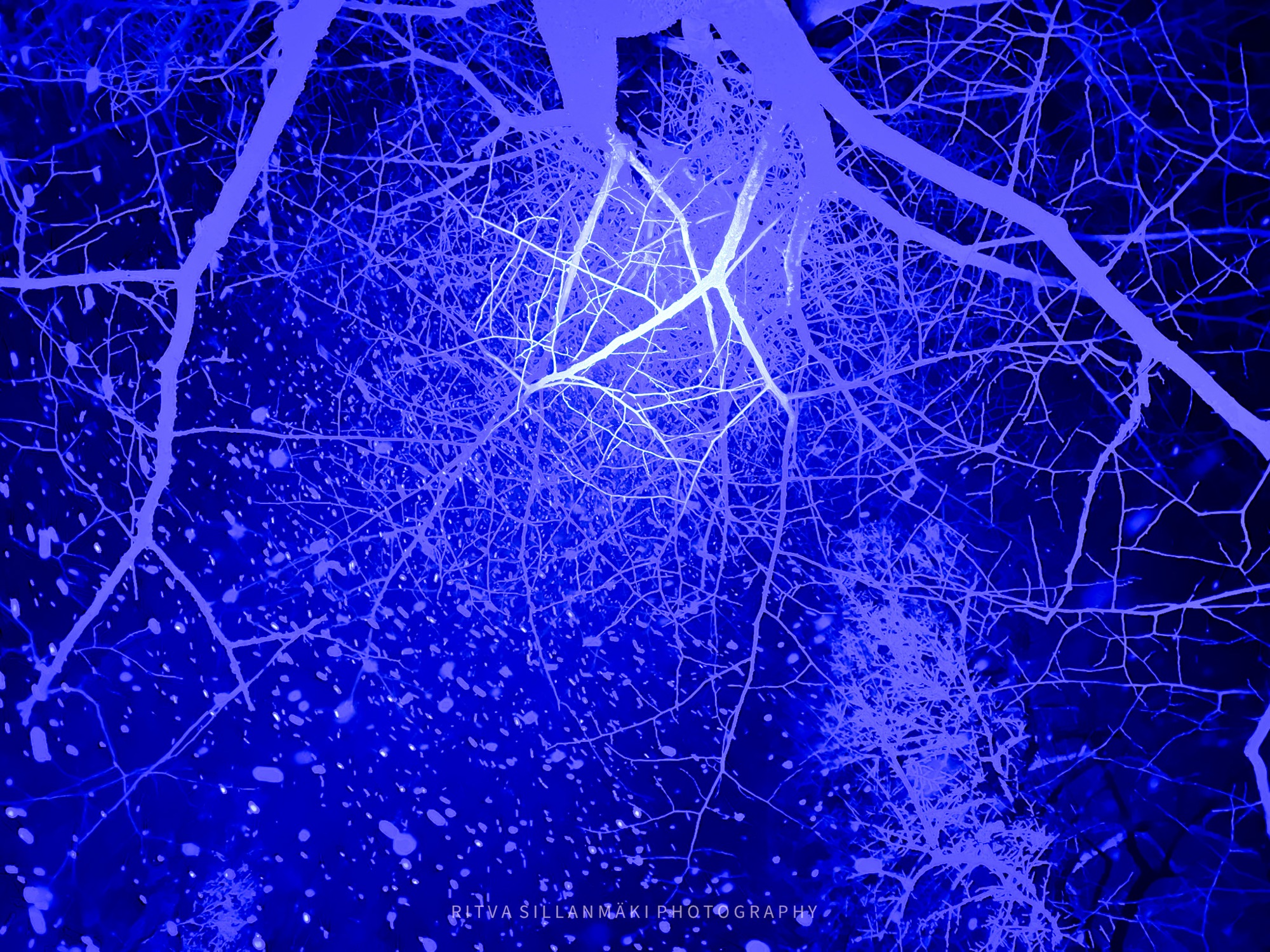
Last weekend, I attended the LUX Helsinki 2026 festival, which attracted large crowds despite the cold weather. Dressing appropriately helped, but my fingers did get really cold while taking the photos. Five of the twenty installations were situated near Hietalahti Market Hall.
Visitors admire a colorful light display during LUX Helsinki 2026 on a chilly Sunday evening.
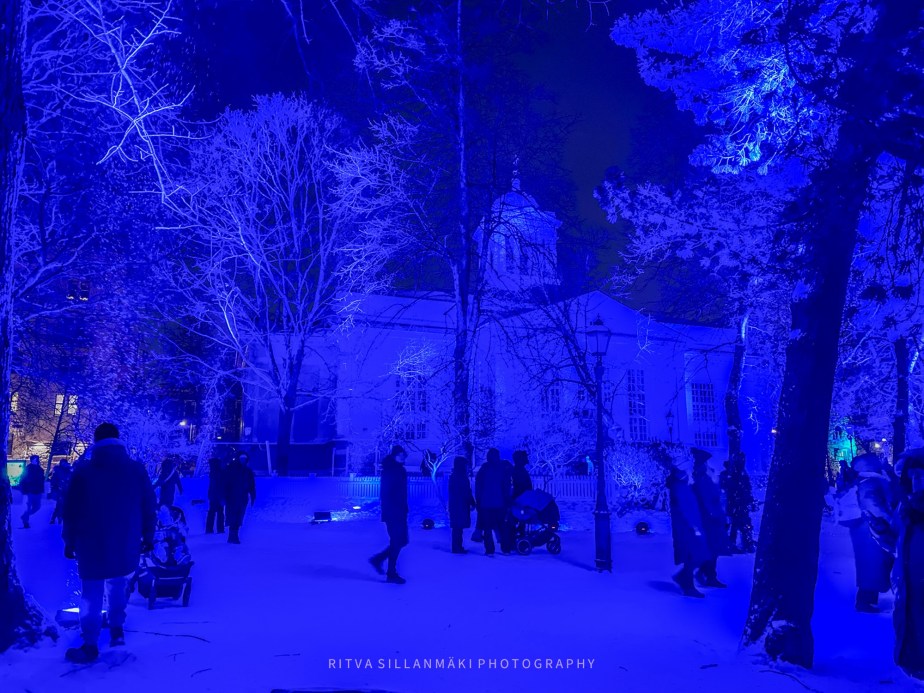
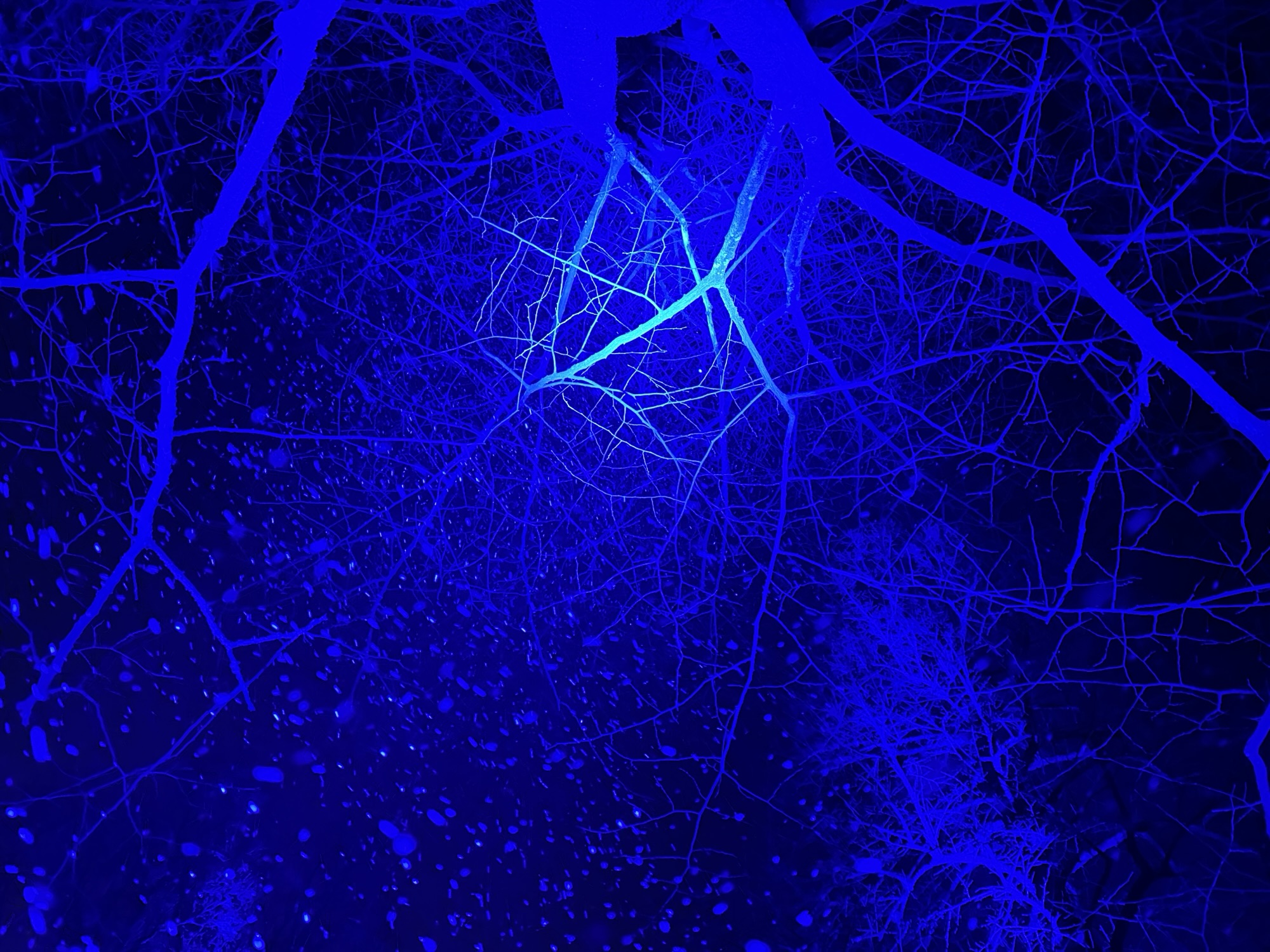
Visitors explore the enchanting snowy landscape illuminated by blue lights at LUX Helsinki 2026.
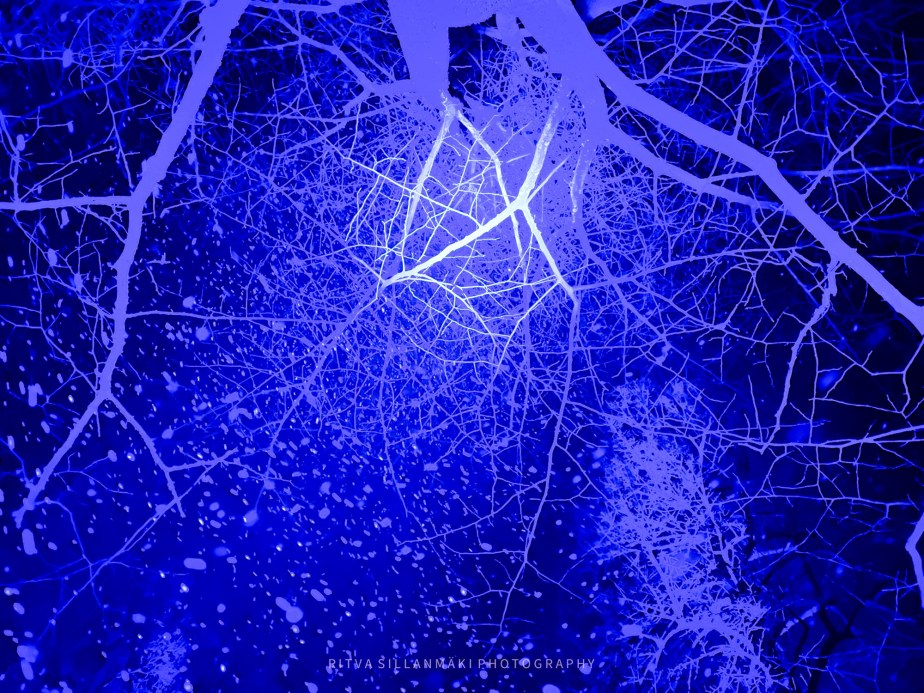
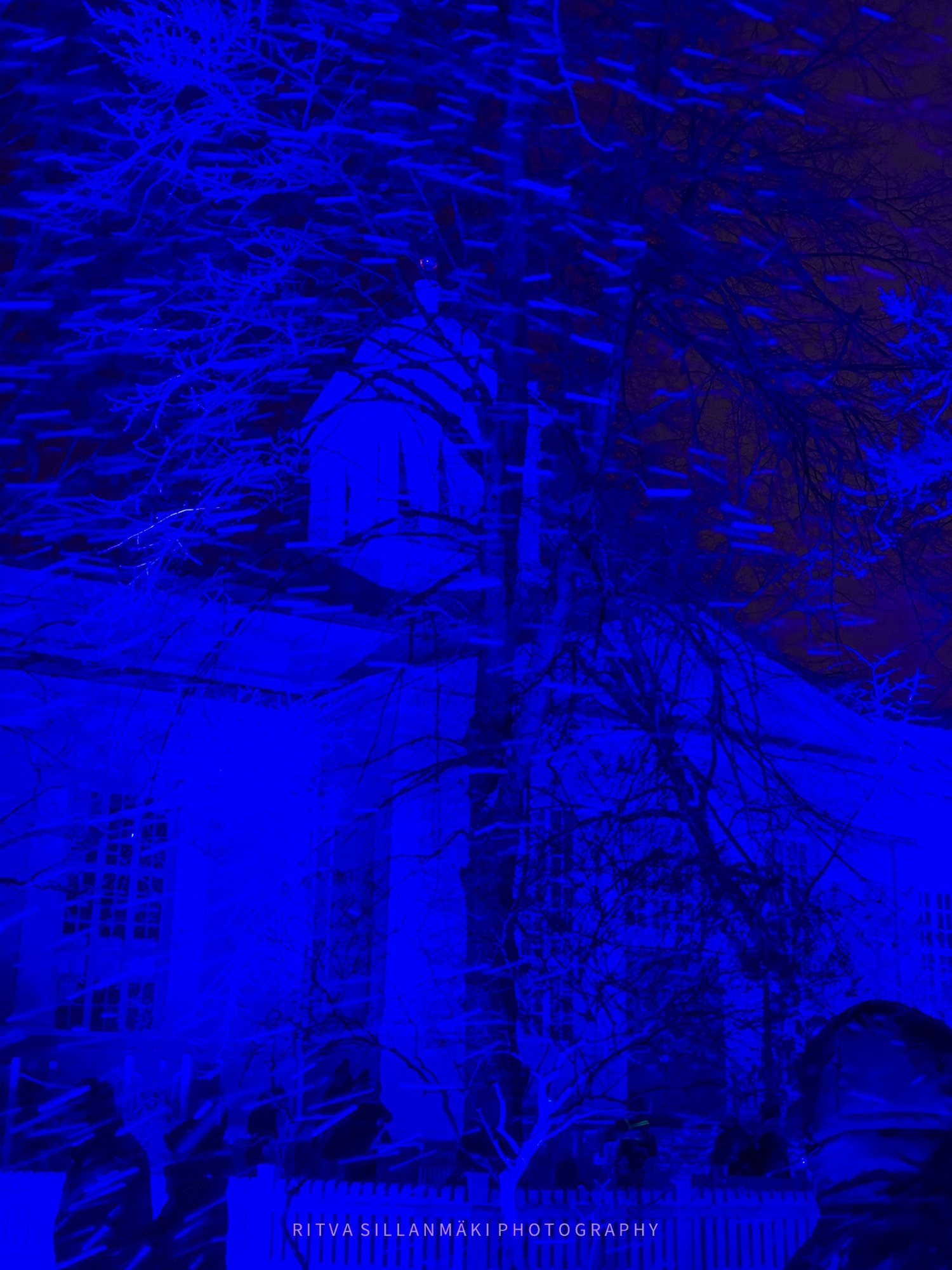
The event featured colorful light displays, particularly at the eerily beautiful Old Church Park, also known as the “Plague Park” due to its historical significance. The Blue light and snow made the place look a bit eerie. It is also known as the “Plague Park” (Ruttopuisto), as victims of the plague in 1710 were buried alongside the church. The gravestones in the Old Church Park remind of the history of cemeteries in this part of town. The park is home to the second oldest church in Helsinki and remains a popular destination within the city center, blending art and history.
Visitors enjoying the LUX Helsinki 2026 light festival, surrounded by art installations on a snowy evening.
I am an avid enthusiast of black and white photography, often referred to as monochrome photography, which has its nuances that set it apart from color photography in remarkable ways. At Lens-Artists, we’ve explored minimalism and black-and-white photography separately, each offering its unique perspective and emotional depth, but when these two styles are combined, they create a powerful and engaging atmosphere that resonates deeply with us on multiple levels. The stark contrasts and the interplay of light and shadows in black and white can evoke a range of emotions, allowing the essence of the subject to shine through without the distraction of color. This week, I encourage you to embrace this artistic fusion and challenge yourself to capture images that marry minimalism and black and white, naturally you can also use you archives. Please limit your submissions to a maximum of ten images, a thoughtful reflection of your artistic vision and perspective.
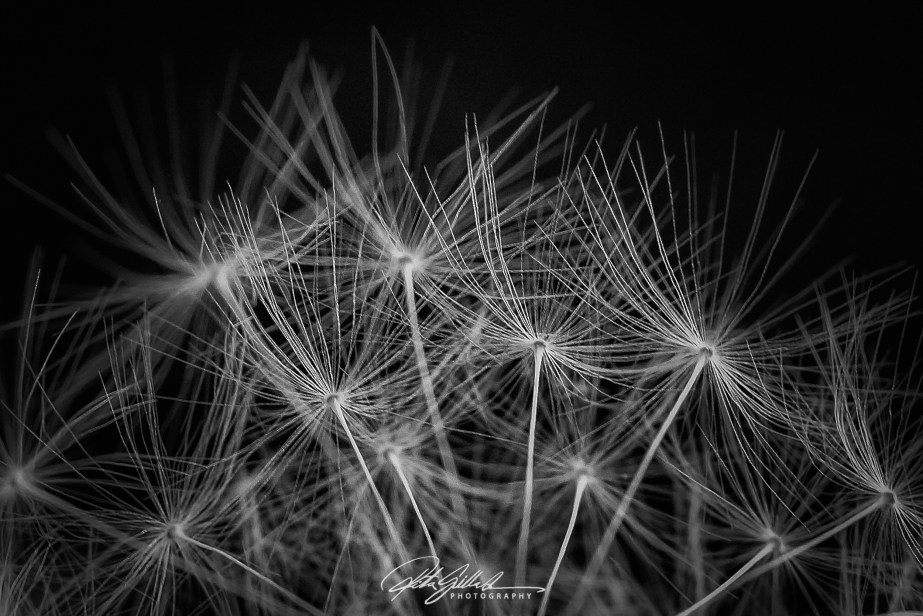
Intricate details of dandelion seeds captured in a black and white composition.
By cutting out all the clutter and colors, you get rid of every little distraction, letting the heart of the subject shine through. This whole idea of simplifying things invites viewers to really think about what they’re seeing, encouraging them to dive into the tiny details and subtle nuances that might usually go unnoticed. Each shadow and highlight becomes way more important, sparking a conversation between light and form that pulls the audience in emotionally, ultimately leaving them with a clear narrative that’s not just powerful, but also super thought-provoking.
To master this aesthetic, consider these elements: Embrace negative space as essential to focus attention on the subject, recognizing that emptiness can be impactful; minimalism can convey emotions through tone and composition.
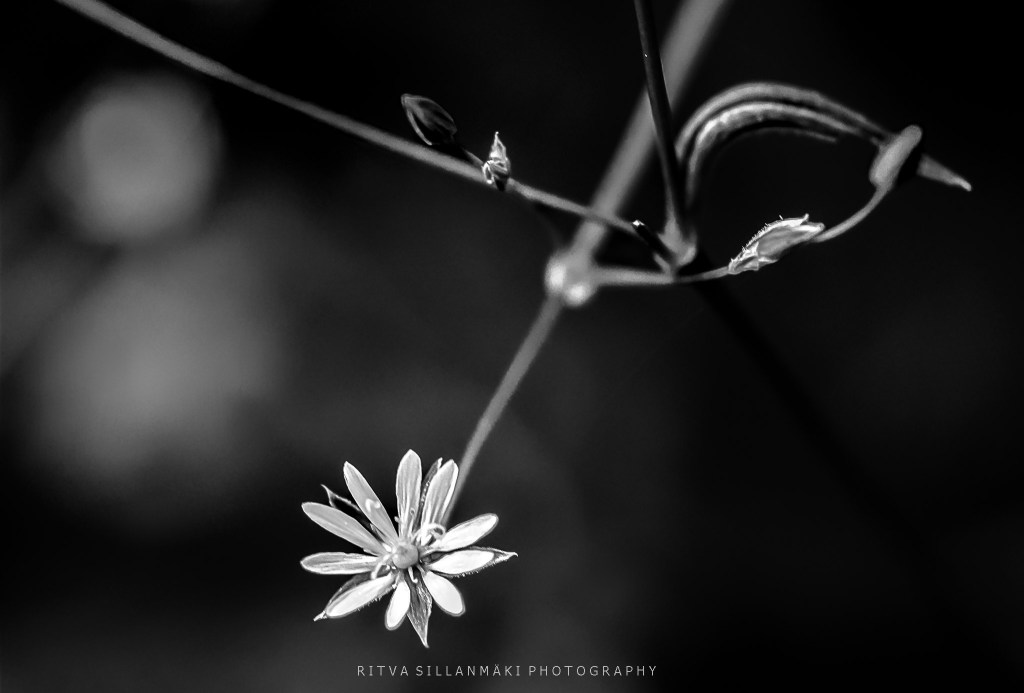
A delicate flower, showcasing the beauty of simplicity and negative space.
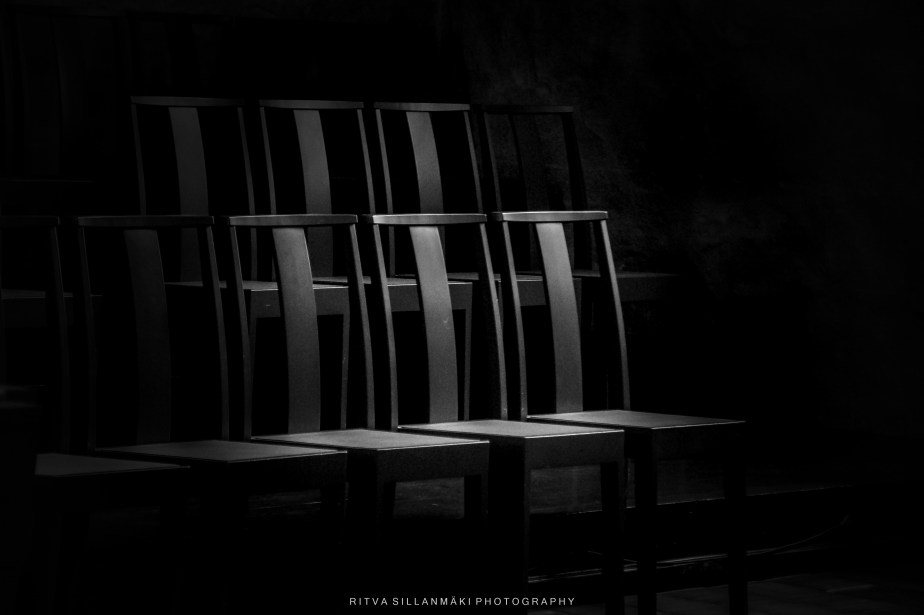
A white photograph of minimalist chairs, highlighting the interplay of light and shadow.
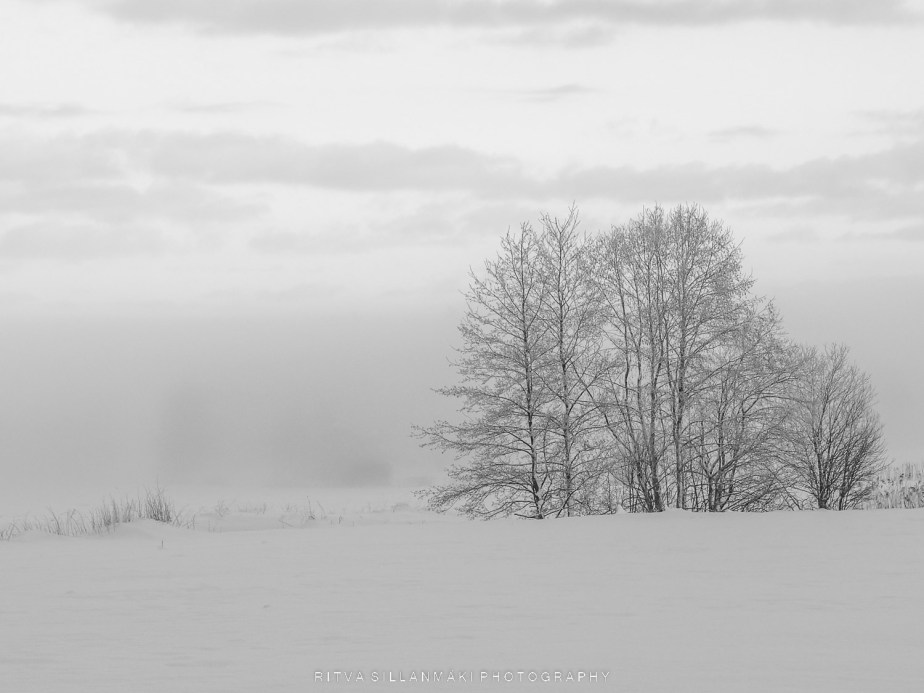
A black and white winter landscape featuring a cluster of trees shrouded in fog, embodying minimalism and tranquility.
Focus on Geometry: Use striking shapes and contrasts to convey your narrative. Highlight a key gesture or bold silhouette while emphasizing patterns, curves, and symmetry for balance. Keep it simple.
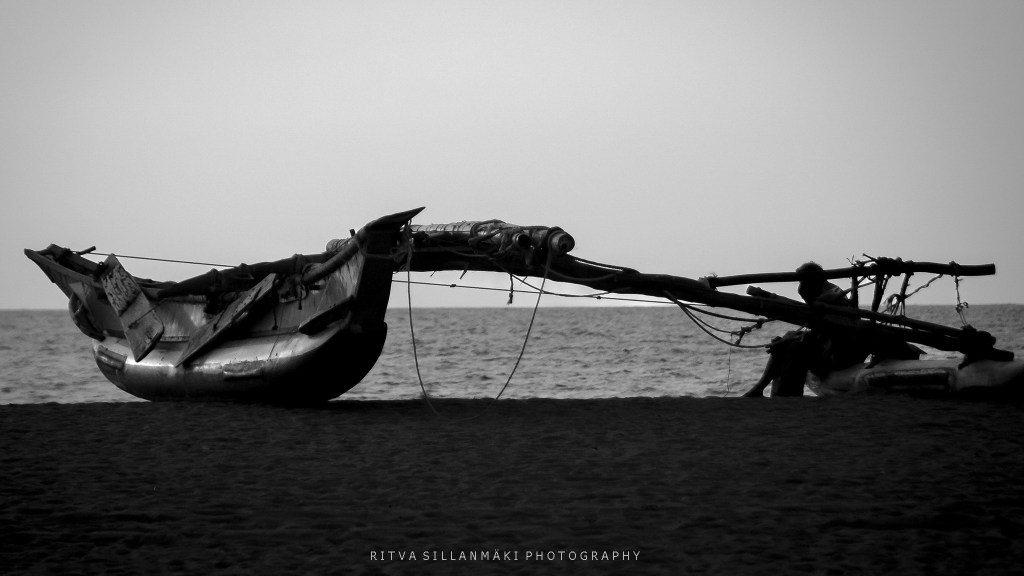
A black and white photograph of a weathered boat on the beach, highlighting texture and simplicity in monochrome.
Highlight Texture: Utilize textures like metal, stone, or fabric to add depth without color.
Simple: Eliminate distractions by featuring one strong element.
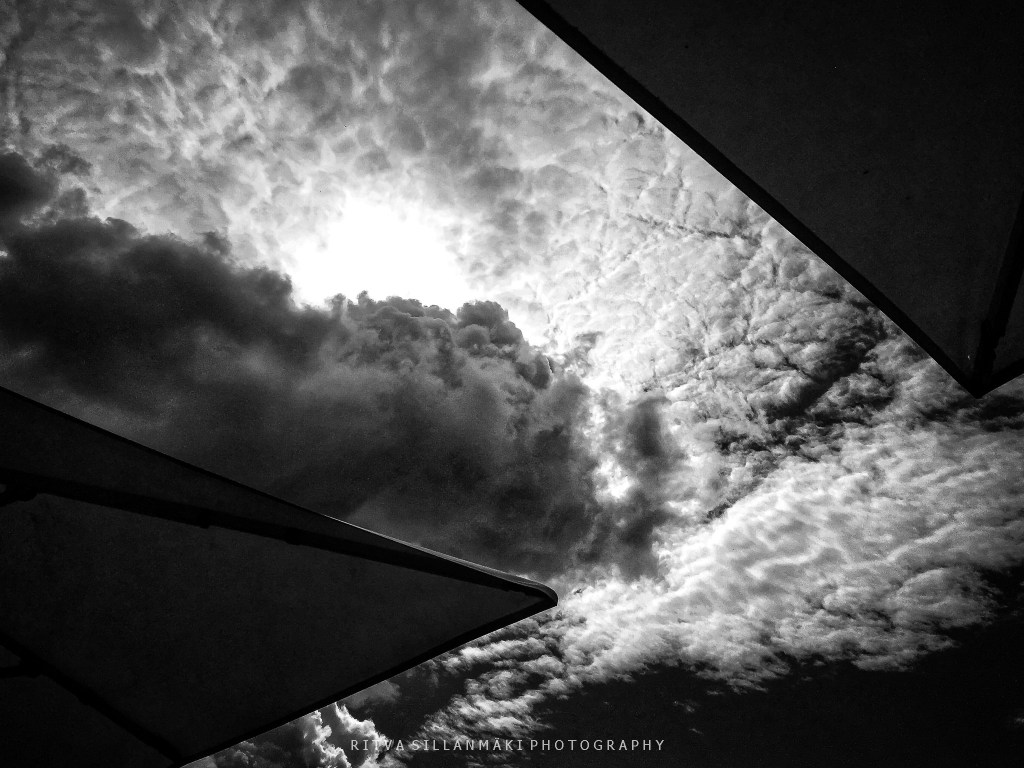
Dramatic black and white clouds framed by architectural lines, showcasing the power of contrasts in photography.
Utilize lighting to define your subject’s personality; side lighting adds drama, backlighting creates silhouettes, and overhead lighting highlights curves.
Aim for simplicity by eliminating unnecessary elements. Harsh light reveals structure while soft light creates mood, and contrasting blacks and whites deliver a striking visual impact.
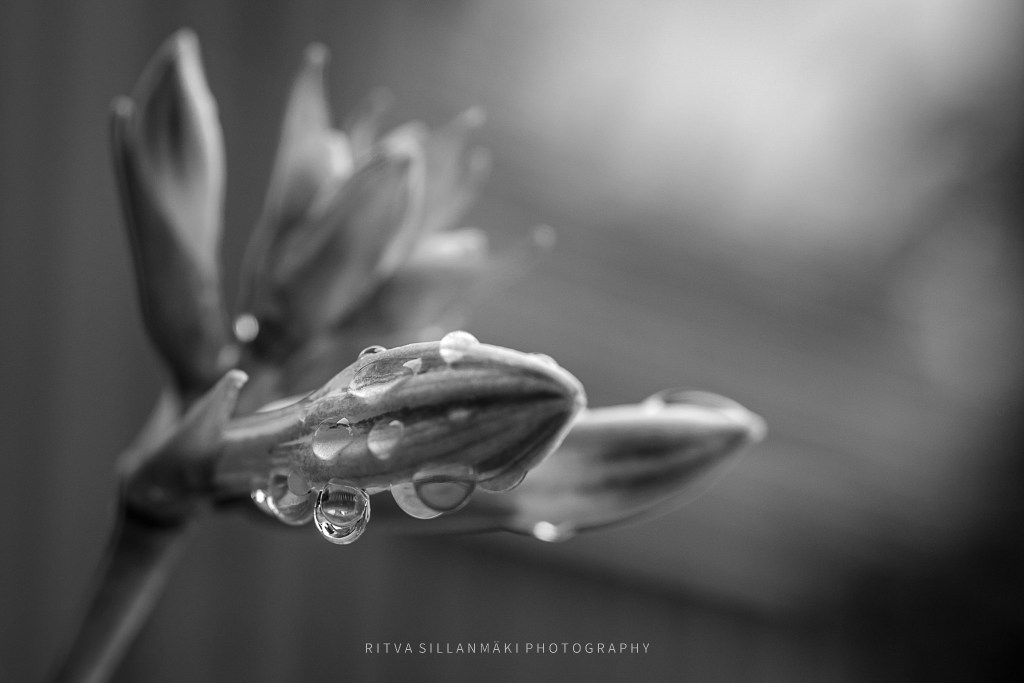
A striking black-and-white close-up of a flower bud with droplets, highlighting the intricate textures and graceful forms.
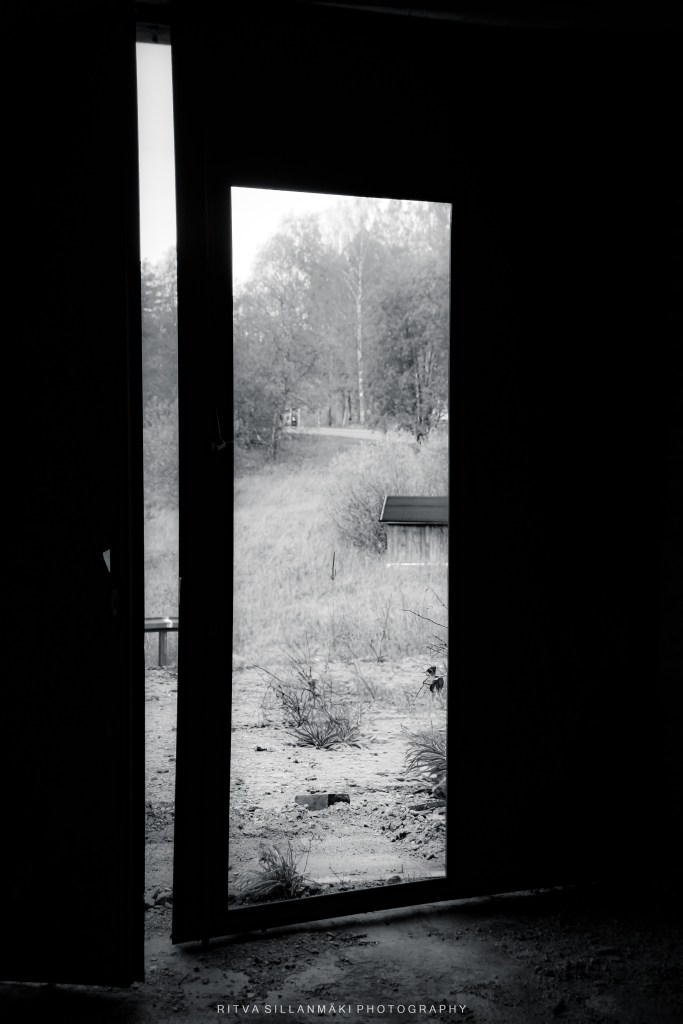
A black and white photograph showcasing an open door framing a serene outdoor scene, exemplifying the beauty of minimalism and negative space.
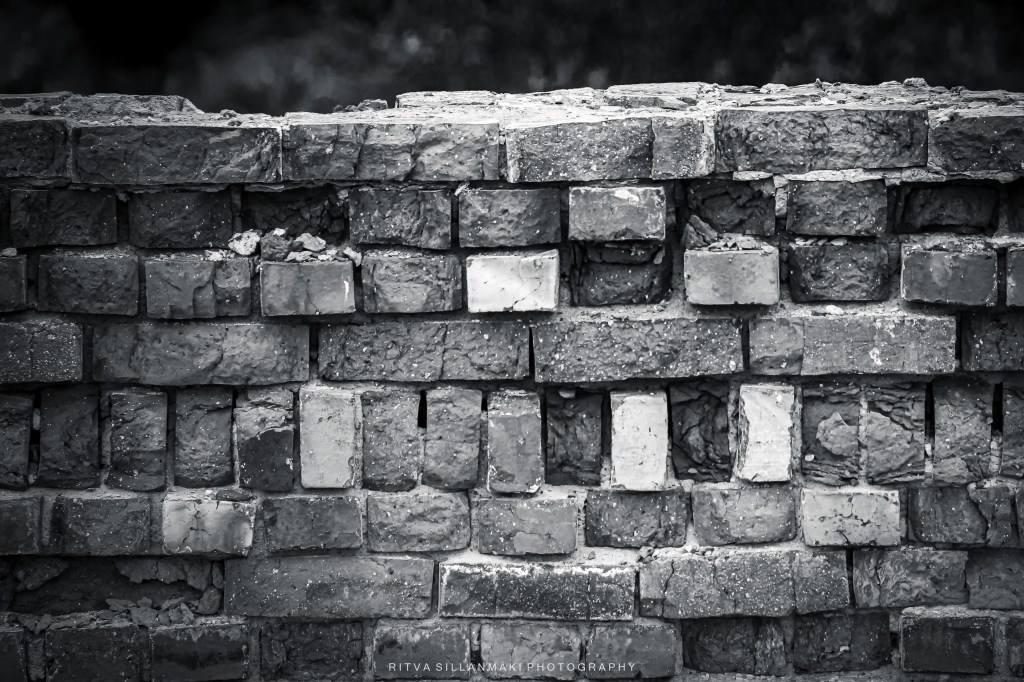
Close-up of textured brick wall in black and white, highlighting the interplay of light and shadow.
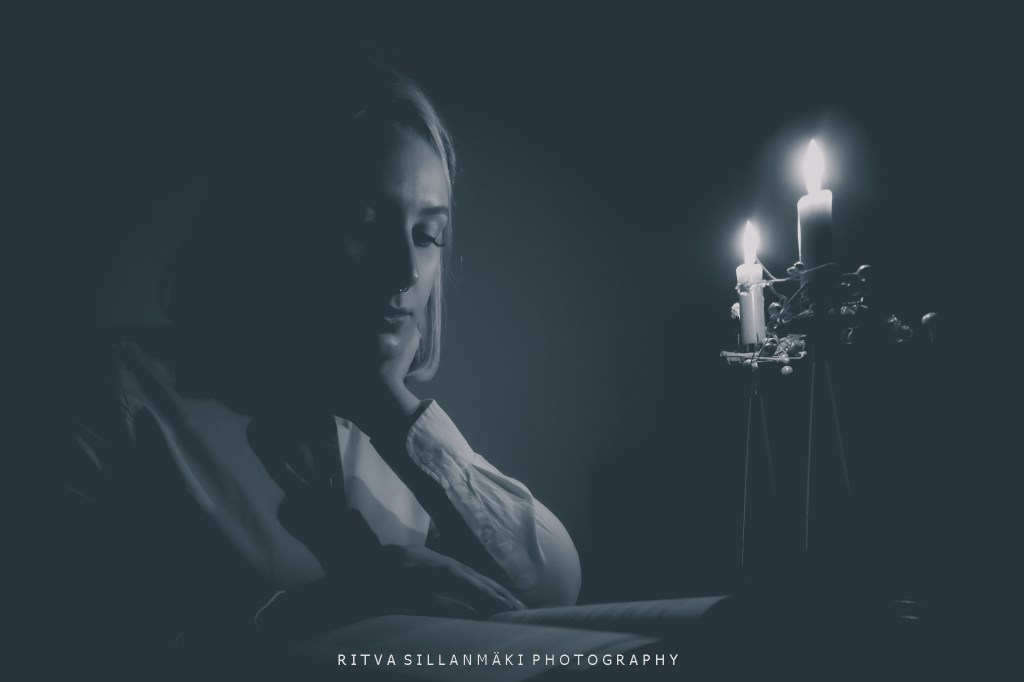
A woman illuminated by candlelight, highlighting the contrast between light and shadow
Thank you, Anne, for your last week’s challenge: What’s around the corner. We got a great response to it; I really enjoyed it, seeing a glimpse of the places where we live, and apparently, you did too. Next week, be sure to check back on Saturday, January 24, at noon eastern time, when Egídio will be hosting the challenge. Don’t forget to use the “lens-artists” hashtag in your posts to help people find your wonderful challenge entries
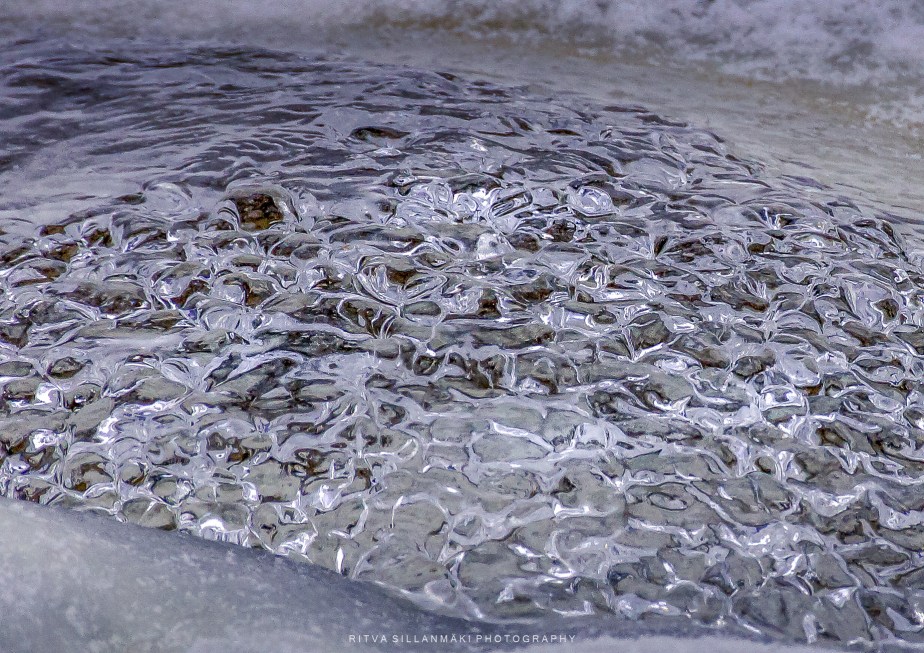
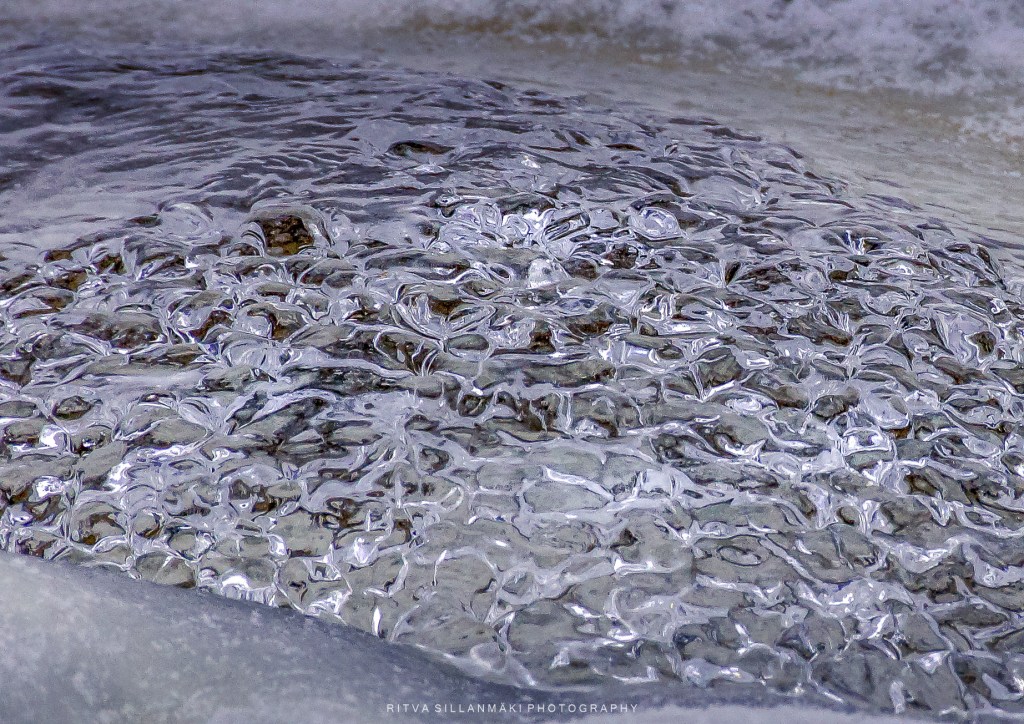
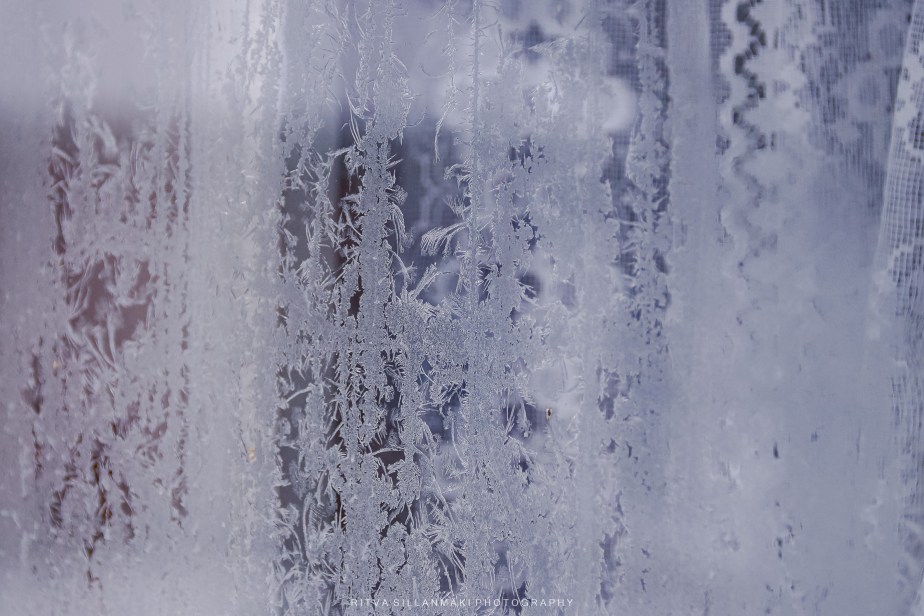
Close-up of rippling water, or is it ice? Nature gives us the opportunity to wonder, inviting us to contemplate the profound beauty and mystery of our surroundings. Whether it is the gentle undulation of water or the solid tranquility of ice, both evoke curiosity, encouraging us to pause and appreciate the intricate details of the world we often take for granted.
Close-up of rippling water or is it ice- but nature gives us the opportunity wonder.
Saturday Classics followers, today Let me introduce you to Kelly Boesch with this song. Pure Joy. I founded her music through Spotify new songs list that I get.
The artist writes this; I come back to this theme a lot. Finding Joy in the little things in life. Sitting in silence together, walking alone in nature, being with someone you love. Just noticing the beautiful things around you. I made the song with this theme as well. Simple things that might go unnoticed to most but some people find the beauty in them. I personally find the beauty in the small things. It brings me joy. I also see the sadness and hatred. It’s a fine balance trying to keep from being filled with too much sadness over everything that is going on right now. These little videos help me feel good and I share them in hopes of others finding the same goodness for a few minutes. Sending peace to the world in hopes that it heals.
I can easily agree with her, she was a new find to me but I am intrigued by her music and videos
I found this on her page: The Artist Kelly Boesch is an AI visual innovator blending two decades of design expertise from IMAX and abstract painting with cutting-edge technology. A pioneer in developing a new visual language, pushing creative boundaries at the intersection of human artistry and machine learning.
Lux Helsinki brought winter to the city and attracted an impressive 450,000 visitors between 6–11 January to experience moments of light, colour and stillness. By audience request, the Light Art Festival lasted six days this time, and next year’s event will be extended to eight days.
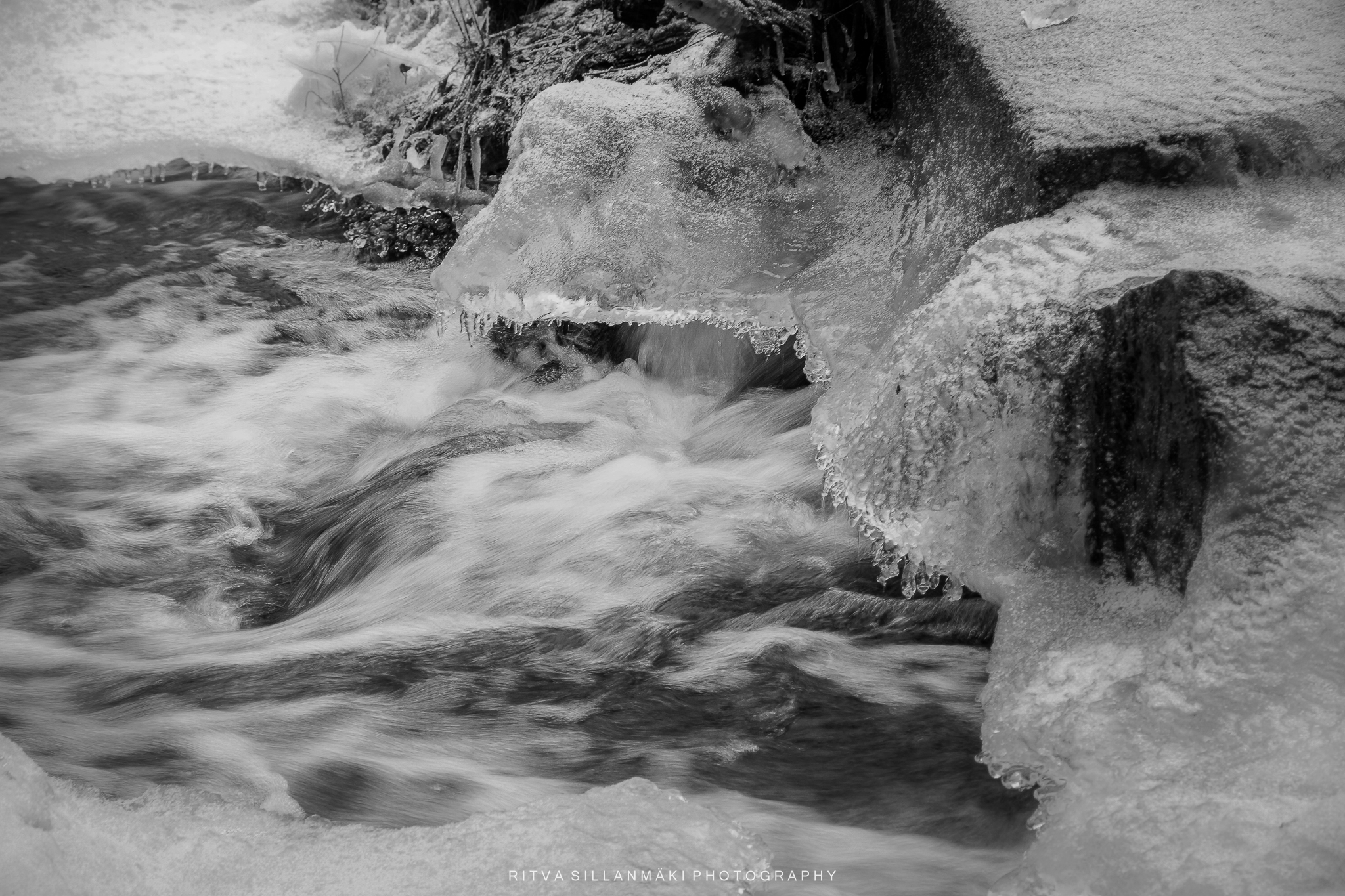
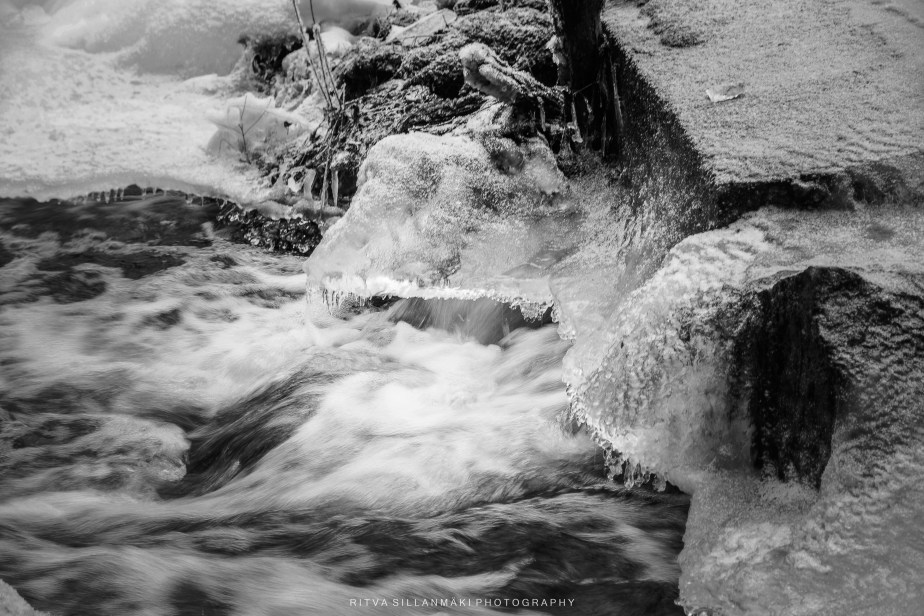
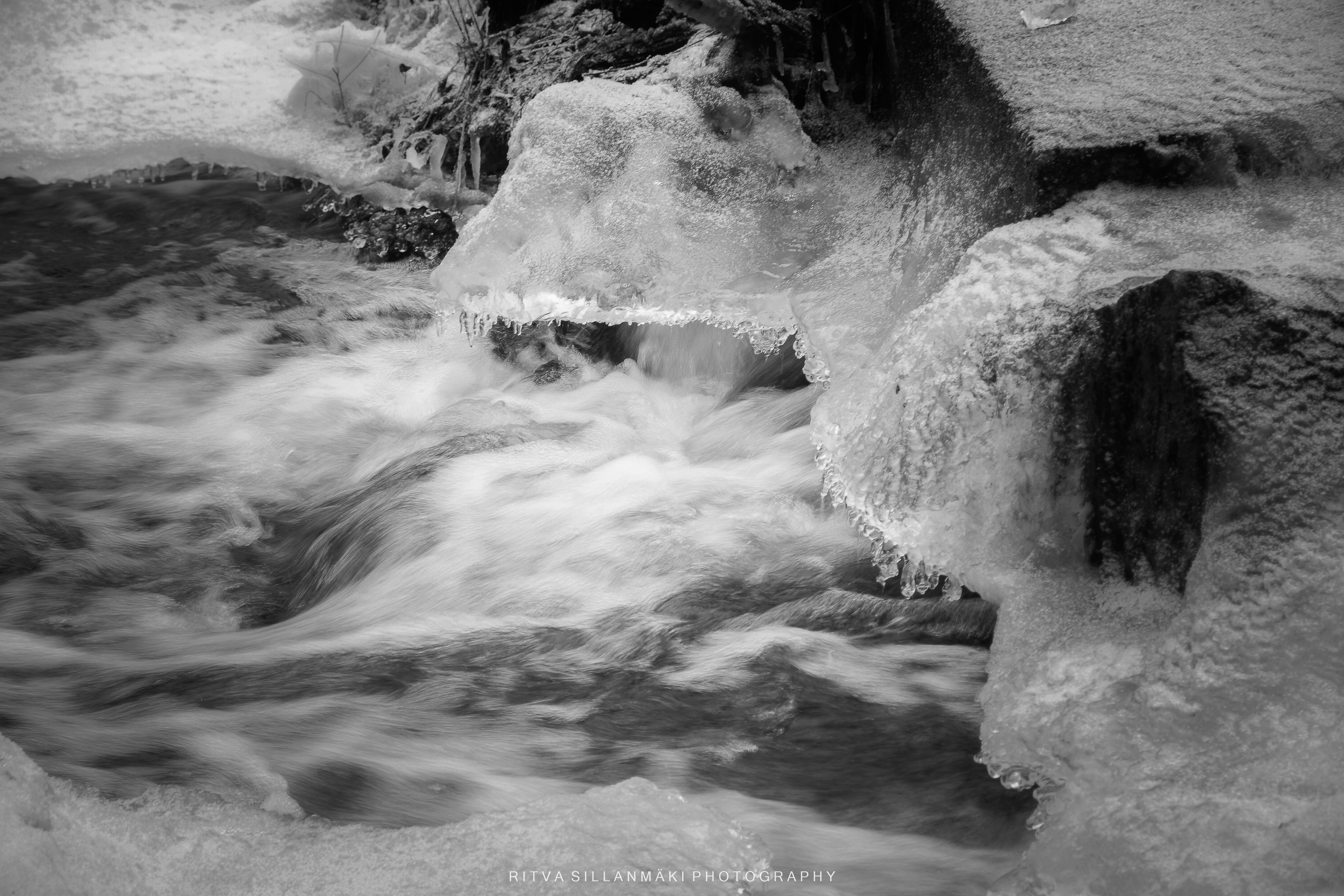
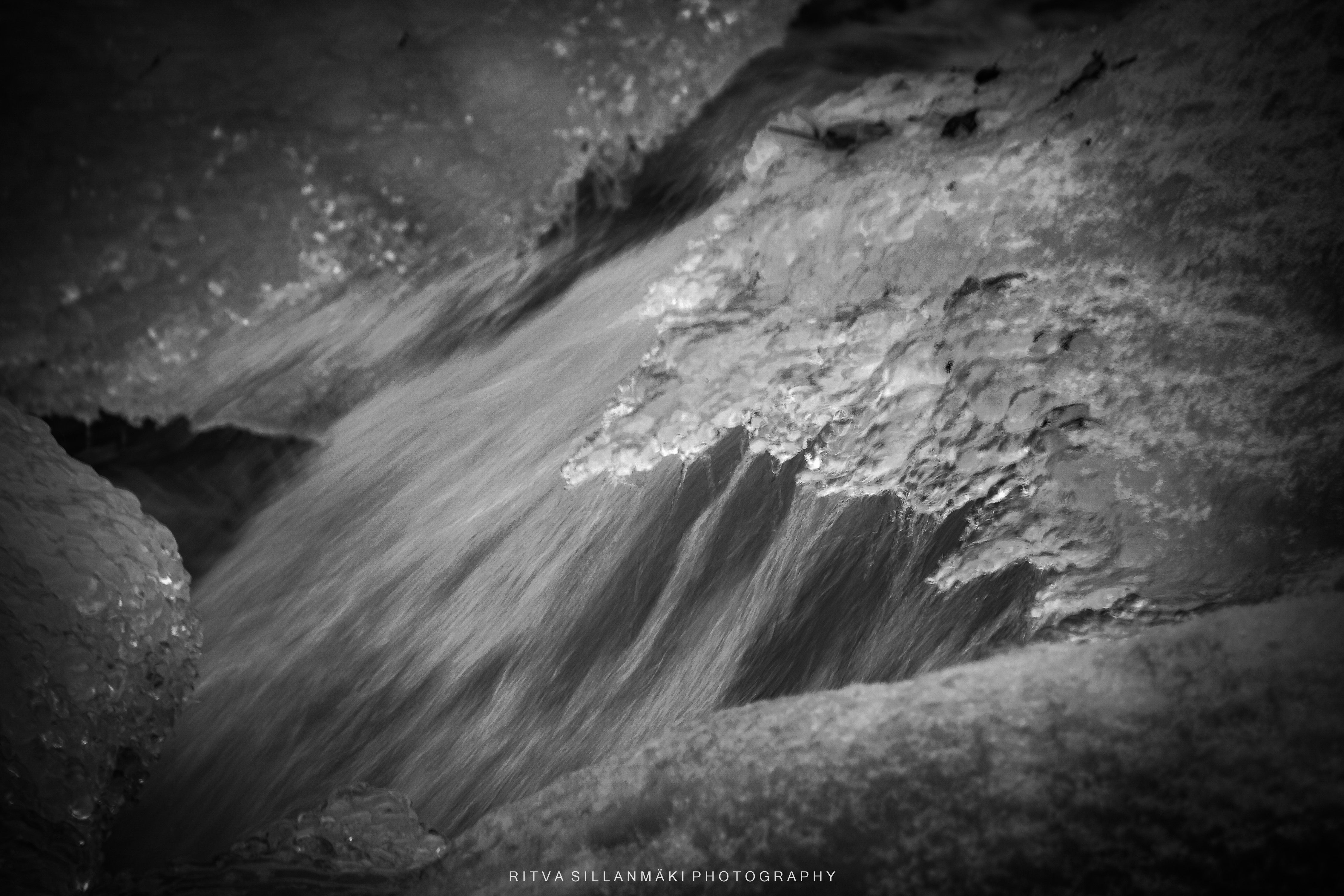
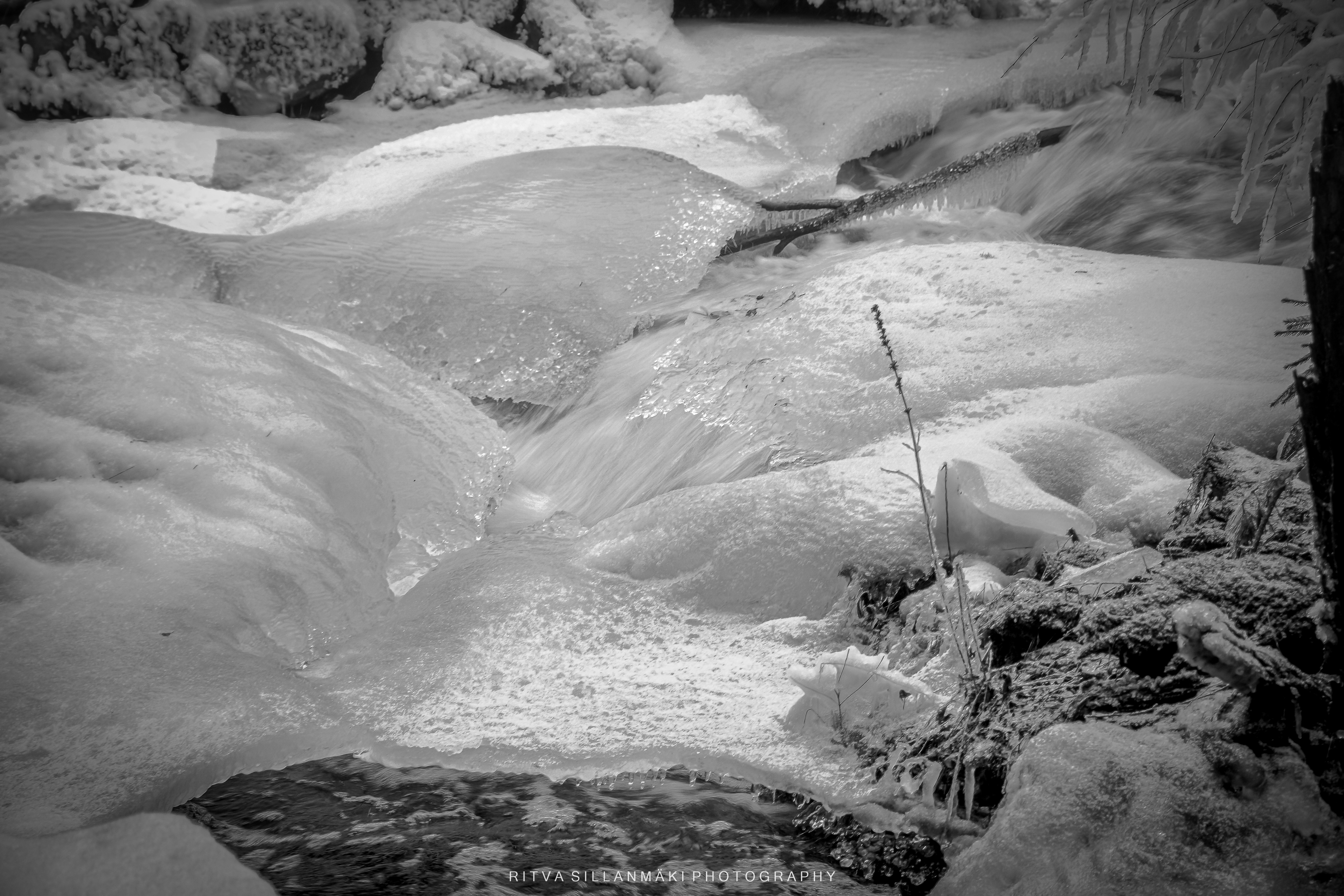
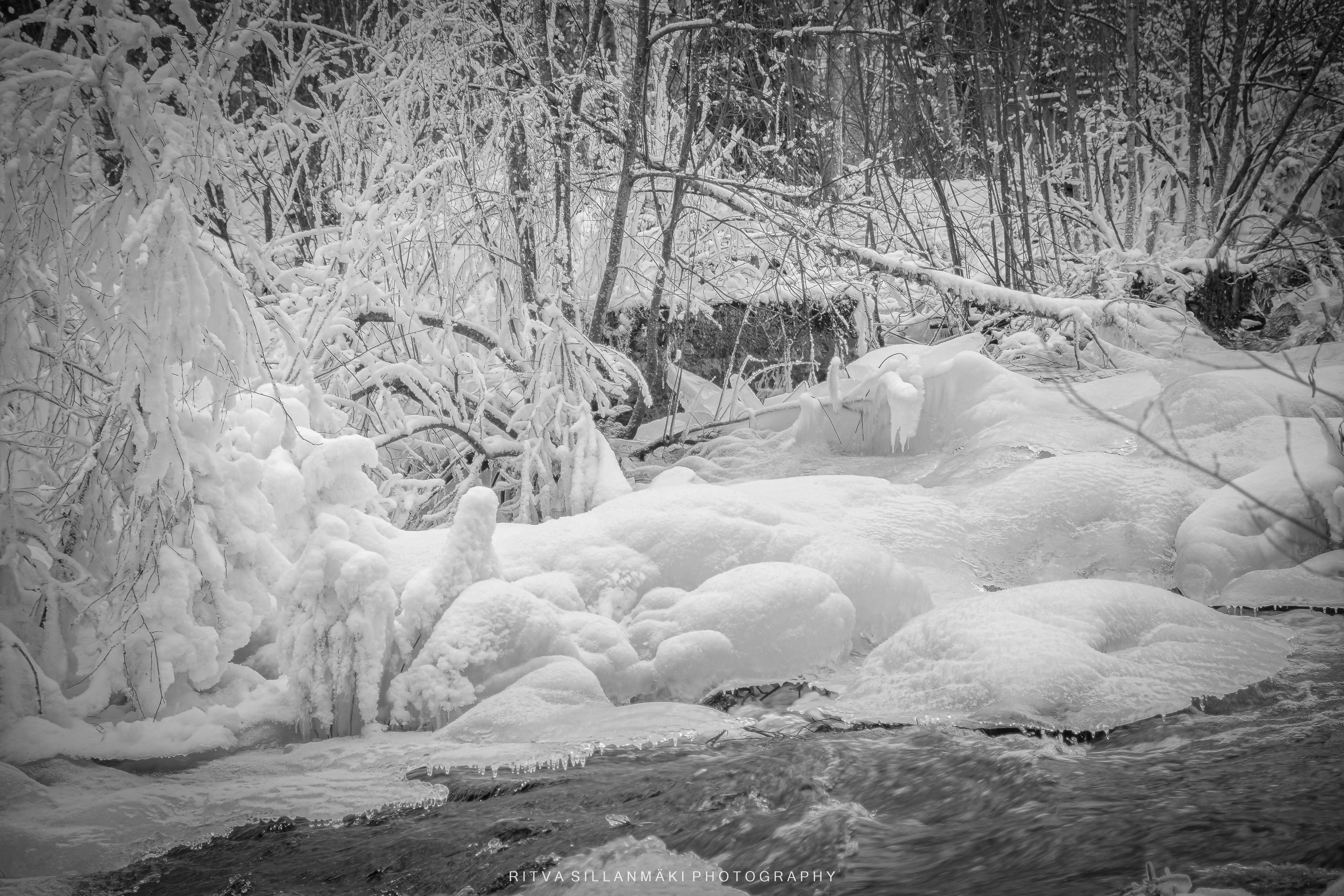
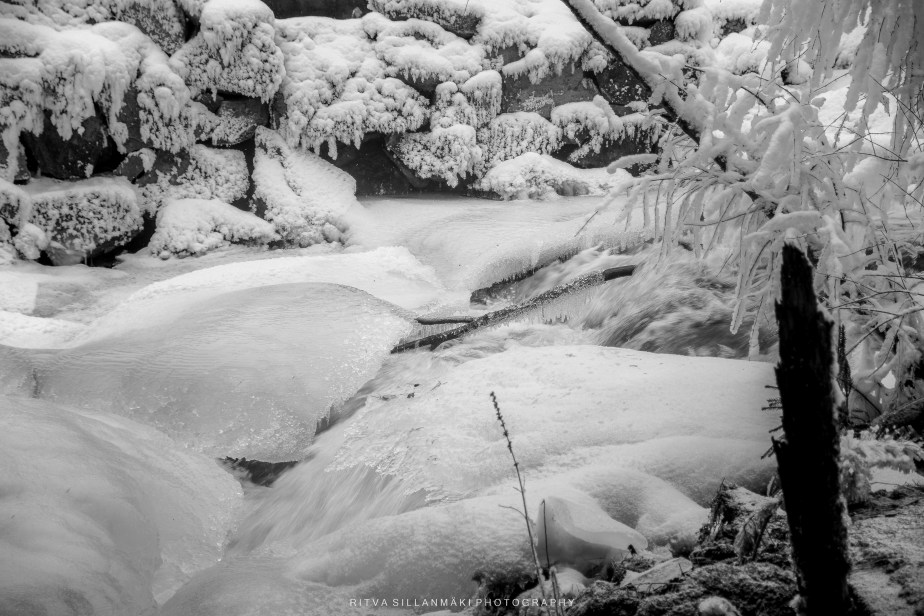
In my monochrome photographs, I strive to capture the essence of icy water tumbling over rocks during winter. There’s a certain vibrancy in the flow of the partially frozen water that contrasts beautifully with the serene stillness of the surrounding landscape. This juxtaposition between the rushing water and the frigid scene creates a captivating portrayal of nature’s elegance in the chilly air, allowing me to highlight the delicate features of both the water and its environment.
A black and white photo of icy water flowing over rocks in a winter landscape.
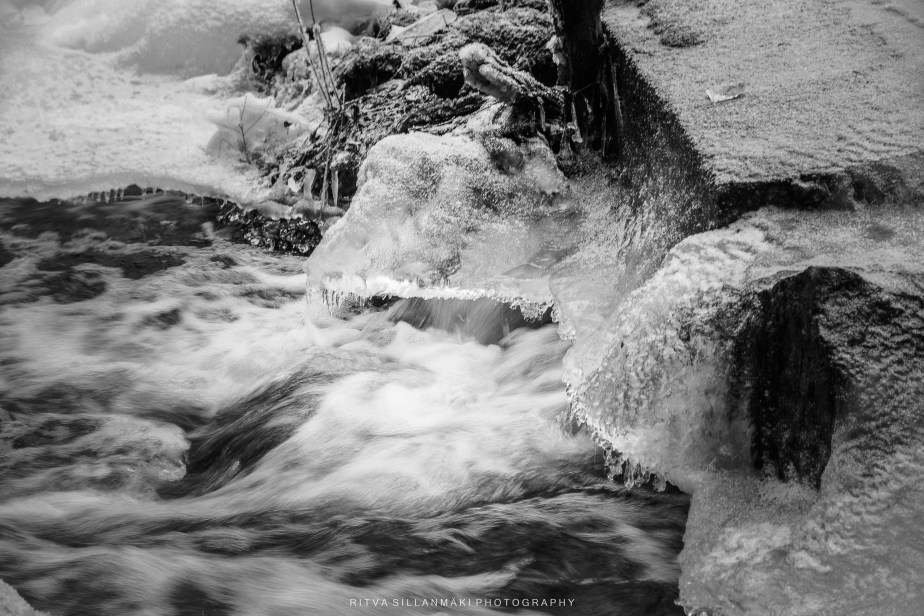
A dynamic black and white image capturing flowing water, partially frozen, amidst a winter landscape.A monochrome depiction of icy water cascading over rocks in a serene winter landscape.
This morning I started to look for photos of doors, Now it’s 5 PM, and I found myself completely immersed in editing photos from years back, particularly from my visits to the Espoo Cathedral, which is currently closed for renovations but is expected to be back in use by 2027. The intricate architecture and historical significance of this beautiful structure captivate me, making the editing process both a nostalgic experience. I will post those sorted photos soon.
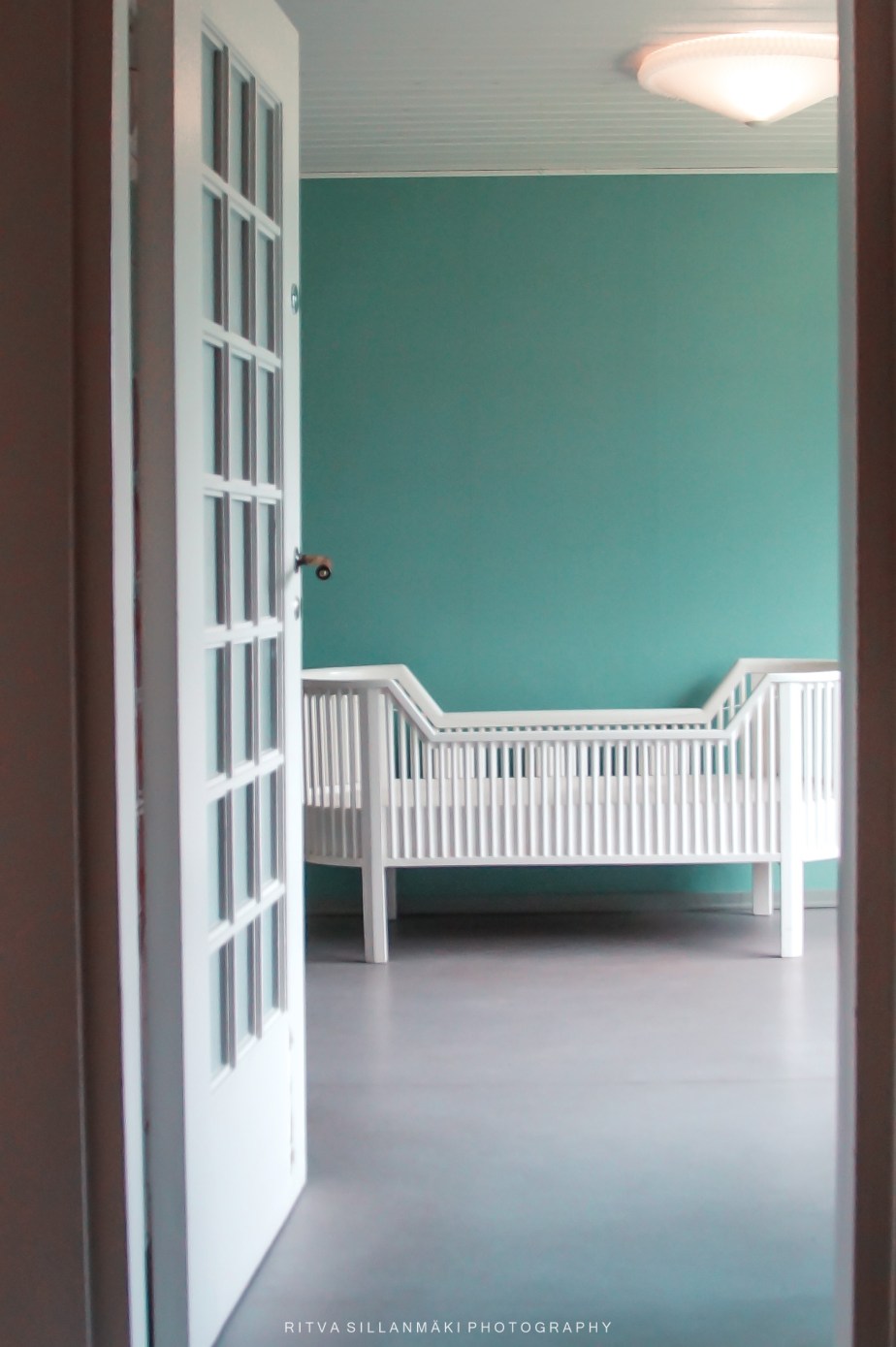
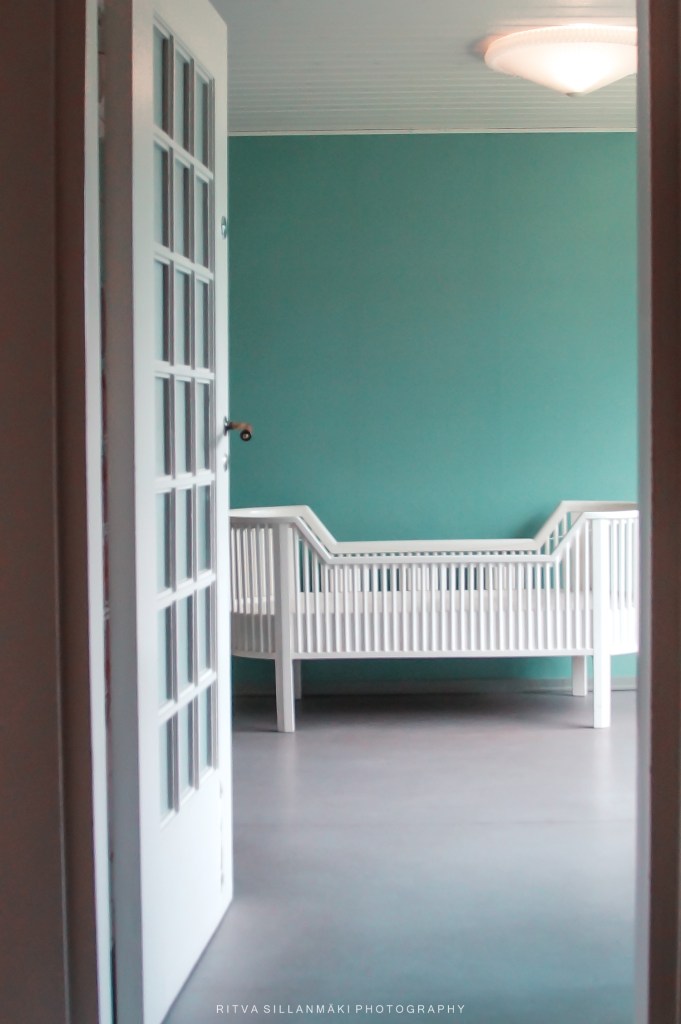
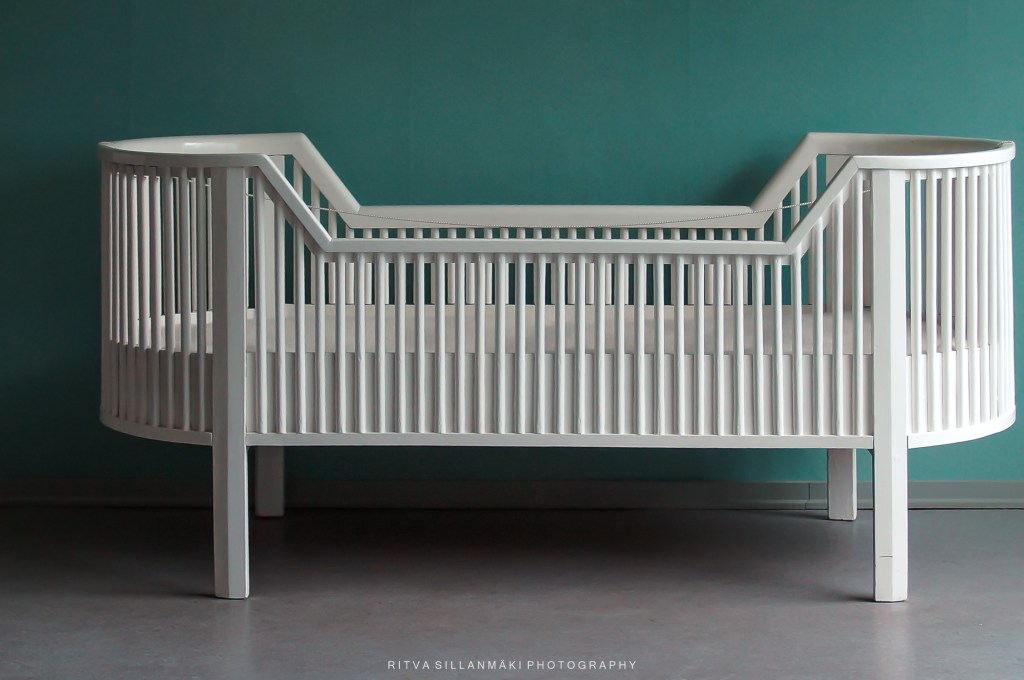
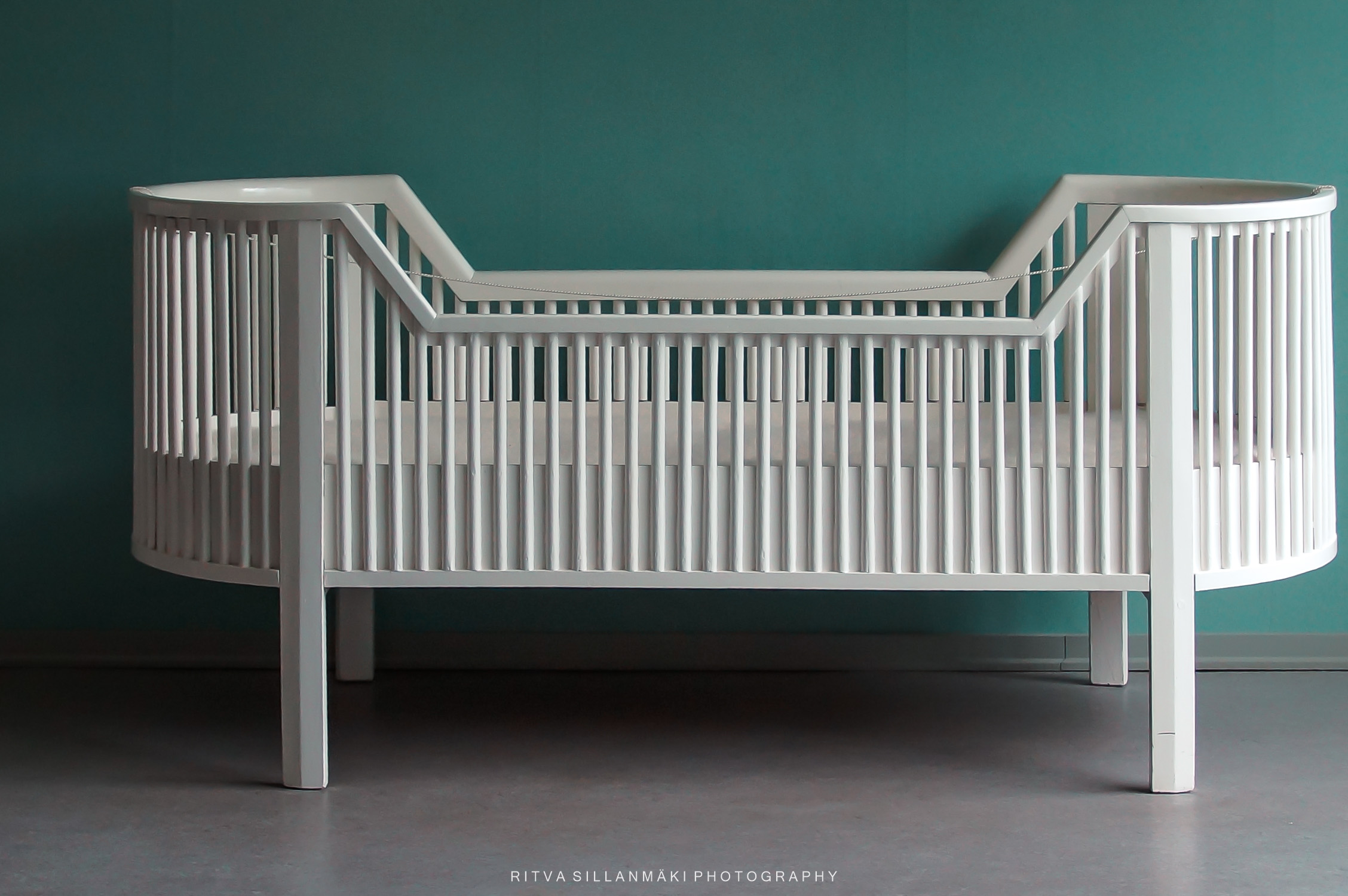
These are not from there. These are from the interior of Hvitträsk, just a small detail from a children’s room that truly captures the essence of early 20th-century design. I love the design of this child’s bed made of wood, crafted in 1905 by the renowned designer Eliel Saarinen. The bed showcases a thoughtful blend of functionality and artistry, ensuring comfort for the child while also serving as a beautiful piece of furniture.
The numerous mills in the rapids of the lakes on the northern side of the Salpausselkä in Nastola have been significant since the 16th century, and the current building stock forms cohesive and temporally as well as functionally layered entities in picturesque locations. The mills in the rapids represent early industrial buildings, to which the residences of the millers have also been connected.
The Kumian mills are located by the shore of Lake Salajärvi at a place where a river divides the narrow isthmus between Lake Salajärvi and Isokukkanen. The older wooden mill building dates back to the 1890s, while the tall flour mill building is from the 1930s.
The Kumian flour mill was designed in 1933 at the East Häme agricultural society. Later, similar tall flour mills were built, either as electric or steam mills. The mill became the most popular in Nastola and the nearby municipalities, significantly contributing to the spread of wheat cultivation in the area. A groats mill and a shaving planing machine operated in connection with the mill. Milling activities ceased in 1964.
A red mill surrounded by snow-covered trees and a flowing stream.
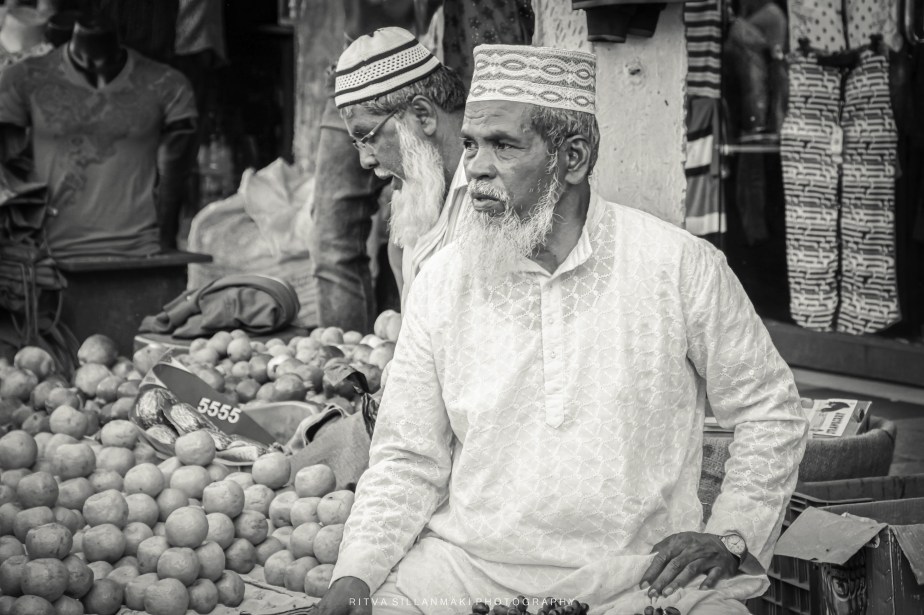
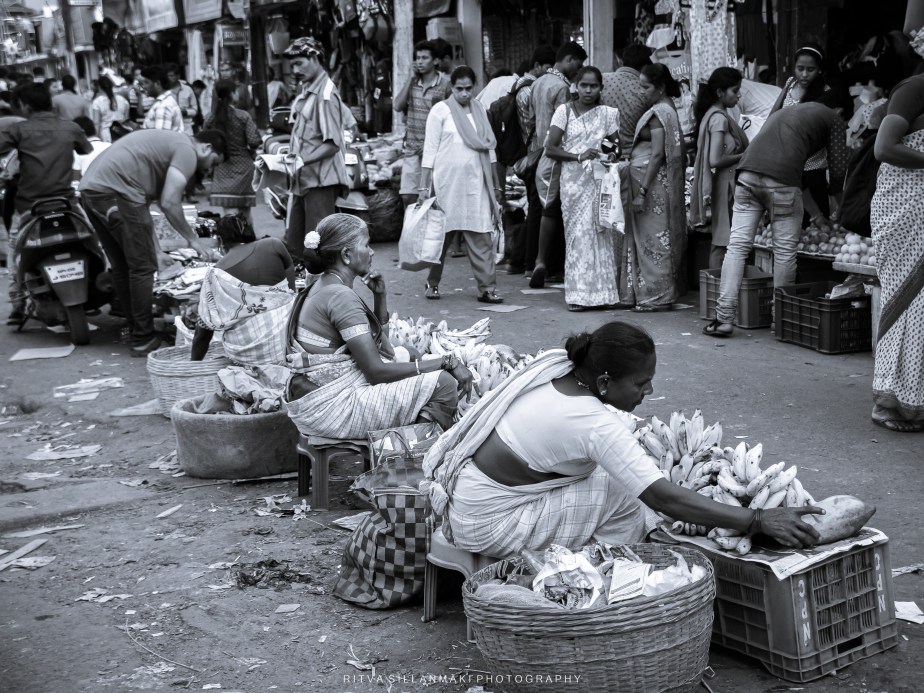
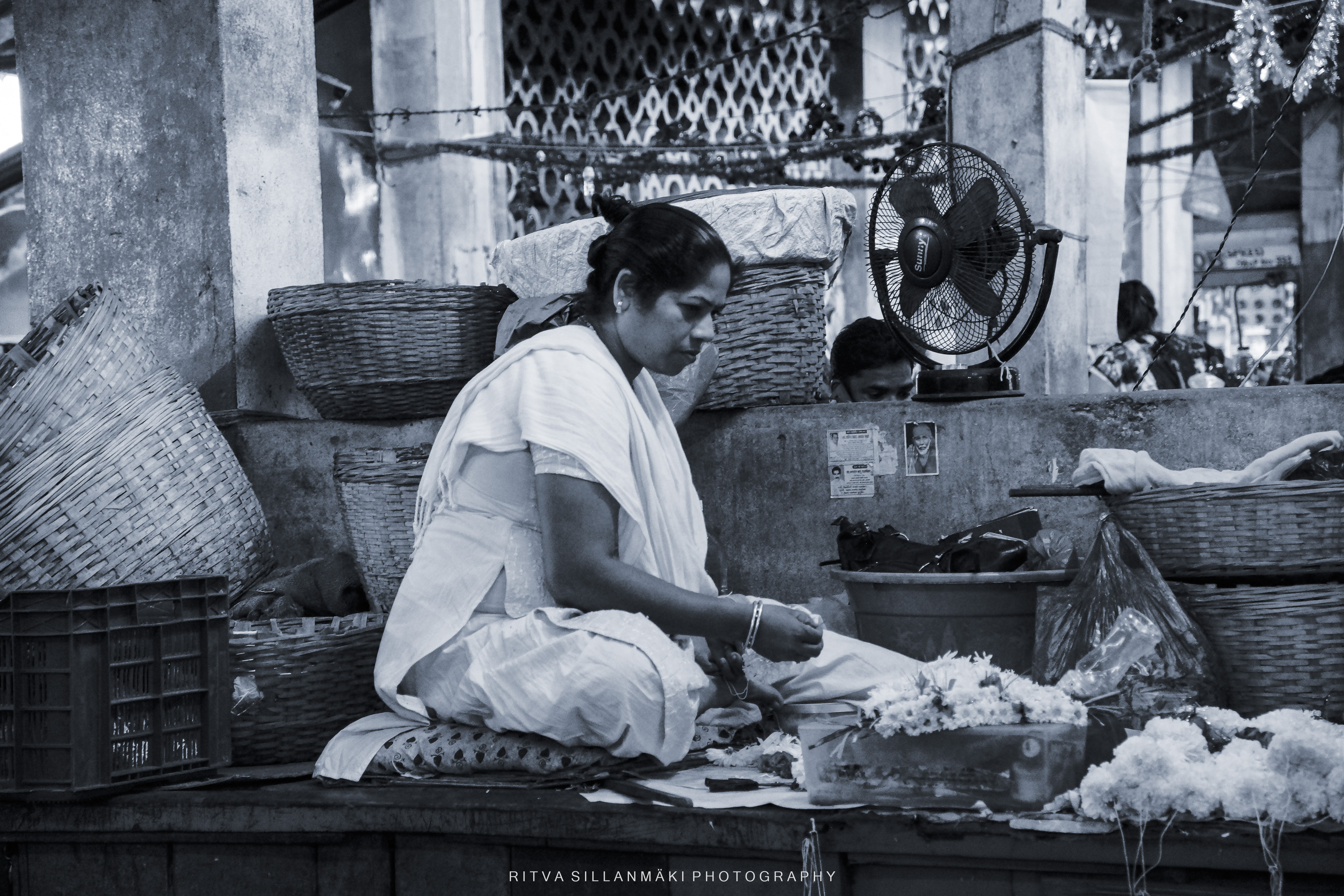
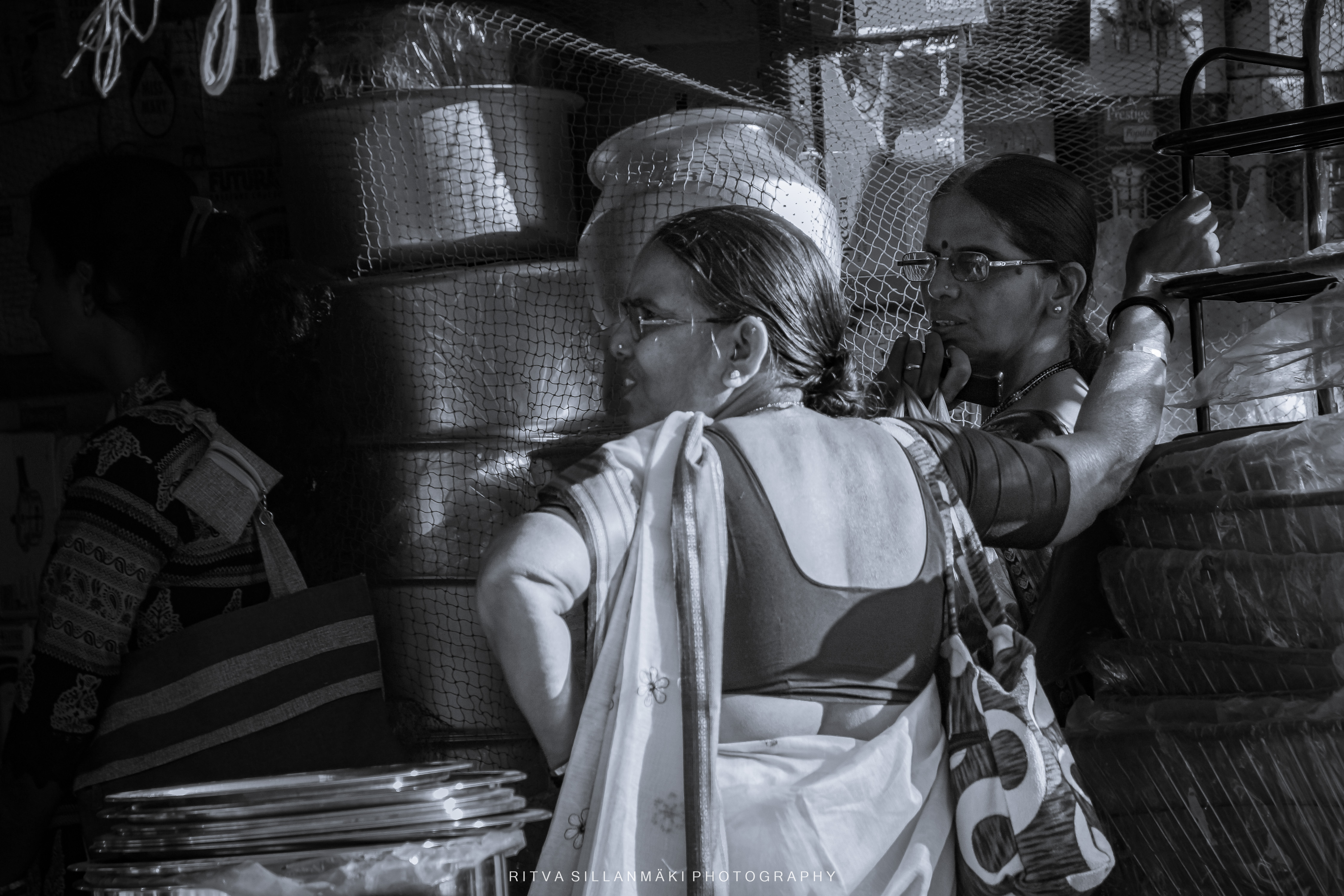
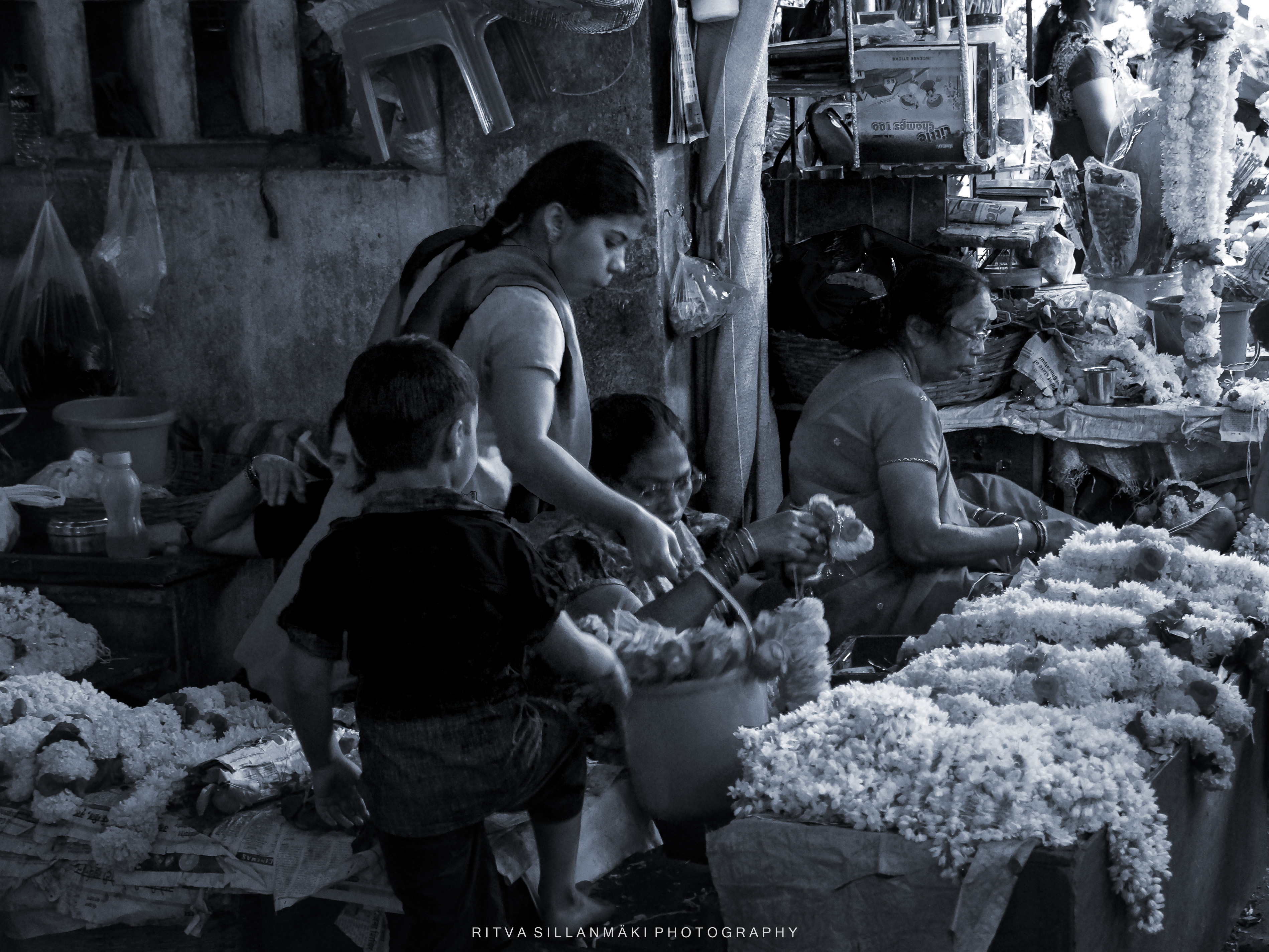
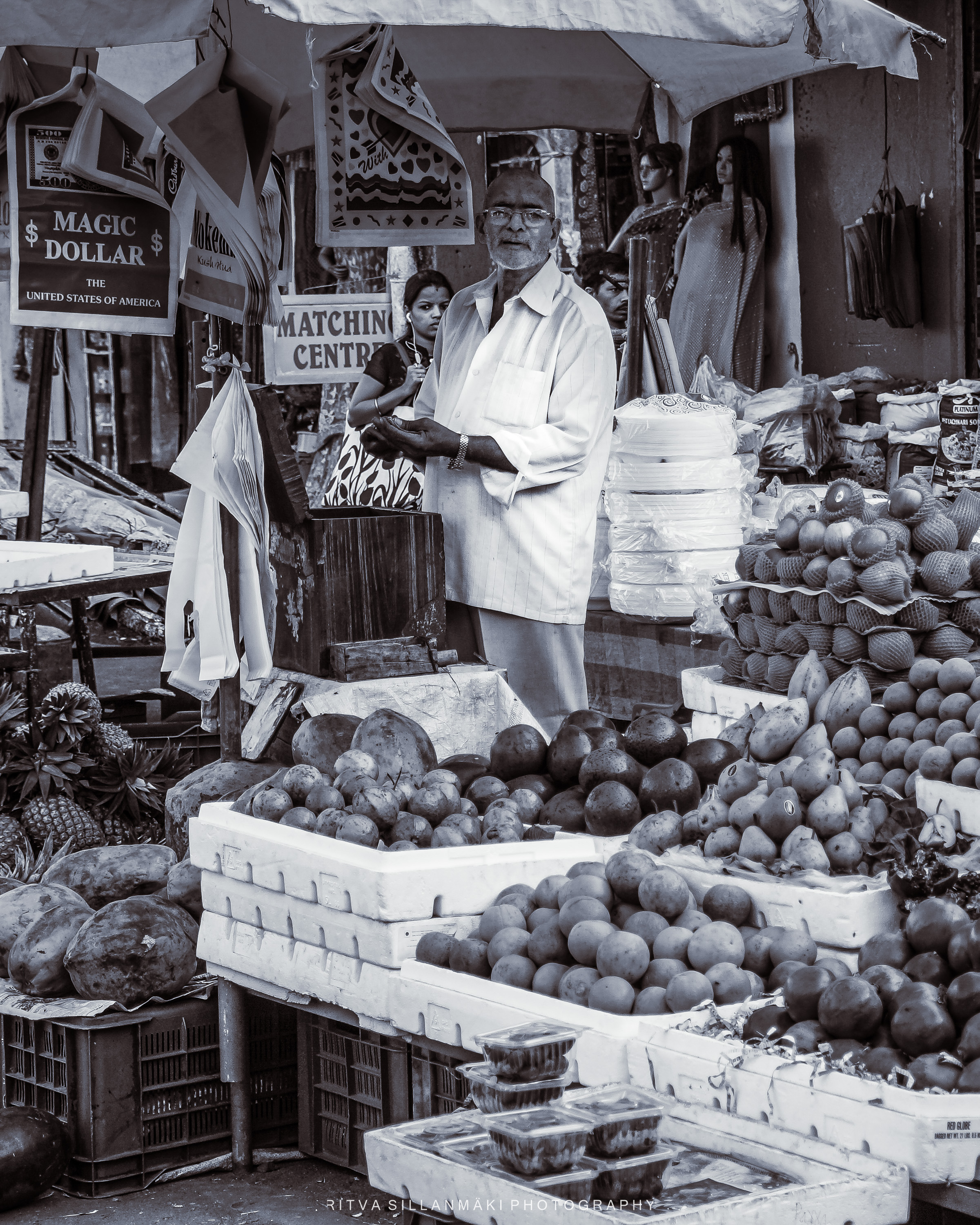
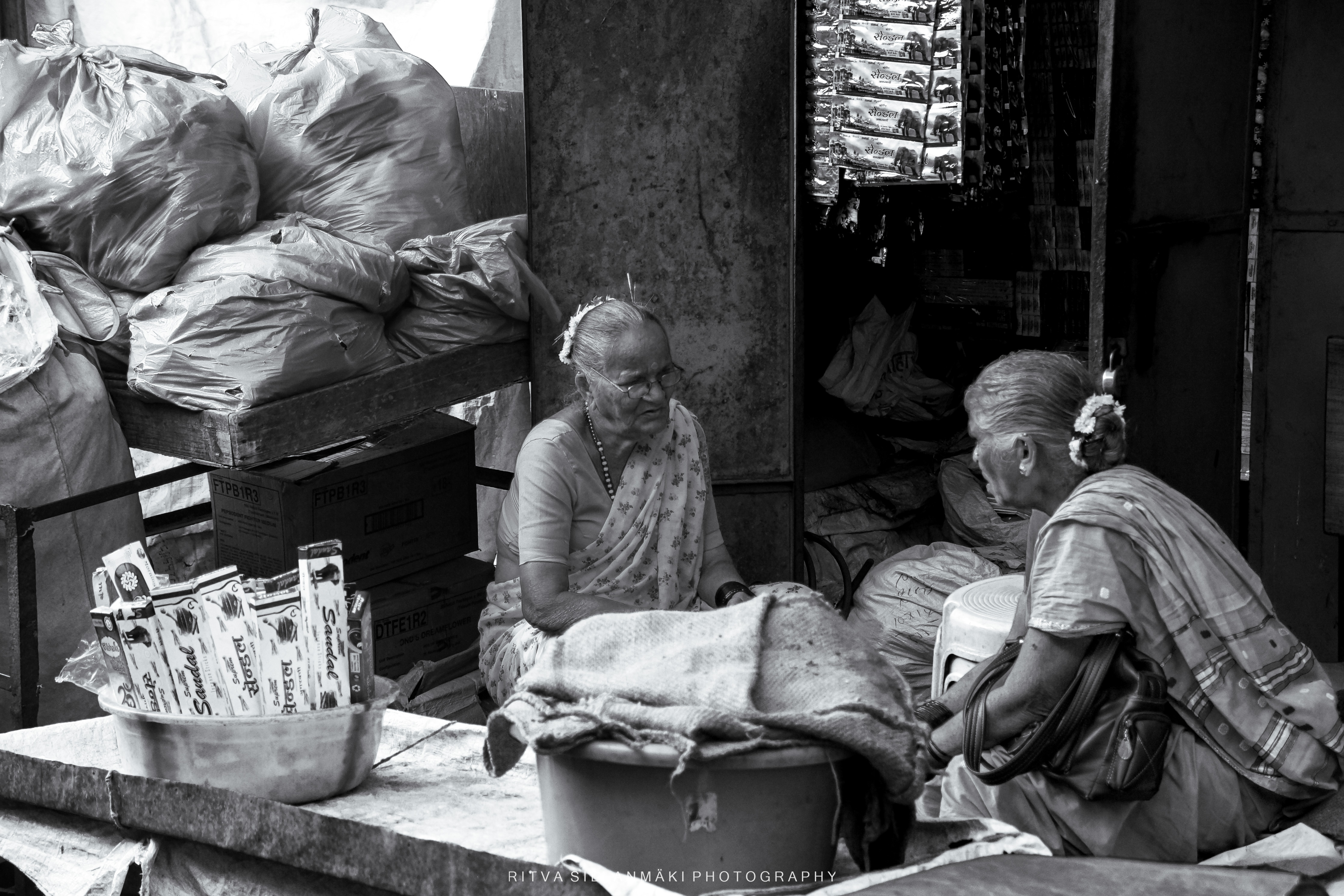
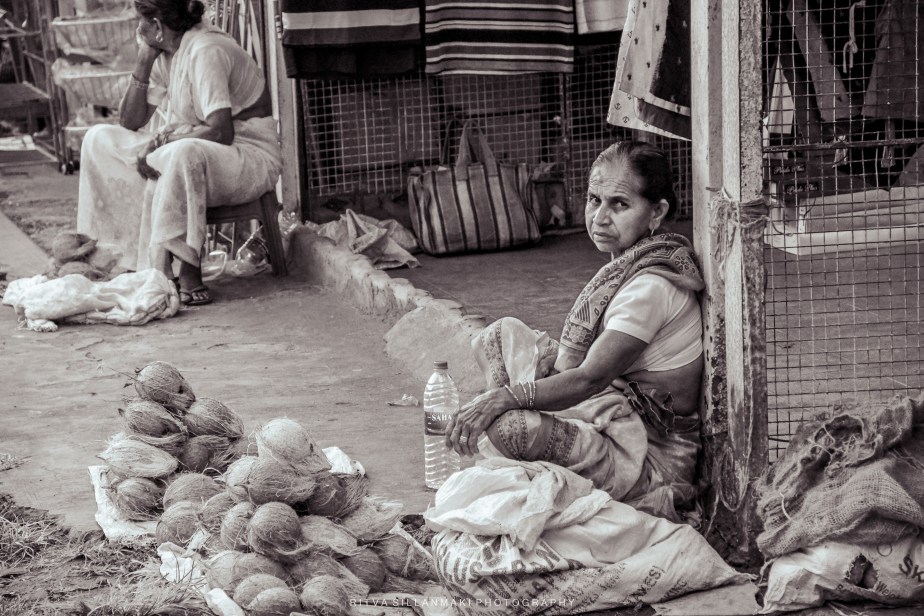
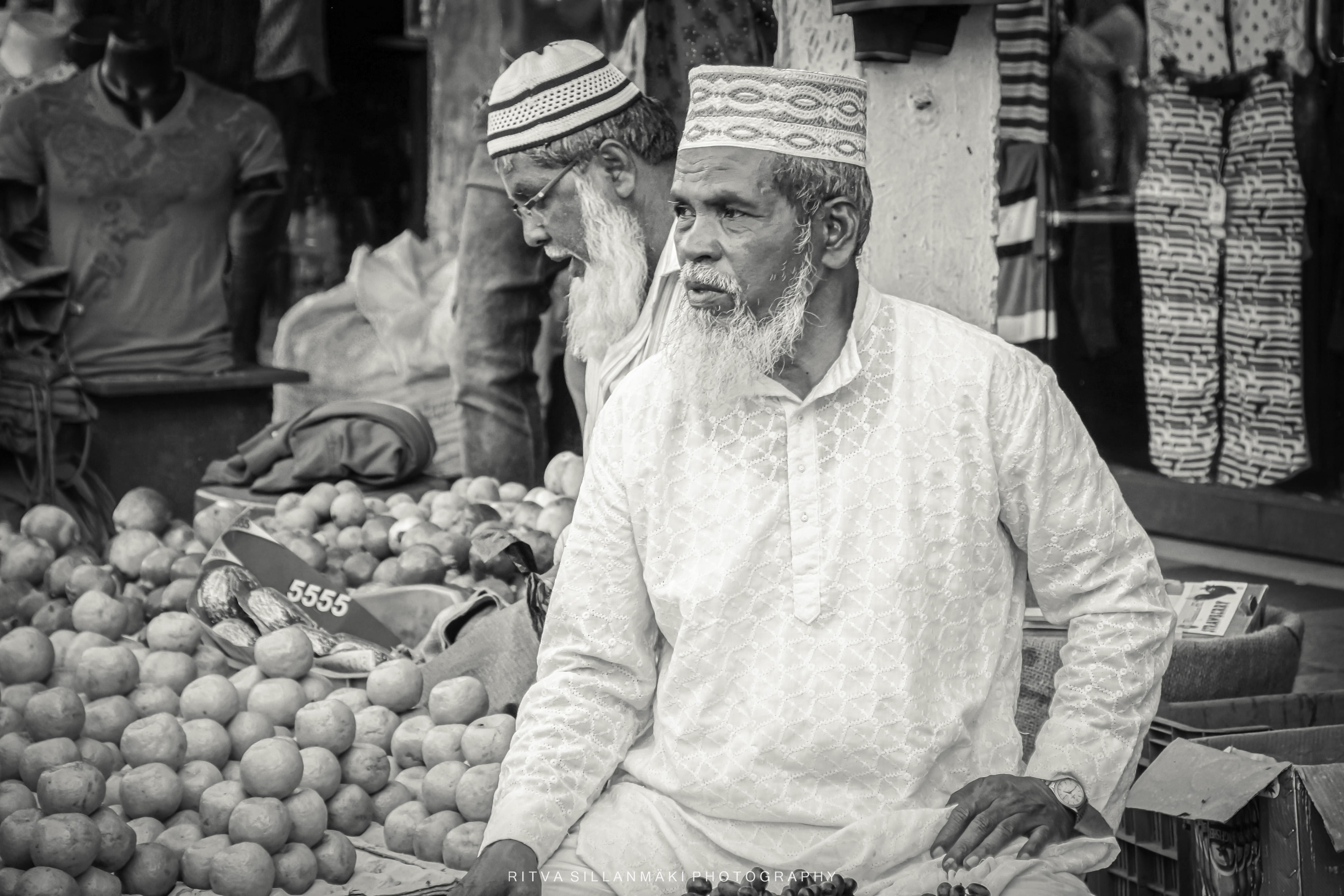
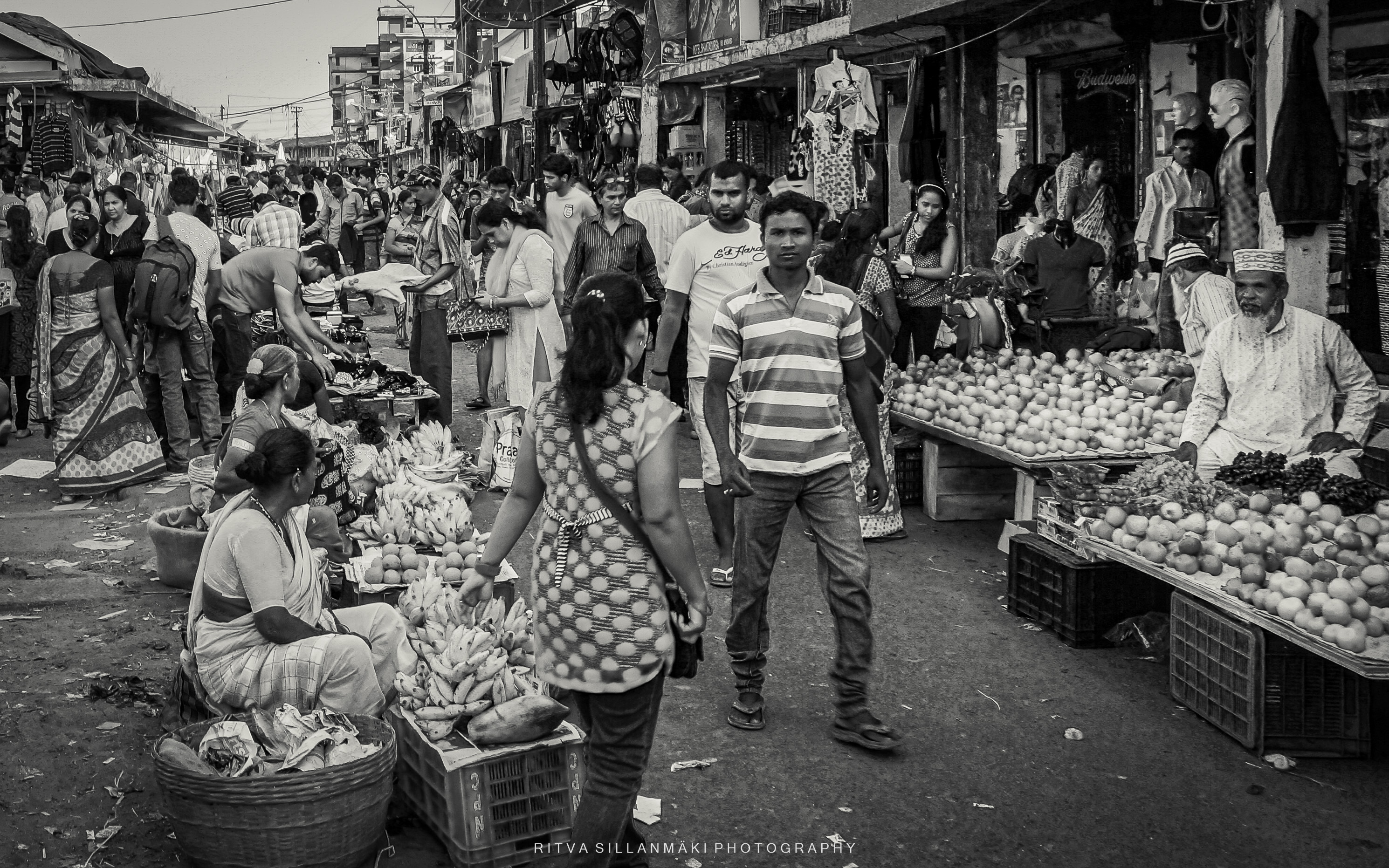
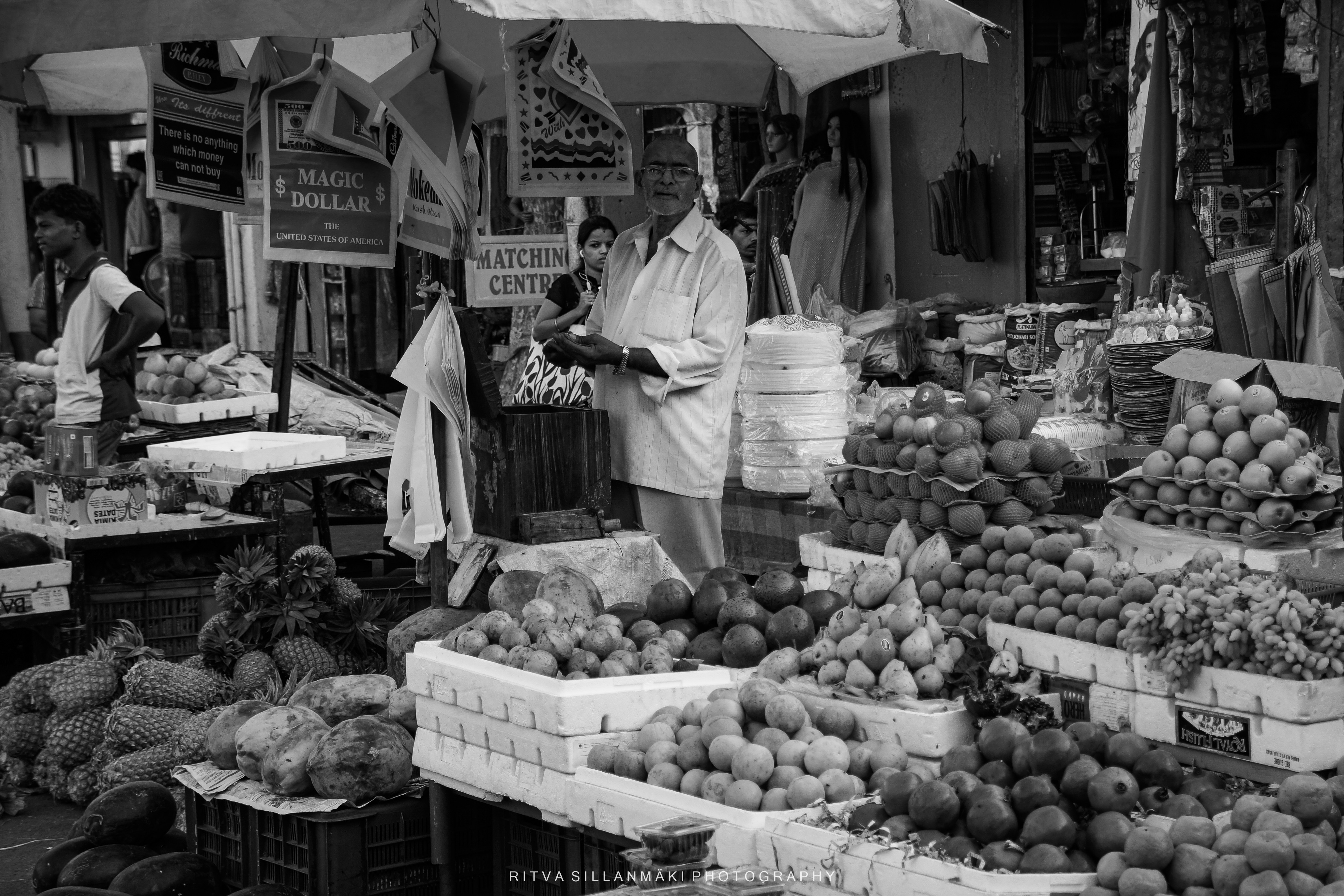
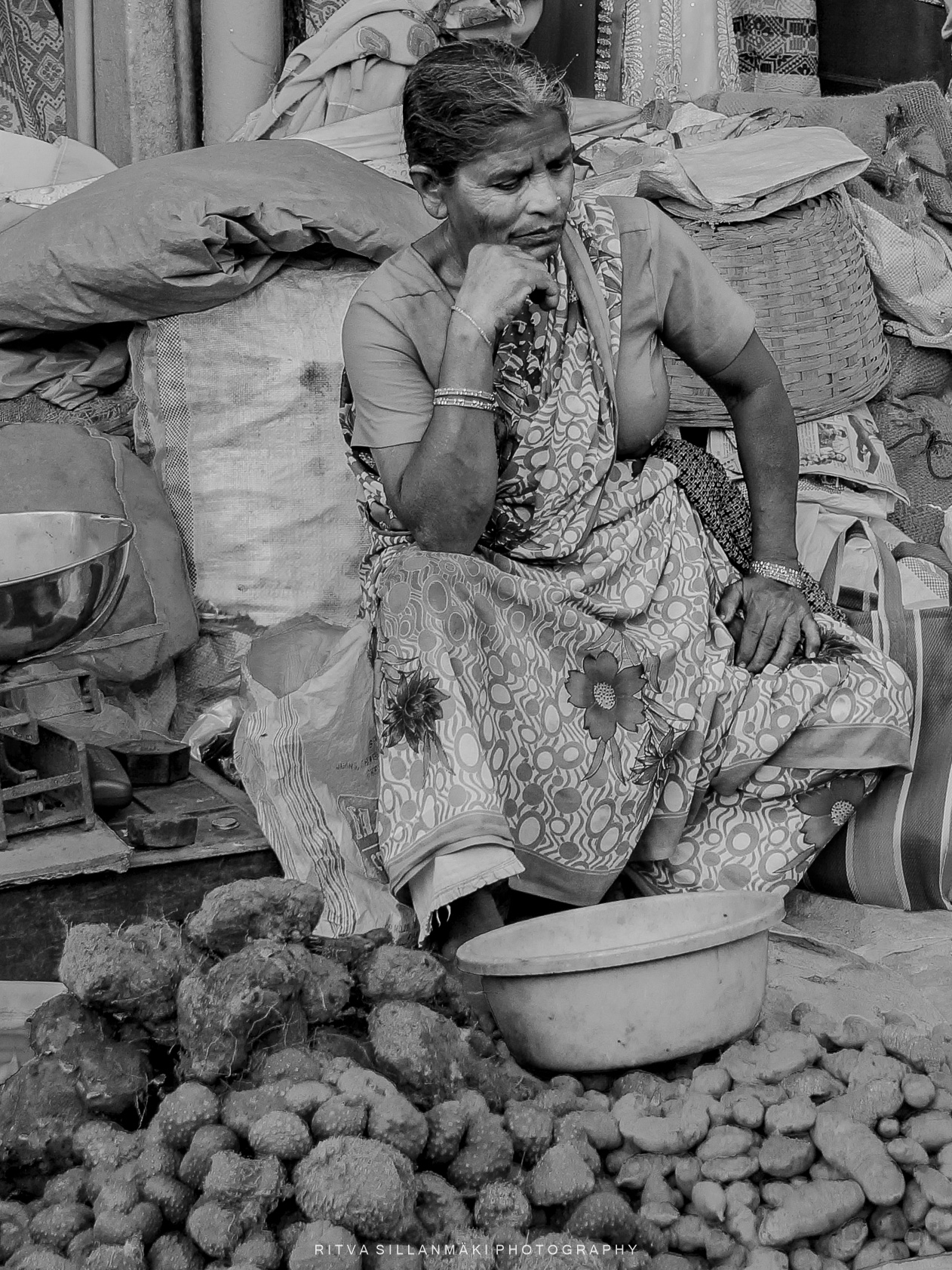
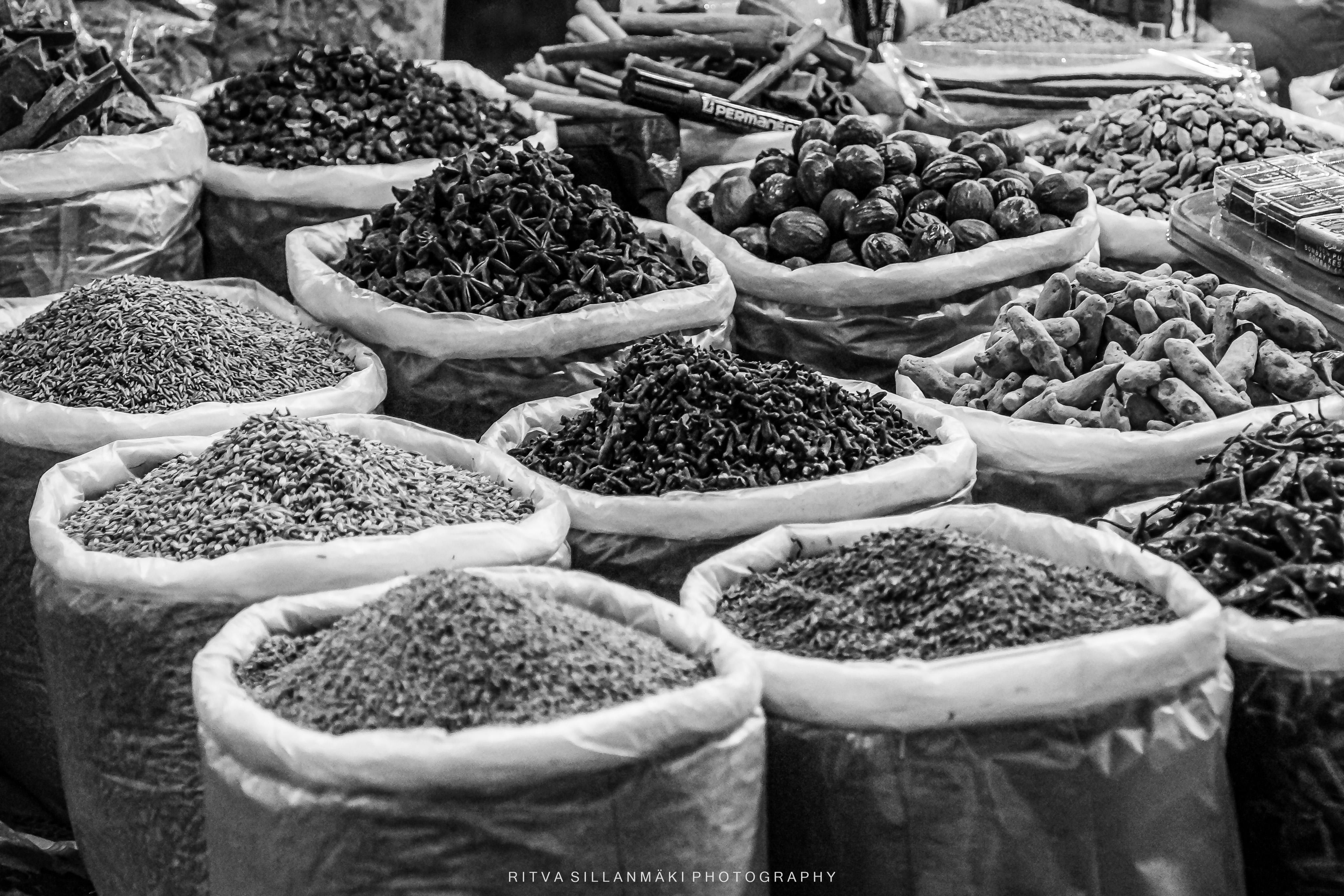
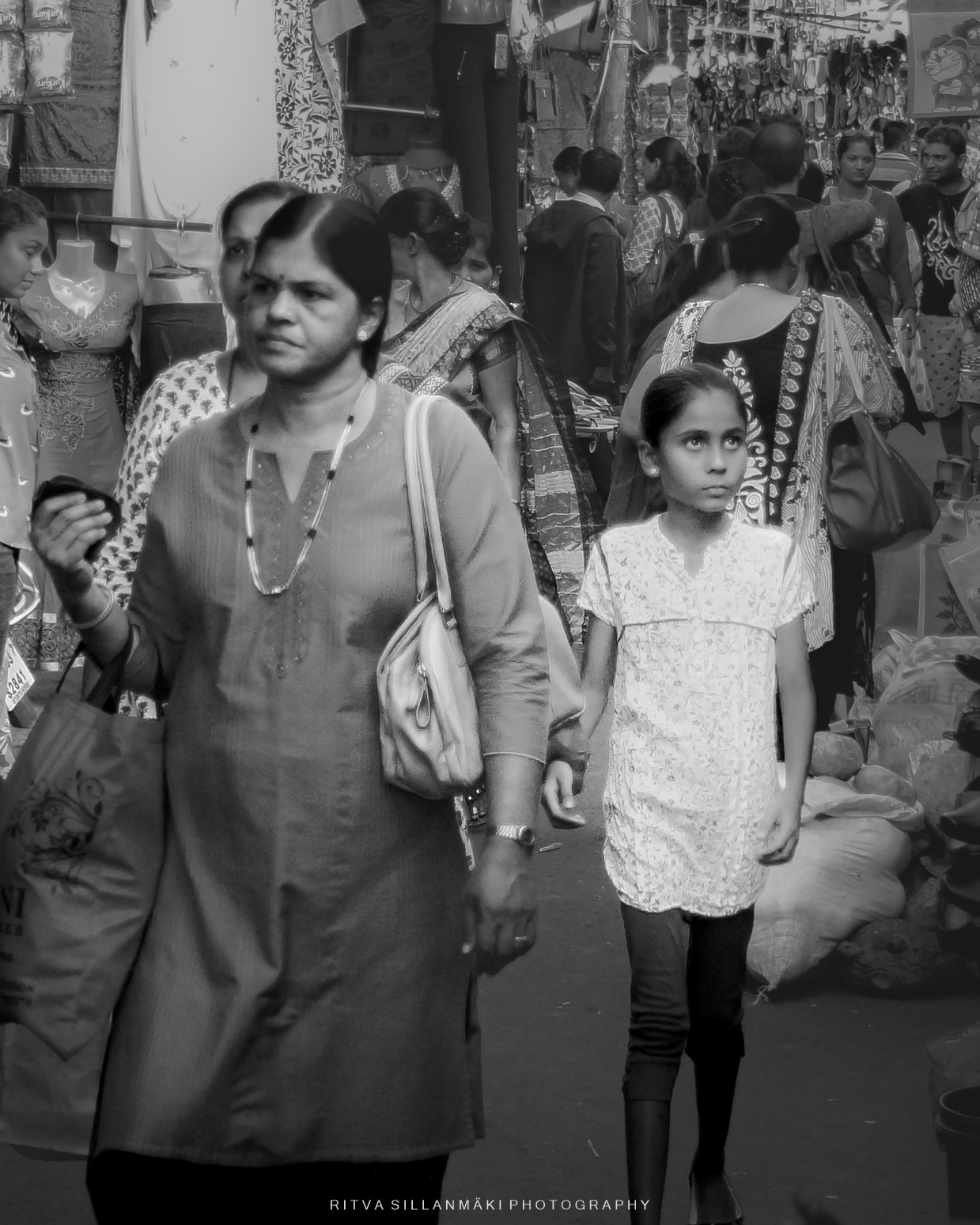
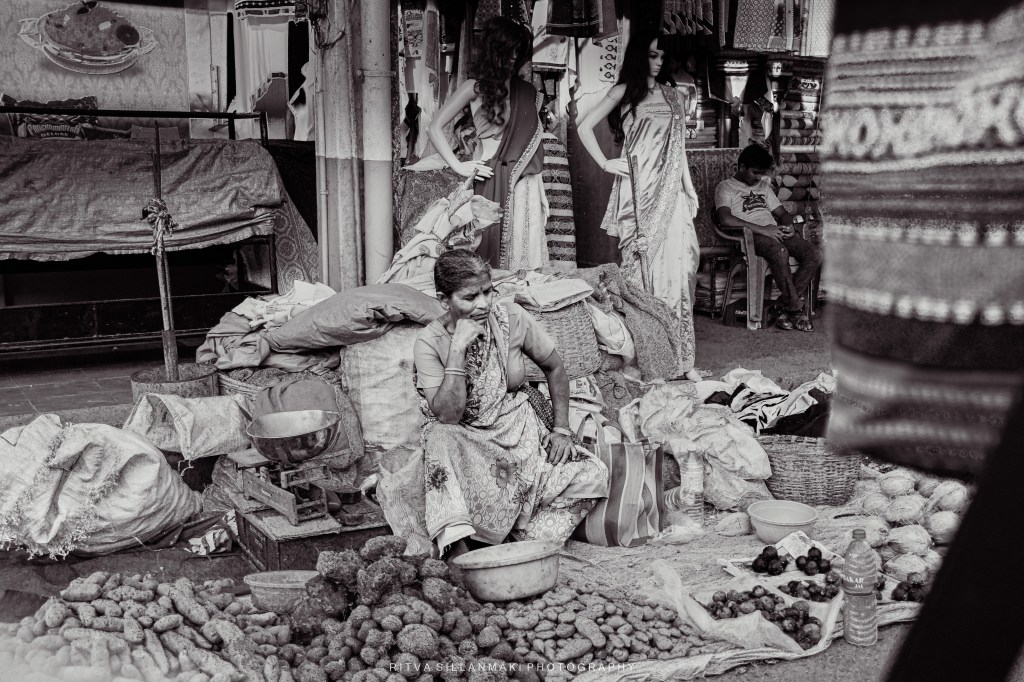
This week’s theme, “Markets” in Monochrome Madness comes to us from Sarah and her blog, Travel With Me.
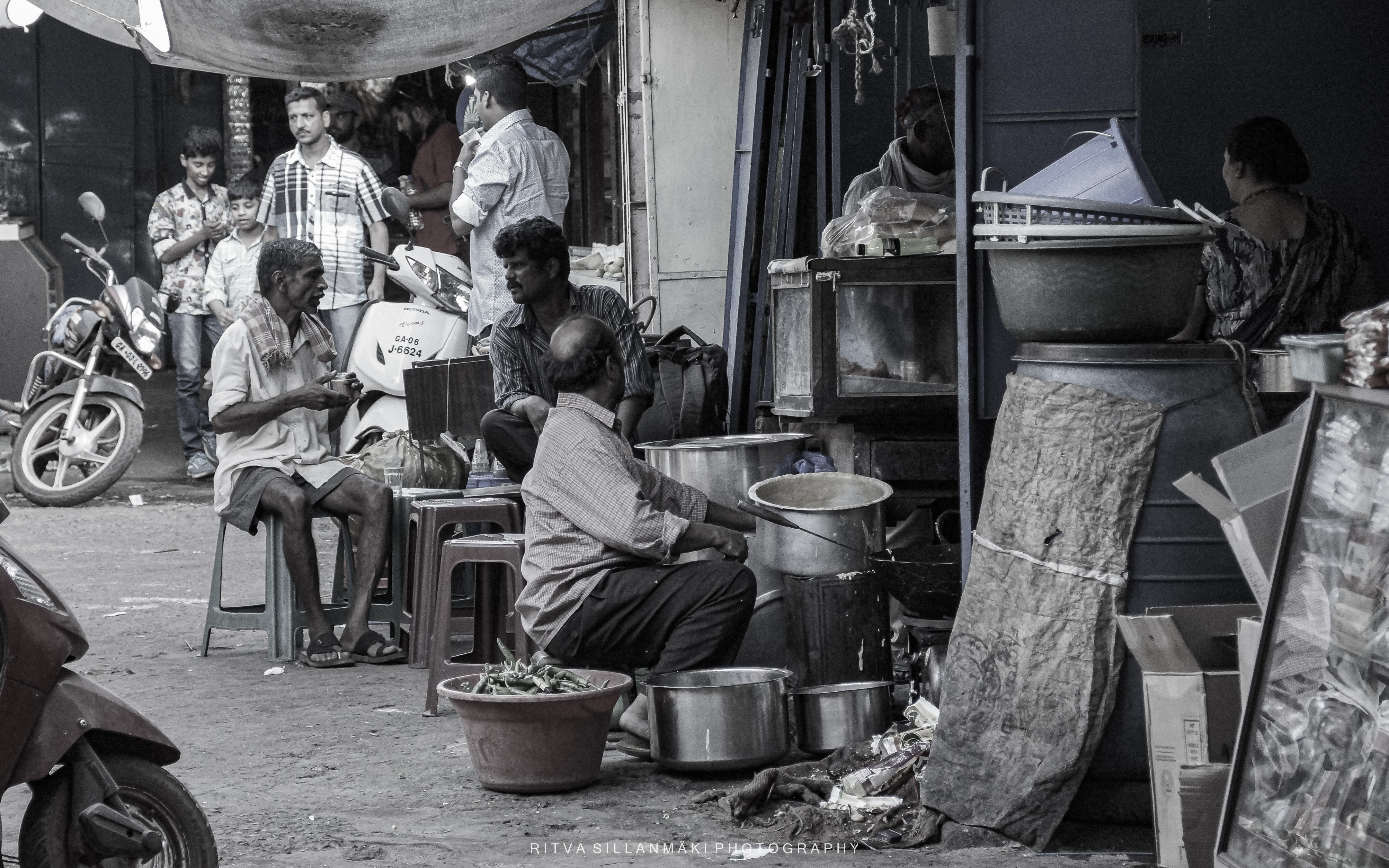
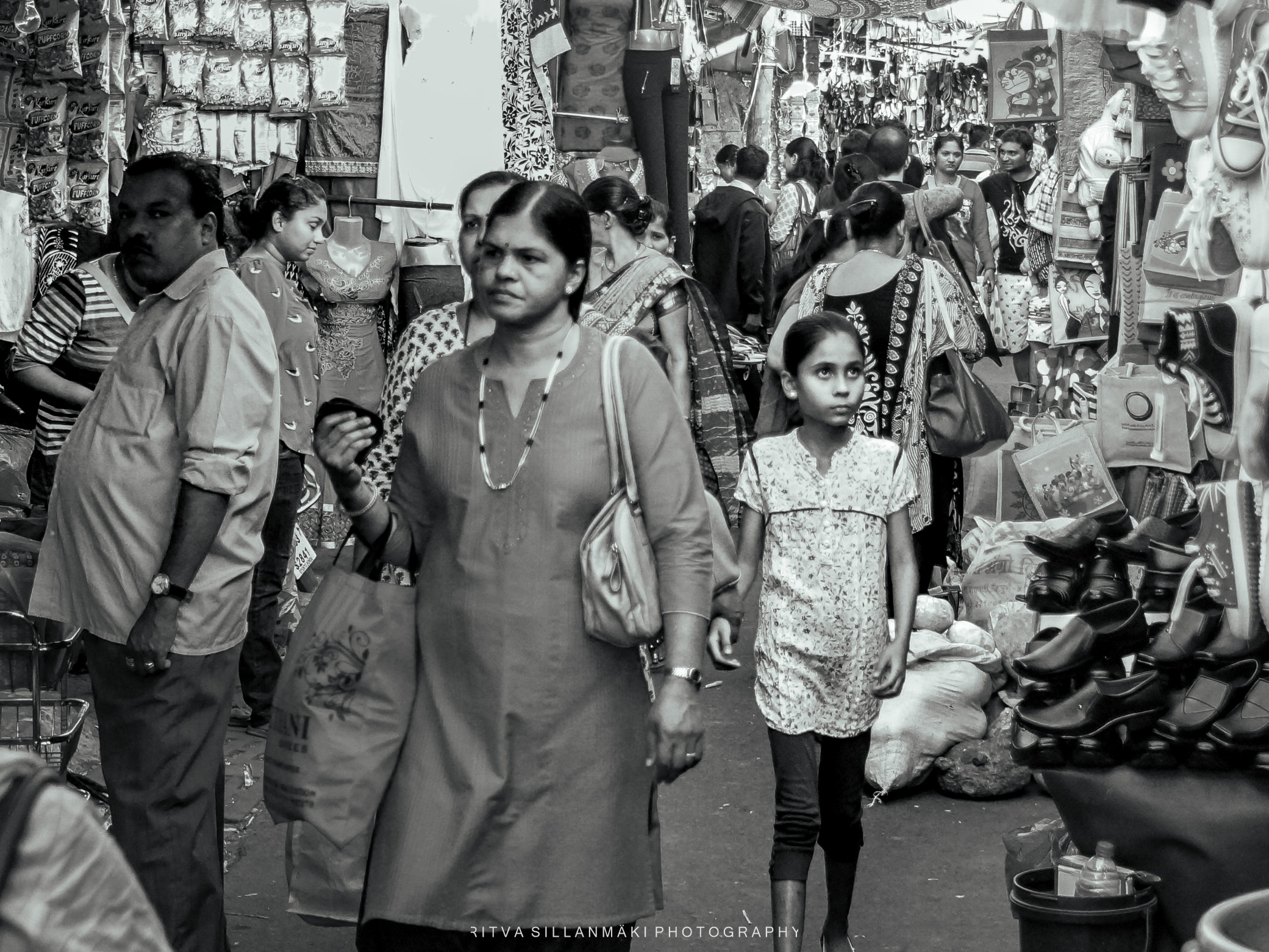
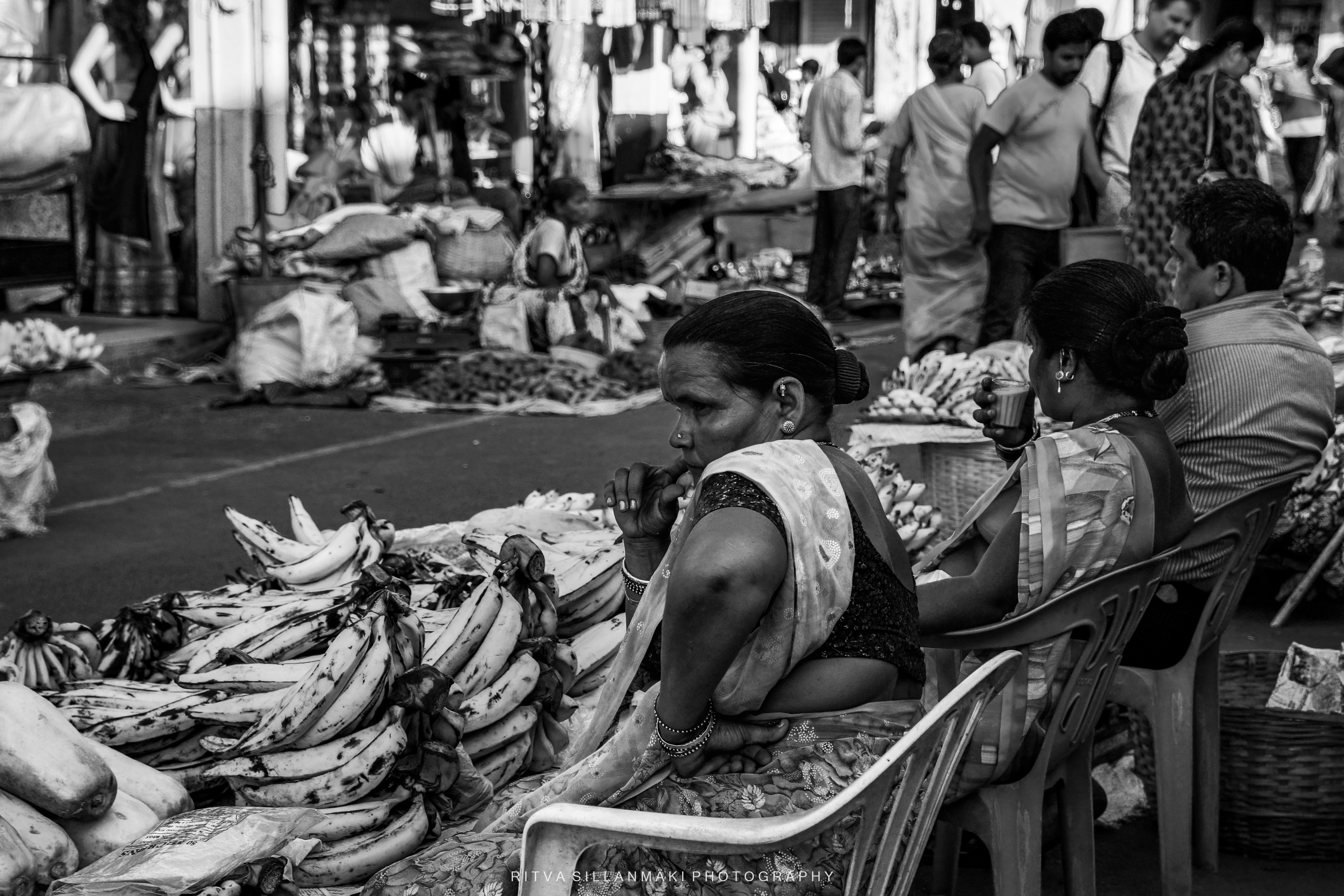
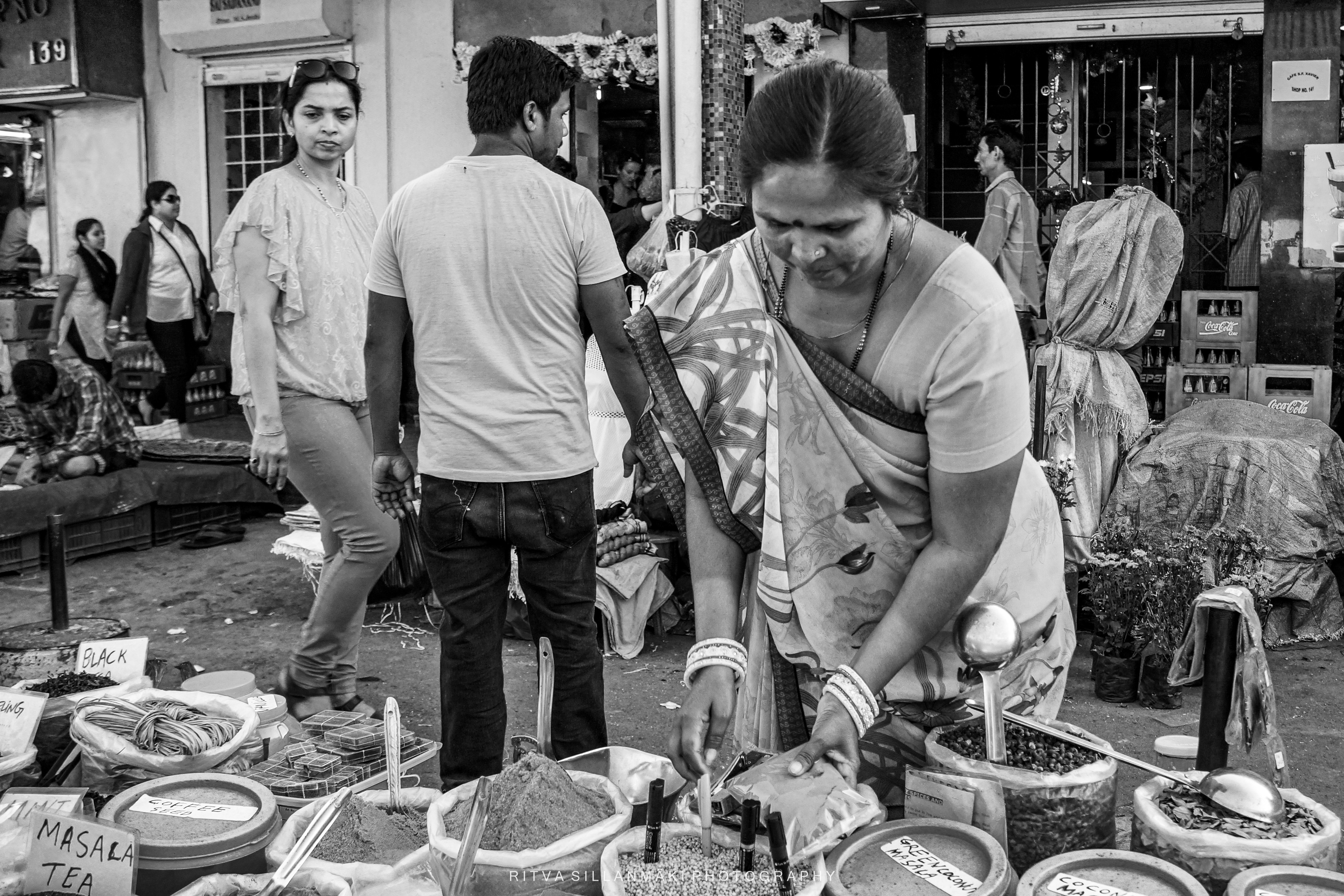
I haven’t been to markets recently, and so I am relieved to say the colorful Goa market provided me with loads of images to work with. The vibrant atmosphere, filled with vendors and chatter, made the experience memorable. As the people in India dress colorfully and the fruits and flowers at the marketplace offer many different colors, just converting to B/W was not an option. Each photograph presented a unique palette, with bright fabrics and eye-catching arrangements that seemed to come alive under the warm sun so to be able to bring them all present in the images, well, it required a bit of editing to get the results I am happy enough to be able to share them with you.
Women selling produce at a bustling market in black and white.
A vendor at a market in Goa, surrounded by coconuts and showcasing daily life in monochrome.
A woman selling various goods at a vibrant market, captured in monochrome.
The array of bright fabrics, fruits, and flowers necessitated careful editing to preserve the essence of the original colors. I hope the monochrome images of daily life in the bustling market capture this richness despite transitioning to black-and-white photography.



















 Ritva Sillanmäki Photography