


SETI Institute + Unistellar Citizen Science
Feel the thrills of scientific discovery
Citizen Science is collaborative research between amateur and professional scientists who share a common goal. Most citizen scientists are everyday people, who are curious about science and want to collaborate with others.
UNISTELLAR focuses on citizen space science, which explores the realm beyond planet Earth. Professional space scientists often need the support of citizen scientists – there are simply not enough devices and time to collect all the information that exists about our universe, so citizen scientists use their passion to help gather and analyze data. This work allows us to expand our knowledge of the universe.
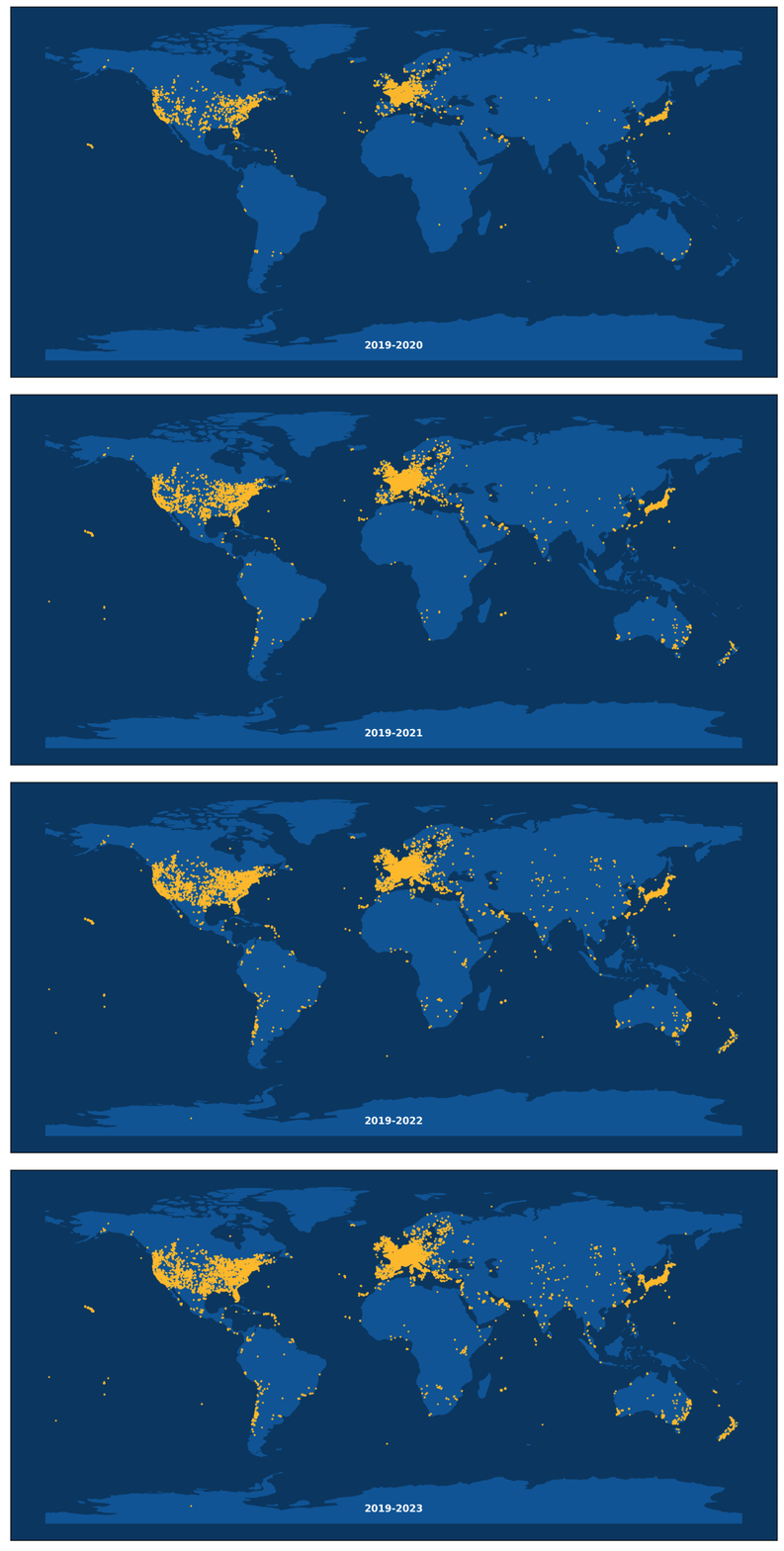
Live map of Unistellar Network observations by our citizen astronomers. Follow these links to a larger version or to check the data processing status of these observations.
Featured Monthly Science Target:
Comet 24P/Schmaumasse
Comet 24P/Schmaumausse is a short period comet that has been an exciting target in the past due to its unexpected brightening — all the more reason to watch it now! The Unistellar Network has had its eyes on this comet for the past few months, and 24P just had a close approach to the Sun on January 8, 2026. Observations now are crucial so that astronomers can assess how it responds to the Sun’s heating! Keep an eye on ths solar system visitor as it heads away from our planet on its 8-year orbit.
To observe Comet 24P:
Use your smartphone to generate a Deep Link with our comet ephemeris tool. Make at least one recording.For detailed instructions, see the Tutorial → During Observation → A. The Comet is in the App Catalog. This comet is currently visible to both hemispheres.
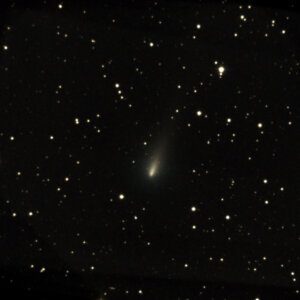
Comet 24P/Schmaumasse captured by Petri Kuossari (Finland). You can see its green glow opposite several background galaxies!

Monthly Leaderboards
Every month, we recognize our top contributors to each of our science campaigns. Thank you for being part of our citizen science community!
December 2025
Top Exoplanet Hunter: Tateki Goto
Top Planetary Guardian: Lydia Tamez
Top Comet Watcher: Lydia Tamez
Top Night Watcher: Lydia Tamez
Top Satellite Catcher: Bryan Tobias
Top Shadow Hunter: David Swalander
Asteroid Occultations Program
Detect the shadow cast on Earth by rocky asteroids passing in front of a star to help astronomers solve the mysteries of our solar system.
Planetary Defense Program
Protect our planet! Monitor these fast-moving, near-Earth asteroids to study their orbits and shape.
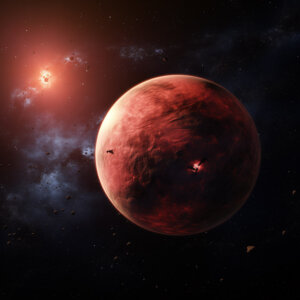
Exoplanets Program
Explore new planets! Participate in the search and discovery of planets orbiting other stars in our galaxy. In partnership with NASA.
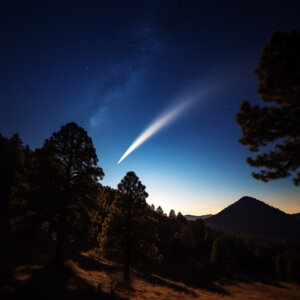
Comets Program
Observe these space snowballs to watch out for changes in activity, like outbursts, during their dance around our Sun.
Cosmic Cataclysms Program
Witness the aftermath of explosions in space! Study how supernovae and other cosmic cataclysmic events change over time.
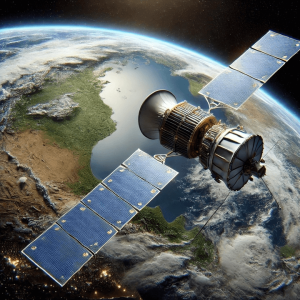
Satellites Program
Track artificial satellites to help us understand their impact on the night sky.
Asteroid Occultations
Detect the shadow cast on Earth by rocky asteroids passing in front of a star to help astronomers solve the mysteries of our solar system.

Planetary Defense
Protect our planet! Monitor these fast-moving, near-Earth asteroids to study their orbits and shape.

Exoplanets
Explore new planets! Participate in the search and discovery of planets orbiting other stars in our galaxy. In partnership with NASA.
Comets
Observe these space snowballs to watch out for changes in activity, like outbursts, during their dance around our Sun.
Cosmic Cataclysms
Witness the aftermath of explosions in space! Study how supernovae and other cosmic cataclysmic events change over time.

Satellites
Track artificial satellites to help us understand their impact on the night sky.
Join the Network
The UNISTELLAR Network is a worldwide community of Citizen Astronomers working in partnership with professional astronomers at the SETI Institute. Members use their UNISTELLAR telescope to collect astronomical data, which is supplied to SETI Institute astronomers who then use it to develop predictions and models. UNISTELLAR community members connect through social media or slack to share results and plan observation nights with one another.
Our Citizen Astronomers observe space objects such as asteroids, comets, exoplanets and more. No matter your generation, geography, education or interests, there is a meaningful citizen science program for you.
We already accomplished scientific missions
Fragmentation of comet ATLAS
A group of 40 citizen astronomers from around the world simultaneously observed the Comet ATLAS to build a highly detailed super image. The crowd-generated images highlight the disintegration of the comet.
Shaping the 69th Near-Earth Asteroid in history
For two months, 26 citizen astronomers observed an asteroid flying by our planet. With their observations, scientists successfully shaped the asteroid 1999 AP10. “It fascinates me how our observations can result in something so detailed,” affirmed citizen astronomer Justus, from Georgia.
DART: A Mission to Protect our Planet
Unistellar citizen astronomers observed asteroid Dimorphos before, during, and after the impact of the DART spacecraft. Their observations provided important scientific data on the asteroid’s characteristics, which are now published in the prestigious academic journal Nature.
Fragmentation of comet ATLAS
A group of 40 citizen astronomers from around the world simultaneously observed the Comet ATLAS to build a highly detailed super image. The crowd-generated images highlight the disintegration of the comet.
Shaping the 69th Near-Earth Asteroid in history
For two months, 26 citizen astronomers observed an asteroid flying by our planet. With their observations, scientists successfully shaped the asteroid 1999 AP10. “It fascinates me how our observations can result in something so detailed,” affirmed citizen astronomer Justus, from Georgia.

DART: A Mission to Protect our Planet
Unistellar citizen astronomers observed asteroid Dimorphos before, during, and after the impact of the DART spacecraft. Their observations provided important scientific data on the asteroid’s characteristics, which are now published in the prestigious academic journal Nature.
Join The Community Tonight
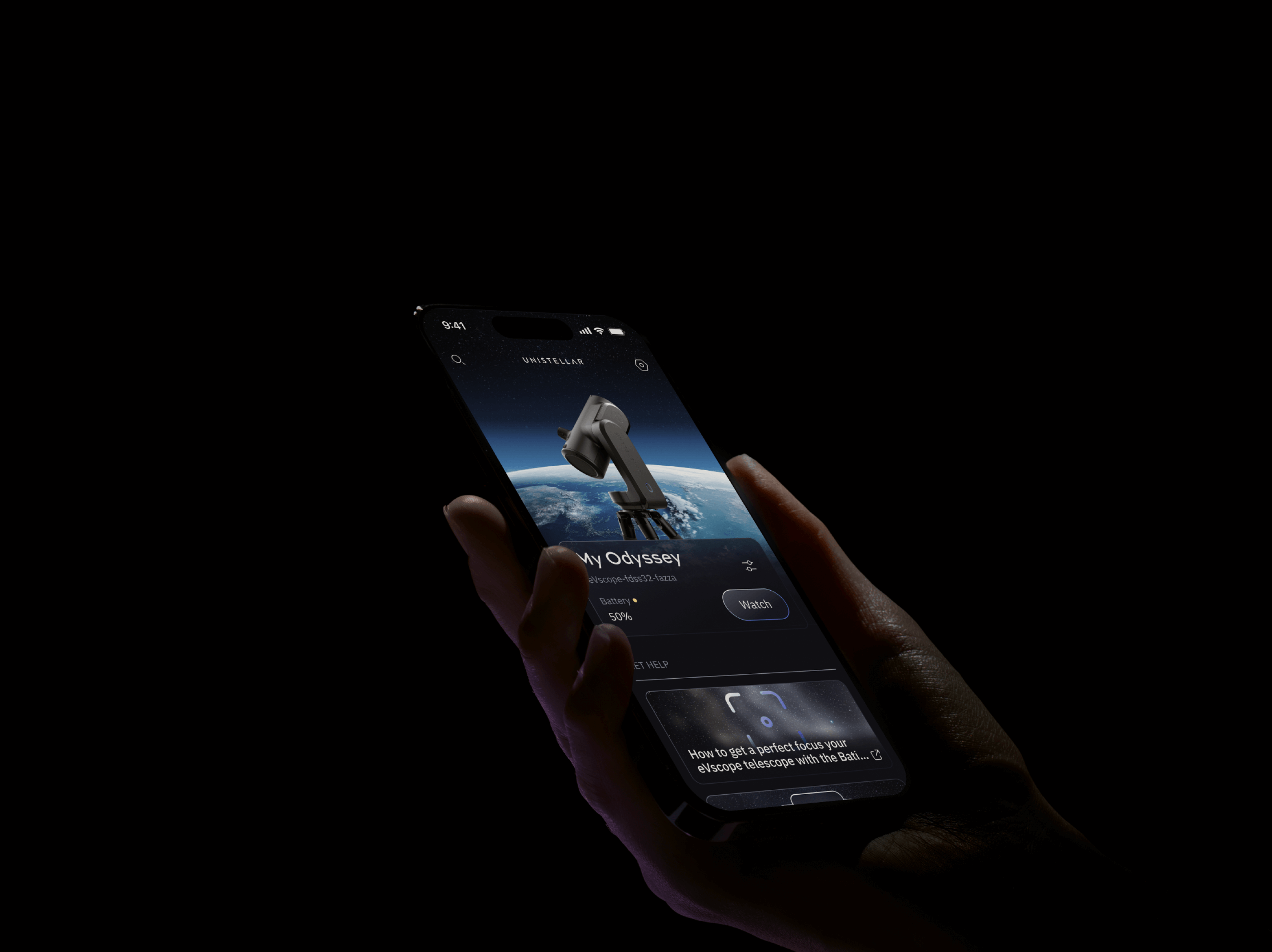
You too can become a citizen astronomer, discover new planets, refine asteroid orbits, and more. All you need is a Unistellar telescope and to download our Unistellar App. To enroll in the scientific programs, fill out the form in the App so that we can provide you with up-to-date citizen science information.