


| CARVIEW |
A natural treasure in the heart of the Congo Basin
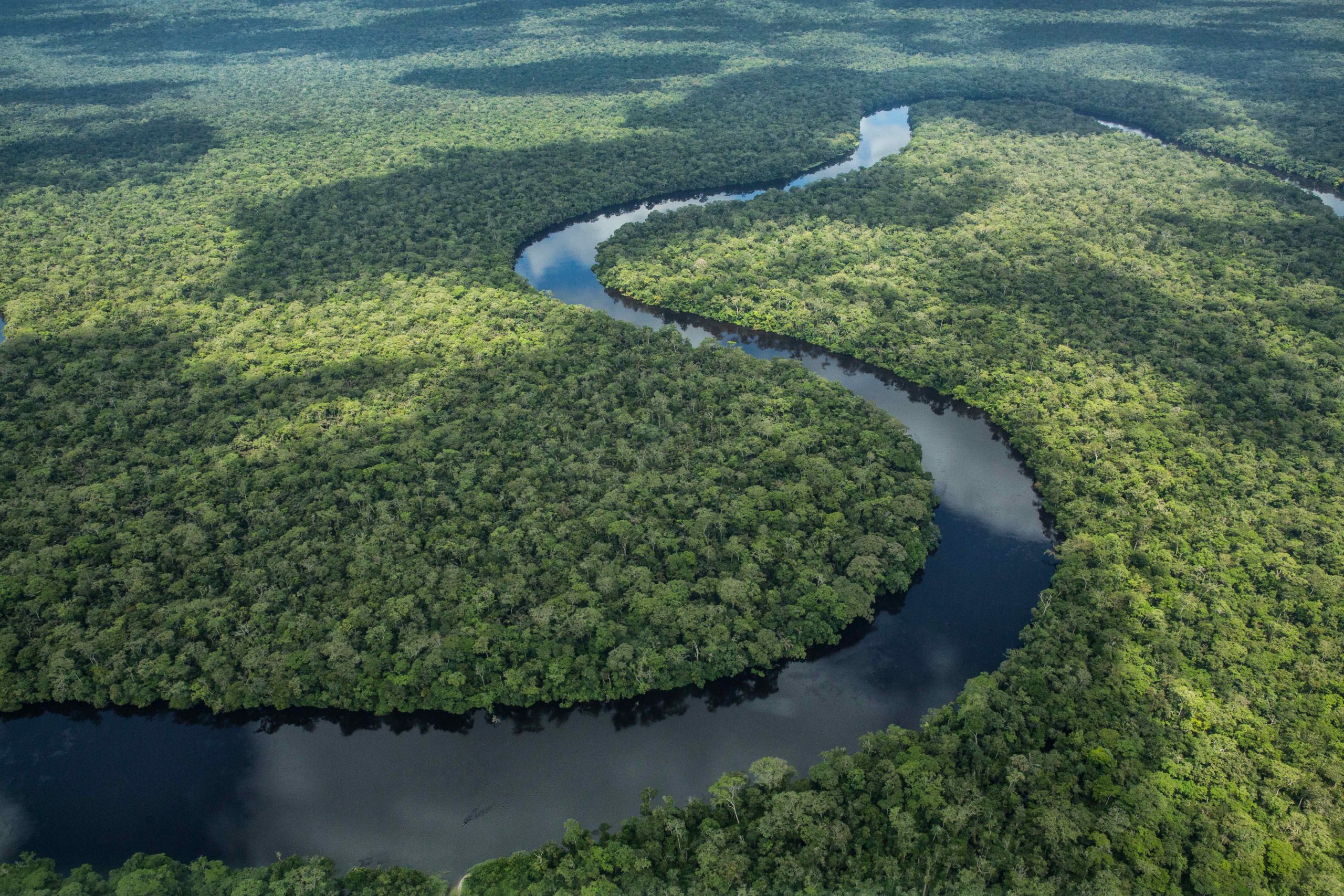
South of the majestic Congo River, in the lowlands of Congo is a natural treasure largely unknown: the Salonga National Park. It is the largest forest park in Africa and one of the last remaining intact tropical forests in the world. Comprising a mosaic of rivers, streams, marshlands, typical grassy glades called bais and marshes, Salonga is home to 40% of the world’s bonobos.
Discover the beauty of Salonga
We invite you to explore the park and discover how the Congolese Institute for Conservation of Nature (ICCN) and its partners are working on the preservation of this jewel through an innovative approach linking nature conservation and rural development, environmental education and research activities that create a model for the protection of nature and the prosperity of the people. Discover through this website the beauty of Salonga!
33.500 km²
Largest forest national park in Africa and larger than Belgium.
95%
Almost 95% of the landscape is covered by forest.
40%
The park potentially holds 40% of the world bonobo population.
Looking after nature and communities through partnerships
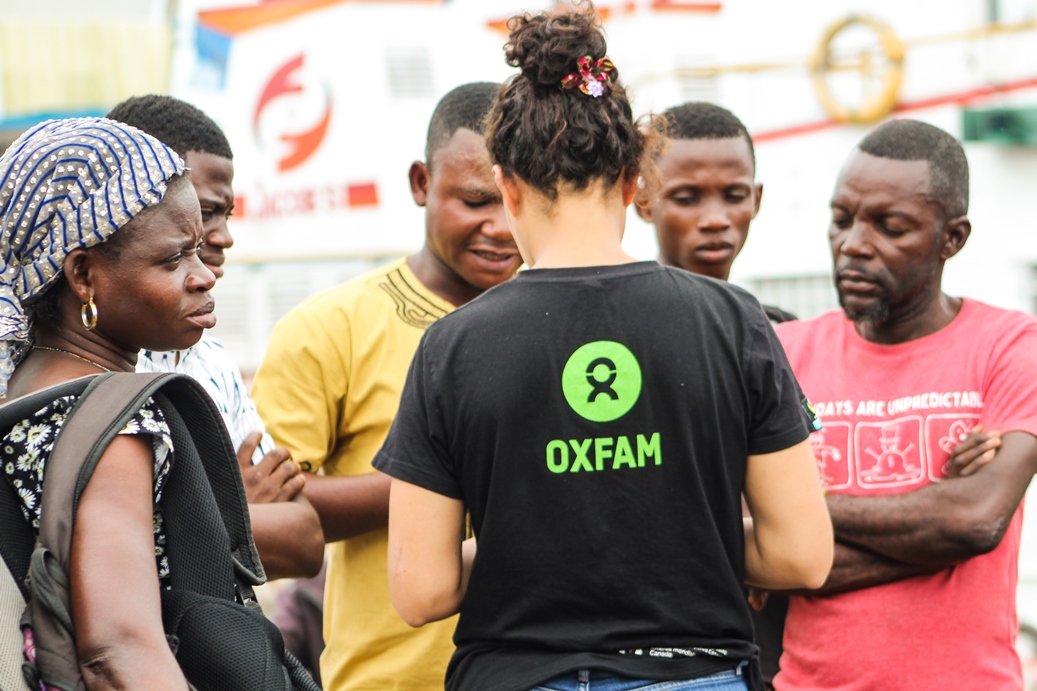
Since May 2016, ICCN (Congolese Institute for Nature Conservation) and WWF (World Wildlife Fund for Nature) have been co-managing the park to further improve biodiversity conservation. The co-management program is funded by the European Union, USAID, the German Cooperation and WWF Germany. Oxfam and ISCO, as well as LKBP contribute to rural development activities and scientific research as technical partners of the Salonga National Park program.
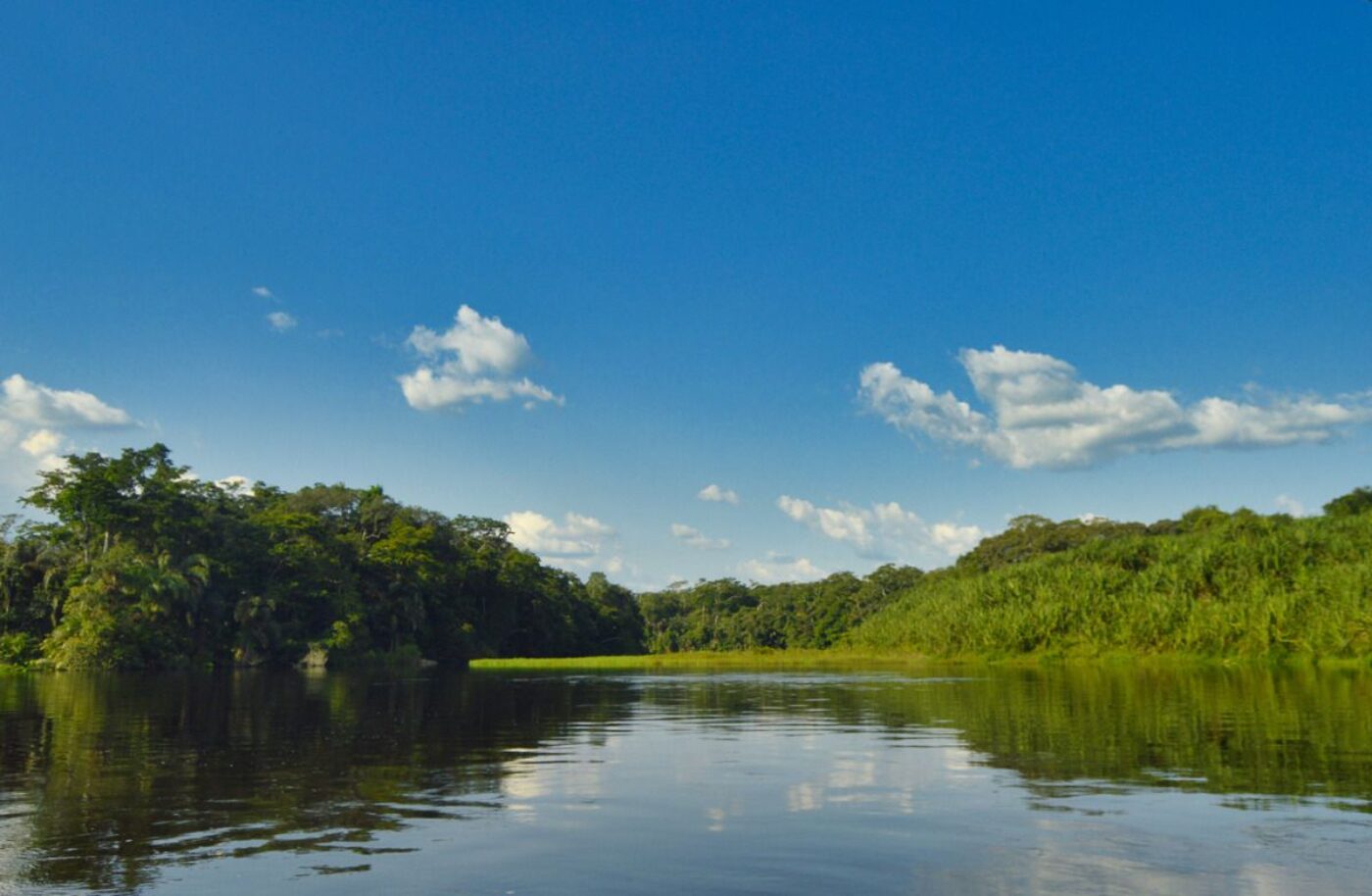
Like the entire Congo Basin, the Salonga Park is also criss-crossed by numerous rivers of varying sizes. It's not always easy to work out where the water begins and the land ends.
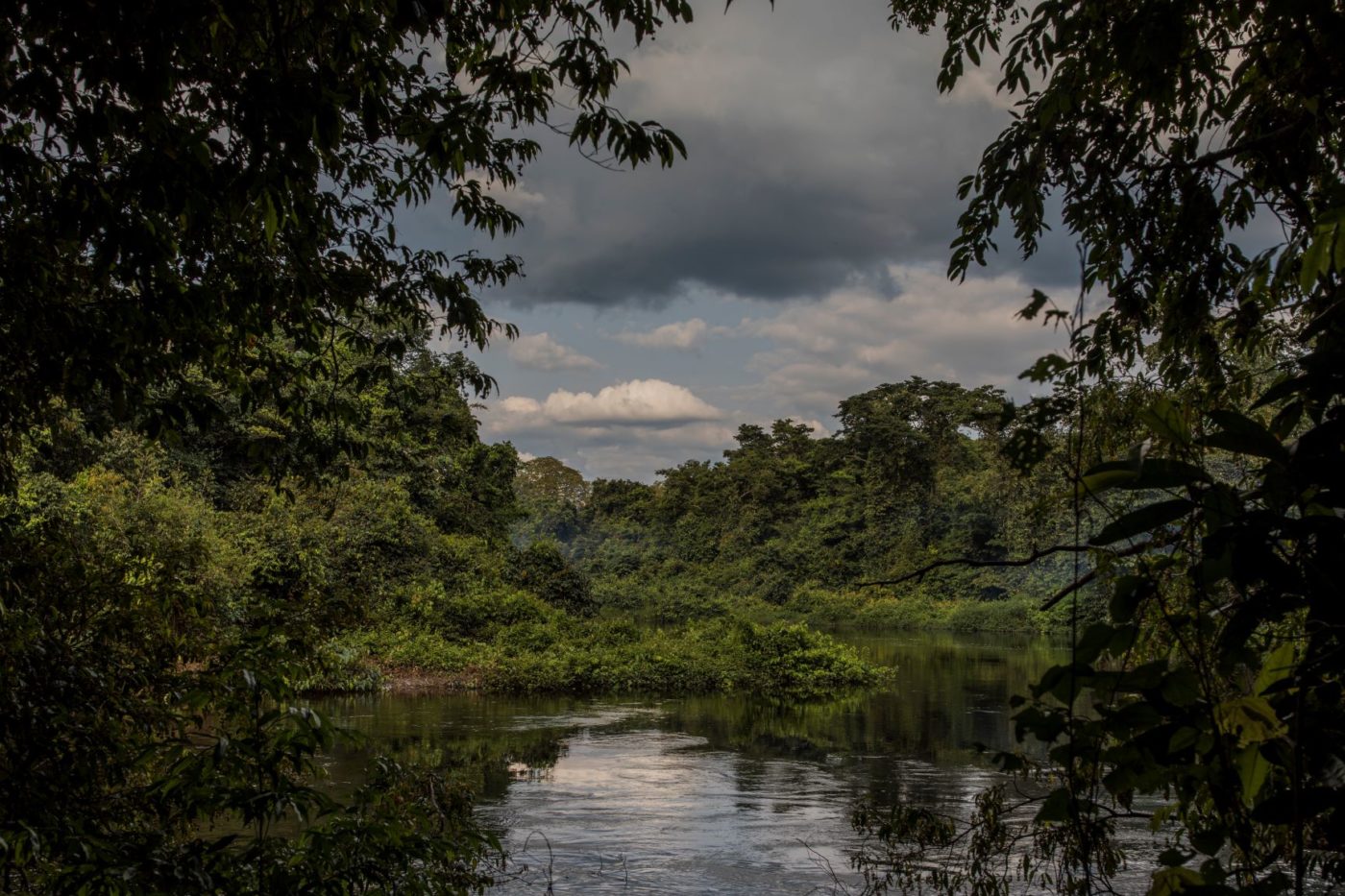
Rivers such as Lomela, Loile, Yenge, Luilaka and the Salonga drain massive quantities of water into the park. Water and swampy terrain alternate with forested areas that are sometimes flooded.
Copyright © Thomas Nicolon
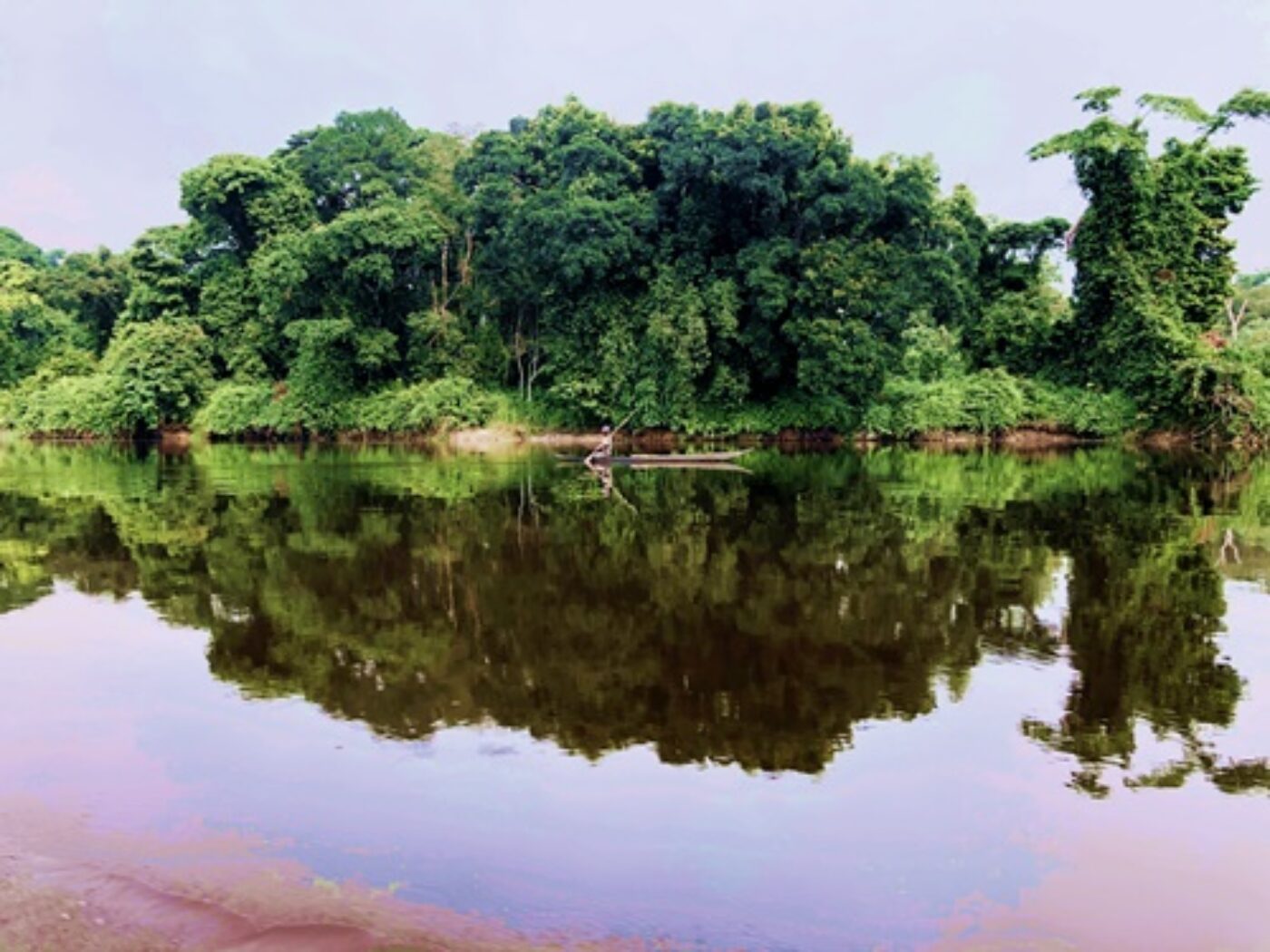
During the dry season, river levels can drop significantly. In the rainy season, the rivers overflow again and flood the forest. Nutrients, sediments and aquatic organisms are constantly on the move.
Copyright © WWF DRC
Salonga Briefs
View allPartners
Anti-poaching
Community Forestry
Biomonitoring
Anti-poaching
Field stories
View all
Support our cause and become a partner
We invite you to explore the park and discover how the Congolese Institute for Conservation of Nature (ICCN) and its partners are working on the preservation of this jewel through an innovative approach linking nature conservation and rural development, environmental education and research activities that create a model for the protection of nature and the prosperity of the people.