


 Jamie Morgan: To a member of the public it must seem weird that it is possible to state, as you do, such fundamental criticism of an entire field of study. The perplexing issue from a third party point of view is how do we reconcile good intention (or at least legitimate sense of self as a scholar), and power and influence in the world with error, failure and falsity in some primary sense; given that the primary problem is methodological, the issues seem to extend in different ways from Milton Friedman to Robert Lucas Jr, from Paul Krugman to Joseph Stiglitz. Do such observations give you pause? My question (invitation) I suppose, is how does one reconcile (explain or account for) the direction of travel of mainstream economics: the degree of commonality identified in relation to its otherwise diverse parts, the glaring problems of that commonality — as identified and stated by you and many other critics?

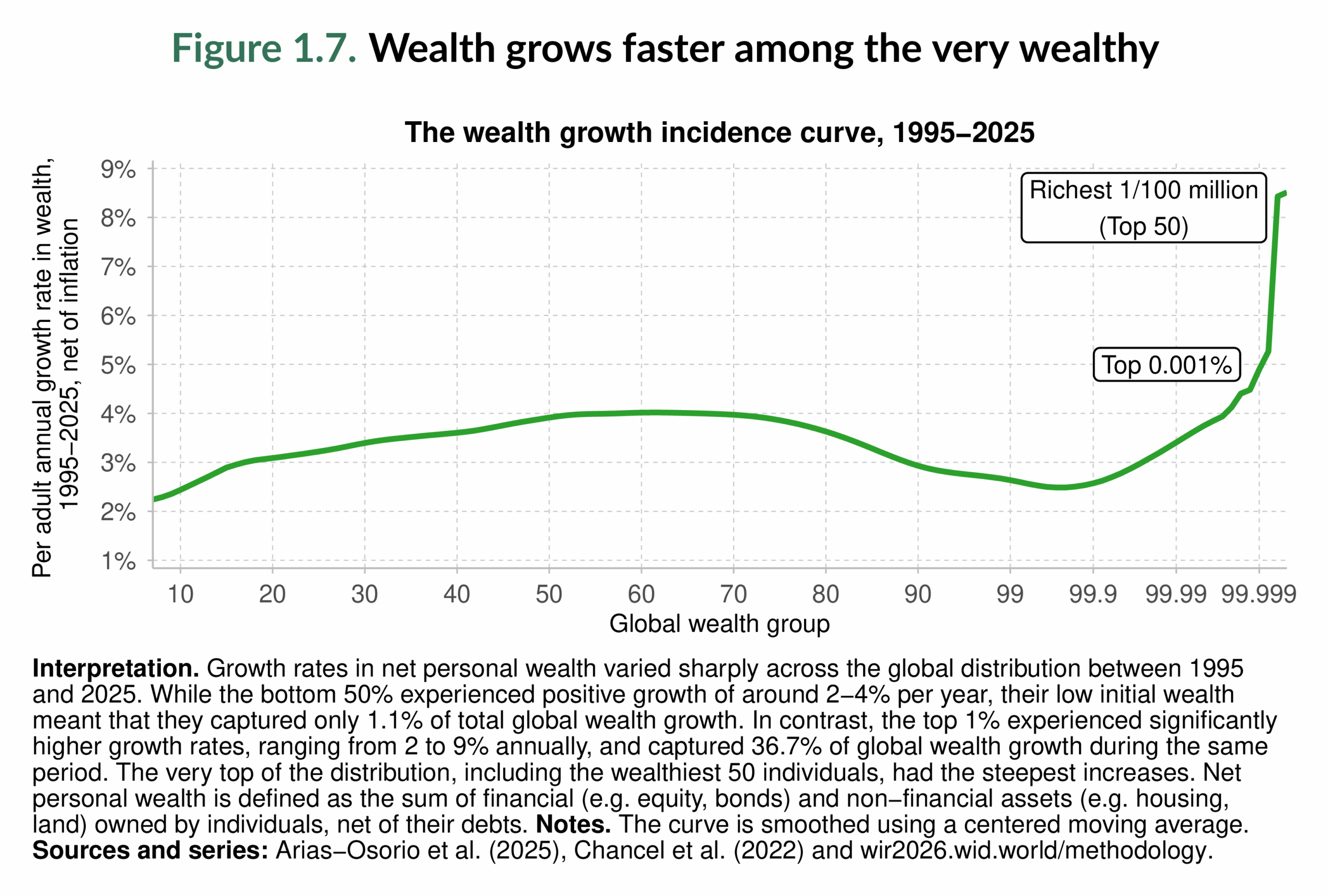
All of a sudden affordability is on every politician’s lips. Somewhat regretfully in many cases. Yet it is not a new issue — it has been brewing for ages. Now it has burst on the scene, and only people branded as “extreme” seem willing to engage with it.
That’s one narrative for our moment.
Another is transition. From what to what? From the defunct neoliberal era that fizzled spectacularly in the bonfires of the Great Recession to the uncertainties of a world lived within the confines of artificial intelligence? Was it vanities as Wolfe suggested in his defining description of that time? Is it a rejection of the accumulation of luxuries in too few hands — a sort of modernized version of the original Savonarola uprising? Or is it something different but more fundamental: an immolation of ideas no longer relevant? If the latter, where do we go now for our ideas? Deeper into our machines? Certainly not to our leadership that seems now more a library of the past than creator of the future.
Look at it this way:



















 Real-World Economics Review Blog
Recent Comments