


HOPE — Healthy Outcomes from Positive Experiences
We are inspiring a movement to advance health and well-being for children, families, and communities.
Every child needs positive childhood experiences (PCEs).
PCEs help children grow into healthy adults.
Positive childhood experiences (PCEs) drive healthy child development and lessen the lifelong effects of adverse childhood experiences (ACEs). PCEs help children build resilience and grow into thriving, healthy adults.
Everyone can promote PCEs.
The Healthy Outcomes from Positive Experiences (HOPE) framework centers on those key types of PCEs to help everyone – parents and caregivers, professionals, organizations, and agencies – promote health and well-being for children and families.
Start practicing the HOPE framework as a
The HOPE framework
The HOPE framework can be used to promote PCEs for all children
The HOPE framework centers around the Four Building Blocks of HOPE, or key types of positive childhood experiences that all children need to thrive. It helps organizations, communities, and individuals make changes to practices, policies, and programming to ensure that all children have equitable access to PCEs.
The Four Building Blocks of HOPE
The Four Building Blocks of HOPE provide an accessible, actionable way of talking about the key types of PCEs:

Relationships
Safe and supportive relationships within the family and with other children and adults.
Environment
Safe, equitable, and stable environments where children can live, learn, and play.

Engagement
Opportunities for social and civic engagement to develop a sense of belonging and connectedness.
Emotional Growth
Opportunities for emotional growth where children feel supported through difficult events and emotions.
What we offer
The HOPE National Resource Center
Based out of Tufts Medical Center in Boston, Massachusetts, the HOPE National Resource Center offers trainings, resources, and research centered around the HOPE framework and positive childhood experiences. The HOPE framework has helped communities, professionals, and organizations big and small, in every field from home visiting to education and health care to the justice system, to accomplish their missions.
The HOPE movement continues to grow in 2025 and beyond. Through our certification programs, we trained over 750+ HOPE Facilitators, 140+ HOPE Champions, and 20+ HOPE-Inspired organizations in 47 U.S. states who practice the HOPE framework in their work with children and families.
Learn how you can use the HOPE framework:
Training opportunities
Virtual Learning Hub
Complete our online courses that you can take at your own pace!
Presentation Requests
Request us to present keynote addresses and workshops!
Certifications
Practice HOPE as certified trainers and organizations!
Local HOPE Trainers
Find a local HOPE Facilitator or Champion near you!
Recent blog posts
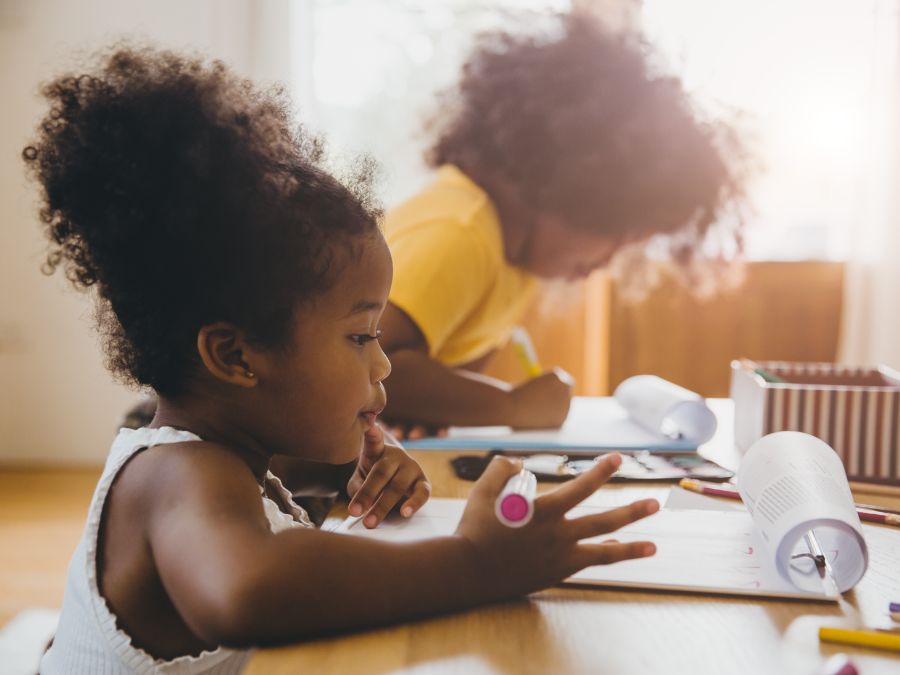
Training opportunities to increase your practice of the HOPE framework
The HOPE National Resource Center offers training options at all levels, from introductory workshops and courses to advanced certifications.

2025 HOPE resource round-up
Throughout 2025, the HOPE National Resource Center was busy creating resources on PCEs and the Four Building Blocks of HOPE.

The HOPE National Resource Center throughout 2025: A year in review with HOPE Director Robert Sege
HOPE Director Robert Sege reflects on what the HOPE National Resource Center has accomplished in the past year and looks ahead to 2026.
Recent resources
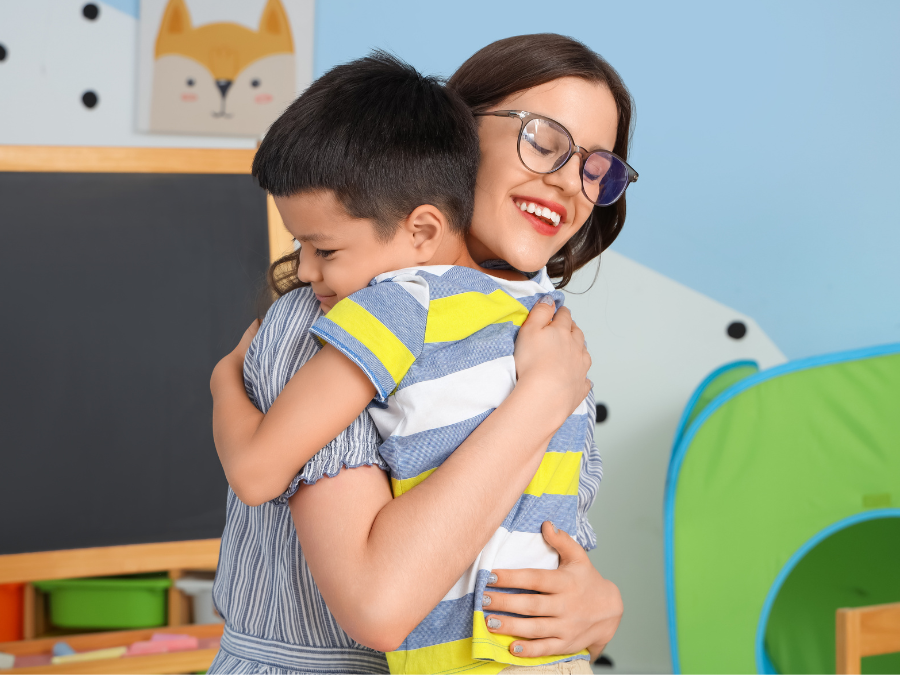
11 ways to help children return to calm
Getting children out of “The Moment” ‘The Moment’ is something all children (and adults) experience; it refers to a period…

How to stay calm in the classroom
Stay calm in the classroom during conflict and chaos. Staying calm during times of conflict and chaos in the classroom…
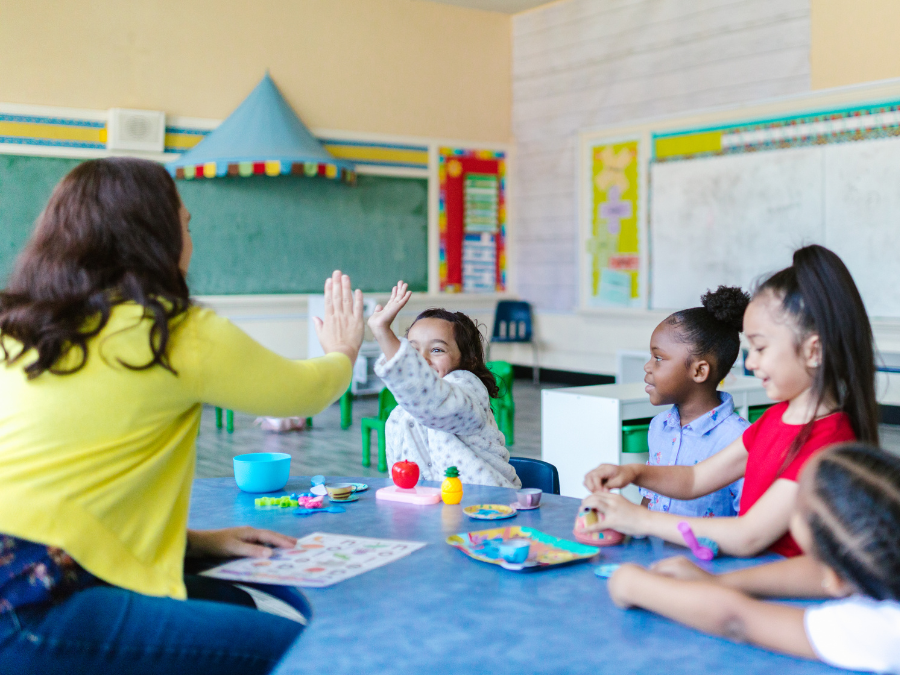
Bring the HOPE framework to the classroom
Create positive childhood experiences in your classroom. When thinking about how to decorate your classroom and how to get to…
Recent publications

Applying the CFIR Framework: Case Reports of HOPE Implementation
Applying the CFIR framework to real world cases. The HOPE framework is implemented by organizations nationwide to meet the needs…
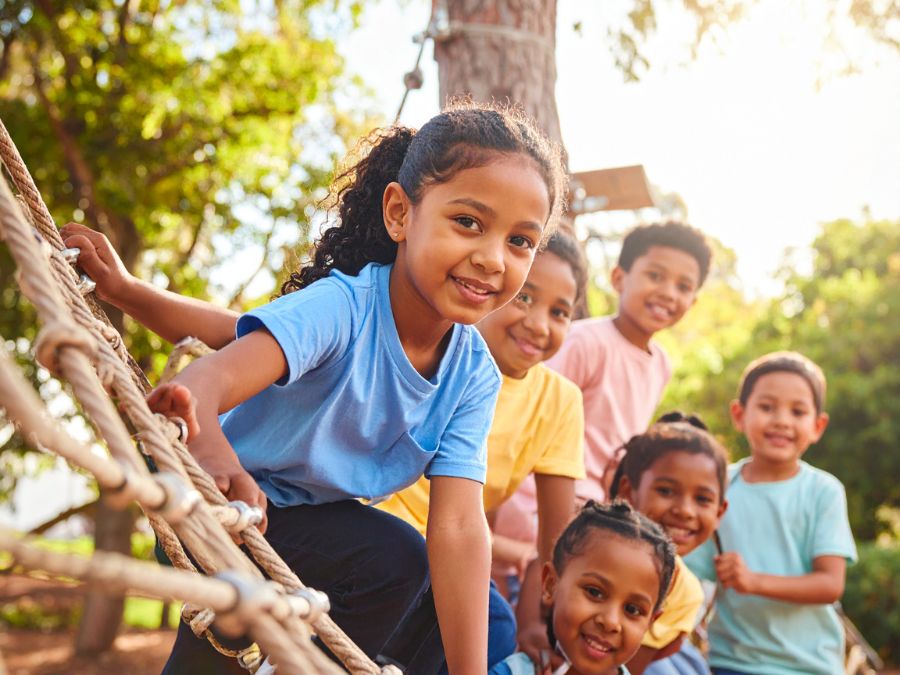
Improving Peer Relationships Through Positive Deviance Practices and the HOPE (Healthy Outcomes from Positive Experiences) Framework
Using the Positive Deviance approach in community-based settings Positive childhood experiences (PCEs), including supportive peer relationships, are crucial for optimal…
Positive Childhood Experiences and Health and Opportunity Outcomes in Four U.S. States
Association of Positive Childhood Experiences with Health and Opportunity Outcomes in Four U.S. States. This cross-sectional study used Behavioral Risk…
Support HOPE
Please consider donating to the HOPE National Resource Center. Your contribution will help us ensure that HOPE information, resources, and experiences are widely available and shared.
Contact us
Not sure how to start promoting positive childhood experiences in your community or organization? Reach out to us with any questions.