


| CARVIEW |
Select Language
HTTP/1.1 301 Moved Permanently
Server: nginx
Date: Mon, 19 Jan 2026 04:20:56 GMT
Content-Type: text/html; charset=iso-8859-1
Content-Length: 250
Connection: keep-alive
Keep-Alive: timeout=50
Referrer-Policy: no-referrer-when-downgrade
X-AWS-Id: kr-ws20
Location: https://origa.livejournal.com/tag/hackett/
X-Varnish: 949532662
Age: 0
X-VWS-Id: 3dt-varn02.lj.rambler.tech
X-SplitTest: none
Permissions-Policy: browsing-topics=()
Set-Cookie: luid=URNKAWltsSg3vxRCBAAoAgB=; expires=Thu, 31-Dec-37 23:55:55 GMT; domain=.livejournal.com; path=/; secure; samesite=none
P3P: CP="NON DSP NID ADMa DEVa TAIa PSAa PSDa OUR IND UNI COM NAV"
HTTP/1.1 200 OK
Server: nginx
Date: Mon, 19 Jan 2026 04:20:58 GMT
Content-Type: text/html; charset=utf-8
Content-Length: 207416
Connection: keep-alive
Keep-Alive: timeout=50
Referrer-Policy: no-referrer-when-downgrade
X-AWS-Id: 3dt-ws19
X-LJ-Flow-ID: aW2xKfFRupr0TpGhYIQkhAAAAAY
Cache-Control: private, proxy-revalidate
Content-Encoding: gzip
Content-MD5: Son6m15HEiPOszCl3Dg9wg
Vary: Accept-Encoding,ETag,User-Agent
Content-Security-Policy: default-src 'self' *.livejournal.com *.livejournal.net *.dsp-rambler.ru *.google.com google.com *.rambler-co.ru rambler-co.ru *.rambler.ru rambler.ru *.tiktok.com tiktok.com *.youtube.com youtube.com; script-src 'self' *.livejournal.com *.livejournal.net *.24smi.net *.adfox.ru *.adlooxtracking.com adlooxtracking.com *.adlooxtracking.ru adlooxtracking.ru ad.mail.ru api.giphy.com bs.serving-sys.ru cdn.ampproject.org cdn.jsdelivr.net cdnjs.smi2.ru *.cdn-vk.ru content.adriver.ru *.criteo.com *.criteo.net *.doubleclick.net *.dropbox.com dsp-rambler.ru *.dsp-rambler.ru embed.bsky.app *.exelator.com *.facebook.com *.facebook.net gist.github.com googleads.g.doubleclick.net *.google-analytics.com *.googleapis.com *.google.com google.com *.google.ru *.googlesyndication.com *.googletagmanager.com googletagmanager.com *.googletagservices.com *.gstatic.com id.sber.ru *.instagram.com js.mamydirect.com *.lj.ru mc.yandex.com mc.yandex.ru *.newrelic.com *.nr-data.net *.ok.ru openstat.net pingback.giphy.com *.pingdom.com *.pingdom.net *.pinterest.com *.plista.com privacy-cs.mail.ru *.rambler-co.ru rambler-co.ru *.rambler.ru rambler.ru rb.infox.sg r.mradx.net *.rnet.plus *.rubiconproject.com r.webturn.ru *.scorecardresearch.com sdk.canva.com *.services.livejournal.com smi2.ru ssl.p.jwpcdn.com static.smi2cdn.ru static.smi2.net static.xx.fbcdn.net stat.media telegram.org tiktokcdn-us.com *.tiktok.com tiktok.com tns-counter.ru *.top100.ru top-fwz1.mail.ru tpc.googlesyndication.com *.ttwstatic.com twemoji.maxcdn.com *.twimg.com *.twitter.com *.videos.livejournal.com vk.com *.vk.com vk.ru *.vk.ru *.weborama.fm weborama.fm *.weborama.fr weborama.fr *.weborama.ru weborama.ru *.weborama-tech.ru weborama-tech.ru *.webturn.ru *.webvisor.org *.yahooapis.com *.yandex.ru yandex.ru yastatic.net ymetrica.com *.youtube.com youtube.com z.moatads.com 'unsafe-inline' 'unsafe-eval'; style-src http: https: data: 'unsafe-inline'; img-src blob: http: https: data:; frame-src http: https:; font-src http: https: data:; connect-src 'self' *.livejournal.com *.livejournal.net ad.adriver.ru ad.mail.ru *.ad-tech.ru api.giphy.com bs.serving-sys.ru cdn.ampproject.org *.criteo.com csi.gstatic.com data00.adlooxtracking.com dsp-rambler.ru *.dsp-rambler.ru *.eaglecdn.com event.top100.su export-download.canva.com ext.clickstream.sberbank.ru sdk.canva.com *.g.doubleclick.net googleads.g.doubleclick.net *.google-analytics.com *.googleapis.com *.google.com google.com *.googletagmanager.com googletagmanager.com graph.facebook.com gstatic.com id.sber.ru *.lj.ru lj.stat.eagleplatform.com mc.yandex.by mc.yandex.com mc.yandex.md mc.yandex.ru pingback.giphy.com *.pingdom.net privacy-cs.mail.ru *.rambler-co.ru rambler-co.ru *.rambler.ru rambler.ru rb.infox.sg *.rnet.plus *.services.livejournal.com *.ssp.rambler.ru ssp.rambler.ru static-mon.yandex.net static.xx.fbcdn.net stat.media stats.g.doubleclick.net smi2.net smi2.ru sve.online.sberbank.ru *.tiktok.com tiktok.com top-fwz1.mail.ru *.twitter.com *.webturn.ru *.webvisor.org wss://mc.yandex.ru wss://www.livejournal.com yandexmetrica.com yandexmetrica.com:29010 yandexmetrica.com:30103 *.yandex.net *.yandex.ru yandex.ru yastatic.net ymetrica1.com ymetrica.com *.youtube.com youtube.com; report-uri https://www.livejournal.com/csp_reports; report-to livejournal; media-src http: https: blob: data: storage.mds.yandex.net; frame-ancestors 'self'; worker-src 'self' blob:; object-src 'self' blob: *.livejournal.net youtube.com *.youtube.com; child-src 'self' blob:;
Reporting-Endpoints: livejournal="https://www.livejournal.com/csp_reports"
X-Varnish: 968334029
Age: 0
X-VWS-Id: 3dt-varn02.lj.rambler.tech
ETag: GgZzSon6m15HEiPOszCl3Dg9wg
Accept-Ranges: bytes
X-SplitTest: none
Permissions-Policy: browsing-topics=()
origa, posts by tag: hackett - LiveJournal — LiveJournal


origa, posts by tag: hackett - LiveJournal
Haikai and Sumi-e by Origa
Profile
Page Summary
Search
Links
HAIKU ORGANIZATIONS : ~~~~~~~~~~~~~~~ HAIKU PUBLICATIONS :
Entry Tags
calico cat contest, calligraphy, cards, ceramic, collaboration haiga, contests' results, food, friends' birthdays, friends' work, garden, hackett, haibun, haiga, haiku, haiku party, haiku study, ikebana, illustrations, japan, japanese, off top, personal info, photo haiga, publications, sasha, showcase, sonechka, sumi-e, tanka, tanka study, translations, trips
|
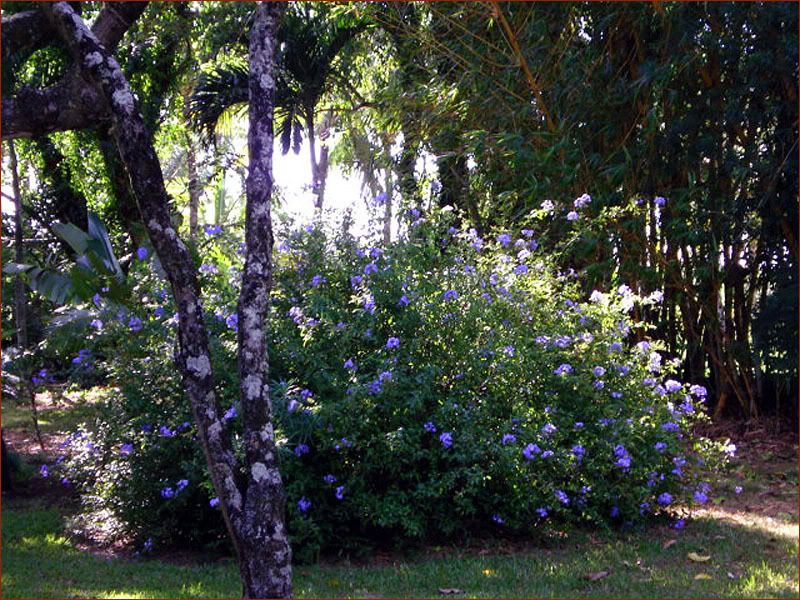
21st-Sep-2009 10:15 pm - Hawaii trip. Part II. Garden Paradise in Haiku. -- Гаваи, часть II. Райский сад в Хайку.
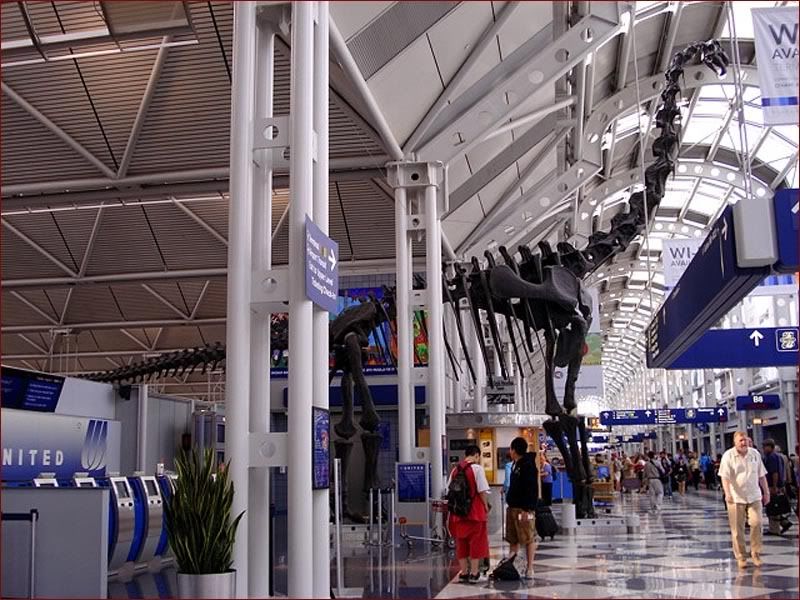
12th-Sep-2009 06:25 am - Hawaii trip. Part I. -- Поездка на Гаваи. Часть I.
9th-Jun-2008 06:47 am - Hackett Haiku, June 2008
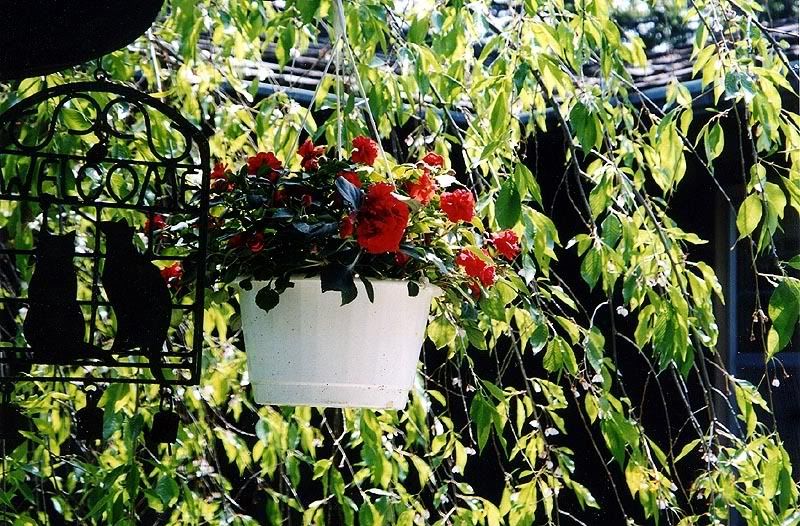
18th-Jun-2007 12:49 am - Garden in May, June... with haiku by James W.Hackett.
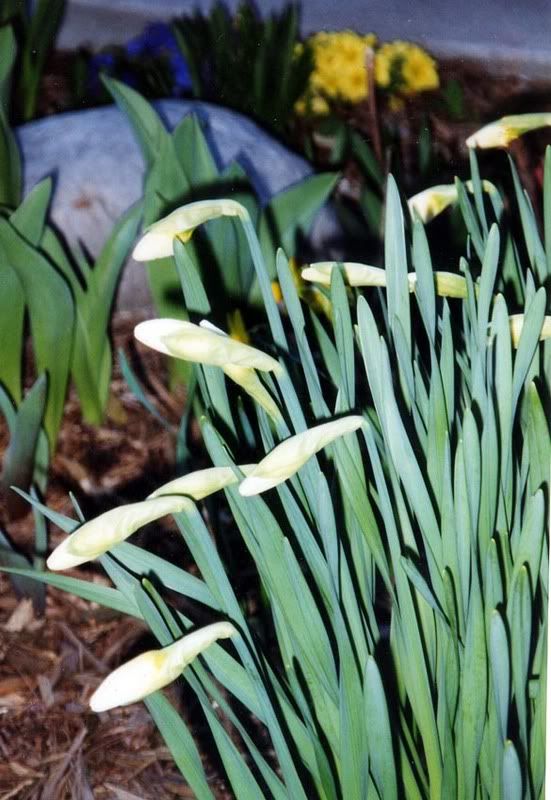
3rd-Apr-2007 03:18 am - More haiku in the garden ... -- Ещё хайку из сада ...
29th-Mar-2007 06:56 am - Haiku by James W. Hackett found in my garden :)
28th-Jan-2007 04:44 am - ‘Haiku’ and ‘Haiku Poetry’ -- article by James W. Hackett
2nd-Jan-2006 12:27 am - J.W.Hackett. "Suggestions for Beginners and Others".
| ||||||||||||||||||||||||||||||||||||||||
![[info]](https://l-stat.livejournal.com/img/userinfo.gif)
This page was loaded Jan 19th 2026, 4:20 am GMT.