


| CARVIEW |
Available for in-company talks, group coaching, AMAs, and fireside chats about staff engineering, technical leadership, and the IC track. Mail tanya@noidea.dog for rates and availability.
Being Glue
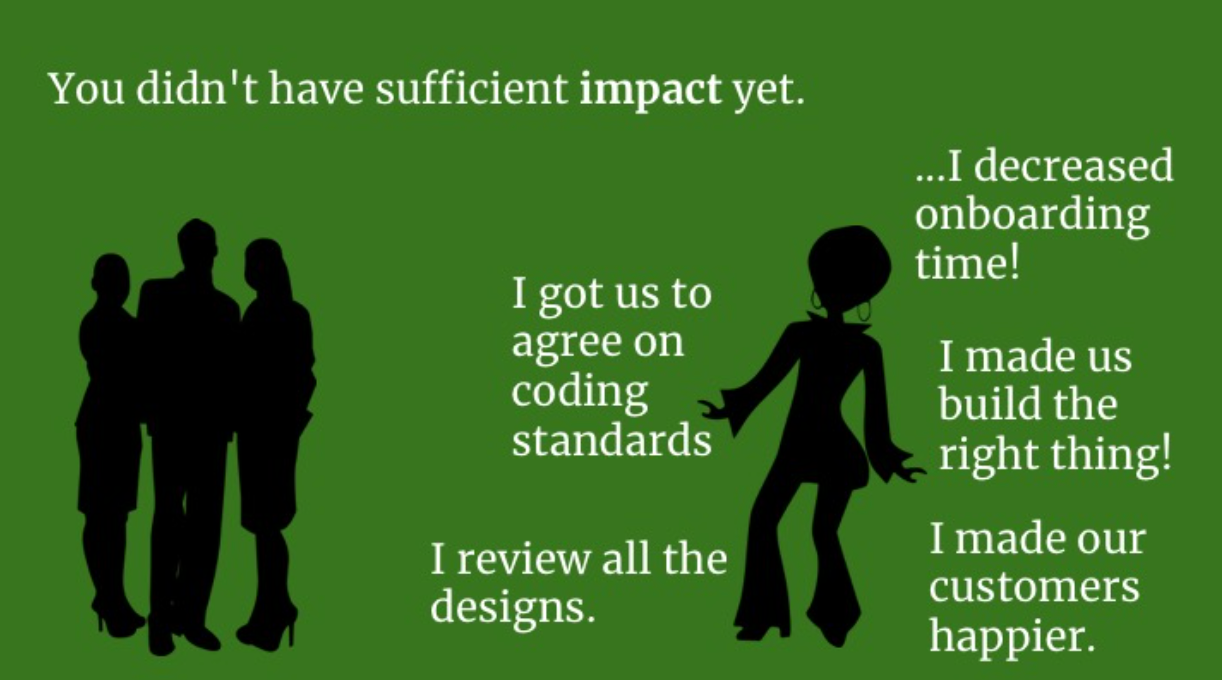
Who’s doing the glue work for your team? Unless you've got a senior title, too much of this kind of work can be risky. Let's talk about how to notice glue work and be deliberate about it. (Presented at Lead Dev New York, Write/Speak/Code, Software Art Thou, and many meetups and in-company events.)
Video: Lead Dev New York
Slides: https://noidea.dog/glue
The History of Fire Escapes
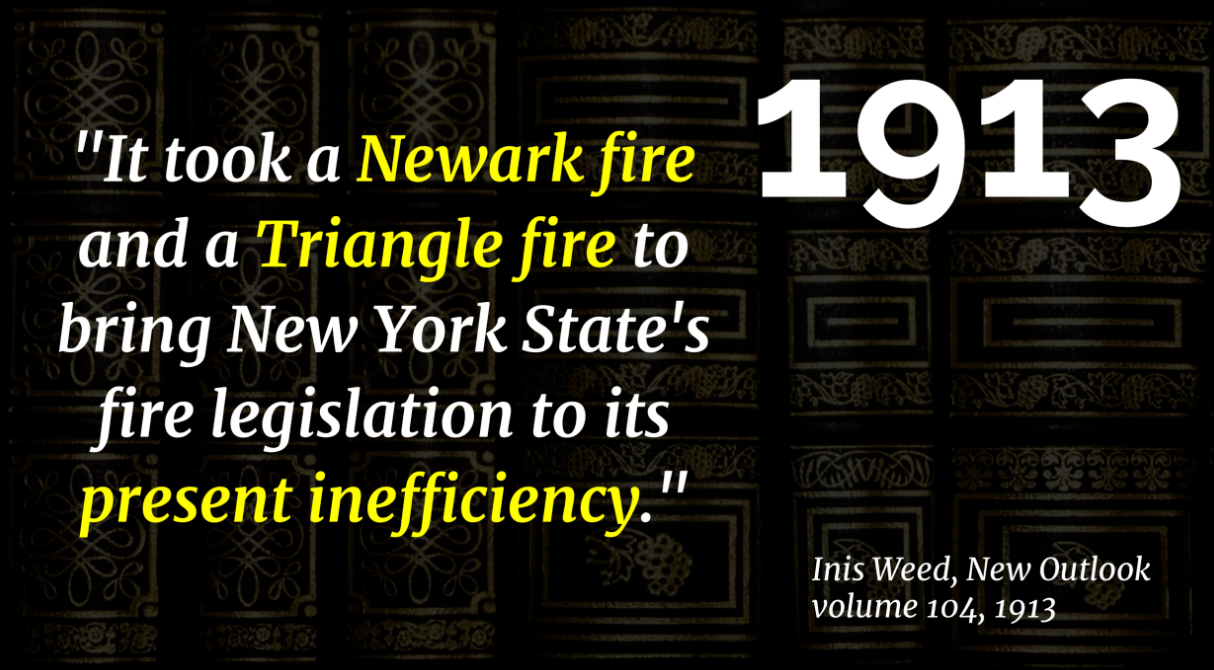
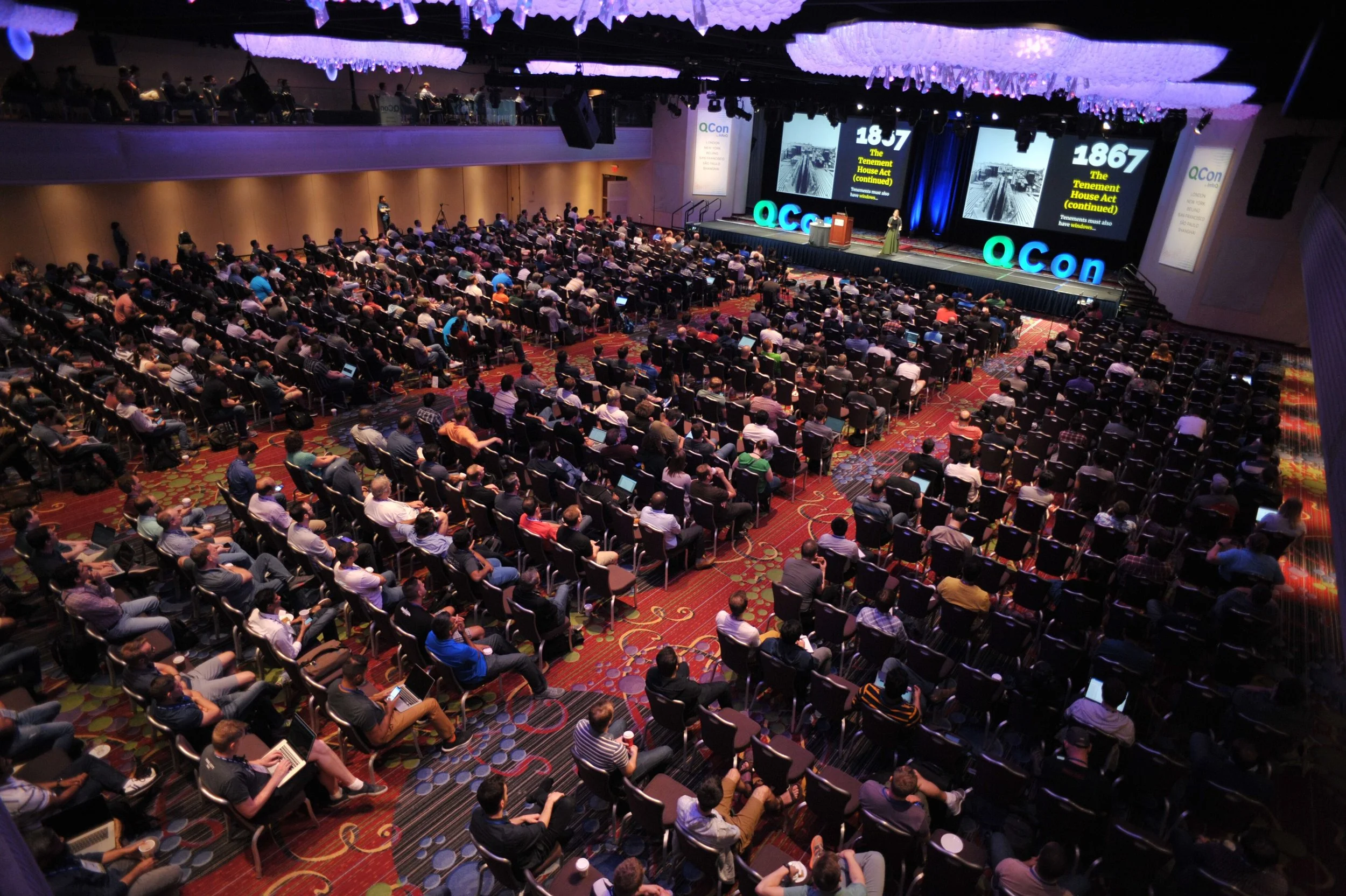
A call for the software industry to grow up. Learning from the history of building safety in New York, we can move away from adding fire escapes to tenements and start aiming for “fireproof” software instead. (This talk was the keynote for QCon New York 2018. I’ve also delivered it at DevOps Days New York, and some in-company events.)
Video: Keynote at QCon New York
Slides: https://noidea.dog/fires
That IMPOSTOR THING

Ever felt like you’re not a “real engineer”, despite that being literally your job? This talk is for you.
Slides: https://noidea.dog/impostor
AMBIGUITY AND IMPACT ON THE IC TRACK
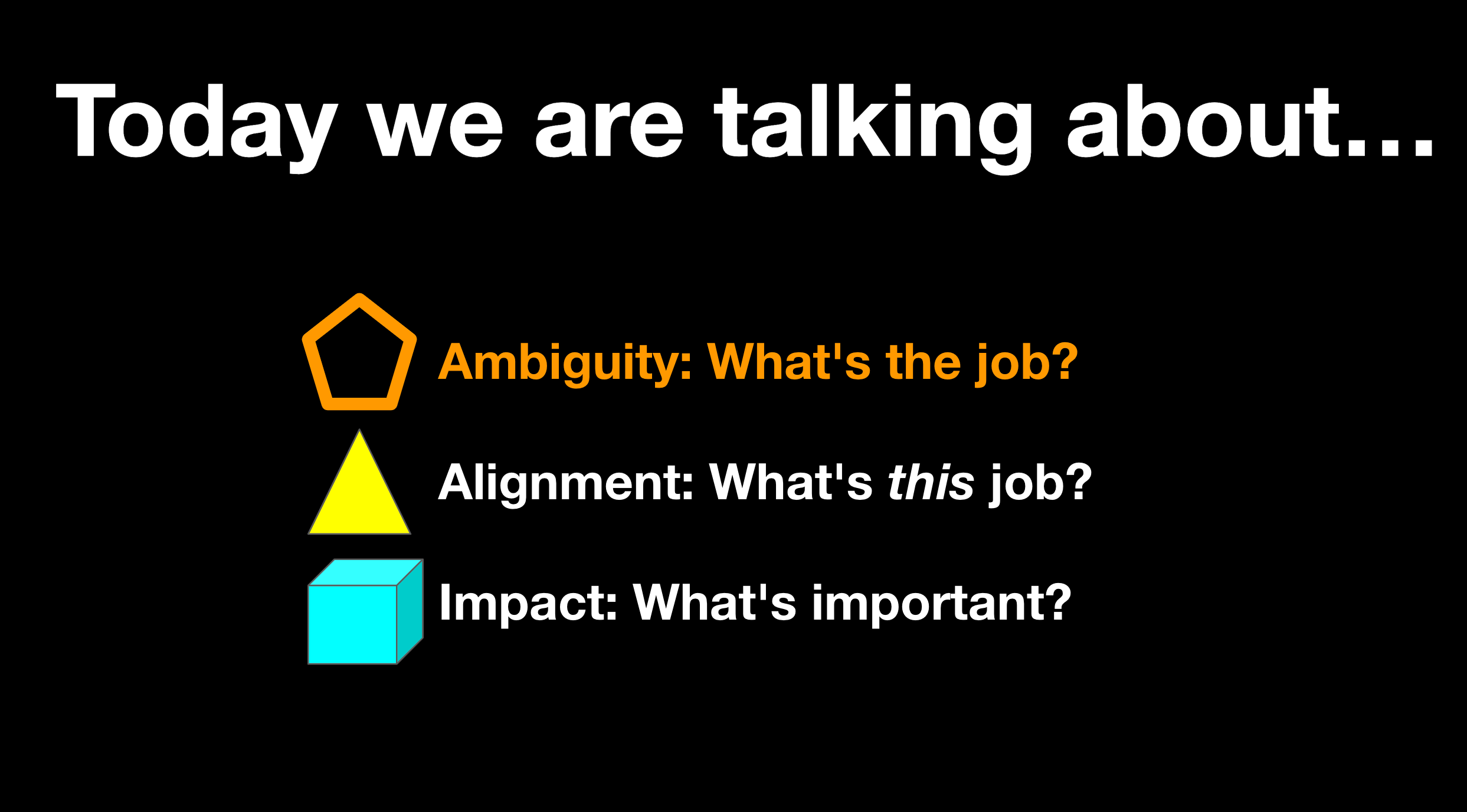
Staff engineer and lead engineer roles are inherently ambiguous. But do they need to be such a mystery? Let’s take some of the guesswork out of the job by defining your role (or the role you wish your staff engineer would do!), getting aligned, and understanding where the impact is.
Have You Tried Turning It Off and Turning It On Again
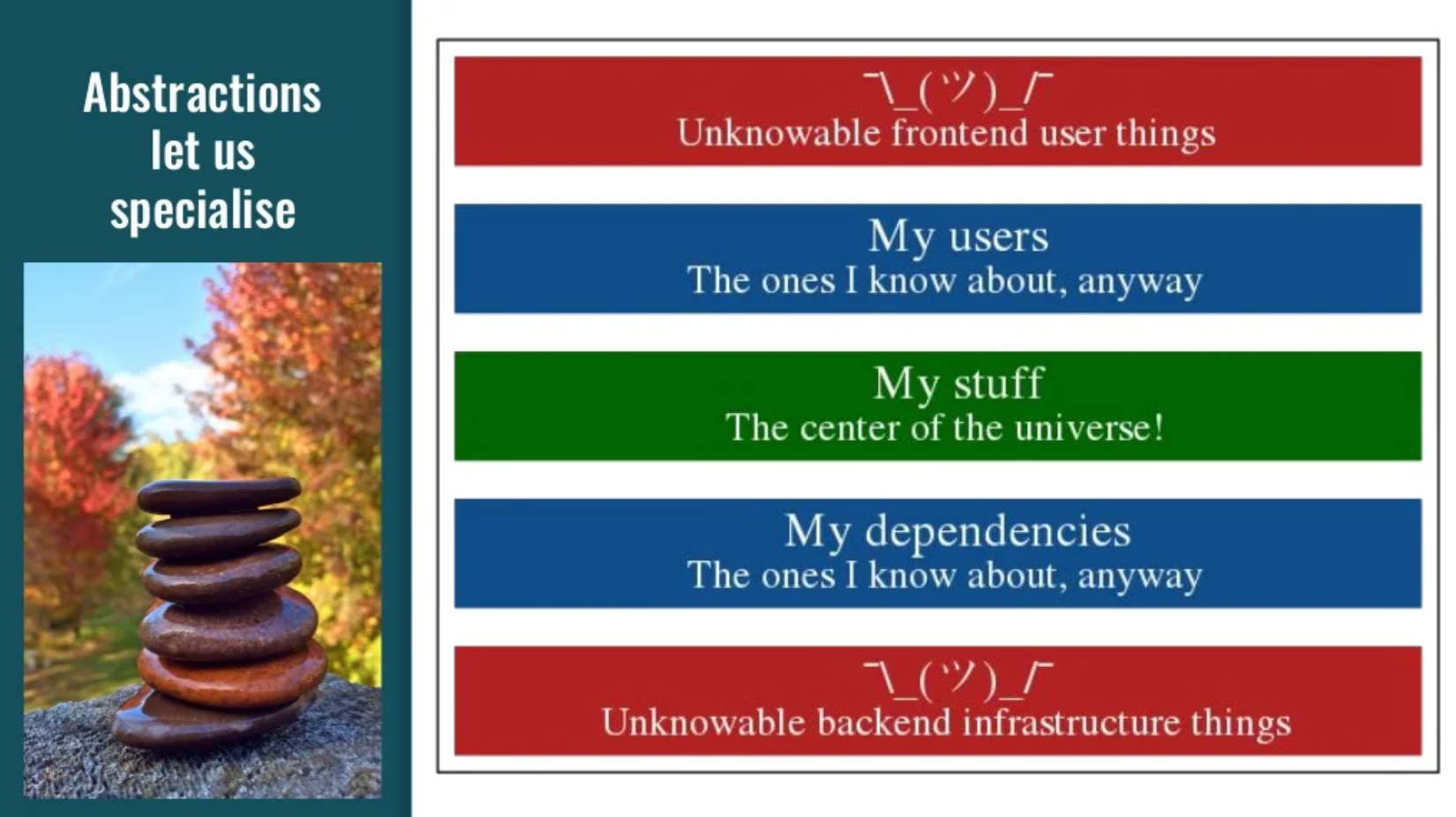
Most of us have a backup strategy and many of us have a restore strategy and several of us even have a tested restore strategy. But microservice dependencies and complicated fallback plans make these strategies perilous. (Presented at LISA 2017, SRECon 2017 and Velocity 2017. Check out a talk review at usenix.org!)
Video: LISA 2017
Slides: https://www.slideshare.net/TanyaReilly/have-you-tried-turning-it-off-and-turning-it-on-again
The MAYBE-GREAT IDEA
You have a great idea for a software project. But… will it work? Is it actually a great idea? Often there are lots of people who can say no to an idea, but it’s hard to find anyone to definitively say yes. So how do we make it easy for people with good ideas to get support and get started? (Presented at Etsy’s Code as Craft meetup.)
Video: Code as Craft
Slides: https://noidea.dog/maybe-great
Continuous
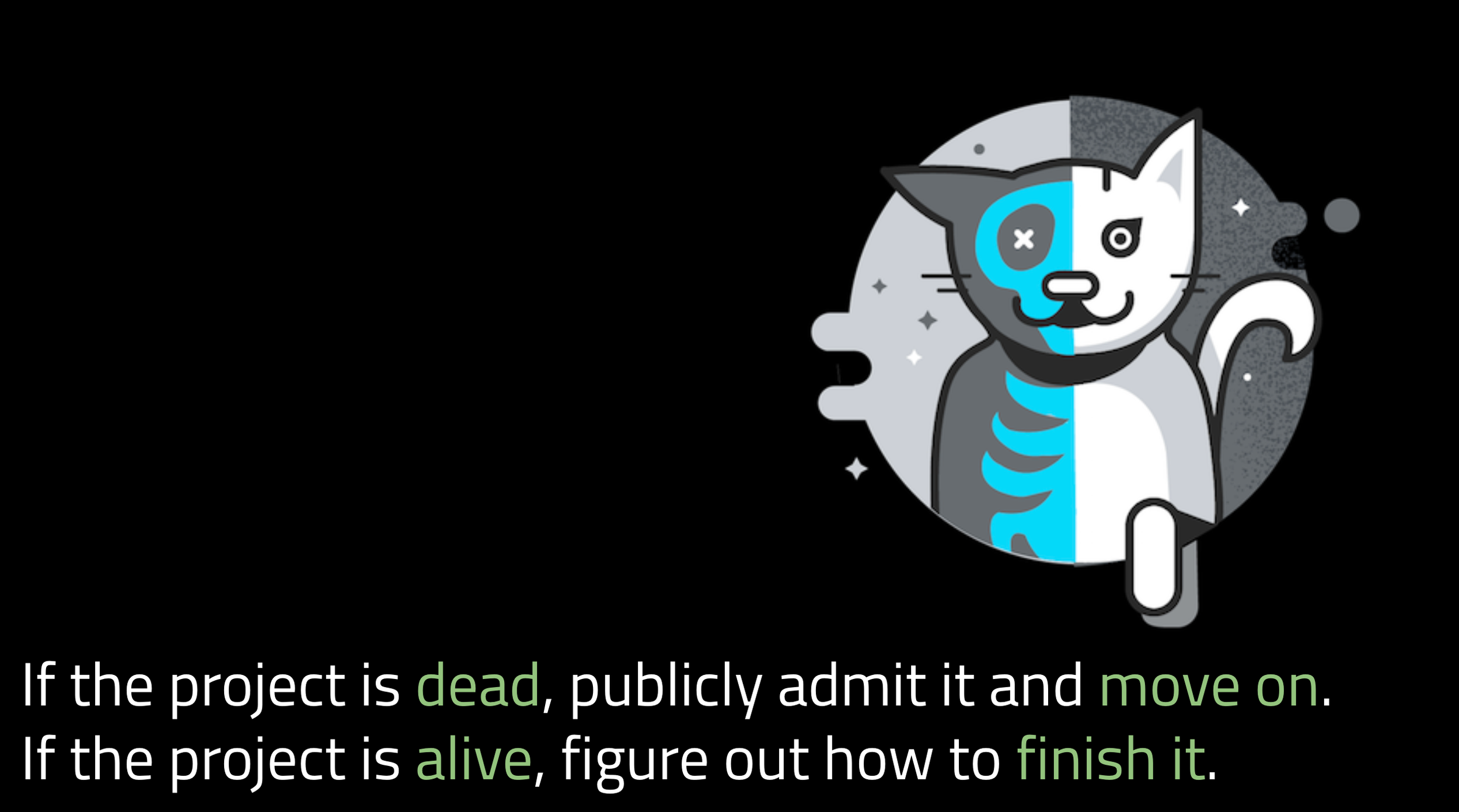
We’re moving as fast as we can, but are we going in the right direction? This talk asks the big questions: Why are we all here? Why are we doing any of this? By adding continuous introspection (and a little existential angst) to the continuous lifecycle, we can go faster, better. (This talk was a keynote at Continuous Lifecycle London 2019)
Video: Keynote at Continuous Lifecycle London
Slides: https://noidea.dog/continuous
Traps and Cookies

Does your production environment expect perfect humans? Does technical debt turn your small changes into minefields? This talk highlights tools, code, configuration, and documentation that set us up for disaster. (Presented at LISA 2016 (my first ever conference talk!) and SRECon 2017.)
Video: SRECon 2017 Plenary
NOBODY COULD HAVE PREDICTED THIS
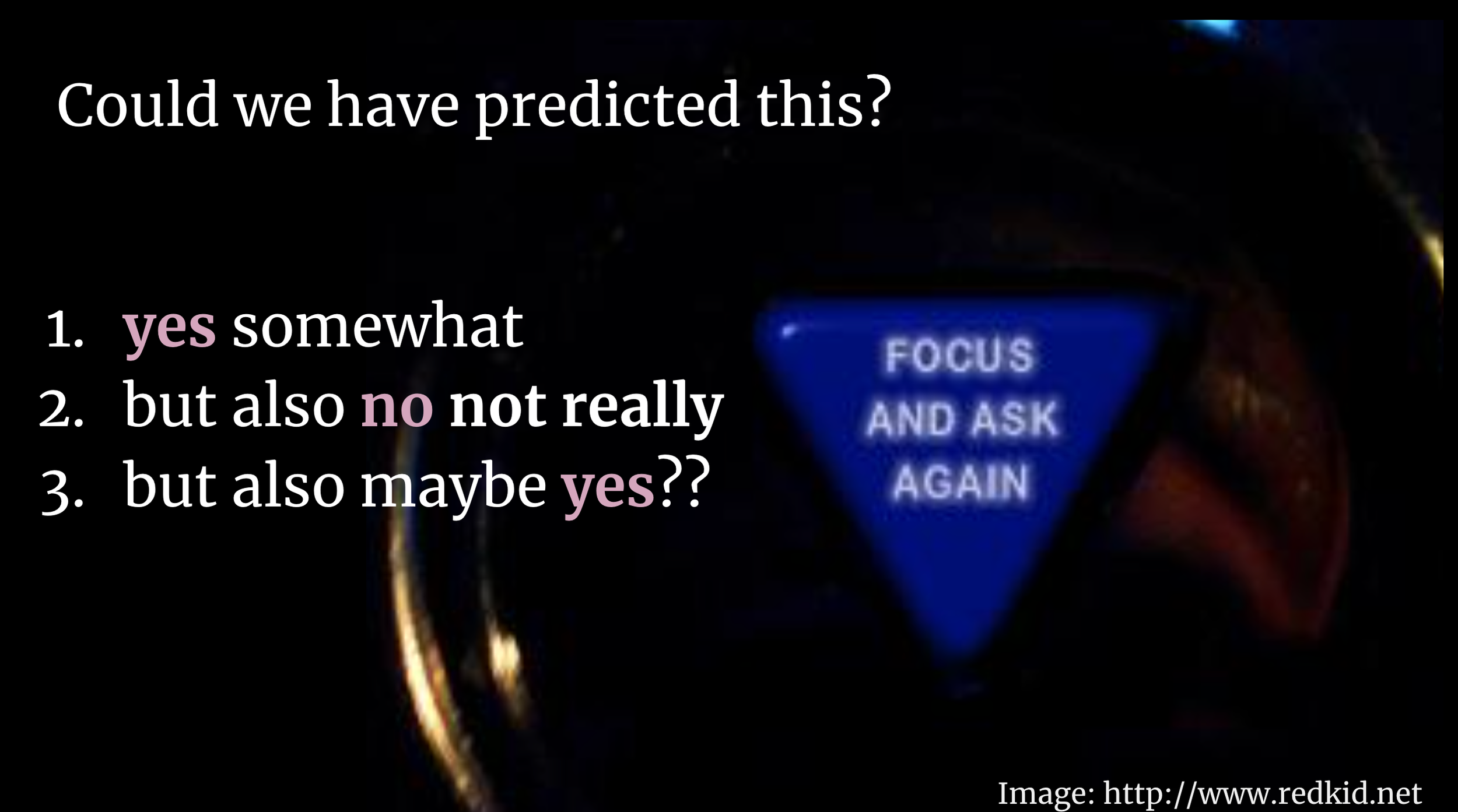
When a system fails, we can find ourselves asking "shouldn’t we have seen this coming?". If we go back to the original design documents, for example, shouldn't we be able to see the narrative foreshadowing of this event? What can we tell from an RFC or design document about how a system will fail? (Presented at the Mailchimp Chats meetup.)
Slides: https://noidea.dog/blog/nobody-could-have-predicted-that
Coding for Humans

Whether it's work code, college assignments, or something fun you make to amuse your friends, every single line of code is written for humans. We'll talk about complexity, reliability, software traps, asking good questions and I'll explain why the number one rule of software engineering should be "don't make your user cry". Also there will be owls. (Presented at Flawless Hacks.)
A Talk About Talking!

Meta! How to get past the fear of public speaking and work up to speaking at conferences, with some advice about abstracts, slides and creating a narrative. The inevitable “how to speak” talk that every speaker eventually makes. (Presented at in-company events.)
Slides: https://www.slideshare.net/TanyaReilly/a-talk-about-talking/
Ten Things That Will Make You Leave Technical Jobs

Half of the women who enter the tech industry don’t survive ten years. This talk walks through some of the things and people that try to push them out. If you can see it coming, it has less power over you. (Presented at in-company events.)