


| CARVIEW |
-
Join 138 other subscribers
Pages
-
-
-
Join 138 other subscribers
-
The Resistance Knitting Club
January 19, 2026 — A
Title: The Resistance Knitting Club (Goodreads link)
Author: Jenny O’Brien
Genre: Fiction
Publication: Feb 2026
My Rating: 3 on 5
I picked up The Resistance Knitting Club by Jenny O’Brien with genuine enthusiasm, because I am a knitter myself. The idea of knitting as quiet resistance, of stitches doubling as coded messages sounded very interesting. I expected women quietly knitting around the fire place, encoding messages into the knitting which helped the Allies win the war. Unfortunately, my expectations was largely unfulfilled.
Set during World War II era, the novel follows a woman from Guernsey who wants to do her bit for the country. She finds herself working in the War Office and then in a spy-training program. This is when her knitting skills come into focus and she is asked to teach knitting to her comrades, with the intent of encoding secret messages in knitting, which would go unnoticed. For my knitter friends – she basically uses knit and purl stitches to mimic Morse code. The idea sounds intriguing, but unfortunately this is where the topic of knitting ends. There is no exploration about what kind of messages were encoded, how were they smuggled and how were they put to use. Instead, the book turns into a historical romantic novel, where there is initial animosity, eventually falling in love, separation and heartbreak. If the book intended to pay tribute to the women’s knitting club, it falls short.
The book is still a good read as a romantic novel set in the backdrop of World War II. The writing is accessible and the pacing steady, making it an easy and often engaging read.
The Resistance Knitting Club is a historical novel about resilience rather than about knitting as resistance. Readers approaching it for the former will likely find it satisfying; those drawn in by the latter may feel, as I did, that an opportunity was missed.
Thanks to the publisher for the ARC.
Don’t be yourself
January 11, 2026 — A
Title: Don’t be yourself (Goodreads link)
Author: Tomas Chamorro-Premuzic
Genre: Non-Fiction
Publication: Oct 2025
My Rating: 3 on 5
I’ve always found the advice “be authentic” vaguely confusing. What does it actually mean in practice and whose expectations does it serve? If authenticity is about being fully yourself, then why do organizations simultaneously expect people to be measured and professional at work? Which is precisely why Don’t Be Yourself caught my attention.
Don’t Be Yourself by Tomas Chamorro-Premuzic sets out to challenge the belief that authenticity is always good and liberating. From the outset, Chamorro-Premuzic makes it clear that this book is not about encouraging deception or inauthenticity, but about questioning whether “being yourself” is, in fact, the most useful advice, especially in professional and leadership contexts
The book’s central argument is interesting: most people’s “authentic selves” are shaped by habits, biases, insecurities, and blind spots, and simply reliving them does not necessarily lead to better outcomes. In that sense, the book is less about authenticity and more about self-awareness and self-improvement.
I liked the author’s point about how authenticity can become an excuse for not changing, not developing skills, or not improving. Chamorro-Premuzic makes a compelling case that growth often requires behaving better than we naturally feel inclined to, not more like our unfiltered selves. Unfortunately the author repeats these points over and over again and the book drags.
The Other Side of Change
January 4, 2026 — A
Title: The Other Side of Change (Goodreads link)
Author: Maya Shankar
Genre: Non-Fiction
Publication: Jan 2026
My Rating: 4 on 5
I came to this book as a regular listener of Maya Shankar’s podcast, which I have consistently found moving, thoughtful, and insightful. The conversations she hosts often linger with me long after the episode ends. This led me to pick up The Other Side of Change, curious to see how her voice translated from audio to the written page. I am so attuned to her podcasts that I read the entire book in Maya’s soothing voice.
At its core, The Other Side of Change asks a deceptively simple question: who do we become when life makes other plans? Each chapter centers on a person navigating change. These aren’t just anecdotes, but honest, often raw, and relatable. She draws from interviews and lived experiences like illness, incarceration, career derailments, personal loss to illustrate how people cope with changes.
Change doesn’t just alter our circumstances; it alters how we see ourselves within them.
Through these lives, Maya explores both the pain and possibility that come with deep change. Maya’s background in cognitive science gives her perspective real weight. Rather than feeling like a self-help, Maya provides science backed approach to not just accept the change, but also to navigate it and overcome it. You won’t find a rigid “five-step plan,” but you will find tools and questions that help navigate the plan.
That said, there were moments where the book felt too personal for my taste. While vulnerability is clearly part of Maya’s intent, some passages go into what feels like unnecessary detail. The same insights could have been conveyed without quite so much TMI, allowing the reader more space to reflect rather than observe.
The Other Side of Change is a reflective, well-researched exploration of how people adapt when life veers off course. It is a good blend of science and storytelling.
Dissection of a Murder
December 24, 2025 — A
Title: Dissection of a Murder (Goodreads link)
Author: Jo Murray
Genre: Fiction
Publication: May 2026
My Rating: 3 on 5
Dissection of a Murder by Jo Murray opens with one of the most gripping premises in recent legal thrillers: newly qualified barrister Leila Reynolds is handed her first murder case – defending Jack Millman, accused of killing a well-respected judge. That in itself would be enough pressure. But Jack refuses to speak. To make matters more complicated, the prosecutor across the bar is Leila’s own husband, Julian – her mentor, rival, and the one person who knows her legal past intimately.
The courtroom scenes, drawn from Murray’s own experience as a barrister, feel lived-in and authentic rather than symbolic or performative – you get the sense of being right there under the lights, watching tactics play out in real time. Even without heavy legal jargon, the dynamics of trial strategy and jury persuasion are presented with clarity and drama.
Murray balances the external pressures of a sensational trial with the internal pressures of marriage, self-doubt, and secrecy. Leila is not just fighting for her client; she’s fighting to hold together her own life. The narrative structure, which includes perspectives from multiple characters and even a mysterious Witness X who claims to know what truly happened, adds another layer of tension.
One of the risks with mystery novels is the reveal itself. Too often, the culprit is uncovered by keeping the reader artificially in the dark, through conveniently withheld information or last-minute disclosures that feel more like sleight of hand than genuine deduction. Dissection of a Murder ultimately falls into this trap. While the build-up is tense and engaging, the resolution relies on information that the reader hasn’t been allowed to fully access, making the reveal feel less earned than it could have been.
That said, the journey remains compelling. Jo Murray’s courtroom realism and sharp pacing keep the pages turning, even if the final unravelling doesn’t quite live up to the promise of the premise.
Thanks to the publisher for the ARC.
Murder of Crows
November 25, 2025 — A
Title: Murder of Crows (Goodreads link)
Author: Amanda McKinney
Genre: Fiction
Publication: Sep 2025
My Rating: 3 on 5
Amanda James Greig’s Murder of Crows is the third book in the Detective Corstorphine series, and it leans hard into creepy, atmospheric crime. The novel opens with a chilling scene: Detective James Corstorphine returns home to find his wife’s clinic in chaos, her receptionist has been taken, and her words send a cold shiver through him: “He’s taken your wife.”.
But this abduction is only the beginning. Greig weaves a disturbing thread when human remains are discovered in a Highland field dressed as a scarecrow. This vivid image sets the tone for what follows: ritualistic, cryptic, and deeply unsettling. It’s not just a murder investigation it feels like a twisted obsession, and the stakes climb steadily as Corstorphine races to decode macabre messages tied to an ancient festival.
The plot carries real urgency. The abduction, the cryptic book of clues, and the looming Samhain festival all contribute to a story that’s part crime procedural, part thriller. While the atmosphere is rich, there are moments when the narrative slows, especially between key revelations. The buildup takes time, and not every scene lands with the same intensity.
One thing I genuinely appreciated and had to smile at is the title itself. Murder of Crows is such a clever pun: playing on the collective noun for crows while hinting at the ritualistic, symbolic killings at the heart of the story.
Thanks to the publisher for the ARC.
The Perfect Murder
November 22, 2025 — A
Title: The Perfect Murder (Goodreads link)
Author: Amanda McKinney
Genre: Fiction
Publication: Sep 2025
My Rating: 3 on 5
Amanda McKinney’s The Perfect Murder opens with a chilling and unmistakably clever premise: Savi Portman, a bestselling cozy-mystery writer, pens what she thinks is the perfect crime … only to discover that someone is staging a real murder straight out of her own work. What makes it compelling is how McKinney blurs the lines between creation and reality – the very thing Savi imagines for her fictional characters begins to leak into her life.
The “book within a book” format is handled smartly: chapters alternate between Savi’s real life and the thriller she’s writing. This gives the narrative a layered tension, because you’re never quite sure which version of events is “real” and whether Savi is the perpetrator or its victim. McKinney builds momentum fast. There’s a constant undercurrent of paranoia: surveillance cameras, witnesses, mounting evidence. All of it ratchets up, chapter by chapter, until you feel like you’re sprinting toward the final twist.
The book uses multiple first-person perspectives, which is a double-edged sword: on one hand, it deepens the mystery. On the other, it occasionally becomes confusing, and the shifts pulled me out of the moment instead of drawing me further in.
If you love quick reads, this one is for you, even if this is not the best book in this genre.
Thanks to the publisher for the ARC.
Murder on a Bus Tour
September 28, 2025 — A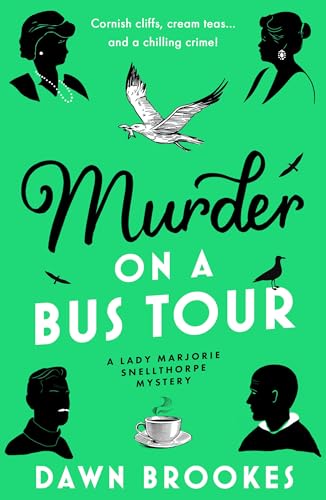
Title: Murder on a Bus Tour (Goodreads link)
Author: Dawn Brookes
Genre: Fiction
Publication: August 2025
My Rating: 3 on 5
Murder on a Bus Tour (Lady Marjorie Snellthorpe Mystery, Book 7) takes what should have been a relaxing trip along Cornwall’s dramatic coastline and turns it into a cozy mystery with teeth. The setup: a group of tourists, a guided bus tour, and then the history expert takes a fatal plunge from Tintagel Castle. Lady Marjorie and her companions refuse to accept the local police’s ruling that it was an accident. A second near-drowning makes it clear: someone among them is dangerous.
Lady Marjorie is both shrewd and relatable, still grieving her late husband while being drawn into yet another murder case. Her friends bring life to the story: Edna’s sassiness, Horace’s affability, and Frederick’s steadiness flesh out the group dynamic. Their banter injects humor and warmth, even as the mystery takes darker turns.
The mystery unfolds at a steady pace. There are enough suspects with plausible motives -from a vengeful ex-wife to resentful students- to keep things guessing. The attempts on lives (like the near-drowning) raise the stakes just when things might plateau.
“Murder on a Bus Tour” is a lighthearted, enjoyable mystery ideal for weekend reading or cozy afternoons.
Thanks to the publisher for the ARC.
Murder at Somerset House
September 21, 2025 — A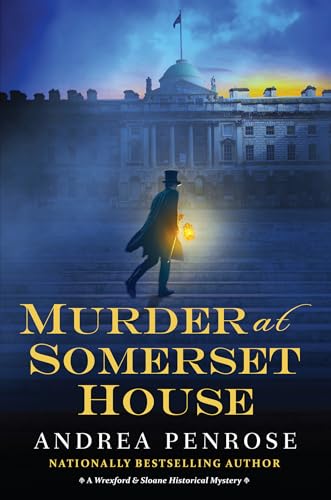
Title: Murder at Somerset House (Goodreads link)
Author: Andrea Penrose
Genre: Fiction
Publication: September 2025
My Rating: 3 on 5
There’s something about a good historical mystery that draws you in: the rustle of silk skirts, candlelit drawing rooms, the unspoken codes of society, all wrapped around a slow-burning whodunit. Murder at Somerset House does just that, setting its plot against the intriguing backdrop of Napoleonic Europe, yet with a decidedly modern voice.
A murder occurs at a stately English manor, and the ensuing investigation unearths secrets, betrayals, and unexpected alliances. But what makes the book stand out isn’t the crime – it’s the setting, both in time and place. The English countryside adds an unmistakable charm to the story – foggy mornings, ancient stone manors, and the quiet tension of lives lived under social scrutiny.
What surprised me, though, was how progressive the world is portrayed. The book presents a version of Regency England where women casually weigh in on matters of the stock exchange over breakfast and noblemen adopt former street urchins as wards, with barely an eyebrow raised. It’s a deliberate and idealized world – less bound by historical accuracy, more aspirational in tone.
And then there’s Napoleon – a looming presence, never quite stepping into the frame, but casting a long enough shadow to give the story a layer of political urgency. It adds weight to what might otherwise have been a quaint countryside mystery, grounding it in a broader world on the brink of change.
If you enjoy history softened with a touch of imagination and characters who are a little ahead of their time, this may just suit your taste.
Thanks to the publisher for the ARC.
The Liar I Married
August 22, 2025 — A
Title: The Liar I Married (Goodreads link)
Author: D.K. Hood
Genre: Fiction
Publication: August 2025
My Rating: 2 on 5
The Liar I Married opens with the protagonist waking up in a hospital after a car crash, piecing together memories that don’t quite add up: Jessie awakens with blurred memories, tape masking over yesterday’s certainty, and the uneasy presence of her husband, John, whose reassurances only deepen her mistrust. The core question of whether the the crash was an accident, and can she trust anyone, propel the narrative forward at a relentless pace.
The narrative shifts between Jessie’s fractured post-coma perspective and flashbacks from before the crash, all quietly planting seeds of suspicion that bloom into chilling potential. Hood builds the suspense very well. The dual timeline structure works well too. It allows the story to unfold like a jigsaw puzzle: memories leaking in, flashbacks resetting our assumptions, keeping us guessing.
Although the book is enjoyable, elements of the plot such as the amnesia trope are not really unique. Even the unreliable husband, the whispered warning note, the predictable suspects contribute nothing unique to the book.
Despite these drawbacks, the book is a quick, enjoyable read.
Thanks to the publisher for the ARC.
Fair Play
August 17, 2025 — A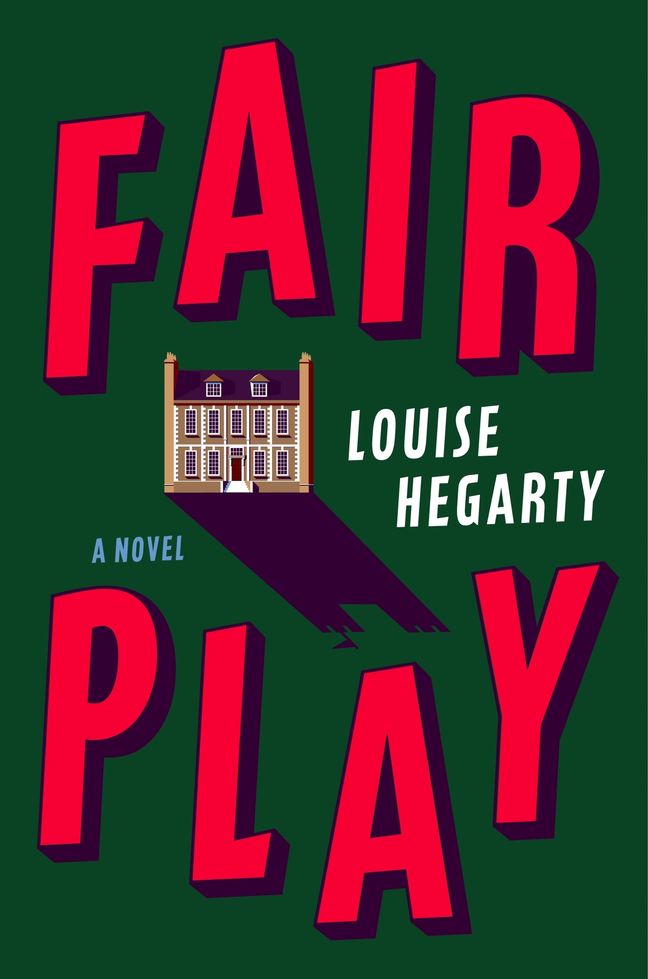
Title: Fair Play (Goodreads link)
Author: Louise Hegarty
Genre: Fiction
Publication: April 2025
My Rating: 2 on 5
Louise Hegarty’s Fair Play begins with all the makings of a great mystery. A birthday celebration at a grand country house, a playful murder-mystery game among friends, and then the shocking discovery of a real death the next morning. The build-up to the murder and the introduction of Detective Bell had me completely hooked.
But after that strong start, the novel begins to falter. For me, the problem was that the book couldn’t quite decide what it wanted to be. At times, it veers toward humorous self-awareness, poking fun at classic crime tropes. In other moments, it leans into serious detective work. And woven through all of this is Abigail’s grief at losing her brother. Each of these threads could have been powerful on their own, but together they made the story feel scattered and unsure of its own identity.
The last section of the book, in particular, was a struggle. Each chapter presents a different suspect, laying out in painstaking detail how and why that person could have committed the murder. Instead of heightening the suspense, this repetition drained the momentum. By the time the real murderer was revealed, the ending felt less like a clever twist and more like a let-down.
The set-up was promising, and I wanted to love where the story went. But in trying to juggle grief, parody, and detection, Fair Play lost some of its coherence. For me, it ended up being more confusing than compelling.
Who am I?
This blog acts as a ledger to keep track of books I have read. I do not claim to be a good reviewer or a critic. I do not understand the technicality of writing or reviewing. I jot down my thoughts and opinion about the book just like any other average reader.-
What I’ve been reading










-
Subscribe
Subscribed
Already have a WordPress.com account? Log in now.
 What I have been reading...