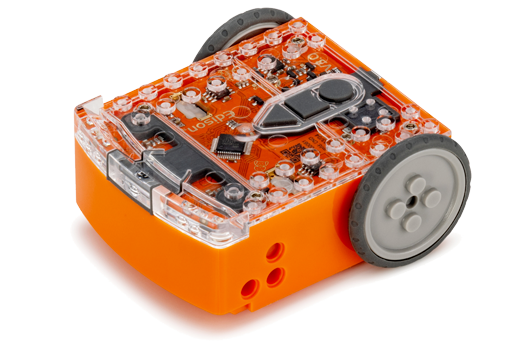
Edison V3 Card Coding
Teaching coding without screens? You heard right!
Edison V3 can be programmed using coding cards —no devices, no apps, no internet. Just hands-on learning using real programming concepts.
Using printable coding cards, each containing a barcode that functions like a code block, students scan a sequence of cards to Edison V3 to create programs and explore real coding logic.
This unplugged coding approach is perfect for:
- younger students
- classrooms with limited programming devices or unreliable internet
- educators looking to reduce screen time
- inclusive, multilingual settings
With Card Coding, students learn foundational computer science concepts such as:
- sequencing
- loops
- decision-making
- functions
- sensors

Resources
These free, downloadable resources can help you get the most out of Card Coding.

Lesson activity worksheets
The Card Coding worksheets are designed to allow students to work through activities independently, gradually learning about both the Edison robot and Card Coding. Card Coding is perfect for students of all ages.
The Card Coding Programming lesson pack includes:
- 5 classroom-ready lessons
- Printable barcode cards
Available in multiple languages including Spanish, Portuguese, German, Chinese and more.
Teacher’s guide to Card Coding
This guide offers teachers and instructors overviews, activity extensions and other supporting information for the Card Coding lesson activities to help make teaching with Card Coding easy and fun. Each Card Coding activity is included in this guide along with any relevant supporting information for that activity.

Card Coding is built for inclusion
Designed to support diverse learners, the visual coding cards minimise the need for strong literacy skills and don’t require fine motor control, making coding accessible for early learners and students with additional learning needs.
Available in multiple languages, including Spanish, Portuguese, German, Chinese and more. Card Coding also supports multilingual and EAL/D classrooms.
Card Coding is ideal for schools with limited devices or unreliable internet access. It removes common tech barriers while giving students a hands-on, tangible way to learn real coding concepts like sequencing, loops and logic, making it a perfect fit for inclusive STEM learning.