


| CARVIEW |
Resources
Learning Lab Collections
My Account

Smithsonian
Learning Lab
Discover the digital education platform that connects people to Smithsonian objects, resources, and stories.
Connect to digital resources from the world's largest museum, education, and research complex. Discover objects and online tools that bring art, history, and culture to life on the Smithsonian's free education platform.
Collections by Grade
Explore some of our most popular Learning Lab Collections. Use them as a springboard to continue your exploration of the many collections available on the site.

Me and My World: My Neighborhood

Talk with Me!
Learn about your community and neighborhood. In this Toolkit, leaners explore different homes, shops, and people in your neighborhood and have fun with related activities.
Talk with Me Toolkits provide you with chances to talk with your children to improve thinking, vocabulary, and language development. Talking with your child is great—and research shows that the quality of words children hear matters more than how much you talk.
Talk with Me Toolkits give you ideas to begin conversations that are organized around a theme. The Toolkits feature videos, photographs, paintings, and artworks along with questions to talk about with your child. At the end of each toolkit there are more activities to do and books to read together. Go through this toolkit with your child and see how many topics there are to talk about!
This toolkit was adapted with a grant from the Institute for Museum and Library Services.
Links to third-party websites and videos are included in this Toolkit for informational purposes only. They do not indicate the Smithsonian’s endorsement, sponsorship of, or affiliation with the third party or content of the linked site, including any advertisements that might be posted.

Get To Know Alma Thomas

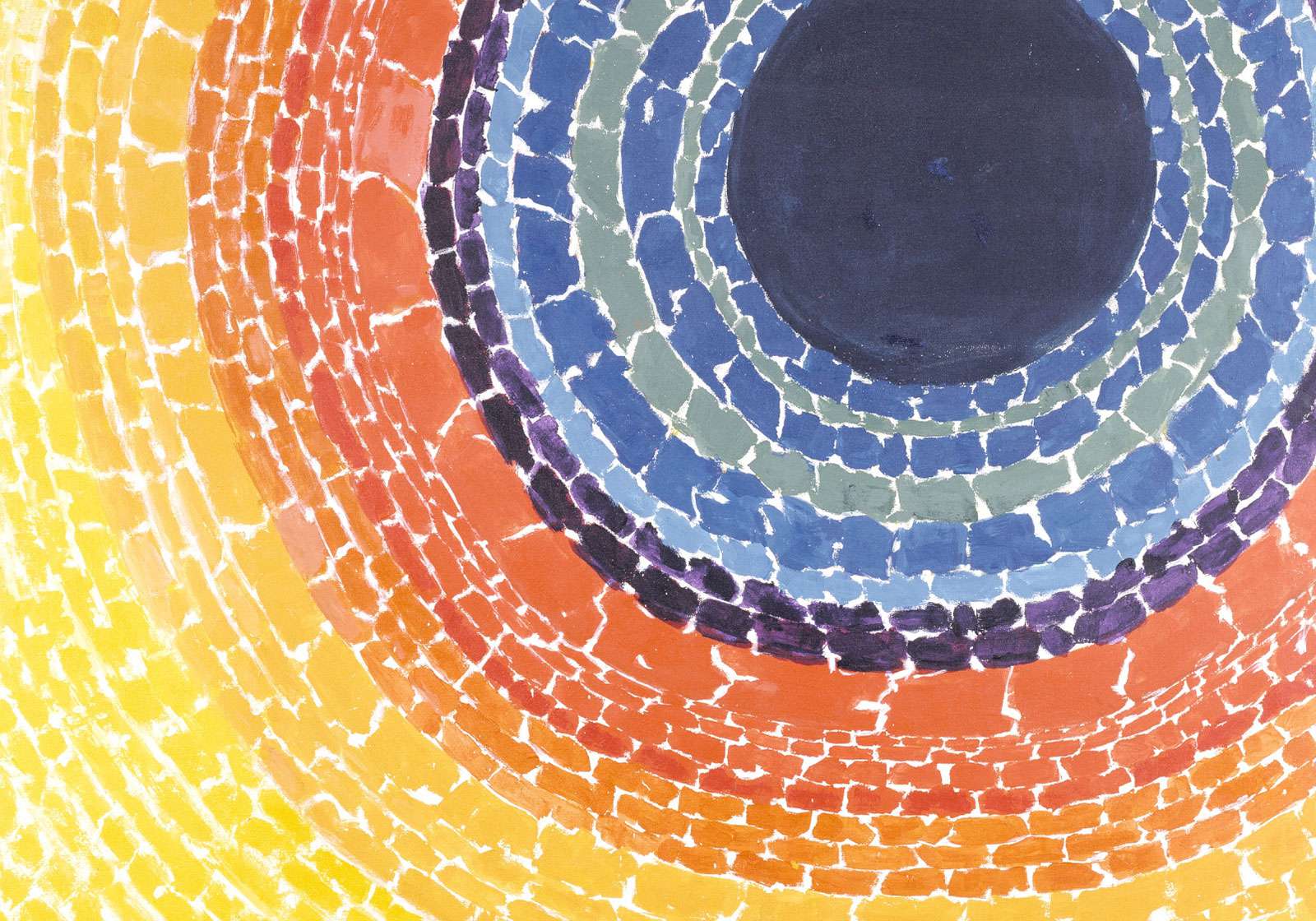
What inspires you? Get to know Alma Thomas, (b. Columbus, Georgia; lived and worked in Washington, DC, 1891–1978), an American artist and educator known for her signature painting style using bright colors and patterns inspired by nature. She became a full-time artist late in her life. Born in a time of horses and buggies, she lived through big advancements in technology, such as the space race and moon landing. Her art was inspired by the nature she saw outside her home studio, and awe for the exploration of our vast universe.
Get To Know Alma Thomas is part of the Hirshhorn KIDS About the Artist series. About the Artist biographies are designed for kids under age 12. Modern and contemporary artists' lives reflect recent human history and events. Sharing these life stories and artworks can help kids see their own potential and better understand the world and their place in it. It is our goal to inspire future generations of artists, makers, and creative problem solvers—sharing artists stories is one way Hirshhorn KIDS realize this goal.
Use it in the classroom to teach:
Art classroom: Color Theory, Pattern
Language Arts classroom: Biography
Social Studies classroom: 20th century

Presidents and Precedents: The New Nation
In
this playlist you will learn about how three of the first presidents shaped the executive branch of the United States government.
Start by clicking on the first tile in the upper left hand corner. Then move through the playlist by clicking on the ">" symbol at the bottom of the page. Look for the information and paperclip icons to provide more information about selected resources. There are 34 tiles in this collection.
Educator Programs
Cultivating Learning is a professional development series where Smithsonian educators model teaching techniques for using digital museum resources to support student learning. This year’s series celebrates America at 250. Programs are free and accessible to anyone.

Investigating Civic Ideals through Art
Wednesday, January 21, 4:00 PM EST
Join Phoebe Hillemann of the Smithsonian American Art Museum to explore artworks as visual metaphors that can deepen students’ understanding of civics. We’ll interpret three artworks together and discuss what each one adds to our understanding of the phrase “We the People.” You’ll leave with teaching strategies that encourage active participation and critical thinking, and also learn how to receive a free classroom teaching poster featuring new civics-focused lesson ideas.

Rising to STEAM Challenges
Wednesday, February 18, 4:00 PM EST
Space exploration reflects America’s desire to push scientific understanding and technological innovation. Join educators from the National Air and Space Museum to learn about aviation and space heroines who rose to the challenges of their fields and participate in a design challenge with materials from home. We’ll talk about helping students tackle STEAM challenges in the classroom, from your early finishers to learners who need more scaffolding. You’ll leave with activity ideas and strategies to push students to iterate even after they’ve met their design goals.

Leading the Way: Native Women from Revolution to the Future
Wednesday, March 18, 4:00 PM EST
In many Native cultures, it is common for women to hold leadership roles in society. Join Renée Gokey, from the National Museum of the American Indian, to explore a new teaching poster that focuses on three Native American women whose actions were historically significant during the American Revolution. You'll leave with a deeper understanding of the important contributions of Konwatsi’tsiaienni, a Mohawk leader of the Haudenosaunee Confederacy; Nanye’hi, a Cherokee Beloved Woman; and Nonhelema, a Shawnee Peace Chief and learn ways to tie history to contemporary Native culture.

Discover
What will you find in the Smithsonian Learning Lab?

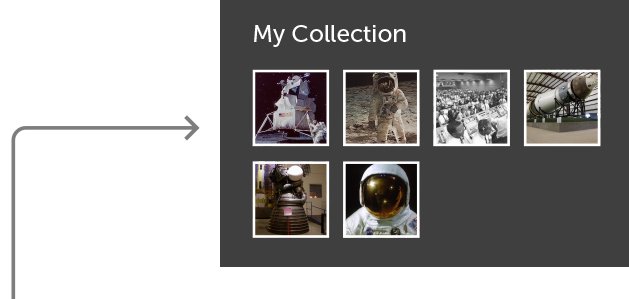
Millions of Smithsonian digital images, recordings, texts, and videos in history, art and culture, and the sciences
Thousands of examples of resources organized and structured for teaching and learning by educators and subject experts
Millions of Smithsonian digital images, recordings, texts, and videos in history, art and culture, and the sciences
Thousands of examples of resources organized and structured for teaching and learning by educators and subject experts
Browse individual resources by type



Browse model collections on different topics





Create
Create collections of resources to engage learners, or freely adapt ones already made by Learning Lab users like you.


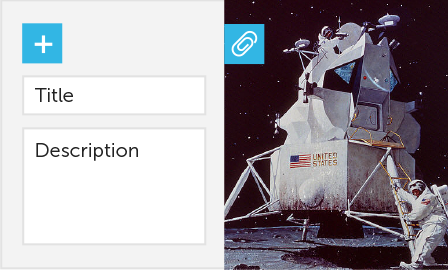
Use Learning Lab tools to customize and enhance your collections.
Copy a Collection
Adapt exemplars to personalize them for your learners.
Upload
Upload aids and resources you already use and value.
Annotations and Hotspots
Make a collection student-friendly, with information, focus, and interactivity.
Quizzes and Assignments
Build in guidance and supports for students.
Browse ready-to-use model collections by educational use


Browse ready-to-use model collections by learning strategy or theme


Share
Share what you discover and create with the Smithsonian learning community and beyond.
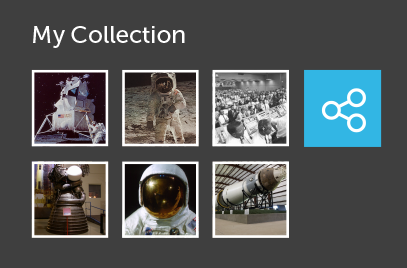


Spread the word. Easily share the things you care about the other users, your colleagues, students, and friends.
Publish Your Collections
Share what you have made with the Smithsonian learning community.
Embed
Grab simple code to share any resource or collection.
Share Online
Email It, Tweet It, pass it around. Share what you discover and create with your world.

Assign
Develop a roster of your students and assign your collections to them. Track their responses and progress.

Learn
BRIGHT IDEAS
Subscribe to our Bright Ideas newsletter
To learn more about the Smithsonian Learning Lab and to read about strategies, approaches, new features, and more, subscribe to the Bright Ideas newsletter. We'll be sending out a new issue every few weeks.


Forgot My Password
Please provide your account's email address and we will e-mail you instructions to reset your password. For assistance changing the password for a child account, please contact us
You are about to leave Smithsonian Learning Lab.
https://ikeepsafe.org/privacy/ferpa/
Would you like to proceed?