

|

|
| CARVIEW |











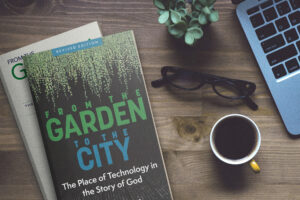
Today is the official release day of From the Garden to the City revised edition!
The book has has a new cover, a new subtitle (formerly The Redeeming and Corrupting Power of Technology and now The Place of Technology in the Story of God), and about 14,000 more words (Microsoft Word says there were 4,221 changes!).
I have joked that all it took was replacing “MySpace” with “TikTok” and “MP3” with “Spotify” but the actual changes are much more substantial than that. Here are a few things that are new or updated:
- Some examples of technological change were updated. For example, the shift from records to tapes to CDs to MP3s needed an update to include streaming services like Spotify.
- Although it is not an academic book with heavy scholarly interaction, some updated references were added to reflect more of current discussions about technology, faith, and ethics.
- Some smaller sections within chapters were expanded with some new ideas. In the chapter on Creation, I added a section considering what the first 3 of separation and second 3 days of filling in Genesis 1 might tell us about our own processes of making.
- Post-pandemic, online church (and the reason I don’t think we should call it “disembodied”) get a much more extensive treatment than in the original when only a few of us had tried it.
- Sections on AI, transhumanism, virtual reality, metaverse, and cryptocurrency were either expanded or added. These are not in depth discussions, but should offer some initial framing for classes or discussion groups.
- The final chapter includes an extended discussion on 10 ways that ancient tools differ from modern devices. The book argues that, going back to the Garden, technology is and has always been a God-given good. But today’s smartphones and shovels do have some categorical differences and this sections explores this.
- 3-4 questions were added at the end of each chapter for personal or group discussion.
- There’s also now an audiobook version!
Here is the text from the Preface to the Second Edition:
One of the perils of writing about technology is that it becomes dated before the ink dries. the file saves. syncs to the cloud.
In the decade since the first edition of this book was published, our world has continued to accelerate technologically, with once futuristic technology becoming mainstream (cryptocurrency, virtual reality, smart speakers, self-driving electric cars) and mainstream technology becoming commonplace (phones, social media, videoconferencing). Even with all this change, the core argument of the book—that theologically, technology is a good gift from God that plays a significant part in the biblical story; and that practically, technology is never neutral but has an embedded value system that transforms individuals and communities—is still true. And yet these technological accelerations and cultural movements invite updated examples and new reflection.
In the category of technology that has become commonplace, perhaps the most life-altering has been the way phones have come to saturate our lives. In 2010, we still called them “smartphones,” and they were only just transitioning from the toys of the tech elite into the ubiquitous, ever-present, always-on glowing rectangles that permeate our lives. Our phones make incredible things possible, both good and bad, but they are significant not just because of what we can do with them but because of how we have rearranged our lives around them. We wake up to their alarms, respond to their notifications, record our most (in)significant moments with their cameras, and then scroll through their feeds as we fall asleep. Phones not only have reshaped our individual habits but they have also made larger societal shifts possible, such as enabling developing countries to skip wired phone and internet connections altogether, empowering “remix culture” where individuals collect and arrange values and beliefs to their tastes, and empowering companies like Uber to transform the transportation industry and Spotify to disrupt the music industry.
The ubiquity of phones, in turn, accelerated the use of social media, which was just emerging from college culture (Facebook) and Silicon Valley (Twitter) in the early 2010s. New platforms have come and gone (remember Google+?), and different demographic groups gravitate toward some platforms more than others, but social media is now a part of everything from schools and churches to politics and medicine. As with phones, the list of good and bad uses of social media is endless, but underlying that are profound changes to society, including political elections that centered on the use and abuse of social media, the rise of misinformation campaigns that accelerated an erosion of trust in traditional societal structures, and heightened tensions around important issues of justice and human rights.
The pandemic of 2020 and the lockdowns into 2021 only accelerated these technological changes, and people around the world embraced and adapted to digital technology literally overnight. The idea of online church was a mere footnote in the first edition of this book, but by mid-2020 it was something nearly every religious person in the world had experienced along with online school, remote work, and grocery delivery. It is difficult to imagine how things would have played out if the pandemic had taken place twenty years before, when the internet was still young and tools like livestreaming and videoconferencing were not yet widely available. But today it is difficult to imagine life, relationships, and business without them.
As we experienced these accelerations of mainstream technology becoming commonplace, we have also become more aware of the technology which was just coming on the market in 2010. For example, Bitcoin was invented in 2009, but it took years for it and its crypto-competitors to make their way into mainstream financial discussions. Virtual reality (VR), too, has been around for decades but has recently gone from being an expensive experimental technology to something that costs less than a phone to try and is now the focus of many companies, like Facebook’s parent company, Meta. Talk of robots and artificial intelligence (AI) has also entered the mainstream, where AI can be loosely defined as anything we used to think only humans could do. This includes deepfake videos, self-driving cars, and medical diagnoses, and will expand to more in the years to come. As we talk to our smart speakers, ideas about the singularity, transhumanism, bioethics, and designer babies have also emerged from science fiction into podcast discussion points and everyday conversations.
Each of these events and trends are worthy of deep engagement and thoughtful discussion, though I can’t fully address them all in an update to this book. But I have attempted to bring the examples and references throughout this edition into conversation with these events, while continuing to argue both that technology is still a good part of our image-bearing creativity and that, more than ever, we need godly wisdom developed in community to faithfully navigate this new world. I hope these updates will allow us to faithfully and soberly embrace technology as one of God’s many good gifts.
I hope you enjoy the new edition! If you pick one up, I’d love it if you’d leave a review on Amazon.
And keep an eye out for another release next month: People of the Screen: How Evangelicals Created the Digital Bible and How It Shapes Their Reading of Scripture!
The post Book Release: From the Garden to the City 2.0 appeared first on John Dyer.
]]>The post Technology and Faith Books and Resources: 2022 appeared first on John Dyer.
]]>When I published From the Garden to the City in 2011, there were only a handful of other books at the popular-but-thoughtful level, but this year (late 2021–2022) alone there are more than 10 books already released or coming out that I’m aware of and more under publication.
Because technology touches nearly every aspect of our lives, no one book can cover it all, so I appreciate how this generation of writers is helping us think more clearly about specific areas, drawing on each person’s expertise and experiences.
Recent Books on Tech
Restless Devices: Recovering Personhood, Presence, and Place in the Digital Age (2021)
Felicia Wu Song
Dr. Song is a cultural sociologist working in the area of media and digital technologies. She brings this expertise to bear to explain our current situation, appreciating the benefits of digital technologies, but also looking soberly at the values embedded in our devices and the powerful economic systems driving our habits. One thing I love about this book is that it’s not simply another exercise in tech criticism or adopt/resist binaries, but each chapter also offers what Dr. Wong labels “The Freedom Project: Experiments in Praxis” which are concrete things we can do to examine the liturgies we’ve allowed to enter our lives and counter them with “meaningful resistance found in the Christian tradition.”
Habits of the Household: Practicing the Story of God in Everyday Family Rhythms (2021)
Justin Whitmel Earley
This is Early’s follow-up to his enormously helpful The Common Rule: Habits of Purpose for an Age of Distraction. A lawyer and father of four, Earley doesn’t write directly about technology as his main subject. Instead, he’s giving us practical guidance on how to live faithfully in this time, a time that is profoundly influenced by technology. If we are not intentional with our choices, time, and devices, we will likely fall into unhelpful patterns, and Earley is wonderfully gifted at laying out tools and systems to reorient us. (I got to speak alongside Justin once, and he’s the real deal!)
Redeem All: How Digital Life Is Changing Evangelical Culture (2021)
Corrina Laughlin
Studying how a group adopts or rejects technology is a fascinating lens for understanding that group. Laughlin, a communications and media studies scholar at Loyola Marymont, argues that evangelicals have appropriated the promise of Silicon Valley (Steve Jobs’s “put a dent in the universe”) through the lens of evangelism and mission. She shows how evangelicals want to “redeem all” through examples like startup churches, digital missionaries, and social media influencers. (Also, Corrina sent me her dissertation while I was in the middle of writing mine, and I am so grateful for her ideas, approach, and generosity.)

Terms of Service: The Real Cost of Social Media (2022)
Chris Martin
Chris has been a social media manager for several large organizations, and I’ve appreciated getting to know him over the last few years as he has been figuring out how to bring his experience and writing together. Here’s what I had to say about this book:
It’s not hard to offer negative critiques of the social Internet. What is hard is giving sustained attention to those problems and following it with sound guidance on how to live faithfully in the real world. Chris’s years of experience in digital ministry and careful personal practices make him a worthy guide.
Chris also writes a fantastic email newsletter of the same name (Terms of Service) that brings together some of the best tech criticism from around the internet. Subscribe now!
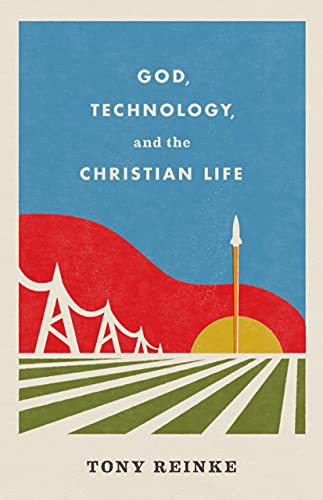
God, Technology, and the Christian Life (2022)
Tony Reinke
Tony Reinke is a Senior Teacher for Desiring God and a prolific author. On technology alone, this is his third book after 12 Ways Your Phone Is Changing You (2017) and Competing Spectacles: Treasuring Christ in the Media Age (2019). This new work offers a sweeping theological account of technology and history through a theological lens. Here’s my comment on the back:
Reinke not only addresses a wide range of issues in technology and culture; he also brings fresh insights into often overlooked passages of Scripture. He offers an approach to technology that is ethical without being moralistic, careful without being restrictive, and positive without being naive.
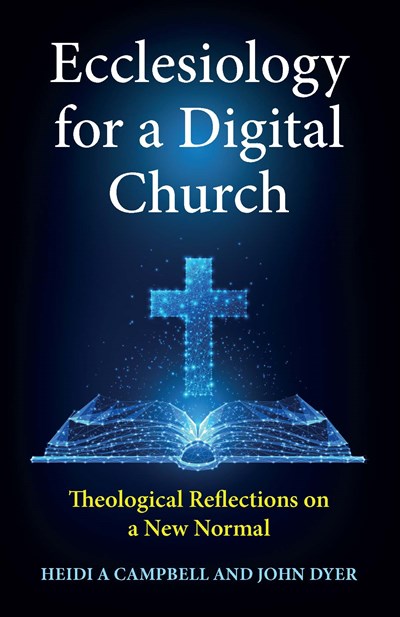
Ecclesiology for a Digital Church: Theological Reflections on a New Normal (2022)
Edited by Heidi A. Campbell and John Dyer
Heidi Campbell is perhaps the most well-known, well-respected, and well-liked person in the field of digital religion. Among other things, she directs the Network for New Media, Religion and Digital Culture Studies, and since the pandemic began, she has brought together dozens of scholars and religious practitioners from around the world in several free ebooks and the Tech in Churches initiative. This book (which I co-edited with her) brings together an amazing group of essays that cover everything from how Pentecostal pastors in Africa adapted their message in light of the pandemic to reflections on the metaphors of ‘the body of Christ’ and the ‘people of God’ in an online world to what Jesus words about children, “Do not stop them” mean for online ministry. For more from these authors, see Kate Ott’s Christian Ethics for a Digital Society, Katherine Schmidt’s Virtual Communion, Philip Butler’s Black Transhuman Liberation Theology: Technology and Spirituality, and Jonas Kurlberg’s Missio Dei in a Digital Age.
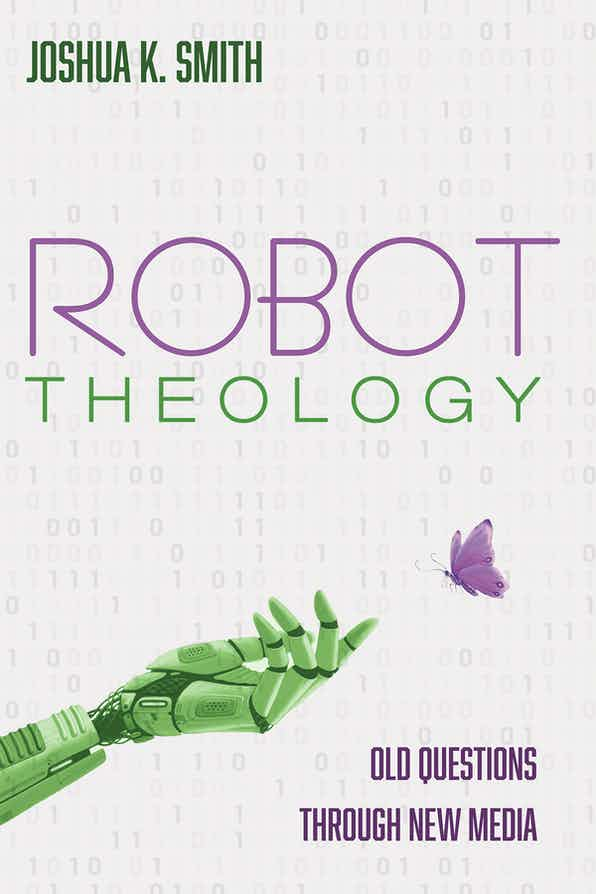
Robot Theology: Old Questions through New Media (2022)
Joshua K. Smith
Joshua Smith is unique in this group of authors because he is both a full-time pastor and a surprising voice in the area of robot ethics. His first book, Robotic Persons: Our Future with Social Robots, argues something might surprise you. Smith says that we should grant “legal personhood to qualified robots” not only because it will help “prevent dehumanizing use of robots” but also because that, in turn, will “protect human dignity and value.” His new book continues his deep reflection on AI and robotics and what our conclusions in those areas say inform our theology. Joshua is already respected outside the Christian world, and I hope he gains a voice within as well.
Forthcoming Books
These books come out later this year, and I haven’t had the chance to read them yet, so I’m including them on the strength of their author’s previous writing.
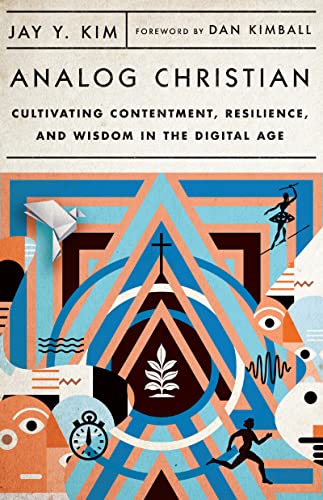
Analog Christian: Cultivating Contentment, Resilience, and Wisdom in the Digital Age (2022)
Jay K. Kim
Kim is a pastor in Silicon Valley, and this is a followup to Kim’s first book, Analog Church: Why We Need Real People, Places, and Things in the Digital Age, which had the amazing timing of being released March 31, 2020, just weeks after nearly every church in the world was forced online for a period. I appreciate that this book looks to focus on cultivating virtues—contentment, resilience, and wisdom—in an age that often seems to value the opposite—more, faster, cheaper.
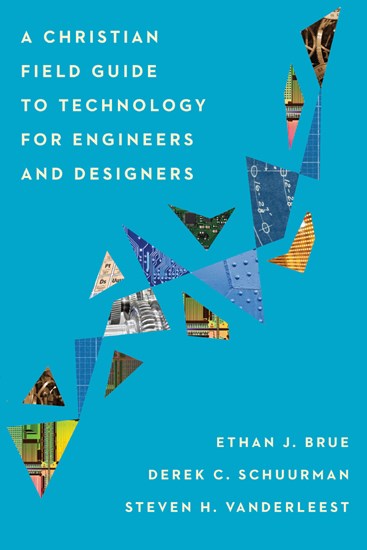
A Christian Field Guide to Technology for Engineers and Designers (2022)
Ethan J. Brue, Derek C. Schuurman, and Steven H. VanderLeest
Most of the authors here are academics and pastors who study technology from the outside, but the authors of this book are different—they are engineering and computer scientist professors, making technology and guiding a generation of students to do the same. Schuurman’s previous book Shaping a Digital World: Faith, Culture and Computer Technology was more theological and historical, but this book is a practical guide for those who want to create technology that is informed by with biblical ethics and contributes to the common good.
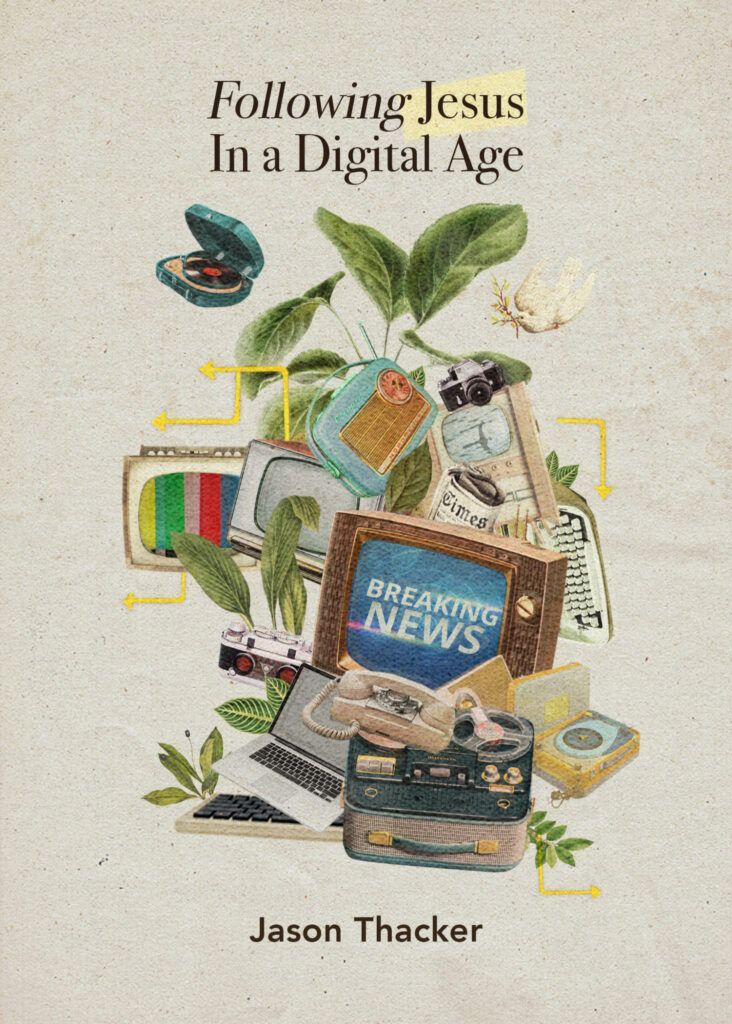
Following Jesus in a Digital Age (2022)
Jason Thacker
Jason Thacker serves as chair of research in technology ethics and director of the research institute at The Ethics and Religious Liberty Commission of the Southern Baptist Convention, and he previously wrote The Age of AI: Artificial Intelligence and the Future of Humanity as well as put together the ERLC’s statement on Artificial Intelligence. Jason is also working on some more academically oriented projects, but this book is more practically focused on living faithfully today.
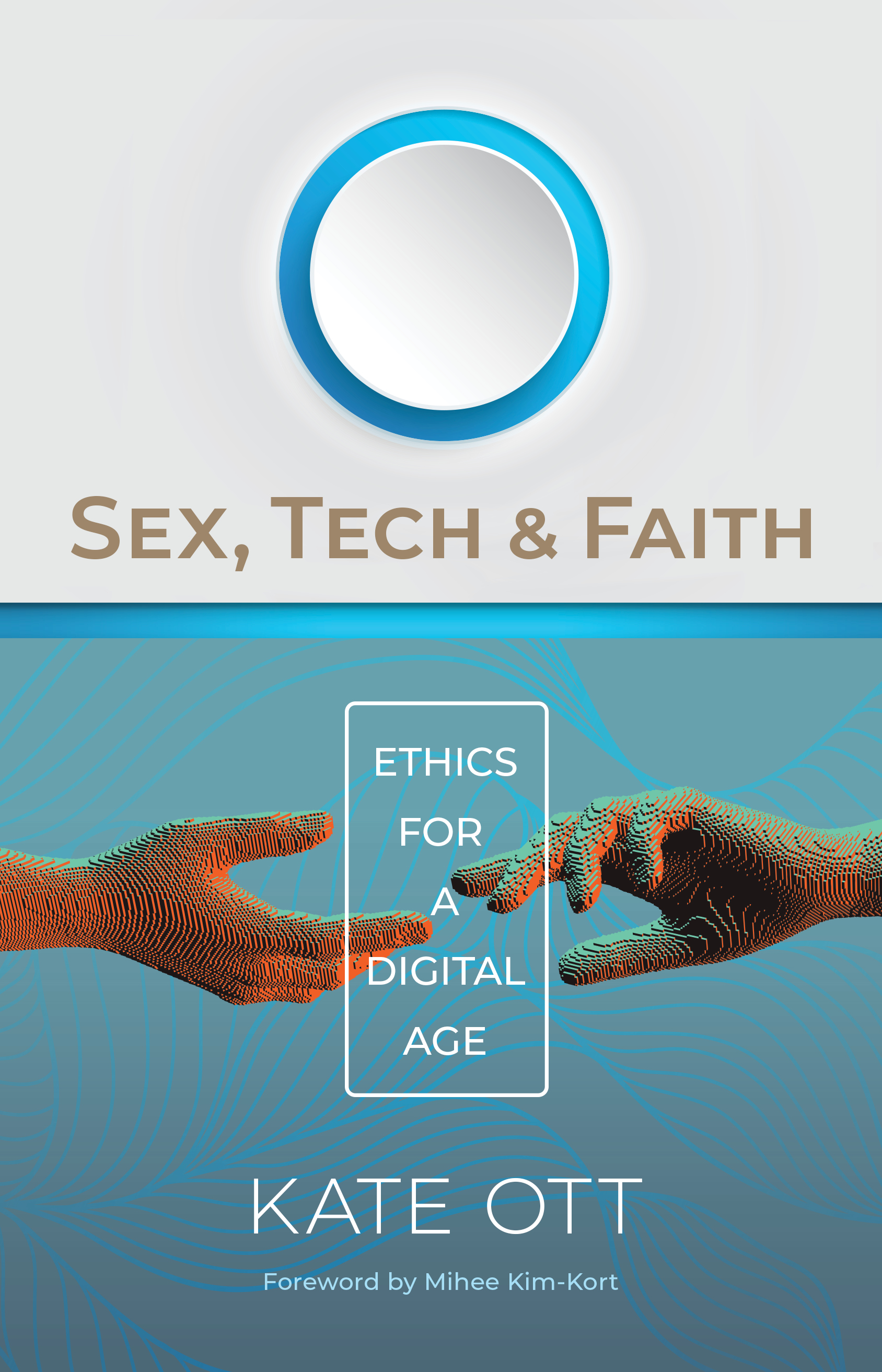
Sex, Tech, and Faith: Ethics for a Digital Age (2022)
Kate Ott
I mentioned Kate Ott’s excellent Christian Ethics for a Digital Society above, and this new book combines her previous work on sexuality and child advocacy with her more recent work on technology ethics. In this book, Ott argues that a simplistic, rules-based approach doesn’t hold up well in the digital age, leading mostly to shame, so instead, she offers a values-based approach and considers “the potential harm in everything from the use of internet porn to the practice of online dating to human-robot intimacy” (Jacket Description)
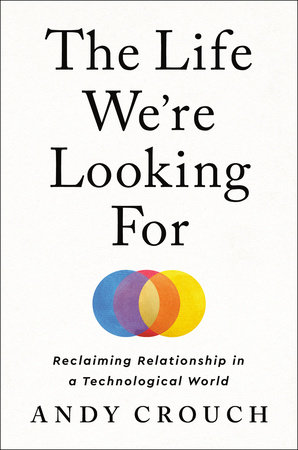
The Life We’re Looking For: Reclaiming Relationship in a Technological World (2022)
Andy Crouch
Andy Crouch is a gift to the church, and I would blindly recommend anything he writes. Works like Culture Making, Playing God, and Strong and Weak each offer rich insight into complex topics. But Andy has also offered some wonderfully practical guidance on technology, for families in The Tech-Wise Family and for individuals in My Tech-Wise Life written with his daughter Amy. I imagine that this next book will continue his streak of deeply thoughtful, but grounded and practical guides to living faithfully.
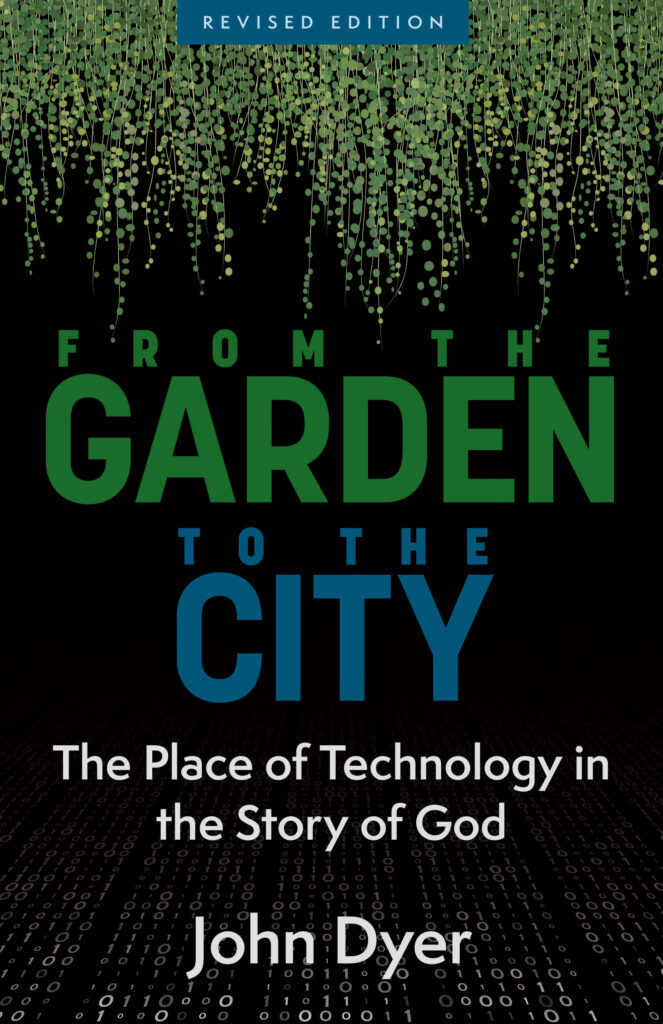
From the Garden to the City: The Place of Technology in the Story of God (2022)
John Dyer
The traditional wisdom is that a book should have a tenth anniversary update, but since we’re in the digital world, I thought an 11th anniversary would be fun. In addition to the new subtitle and “dark mode” cover, here’s a brief snippet from the introduction:
“In the decade since the first edition of this book was published, our world has continued to accelerate technologically, with once futuristic technology becoming mainstream (cryptocurrency, virtual reality, smart speakers, self-driving electric cars) and mainstream technology becoming commonplace (phones, social media, videoconferencing). Even with all this change, the core argument of the book—that theologically, technology is a good gift from God that plays a significant part in the biblical story, and that practically, technology is never neutral but has an embedded value system that transforms individuals and communities—is still true. And yet these technological accelerations and cultural movements invite updated examples and new reflection.”
And here’s are a few updated endorsements:
“There are not many books on the theology of technology, and this is the best one. It shows how the Bible has a lot more to say about technology than you would think, and this study offers great advice on how to manage this spiritual force.”
Kevin Kelly, Senior Maverick, Wired
“With grace, curiosity, and precision, Dyer provides an accessible model for critical and faithful engagement with technologies that are radically changing us and the world.”
Kate Ott, Professor of Christian Social Ethics, Drew Theological School
“Reading From The Garden to the City was a game-changing moment for me. It was the most important work in my early stages of theological and cultural analysis of technology that paved the way to me launching FaithTech. I literally keep a box of them in my trunk and hand them out to most people I meet. I recommend it to nearly everyone. From The Garden to the City successfully blends simplicity with depth, theology with cultural commentary, and historical reflection with future thinking.”
James Kelly, Founder, Faithtech
“John Dyer steers between poles to which we easily gravitate: uncritically demonizing or devouring technology. His sound biblical and theological reflection and thoroughgoing understanding of the history and philosophy of technology and media make him a reliable guide to readers who want to follow Jesus faithfully in the digital age. For years, I have used From the Garden to the City in the local church and university classroom. I’m thrilled that it has been revised and look forward to many more years of learning and teaching from it.”
Keith W. Plummer, Dean of the School of Divinity and Professor of Theology at Cairn University
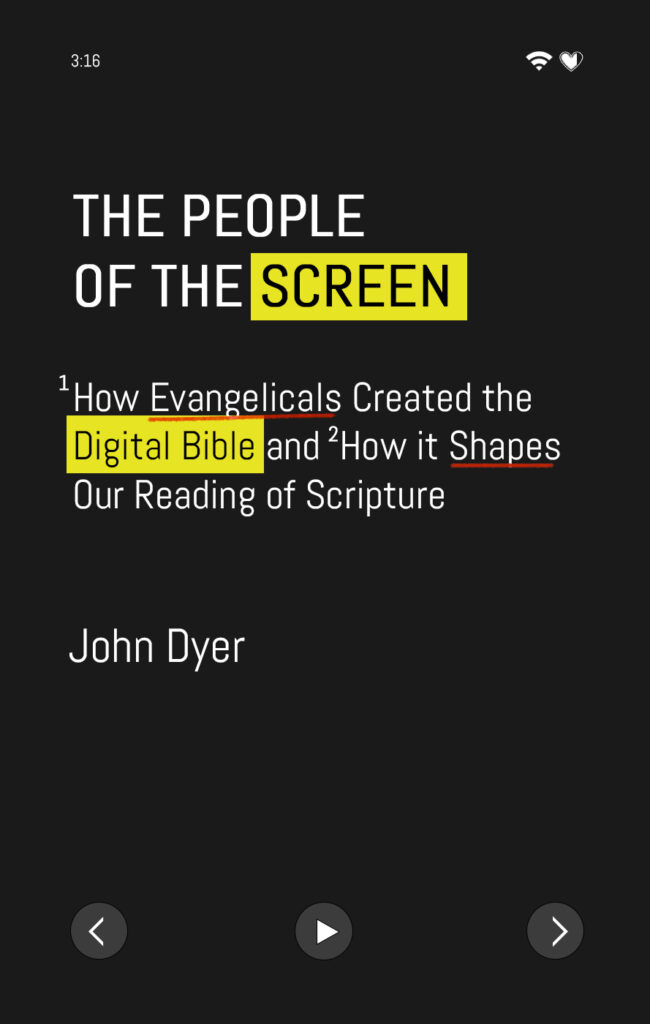
The People of the Screen: How Evangelicals Created the Digital Bible and How It Shapes Our Reading of Scripture (Oxford: 2022)
John Dyer
I’m also excited to say that my book on Bible apps and software should come out by the end of the year!
It comes out of my doctoral work at Durham University where I initially set out to see if I could find out Bible software programmers (like me) were affecting the way regular church goers think about and interact with scripture. Along the way, it became an exploration of evangelicalism itself, how it reacts to cultural change, specifically technological change.
The book offers a history of major waves of Bible software from the early desktop era of the 1980s to the first websites of the 1990s into the apps of 2010s and beyond, looking at how evangelical developers and entrepreneurs shaped the industry along the way. Then the later portion of the book draws on studies I conducted in congregations that show people think about the pros and cons of print, apps, audio, and websites, and those mediums change the God they see in the text.
Look for more soon! (note: this is a fake cover I mocked up myself 
Additional Works
I’ve also come across several other titles that look intruiging, but I know less about. On the practical end there comes Molly Defrank’s family-oriented Digital Detox: The Two-Week Tech Reset for Kids and Sini Ninkovic’s helpful, but not religious Untethered: Overcome Distraction, Build Healthy Digital Habits, and Use Tech to Create a Life You Love. On the more academic side, Nick Ripatrazone’s exploration of McLuhan’s Catholic faith in Digital Communion: Marshall McLuhan’s Spiritual Vision for a Virtual Age and Kirk D. Farney’s window into history Ministers of a New Medium: Broadcasting Theology in the Radio Ministries of Fulton J. Sheen and Walter A. Maier look fascinating.
Bonus: Conferences
Over the years, I’ve had the privilege of being a part of some wonderful conferences on technology at churches, universities, and seminaries around the country. Recently, there has been a resurgence of such discussions, some offering a whole vision of technology, some more focused on matters of church and ecclesiology, others on more personal practical matters, and still others on technology creators and makers. Here are a few that have posted their lectures publicly.
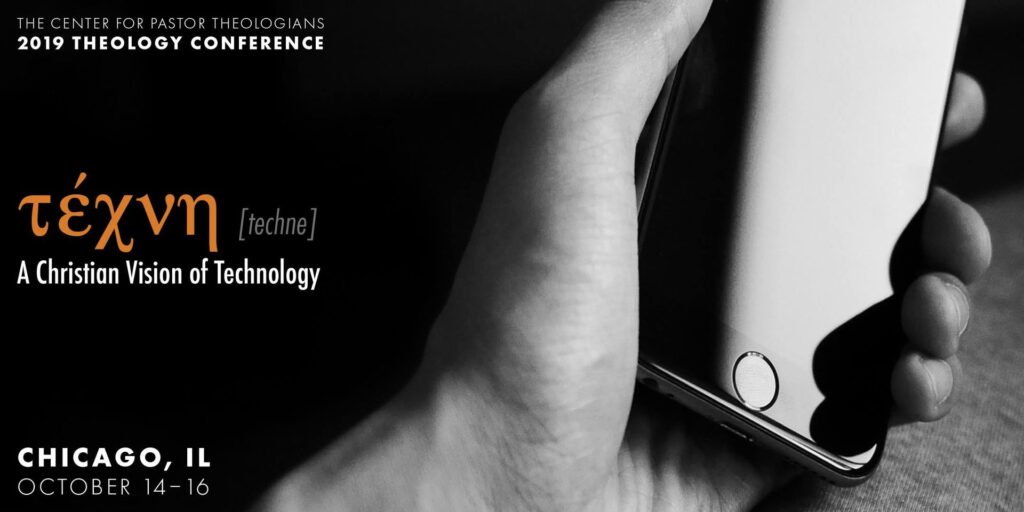
Techne: A Christian Vision of Technology (2019)
Center for Pastor Theologians
Two of the writers above, including Felicia Wu Song and Andy Crouch spoke at this conference along with Douglas Estes (author of SimChurch) and several other pastors and professors.
Discipleship in a Technological Age (2021)
Ekklesia Project
This conference was originally scheduled for 2020, and shifted online for 2021. Speakers included Doug Lee a
Software Engineer at Dayspring Partners, L.M. Sacasas of The Frailest Thing and now the Convivial Society, Katherine Schmidt professor at Molloy College and author of Virtual Communion: Theology of the Internet and the Catholic Sacramental Imagination, and myself.
Future Work & the Role of Technology (2021)
Center for Faith & Work Los Angeles
This conference had three main talks followed by a discussion, beginning with one from Derek Schuurman, computer science professor at Calvin College. This conference also had a nice mix of technology practitioners and company founders reflecting on their faith.
There are also some wonderful practitioner-focused events such as FaithTech’s Labs and the Missional.AI Summit that I’m looking forward to in the future.
I’m sure there are other books and conferences I’ve missed, so please add more in the comments!
The post Technology and Faith Books and Resources: 2022 appeared first on John Dyer.
]]>