


| CARVIEW |

As the year wraps up, we wanted to share some of what the Flickr Foundation has been working on. It’s been a year of learning, launching, and connecting with people who care about preserving digital photographs.
Here are the highlights from the team for this year:
Data Lifeboat Launches!
After a lot of development work, we released alpha and beta versions of Data Lifeboat this year. It’s been wonderful—and a bit nerve-wracking—to see people actually using the tool to preserve their photo collections. We’re learning from user feedback and working to make it better. Our hope is to call V1 done before the holiday season begins in earnest.
We created the Flickr Commons 1k Collection as a proof of concept and published it on the Internet Archive. Juwon’s fantastic intro video helped explain what we’re trying to do, and we’ve started exploring how to sustain this work long-term. The commercial pathways we’re investigating should help ensure the tool can continue serving the communities who need it.

Listening to the Community
Nearly 3,000 people responded to our digital legacy survey through Flickr.com in November. This many responses may be some kind of world record in online surveys!? We’re still processing what we learned, but the response showed us just how much people think about what happens to their photos and digital presence.
“I would like to have my photos available to others with similar interests, after I am gone. All my photos are annotated, which has taken a lot of time over the years. I think the backstory of each gives the photo experience more value.”
The survey results are guiding our thinking going forward, and we’re looking forward to running interviews in Q1 2026. It’s clear that questions about digital legacy matter deeply to people, and we’re working to understand how we can better support caring for these important (digital) things.
Sharing with the Community
We’ve continued to share our content and our news with our community via various channels and outlets. We maintain an active social media presence on: Bluesky (67 posts, 1611 followers), Mastodon (68 posts, 1543 followers), Instagram (23 posts, 98 followers, early days!), LinkedIn (49 posts, 788 followers).
Supporting the Commons
We welcomed four new members to Flickr Commons and tried to make the onboarding process smoother for future partners. Our quarterly Commons Connect meetings in January, April, July, and October have helped us stay connected with institutional partners, and it was a pleasure to see our new members showing up for a chat.
We’ve been steadily building a list of organizations which already have Flickr accounts who might be good fits for the Commons down the road. Reaching out is slow, steady work, and luckily, Jessamyn is fantastic at circling back.
It turns out the US government has been a resolute user of Flickr, pretty much since it launched in the naughties. Given the tumult, we’ve used our own tools to create a unique archive representing how the government has used visual social media at the beginning of the 21st century. We’re looking for a Proper Home for this special collection.
Flickr.com did a great job rolling out CC 4.0 licensing this year too, which was good to see.
Shifts in the Team
We were lucky to welcome Dan as Tech co-lead, said farewell to Alex, invited Hope to join as our pro bono legal advisor, and added Jonty to the team as Tech co-lead. The team has variously been in the same place (not little windows) too, getting to meet in person in London and LA, which reminded us how valuable face-to-face time is.
Research and Learning
We wrapped up our 2024 Mellon grant to move Data Lifeboat forward and published the final report in March. We’ve been fortunate to present this work at conferences in Paris, Florence, Barcelona, and Utrecht, and we have two peer-reviewed papers in the works. Students at the Royal College of Art are using Data Lifeboat to think about how different elements of their city are captured by a spectating public, and at the Utrecht University, who are thinking about data injustices in collective archives.
We hosted an event at The Photographers’ Gallery with Matthew Plummer-Fernandez and Sam Mercer, and connected with folks at Europeana, MozFest, Fantastic Futures, and other gatherings throughout the year. These conversations continue to shape our understanding of the work ahead.
Anna Mladentseva joined us for an AHRC-funded research placement and helped us understand where Data Lifeboat fits in the broader social media archiving landscape and think through what keeping a snapshot archive up-to-date could be like. Molly Sherman and Emily Fitzgerald, and Oreoluwa Akinyode contributed as our 2025 Research Fellows.
Building Infrastructure
A lot of our work this year involved less visible work: crafting privacy policies, terms of service, volunteer agreements, and grant applications (sadly with no success!). We continue to learn a lot from the grant process, even when things don’t go our way. The US funding environment we operate in is undeniably chaotic this year.
But! Some good news: We welcomed Rachel L. Frick as our third board member, and joined Fastly’s Fast Forward program which is supporting our Data Lifeboat service. We have mapped out an early Accessible Archives strategy, experimented with Hugging Face for better image descriptions, and commissioned Jill Blackmore-Evans to explore Reflective Archiving.
Thank You
We’re grateful to everyone who’s supported this work—our community of donors, institutional partners, volunteers, and the team making it happen. We are such a small group it’s a thrill to deploy a product that people will buy (and have bought!). There’s still so much to figure out, but we’re heading into 2026 with a clearer sense of how we can help preserve the photographs that matter to people and our desire to contribute to the Commons of the future remains as strong as ever.
Onward!
The post Looking back over 2025 appeared first on Flickr Foundation.
]]>Oreoluwa Akinyode, Flickr Foundation’s Winter Research Fellow, shares their reflections on the Fellowship so far, their experience encountering networked images and familial materials, and hints towards the creative output they’re developing in early 2026.
directions to enter a layered collective sight:
collective sight/// a set of three eyes
REVERENCE:
In my spiritual practice we always give homage before beginning any ritual and any undertaking. Modupe, I give thanks. Modupe Olodumare, the creator, modupe Ifa, the most honest oracle, the one who gave me the name Ifamodupe, modupe Orunmila, the custodian of Ifa, the one who has deepened my gratitude for living this life, modupe Ori (my destiny), modupe Egungun, modupe Osun, modupe Sango, modupe Egbe, modupe to my elders, modupe to my mother Grace Akinwande-Akinyode, modupe to my Father Bernard Akinyode, Modupe to my spiritual teachers, Agbongbon Oluwo Ifalowo Adeola,Modupe to my Olori Iya Fabunmi Trinice Adeola, Modupe to my Baba Sango Bolanle, Modupe to my Iya Osunkemi and Iya Ifatoyin Bogunbe, and the priests that initiated me into Ifa, Osun, and Sango. Modupe to all my comrades on this earth and in heaven. Modupe to all the seen and unseen spirits and forces that continue to uplift my destiny. Modupe to the destiny of the one reading my words.
Fellowship Reflection:
Tuesday November 18, 2025
10:04 PM
Baltimore, M.D.
The audio piece above is my audio offering as I invite you all into the rivers that are consistently flowing in my brain. A preparation for a soon to be revealed moving image initiation for the piece you are actively reading right now. I have spent so long letting words bubble up in me. They love when I let them out, choosing to release them, allowing them to take shape in this realm. I cannot be greedy, they too want to feel the taste of this air.
I approached this page to write about the gift of repetition and how repetition is mirrored in all that I do. In this piece I invite you into the reveal of how the gift of repetition has come to visit me in exploring archives on Flickr along with the physical experience of going through photographs in my family’s photo albums and collection.
This experience of looking and seeing (with my eyes, without my eyes, with my mouth, with my ears, and with the eyes of others) has been a deep point of joy for middle school Oreoluwa who was given the “curious george” award in middle school. In this searching on Flickr and in family archives I have allowed the spirit of curiosity to stay with me, with growing gratitude and discernment. In this experience I have been deeply transformed in what the stories decided to reveal itself to me and the stories that have re appeared. These noticings and conversations that are sparked from looking at archives on Flickr has allowed me to approach my family and our family archive new curiosity. I am so deeply invested in all of the surprise convos that come from looking at individual posts that were posted in the early 2000s from their personal archive from the mid 20th century. In my noticings I find myself wondering what led a person to upload their photo archives from a portion of their life on a day 40 years prior. I find myself curious to know what conversation a person might have had that day, that month, that year that prompted them to share. I find myself curious to know if the spirit of curiosity visited them 20 years prior to uploading an image, with a list of people that would come to find this image, wondering if Oreoluwa Akinyode was written on this list, knowing I would personally find this image one day. I wonder if they heard a song that day, that month, or that year, which reminded them of the night they met the love of their life and pushed them to upload in the archive an image from that night. In these curiosities, I find myself thinking of the last 5 years of my trying to enter my family’s brains concerning the images they have been able to keep of their/our history across time. It is in those moments of my questions I find myself so deeply nosy to know what song my elders may have been dancing to, searching to see what song came out that year and month and day, to get a visual soundscape of the stories they share from the images I gently beg them to tell me about.
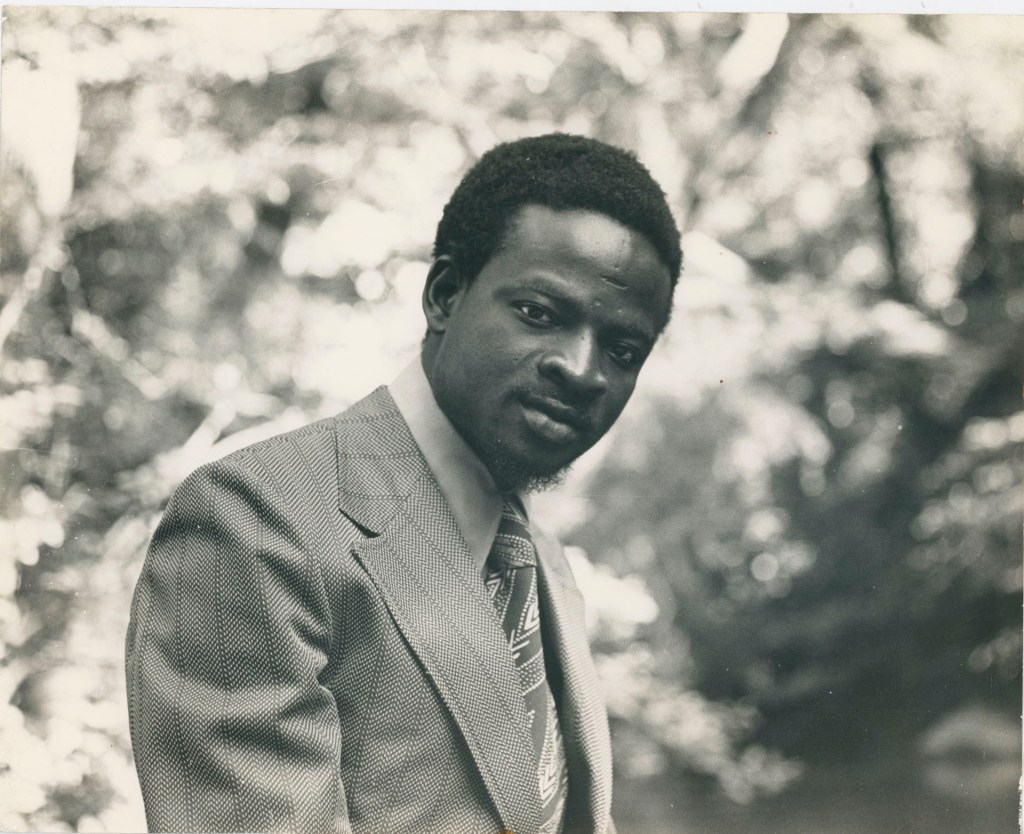
t(his) stone has traveled, fallen, rose, fallen and rose.
Big Daddy Ebenezer Akinwande in the late 60s/early 70s. Scanned by Oreoluwa July 23, 2021. Re revealed in my files October 2025.
- From a visit with Big Daddy Dipo Akinwande, his brother, eldest living, we give thanks.
- Big Daddy Dipo also made images and has a large archive of the images he made of his friends and family in Nigeria and upon coming to the states from the 60s and onwards
- This image first made itself known to me a month before starting school for photography in August of 2021.
- Question written to the image of my Big Daddy Ebenezer Olusegun Akinwande (returned home to heaven in the year of 2013).
- Olusegun- God’s victory!
- Ebenzer= A stone of support
- Big Daddy EBENZER was /is the life of the party, the one who brought the family together. When he died, no one could understand how our flame could be taken so abrupt from us. They/We miss him so much. It has not been the same and was never meant to be the same, the beauty and challenges of life.
- Our flame made his presence known.
- His flame fell and rose, burning and making room for something new.
- Pure Alchemist!
MY FIERCE FLAME THAT GUIDES AND PROTECTS ME.
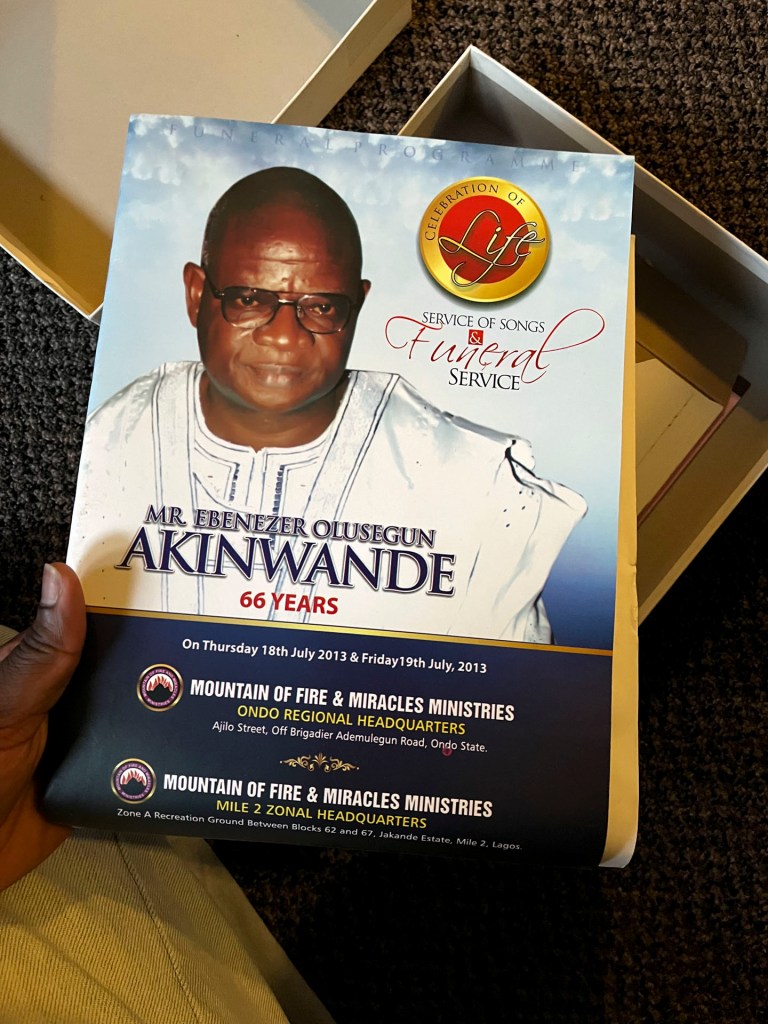
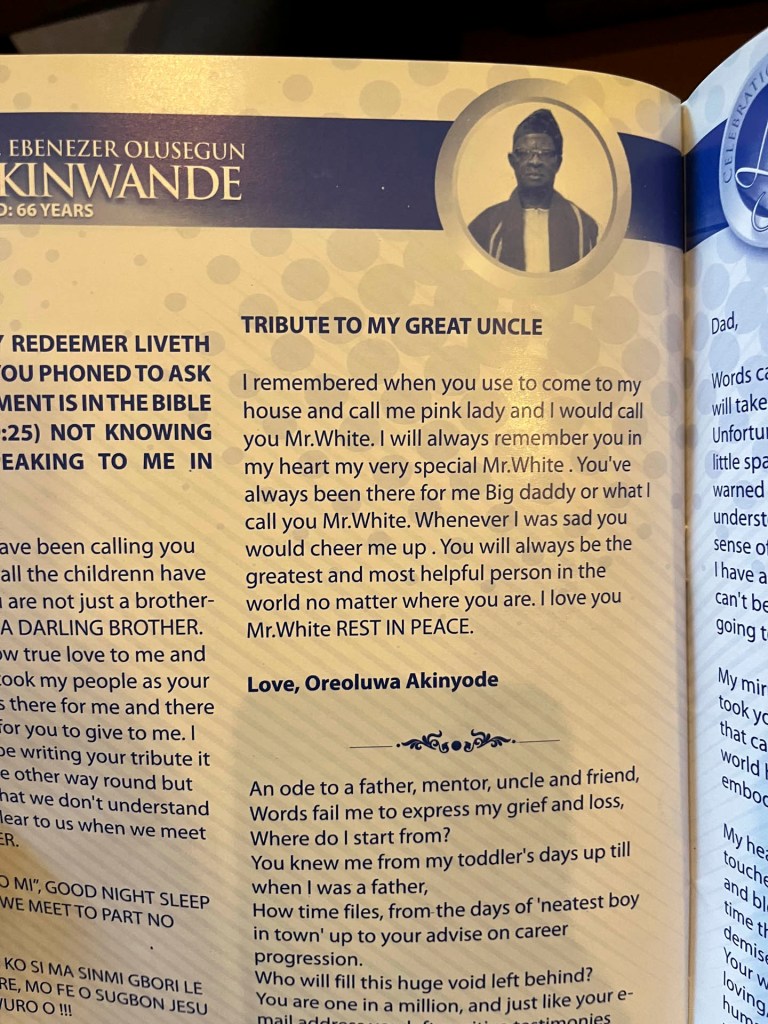
Found this funeral program this past October 8, 2025 while visiting Big Daddy Dipo and found a statement I wrote at age 11.
- During this visit to visit Big Daddy and Big Mommy, my sister, Funmi, joined me. Joy was in the air and guided me to this unexpected surprise in a box of surprise photos. Our collective laughter (collective sight) guided me to these pictures.
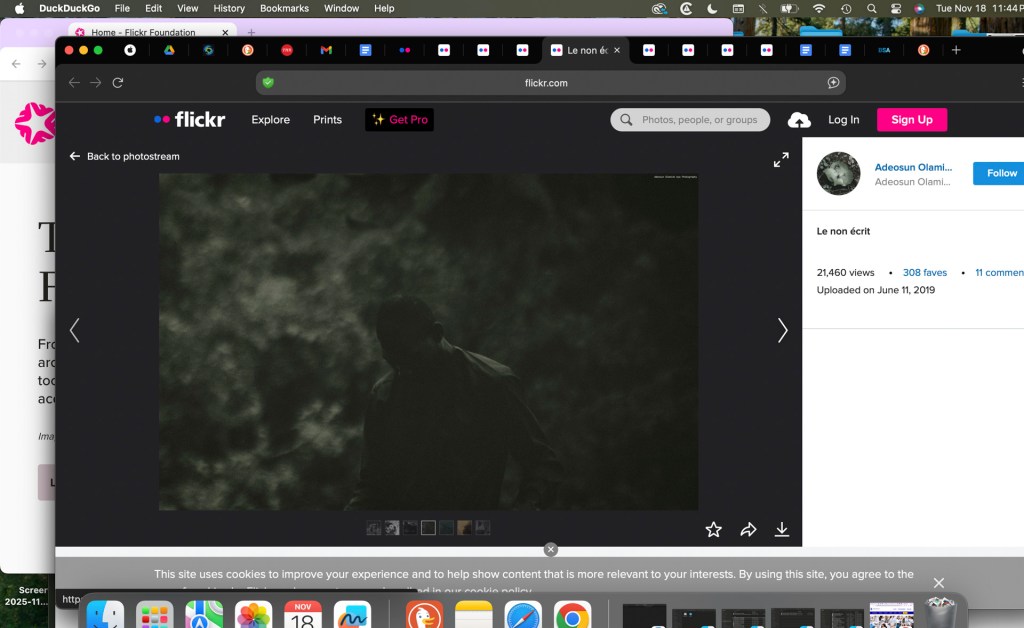
21,460 views
308 faves
11 comments
Uploaded on June 11, 2019
Photo by Adeosun Olamide on Flickr (c) All Rights Reserved
A series of question written to the image “Le non écrit” which translate to “The unwritten”
Did you know I would find my name embedded in yours?
[We share two names here, revealed to me in the upper right corner of the image is a signature, including the name Ayo(joy).]
-
- Ayomide is my middle name
- Adeosun = Osun carries the crown
- I am a recently returned Osun priest and named Osungbemi, from a lineage of former Osun priests.
- Osun is everywhere! Iba Odu Ifa Ose Otura.
WATER IS EVERYWHERE!
Who is that spirit besides you? The vessel so clear?
- their head up: yours down
Who are those spirits above you, surrounding you, enriching you, encompassing you? Made of you. Made from you.
- Do you see what I see?
- A fierce team guiding and protecting you, whether seen and unseen, a fierce team guiding and protecting you.
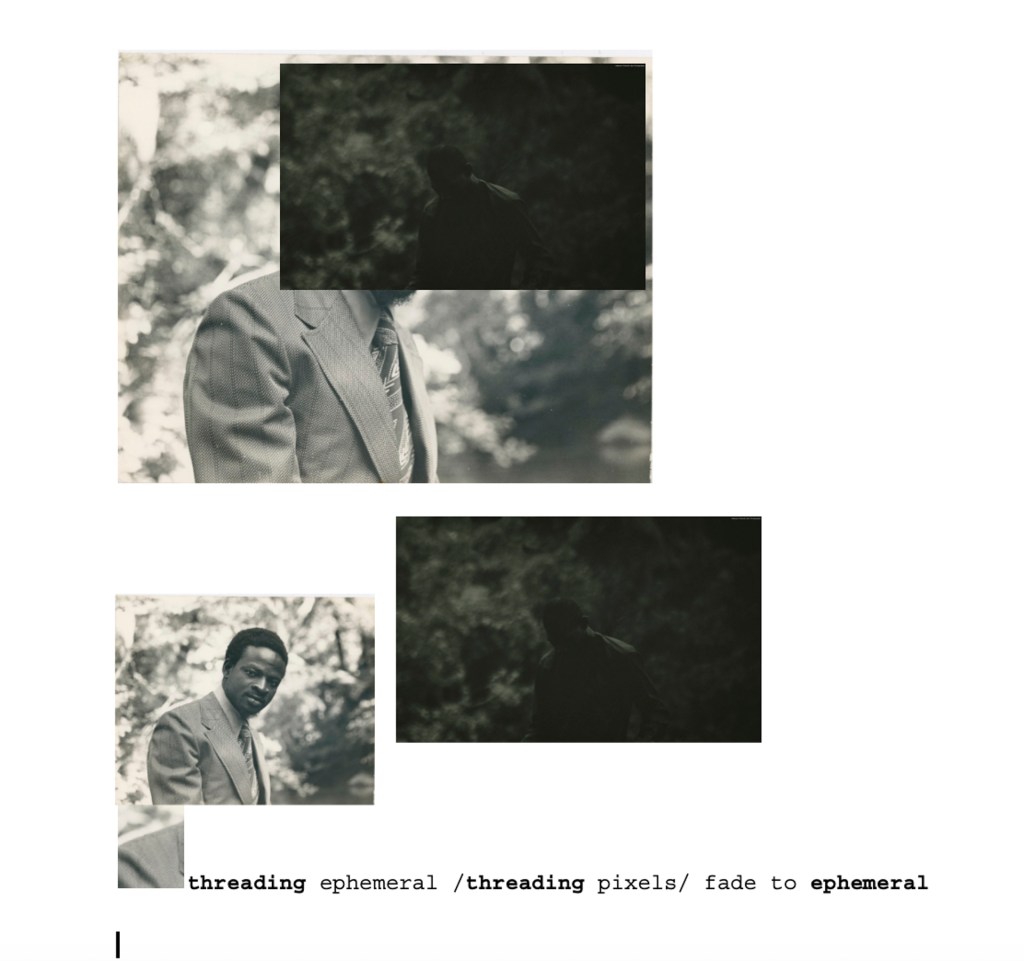
Questions written to the two images together
- What title would you give yourself?
- What gesture would you perform for each other if given feet and hands to dance?
- What next form would you like to inhibit in this world?
- What is a photo studio?
- A crafted designated space “inside”
- Outside is also inside.
- The studio is the space we create images, the site of creation, the site of everywhere.
- A crafted designated space “inside”
Some of my favorite questions reveal more information about what interests me about a person than a statement telling me exactly what they say.
This fellowship is my first research fellowship postgrad and as I have embarked on this I have often found myself feeling shame for not “producing” outputs. I found this to be a similar struggle during my study abroad experience in Bournemouth, England last year. It was so humbling to travel to a new place and try to make images and films. I had to learn the story of the land, the people the land called to inhabit it (for however long, within a college or elder whose family is from the land). This experience made me also think of a moment in May during my internship at the Baltimore Museum of Art. After sharing my studio practice with my colleagues, I received such great questions. I forget who asked me at this moment, but I was asked how I might imagine working outside of a classroom prompt. I was not able to imagine at that time, being so deep into my thesis project, titled “a fragmented whole,” being presented the following week or two, I remember thinking “oh thats a goooood question,” because so much of my time at school was pure curiosity that allowed me to make work that has deeply changed me, reflected by the last 4 years of spiritual transformation tangibly transforming my life. So much of my work these last 4 years were guided by prompts at school that actually often times ended up being way different from what was turned in. I kept many of these unsubmitted images, knowing they would soon knock on my head to tend to them, images that call me back every 3 months, every 7 months, every 4 years, and so on. Schooling had tied my idea of producing and making tangible material as a large proof of worth. This fellowship, working with Tori and George, has allowed me to safely challenge myself and what I have been trained to see as output as value. My thoughts, questions and conversations with friends, crushes, colleagues, peers, elders, junior ones, experiencing of media, and being immersed in a whole life filled with my people and my spirits is what is of true immeasurable value that allows for these written reflections along with the physical manifestation of an visual/audio output to enter this world. A medium is a medium (art medium and spirit medium! same thing! A way to get out and get clear and get out and get clear).
The two images shown in this blogpost are two images that have caught my eye and led to the calling of another image that wishes to speak to each other. To exist on this page together, they wish to tell a story and I thank them for trusting me to reveal what my eyes have seen and to share this with you. I ask that you sit with these two, returning to them whenever they call on you to tend to them, to witness them, to trust they have a message and story to tell you, seemingly and unseemingly connected to my story and yours. Digest them and take things bit by bit, it is how one can intentionally appreciate what a story has to tell.
Gratitude:
Thank you to all my friends, mentors, and community who have been so supportive in answering my questions and giving great advice for my fellowship.
Stay tuned for my next post where I will be inviting you into the next act of this multimedia performance along with a resource recommendation list of media I have been piecing together that has supported me in my formalized curiosity, as Zora Neale Hurston has used to describe research. I embrace and call on the spirit of this research as circular, spitting out life in every movement and questions tossed in the air. To the fierce wind, Oya, who gave me this idea in the wind and air, I breathe gratitude to you. The air in my fire, circling and gusting life into my fire.
Warm regards,
Oreoluwa Ifamodupe Akinyode
The post Oreoluwa’s Midpoint Reflections appeared first on Flickr Foundation.
]]>Flickr Foundation’s Founder and Executive Director, George Oates, spoke with Rabble a.k.a. Evan Henshaw-Plath, Twitter’s first employee, about Flickr’s early days, the philosophy behind community-first design and why tech needs a non-profit model to secure the cultural heritage of the web.
Here’s a brief summary of what the podcast covered:
From Game Neverending to a Flickr Community
Few remember but Flickr emerged from an unexpected source: a massively multiplayer online role-playing game (MMORPG) called Game Neverending. At its heart the game required players to work together, to collaborate in order to succeed. This eventually evolved from sharing objects and images to sharing photos. It was this community element, that sparked a core that would shape the emergent Flickr community.
George — as Flickr’s first designer — and the rest of the Flickr team found themselves building the interfaces we now take for granted in social applications from the ground-up. Features like tags and geotagging opened up entirely new ways of seeing and communing: suddenly you could see a photo of a friend on a beach halfway across the world, almost immediately after it was taken; you could link up your photos with someone else’s, maybe someone who you’d never met, just through tagging with the same combination words (e.g. whatsinmybag).
Moderating like a neighbourhood, not a platform
This work of designing interfaces for community interaction predates the formalisation of “Trust & Safety” in the tech industry. Whilst censorship and shadowbanning have become part of today’s vocabulary and many people’s gripes with platforms today, George and the team co-authored an original approach. Flickr’s first community guidelines laid the path for a community maintaining their own norms and largely self-governing.
“We didn’t want to arbitrate what photos were right in what context. That has to be negotiated person to person.” – George
These guidelines developed organically, as George and her team saw how the community responded positively and negatively to the rules set in place. For instance, NIPSA (Not In Public Site Areas) emerged from a calamitous anecdote (you’ll have to listen to find out!). To better foster community acceptance and maintenance, these safety and privacy systems needed to enable nuanced content sharing rather than relying on blunt, top-down (or automated) enforcement.
Building a better investment model for the Internet
Today’s dominant platforms are shaped by venture capital logic, prioritising scale and profit above all else. Growth, specifically hyper-growth, becomes the measure of success, and anything that can’t be quantified gets sidelined — or worse, deleted. The huge numbers that hypergrowth necessitates don’t work at a human scale, they’re difficult to comprehend and ultimately don’t translate into real value or enjoyment.
Instead, as George remarked, there are other values that keep people on Flickr, such as “fondness, memory, nostalgia and family“, things you can’t place a dollar value on. For the people who use Flickr, it’s precious precisely because it has history in it. It’s about you and your stuff.
The value of tech Foundations and what’s at stake
Before closing, Rabble offered a pointed example of what happens when platforms lack institutional protection:
“Vine never had a Vine Foundation. Once Twitter [who acquired Vine in 2012] got sold to Elon Musk, it was lost—because there wasn’t an institution like Flickr Foundation… so when the domains expired, it all disappeared.” – Rabble
It is precisely because of this existential threat of platform deletion‚—spaces which now hold so much of our collective cultural heritage—that the Flickr Foundation launched Data Lifeboat, a first-of-its-kind flexible archiving tool for saving pieces of Flickr. Whilst Flickr is stable, George drew a striking analogy that nevertheless highlights the importance of proactive measures:
“There’s not a vessel on the ocean today that doesn’t have some form of life preservation in it — and that’s law. You can’t have a ship without it. But web platforms don’t have anything like that.” – George
In the absence of this requirement, it falls to organisations like the Flickr Foundation to demonstrate what responsible stewardship looks like and make the case for it to become standard practice. As Rabble kindly concluded:
“I want more people to know about the Flickr Foundation because it should be a model for all other platforms and spaces where we’re creating important cultural works.” – Rabble
If this vision resonates with you, please consider supporting us with a donation. Help us keep Flickr’s pictures visible for the next 100 years, and build a more sustainable, legacy-conscious web together.
The post New Podcast Episode: How we made Flickr’s community so nice appeared first on Flickr Foundation.
]]>Flickr Foundation at Mozilla Festival 2025
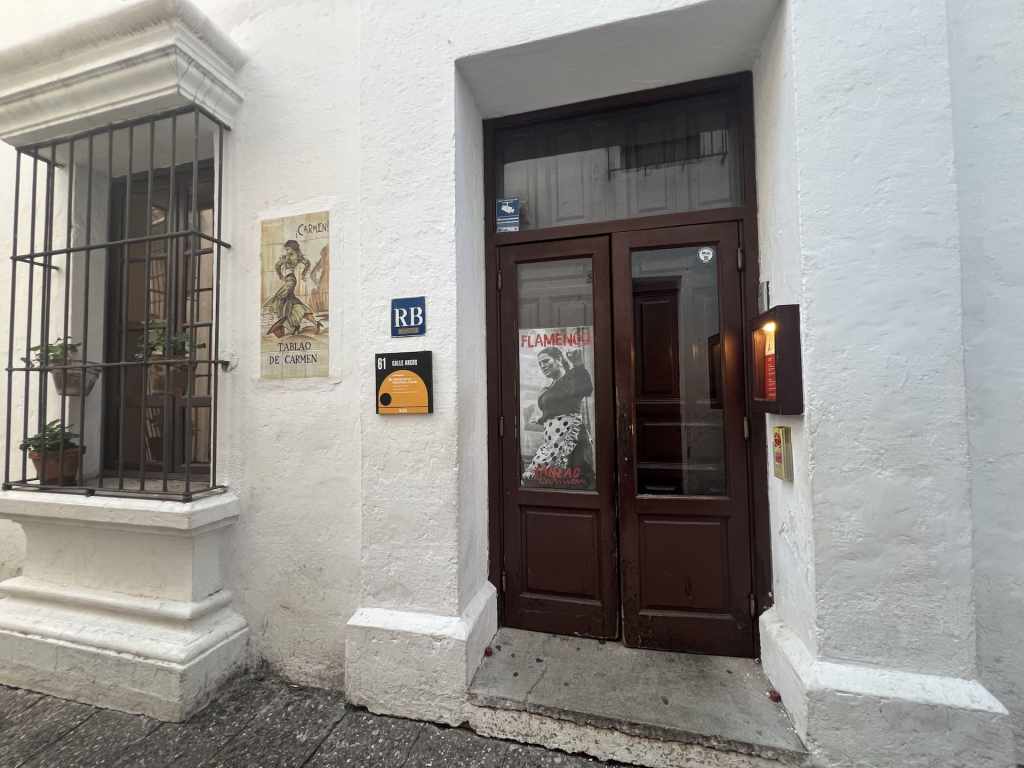
Tori and George headed to Mozilla Festival in Barcelona, the annual theme of which was Unlearning, to talk Digital Legacy in the age of social media. Convening a workshop with a fascinating mix of participants, they discussed what responsibilities platforms hold to digital legacy, what can be done about it and how we ought to treat different types of data.
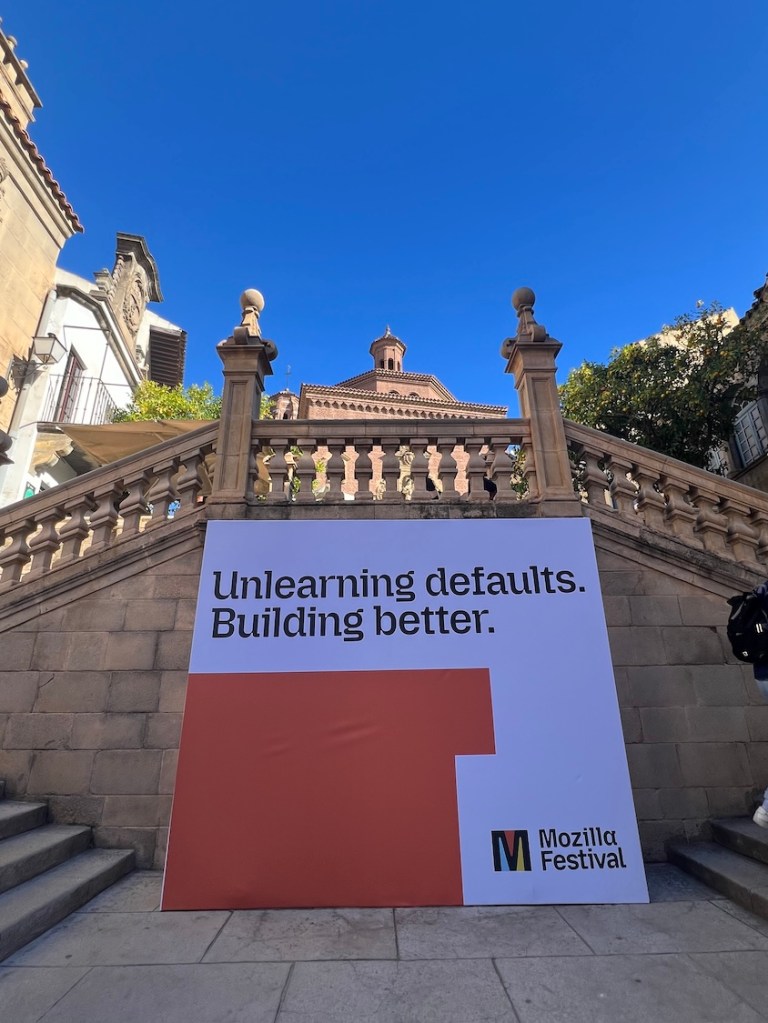
Last week Flickr Foundation had the pleasure of being an official partner of and hosting a workshop at Mozilla Festival in Barcelona. Hosted at Poble Espanyol, a microcosmic maze of buildings showcasing local Spanish architecture, built for the World Fair in 1929, it was very unlike your typical conference venue.
We convened to discuss the future of digital legacy, trying to understand what this means to people in the age of social media. As more of our memories live online (amidst a flurry of social interactions), we need to build better tools and frameworks to manage these for the long-term. We’ve already started doing this with Data Lifeboat — our archival tool for Flickr photos – but we know we need to go further. From our Sunday morning workshop, where we spoke with artists, technologists, dancers, journalists and producers, the following insights emerged:
- The social aspect of “who am I leaving this for” plays a significant role in determining legacy practices (and often the answer isn’t clear).
- Have we lost the collective reflective moment of the photo album?
- We need digital legacy tools that allow for the compartmentalisation of content types to preserve living permissions of who gets to see/access what. How should we treat different data types?
- Sometimes, it’s more important to preserve the idea or the mission rather than the content (or code) itself — allowing for further replication by future viewers and makers. How might we facilitate collecting and preserving ideas from the digital?
- Could there be creative ways we might visualise the network of connections (a sort of ‘social graph’) that ought to be easy to uncover via our networked social lives online? This feels like a unique piece of historical evidence that we’re creating unconsciously every day.
You’re welcome to review the slides from our workshop.
It’s encouraging that a community is growing around these challenges. There’s Identity 2.0, the London studio working on making better digital futures and the landscape of digital memories, or Ian Forrester (Cubicgarden), working on Machine Readable Wishes as a method for making proactive determinations on what to do with your digital things before you pass away.
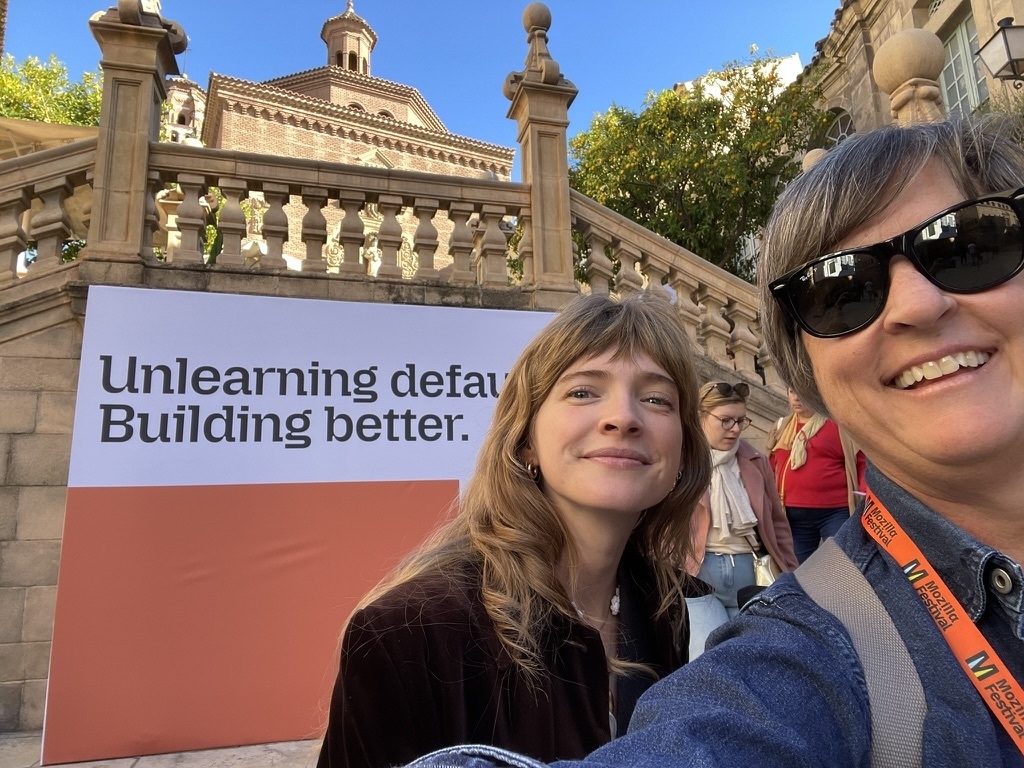
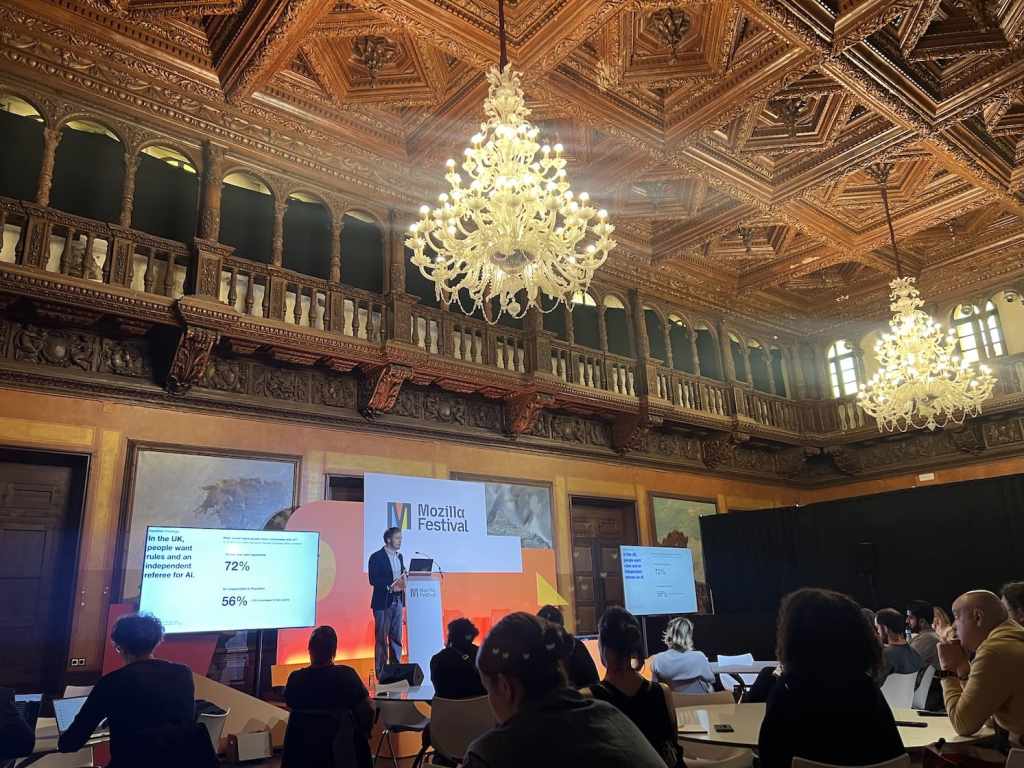
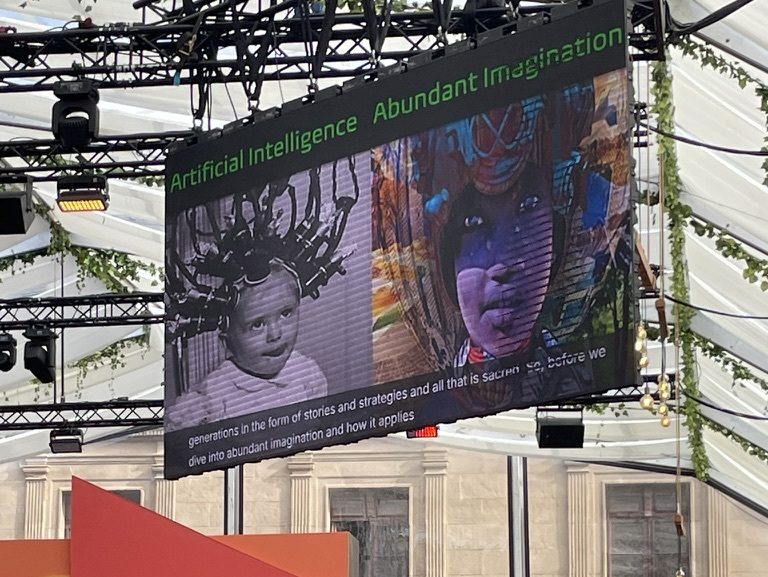
Additionally, some of our highlights of the festival included:
- Dr Ruha Benjamin’s keynote (available to watch on YouTube) redefined possibility as the radical act of imagination. The need to be both critical and creative to break through the propulsion of Big Tech and the biases they have baked into our digital worlds:
“Admit that computational depth without social and historical depth ain’t that deep”
- Internet Exchange’s session on feminism and encryption, cohosted by Chayn and Superbloom. The panelist emphasised how privacy doesn’t mean the same thing for everyone. Certainly we need better education around these seemingly over-technical tools but also to build software that allows for flexibility of these technologies, that better replicate IRL networks of care and community in the online world (in contrast to exclusively individualised models).
- Taysir Mathlouthi’s rousing session on preserving evidence of social media harms for Palestinian activists. Their talk spoke to the value of decentralised digital archival tools in recording injustices and preserving them for “when the time is right” to seek recourse. They also showcased their brilliant grassroots tool, 7or, for documenting platform-based violations and censorship.
The post Flickr Foundation at Mozilla Festival appeared first on Flickr Foundation.
]]>Welcome Eötvös Loránd University Faculty of Law
The Flickr Foundation is delighted to welcome Eötvös Loránd University Faculty of Law Library to Flickr Commons. They are the oldest and largest university in Hungary. Their Faculty of Law was founded in 1667.

“Spy signal in key”
This is our first partner from Hungary and they have already shared 4,400 glass slides from the beginning of the 20th century which were digitized by them thanks to a grant from the National Cultural Fund. The slides, used as teaching aids in the instruction of forensic science, crime scene investigation, forensic photography and evidence technology, were (re)discovered in a basement during Covid.

“Pyramid and Sphinx, Egypt”
They include “criminal case studies, field photo documentation, forensic instruments, laboratory recordings and contemporary educational illustrations.”
From Dániel Takács, head of the library “such slide sets existed throughout the country at the beginning of the 20th century, but few such collections have survived at the Hungarian universities (as far I know of course), and most of those that do are smaller or incomplete.”

“Tattooed”
You can help!
Their grant supported the digitization part, but not metadata creation. You can help by adding tags and geolocation data in Flickr.com – community contribution and conversation remains the heart of the Flickr Commons program, and you can see what’s happened recently and what people are talking about using the Commons Explorer we built.

“Sing Sing flag production”
If you recognize an image, or a location, or can read the languages on the slides (which come in many languages and offer a translation), please leave a tag or a comment!
Flickr Commons is a project from the Flickr Foundation to keep Flickr pictures visible for 100 years. If you know, or are, an institution which would like to work with us on this extensive cultural heritage collection by joining Flickr Commons, please drop us a note.
The post Welcome Eötvös Loránd University Faculty of Law appeared first on Flickr Foundation.
]]>Welcome Eötvös Loránd University Faculty of Law
The Flickr Foundation is delighted to welcome Eötvös Loránd University Faculty of Law Library to Flickr Commons. They are the oldest and largest university in Hungary. Their Faculty of Law was founded in 1667.
“Spy signal in key”
This is our first partner from Hungary and they have already shared 4,400 glass slides from the beginning of the 20th century which were digitized by them thanks to a grant from the National Cultural Fund. The slides, used as teaching aids in the instruction of forensic science, crime scene investigation, forensic photography and evidence technology, were (re)discovered in a basement during Covid.
“Pyramid and Sphinx, Egypt”
They include “criminal case studies, field photo documentation, forensic instruments, laboratory recordings and contemporary educational illustrations.”
From Dániel Takács, head of the library “such slide sets existed throughout the country at the beginning of the 20th century, but few such collections have survived at the Hungarian universities (as far I know of course), and most of those that do are smaller or incomplete.”
“Tattooed”
You can help!
Their grant supported the digitization part, but not metadata creation. You can help by adding tags and geolocation data in Flickr.com – community contribution and conversation remains the heart of the Flickr Commons program, and you can see what’s happened recently and what people are talking about using the Commons Explorer we built.
“Sing Sing flag production”
If you recognize an image, or a location, or can read the languages on the slides (which come in many languages and offer a translation), please leave a tag or a comment!
Flickr Commons is a project from the Flickr Foundation to keep Flickr pictures visible for 100 years. If you know, or are, an institution which would like to work with us on this extensive cultural heritage collection by joining Flickr Commons, please drop us a note.
The post A chat with Elizabeth Goodspeed, Casual Archivst appeared first on Flickr Foundation.
]]>
Hello, Flickr.org Community!
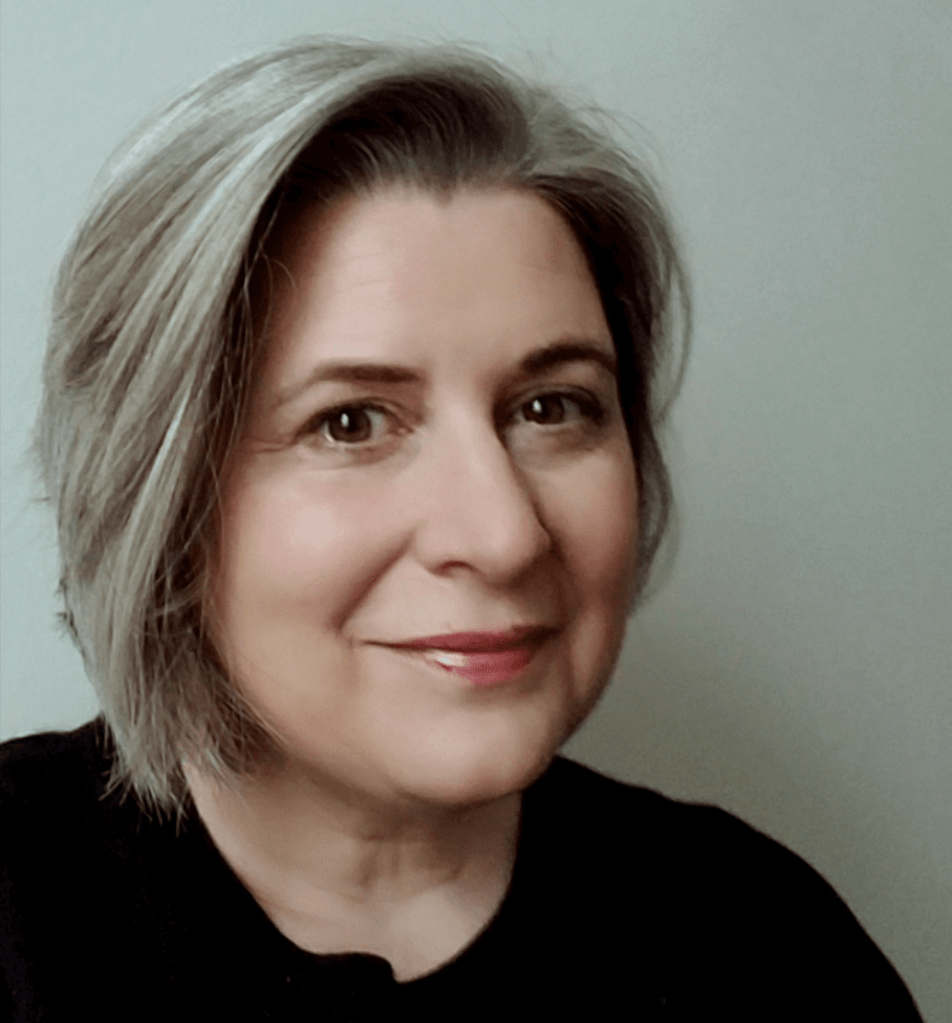
I’m thrilled to join the Flickr Foundation Board, and I wanted to take a moment to introduce myself and share why this work matters so much to me.
Growing up in West Virginia, I learned early that libraries aren’t just about books—they’re lifelines. They’re where communities gather, where people find their way into opportunity, and where histories get preserved. That experience provided a grounding that influenced the shape of everything that came next for me: over twenty years working with libraries, cultural heritage organizations, and digital collections at scale. Reflecting on my work, I recognize how my perceptions changed each time I worked with a new community, from my first digital collection build at the University of Richmond and connecting with others who were digitizing newspapers, to the conversations that were part of Reimagine Descriptive Workflows, which helped to address harmful practices in metadata description. My curiosity and motivations constantly grow and shift, but are grounded by the same question: How are we building communities, collections, and technologies that enable more stories to be woven into the narrative?
These days, I live at historic Fort Ritchie in Cascade, Maryland, a place undergoing its own renewal after decades of service to training military intelligence soldiers, including the famous “Ritchie Boys” of World War II. Walking these grounds daily, past buildings being restored and stories being reclaimed, is a constant reminder of why preservation matters and how easily memories can slip away if we’re not intentional about protecting them. The fort’s revival mirrors the work Flickr.org is doing: taking something precious from the past and ensuring it has a vibrant future.
Why Personal Perspectives Matter
I believe the most profound cultural heritage objects aren’t just housed in museums and institutional collections. It’s in the everyday photographs we take. The family reunions, the local protests, the small-town celebrations, the moments that feel ordinary until they become history. These personal perspectives form the connective tissue of our collective memory, especially for communities that have been historically underrepresented in traditional archives and cultural heritage collections.
I’ve spent my career working to make cultural heritage collections more accessible and inclusive. My passion was sparked when I worked at the Institute of Museum and Library Services, where I was privileged to orchestrate national level funding for foundational digital library collections, practices, technologies, and infrastructure. At the Digital Library Federation, I focused on supporting and growing the digital library practitioner community, helping it expand and become resilient. I am also grateful for the opportunity to have worked with talented and passionate individuals to envision a national digital library that would address the challenges of e-books and cultural heritage collection aggregation which eventually became the Digital Public Library of America. More recently, I’ve worked with Merrilee Proffitt and Shift Collective, exploring reparative and inclusive descriptive practices. Through it all, I’ve been driven by the conviction that geography or socio-economics shouldn’t determine whose stories get told or who has access to their own history.
What Drew Me to the Flickr Foundation
When I first learned about the Flickr Foundation’s mission, I felt that familiar pull of work that needs to be done and a community ready to do it together.
The scale of the challenge is breathtaking: tens of billions of photos and visual images representing one of the largest image collections in human history. But what really caught my attention was the ambition behind the work, not just preservation for its own sake, but preservation as an act of collective responsibility. The Foundation isn’t just thinking about safeguarding institutional collections through Flickr Commons (though that work is vital); it is also considering the broader implications of its efforts. Their wrestling with how to help individuals preserve their own histories through initiatives like the Data Lifeboat project.
That dual focus resonates deeply with me. We need both. We need the curated collections from libraries and museums, yes, but we also need the unfiltered, personal, sometimes messy visual record of our daily lives. Future generations deserve access to both the official narrative and the lived experience.
Building Infrastructure for the Long Haul
In a recent conversation about open communities and infrastructure, I talked about how we’re at a crossroads. We’re experiencing generational turnover in leadership, resources are shrinking, and our collaborative muscles have weakened. In moments like these, we have to be strategic about where we invest our energy.
That’s another reason the Flickr Foundation’s work excites me. The 100-year plan isn’t just aspirational thinking but a framework for building something that outlasts any of us. As I’ve learned through decades of community work, resilience isn’t about having all the answers. It’s about creating systems that can adapt, fostering relationships built on trust, and being honest about both our constraints and our possibilities.
The Foundation’s values around adaptation, legibility, and friendliness align beautifully with how I believe sustainable community infrastructure gets built. It’s not just preserving photos; it is modeling a new kind of cultural institution that thinks in generations, welcomes diverse voices, and gives generously back to the communities it serves.
What I Hope to Contribute
I come to this board with experience in strategic planning, community building, grant funding, and—perhaps most importantly—the art of bringing diverse stakeholders together around shared goals. I’ve seen what happens when communities lose their collaborative spaces, and I’ve seen the magic that occurs when we create room for curiosity, experimentation, and collective problem-solving.
I’m also keenly aware that this work requires us to move beyond just maintaining what exists. We need courage to make hard choices about priorities, clarity to communicate why this work matters, and creativity to imagine new ways of connecting people with their visual histories.
I believe deeply in the power of storytelling. Not just the stories contained in the images themselves, but the stories of why we preserve, how we build sustainable communities, and who benefits from this work. These origin stories anchor us in purpose and help new voices understand the values that guide us forward.
Looking Ahead
The Flickr community has already built something remarkable: a living archive where institutional collections sit alongside personal memories, where professional photographers share space with families documenting their lives, where the boundary between “important history” and “everyday moment” becomes beautifully blurred.
That’s the kind of visual commons we need—not just millions of cultural heritage photographs, but a collective reference of our humanity, accessible to anyone, anywhere. And yes, that includes rural communities, marginalized voices, and all the perspectives that traditional archives have too often overlooked.
I’m honored to join this board at such a pivotal moment, and I’m eager to work alongside all of you—the Foundation staff, board members, the incredible Flickr community, and the cultural organizations who’ve been doing this work for years. Together, we’re building infrastructure that will serve generations we’ll never meet, protecting histories that haven’t even been created yet.
Here’s to the next hundred years of keeping memory alive.
Rachel L. Frick
Flickr Foundation Board Member
HighField-Cascade, Maryland
Want to connect? You can find me on LinkedIn. I’d love to hear what brings you to Flickr and what you hope to see from the Foundation.
The post Welcome Rachel Frick to Our Board! appeared first on Flickr Foundation.
]]>Our second stop on the European conference circuit was Paris, for the Sixteenth International Conference on The Image where George and Tori shared the release of Data Lifeboat and the importance of citizen-driven collecting.
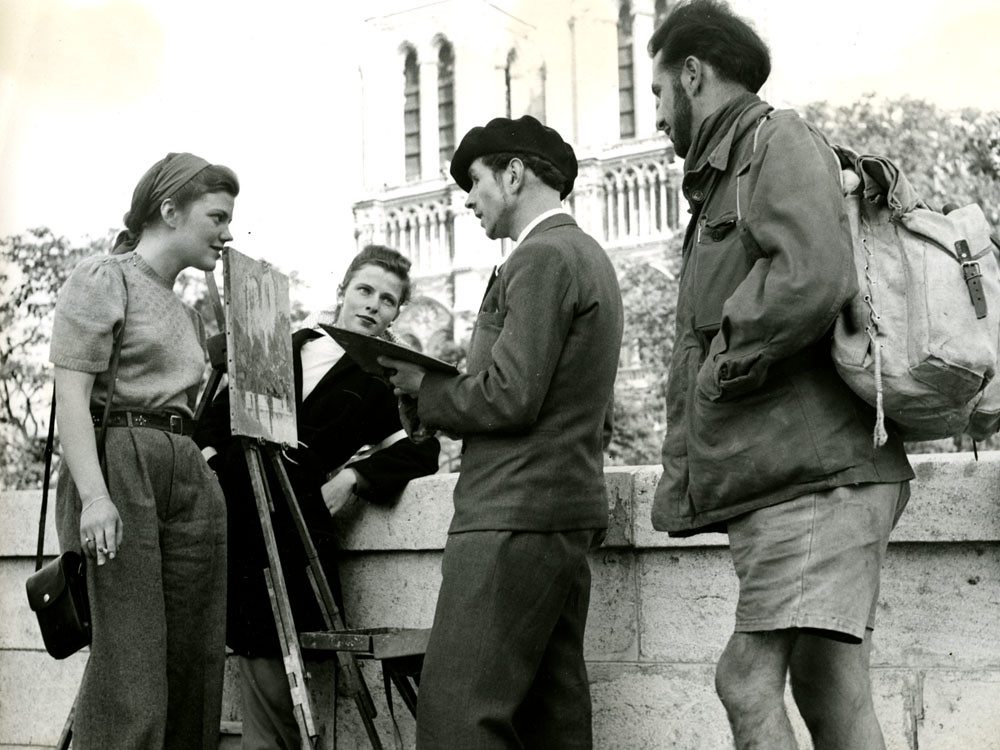
Last week, George and Tori traveled to the ‘city of light’ to present our work on Data Lifeboats as a tool for citizen-driven collecting at the XVIth International Conference of the Image in Paris.
We arrived during tumultuous times, with protests blocking major arteries of the city. The next morning, Tori captured the following moment at Place de la République on her walk to the conference: photographing municipal workers arriving to remove graffiti from the monument. This image serves as a testament to how contemporary history unfolds continuously around us; without capturing and securing these moments, we risk losing them entirely.
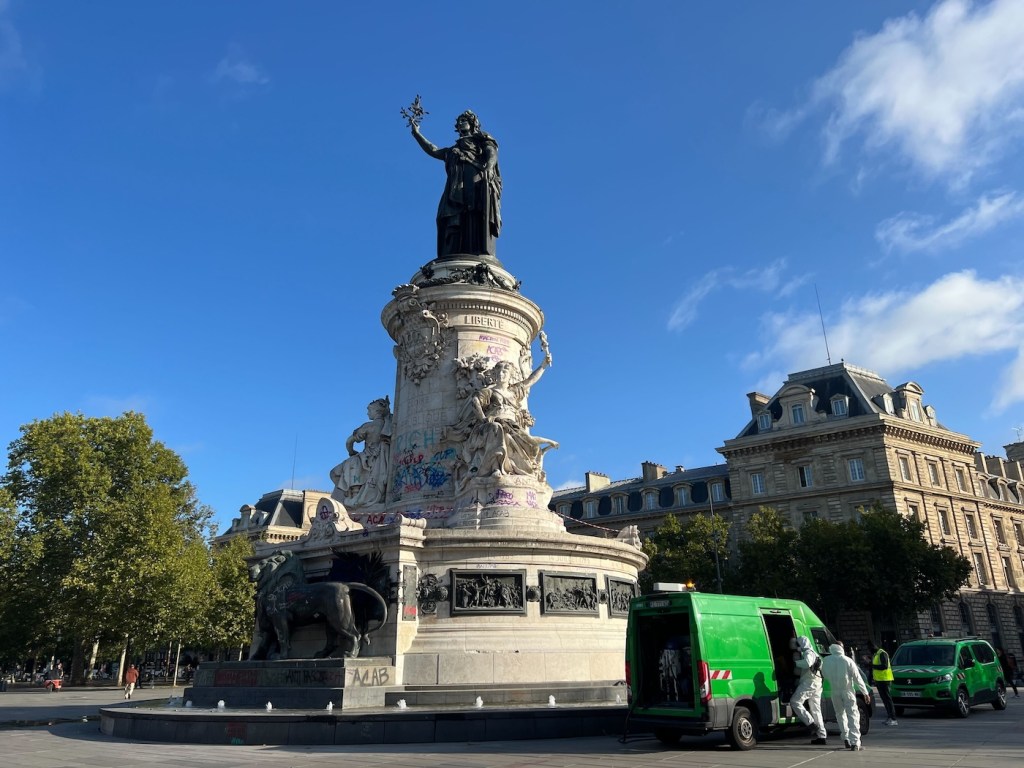
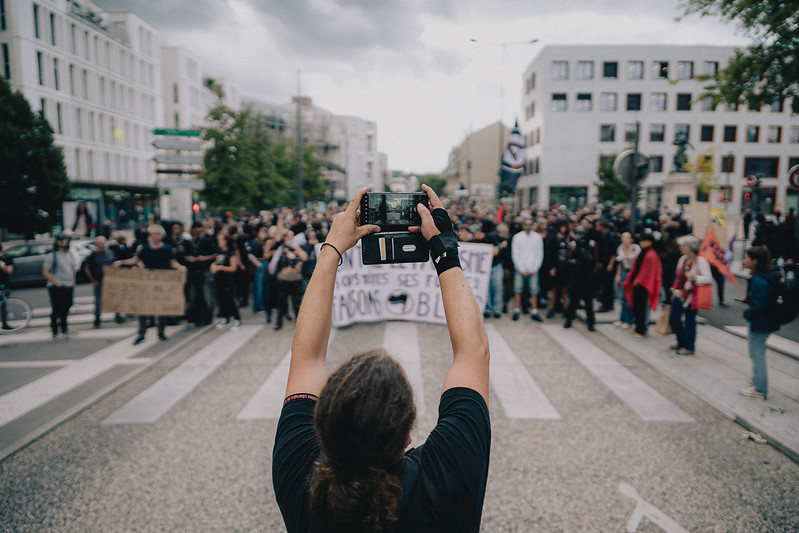
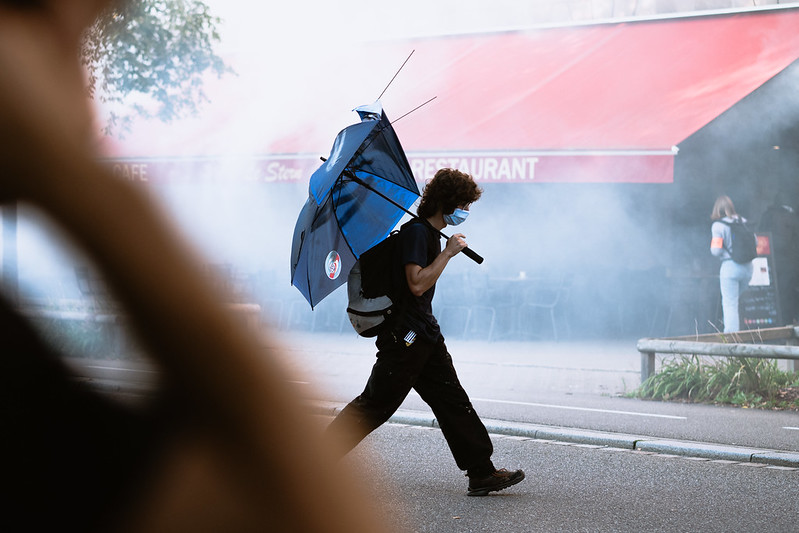
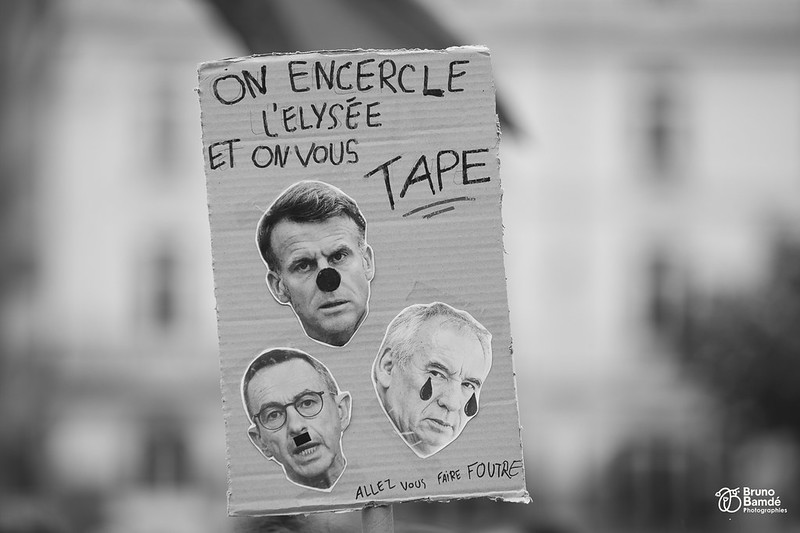
In preparation for the conference, we created a Data Lifeboat of our Flickr Foundation gallery: Notre Dame, 15 April 2019. This collection of photographs gathered from Flickr highlights the ‘people’s perspective’ of the cathedral fire. As we detailed in an earlier blog post, while the same images circulated across traditional media outlets, a people’s history of how the tragedy unfurled was uploaded by on-the-ground observers. This collection, among many others currently being made with our alpha tool, provides a compelling proof-of-concept of the importance of securing these social moments for decades to come.
Responding to the conference theme, From Democratic Aesthetics to Digital Culture, we proposed Data Lifeboat as a tool for representing a more democratic culture of the image. Which, in turn, contributes to the diversification of archival voices. We shared a detailed walkthrough of creating the Notre Dame Data Lifeboat and its viewer. It felt particularly apt to champion the value of securing our collective online photographic heritage in the city that once gave birth to photography: from Nadar’s catacombs to Atget’s vanishing street vendors.
Walking the halls of the Sorbonne felt particularly edifying, as scholars on ‘the image’ — a field that stretched from film to advertising to microscopic experiments — fervently exchanged ideas over coffee and canelé. We were particularly humbled in the lecture theatre, complete with bucolic frescoes, where Marie Curie gave her first ever demonstration.
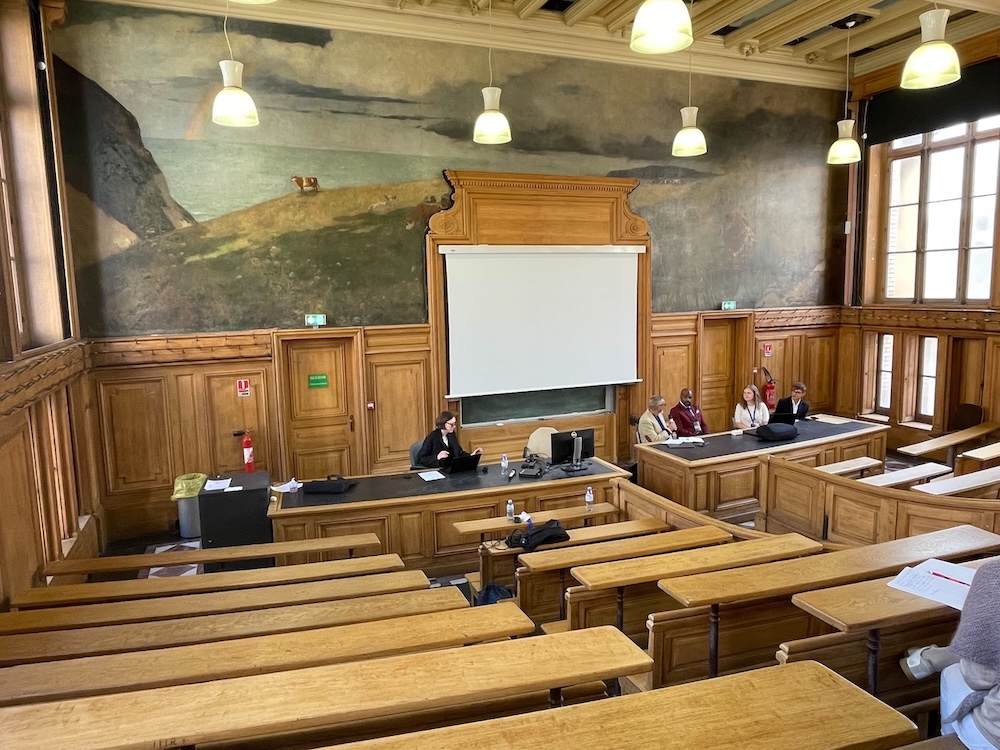
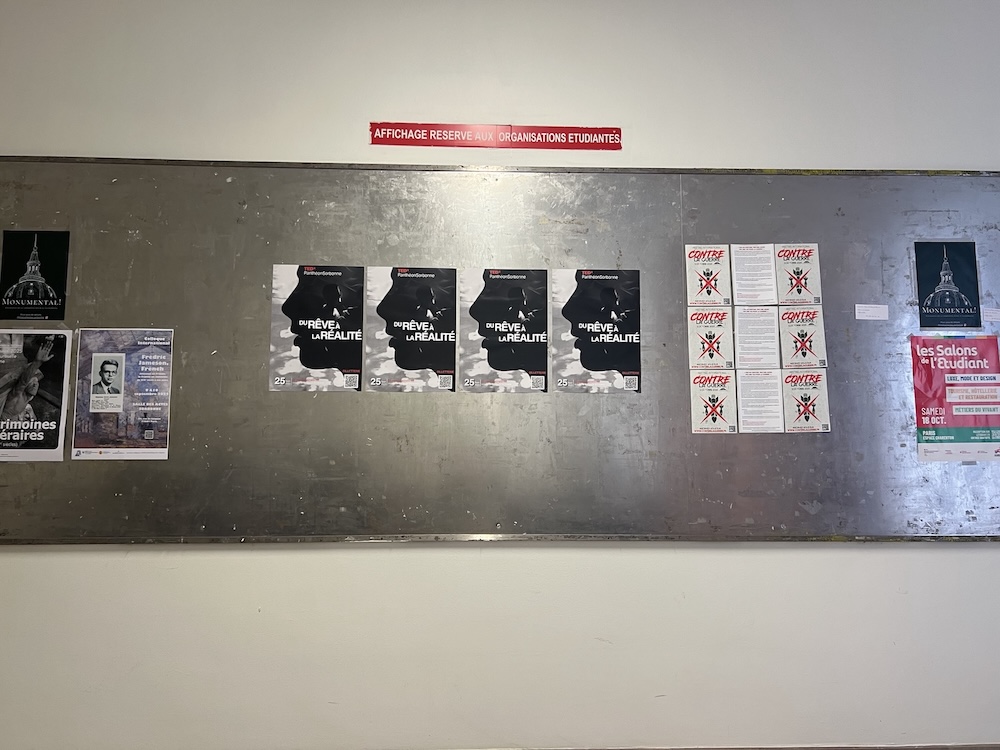
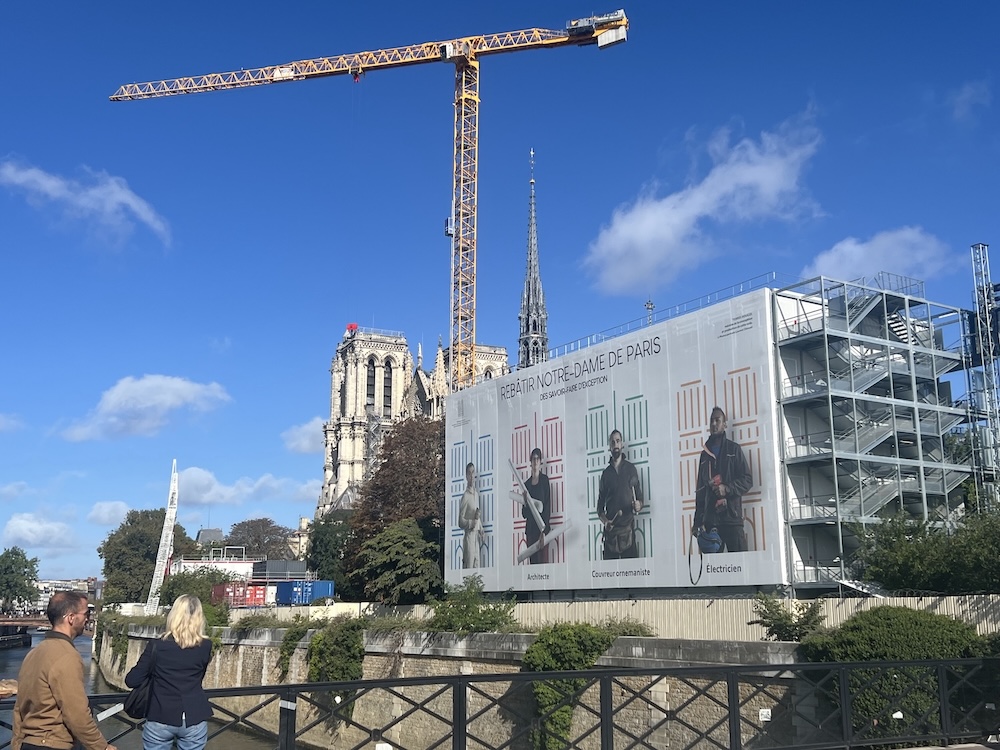
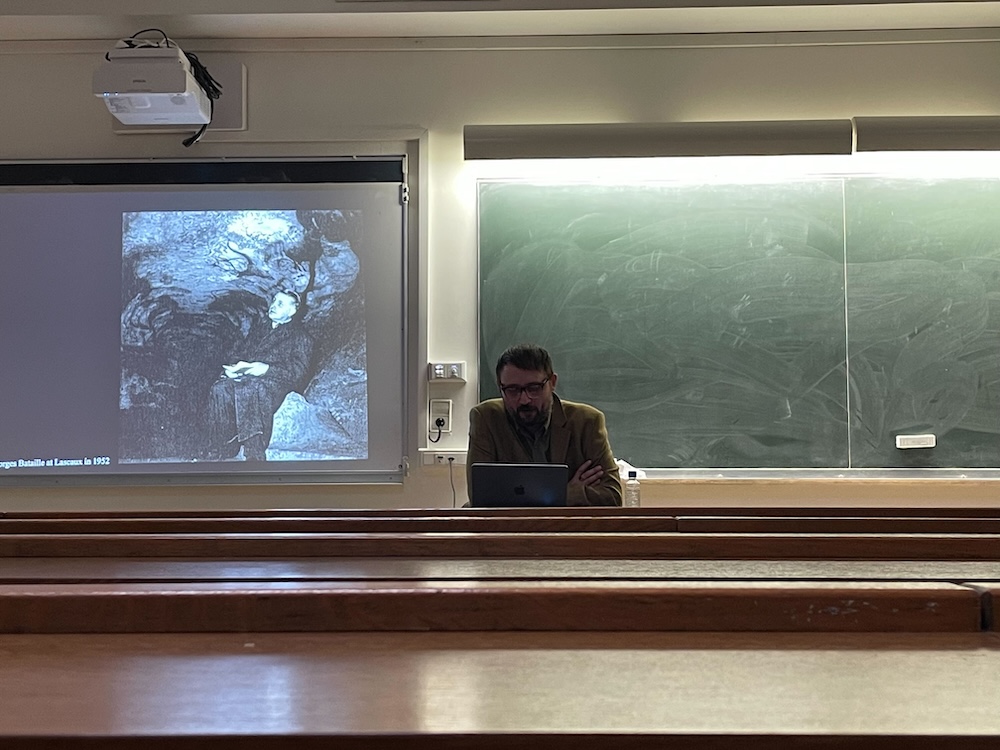
A few other notable conference highlights for us included:
- Beatrice Citterio‘s presentation on Counter Images of the Alps, examining civic action mobilized by local communities against destructive development for the 2026 Winter Olympics in Cortina. Her collection of visual evidence from social media and field research sites highlighted collective resistance that remains undocumented in mainstream and corporate-driven media.
- Jenifer Wightman‘s mud paintings were a particular delight. Working with samples pulled from toxic sites such as the Gowanus Canal and Dead Horse Bay (created to the exact dimensions of Rothko paintings), this biologist-turned-artist has developed a three-dimensional array to capture, stack, and merge images using consumer-grade cameras and macro lenses. Her work reveals the transformation and blooming of microbial communities in-situ over time.
Next up… Zaragoza, Spain for the Conference of the Inclusive Museum.
The post Data Lifeboats at the XVI International Conference of the Image appeared first on Flickr Foundation.
]]>Our Research Lead, Tori, shares her reflections on a recent conference in Florence, where she detailed the progress on Data Lifeboat alpha and the value of collecting from social media for heritage practitioners.
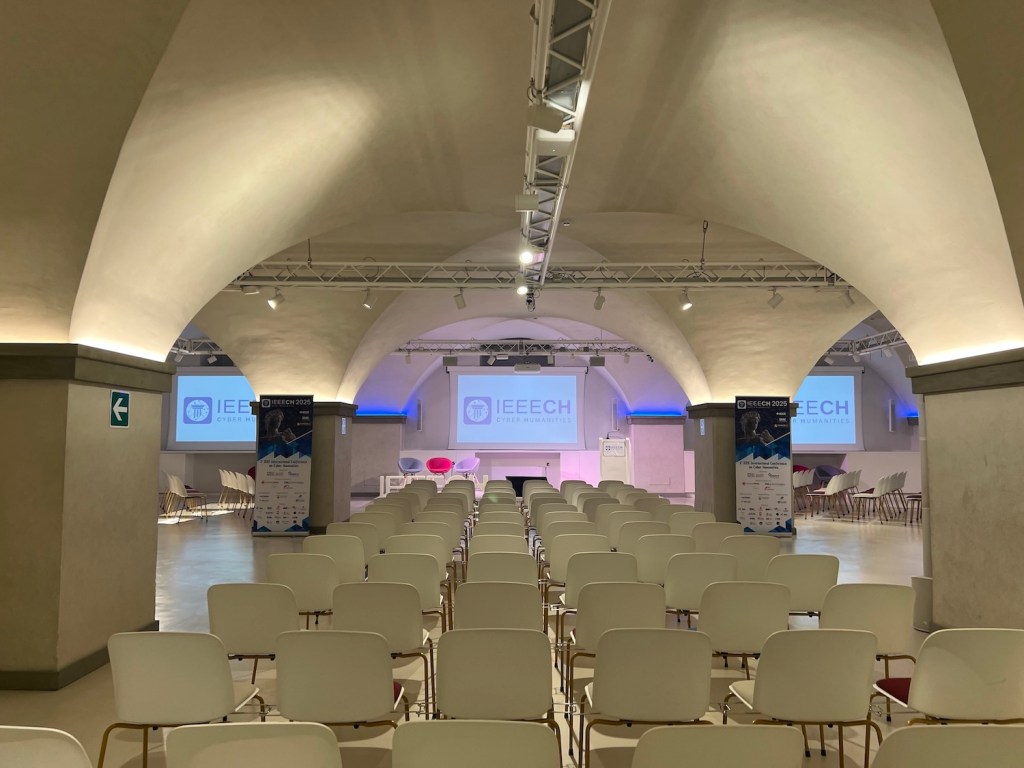
Last week I had the pleasure of presenting our paper, Built to Last: Preserving User-Generated Networked Images for the Next Century, to the academic cultural heritage community at the International Conference of Cyber Humanities, held at the Fondazione CR Innovation Centre in Florence, Italy.
This paper focused on the value of social media collecting for cultural heritage researchers, practitioners and academics. Whether uploading heritage projects to create a digital record, in order to maximise reach and impact; collecting community responses to those networked images in the form of comments and tags; or simply appealing to the future historians of our present age, social media images are worth safeguarding. However, recognising the difficulty of securing social media (check out our Mellon research report to find out why), we proposed Data Lifeboat as a preliminary solution. Mirroring the metadata, both technical and social, from Flickr.com, Data Lifeboat is simple, faithful, and cohesive in its mechanism and display.
The feedback was generally inquisitive and positive. I was pleased to hear how many projects were using Flickr as a research resource, including one photogrammetry project at the University of Turin delving into Flickr for photos of Expo ’58 and what became of the buildings in the half-century that followed. Many others attendees were keen to try Data Lifeboat with their own institutional images on Flickr.

A few highlights: Ines Vodopivec delivered a rousing yet thought-provoking keynote on the necessity for institutional collaboration, standard-setting and critical dialogue across subject specialties. Detailing the community research work of AI4LAM, it is clear that application in the G.L.A.M. sector needs to be pioneered by those who understand the contents (sensitive or otherwise) of their in-house collections. We look forward to joining the network at Fantastic Futures in London later this year.
I also particularly enjoyed Federico di Pasqua’s paper, Generative AI for Ancient Insights, which compared emergent Retrieval-Augmented Generation to more generalist Large Language Models (the dominant mode) in cultural heritage. The criticality of localised, specific models is a question not only of better retrieval of information, for interpreting Homeric texts for example, but orients us towards more sustainable practices.
If you missed our presentation at IEEE-CH and would like to know more, you can find our slides here. We’re pleased to share that result of this presentation will be our first (!) published paper on Data Lifeboat… watch this space.
The post International Conference of Cyber-Humanities Recap appeared first on Flickr Foundation.
]]>A conversation between Tosin Adeosun, Founder of African Style Archive, and the Foundation’s Research Lead, Fattori McKenna. They discuss the complexities of digital-first collecting, how cultural politics shapes non-institutional archives and some African fashion gems hidden on Flickr.com
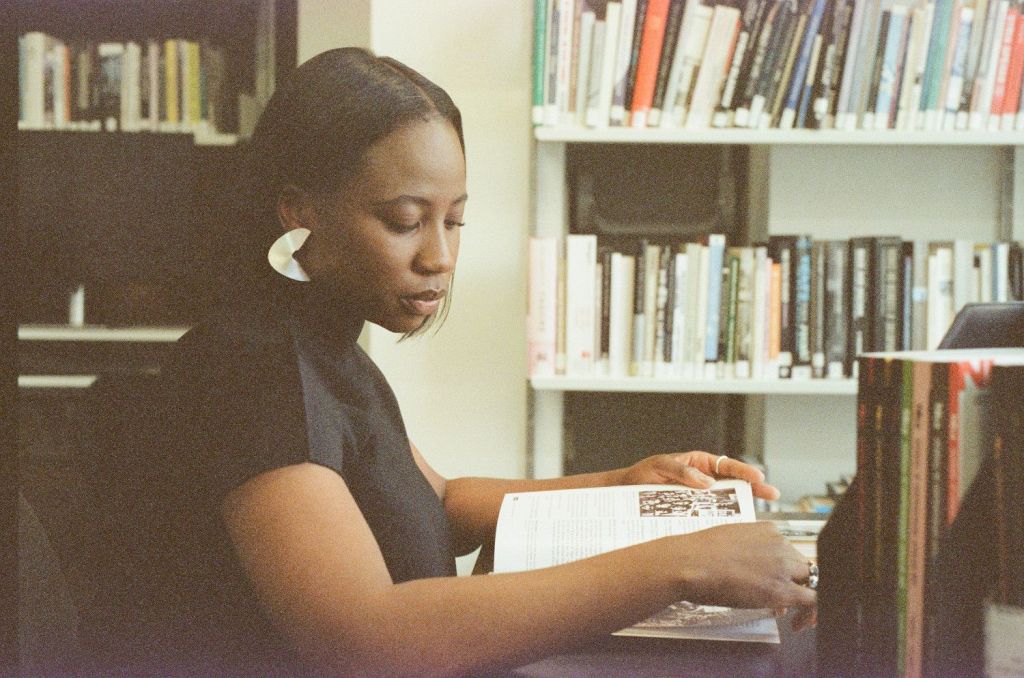
Tell us, what was the impetus behind African Style Archive?
African Style Archive was born out of necessity, a way to research and document African fashion history and sartorial references to share with a wider audience. Photography was my entry point, as I’ve always been drawn to the medium and the stories it holds. While reviewing my family’s archival photographs and record sleeve collection in Ibadan, Nigeria, I became obsessed with the stylish people immortalised in those images. That curiosity led me to explore how fashion and history intersect in African and diasporic contexts.
At the time, I had just completed my MA in Art History and Museum Curating with Photography at the University of Sussex. My dissertation focused on photographs from the Black Cultural Archive in Brixton, uncovering links between fashion and self-representation in the Black British community. I wanted to continue that research beyond academia.
The platform officially began on Instagram in 2020, just before the pandemic, as a way to share my findings and contextualise the photographs I was discovering, especially the work of African photographers and their sitters. Instagram made sense, it was visual, concise, and had a wide reach. Since then, African Style Archive has grown into an educational platform with collaborations across brands and institutions such as Byredo, Labrum London, Ahluwalia, International Curators Forum, Lighthouse among others.
Given your sourcing from far-and-wide, have you discovered any exciting collections on Flickr.com?
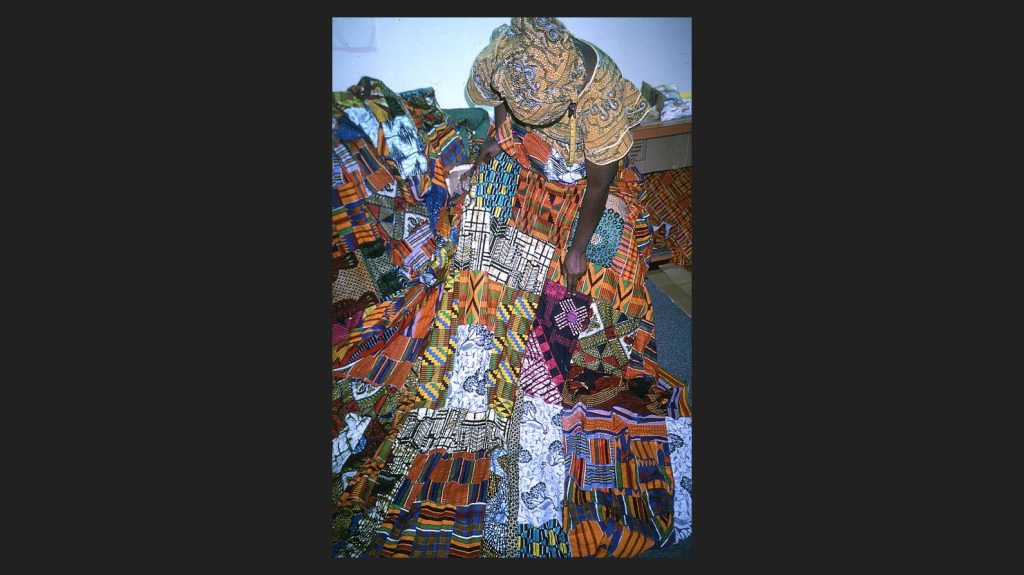
One of the first collections I came across, long before I knew about the Flickr Foundation, was by a user named Tommy Miles. He had photographed and documented an incredible archive of commemorative wax-print fabrics from his personal pagne collection. Some of the textiles date back to the 1960s, and I remember feeling like I’d struck gold when a deep Google search led me to his album hosted on Flickr.
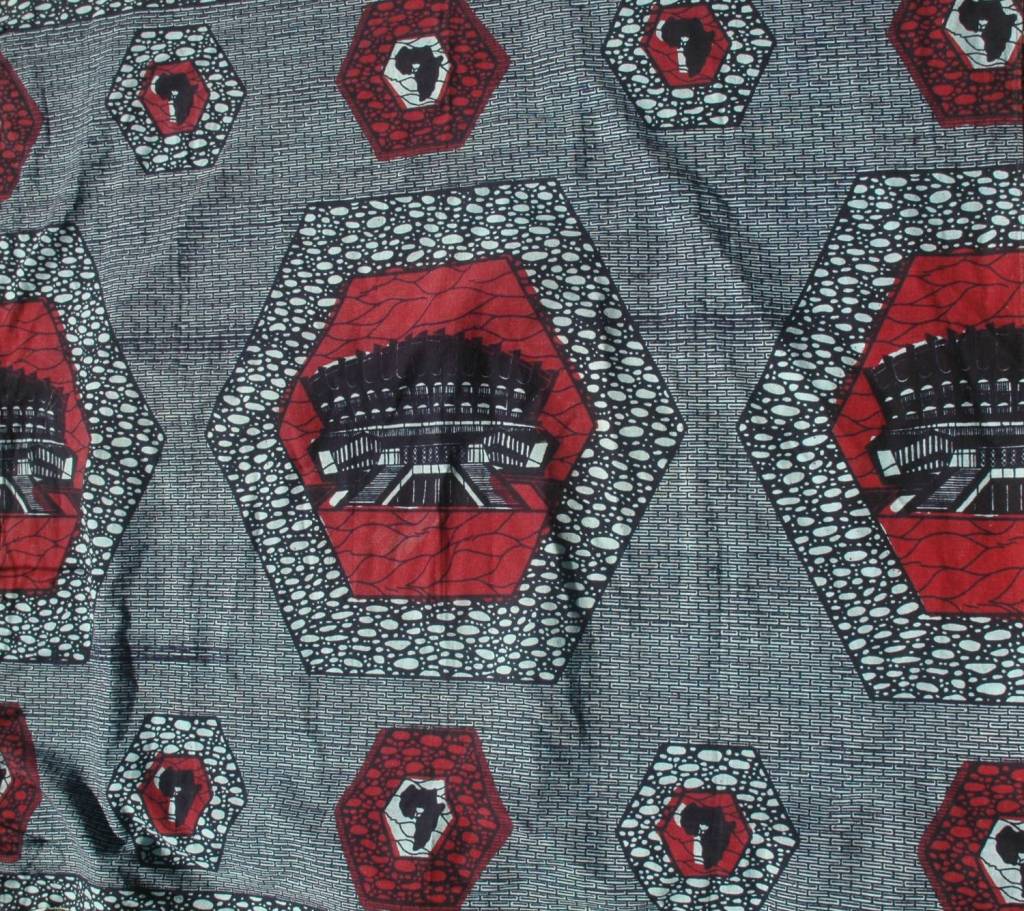
That collection became instrumental in my research into African commemorative cloth—its symbolism, function, and cultural significance. One standout was the Miss Africa wax-print cloth, beautifully documented with extensive metadata about its origins. Another was a cloth featuring the Nigerian National Theatre, which may have been produced around the time of FESTAC ’77, the landmark Second World Black and African Festival of Arts and Culture held in Lagos in 1977.
I’m not sure if museums currently hold these particular fabrics in their collections, but discovering them on Flickr was exciting, Tommy Miles has done excellent work in archiving these important fabrics. It was encouraging to see such thoughtful documentation and preservation being done independently. You can read more about the collection on his personal website here.
Explore some of Tosin’s favourites from Flickr and Flickr Commons below:
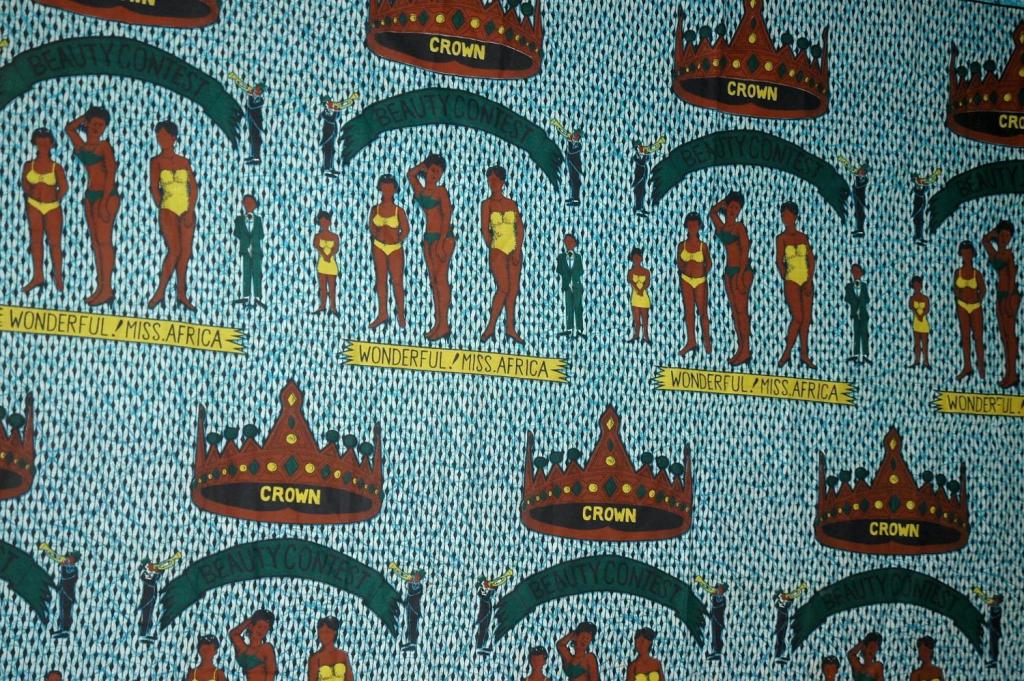
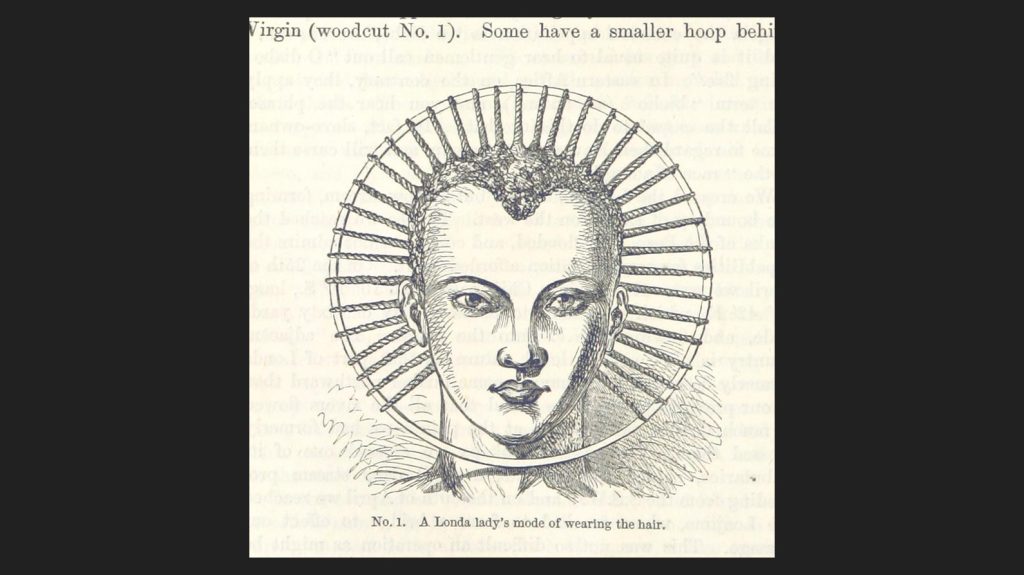
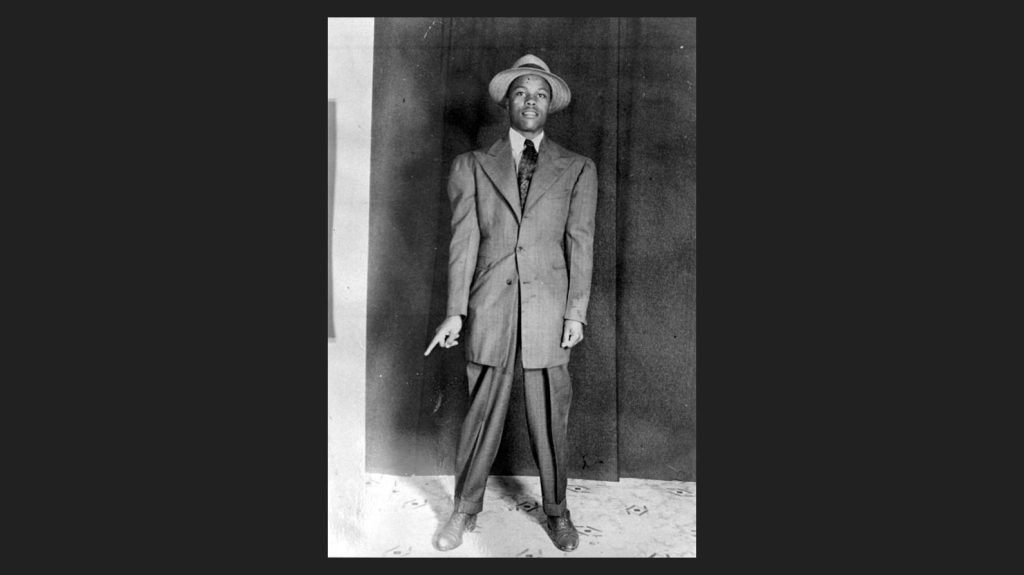
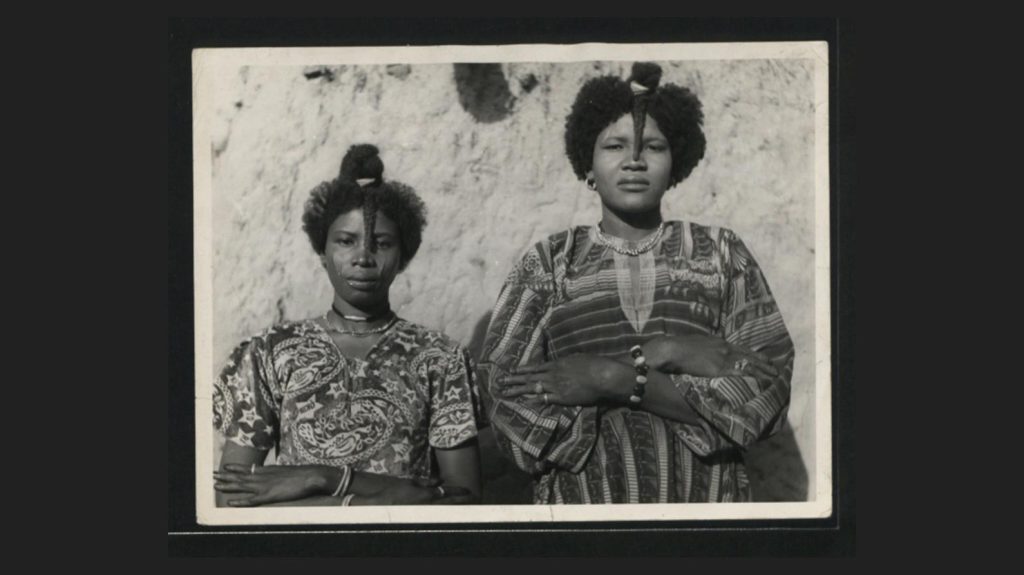
Can you walk us through your approach to curation and collecting?
My process is a mix of instinct and structure, often led by a feeling or curiosity. I’m always thinking and researching, even subconsciously when I’m meant to be resting. As research in this field is still emerging, I have to be both creative and intentional in how I curate and collect.
I look across many mediums, not just photography. I research through magazines, books, films, music videos, and documentation of political or cultural moments. Sometimes a fabric, figure, or movement catches my attention and I start tracing its story. For example, if I’m drawn to East African textiles, I’ll look into their production and significance, and also seek out images of people wearing them, designers who use them, or artists who reference them in their work. It becomes an ecosystem, piecing together fragments to form a fuller narrative.
Digitally, I’ve been fortunate to build relationships with photographers and estates who generously allow me to share their work, so that part of the collection continues to grow through trust and collaboration. Offline, I’ve been building a physical reference library of books, magazines, and ephemera focused on African fashion history through design, photography, memoir, and art. I currently have over 80 books and keep an organised system for tracking what I own and what I’m still looking for. It’s always evolving.
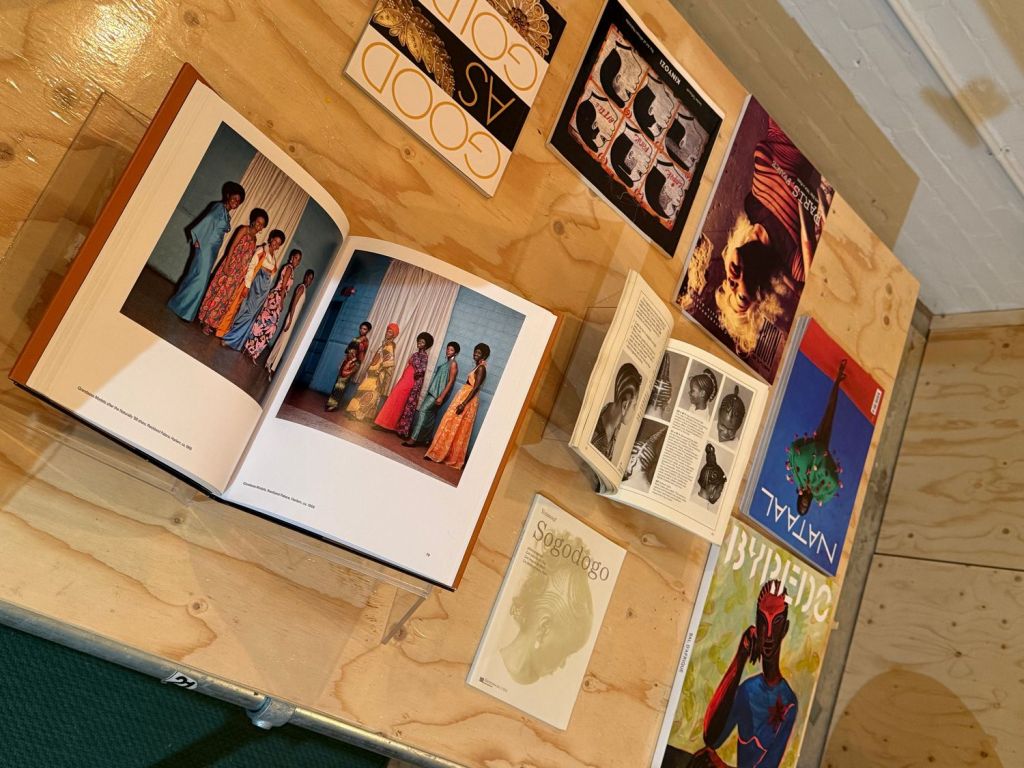
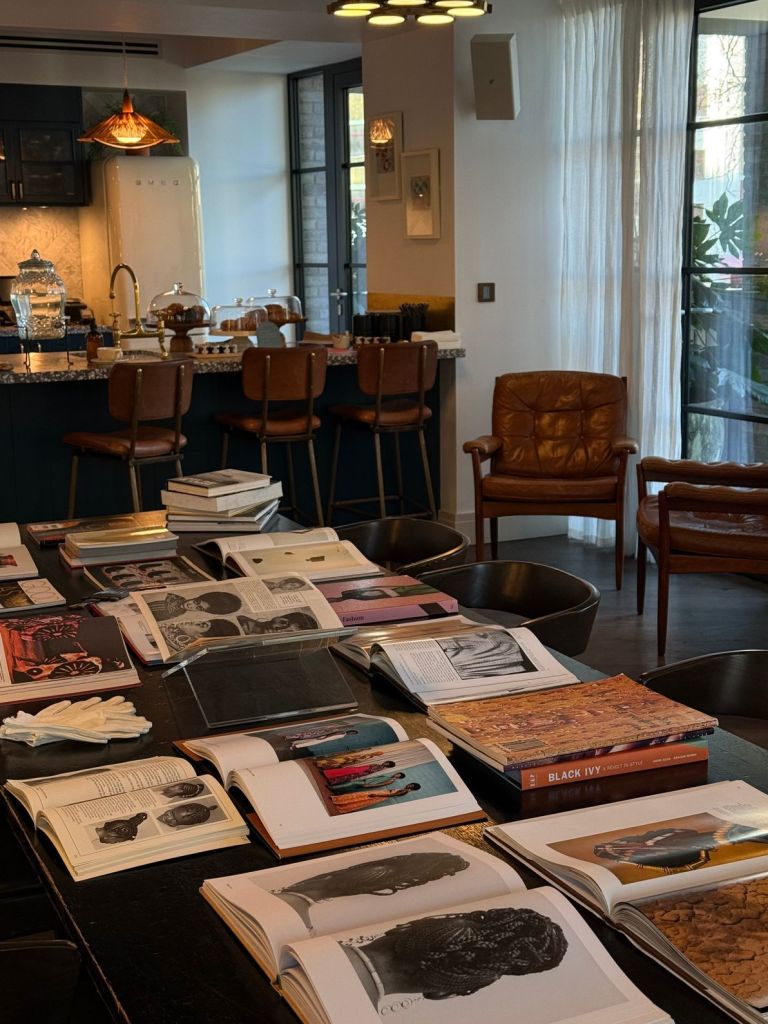
How have you been thinking about the ethics of contemporary curating when handling archival materials?
Ethics are always front of mind in my curatorial work, especially when dealing with historical or personal photographs. In the digital realm, the lines can be even more blurred, so I’m intentional about consent, context, and credit. I think a lot about what it means to represent people whose stories might have been previously overlooked or flattened, and how to do so with care and depth.
There are cultural and political considerations at every turn, from resisting extractive storytelling, to challenging whose histories get preserved and why. With user-generated photography, I treat it the same way I do archival material, with respect, curiosity, and a responsibility to amplify rather than distort.
The internet is awash with images, but these are often poorly described. How do you deal with missing metadata in the images you source?
In the early days, I sourced images online, especially during the pandemic when physical access to archives, studios, and libraries was restricted. But over time, sadly, I noticed it was often the same pool of images circulating. This led me to go deeper, into old blogs from the 2000s and lesser-known platforms, but even then, image quality was sometimes poor and many photographs lacked credits, context, or provenance.
When images lack provenance or credits, it’s not just missing information but also a form of erasure. Fashion is tied to identity and memory, and without knowing who made, wore, or photographed the people and the clothes worn, we lose vital connections to people and histories already underrepresented in archives. Including the right metadata doesn’t only ensure accuracy, it also affirms authorship and preserves cultural heritage.
I also always try to credit images properly and follow copyright guidance, so if I come across orphaned images with no traceable photographer or source, I usually don’t include them. That said, when an image feels particularly significant, I’ll dig deeper to investigate its origins – the community of people that engage with the archive are also brilliant. I’ve had people share information about photographers in the past when I might not have known who captured the image. Sometimes I’m able to bridge the metadata gaps, sometimes not. That’s part of the beauty and the frustration of curating in the digital age.
In your experience, what has been the value of user-generated photography in African Style Archive?
User-generated photography opens up new possibilities for digital preservation. Social media as a tool for archiving and storytelling creates a wider, more accessible platform, beyond what many imagined a decade ago. It has allowed independent researchers and archivists like myself to curate outside of institutional walls and to offer different perspectives without gatekeeping or rigid frameworks.
Through African Style Archive, I’ve connected with a wide network of people, practitioners, and organisations who are just as invested in this work. That kind of reach and exchange wouldn’t be possible without the digital and user-generated elements of the project.
We’re excited to know more… Could you give us a sneak peak into the African Style Archive ecosystem you’re building?
I’m always thinking about how to grow the work, it’s a constant creative challenge – though it is very exciting and I am fortunate to feel so inspired by my practice and archiving. Right now, I’m building a digital archive that feels both functional and tactile, something that evokes the experience of flipping through archival magazines and photography archives or discovering ephemera, but online. I want it to be a space for storytelling, learning, and layered discovery.
This new phase will expand the ecosystem of African Style Archive, allowing for deeper exploration of photography, moving images, fashion, and design. It will also support new editorial features that bring together history, aesthetics, and education, all central to the platform’s mission.
Offline, I’m developing physical spaces for shared learning, through the photobooks, rare magazines, and images I’ve been collecting. I’ve experimented with a mobile library, and I’m thinking more about workshops and experiences that explore what it means to archive sartorial history and visual culture in real time.
—
You can keep up to date with Tosin’s work here @africanstylearchive and www.tosinadeosun.com
The post An Interview with Tosin Adeosun, Founder & Curator of African Style Archive appeared first on Flickr Foundation.
]]>