


having a problem getting posts to show up… testing to see if tags are working yet
A Blog By Damballa Priestess Rev. EelKat Wendy C Allen

Folks online keep asking to see me in my priest's robes, because all my online pics are my every day clothes, so, here you go, me as I look on Thursdays, Sundays, Holy Days, Holidays, Feast Days, and during ritual ceremonies and festivals.

Me - August 2010
The pretty Sesshomaru avatar you see on my comments:
-
About Me:


I was born an raised on a farm in Maine. I am the author of 30+ books, 200+ short stories, and 2,000+ articles, I am also an artist, painter, photographer, fashion designer, doll maker, psychic, card reader, hoodoo rootworker, feral cat rescuer, 5 time NaNoWriMo winner, 2 time Script Frenzy winner, Script Frenzy ML for Southern Maine, CosPlayer, huge fan of Liberace and Sesshomaru, a vegetarian animal rights activist, and the original outspoken founder of the Proctor and Gamble Boycotter. (Yes, I was that little kid who wrote the letters and got all the media attention 30 years ago). I have 15 cats and I have a 22' motorhome named No Hurry.
From 2009 to 2011, I was the Script Frenzy ML for Southern Maine.------------------------------------------------------------------------------------------------------------Ever wonder what it was like to live with Autism?
I have Autism. For more of my life I rarely spoke and was considered "too crazy" to ever live a normal life. I communicated via writing instead of vocally. I did not attend school. Psychologists said I would never drive a car, never get a job, never go to college, never function as a meaningful member of society, never be able to take care of myself or live on my own. They said there was no hope for me, I would need full-time care my whole life.
My progression was long and slow and very hard. Things other people found easy to do (getting dressed, brushing teeth/hair, walking across the street, etc,) I found extremely confusing and hard to learn. I was prone to wandering off and getting lost (I still am). Driver's ed takes most people a few weeks to learn - it took me 5 years.
I determined to prove the doctors wrong, but it was far harder to do, than most people would imagine. I got my first job working at Macy's at age 30 (a very difficult job as I had to deal one on one with customers and I still at that point was not talking in a manner that could be understood by others). I got my GED at age 34. I got my driver's license at age 35. I started college at age 36. By age 37 I had become a Phi Theta Kappa Honor Student and I was finally able to speak to others in full spoken verbal conversation for the first time in my life.
Now you can find out what it's like Being an Adult with Autism


Miss Citten The EelKat of The Twighlight Manor Series

Me and Buddy - Living under a 8x6 tarp - 2006

Me and Mowglie - October 2006 - morning after a blizzard


Now where would a blog by EelKat be with out chickens and vampire bunnies?


Sir Roderic - owner of The Twighlight Manor


My Old House (Volvo) & My New House (1975 Dodge)

Etiole (and his son Phozeen) - main character of The Twighlight Manor series

Me & pets -2005

Meet "No Hurry"

Me - August 2011

Buddy ~1995-2008

Kit-Kit ~1994-2010

Rosa ~1994-2008

Utopia ~1996-2010

Herbie -age 15

Mowglie (Feb 14, 1998 - Feb 1, 2012) - Cleo (4) - Pip (1)

Georgie & Emily (twins age 12)

Mittens -age 12

Trouble ~1999-2007

Bela Lugosi -age 9

Kit-Kat ~age 7

Dog -age 4

Figaro ~2008-2010

Blackie -6months

Sprout -6months
-
Find Me on FaceBook:
The Goldeneagle:

The stolen car has been found and as you can see is back home again! Thank you to those who helped me track it down and bring it home!
The Dazzling Razzberry aka The Autism Awareness Car
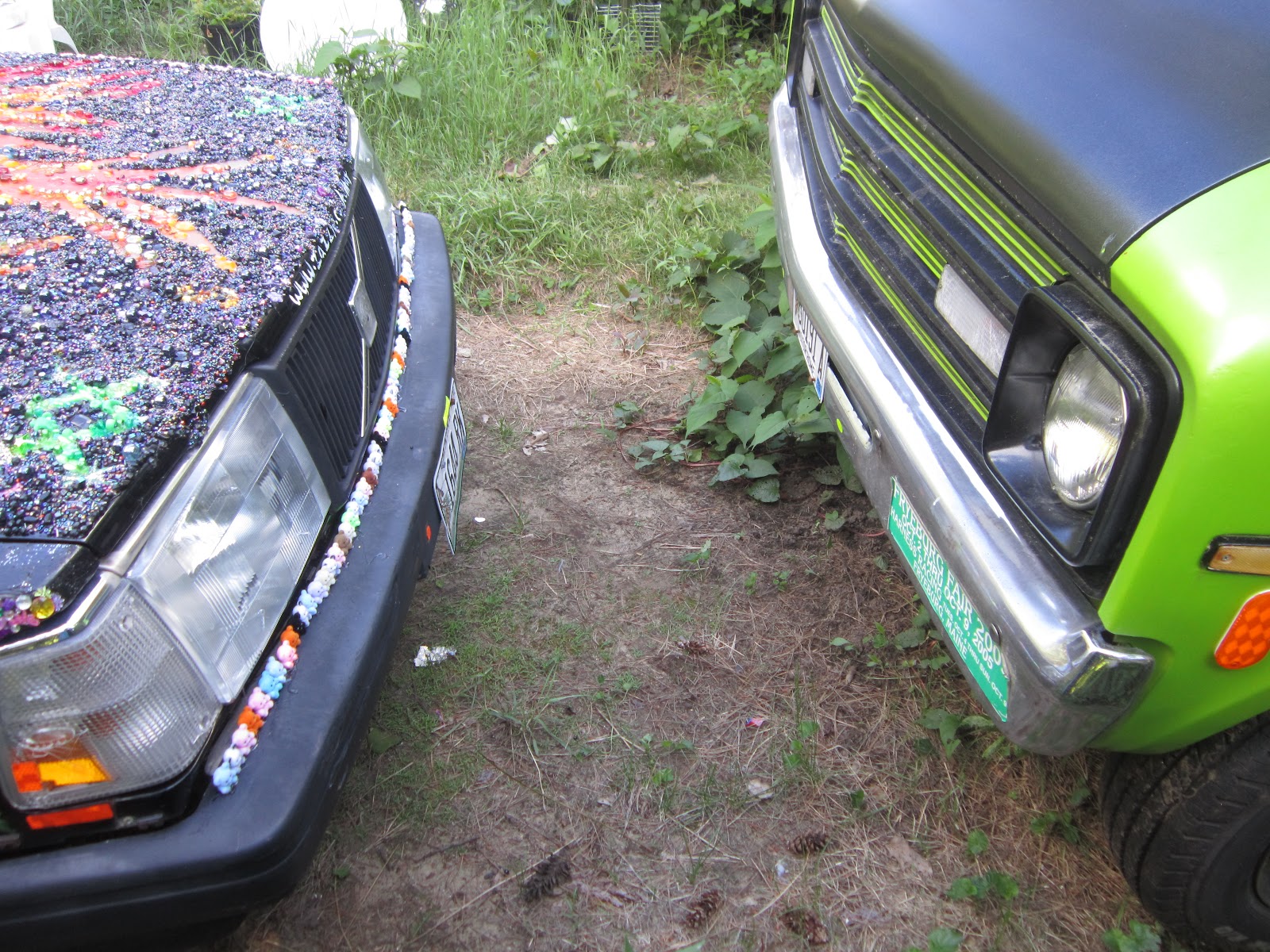
The Dazzling Razzberry aka The Autism Awareness Car
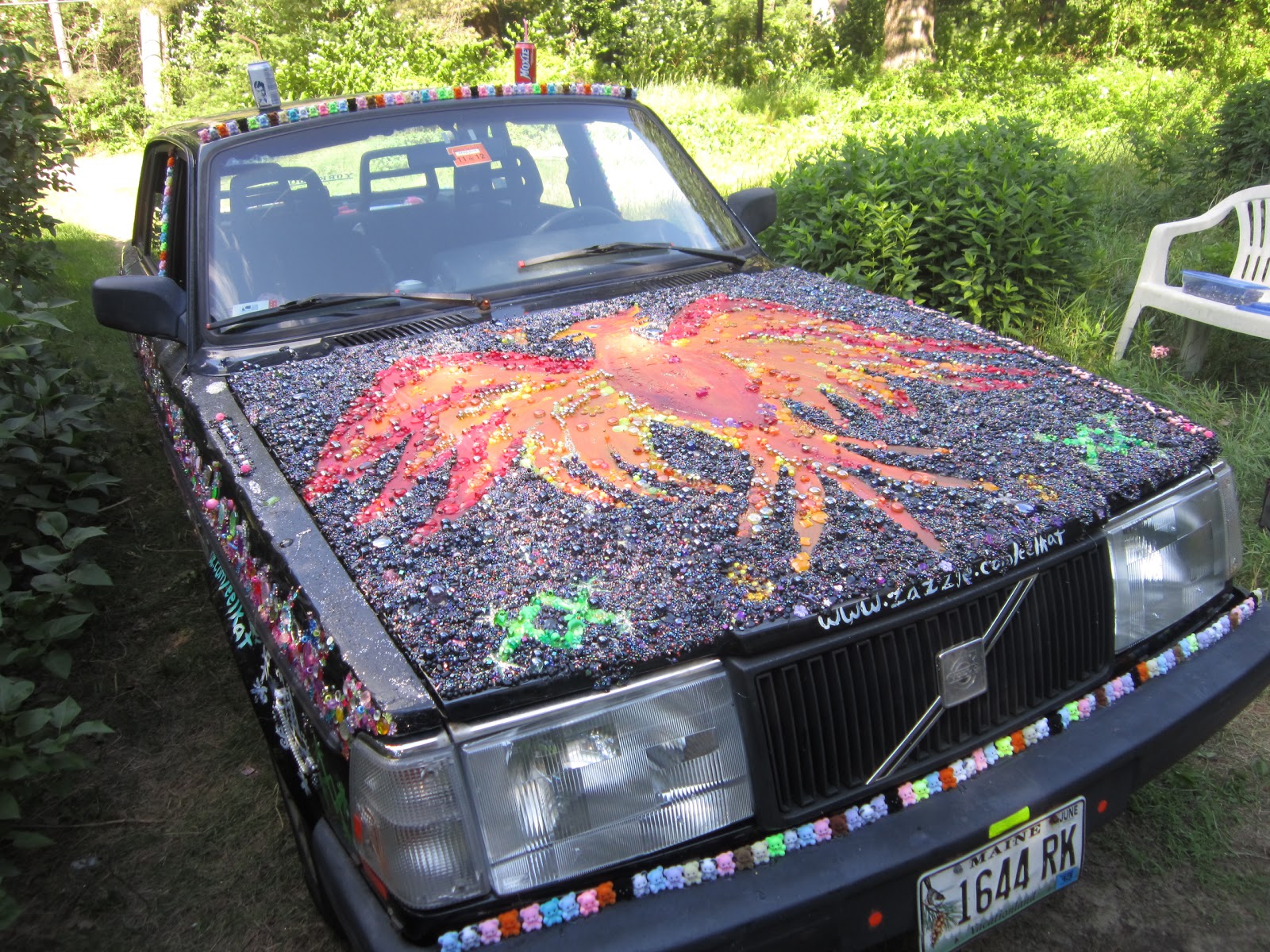
The Dazzling Razzberry aka The Autism Awareness Car
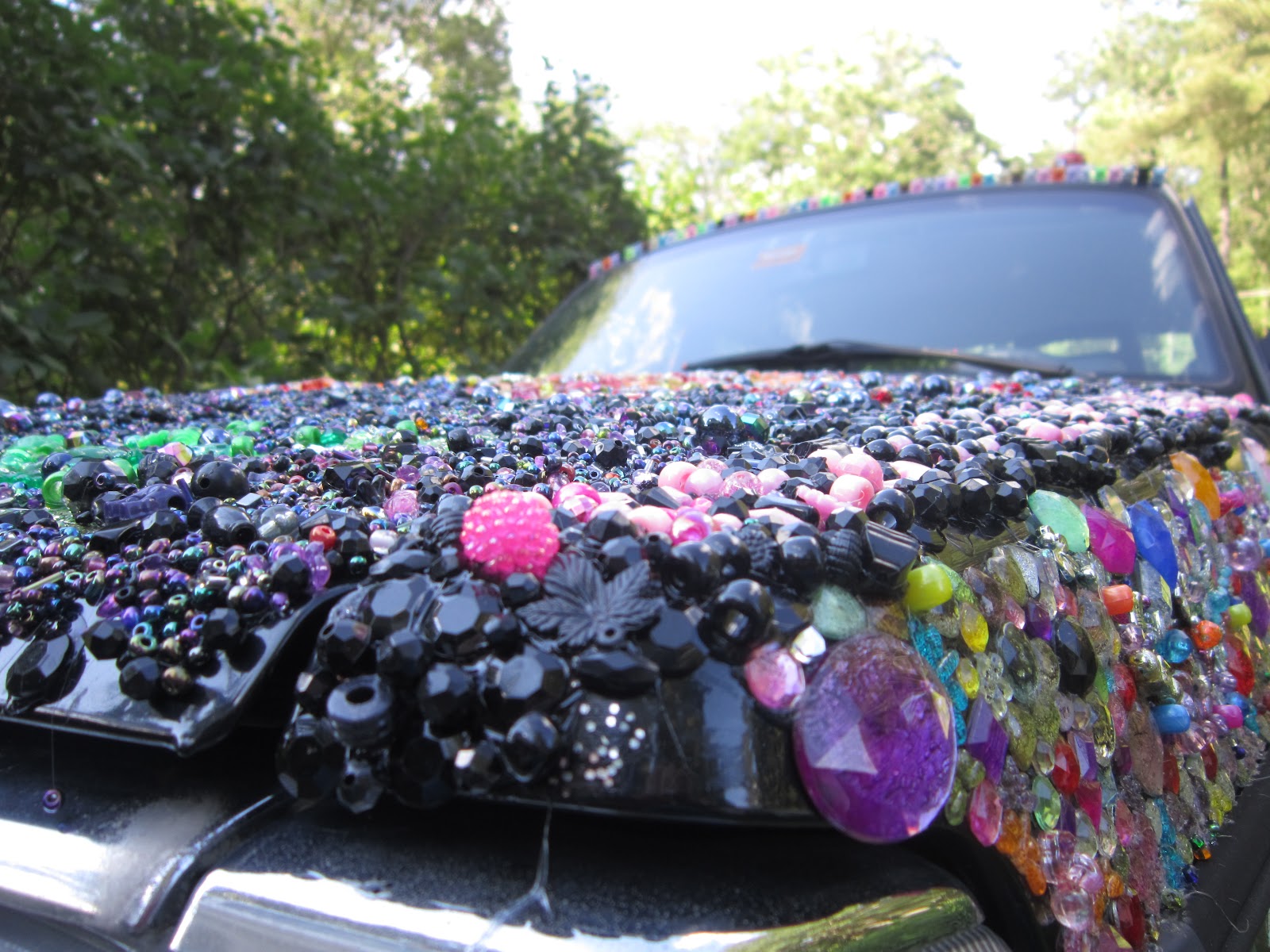
The Dazzling Razzberry aka The Autism Awareness Car

The Dazzling Razzberry aka The Autism Awareness Car

The Dazzling Razzberry aka The Autism Awareness Car
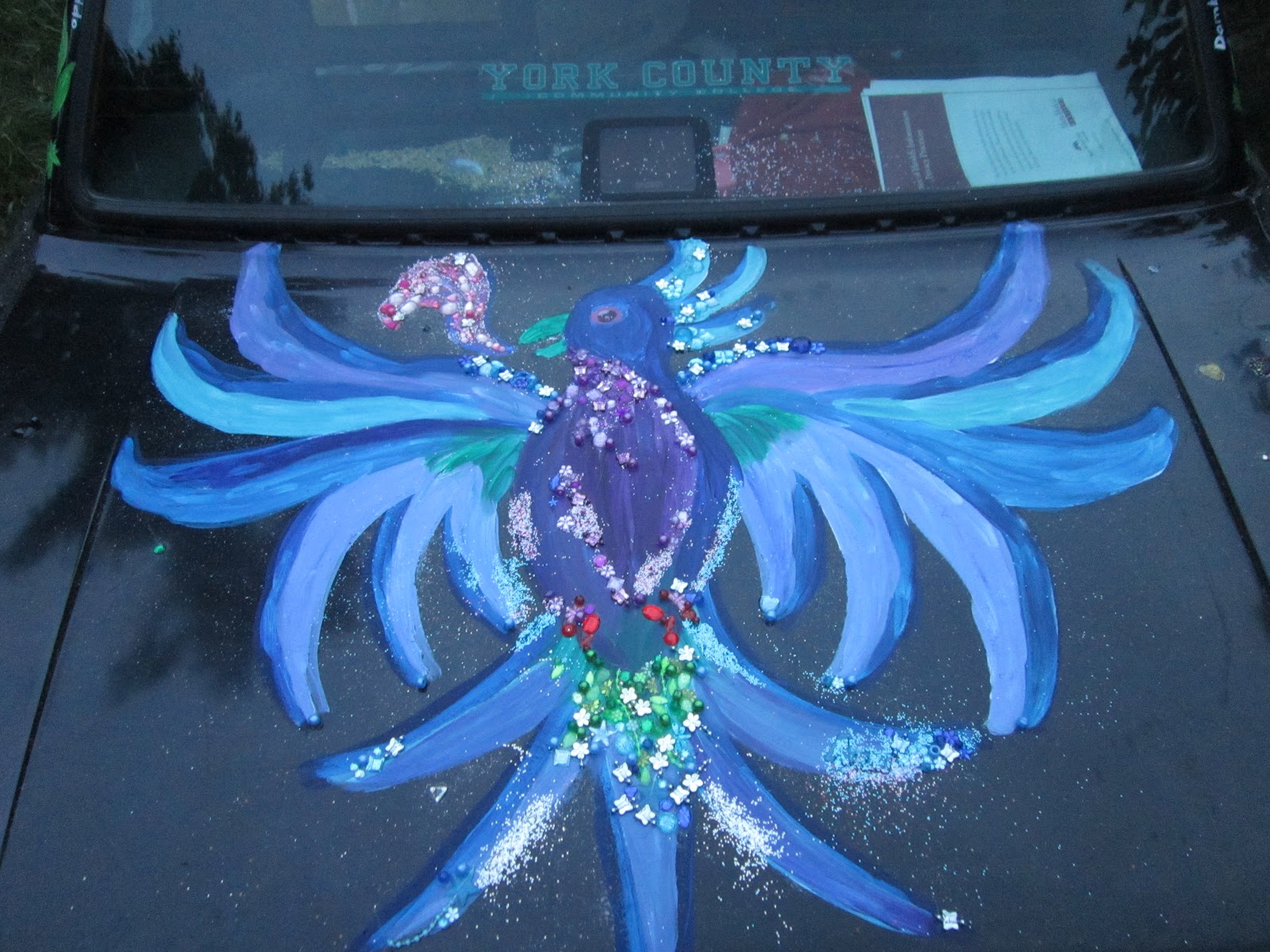
The Dazzling Razzberry aka The Autism Awareness Car

The Dazzling Razzberry aka The Autism Awareness Car

A Dancing Banana!


NaNoWriMo & Script Frenzy Writer’s Meeting Info:

(Old Badge Shown! Script Frezny is now held in April!)IMPORTANT NOTICE:
In 2009 I was selected to be the Municipal Liaison for The Southern Maine Charter of The Script Frenzy Contest. We have both year round in in-contest meetings open to all Maine writers. Meeting are held, same time, same place every year.
Here is a listing of the Write-In dates, times, and locations. These are the same as they were last year, and are the same as we have used for NaNoWriMo for over 5 years, so these dates/locations are pretty steady and not likely to change much. Should there be any changes, announcement will be made on this thread.
The Year Round General Writing Get-Togethers:
When: Every Sunday, all year long, every year.
Where: Westbrook: Panera
Time: All day long from 9AM - 7PMNOTE: This is the "BIG" meeting, where all of Maine's MLs for both NaNoWriMo and Script Frenzy get together with all writers from the entire state. I am only there from 2PM - 5PM, and I am only guaranteed to be here every week in April and November, the rest of the year I'm there as my personal schedule permits, but other writers come and go through out the day, every week, all year long, you'll have to check with individual persons if you want to plan on getting there the same time they do.
The In-Contest Script Frenzy & NaNoWriMo Write-In Meet-Ups:
When: Mondays:
March-April-May
&
October-November-December
Where: Saco: Golden Rooster
Time: 10AM - 1PMThe In-Contest Screnzy Only (April) Meetings:
When: Saturdays in April
Where: Portland: Downtown Public Library
Time: 1PM - 3 PMImpromptu Meetings:
When: year round
Where: check this thread for announcements
Time: varies
```````````````````````````````````````````````````
```````````````````````````````````````````````````
```````````````````````````````````````````````````
FAQs & OTHER INFO About OLL Writer's Contest Meetings:
```````````````````````````````````````````````````
```````````````````````````````````````````````````
```````````````````````````````````````````````````
What is the difference between a Meet-Up and a Write-In?Meet-Up:
A social gathering where writers can sit back, relax, and talk about writing, life, the universe, and everything. Usually held at a cafe, coffee shop or fast food joint, where we can eat and write while we talk.
Write-In:
Like a Meet-Up, only every one is quietly typing at their laptops or scribbling on paper pads, furiously writing as many pages as possible.
Are these Meet-Ups or Write-Ins?
Both. Every one comes together and spends the day chatting and/or writing.
What are Impromptu Meetings?
Impromptu Meetings:
A spur of the moment meeting, that was not planned ahead.
These can be any place, any time, through out the year. Any member can announce them. All you got to do is, post here and say:
"I'm going to be at ____ at _____ o'clock today/tomorrow/next Friday. I'll be getting some writing done while I'm there. You guys are welcomed to come join me."
Please be sure to include the day, place, and time.
Impromptu Meetings are often just the person who made the announcement, which is okay. A meeting of one, can still be fun...I do it several times a week! Sometimes another person will show up to join you (usually me). If you are lucky 2 or 3 other people may join you, as well, though it's not so common. If I'm not doing something else on that day, I make an effort to try to show up at all the Impromptu Meetings announced by members.
Where can we hold Impromptu Meetings?
Any place really. At a public library is a common choice. Panera, MacDonald's, Starbucks, SubWay, Pizza Hut, Burger King, Wendy's and other such places are good options if you want to eat and write at the same time. In your living room at your house if you want. I know of a couple of members who get on the Amtrak Downeaster and spend the day on the train writing from Portland to Boston.
Places we have had Impromptu Meetings in the past, that I have personally attended, have included the following:
```Old Orchard Beach Libby Library
```Saco Dyer Library
```Biddeford McArther Library
```Portland Downtown Library
```Portland Burbank Library
```Wells Library
```Food Court at the Maine Mall
```South Portland Starbucks at Target
```Panera in Westbrook
```Panera in Biddeford
```Pizza by Michael in Saco
```MacDonald's in: Saco, Biddeford, Scarborough, Sanford
```Burger King in: Saco, Biddeford
```SubWay in: Old Orchard Beach, South Portland, Kennebunk, Biddeford
```Dairy Queen in BiddefordAs you can see from the list, I do travel across quite a big distance to make an effort to meet with my fellow writers during Script Frenzy and NaNoWriMo!
A Note About In-Home Meetings:
Personally I prefer meetings in public places as opposed to in people's homes, just you know, safer. So I do not recommend having Write-Ins at your home, and NEVER-EVER-EVER post your home address or phone number on a public forum! Remember - we want you to be safe, so only list Impromptu Meeting Announcements for public locations where there will be lots of people around!
If you want to hold meetings in your own home, send private messages ONLY to those people whom you know personally (never to strangers).
And yes, you are more than welcomed to gather up your friends and have your own personal Write-Ins at home with no need to get permission from us or post an announcement!


Copper Cockeral's Flickr Photos


 Articles for Freelance Writers
- An error has occurred; the feed is probably down. Try again later.

- Living With Autism: Articles About Autism Written by an Adult With Autism
- An error has occurred; the feed is probably down. Try again later.

- My Latest Squidoo Updates:
- An error has occurred; the feed is probably down. Try again later.

EK Recommends:


Do you enjoy chatting with other bloggers? Want to get more readers to your blog? EelKat has started a Zing Community, just for people like you. Why not join The Friends of EK's Star Log today?

Friends of EK's Star Log 


My blog is worth $15,807.12.
How much is your blog worth?

Blog Directory-Submit Yours Today


Subscribe to RSS headline updates from:
Powered by FeedBurner

Also From NaNoWriMo:

Countdown Clocks at WishAFriend.com


Find Me on FaceBook
.
Blog: EK's Star Log Topics:writing, playwright, maine .


.
Hey, you know what? I sell Avon! I'm an Independent Avon eRepresentative and that means you can buy Avon from me, 24 hours a day, from your computer, from anyplace in the world, and Avon will ship it to you.


 EK's Star Log