


| CARVIEW |
Pt I: Cyber Operations
Pt II: Multistakeholder Responses
Pt III: Future Hyrbid Wars
Pt IV: Deterring Cyber Warfare
Pt V: Cyber Mercenaries
2023 Event
Glossary
Quiz
Pt VI: RANSOMEWARE RISING
A special report from
 with support from

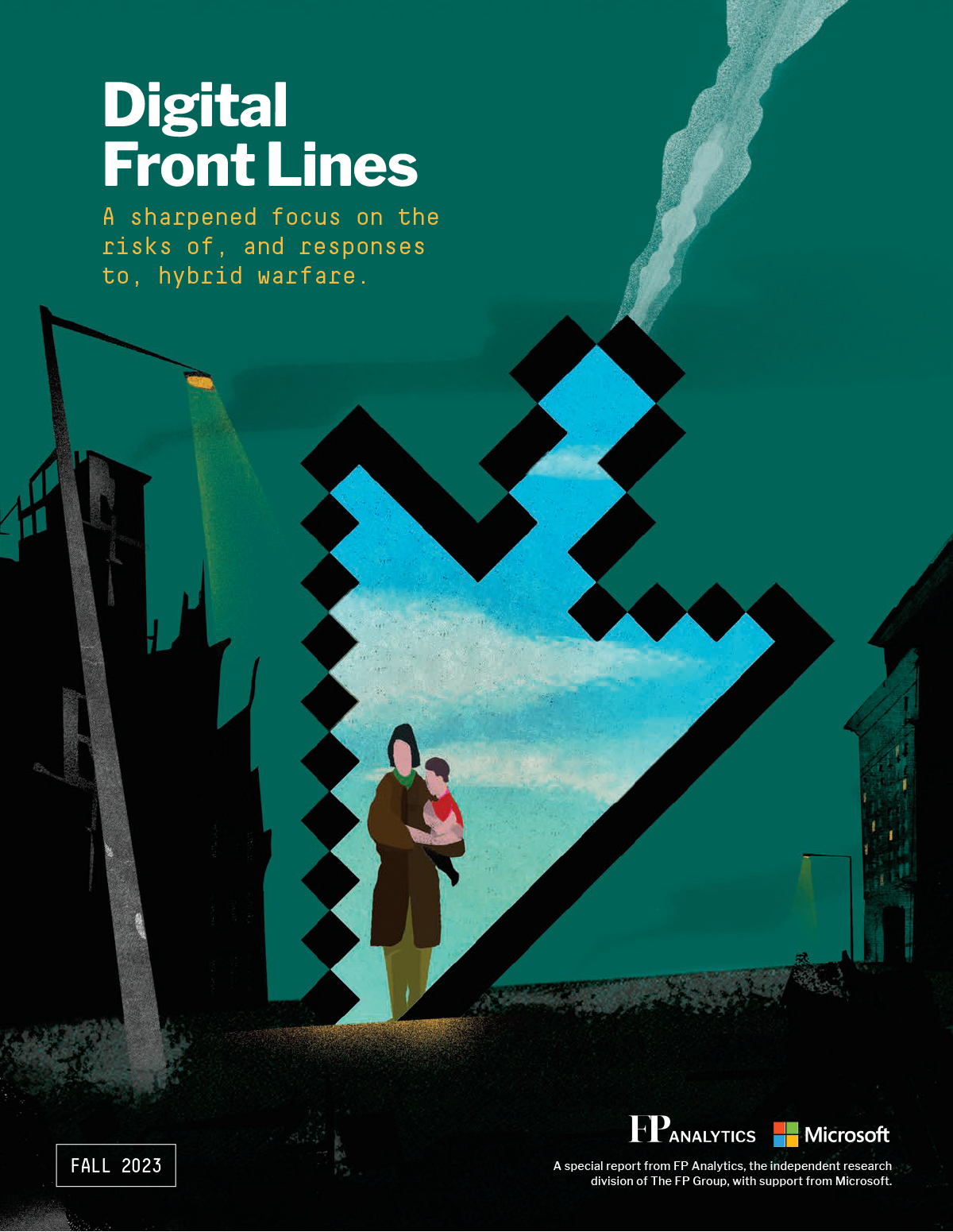
Digital
Front Lines
A sharpened focus on the risks of, and responses to, hybrid warfare
The war in Ukraine has brought hybrid warfare to the fore and coincided with a steady uptick in cyber operations, including destructive attacks against civilians and critical infrastructure. Meanwhile, the expanding use of artificial intelligence (AI) is shaping the capabilities of attackers and defenders in cyberspace, with far-reaching implications for international security and stability.
Recognizing this shifting landscape, FP Analytics launched Digital Front Lines in 2023 with support from Microsoft. Part VI of the series, published alongside the 2025 United Nations General Assembly, explores how ransomware has become the fastest-growing form of cybercrime, with attacks rising nearly fivefold over the past five years. New research from FPA and contributions from experts in government, industry, and civil society examine the systemic impacts of ransomware on health care, critical infrastructure, and democratic institutions, revealing how ransomware groups exploit safe havens to continue their operations. However, strengthened international cooperation and cross-sectoral partnerships can combat this rapidly evolving threat.
PART VI | SEPTEMBER 2025
An FP ANALYTICS Issue Brief
Ransomware Rising
Confronting the fastest-growing cybercrime through international cooperation. Read more
The ransomware threat landscape is complex and rapidly evolving
Ransomware endangers lives, disrupts critical infrastructure, and weakens institutions
Mitigating ransomware attacks through systemic and sustained governance
Looking Ahead
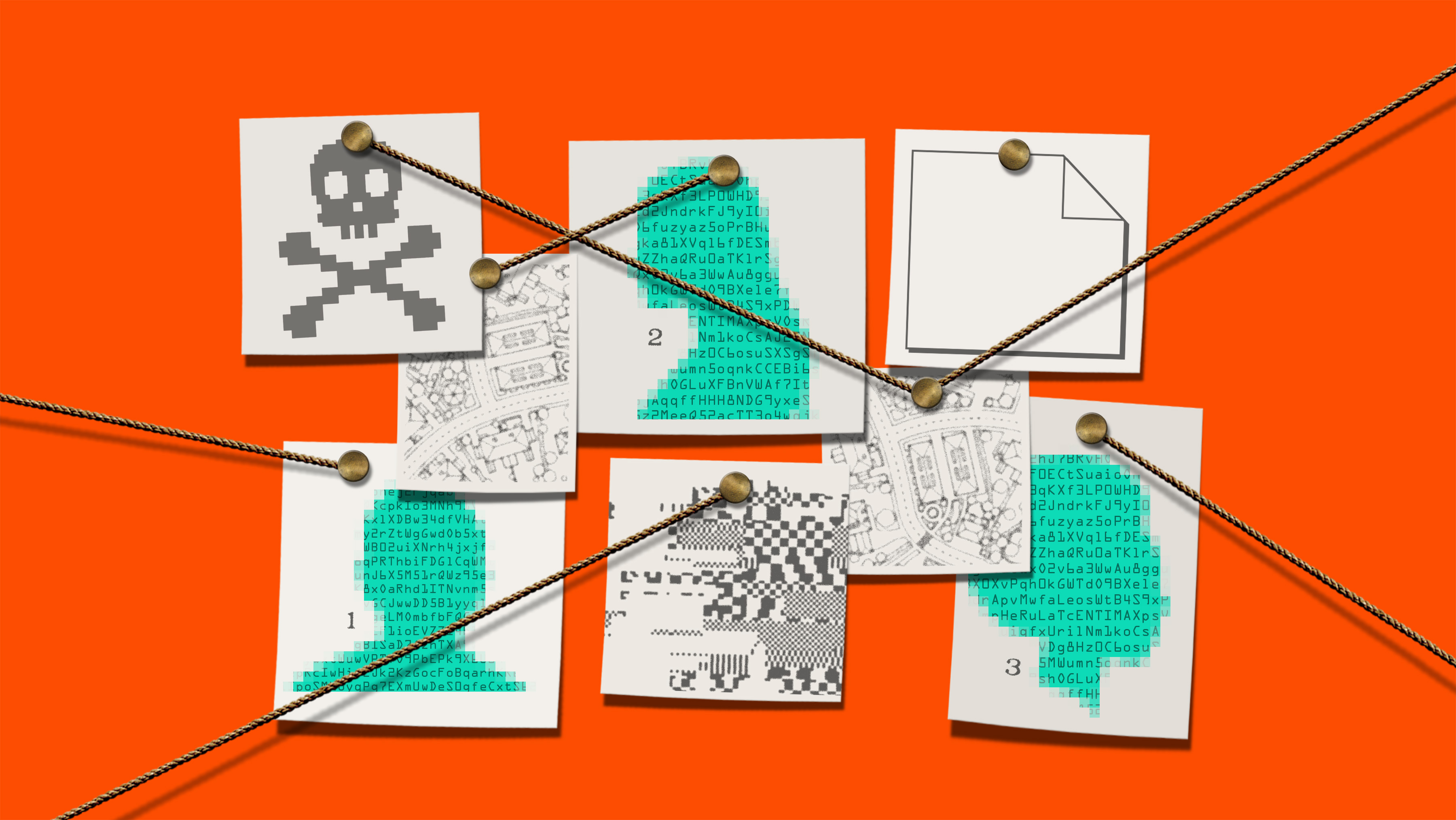
Ransomware Attacks Aren’t Just Technical—They Are Profoundly Human
 By FRANCESCA BOSCO, Chief Strategy Officer, CyberPeace Institute
Disrupting Ransomware Through Tech Diplomacy
Countries need to be nimbler to combat increasing and evolving cybercrime threats.
 A Q&A with ANNE MARIE ENGTOFT MELDGAARD, Denmark’s Tech Ambassador
Ransomware Attacks Are No Longer Just About Profit. They’re Also About Politics.
Multistakeholder collaboration is crucial to stemming this evolving threat.
 A Q&A with AMY HOGAN-BURNEY, Corporate Vice President for Customer Security and Trust at Microsoft
PAST REPORTS
Digital Front Lines is a multimedia report consisting of a series of issue briefs produced by FP Analytics with support from Microsoft and accompanied by expert contributions from leaders across government, multilateral institutions, civil society, academia, and industry. By 2023, it had become clear that the scale and scope of cyber operations related to the war in Ukraine were unparalleled and that they marked a new era of hybrid warfare presenting myriad challenges for the prevention and resolution of conflicts globally. Digital Front Lines seeks to deepen understanding of hybrid warfare and to foster coordinated, effective responses across government, industry, and civil society, through independent research and thought leadership.
Illustration by BRIAN STAUFFER

PART I
Cyber Operations in Warfare – Ukraine and Beyond
Part I explores the impacts of cyber operations, in Ukraine and beyond, and the challenges they present to the international system, including attribution of, and response to, cyberattacks and the alignment of cyber and kinetic warfare strategies.
An FP ANALYTICS Issue Brief
The Evolution of Cyber Operations in Armed Conflict
The digital domain is increasingly a battleground for state and nonstate actors who are leveraging capabilities in cyberspace to advance strategic geopolitical goals. Read more
Unpacking Cyber Operations in Armed Conflict
How Russia’s Sustained Cyber Campaign Laid the Groundwork for Hybrid Warfare
How Attribution Challenges of Cyberattacks Can Undermine Diplomatic Consensus and Decisive Response
Looking Ahead
Lessons from Ukraine in the Heat of an Ongoing Hybrid War
 By Mykhailo Fedorov, Vice Prime Minister, Innovation, Development of Education, Science and Technologies of Ukraine

Cyber Attribution Is Critical to Ensuring Accountability
 By Chris Inglis, Former U.S. National Cyber Director
Tech Companies Are Fighting for Ukraine. But Will They Help Save Lives in Other Global Conflicts?
 By Dr. Comfort Ero, President and CEO of the International Crisis Group
The Face of Modern Hybrid Warfare
Russia has aligned its cyber, military, and information operations in an unprecedented campaign.
 By Tom Burt, Corporate Vice President, Customer Security and Trust, Microsoft
Cyber Resilience Helps Democracies Prevail Against Authoritarian Disinformation Campaigns
 By Annie Fixler, Director, Center on Cyber and Technology Innovation, FDD
PART II
Multistakeholder Responses in Ukraine and Lessons Learned
Part II distills the lessons learned from multistakeholder responses to the ongoing war in Ukraine, examining the implications of cyber operations for international humanitarian law and diplomacy and highlighting the role of the tech community to track and expose information operations.
An FP ANALYTICS Issue Brief
Cross-Cutting Responses to Strengthen Ukraine’s Digital Resilience
How various international stakeholders have worked together to mitigate cyberattacks in the ongoing hybrid war Read more
In-Kind Contributions Have Strengthened Ukraine’s Cyber Resiliency
International Financial Support Has Buttressed Ukraine’s Cyber Defense
Diplomatic Actions Have Targeted Russia’s Cyber Capacity, While Bolstering Ukraine’s
Prosecution of ‘Cyber War Crimes’ Could Set Precedent for Future Conflicts
Preparing for the Next Hybrid War

Strategies for Reconciling International Humanitarian Law and Cyber Operations
 A Q&A with DR. PETER MAURER, President of the Basel Institute on Governance

A Proactive Approach to the Cyber Domain Strengthens NATO’s Deterrence and Defense Posture
 By David van Weel, Assistant Secretary General for Emerging Security Challenges at NATO

Tracing Cyberattacks in Times of Conflict: The Hard Path to Cyber Peace
 By Stéphane Duguin, CEO of the CyberPeace Institute

Detect, Disrupt, Deter: The Multistakeholder Threat-Disruption Model
 By David Agranovich, Director of Threat Disruption at Meta
PART III
Preparing for Future Hybrid Wars
Part III looks ahead to future hybrid wars and explores opportunities for partnership across government, industry, and civil society to secure cyberspace, safeguard nuclear and space assets from cyber threats, and ensure accountability for state and nonstate cyberattacks against civilians and critical infrastructure.
An FP ANALYTICS Issue Brief
Strategies to Deter and Respond to Cyber Operations in Conflict
International cooperation is integral to solve key challenges and reduce socioeconomic and geopolitical risks. Read more
Protecting Civilians and Critical Infrastructure from Cyber Operations Through International Law
Mitigating Damage and Escalation with Clear Standards and Norms on Attribution
Collaborating Across Sectors: States, Industry, Civil Society, and Academia
Pursuing Cyber Peace and Preparing for Potential Cyber Conflict

A Multisector Approach to Tackling the Threats of Emerging Technologies on Defense Systems
 A Q&A with AMBASSADOR BONNIE JENKINS, U.S. Under Secretary of State for Arms Control and International Security
U.N. Responsibilities in the Digital Age
 A Q&A with IZUMI NAKAMITSU, U.N. Under-Secretary-General and High Representative for Disarmament Affairs

Technology Will Not Exceed Our Humanity
We must renew our efforts to ensure that justice is not outpaced by the changing character of war.
 By Karim A.A. Khan KC, Prosecutor of the International Criminal Court
How Russia Makes Friends and Influences Audiences in Latin America
 By Clint Watts, General Manager of the Microsoft Threat Analysis Center
The Proliferation of Cyber Mercenaries Calls for New Definitions and Updated Laws
 A Q&A with PETER MICEK, General Counsel and U.N. Policy Manager at Access Now
Keeping Civilians Off-Limits in Present and Future Wars
Civilians must be protected from—and should not participate in—military cyber operations.
 By Dr. Cordula Droege, Chief Legal Officer of the International Committee of the Red Cross
Cybersecurity in Outer Space
 A Q&A with AMBASSADOR SORIN DUCARU, Director of the European Union Satellite Centre (SatCen)
Lessons from Estonia’s Whole-of-Society Approach to Cyber Defense
 A Q&A with HANNO PEVKUR, the Minister of Defense of Estonia
PART IV
Deterring Cyber Warfare
Part IV examines the challenge of cyber deterrence in an era of advanced artificial intelligence and presents cross-sectoral recommendations to mitigate risks, including robust and resilient digital defenses, AI-enhanced attribution techniques, and credible, proportional response measures to dissuade would-be attackers.
An FP ANALYTICS Issue Brief
Defend, Attribute, Punish: Deterring Cyber Warfare in the Age of AI
Secure design, coordinated attribution, and credible punishments are imperative to deter evolving cyber threats.
Read more
In Cyberspace, Deterrence Strategies Require Collective and Consistent Action
Coordinated Consequences for Cyberattacks Are Critical to Avoid Escalation
The Role of International Justice in Cyber Defense and Deterrence
Cyber Deterrence: A Technological and Geopolitical Challenge

The Role of International Justice in Cyber Defense and Deterrence
 By Lindsay Freeman, Director of Technology, Law, and Policy, Human Rights Center, UC Berkeley School of Law
In Cyberspace, Deterrence Strategies Require Collective and Consistent Action
 By Anne Neuberger, Deputy National Security Advisor for Cyber and Emerging Technologies, United States

Cyber Deterrence: A Technological and Geopolitical Challenge
Industry and governments are stepping up as more is needed to meet the moment.
By Tom Burt, Corporate Vice President, Customer Security and Trust, Microsoft
Coordinated Consequences for Cyberattacks Are Critical to Avoid Escalation
 By James Paterson, Senator and Shadow Minister for Cyber Security, Australia
PART V
Hackers for Hire
Part V of the series assesses the scope and influence of the growing global market for cyber mercenaries, who develop, provide, or support offensive or intrusive cyber capabilities for a fee. This installment identifies the challenges of regulating cyber mercenaries and explores opportunities to mitigate its destructive impacts and strengthen international preparedness and response.
An FP ANALYTICS Issue Brief
Hackers for Hire
Confronting the Growing Market for Cyber Mercenaries
Read more
The Cyber Mercenary Market—A Broad and Evolving Array of Products and Participants
Regulating Cyber Mercenaries is a Challenge Requiring International, Cross-Sectoral Cooperation
Emerging Global Efforts to Reign-In Cyber Mercenaries are Promising but Need to Be Bolstered
Filling Gaps in the Global Response: Recommendations for the Public, Private, and Multilateral Sectors
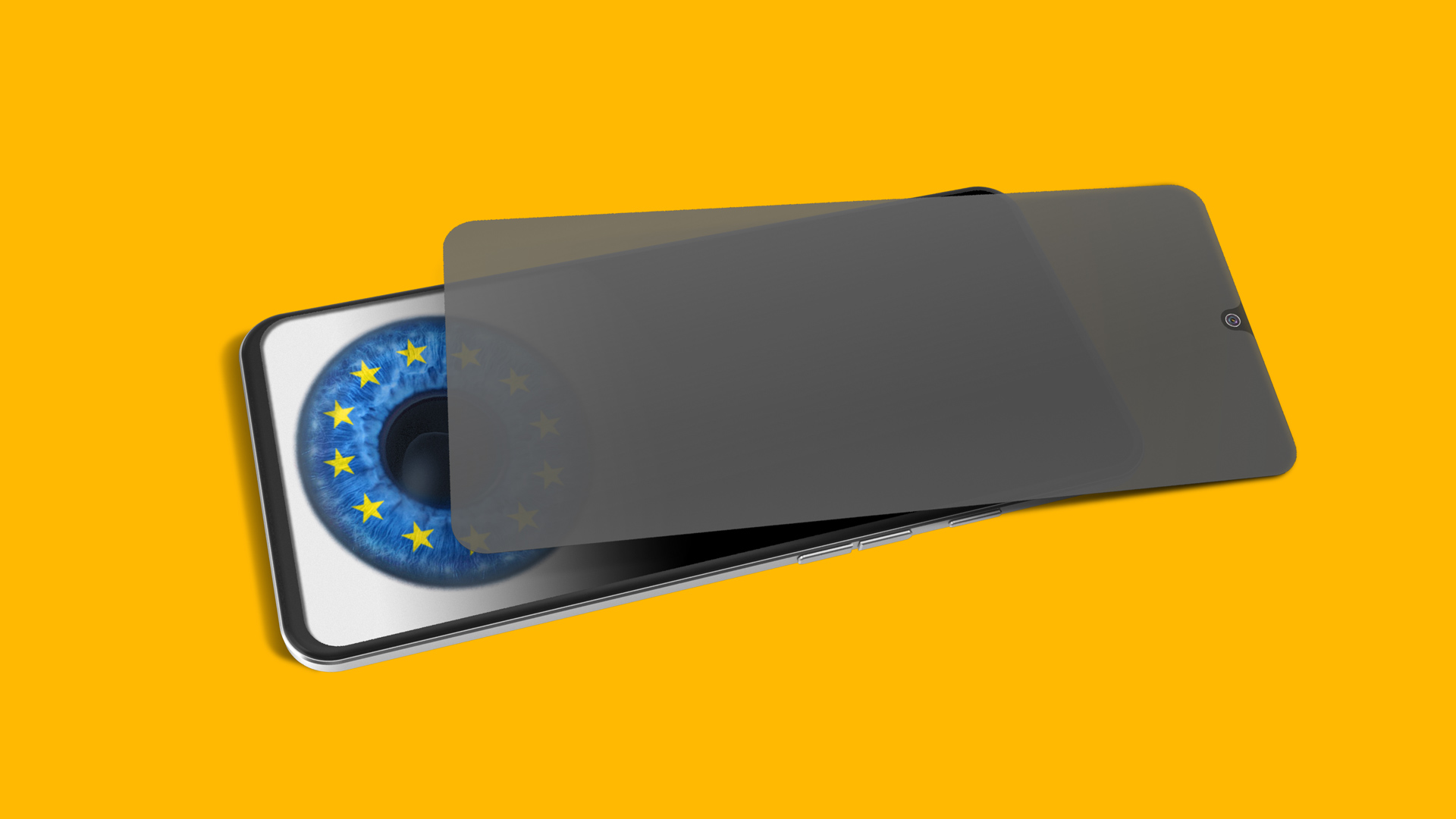
An Inquiry on Spyware in the EU Revealed Abuses by Member States. Now What?
 By Sophie in’t Veld, Rapporteur of the PEGA Report and Former Member of the European Parliament
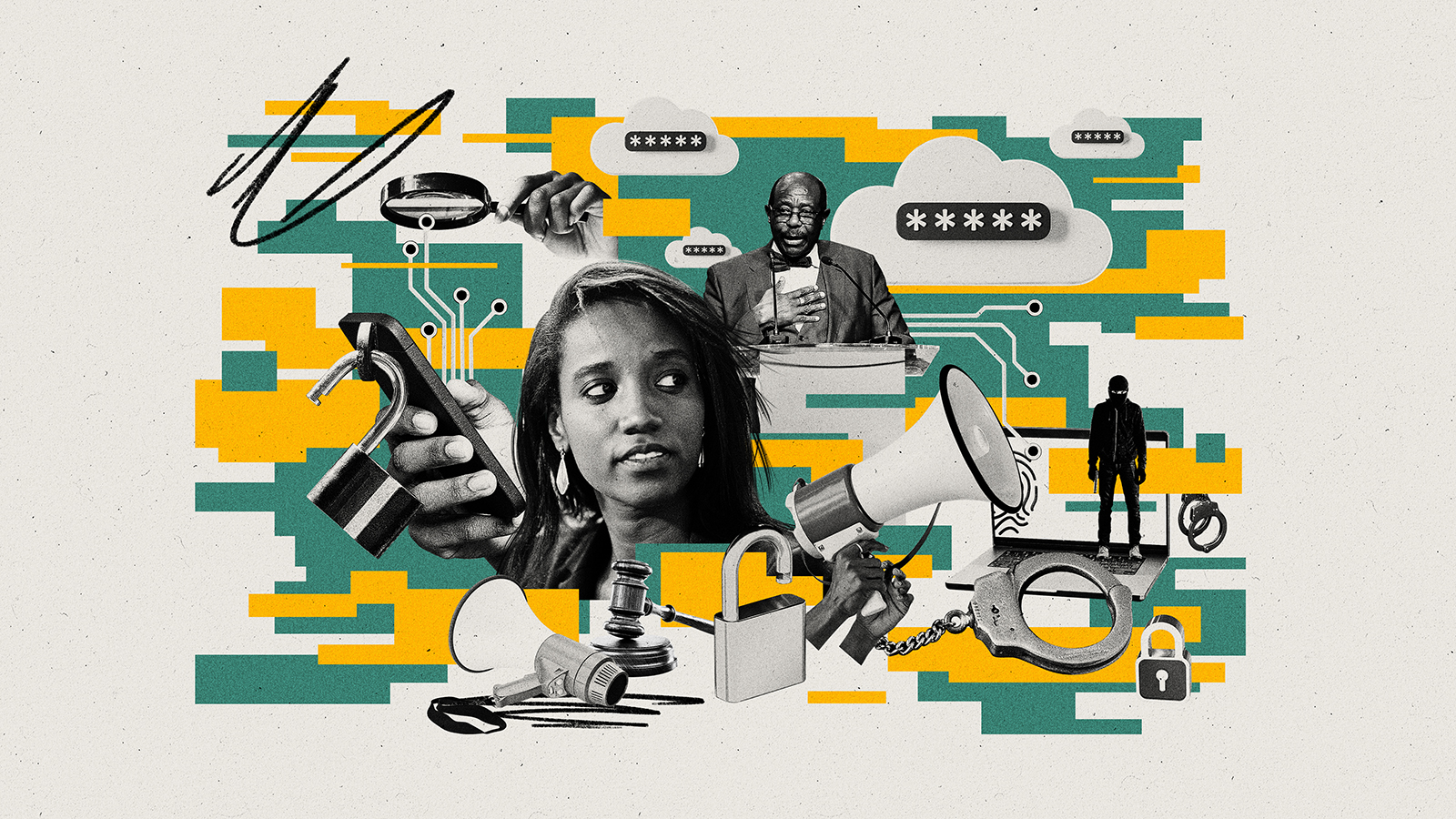
Spyware’s Human Toll: Cyber Mercenaries Inflict ‘Enormous Harms’ on Their Targets
Q&As with Dr. Ron Deibert and Carine Kanimba
 By Carine Kanimba and Dr. Ron Deibert

‘Ground-Game Diplomacy’ Key to Fighting Misuse of Commercial Spyware Globally
 By Nathaniel Fick, Inaugural U.S. Ambassador at Large for Cyberspace and Digital Policy
Digital Weapons for Sale: Countering the Growing Cyber Mercenary Market
By Amy Hogan-Burney, Vice President, Deputy General Counsel, Customer Security & Trust, Microsoft
Mercenary Spies and Private Eyes: New Cyber Threats Require New Partnerships
 By Stephen Doughty, UK Minister of State for Europe, North America, and Overseas Territories
CONTRIBUTORS
Expert Insights
In the age of hybrid warfare, the impacts of cyber operations are felt across civil and military domains, and beyond. Experts from private industry, government, NGOs, multilateral institutions and more share their perspectives on a range of cybersecurity issues, identifying challenges to international peace and security, and opportunities for collaboration.

David Agranovich
Director of Threat Disruption at Meta

Francesca Bosco
Chief Strategy Officer of the Cyber Peace Institute

Amy Hogan-Burney
Corporate Vice President for Customer Security and Trust at Microsoft

Tom Burt
Corporate Vice President of Customer Security and Trust at Microsoft

Dr. Ron Deibert
Founder and director of The Citizen Lab

Stephen Doughty
UK Minister of State for Europe, North America, and Overseas Territories

Amb. Sorin Ducaru
Director of the European Union Satellite Centre (SatCen)

Stéphane Duguin
CEO of the CyberPeace Institute

Dr. Cordula Droege
Chief Legal Officer and Head of the Legal Division of the International Committee of the Red Cross

Dr. Comfort Ero
President and CEO of the International Crisis Group

Mykhailo Fedorov
Vice Prime Minister, Innovation, Development of Education, Science and Technologies of Ukraine

Nathaniel Fick
Inaugural U.S. Ambassador at Large for Cyberspace and Digital Policy

Annie Fixler
Director, Center on Cyber and Technology Innovation, FDD

Lindsay Freeman
Director of Technology, Law, and Policy, Human Rights Center, UC Berkeley School of Law

Chris Inglis
Former U.S. National Cyber Director

Amb. Bonnie Jenkins
Under Secretary for Arms Control and International Security at the U.S. Department of State.

Carine Kanimba
Human rights activist

Karim A.A. Khan KC
Prosecutor of the International Criminal Court

Dr. Peter Maurer
President of the Basel Institute on Governance and former President of the ICRC

Shelley McKinley
Chief Legal Officer of GitHub

Anne Marie Engtoft Meldgaard
Danish Tech Ambassador

Peter Micek
General Counsel and U.N. Advocacy Manager at Access Now

Izumi Nakamitsu
U.N. Under-Secretary-General and High Representative for Disarmament Affairs

Anne Neuberger
Deputy National Security Advisor for Cyber and Emerging Technologies, United States

James Paterson
Australian Senator and Shadow Minister for Cyber Security

Hanno Pevkur
Estonian Minister of Defense

Brad Smith
General Manager of the Microsoft Threat Analysis Center

Sophie in’t Veld
Rapporteur of the PEGA Report and Former Member of the European Parliament

Clint Watts
General Manager of the Microsoft Threat Analysis Center