


Baking bread that looks like a pumpkin is fun and it can be a pretty centerpiece on your autumn table. In this bread technique post we explore and detail various tips to get the shape right and to achieve an orange color on the bread without achieving an orange color on your entire kitchen.
More| CARVIEW |
Select Language
HTTP/2 301
date: Thu, 29 Jan 2026 23:44:55 GMT
content-type: text/html; charset=UTF-8
location: https://breadtopia.com/category/techniques/
cf-ray: 9c5c999ded731f95-BLR
cf-cache-status: MISS
server: cloudflare
vary: Accept-Encoding
cf-apo-via: origin,resnok
cf-edge-cache: cache,platform=wordpress
referrer-policy: strict-origin-when-cross-origin
x-content-type-options: nosniff
x-frame-options: SAMEORIGIN
x-powered-by: WordOps
x-powered-by: Plexus
x-redirect-by: WordPress
x-srcache-fetch-status: MISS
x-srcache-store-status: STORE
report-to: {"group":"cf-nel","max_age":604800,"endpoints":[{"url":"https://a.nel.cloudflare.com/report/v4?s=8YPFrQwxfqU%2FsHLILenFSZ0IfAsady2TzY4Mzp7L0bGfa7CtQPC16vuQr8fbn6mVCA3Pp47s4x5oueywg3NftlDvY%2BASeVEPYNPJB0E%3D"}]}
nel: {"report_to":"cf-nel","success_fraction":0.0,"max_age":604800}
alt-svc: h3=":443"; ma=86400
HTTP/2 200
date: Thu, 29 Jan 2026 23:44:57 GMT
content-type: text/html; charset=UTF-8
cf-ray: 9c5c99a8fff01f95-BLR
cf-cache-status: MISS
last-modified: Thu, 29 Jan 2026 23:44:57 GMT
link: ; rel="alternate"; title="JSON"; type="application/json"
server: cloudflare
vary: Accept-Encoding
cf-apo-via: origin,miss
cf-edge-cache: cache,platform=wordpress
referrer-policy: strict-origin-when-cross-origin
x-content-type-options: nosniff
x-frame-options: SAMEORIGIN
x-powered-by: WordOps
x-powered-by: Plexus
x-srcache-fetch-status: MISS
x-srcache-store-status: STORE
report-to: {"group":"cf-nel","max_age":604800,"endpoints":[{"url":"https://a.nel.cloudflare.com/report/v4?s=nqh7nXvmb%2FQ472r%2F%2FJCw0YSIPTLhTU3vQt8fVgHRcuGQXxEzw4DYfa%2Fuf1kFSnsoFTpu%2BSylpyn%2BwbSQtxwtMfReNLWnTrsZXMMw4%2Bg%3D"}]}
nel: {"report_to":"cf-nel","success_fraction":0.0,"max_age":604800}
content-encoding: gzip
alt-svc: h3=":443"; ma=86400
Category: Techniques - Breadtopia


-
 November 1, 2025
Pumpkin Shaped Bread
-
 May 17, 2025
Can this dough be saved?
Every once in a while, we forget we have a dough rising in the kitchen. Maybe you fall asleep or leave the house without refrigerating your dough, or you lose track of time, or the summer heat catches you by surprise. Regardless of how, there’s always something great you can do with overproofed dough.
More -
 April 19, 2025
What kind of water should I use to make sourdough starter?
The internet is full of both debate and certainty about the best water to use to create a sourdough starter. Over the years, we’ve observed that chlorine kills microbes and that sourdough starter seems to thrive in mineral-rich and lower pH environments, but we haven’t tested these observations in a controlled experiment until now. This experiment doesn’t arrive at a definitive answer to the question asked, but we learned so much while doing it that we want to share the information and insights.
More -
 November 2, 2024
How To Make a Sourdough Starter
The secret to success in making a sourdough starter from scratch (which no one else mentions) is feeding responsively rather than methodically. In our online forum, we’ve helped guide thousands of beginning sourdough bakers to success in making their own starter. This article includes everything you need to know.
More -
 August 3, 2024
Conventional Sourdough vs. Desem Starter
This article summarizes the findings of three test bakes with desem (Belgian style sourdough starter) and my conventional sourdough starter and one test bake with desem versus my conventional starter after seven months of it being fed and maintained the same as the desem. At the end of the article, you’ll find a summary of both cultivation and maintenance methods.
More -
 June 29, 2024
Rye versus Sprouted Rye in Bread Baking
In this experiment we explore the characteristics of sprouted flour with some real-world baking. We made two NY Deli Rye Breads, one with regular rye flour and one with sprouted rye flour and compared their fermentation speed, oven spring, crumb, and flavor.
More -
 May 4, 2024
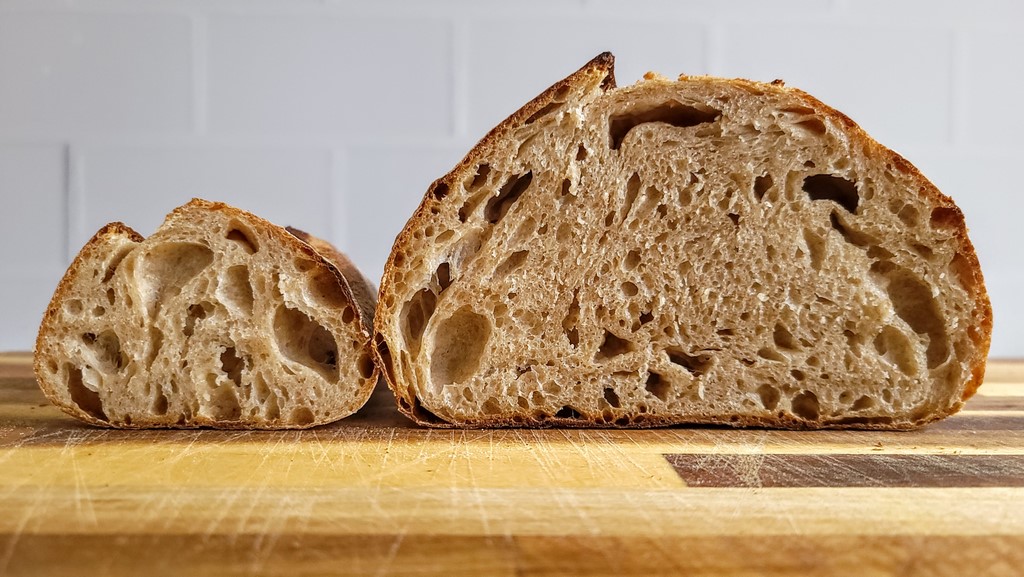
Sourdough Bread: How Dough Shape and Size Influence Crumb
Ever notice that you seem to get a more open crumb with smaller loaves? In this series of experiments, we made large batches of dough and then divided them into differently sized and shaped loaves while otherwise striving to treat them as close to identically as we could to see how these size and shaping differences affect the resulting crumb.
More -
 April 13, 2024
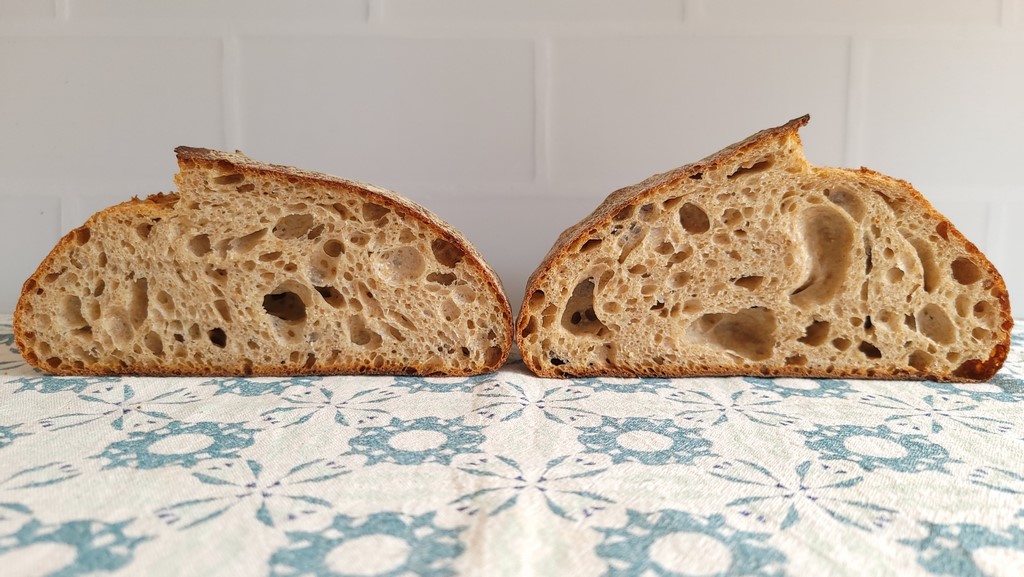
When to Shape Dough along the Fermentation Curve
This experiment looks at shaping dough earlier versus later in the rising process. The goal is to assess the impact on crumb, loaf height, and score bloom of ending the bulk fermentation at different points on the fermentation (dough rising) curve. The total fermentation of the two doughs is the same, but one dough has a shorter bulk fermentation and a longer final proof and the other a longer bulk fermentation and shorter final proof.
More -
 March 16, 2024
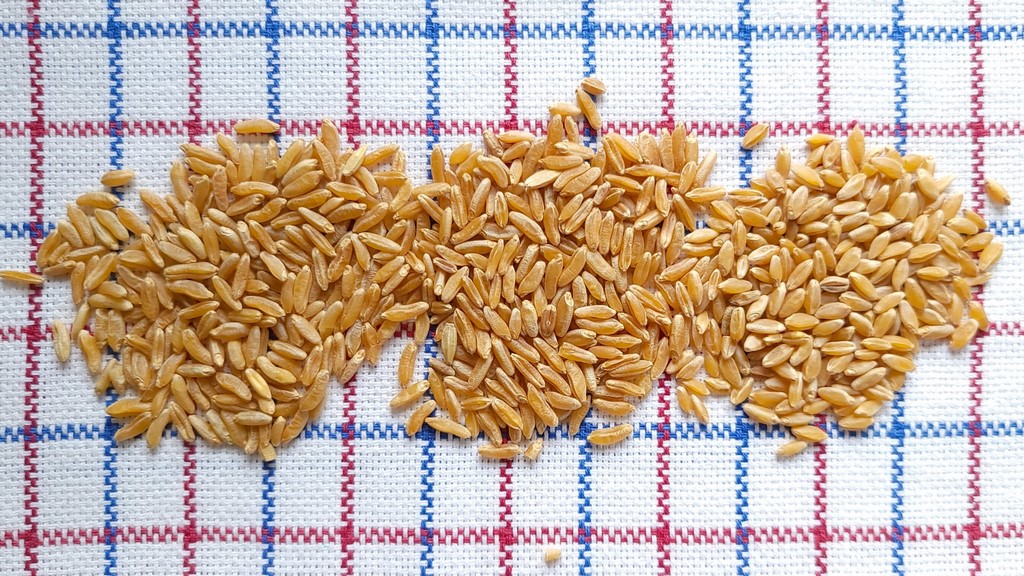
Kamut, Khorasan, and Durum Wheats Comparison
Here we compare Kamut®, khorasan, and durum wheats for taste and performance differences in bread baking. The quick summary is that there seemed to be more terroir difference than species difference in the loaf appearance, and taste testers didn’t have consistent opinions about the flavors of all three breads. Some found durum more buttery, others found khorasan and Kamut more buttery. Same with sweetness.
More -
 February 24, 2024
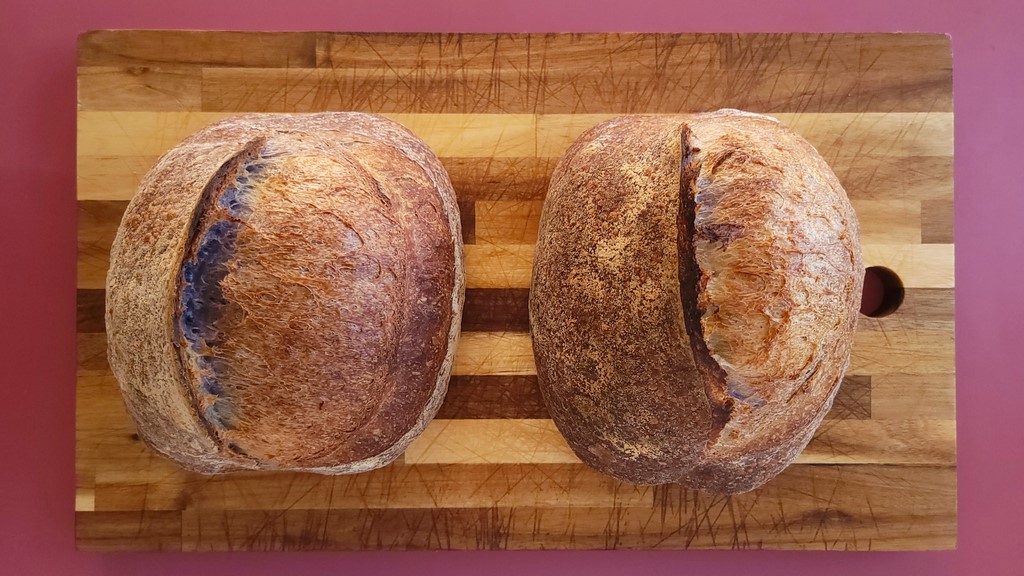
Experiment: Scoring Dough Once versus Twice
We experiment with “double scoring” which is a technique meant to increase the “bloom” (or opening) of the loaf during baking. With this technique you score normally before the dough goes into the oven, and then again 5-7 minutes into the bake.
More -
 February 10, 2024
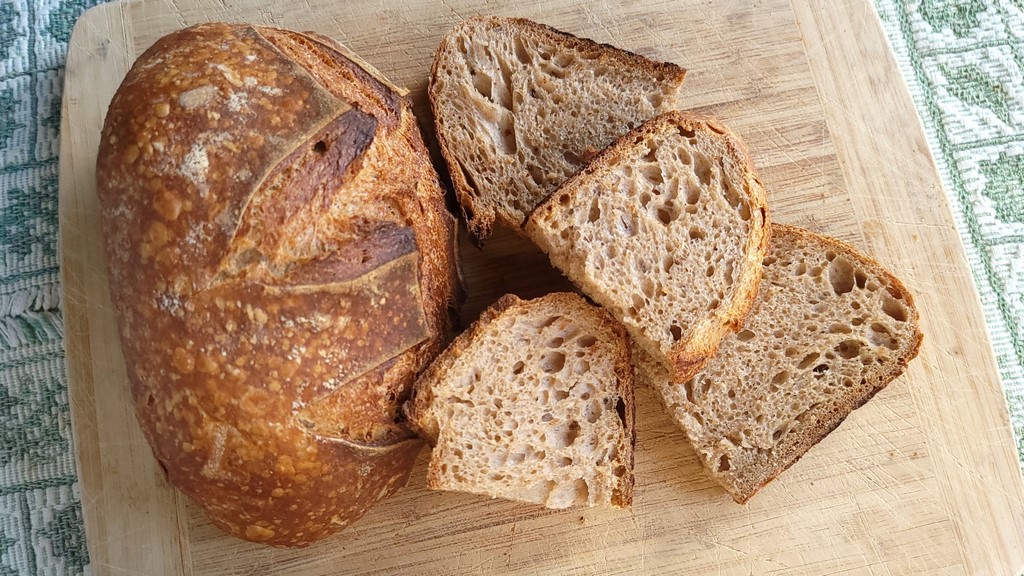
Artisan Bread Baking without Special Equipment
This is a guide to baking bread without special, dedicated equipment, whether you’re a new bread baker who isn’t sure yet if you want to commit to the hobby, or an experienced baker who wants to bake bread in another kitchen–when visiting friends and family or staying in an vacation rental. This article is intended to help you make tasty, attractive bread with tools that are in most any kitchen.
More -
 October 13, 2023
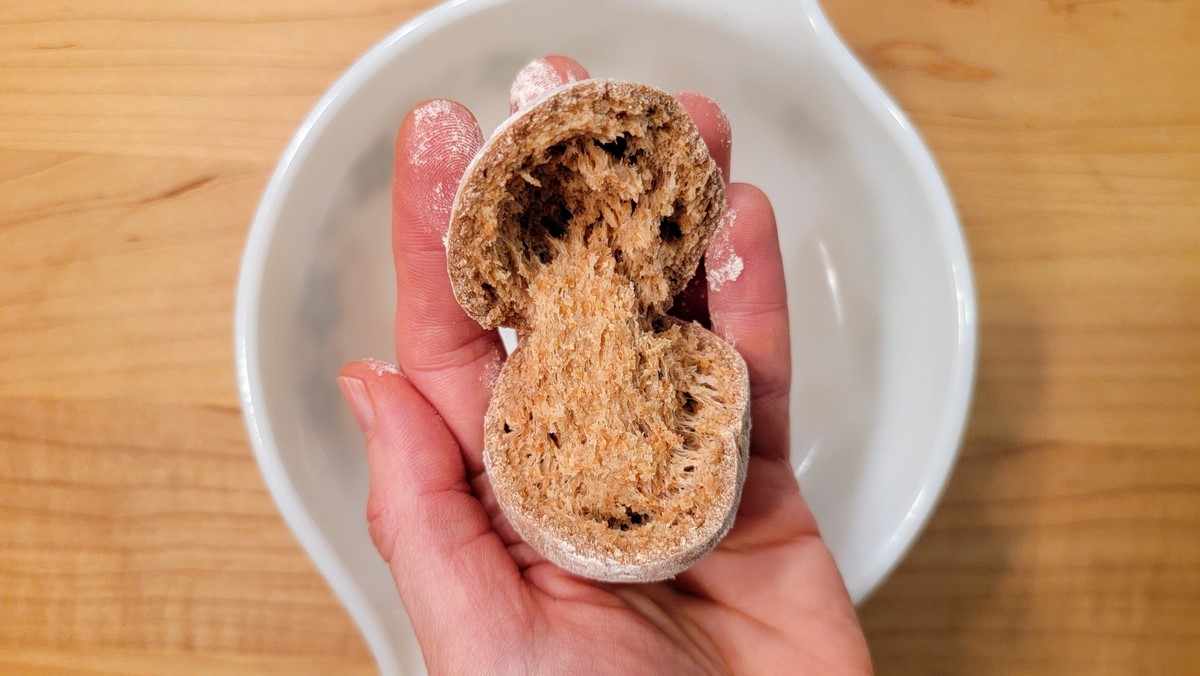
How to Make Desem (Belgian style sourdough starter)
Breadtopia invited Jennifer Lapidus, founder of Carolina Ground flour mill and author of the award-winning book Southern Ground, to share her method for creating desem, a Flemish sourdough starter with a delicious fruity aroma and a distinctive approach for nurturing compared with typical sourdough starter. Give desem a try! Its low-key cold feeding schedule is great for beginners and experts alike — perfect as your only starter or for a second option in your refrigerator.
More -
 October 7, 2023
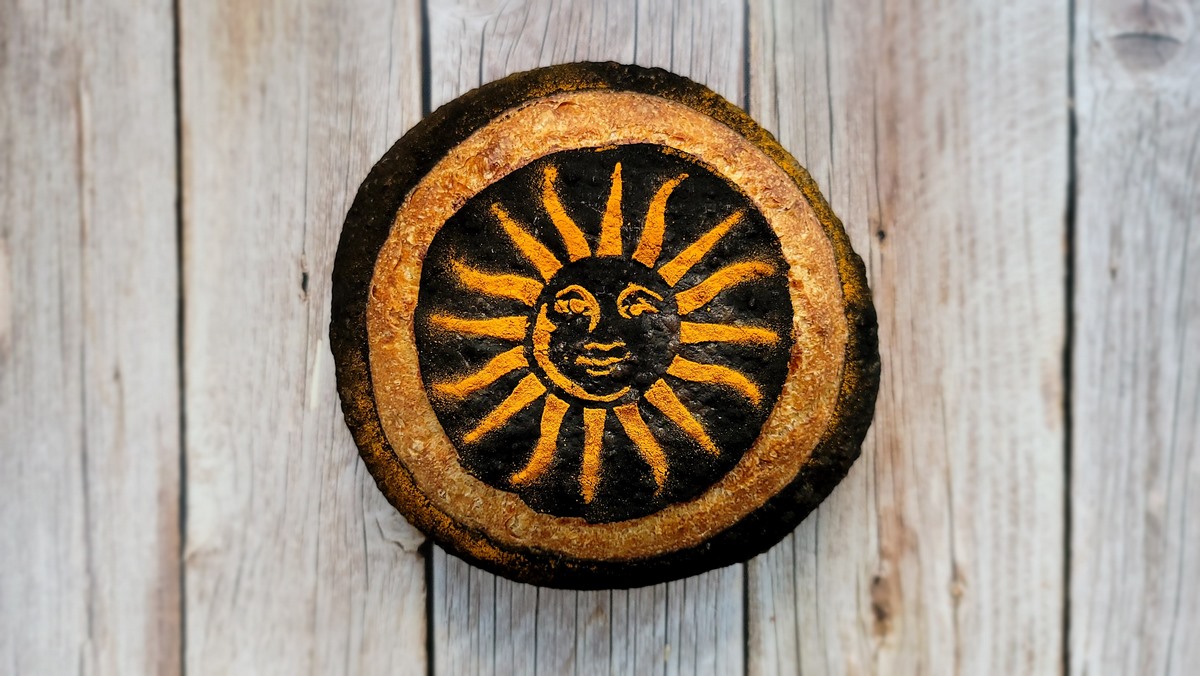
Tips and Tools for Stenciling Bread
Stenciling bread is a fun way to add a decorative finishing touch to your bread masterpieces. In this post we detail various tips, tricks and ingredients you can use to make your stencils come out clearer and with nice color and contrast.
More -
 September 23, 2023
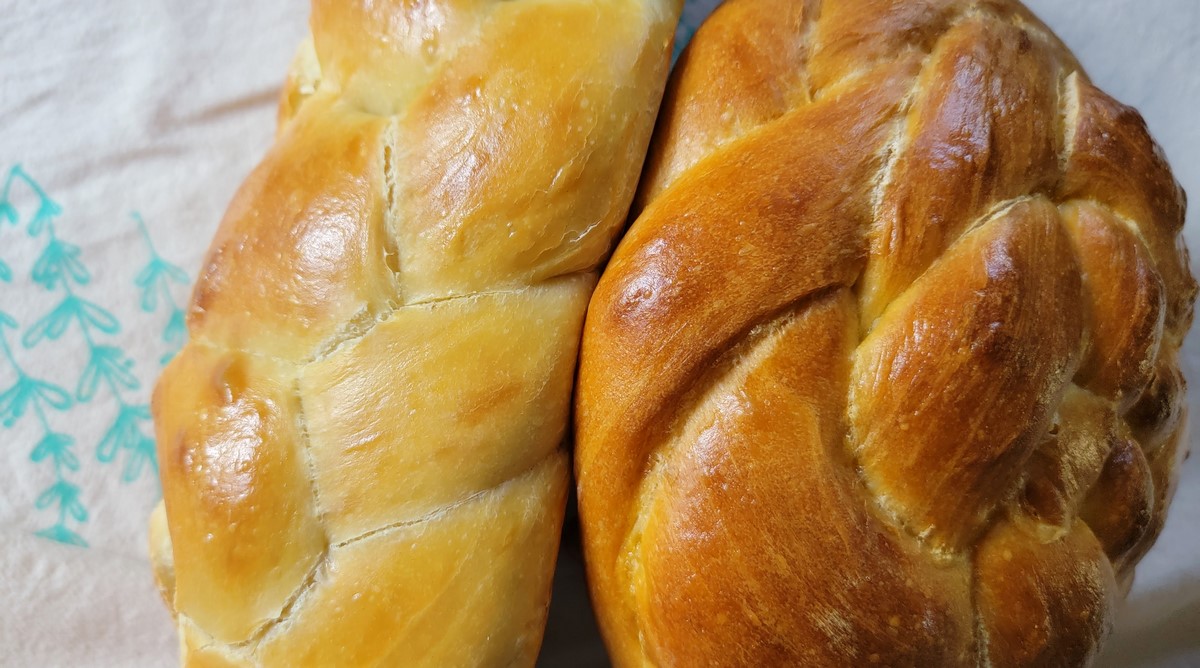
Sourdough Starter and Maillard Reaction in Enriched Doughs
When baking bread that calls for enriched dough (additions like eggs, milk, sugar), sourdough leavening (as opposed to commercial / instant yeast) can often result in a lack of desired crust browning (AKA “the Maillard reaction”) leaving you with a pale bread that looks bland and underbaked. In this post we go over reasons for this and provide a solution in the form of a sweet, stiff levain that gives results much closer to yeast alone.
More -
 August 5, 2023
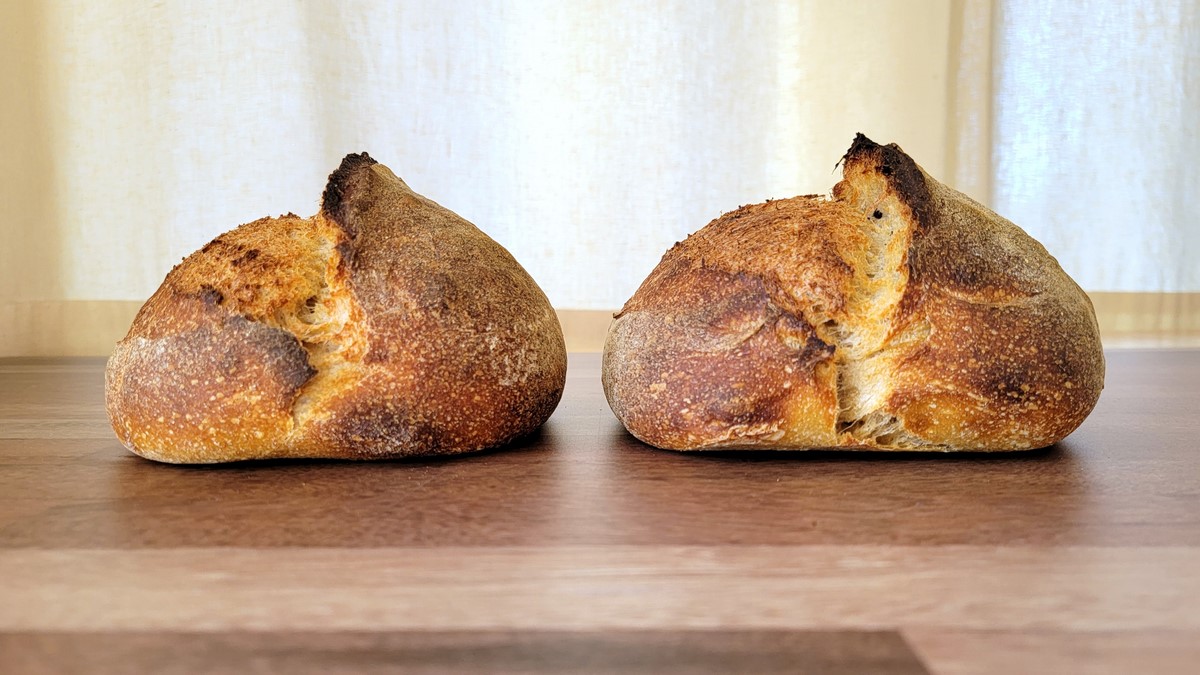
How to get an “ear” on artisan style bread
An ear on bread is when the score or cut is wide open and one side is curled back and deeply toasted on the edge. Ears are neat and actually pretty easy to achieve if you’re using a stronger flour. In this post we explain how an ear is formed and detail multiple techniques for making sure your artisan loaf will not end up hard of hearing.
More -
 July 15, 2023
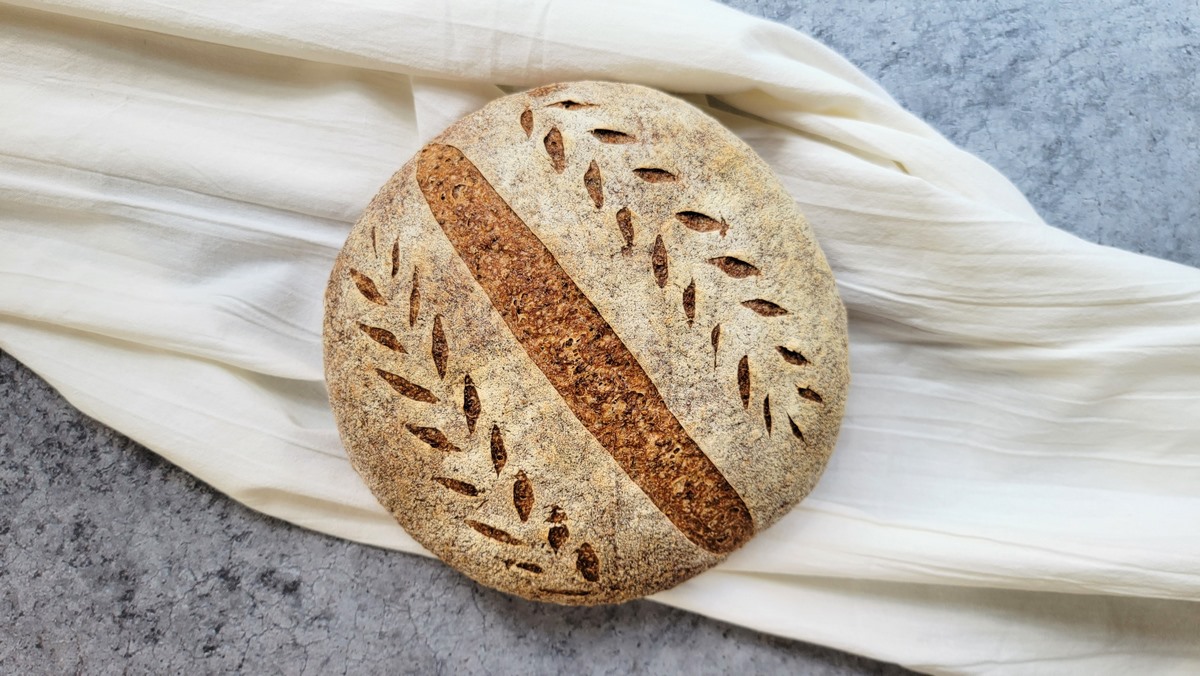
Summer Bread Baking Tips
Summertime heat makes dough rise much faster and that speed can catch you by surprise even if you’re a “seasoned” baker (pun intended). Here are some tips to keep your summertime bread dough from overproofing.
More -
 June 3, 2023
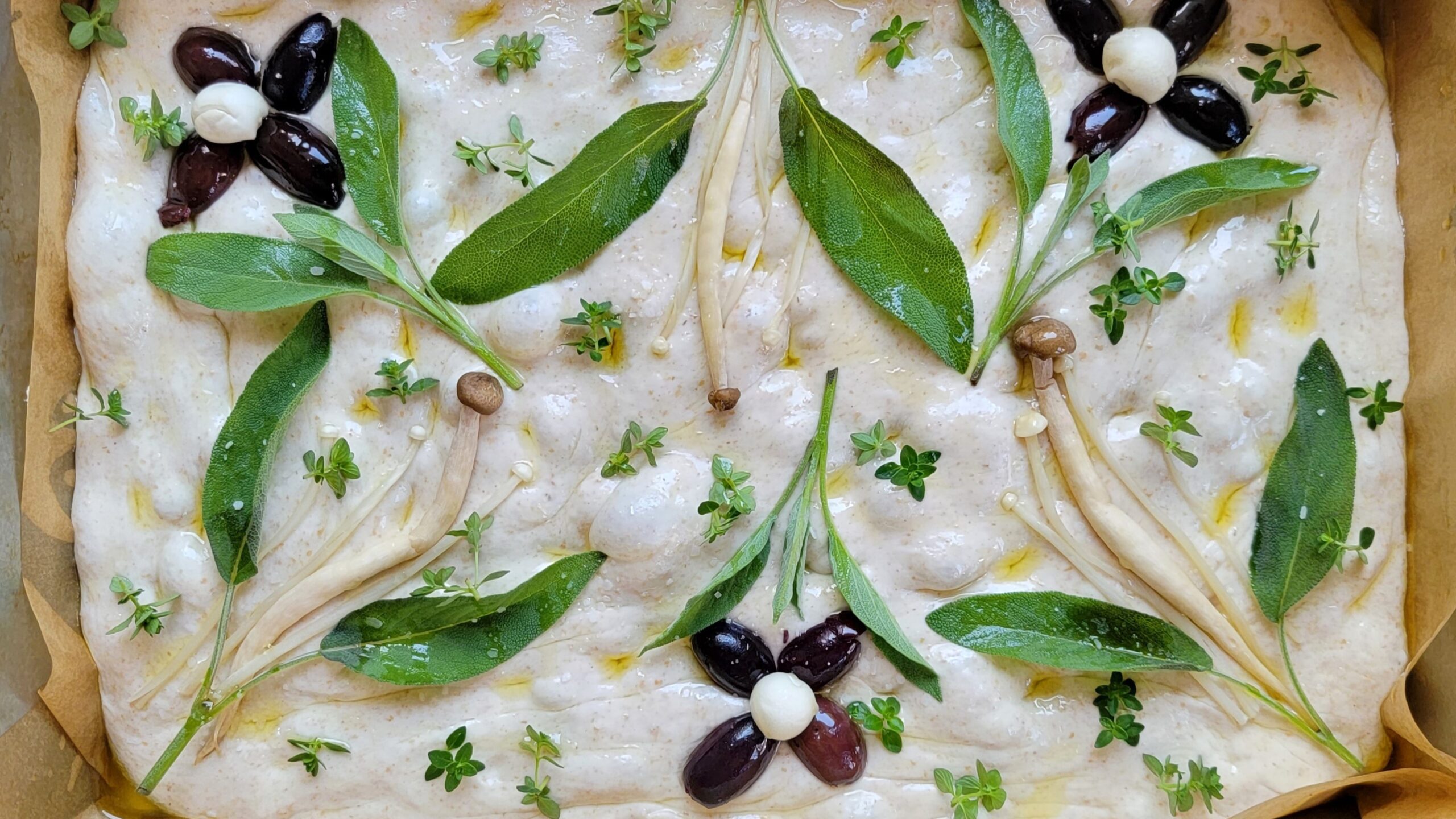
Artistic and Flavorful Focaccia Topping
Focaccia is such a fun bread to make. The fermentation doesn’t have to be precise and the dough shaping is squishy-fun. Moreover, focaccia offers you a canvas for artistic expression with toppings. Sometimes just salt and olive oil are what you want, but other times you can let your imagination run wild and create a beautiful showpiece with flavorful herbs and vegetables baked into the top of the bread.
More -
 March 4, 2023
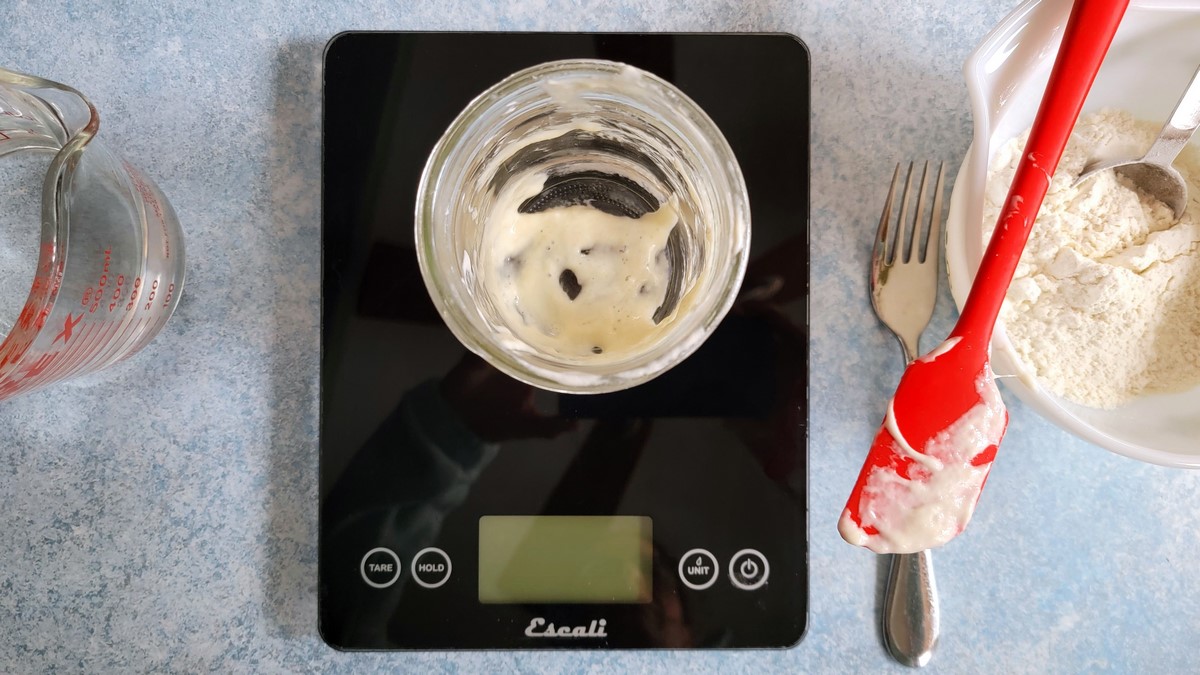
Sourdough Starter Management: A Zero-Discard Method
There are many effective ways to manage your sourdough starter and the best one for you is the one that best fits your particular needs and desires. Here we describe a method of starter management that involves little or no discarding of old starter.
More -
 October 29, 2022
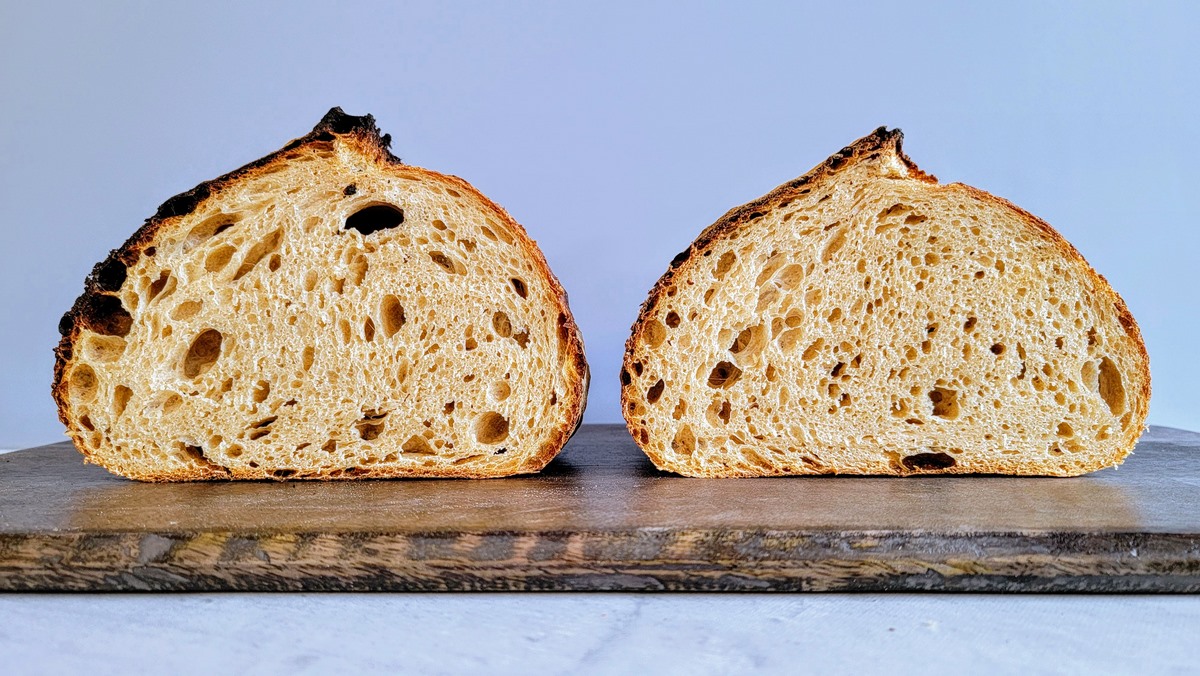
Experiment with Diastatic Barley Malt Powder
Breadtopia’s bread flour has no additives but some bread flours have diastatic barley malt powder added. This increases enzymatic activity in the dough, which can result in faster fermentation, moister crumb, crust with more color, and better oven spring. We did a simple experiment comparing with and without diastatic barley malt powder to assess the difference it makes.
More -
 August 20, 2022
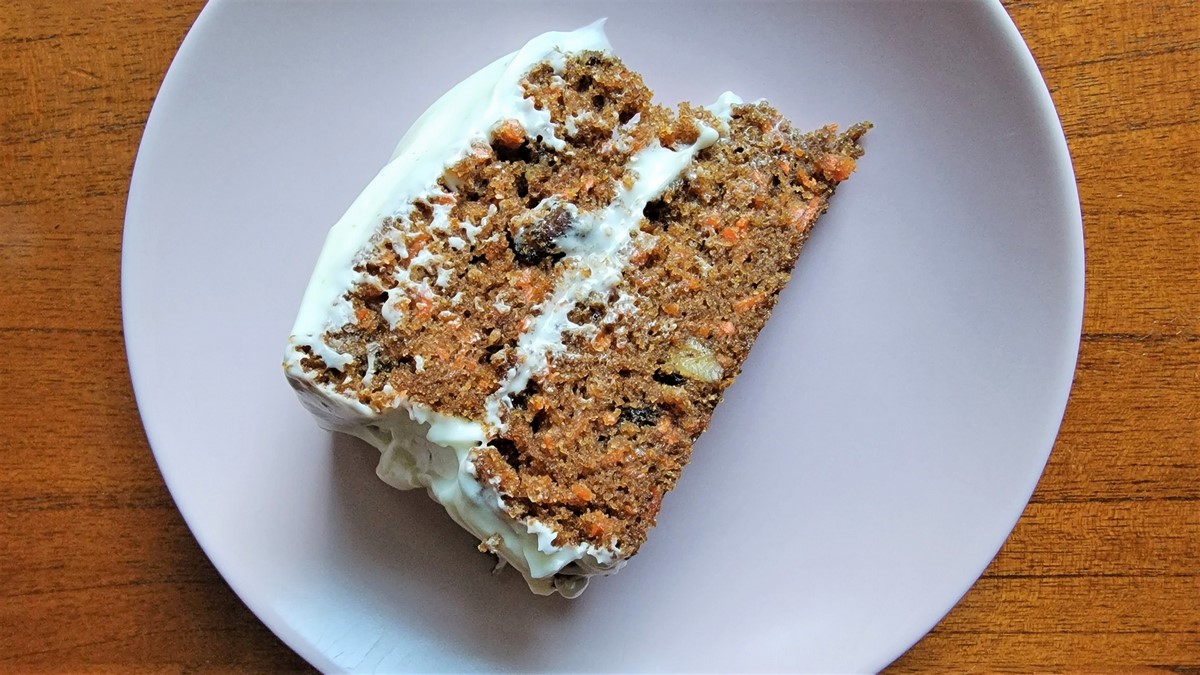
Converting Cake, Cookie, and Pastry Recipes to Whole Grain Flour
A lot of people think baking cookies, cakes, and pastries with whole grain flour requires new recipes and complicated techniques, but this really isn’t the case. You can convert family recipes and pretty much any other recipe simply by paying attention to the thirstiness, gluten strength, and taste profile of different wheats. We describe these considerations in detail here.
More -
 May 29, 2022
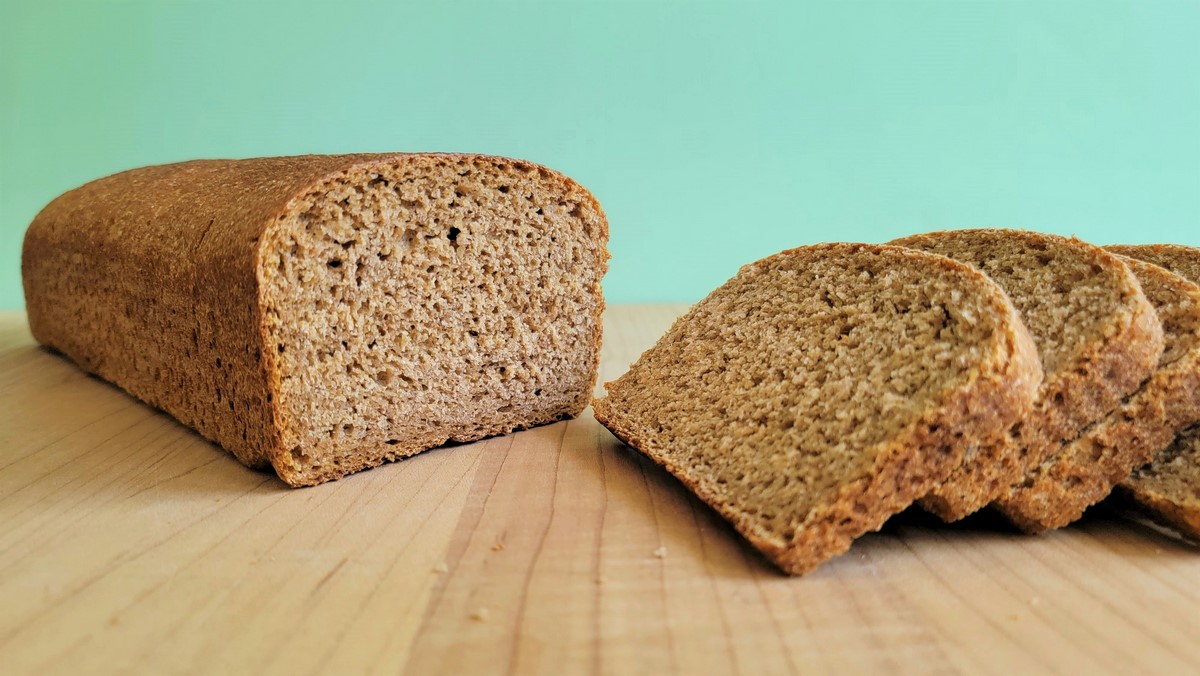
Grain Mash Sourdough Method and Anadama Bread
The mash process is traditional in the bread baking of countries where rye is a dominant grain such as, but not limited to, Russia, Finland, and Germany. Combined with sourdough leavening it brings out complex and delicious flavors in whatever grain or spice additions you choose, and the bread texture is wonderfully soft, moist, and resistant to staling.
More -
 May 22, 2022
Long Term Grain Storage
To be perfectly honest, at Breadtopia, we’re not exactly hands-on experts at long term grain storage. We do store large volumes of many different grains, but because we have a lot of turnover we never have any given shipment of grain sitting in our warehouse for more than a few months. But because we get asked about it all the time, we’ve compiled a page with some resources.
More -
 May 21, 2022
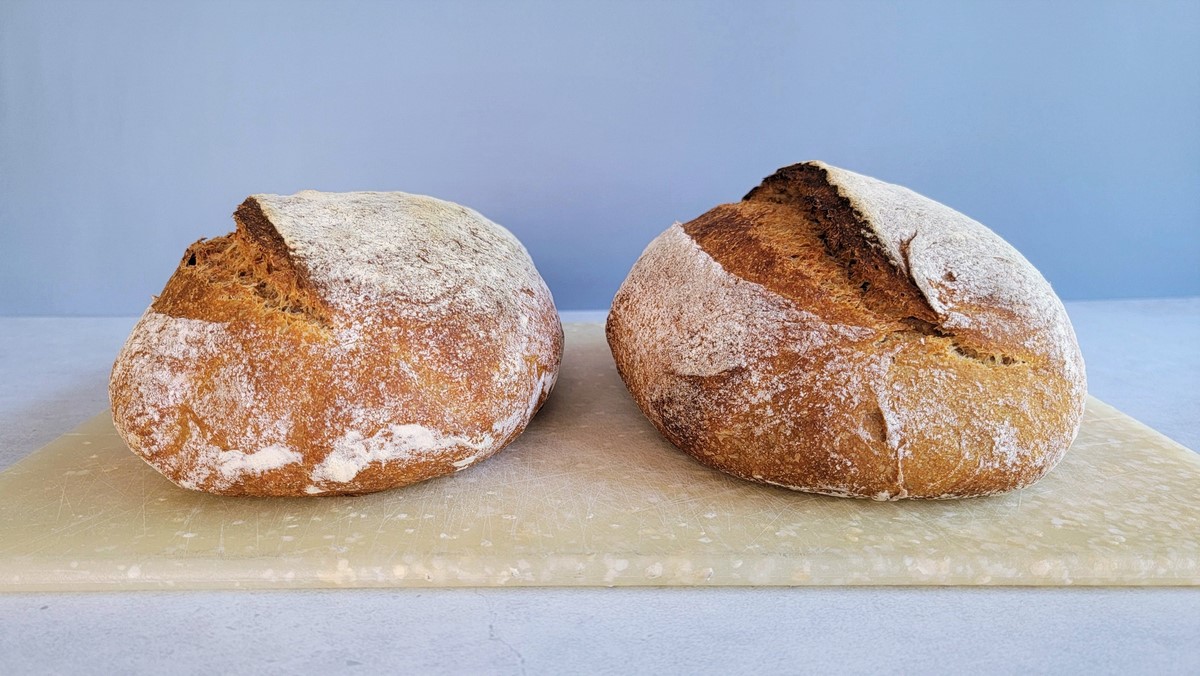
Scalding Experiment with Spelt Sourdough
Scalding is a technique involving cooking a portion of the flour for a bread dough with relatively high hydration at a specific temperature which creates a gelatinized starch which can hold a lot more water than a normal bread dough mix. It also induces chemical reactions that create a sweeter flavor and make the bread more easily digestible.
More -
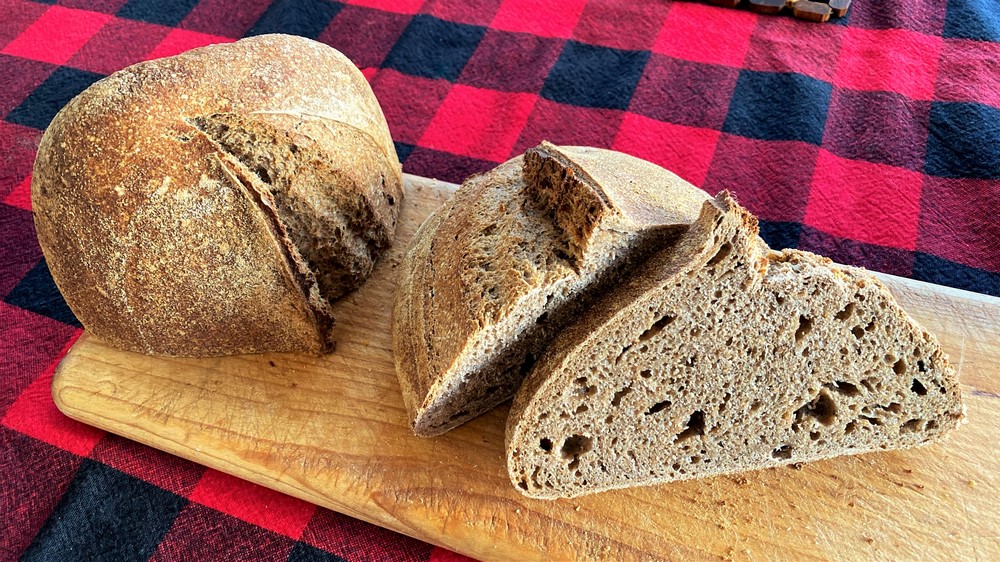 January 22, 2022
Baking Bread with Low Gluten Wheat
Baking bread successfully with lower-gluten, heritage and ancient grains usually requires some adjustments to your process and ingredients. This post details how to achieve an open crumb and good oven spring with these more challenging grains.
More
The Breadtopia Newsletter
Every couple weeks or so, we send out a little roundup of new recipes, techniques, and tutorials that we’ve recently posted on the site. Occasionally we announce exclusive giveaways to newsletter subscribers as well. We won’t spam you with ads or share or sell your email address. Every email we send has a 1-click unsubscribe link if you decide it’s not for you.