


CUM ALEGEM CULOAREA POTRIVITA DE CORECTOR PENTRU A ACOPERI DIVERSE PROBLEME ALE TENULUI ?
* Culoarea alba: Acest corector este utilizat pentru a lumina zonele intunecate
ale pielii, cu toate acestea, se foloseste pentru a masca problemele
pielii foarte deschise la culoare, pentru care oricare nuante de bej ar
fi prea inchise. Poate fi, utilizat deasemenea ca si un iluminator in
corectia formei fetei (crearea ovalului) pentru a sublinia si a scoate
in evidenta o anumita zona.
* Culoarea violet-roza (lavanda):
Aceasta culoare neutralizeaza galbenul si verdele si de aceea se
recomanda in principal pentru toate tipurile de ten cu o nuanta de
galben nesanatos. Deasemenea acest corector acopera perfect vanataile in
curs de tratare sau se mai foloseste pentru a acoperi urmele
operatiilor plastice (mici pete de nuanta galben si verde). Expresia:
“esti palid” se refera la nuanta nesanatoasa de galben a tenului. Cu o
corectie corecta si o pudra speciala putem reda tenului aspectul de
proaspat-sanatos.
* Culoarea violet (mov cu albastru): pentru
petele pigmentate mari, create, de exemplu de un autobranzand aplicat
prost. Ele se curata foarte greu, dar nici pe fata nu-si doreste sa le
vada nimeni – se pot corecta / acoperi cu aceasta nuanta de corector
mov-violet.
* Corector verde: aici lucrurile sunt mai clare, s-a
scris foarte mult despre utilizarea lui si probabil sunt foarte putini
cei care nu stiu ca verdele acopera roseata. Acest corector se foloseste
pentru acoperirea cicatricilor/urmelor de acnee. Deasemenea cu aceasta
nuanta pot fi corectate cicatricile proaspete dupa un bronz agresiv,
capilare sparte. Corectorul verde se foloseste dupa un peeling chimic
sau cu laser, cand tenul capata o nuanta roz-inrosita.
* Corector
de nuata portocaliu/orange (mai mult rosu, decat galben): pentru pielea
palida si obosita. Regleaza nuanta galben-maslinie a tenului. Se
utilizeaza pentru a lumina si a reda tonului natural al fetei –
prospetime si viata.
* Corector portocaliu (cu mai mult galben decat rosu): inlatura cearcanele, venele si petele inchise a tenului
* Corector de culoare galbena: inlatura petele de nuante mov-violet
(vanat) de sub ochi. Aduce un plus de caldura in aspectul tenului.
* Nuanta bej a corectorului: improspateaza si invie nuanta generala a
tenului, acopera problemele ramase a pielii corectand si uniformizand
deasupra ceea ce am corectat inainte, atfel spus – uniformizam toata
etapa corectiei. De exemplu: dupa ce am corectat cearcanele puternice cu
nuanta potrivita, iar peste venim cu bej.
https://www.facebook.com/photo.php?fbid=469092079820604&set=a.449663641763448.107230.159652297431252&type=1
| CARVIEW |
Select Language
HTTP/2 200
content-type: text/html; charset=UTF-8
expires: Tue, 27 Jan 2026 16:15:20 GMT
date: Tue, 27 Jan 2026 16:15:20 GMT
cache-control: private, max-age=0
last-modified: Wed, 06 Nov 2024 03:02:38 GMT
etag: W/"55b88805ee8145f15f90363b84772439ba9cf43e1c302d25863bbe76e4a85f67"
content-encoding: gzip
x-content-type-options: nosniff
x-xss-protection: 1; mode=block
content-length: 22000
server: GSE
alt-svc: h3=":443"; ma=2592000,h3-29=":443"; ma=2592000
Cinnamon Shop
 One of my favorite parts of being a makeup artist is making skin look
flawless. The skin is made up of multiple undertones and tints, and
getting an even base requires the expert help of color correction. By
neutralizing discoloration with a complementary shade instead of heavily
layering on the concealer, the result is a more realistic, even
finish.
One of my favorite parts of being a makeup artist is making skin look
flawless. The skin is made up of multiple undertones and tints, and
getting an even base requires the expert help of color correction. By
neutralizing discoloration with a complementary shade instead of heavily
layering on the concealer, the result is a more realistic, even
finish.
Why don’t concealers always do the trick? Traditional cover-up is usually dense and highly pigmented—layered opaquely to cover or camouflage. This isn’t always optimal, especially in TV or film. The effect can look very different on camera because of the way it absorbs light versus natural skin or foundation, adding excess texture on the surface of the skin.
In cosmetic color theory, two complementary colors (red and green, blue and orange, and purple and yellow) cancel one another out and neutralize when combined. For those with ruddy cheeks, sallow skin, or dark circles, it’s a makeup miracle.

Face primers are the easiest way to try the technique out for
yourself. Smashbox Cosmetics is the godfather of all color-correctors,
and their Photo Finish Color Correcting Primers are legendary for
ridding the skin of discoloration from rosacea, blemishes, or around the
nose where people tend to have more redness showing through. You can
use a thin, sheer, veil of color placed over the discolored area of the
skin to neutralize and then adjust the color to skin tone.
A primer in the orange family is fantastic for getting rid of blue discoloration. I love to carry deep orange correctors for darker skin tones and a Smashbox Primer in Apricot for lighter complexions. For under eye discoloration, visible veins, and bruises, this apricot shade cuts those cool blue undertones—leaving the skin neutralized and ready for base makeup, or even on its own.
If you are dealing with sallow skin that needs a quick pick up, a lavender/lilac type of corrector will brighten and revitalize. Smashbox Cosmetics Photo Finish Color Correcting Primer in Balanced is a brilliant way to lift even the most tired skin. These three shades are available in travel size, too, which is so convenient for the makeup artist on the move.
So remember—creating a flawless canvas isn’t about painting over your imperfections. It’s about using the power of color to create beauty without packing on pigment. Understanding color correction will give you greater power to be a pro and help you make every client look model perfect. A must have for every kit.
Sursa: https://www.beautylish.com/a/vxvwn/pro-picks-color-correction-in-a-tube
I know many people who have used the same makeup style for a
long while, not because it’s the favorite, but because it’s the only one
they know how to do.
Maybe it’s just one shadow applied to whole lid, maybe two shadows mixed together from the middle of the lid, or something similar.
I decided to make this post to give you some ideas of how to use you darker shadows differently!

Makeup is after all just play with lights and shadows, and to use lighter shades to bring certain
spots up more than others, and other points are made darker, so that they look like they’re deeper.
My highlight spots are in the inner corner of the eye, in the middle of the lid, and on the brow bone.

There are countless ways how you can use your shadows, by mixing different colors, different textures,
and glitters, but here’s some ideas were to apply your makeup’s darkest shade:
Inner corner:
You can add darker shadow only to inner corner of your lid, which seems reduce the space between the eyes.

If your eyes are close to each other, this may make them look further away from each other.
I have used this often, even though I don’t think I have close-set eyes, so I think this suits for other eye
types too.

I think this one is great for everyone, it can be easily used in both dramatic looks with bold
colors, and with natural everyday looks with neutral colors. It doesn’t make
eyes look wider or smaller, and I think it suits for all eye types.

Make eye look a bit tilted upwards, which creates a bit mysterious look. Also, if your lids
are bit droopy, this might bring them the “boost” they need.

This is my own favourite.
Darker shadow is applied to outer corner and crease, then blended up towards the brow, where it
meets the highlighter, and blends together with it.
This is also good technique if you have hooded eyes, just extend the shadows so that they show up a bit.

This technique can make your eyes appear wider, and your lid “longer”.

This one isn’t for everyone, it easily makes you look angry, or your eyebrows look too heavy.
But you might want to try it, maybe with lighter colors.

With dark color neatly on the crease you can deepen your crease a lot, make your
eyes look more deeper. If you add some light color to your lid, your lid looks bigger.

Depending on the color your using, this might be the most dramatic of these styles.
Be careful if you use bright colors, especially if you don’t want to draw too much attention to your eyes.

____
Please remember, that everyone has different eye shape, head shape, nose shape, and that all affects one way or the other to the makeup.
So don’t get depressed if some makeup style doesn’t fit you, just move on to the next style. Eventually you’ll find your own!
SURSA
Cinnamon Shop
“Let your food be your medicine and your medicine your food” (Hippocrates, 460-c. 370 BC) 4. Dragostea îndelung rabdă; dragostea este binevoitoare, dragostea nu pizmuieşte, nu se laudă, nu se trufeşte. 5. Dragostea nu se poartă cu necuviinţă, nu caută ale sale, nu se aprinde de mânie, nu gândeşte răul. 6. Nu se bucură de nedreptate, ci se bucură de adevăr. 7. Toate le suferă, toate le crede, toate le nădăjduieşte, toate le rabdă. 8. Dragostea nu cade niciodată. (Corinteni 1 cap 13)
sâmbătă, 26 ianuarie 2013


marți, 22 ianuarie 2013
Color-Correction in a Tube
Pro Picks: Color-Correction in a Tube
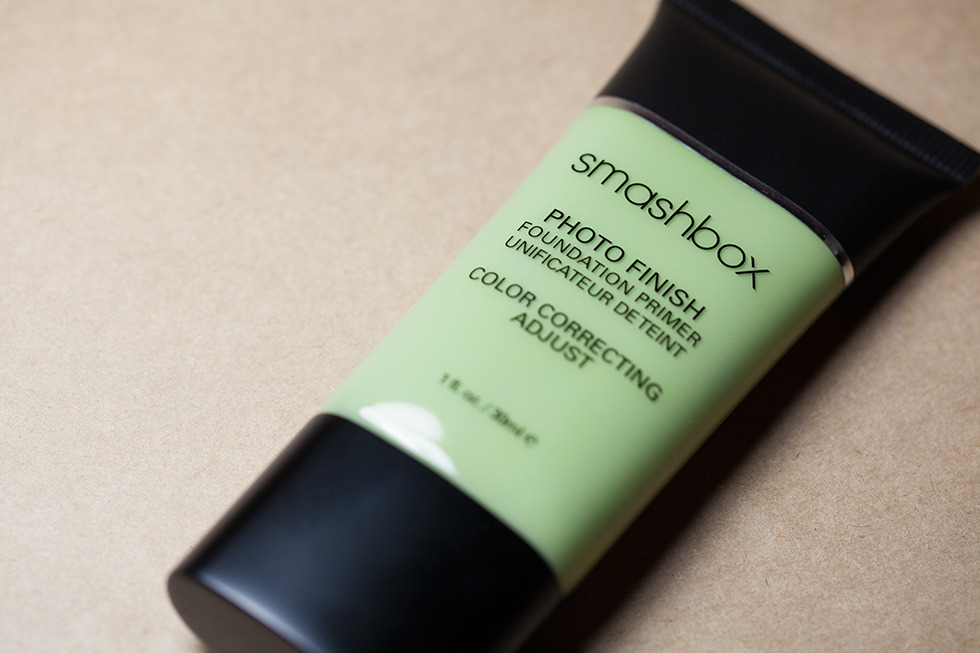
Why don’t concealers always do the trick? Traditional cover-up is usually dense and highly pigmented—layered opaquely to cover or camouflage. This isn’t always optimal, especially in TV or film. The effect can look very different on camera because of the way it absorbs light versus natural skin or foundation, adding excess texture on the surface of the skin.
In cosmetic color theory, two complementary colors (red and green, blue and orange, and purple and yellow) cancel one another out and neutralize when combined. For those with ruddy cheeks, sallow skin, or dark circles, it’s a makeup miracle.
A primer in the orange family is fantastic for getting rid of blue discoloration. I love to carry deep orange correctors for darker skin tones and a Smashbox Primer in Apricot for lighter complexions. For under eye discoloration, visible veins, and bruises, this apricot shade cuts those cool blue undertones—leaving the skin neutralized and ready for base makeup, or even on its own.
If you are dealing with sallow skin that needs a quick pick up, a lavender/lilac type of corrector will brighten and revitalize. Smashbox Cosmetics Photo Finish Color Correcting Primer in Balanced is a brilliant way to lift even the most tired skin. These three shades are available in travel size, too, which is so convenient for the makeup artist on the move.
So remember—creating a flawless canvas isn’t about painting over your imperfections. It’s about using the power of color to create beauty without packing on pigment. Understanding color correction will give you greater power to be a pro and help you make every client look model perfect. A must have for every kit.
Sursa: https://www.beautylish.com/a/vxvwn/pro-picks-color-correction-in-a-tube
joi, 10 ianuarie 2013
joi, 20 septembrie 2012



vineri, 7 septembrie 2012
10 Shapes for Your Eyeshadow - Sfaturi pentru aplicarea fardului
Maybe it’s just one shadow applied to whole lid, maybe two shadows mixed together from the middle of the lid, or something similar.
I decided to make this post to give you some ideas of how to use you darker shadows differently!
Highlights:

Makeup is after all just play with lights and shadows, and to use lighter shades to bring certain
spots up more than others, and other points are made darker, so that they look like they’re deeper.
My highlight spots are in the inner corner of the eye, in the middle of the lid, and on the brow bone.
Different eyeshadow shapes:
There are countless ways how you can use your shadows, by mixing different colors, different textures,
and glitters, but here’s some ideas were to apply your makeup’s darkest shade:
Inner corner:

You can add darker shadow only to inner corner of your lid, which seems reduce the space between the eyes.

Outer corner:

I have used this often, even though I don’t think I have close-set eyes, so I think this suits for other eye
types too.

Both corners:

colors, and with natural everyday looks with neutral colors. It doesn’t make
eyes look wider or smaller, and I think it suits for all eye types.

Outer corner, “catshape”:

are bit droopy, this might bring them the “boost” they need.

Outer corner & crease, blended upwards:

Darker shadow is applied to outer corner and crease, then blended up towards the brow, where it
meets the highlighter, and blends together with it.
This is also good technique if you have hooded eyes, just extend the shadows so that they show up a bit.

Banana:


Whole inner part:

But you might want to try it, maybe with lighter colors.

Just crease:

eyes look more deeper. If you add some light color to your lid, your lid looks bigger.

Whole lid:

Be careful if you use bright colors, especially if you don’t want to draw too much attention to your eyes.

____
Please remember, that everyone has different eye shape, head shape, nose shape, and that all affects one way or the other to the makeup.
So don’t get depressed if some makeup style doesn’t fit you, just move on to the next style. Eventually you’ll find your own!
SURSA
Abonați-vă la:
Comentarii (Atom)