The Municipality of Amsterdam has stated its climate goals clearly: fully circular by 2050. But what will it take and where do we stand? How can we even define circularity? A maze of challenges and promising ways out.
Read the full blog where it was originally posted:
In my opinion, one of the facets of climate change that is least advertised about is the potential impact of increasing temperatures on our global weather patterns, understandably as it is still a contested topic within the scientific community. What is underregarded when considering the effects of climate change is the massive impacts the changes in these global weather patterns could have. One of the aims of this blog post is to highlight that there is still much we don’t know about the climate and the relations between its different features/aspects Many aspects of our climate are interconnected in ways we don’t yet realize or fully understand (SRM *cough cough*) and it would be wiser to take a step back and try to understand the picture from a different perspective before making a rash decision (*cough*).
For instance, a study conducted by the National Oceanic and Atmospheric Administration (NOAA) revealed that reducing particulate matter pollution in Europe and North America led to an increased number of tropical cyclones in the North Atlantic basin and the opposite occurrence in the Southern Hemisphere. Moreover, growth of particulate pollution in Asia led to fewer tropical cyclones in the western North Pacific basin. Please look here if you would like to learn more.
Occurrences such as these need to be carefully examined before decision-making processes are initiated. Moreover, there are instances where the gravity of climate change is underestimated due to the lack of consideration of the ripple effects caused by climate change. For example, it is projected that assuming a warming scenario of “business as usual” (RCP 8.5 from the IPCC’s 5th Assessment report), the ice loss from the Arctic and Antarctic would lead to an increase in temperature of 1.5 °C in the upper tropics on its own. This is due to the ice sheets having a global cooling effect, due to phenomena such as ice reflectivity of solar radiation (albedo) which would now be reduced. This would account for 20% of the expected changes in tropical warming. (England et al, 2020)
Global warming effects on ENSO
One of the weather patterns or phenomena that climate change would affect to cause the greatest repercussions is the El Nino Southern Oscillation (ENSO). This refers to two regular weather patterns occurring in the tropical Pacific Ocean, El Nino and La Nina. Normal conditions, when neither of these are happening, are when the wind blows (and thus warm water moves) from East to West, during El Nino these winds slow down or stop and during La Nina these winds get stronger.
Credits for picture: Welt Hunger Hilfe (WHH)
El Nino causes sea surface temperatures to rise and become homogeneous across the Pacific Ocean. El Nino’s effects are mostly felt in Australia and Southeast Asia as well as South America, but it has global implications. Australia and Southeast Asia tend to have warmer and drier conditions due to El Nino, increasing the risks of droughts, wildfires and heatwaves. However, in western South America, heavy rainfall occurs, increasing the risk of floods. On the other hand, La Nina typically has a cooling impact and has the opposite effect; increased rainfall in Australia and droughts in South America.
Interestingly, these two weather phenomena occurred recently, El Nino in 2023 and La Niña in 2022. It is currently unknown how climate change is affecting the ENSO but the La Nina phenomenon, which normally has a cooling effect, that occurred in 2022 was actually the 5th warmest year recorded. This hints at global warming’s significant impact on this weather pattern. However, it is known that as temperatures increase, warmer air can take up more moisture, approximately holding 7% more water vapor for every 1 °C increase, leading to more local rainfalls. Thus increasing temperatures caused by climate change could increase the the flood risks in South America caused by El Nino and in Australia by La Nina (Niranjan) (Grantham Institute). There are also certain impacts that have already been seen to be amplified: coral bleaching and increasing tropical Pacific storm activity. Moreover, the extreme rainfall patterns are expected to shift further from the Pacific (Kiest).
Lastly, another massive impact that global warming will have on weather patterns is how it will affect thermohaline circulation in the oceans worldwide. The Gulf Stream, a small part of this global conveyor belt of currents is a prime example of how this could occur. In this case, due to the Arctic and Antarctic ice sheets melting, a humongous amount of cold fresh water will mix into the oceans causing the Gulf Stream to possibly slow down or even stop (Turner). This would cause the increased vulnerability of ecosystems which will not be able to adapt to an environment that is changing ever so quickly.
I hope that through this small discussion, I was able to highlight that research should be conducted, especially in this crucial period and the decades, coming to attempt to predict and understand how our climate will be affected in the near future. At least to give some time to adapt…
References
England, M. R., Polvani, L. M., Sun, L., & Deser, C. (2020). Tropical climate responses to projected Arctic and Antarctic sea-ice loss. Nature Geoscience, 13(4), 275–281. https://doi.org/10.1038/s41561-020-0546-9
Climate Change and CO2 Emissions: The Urgent Need for Renewable Energy
Climate change is undeniably one of the biggest problems of our generation. Since the 1900s, average global temperatures have already climbed by about 1°C. If that doesn’t sound alarming, consider this: projections suggest an increase of another 2.6°C to 4.8°C within this century alone. A major culprit? CO2 emissions, largely from our global energy system. To sustain our quality of life and protect our planet’s health, it’s clear we need to embrace renewable energy sources.
Fossil Fuels and their Renewable Counterparts
While renewable energy is getting more attention than ever, our energy system is still heavily dominated by fossil fuels. Why? A big reason is the mismatch between when renewable energy is available and when we actually need it. Think about it—solar and wind energy are great, but they don’t always line up with our energy demands. Sometimes, we end up with excess energy that we just can’t use and end up wasting, and during times of low wind or insufficient sunlight, we still lean on fossil fuels and nuclear energy to fill the gaps.
But here’s a thought: What if we could store this renewable energy? If we had a way to save it up, we could use it exactly when needed, smoothing out those peaks and troughs in demand. This could significantly reduce our dependence on fossil fuels. By investing in effective and eco-friendly energy storage solutions, we could make real strides towards a sustainable transition into the future.
Hydrogen vs. Battery Storage: Picking the Right Tool for the Job
Let’s talk about how we store our energy—a critical piece of the puzzle when it comes to using renewable sources. The main contenders? Hydrogen and batteries. Hydrogen is definitely making headlines and building momentum, but it’s not quite the bulletproof solution that it’s sometimes made out to be. Take electric cars, for instance. A hydrogen vehicle uses about 29 kilowatt hours to travel 100 kilometres, whereas an electric car only uses around 14. Converting renewable electricity to hydrogen and then back to electricity for running a car isn’t very efficient. On the other hand, storing energy directly in batteries tends to keep things simpler and can be much more effective. That’s why, in many cases, going straight for battery power and keeping things electrified makes more sense.
The Hydrogen ladder, highlighting how our energy should be distributed (Credit: Michael Liebreich)
The Problem with Lithium
Currently we are using lithium batteries which consist of 97% of the grid energy storage market. Yet they come with significant drawbacks, they are not particularly economic, environmentally friendly or safe. Lithium batteries are quite expensive, and pose many safety hazards, they are very flammable and potentially explosive (Fun Fact: they are the reason why cars can explode). This dangerous element of lithium makes it very difficult to dispose, requiring extra special care to be taken, else they could seriously damage the environment through leakage. Moreover, lithium is a critical metal that requires extensive mining to acquire, with some mines reaching as deep as 1,200 metres! This not only harms the local environment but also contributes to global emissions through the heavy machinery used. Not to mention the geopolitical tensions surrounding lithium, with many of the Global South countries being exploited by the Global North.
The world’s largest lithium mine in Western Australia. (Credit: Alamy)
Sodium! Our Saviour?
Could sodium be the saviour we’ve been waiting for in the battery world? It’s very abundant, it’s very cheap (its in salt!), and it’s also non-toxic compared to lithium, making it a much more appealing and recyclable alternative. Sadly, rechargeable sodium ion batteries do currently have a lower energy density, performance and lifetime compared to lithium-ion batteries. So purely from an energy standpoint, as a battery they are worse than lithium, which explains why lithium has dominated the battery market for so long. Though I think the dangers outweigh the benefits, and many seem to agree, as sodium is experiencing a lot of attention and research in the recent years. Companies like Altris are beginning to mass produce these batteries (which are almost as good as lithium batteries!), while researchers are simultaneously aiming to perfect these batteries and their electrolytes.
A battery contains an Electrolyte, which is a chemical mixture of liquid containing free ions. The movement of these ions are what give the battery the ability to store and deliver energy through chemical reactions. Currently the main hurdle lies in the electrolytes used in these batteries. Sodium ion batteries can be fire hazards due to leakage issues, with their electrolytes often containing toxic and highly reactive substances (such as oxidants and fluorinated compounds). Researchers are hard at work looking into alternatives, aiming to create fluorine-free sodium salt electrolytes.
The current leading company in the Sodium-ion battery market. (Credit: Altris)
Conclusion: Towards a More Sustainable Future
Our journey towards sustainability is fraught with challenges, particularly in how we store and utilize energy. While lithium has been the go-to solution for energy storage, its social, environmental and safety complications highlight the need for better alternatives like sodium-ion batteries.
Sodium offers us a glimpse into a potentially greener and safer future in energy storage. Although it currently falls short in performance compared to lithium, it’s only a matter time before ongoing research and technological advancements soon close this gap. If we invest in improving these alternatives, we can reduce our reliance on fossil fuels and mitigate the environmental impacts associated with energy storage.
In the end, our goal is clear: to create an energy system that supports our lifestyle without compromising the health of our planet. Every step we take towards innovative solutions like sodium battery technology moves us closer to this goal, paving the way for a sustainable, efficient, and secure future.
Climate change has impacted all parts of the world, leading to political conflicts, extinction of species, natural hazards, and more. While the effects of climate change on human life are often easy to observe, its impact on nature and the balance of ecosystems can be profound and complex. Nature is resilient, but many signs indicate climate change has significantly altered ecological dynamics.
In our latest podcast episode, I interviewed an ecologist to explore the question: How has climate change changed ecology? We discuss his personal experiences with climate change, the global and local consequences, and his views on the best solutions moving forward.
Unfortunately, due to changes with this platform, the podcast cannot be shared here directly. To learn more about “How Climate Changed… Ecology,” please visit the discussion page of the ECS on Canvas and listen to the podcast.
When Greta Thunberg decided to sit in front of the Swedish Parliament in Stockholm in 2018 to pressure her government to meet the Paris Agreement, who could have imagined that it would lead to one of the largest series of school strikes across the globe, later known as Fridays For Future, mobilizing millions of young citizens to demand actions from political leaders and from the fossil fuel industry? Surely not me, and this is exactly the power of activism.
Activism and the environment
What is activism? Activism refers to the various processes used to bring about political or social change and act towards a perceived greater good. Activists have many methods to achieve their goals, conducting violent or non-violent actions ranging from riots, protests, meetings, sit-ins, boycotts, … If until the last century, activism addressed human rights or environmental concerns separately, in the 21st century, with an increasing number of environmental disaster unequally affecting the world’s inhabitants, the intersection between human rights and environmentalism has gained importance, leading to the development of the climate justice movement.
The climate justice movement: a new dimension of environmental activism
What is climate justice? How is this new intersectional dimension strengthening the fight for climate change mitigation? What are the roles and goals of climate justice activists? Let’s delve into these questions with the help of Maya Ozbayoglu, a Polish climate justice activist studying at AUC.
“Acknowledging that the climate crisis is happening within a more complex world and not just focusing on climate per se”. Climate justice acknowledges the disproportionate impacts of climate change on the people and places least responsible for the problem, seeking to address the unequal distribution of environmental burdens and benefits. In other words, to achieve climate justice means that in the case of a crash landing, everyone has equitable tools for its survival[1].
Climate justice activism has many strengths coming from the stakeholders involved and the forms it takes, but what are these?
“I don’t think it’s the youth movement that started it, but I think it made it more mainstream”. Firstly, a common (mis-)conception around this movement is that it is youth-led. Youth are driven by their anger originating from mis-information and mis-communication around the environmental crisis, and a long history of political promises that never brought any concrete or significant changes to the climate crisis. When Maya became co-founder of the local climate movement in her hometown back in Poland in 2019, what shocked and motivated her initially was that “while there is this major kind of emergency happening, we are not being taught about at school. I had no idea about like the CO2 emissions and stuff”. Recognizing that current policies often perpetuate injustice, youth activists fight to provide a better future for everyone. Global marches and strikes showed their power to mobilize millions of people around the world: in 185 countries, more than 7.5 million people have attended Fridays For Future marches[2], screaming their rallying cry – “there is no planet B”.
Certainly, youth and street protests play an important role, but as our discussion went on, many other characteristics of climate justice activism emerged, explaining the growing influence of this movement.
“I went to the protest because I really felt the power of the people and I felt I could engage with them”. Firstly, it is unimaginable to take on this enormous burden of saving the world without allies and resources: this youth-led activism is not a unilateral and universal movement, but rather a joint effort coming from large and small communities worldwide that unite in many decentralized movements. Going back to Fridays For Future, it became an international movement with branches that conduct all types of actions (from strikes, to protests, demonstrations, public talks …) in all five continents[3]. Among the most influential groups, we can mention the NGO Greenpeace, which deals with the socio-environmental cost of climate change from the oceans, the global civil movement Extinction Rebellion, as well as Indigenous Climate Action, an Indigenous-led organization that puts forward indigenous knowledge and rights to develop solutions for the climate crisis[4] … The support also comes from groups of science experts who work hand-in-hand with activists, increasing their credibility and audience.
“If you are only addressing climate, you are not really acknowledging that it is way more complex: you need to find some middle ground to connect the dots”. Secondly, climate justice is interconnected with other social justice movements: activists are concerned with broader issues than just what affects them directly. For instance, the fight against environmental racism (which gave the initial push for the emergence of climate justice) intersects with struggles for racial justice and economic equality. While Indigenous and Black activists are motivated to improve the situation for their communities most impacted by environmental destruction, activists from the Global North support their struggle, fighting against the underlying systemic oppression. By building alliances across diverse communities and movements, activists can leverage collective power to challenge ingrained systems of injustice and build a more equitable society.
“Without a government that wants to at least talk to us, we won’t be able to have any sort of climate policies”. Thirdly, climate justice activism is not confined to the streets; it extends into boardrooms, courtrooms, and legislative chambers. From fossil fuel divestment campaigns to lawsuits holding governments and corporations accountable for environmental destruction, and grassroots movements proposing local solutions, activists are employing a variety of tactics to challenge the status quo. Maya pointed out the country-specific aspect of the strategies used: in a country such as Poland, where the executive and legislative powers exercise a strong influence, political lobbying is more efficient … as proof, she sued the previous Polish government for climate inaction. And she is not alone: the total number of climate change cases worldwide has more than doubled, going from 884 in 2017 to 2,180 in 2022[5].
Conclusion
“At the end of the day I still need to eat something; it’s the ideal we have vs. reality”. The space of climate justice activism is an ever-growing one, and I hope that some of the features contributing to its influence have become clearer. But it is a very technical space, where a lot of personal commitment is needed from every activist who spends many hours collecting information and educating themselves on the matters they are defending to be able to confront public figures. They receive many criticisms, face many obstacles, and often end up developing the feeling like they are fighting for justice in a system not made for it, leading to burnout.
But, to end on a positive note and hopefully motivate some of you to join this fight, “even if we are still a small minority on the big scale, the people I met are awesome, so I gain hope”.
Last summer I went on a month-long trip to Namibia, an incredible country in Southern Africa. One morning we woke up very early to climb the dunes of the Namib Desert. It was a tough workout, but I will never forget the moment we got to the top. Everywhere around us were dunes, as far as the eye could see, together creating something best to be described as an ocean of sand. I remember feeling euphoric but tiny, like a grain of sand in that vast desert landscape, but in a good and comforting way. This sensation is one I have only really experienced whilst travelling, when on top of a high mountain, or watching the sun set into the ocean. But why not strive for this feeling every day?
Earthfulness
Someone who knows more about the connection between people and nature is Arjan Berkhuysen, currently working as an independent in nature conservation. One of his remarkable projects is the Fish Migration River, a project on the Afsluitdijk that allows fish to freely cross between the salty Wadden Sea and the freshwater Ijsselmeer. Currently, Arjan is seeking new ways to allow people living in Western societies to reconnect with nature, following his concept of ‘Earthfulness’. Comparable to mindfulness, which seeks the balance between body and mind, Earthfulness takes this idea a step further by adding a third element: Earth.
Practice
Living in a city can make it easy to lose one’s ties with nature, which is why Arjan and his family moved from Utrecht to the Dutch island of Terschelling in 2011. “When I lived in the city, I sometimes didn’t even know whether it was summer or winter, sunny or rainy. That really bothered me.” Luckily for us students living in the city, there are also ways to rekindle our personal relationships with nature – and that is part of what Earthfulness stands for. Together with the Radboud University, Arjan is researching ways for people to reconnect with nature, to feel part of a bigger whole. Although the study is still ongoing, participants have confirmed that doing daily exercises have helped them achieve this state of mind. Examples include going outside, even for a few minutes, and just taking in the environment around you. Maybe visit the tree right outside your house and try to observe it without getting distracted by other thoughts or interruptions. Or go for a walk and try to actively pay attention to anything natural (whether that is a bird, a tree, or a leaf in the wind). If you do this every day, you will be able to get out of your head, to connect with your surroundings. Another exercise is one that Arjan likes to do when he is back in the city and feels disconnected, the 5-4-3-2-1 activity: try to see five natural things, hear four natural things, feel three, smell two, and taste one (although he admits that the last might not be the best idea in a city). These exercises will make you more aware of the nature that is around you and allow you to see a natural world within all the buildings.
Grief
Besides the fact that feeling connected with our planet feels good and ‘natural’, it can also help us work through complex and heavy emotions. Arjan tells about the tragic passing of his sixteen-year-old son a few years ago. After the terrible incident, Arjan and his wife felt an urgent need to go for walks outside.
“When you’re walking you can get out of your head, there is room to see other things in life besides the all-encompassing grief. It gives you space to breathe again. It allows you to see that everything in nature is subject to change. Everything is temporary, whether that is us humans, a tree, an island, or a mountain. That’s how it works on Earth. If you’re lucky you get to experience life for 80, or even 100 years. If you’re not, you might only get 16 years, but everyone and everything is temporary. That realisation helped me.”
To help others navigate through experiences like these, Arjan and his wife are designing the Walk of Grief on Terschelling, a five-day pilgrimage created to reconnect with nature, feeling part of a bigger whole, and making room for grief and love.
Responsibility
Recognising our relations with nature can help us in so many ways, but the realisation of the fact that we are part of a bigger whole might also help us recognise the responsibility we bear. We are part of a bigger system. Just as you don’t throw garbage around in your room, so should you not when you’re outside. It’s come to a point where us humans will only be able to survive if we can see that we are part of a bigger whole. We are all part of system Earth, and it’s nonsense to think that we stand outside (or even above) that.
I expressed a concern of mine to Arjan: “I see many people around me wanting to do more for our planet, but feeling like their actions are insignificant compared to the big polluters. He said that if you believe that you are part of nature, it should not matter what others do. It’s just wrong to treat our planet like we have more than one. You should conform to your own believes, and maybe you’ll influence those around you, who will influence others – your drop in the ocean can create a far-reaching ripple.
Change
However, behavioural change takes time. People are pack animals, slow to alter their habits. We can start with ourselves by realising that we are undeniably part of system Earth: plants create oxygen, which we breathe in and then out in the form of carbon dioxide, which is crucial for plants to live. We breathe because of each other, and we must be aware of this. If we kill them, we kill ourselves. When we realise this, we can start changing.
So, whenever I feel trapped by the bricks of our modern society, I will start trying to reconnect with the nature around me, not just to help me, but to remind myself to do everything in my power to help the system that we are undeniably part of.
Just like there is no “right” culture or gender, the Neurodiversity paradigm challenges the idea of a single, ”normal” kind of brain type. A neurological difference is not merely a disorder that needs to be cured; neurodivergent people (those whose mind functions differently from the majority) can view their differences as strengths instead of only deficits. While many have criticized Greta Thunberg’s environmental activism because she is autistic, the climate activist argues that autism can be a ”superpower” in the right circumstances (see also this article). The activist claims that her difference contributed to her concern for the climate, allowing her to focus deeply on the catastrophe and think outside the box. According to Thunberg, being less bound to social norms helped her to start the school strike movement that engaged millions of young people to protest for the climate.
Thunberg’s example has stirred curiosity about the connection between autism and environmental concerns. A group of researchers even made a study about potential “Thunberg-driven” climate activism among autistic people, hypothesizing that autism could be connected to pro-environmental attitudes (Taylor et al., 2021). Not surprisingly, they didn’t find any linkage – in fact, the results showed that autism correlated negatively with environmentally friendly lifestyle choices. The researchers speculated that barriers to a more ecological daily life among people on the spectrum could include difficulties with a shift to a vegetarian diet and public transport use because of sensory sensitivities and lower employment and income levels.
Besides facing difficulties with environmentally friendly lifestyle choices, neurodivergent people also encounter barriers to environmental activism. I interviewed an autistic climate activist who is part of the Neurodiversity community of the climate movement Extinction Rebellion Netherlands, a group formed so that neurodivergent people can support each other with environmental activism. The interviewee explains that the social anxiety that comes with being different makes joining meetings and protests exhausting, but he feels more at ease in the Neurodiversity group. I resonate with his experience; being neurodivergent has made it more difficult for me to find my place inside the climate movement and to connect with other activists. The interviewee wishes children to be taught the difficulties that come with belonging to a minority so that neurodivergent people can become ”confident and brave and possibly activists”.
While encountering barriers to environmental action, neurodivergent people are particularly vulnerable to the impacts of climate change. It might be harder for neurodivergent people to plan, organize, and cope when an extreme weather event occurs. High temperatures also worsen mental health struggles such as anxiety and depression, andstudies indicate that people in the neurocognitive minorities experience mental health problems way more often than people in general (see, for example, Pelton et al., 2023). Furthermore, neurodivergent people might lack supportive social networks that help in case of an emergency and live more often in low-income housing (that is often situated in areas most susceptible to extreme events and might lack essential services).
While neurodivergent people are more vulnerable to climate impacts and encounter barriers to environmental action, the climate catastrophe and the oppression of marginalized groups have common roots in colonial capitalism. The same system that heats the planet shapes our perception of who is ”disabled” or ”normal”. Robert Chapman, a neurodivergent philosopher, argues that ”under capitalism and its colonial roots, bodies and minds are valued most fundamentally in terms of their perceived ability to contribute to productivity”. According to him, the alienation that arises from the constant need to sell one’s self to survive in the productivity-addicted society resembles what is called ”masking”, or the damaging way neurodivergent people must suppress their own needs and ways of being and mimic neurotypical behaviors to get along. From early on, the neurodivergent youth gets to learn that to manage in life, they must submit themselves to the traits mostly valued in today’s service economies; one has to be hypersocial, flexible, independent, and high-achieving. At the same time, the Neurodiversity paradigm itself has become increasingly commercialized, with international companies, such as Microsoft, implementing ”Neurodivergent Hiring Programs” to take advantage of the few (mostly white and wealthy) neurodivergent people who manage to make use of their difference as a strength in the job market.
The climate system is beyond normal and the amount of strangeness is certainly not decreasing. Like the climate surely did already decades ago, we must break the cult of normality; abnormal times need a variety of minds. Just like greater biodiversity increases the resilience of an ecosystem, social ecosystems need the diversity of minds – and neurodivergent people fulfill important ecological niches as we see things differently and are not as attached to the neurotypical social worlds. But to appreciate the different experiences, skills, and imaginations of people of all kinds of minds, we need to prioritize networks of care over profit accumulation. We must challenge the overly narrow ideal of a human maintained by neoliberal capitalism so that those who cannot cope with the absurdly fast pace of modern life, those who are moved by the world ”too much”, and those whose ways of interaction are not recognized as real communication can get their voices heard and contribute in ways that suit them.
References
Taylor, E., Livingston, L., Callan, M., Hanel P., & Shah, P. (2021). “Do autistic traits predict pro-environmental attitudes and behaviors, and climate change belief?” Journal of Environmental Psychology, 76.https://doi.org/10.1016/j.jenvp.2021.101648
Pelton, M. K., Crawford, H., Bul, K., Robertson, A. E., Adams, J., de Beurs, D., Rodgers, J., Baron-Cohen, S., & Cassidy, S. (2023). The role of anxiety and depression in suicidal thoughts for autistic and non-autistic people: A theory-driven network analysis. Suicide and Life-Threatening Behavior, 53, 426–442. https://doi.org/10.1111/sltb.12954
My journey over the past few months, including an internship at Port of Amsterdam as well as courses at AUC, has immersed me in the ongoing discourses on green hydrogen. This energy carrier is praised for its potential to revolutionise industries by decarbonising them. However, as I delved deeper, I uncovered a multifaceted narrative that extends beyond scientific challenges to include a range of socio-economic implications that are often overlooked and underdiscussed.
The Hydrogen Economy Explained
The hydrogen economy envisions a future where hydrogen is a principal energy carrier. Unlike fossil fuels, hydrogen, when used in a fuel cell or combusted in an internal combustion engine, emits only water as a byproduct, not carbon dioxide, establishing it as a clean energy source. The appeal of hydrogen rests in its capacity to store and convey renewable energy—transformed through electrolysis—without directly emitting pollutants or greenhouse gases.
Transporting hydrogen can be challenging due to its low volumetric energy density. It can be transported as a compressed gas or liquified at extremely low temperatures, or even through chemical carriers like ammonia or liquid organic hydrogen carriers (LOHCs). The European Hydrogen Strategy acknowledges the critical role of hydrogen in expanding the use of renewable energy across Europe, with a significant emphasis on imports from regions abundant in solar and wind energy resources, or in other terms, the Global South.
The Promise and Perils of Importing Green Hydrogen
Reports from the European Commission’s Joint Research Centre outline the strategic role of hydrogen imports to meet Europe’s energy demands. Given the relatively lower solar and wind energy costs in the Global South, it is viewed as a cost-effective production hub. However, this economic equation brings to the forefront fears of a new form of ‘energy colonialism’, where the West could exploit these regions for ‘cheap’ energy.
Recent critiques, such as those from Social Europe and Al Jazeera, express concerns over this potential exploitation. They argue that without ethical practices and equitable policies, the green hydrogen push could mirror patterns of resource extraction, disadvantaging the very regions that are crucial to producing this clean energy. According to a report by the Corporate Europe Observatory, even instances of human rights violations linked to green hydrogen projects was observed in Saudi Arabia’s proposed megacity NEOM. The report highlights German multinational Thyssenkrupp’s installation of a large electrolyser for exporting hydrogen, alongside the forced displacement of indigenous tribes to make way for NEOM’s development. It also underscores severe consequences, even death sentences, for those resisting the evictions.
A Different Perspective
While acknowledging the concerns around resource grabbing, exploitation and human right violations due to the hydrogen economy, it is crucial that the global community recognises and addresses these issues in the midst of this era of ‘Polycrisis’. However, by shifting our approach and committing to justice and empowerment, the renewable energy transition also has great potential to uplift the Global South. If managed ethically, leveraging their abundant potential for renewable energy production and transport could allow these nations to negotiate fairer terms and actively shape the global energy market. This could be a transformative step towards helping them overcome systemic oppression and achieve economic sovereignty.
Leveraging Renewable Energy for Decolonisation
Kate Raworth’s Doughnut Economy offers a robust tool for sustainable development that adeptly balances essential human needs with the limits of our planet. Within this model, I envisage a scenario where the Global North, possessing greater financial resources, pays premiums for renewable energy sourced predominantly from the Global South. This mechanism would support the Global North in moving towards lower emissions by aiding citizens currently living beyond the doughnut’s outer boundary to come within its safe and just space. Concurrently, the Global South could leverage its abundant renewable resources to meet local demands and generate revenue through exports. This revenue could then be invested in vital infrastructure enhancements, such as clean water and education, enabling these nations to ascend from the doughnut’s central void to its sustainable perimeter.
The narrative around green hydrogen and renewable energy is complex and multifaceted. While the challenges are significant, so are the opportunities for transformative change. By shifting the discourse towards empowerment and equitable benefits, the Global South could use its renewable advantage to foster a more balanced and just global energy landscape. As the world transitions to renewable energy, it is crucial that this shift is inclusive, allowing all nations to thrive within the ecological limits of our planet.
Therefore, I believe that we should participate in an expansive dialogue on the development and implementation of green hydrogen and renewable energy in ways that are advantageous for everyone, especially those in the Majority World. While this blog post does not delve into specific data on global renewable energy supplies or explicitly advocate for hydrogen as the definitive energy carrier, my goal was to spotlight the often-overlooked risks associated with the hydrogen economy—risks that are seldom discussed in my academic and professional circles. At the same time, I believe that hydrogen (or something like it) holds the potential to address both socio-economic and environmental challenges through a single solution—a topic that would merit from greater discussion and further research.
Singapore is located in Southeast Asia, it is a small country with a population of 5.637 million (World Bank United Nations, 2022). I lived there for 7 years of my life, it is my second home and I find a personal connection to this place. In high school, I learned a lot about the environment in Singapore, and one of the topics that came up often in class was the energy mix of Singapore. Such that they lack a good energy mix and seem to be relying on neighbouring countries such as Malaysia and Indonesia. Singapore is a developed country known for its modern skyline and culturally rich diversity. Understanding energy sources is crucial for shaping sustainable policies, mitigating environmental impacts, and ensuring reliable access to energy for current and future generations. The significance of energy in Singapore is underscored by its ongoing reliance on external sources, particularly Malaysia, for both water and energy. As Singapore continues to seek sustainable energy solutions, addressing its dependence on neighbouring countries remains a pressing concern. This is also important due to the sustainability element, and ensuring Singapore develops more renewable sources to produce energy. In this blog post, I will delve into the intricate landscape of Singapore’s energy sources, examining the existing challenges, proposed solutions, and the overarching importance of transitioning towards sustainable energy practices for the nation’s future resilience and environmental stewardship. I interviewed a first-year student at AUC who previously lived in Singapore. I found it intriguing to gain personal insights into her understanding of energy sources and dynamics in Singapore and her associated opinions. This topic caught my interest for my blog post as it revisits a subject I encountered in high school, prompting me to delve deeper through independent research. Additionally, exploring a country I have lived in and intimately understand provides an exciting opportunity for further learning and exploration.
Singapore is known as being a tiny country, sometimes you cannot even see it on a full-size world map. Therefore, the country also faces several physical constraints that impact its energy usage. This includes the obvious being limited land area, as Singapore is a small island city-state with limited area, which restricts the deployment of large-scale renewable energy projects like solar farms or wind turbines. This is also due to the rising population, there is limited space. Singapore has one of the highest population densities globally (Our World In Data, 2024). This means that there is an increase in energy demand for transportation, cooling, and infrastructure and therefore it adds pressure on the energy supply. Another issue that Singapore faces is the lack of natural resources. Compared to other countries, Singapore lacks natural resources such as fossil fuels or hydropower. This dependence on imported energy makes the country vulnerable to supply disruption and price fluctuation in the global market. More than 95 percent of Singapore’s electrical supply comes from natural gas. Most of this is piped from Malaysia and Indonesia (Rather et al, 2024). This poses a key problem as six of the existing gas contracts with Indonesia and Malaysia are due to expire between 2018 and 2029. Having contracts like this can be difficult because it is vulnerable to geopolitical tensions. Depending heavily on another country for energy leaves Singapore susceptible to any political or diplomatic issues that may arise between the two nations. As well as a more logistical perspective of supply disruptions, if any disruptions in the supply chain occur, whether due to natural disasters, or political reasons, could lead to shortages or price spikes, impacting Singapore’s energy security (Ho, 2018). It also creates limited control over energy policies. Another problem that Singapore has is water scarcity. It faces water scarcity issues which are linked to energy use. The country relies heavily on energy-intensive desalination and wastewater treatment processes to meet its water needs, adding to overall energy demand (ISEAS, 2007). This shows that although Singapore is developing rapidly and finding alternative ways to be a more sustainable country in general, it still faces some problems with energy.
The concept of an energy mix is having various sources of energy and not relying on a single source. It includes fossil fuels (oil, natural gas, and coal), nuclear energy, waste, and many types of renewable energy (biomass, wind, geothermal, water and solar) (United Nations, 2024). Diversifying the energy mix is essential for resilience because it relies on imported oil and natural gas. Through projects like solar energy, Singapore hopes to become less dependent on Malaysia for energy imports. Singapore’s environment is ideal for solar panels, therefore solar energy in particular has a lot of potential (Rather et al, 2024). Increasing the amount of solar infrastructure offshore, in industrial zones, and on roofs might have a significant impact on the electricity system (Ho, 2018). To solve the intermittent problems with renewable energy, research and development expenditures for energy storage technologies are also essential. Singapore may promote technical innovation, improve energy security, and lessen its environmental effects by adopting solar power and other renewable energy sources.
In the end, Singapore is facing physical limitations, geopolitical ties, and environmental demands at a pivotal point in its search for sustainable energy alternatives. With a dense population and few land resources, Singapore is a small island city-state that confronts several obstacles in its efforts to diversify its energy mix and lessen its reliance on energy imports from neighbouring nations. Gas contracts with Malaysia and Indonesia are about to expire, which emphasises how urgent it is to switch to alternative energy sources like solar power. Notwithstanding these obstacles, Singapore’s conducive solar energy climate offers encouraging prospects for using renewable resources and boosting energy security. Singapore can lead the way towards a more robust and sustainable energy future by funding energy storage technology R&D and encouraging creativity in the renewable energy industry. Singapore must address its energy vulnerabilities to maintain consistent availability of energy, reduce its negative environmental effects, and solidify its position as a global leader in sustainable development. Singapore may steer towards a more sustainable energy landscape by implementing strategic policies and coordinating its efforts. This will encourage resilience, innovation, and environmental stewardship for future generations.
Figure 1: This figure illustrates Singapore’s climate action plan. The focus being on carbon tax.
Ho, S. S., Looi, J., Chuah, A. S. F., Leong, A. D., & Pang, N. (2018). “I can live with nuclear energy if…”: Exploring public perceptions of nuclear energy in Singapore. Energy Policy, 120, 436–447. https://doi.org/10.1016/j.enpol.2018.05.060
Peimani, H. (Ed.). (2011). The Challenge of Energy Security in the 21st Century : Trends of Significance (1st edition.). Energy Studies Institute, National University of Singapore. https://doi.org/10.1355/9789814311625
Rather, K. N., Mahalik, M. K., & Mallick, H. (2024). Do renewable energy sources perfectly displace non-renewable energy sources? Evidence from Asia–Pacific economies. Environmental Science and Pollution Research International, 31(17), 25706–25720. https://doi.org/10.1007/s11356-024-32820-1
Schönsteiner, K., Massier, T., & Hamacher, T. (2016). Sustainable transport by use of alternative marine and aviation fuels—A well-to-tank analysis to assess interactions with Singapore’s energy system. Renewable & Sustainable Energy Reviews, 65, 853–871. https://doi.org/10.1016/j.rser.2016.07.027
One of the most defining changes to human society in the past century has been the drastic spatial change in settlements, from the majority of people living in small rural settlements to large, rapidly expanding cities. 100 years ago, just 20% of people lived in cities, and it is predicted that in 2050 this percentage will increase to a staggering 70% (Mineral Choices, n.d.). Furthermore, the IPCC found that urban infrastructure and activities contribute to 70% of global carbon emissions – meaning that cities lie at the forefront in the struggle for climate change mitigation (World Economic Forum, 2023). To address this – the ‘15 minute city’ concept was created – using urban planning to reduce climate emissions.
What is the 15 Minute City?
The term ‘15 Minute City’ was first coined by Professor Carlos Moreno from the Sorbonne University in Paris. The 15 minute city encapsulates a simple idea in urban planning – all essential needs (education, groceries, green spaces, basic healthcare etc) should be within 15 minutes of walking or cycling distance from one’s home (UNFCC, 2024). The change in urban planning would require less space for cars with a greater emphasis on cycling lanes, pedestrian areas, green spaces, and an increase in leisure amenities. The proposal is just as much social as it is ecological, with aims of a more ‘decentralised’ city fostering more community engagement and involvement.
To What Extent Can 15 Minute Cities Propose a Solution to Climate Change?
The main argument for 15 minute cities proposing a solution to climate change is through its ability to reduce car use. The 15 minute city would reduce the necessity for car journeys and through this reduce fuel usage. Jin found through modelling scenarios that ‘approximately 50% of car CO2 emissions will be reduced’ and that ‘cycling is the most efficient way because it covers a larger catchment area’. Jin’s results show that 15 minute cities could have an important role in reducing emissions – especially with the global increase in urbanisation.
The 15 minute city approach was designed around the city of Paris. However, Jin explained that using urban planning to tackle climate change does not just have to follow the same approach in every city. For example, there is the X minute city, where the X is undefined. In smaller cities, this could also be a shorter time frame, such as the 10 minute city concept in Utrecht. On the other side of the spectrum the Australian city of Melbourne proposed to strive for a 20 minute city. Thus the concept of a 15 minute city should be flexible to adapt to different population sizes and existing urban planning and infrastructure, with Jin stating the ultimate goal of – ‘trying to encourage people to live closeby to their neighbourhoods to reduce unnecessary trips and CO2 emissions’.
The 15 minute city concept should not be a checklist or rulebook for cities to follow in the aims of reducing their carbon emissions. Every city is different, especially in economies with differing climates and levels of development. The take-aways from the 15 minute city concept is that in a globalising world where car dependency is rife with ever expanding cities, there should be a strive to ‘decentralise’ and ‘localise’ communities to decrease the need for unnecessary car journeys and dependencies.
Can the 15 Minute City be applied globally?
Last year, I visited a city with a rapidly growing population – Cairo, which currently has a greater metropolitan area population size of 24 million people. When speaking to a taxi driver, he detailed that many people in the city face commuting times of over 2 hours per journey, with traffic standstills common along with their air pollution side effects. Similar stories can be heard from cities in developing countries worldwide – such as Mexico City, São Paulo and Lagos. Consequently, for the 15 minute city concept to have an impact in reducing global car usage and CO2 emissions – it needs to have implications and uses in developing countries. Jin detailed that the most important part of whether a city is able to adapt is how dense its population/infrastructure is – which many of these cities are. She also stated that many developing cities are part of C40 – a global network of city mayors to reduce carbon emissions. The feasibility of these densely populated cities to adapt to aspects of the 15 minute city concept, as well as the shown interest from city mayors in reducing carbon emissions shows hope that many cities worldwide will be able to take steps towards this concept and reduce CO2 emissions.
During COVID-19, a conspiracy theory spread around the internet, detailing an alleged government plan for Oxford to become a ‘15 minute city’ in which no one was allowed to move more than 15 minutes out of the city centre – as a means for the government to control the population. Of course, this theory never occurred, but has led some to associate the 15 minute city with governmental control instead of the simple urban planning concept that it is. The root of most of this backlash lies in miscommunication, not in opposition towards the aim of the concept itself. Therefore to combat this it is essential to educate local communities that the 15 minute concept is aimed at their convenience, allowing essential needs to be closer to home as well as reducing household costs through a decrease in fuel usage.
One of the main takeaways from the 15 minute city concept is that it does not need to be a change of the entire infrastructure of a city at once, but instead should be taken as a mindset when urban planning all around the world. The framework should also not focus on repeating the same urban planning styles globally, but adapt to suit the needs of individual cities. There should be an emphasis on increasing cycling and pedestrian infrastructure as well as an adequate spread of education, shopping, leisure, healthcare and green spaces infrastructure. To me, the 15 minute city proposes an exciting solution to increase the quality of life within cities whilst also decreasing carbon emissions.
The ocean covers around 71 percent of the Earth’s surface and holds up to 97 percent of the world’s water. Much of the technology revolving around the research and discover, such as mapping, have only been developed within the last few decades. Even so, it still leaves us with a staggering 80 percent of the ocean unmapped, unexplored, and unseen by humans due to its sheer size and immense depth of the deep ocean. The far distances from human populations make it very resource intensive to research far out locations. Not only do we want to discover the unseen, as is the nature of humans, but we also want to understand the ocean as a body and how it interacts with the lithosphere, atmosphere, and biosphere (among others). The ocean absorbs a large amount of radiation from the sun, especially around the equator, and the distribution of this heat towards the poles like a conveyer belt around our planet is what drives our climate systems. Over the last century, many different methods of ocean data collection have been used.
An example of this is the Argo programme, which uses floats to record ocean temperature, currents, and salinity. The so-called “Argo-fleet” consists of up to 4000 floats producing 100,000 profiles of temperatures and salinity every year. Each float weighs approximately twenty to thirty kilos, diving up to depths of 2 kilometers every few days, and resurfacing again by adjusting their buoyancy levels. While temperature or salinity might be slightly easier to measure, much of ocean research is centered around the sampling of various organisms in the ocean. While in terrestrial ecology it can be easy to place a quadrat frame to count a plant certain species in, the organisms in the ocean move through a three-dimensional space, driven by various seasons and currents. Organisms such as plankton will mix into deeper depths during the winter and stratify during warmer summer periods. This makes it difficult to determine exactly the distributions of these organisms. Even if the capturing of the samples is the easy part, unlike the atmosphere, it is difficult to have a reliable power source because of the issues that batteries and electronics pose in the water, especially at deeper depths. Depending on the machinery and the desired resolution of the sampling data, regular visits and maintenance requires the commitment of travel and of a (research) vessel, something that might need to be shared amongst other scientists conducting their own research and might thus not always be available. So, what are some methods that can be used?
Sediment traps are a useful tool for collecting samples falling from the photic zone down to the bottom of the ocean. These traps are deployed for a year or longer and are especially useful for more isolated areas further off the coast and dangerous locations, such as Somalia. The falling debris is caught in a large cone, specially designed to trap the debris at correct amounts. Under the bucket, there is a collecting carousel which will turn at different intervals, from a few days to a month. The shape of the funnel was widely researched and discussed throughout the 70’s and 80’s, as the ocean being a liquid medium made it a challenge to capture floating substances without the material swirling in and leaving again, or over trapping too much of the material. The bottom of the carousel is lined with mercury chloride as well as denser water, trapping the debris and killing the bacteria that could degrade the sample. Several sediment traps may be lined up at different depths as well, to determine the settling speed of the measured organic matter. These sample materials can then be analysed to see how the ocean environment and composition is changing. The carousel nature of the sediment trap has potential for high temporal resolution, which can provide for even more insights into organism fluxes and temporal habits.
(Source: Monterey Bay Aquarium Research Institute (MBARI))
There are various types of traps that exist. Once the moored trap is full, an electric signal allows for the trap to release itself from the metal planted on the sea floor and drift to the top. Another issue when it comes to moored or freely drifting traps can be retrieval. Through the waves, some researchers find themselves having lost the trap completely.
(Source: Woods Hole Oceanographic Institution)
Like each method, sediment traps need to sit vertically in the water column to correctly catch falling sediment. Strong currents can tilt traps and influence results, and so much research has also been done separately in that area. While nets block the top of the traps, many fish and organisms look to find their next meal sitting inside the traps, which can cause disruptions or bias in data, especially in traps deeper in the ocean where food is scarce.
Other methods such as plankton tows and pumps exist, which are self-explanatory. Plankton tows allow us to have a time snapshot at a certain depth but are a one-time job and would require consistent revisiting of the location, as the plankton could have sunk the next day right after the sampling. Plankton pumps are also temporally one-dimensional, but require less resources and expertise to execute. Sometimes, they can be conducted by other non-research vessels who have some extra time on their hands.
By researching ocean productivity and dynamics, we can better understand the world’s largest carbon sink and biggest climate influence. While there are many different methods to do so, each has its own different strengths, and we need to select the method which is best catered to the research we are aiming to conduct. As technology advances, we can hope for robust, more longer-lasting batteries and better signalling which can help us navigate and research the unexplored more consistently, effectively, and safely.
If waste doesn’t exist in nature, then maybe it’s just an attitude that we apply to matters that don’t seem to hold any potential value. But when thinking about waste, it equals all the precious things – time, energy, ideas, commodities, and resources; these are just things that we have given up on, so there is simply no waste without human decision to exclude those matters from a circuit. Still, the rejected is often more essential than it might seem, so we can’t eliminate waste completely without unforeseen repercussions.
During the summer of 2015, a foul smell spread through the streets of Beirut. Heaps of trash piled up throughout the city, rotting fast under the hot summer sun, and stirring up strong public sentiment. The Naameh landfill, southeast of Beirut, which had previously received the waste of the Lebanese capital, had been closed – way past its due date – and the government had failed to find an alternative solution. Indignant citizens took to the streets under the slogan “You stink!”, to protest against government corruption and incapability, epitomized by its neglect of such a vital aspect of urban infrastructure as garbage disposal. The garbage crisis was by no means an isolated event; it was part of a larger pattern of deeply flawed basic service provision, including daily power cuts and almost non-existent public transportation, caused by decades of neglect, short-term solutions, and rapacious, unregulated private exploitation. The crisis was by many Lebanese seen as directly linked to the mismanagement of everything public by a political elite stained by corruption and governed by narrow private interests, as well as their need to cater to their own loyal constituencies within the Lebanese sectarian power-sharing system marked by patron-client relations. The 2015 breakdown of the waste management system, with its clear and direct links to the incapability and short-sightedness of the political elite, proved to be the event that tipped the scale and made the Lebanese go out in the streets by the thousands to protest and to demand change and an end to political corruption.
“You stink” campaign slogan in original Arabic version
Waste had entered the Lebanese political scene as a political force not to be overlooked; the normally unseen, ignored, excluded, disposed of had regained its visibility, its repulsive materiality dragged out into the open for everyone to see. Stinking decay laying around in the streets of upscale neighborhoods, even on the doorstep of the parliament itself, proved an unruly presence, a “parallax object”, to use a concept employed by Sarah Moore in her review of the emerging scholarship on waste. Moore applies the concept of the “parallax” – taken from the work of Slavoj Žižek – on garbage, designating it as “… that of which disturbs or disrupts sociospatial norms.”1 So, in which way does garbage, this inevitable aspect of human life, disturb us? And in what way can this disturbing quality make waste political? The name of the popular campaign incited by the Lebanese garbage crisis sheds light on an obvious, yet important facet of garbage, mentioned by Moore. Under the header “Waste as filth”, she brings up concepts of waste that emphasize its “affective qualities”, i.e. its unbearably smelly character, as a political force. Citing scholars such as Hawkins and Muecke, she brings forth accounts of waste as matter endowed with “… the profound ability to disgust…”, making it a strong mobilizing force2. The stinking materiality of waste leaves nobody indifferent. Moreover, our idea of waste is closely entwined with a politics of separation. According to the influential work of the anthropologist Mary Douglas, our perception of dirt/impurity is not only a question of hygiene; it is deeply connected to our sense of order. Dirt can thus be described as “matter out of place,” as “…. the by-product of a systematic ordering and classification of matter, in so far as ordering involves rejecting inappropriate elements” 3. The failure to eliminate this undesirable matter hence comes to represent a bug in the system, a deep dysfunction in the fundamental order of things. Or as Pierre Desvaux puts it, invoking Douglas’s work: unremoved garbage indicates a system failure; it can therefore come to represent a larger, looming, almost existential threat, one of chaos and breakdown. For the Lebanese protesters during the crisis of 2015, it was read as signaling that something essential was out of order – not only on the level of garbage disposal. What more is, matter out of place signalizes a failure to police the boundary between “… normality and pathology, health and illness, the desirable and the repulsive, the accepted and the rejected, the inside and the outside of the human universe” 4. As Zygmunt Bauman reminds us, this distinction between ‘waste’ and ‘useful products’ is not based on any inherent qualities of the matter itself, and what is considered waste varies with time and place. The drawing of the line between the rejected and the accepted is therefore a culturally determined practice. Our rejecting of the undesirable constitutes us; it is a creative effort, formulating our idea of the world, and, by extension, of the non-world. It’s an active exercise of servicing the borderline between what is and what is not. Or, as Douglas phrases it: “Eliminating is not a negative movement, but a positive effort to organize the environment.”3
The urge to order existence and the world we inhabit through the constant removal of its by-product – that is, waste- can most likely be said to be, to some extent, a feature of human life in all times and places. However, the imperative and the scale of the elimination of this by-product becomes far greater with the triumph of modernity. Modernity’s concept of progress is built on the idea of constantly replacing the old with the new. It is about shedding and replacing everything rendered ‘obsolete’. On this topic, Bauman cites Lewis Mumford and his allegory between modernity and the activity of mining. Mining (as opposed to farming) is carried out through the extraction of resources that cannot be restored. It is an intensely waste-producing form of production. It is also driven by a logic of linearity: “Mining is a one-way movement, irreversible and irrevocable” citation. This movement inevitably leaves behind a trail of superfluous and useless matter, matter that has to be disposed of. Waste, in massive quantities, thus forms the smelly underbelly of modernity. Consequently, the necessity and the strain of guarding the line between produce and by-product, between matter ‘in’ and ‘out’ of place, becomes ever increasing. The imperative of disposing of waste- of confining it to the realm of the unseen – hence reveals itself as a constituent and vital element of modernity, a condition for its perpetuation.4
The transgression of the boundary between value and waste- for example during and following the events of the summer of 2015 in Beirut – therefore appears as a terrifying reminder of the fragility of the modern condition, of how easily its order could crumble. It shows us what happens the moment we stop policing the border between the seen and the unseen. Heaps of garbage on the stairs of the parliament – this emblematic symbol of the institution of modernity- thus embodies an unlawful presence, a meeting between two supposedly separate worlds, meant to be kept apart by a solid wall of separation.
Wood J. An Examination of Disgust and Its Relation to Morality. Stance: an international undergraduate philosophy journal. 2014;7(1):97-104. doi:https://doi.org/10.33043/s.7.1.97-104
Douglas M. Purity and Danger: An Analysis of Concept of Pollution and Taboo. Routledge; 1966:2-36.
Source: (Our Water Future – without Fear – Part 1 of 8: What Is Water?, 2022)
Growing up in South Carolina, reliance on plastic water bottles was a norm, tap water at my home was often not safe to drink from, and I overall didn’t pay close attention to my water usage. However, since living and studying in Amsterdam, I have noticed a significant difference. Here, I have access to high-quality tap water and have come to appreciate the Netherlands’ international recognition for its excellence in water management. This contrast motivated me to understand why there is such a disparity in water prioritization worldwide. I read The Big Thirst: The Secret Life and Turbulent Future of Water by Charles Fishman and reached out to the author to delve deeper into society’s relationship with water and dispel common misconceptions.
Society and Water
As we all know, water is one of the fundamental human necessities. Unlike other resources, it is irreplicable and essential for every aspect of life, from consumption, sanitation, and survival. Most of us choose to live near water. Many of us have a love for water. But do we know and understand water? Despite its critical importance, our attitude toward water often reflects that we take it for granted. Many people, particularly in developed nations are water illiterate, unaware of where their water comes from and what is required to deliver it (McCarroll & Hamann, 2020). As Charles says, “Once it enters the drain, they have no idea where it goes after that.”
This disconnect highlights a broader issue of environmental disengagement, where the invisibility of water’s distribution and treatment processes contributes to a lack of appreciation for its value. While challenges such as scarcity and contamination are significant on a global scale, they unfortunately remain distant concerns for those fortunate enough to have easy access to clean water. This disparity in awareness underscores the need for enhanced education and advocacy surrounding water issues, encouraging individuals to recognize their role in responsibly managing this invaluable resource for future generations.
Water Problems are Local
One common misconception highlighted by Charles is that there is no global water crisis in the same manner as climate change. Water is a resource that is found everywhere, but it is not a global resource- it’s inherently local. Therefore, while water issues are widespread, they manifest uniquely in each region. Climate change exacerbates these issues globally, yet the solutions necessitate localized approaches. “The good news is you can fix it, and the bad news is only you can fix it”- Charles Fishman. Therefore, while the impacts of climate change intensify water challenges on a global scale, the solutions must be tailored to the specific contexts of each locality.
The encouraging aspect is that framing water challenges at a local level is often more motivating. Labeling it as a global water crisis can be disheartening, particularly for myself and surely others. For instance, when individuals perceive issues like climate change as a daunting global problem, it can evoke feelings of helplessness and disengagement (Gunderson, 2022).
We Have Enough Water
Many of us have likely encountered alarming headlines suggesting that the world is on the brink of running out of water due to current consumption habits. However, Charles Fishman offers a perspective that often goes overlooked. He emphasizes that the world is not going to run out of water as all of the water on Earth has been here since the beginning (Davis, 2023). The issue lies not in the scarcity of water itself, but rather in how our behaviors have historically impacted its accessibility and distribution, as well as how we continue to manage it moving forward.
The Water Cycle; Source: (The Cycling of Water, n.d.)
In fact, when looking at water availability, we tend to ignore the ocean. The oceans aren’t off-limits. The oceans are actually where we get our water. They are an abundant reservoir from which we derive a significant portion of our freshwater supply. Each year, the Earth’s oceans evaporate about 450,000 cubic kilometers of water into the atmosphere (Lake Evaporation on the Rise, 2022). This immense volume of water eventually condenses and falls back to Earth as precipitation, replenishing freshwater sources such as rivers, lakes, and groundwater aquifers (The Cycling of Water, n.d.). Therefore, far from being off-limits, the oceans play a vital role in sustaining global water cycles and supplying essential freshwater resources.
Source: (Water Science School, 2019)
Moving Forward
Charles underscores a crucial point: the main issue lies in the undervaluation of water. Despite its critical importance, water often remains underpriced, leading to inefficient usage and insufficient investment in water infrastructure. Our true challenge is ensuring equitable access to water and encouraging responsible stewardship through appropriate pricing mechanisms. By reassessing how we price water and investing in sustainable solutions, we can promote conservation and address pressing water challenges.
Finally, as climate change continues to impact our planet, the distribution of water is altered in unexpected ways, challenging established infrastructure and societal norms. I hope this blogpost prompts you to reevaluate your relationship with water and delve deeper into this critical topic. With climate change exacerbating water-related challenges worldwide, urgent action is needed to address these pressing issues.
Gunderson, R. (2022). Powerless, Stupefied, and Repressed Actors Cannot Challenge Climate Change: Real Helplessness as a Barrier Between Environmental Concern and Action. Journal for the Theory of Social Behaviour. https://doi.org/10.1111/jtsb.12366
Like many of you, I’ve heard plenty in the past couple of years about electric vehicles (EVs) and their role in our sustainable future. But there’s a lesser-known aspect of this green revolution that’s not as frequently discussed—the environmental paradox hidden within the very batteries that power these vehicles. While EVs dramatically reduce emissions when on the road, their batteries present a significant environmental challenge, involving intensive use of raw materials and high energy demands during production (McKinsey & Company, 2023). These issues are made even more complex due to the large and global nature of the supply chains, which makes them hard to monitor and control.
Over the past few months, I’ve had the unique opportunity to delve into these complexities through an internship at Circulor, a company at the forefront of enhancing supply chain traceability and transparency. This experience not only broadened my understanding of the automotive industry but also allowed me to engage with experts like Karolin Langfeldt, Circulor’s Business Development Director, who shared invaluable industry insights in a recent interview on this subject.
Join me as we explore the hidden environmental costs of EVs, understand the innovative solutions being applied, and discuss how technology and sustainability can actually work in tandem to address these challenges and pave the way for a greener automotive future.
“In order to make the mobility transition a success, to make it a sustainable transition and a fair transition, we need transparency along the supply chain.” – Karolin Langfeldt
Environmental Issues with EV Batteries:
While EVs are celebrated for their near-zero-emissions on the streets, Karolin Langfeldt highlights a significant concern: ‘Electric cars are CO2 neutral, or almost CO2 neutral, once they hit the road, but they come with a huge backpack of CO2 emissions from their supply chain.’ This ‘backpack’ refers to the environmental impact of producing the very batteries that power these vehicles. The production footprint of an EV is roughly double that of a typical internal combustion engine (ICE) vehicle, with battery production alone accounting for 60% of this footprint (McKinsey & Company, 2023).
The environmental toll is heavy, primarily due to the processes involved in mining and refining the critical minerals in batteries like nickel, cobalt, lithium, and graphite (Jannesar Niri et al., 2024). These processes are not only energy-intensive but also generate substantial greenhouse gas emissions. These activities also lead to severe environmental degradation, including water depletion, soil contamination, and the generation of toxic byproducts (Jannesar Niri et al., 2024). Moreover, the extraction and processing of these minerals often involve problematic labor practices, including the use of child labor and other human rights abuses, which are major concerns within the supply chain (Amnesty International, 2019). Langfeldt further underscores the broader implications: ‘It’s not only CO2 emissions that are of concern in the supply chain but also a host of human rights issues and environmental concerns.’
Source: McKinsey & Company (2023)
To navigate these challenges, a collaborative approach is essential. As Langfeldt puts it, ‘If we want the mobility transition to be a success, we need to drill down on the supply chain and take a close look at it.‘ This means that all players in the supply chain must work together, not just to innovate but also to ensure transparency and share data effectively. Such efforts are crucial for building low-carbon batteries and achieving true sustainability in the era of electric mobility.
Circulor’s Technological Solution:
Now, imagine being able to track every piece of raw material used in a product from start to finish. That’s exactly what Circulor does. This pioneering company is revolutionizing the way businesses, especially in complex sectors like automotive, manage their supply chains. By creating a digital twin of each material, such as lithium or copper, at the source, Circulor allows companies to monitor these materials as they move from production through to recycling. This innovative approach provides real-time data, including carbon emissions and other critical environmental metrics, making the once invisible data now visible (Circulor, 2023a). If you want to learn more about the technicalities, here is an insightful YouTube video.
Source: Circulor
Thanks to Circulor’s technology, companies can now demonstrate responsible sourcing and commitment to sustainability with hard evidence. This visibility is a game-changer, especially in parts of the supply chain that were once clouded in mystery.
Circulor’s impact is already evident in their collaborations with major industry players. They’ve been working with Volvo for over six years, tracking eight different battery materials through every phase of the supply chain (Volvo, 2020). Their efforts helped Polestar reduce CO2 emissions by 8% per car in 2023 (Hill, 2024). They also assisted BHP, a mining company, in achieving the first-ever carbon-neutral copper transaction and enabled SQM, the world’s largest lithium producer, to meet the highest standards of transparent mining (BHP, 2024; Circulor, 2023b).
Langfeldt puts Circulor’s initiative succinctly: ‘Now we have the chance to rewrite how we see mobility and to make our actions within the sector more sustainable. In order to make the mobility transition a success, to make it a sustainable transition and a fair transition, we need transparency along the supply chain.‘ Circulor’s technology is not just supporting companies to enhance their sustainability practices; it’s also crucial for steering the entire mobility sector toward more responsible and sustainable practices.
Synergy of Technology and Sustainability:
Traditionally, there’s been a bit of a contention around whether technology and sustainability can truly coexist. Many argue that the rapid advancements in technology often come at the expense of our environment. However, Circulor presents a compelling case that challenges this notion. In the realm of EVs, where environmental sustainability is crucial, Circulor’s offerings showcases a unique synergy between technology and sustainability.
Many might see high-tech solutions as primarily driven by the quest for innovation. However, companies like Circulor prove that these technologies serve a deeper purpose. They’re not just innovating; they’re revolutionizing the way we approach environmental sustainability in industries such as the automotive sector. By fostering transparency and traceability in supply chains, Circulor helps companies make responsible decisions that reduce environmental impact and promote ethical standards. This demonstrates a powerful synergy where technology enhances industry sustainability, contrary to the common view that technology and environmental goals are in conflict. As Karolin Langfeldt insightfully remarked, ‘There is no option B for the mobility sector.’ Electric vehicles are an inevitable part of our future, and with solutions like Circulor’s, we can strive to make them as sustainable as possible.
Personal Insights
As an environmental science student, I’ve noticed that discussions about technology and sustainability often dwell on the obstacles. This can be overwhelming, especially for us in the younger generation, who will soon be tasked with addressing these complex issues. That’s why I wanted to focus on solutions like those offered by Circulor in this blog post—to bring a splash of optimism and demonstrate that there are viable paths forward. It’s essential to look past the pervasive gloom and see how technology can significantly contribute to a sustainable future. I’m not claiming that technology is always the answer—it certainly isn’t – and I definitely could be biased about this initiative considering my role, but I still think it’s crucial to stay informed and proactive about innovations that can make a real difference.
I’d love to hear about any new technologies you’ve encountered that are contributing to a more sustainable world. Please share your examples, and let’s keep this important conversation going!
Jannesar Niri, A., Poelzer, G. A., Zhang, S. E., Rosenkranz, J., Pettersson, M., & Ghorbani, Y. (2024). Sustainability challenges throughout the electric vehicle battery value chain. Renewable and Sustainable Energy Reviews, 191, 114176. https://doi.org/10.1016/j.rser.2023.114176
Tourists in front of La Sagrada Familia, one of Barcelona’s most iconic locations, confronted with a sign saying “Drought Alert: During Your Stay, Save Water”. Source: Nacho Doce/Reuters (Doce & Reuters, 2024)
Over the past couple of years, I have been hearing increasing concerns from my parents and family living in Barcelona about the tightening restrictions on water usage in households and public spaces. Last summer, as I visited home, I started to notice the changes myself, as showers on beaches no longer provided water, and the grass in parks turned yellow. Indeed, this year the government of Catalunya has declared a drought emergency, as the state’s water reserves have dropped below 16% of their total capacity, and in some regions it hasn’t “rained at all for three years”. The drought is said to be amplified and in part caused by climate change, as reduced precipitation and warmer-than-normal temperatures persist (Burgen, 2024). This state of emergency is further exacerbated by the region’s heavy touristic load, leaving locals concerned about the impact that incoming tourists will have on water consumption during the summer months.
The troubling news from my home city prompted me to learn more about the emergence of droughts and their management by governments and local initiatives. To answer my questions and gain more context, I sought insights from Tristian Stolte, a PhD candidate at Vrije Universiteit, whose research focuses on urban vulnerability to disasters, particularly water-related risks. Tristian’s work, including engagement in C40 cities and papers such as “Global drought risk in cities: present and future urban hotspots” provide further context throughout this blogpost.
“Droughts can happen anywhere”
My previous perception of droughts led me to believe that they are only prone to occur in traditionally dry regions. However, Tristian explained that “droughts can happen anywhere”, since a drought is defined as a “relative change in the water levels”. This implies that a society is tailored to a specific water usage level, so when that level significantly drops, it consequently affects the whole society’s function, causing a drought. Nonetheless, certain cities are still more prone to droughts than others. In his research within VulneraCity, Tristian identified 96 drivers of vulnerability that contribute to droughts in urban settings, out of which he identified three to be the most crucial: governance, economy of the city, and public awareness.
Governance
Effective city governance is necessary in averting drought crises. That entails implementing vigorous water management policies, ensuring fair water pricing and equitable distribution, investing into water infrastructure, and collaborating with different stakeholders. The importance of a comprehensive water plan was highlighted in the case of Cape Town’s drought (2015-2017), as the situation was exaggerated by the lack of a coherent water management plan from the beginning.
Economy
The economic structure of a city, described by the types of businesses and industries present, as well as the amount of tourism, also influence a city’s vulnerability to droughts. As mentioned in the case of Barcelona, tourism adds to the city’s vulnerability, since a large influx of people come in temporarily during the summer months to use local water in hotels, pools, and other recreational activities. Moreover, some cities may also house more water-intensive businesses and industries than others.
Public awareness and information
During a drought, it is crucial to address the demand side of the water market to alleviate the situation. This involves not only launching governmental awareness campaigns to teach people water-saving practices in a domestic setting, but also understanding the water usage across different industries. The case of Cape Town clearly demonstrated how a whole community can unite to face a “common enemy”. As explained by Tristian, at the start of the drought, vast differences in water consumption levels were evident among various economic groups of the city. Yet, by the end of the drought, practically the same water usage levels were reached across all demographics due to the successful governmental campaigns. Cape Town’s campaigns not only included general awareness spreading on water saving and restrictions, but also incorporated “shower songs” and a “naming and shaming” system. The “shower songs” were re-recorded versions of popular songs by “South Africa’s biggest pop stars” that were shortened and altered to fit within two minutes to align with the governmental push on short showers (Shapiro & Lonsdorf, 2018). Furthermore, the implementation of a “naming and shaming” system was established on the city website through a map that indicated each household’s water usage, — “a dark green dot means your household is well within the restrictions; light green means you’re getting closer to the limit” (Joselow, 2018). Although this approach was criticised by some, it encouraged individual and community-wide accountability, and played a significant role in the awareness campaign. Together, these methods showcase the power of collective action and innovative governmental campaigns in combating a city-wide drought.
An example of a two-minute “shower song” re-recorded for the drought in Cape Town: Day Dream by Jimmy Nevis, which was originally released in 2014 lasting 3:40 minutes.
What does this entail for Barcelona?
As Catalunya persists in a water emergency, with low precipitation levels and the tourist season on the horizon, the need for adaptive strategies is becoming more urgent. Water restrictions and community engagement are bound to grow in the next few months if the drought is to be evaded. Perhaps Barcelona will follow in the example of Cape Town’s social awareness campaigns, or will devise new, locally-tailored strategies. Either way, it is clear that as climate change’s influences on the environment persist, the city of Barcelona will be forced to adapt to the new challenges to ensure its citizens with a sustainable and reliable water future.
I often catch myself inclined to give up. Climate change is steadily doing its work while all efforts fail. This is one of the main reasons I chose to study environmental sciences, as I thought studying the problem would ease my worries. I thought that studying the problem would show me what exactly needed to be done, but in reality, it only strengthened my fears and anxiety. Furthermore, I often feel like a hypocrite, as I am learning to become an environmental scientist, not even knowing what plants I have in my room, not having touched soil in ages, just concrete. I know I am not alone in these feelings, and I know that I am not the only one searching for what we can do to ease the pain. I recently had an opportunity to experience those emotions with others during a community-supported agriculture event. In this blog post, I want to write about reconnecting with nature, soothing the pain and the feeling of being powerless.
A couple of weeks ago, I went a community-supported farm (CSA), Pluk, which was hosting a festival by the name ‘Reclaim the seeds’. The farm is located in Fruittuin van West, close to Schiphol airport. It was focusing on regenerative agricultural methods, seed exchange and education. One of the workshops I attended was focusing on soil, and the first question they asked everyone there was when we touched the soil for the last time. People gave wildly different answers, but generally speaking it was in the range of months. Following this, we touched all kinds of soil accompanied by planes flying over our heads, at times so loud we could not even hear each other. This gave me a feeling of a funny dualism of being so close to nature yet so close to the very thing destroying it. This workshop visibly showed us that the problem lies not with nitrogen itself but with the balance it has with other nutrients.
In the aftermath of the festival, I had the luck to get into contact with one of the volunteers for both the festival and the farm itself, Emma. Two things stood out for me in our conversation: one was how CSAs can help with climate anxiety on an individual level and improve resilience in our food system, and the other was seed patents and the role of the festival ‘Reclaim the Seeds’ in fighting against multinational agricultural companies privatising the seed market.
‘Reclaim the Seeds’ Festival
Community supported agriculture
As industrial agriculture is exhausting the earth’s resources, a kind of new agricultural revolution is needed. A viable and sustainable option would be Community-supported agriculture. “Community-supported agriculture (CSA) seeks to create a direct relationship between farmers and those who eat their food—farm members or shareholders.” (Cone & Myhre, 2000). Emma, who is an active member of the CSA, which hosted ‘Reclaim the seeds’, described being part of a CSA in light of climate change as “empowering”.
“the climate topic is so zoomed out, it’s so big, and we feel helpless because we realise we are these tiny humans and we can’t do anything. But then you zoom in, and then you see that in this CSA on these six beds, I can do something.”
We talked about how, in a global problem such as climate change, it is easy to feel like you have been stripped of any autonomy and agency. According to Emma, being in a CSA helped her tremendously.
“Being in a CSA and feeling there is agency within your small community, this helped a lot because suddenly, yes, the climate is fucked, yes, the food system sucks, but there is also this little community and this little piece of land where you feel like you can do something. Okay, I can feed people, I can learn about things even with this small patch of land, we can regenerate the soil, and we can do something within our capabilities.”
CSAs are a viable alternative for industrial agriculture as they are adaptive in nature. With climate change having an increasingly bigger impact on agriculture as well. CSAs are more adaptive and flexible when it comes to changing harvesting dates, as there is a whole community behind.
“We had seedlings the other week, and we put them outside for them to harden a bit so we can plant them, and then it was raining so much that they sprouted so quickly and were so much bigger, and we wanted them to be, so we were like we need to plant today. Otherwise, they are going to go bad. This is when the community aspect of the CSA comes in because there is this group chat, and we can text that we need extra hands because we need to plant, and suddenly, ten people show up ready to help.”
Reclaim the seeds and seed patents
The global agricultural and seed market is increasingly characterised by multinational firms owning everything. The rapid privatisation in the seed market started in the 1970s; the seed market used to be characterised by thousands of small, family-owned businesses, but by 2011, three multinational agrochemical firms controlled more than half of the global seed market (Howard, 2015). ‘Reclaim the seeds’ is a festival about seed sovereignty and food autonomy, which happens once a year on the little regenerative farm called Fruittuin. The festival promotes seed exchange as multinational corporations own the patents of the seeds.
“You are not allowed to exchange seeds anymore because they have patents on them (The multinational corporations).”
The patents on these seeds result in decreasing genetic diversity, as only a selected number of seeds are allowed to be used commercially. ‘Reclaim the seeds’ serves as a counter-movement to this trend of privatisation and patenting. “The event is basically about how we make sure that we, within our network, can still exchange seeds with a seed exchange table.” Upon visiting the festival, the seed exchange table really grabbed my attention, it was heartwarming to see how many people were participating. Furthermore, the same companies own the patents and industrial fertilisers used in industrial agriculture. Through this, “the whole system of dependency on these companies gets bigger, and small-scale farmers are getting smaller.” This further proves the importance of fighting this monopolisation through CSAs and seed exchange events.
Photo of the seed exchange table at the festival ‘Reclaim the Seeds’
On a positive note
While climate change might make you feel anxious and insignificant, plenty of positive things are happening. ‘Reclaim the seeds’, serves as a reminder of these positives, fighting for a better and more sustainable future. I highly recommend visiting Fruittuin, there is also a little market and a café, where you can have a lovely cup of coffee. There is also the possibility to get involved at the farm by volunteering in projects there. So, while industrial agriculture and multinational corporations own the majority of our food system and climate change is doing its thing, there is hope, and we, as individuals, can partake in this revolution. Simply put, we should all get closer to nature, starting with getting dirty again, touching some good old soil.
Indigenous populations in Colombia have been a target for discrimination, violence, and ignorant claims. While some consider that Indigenous populations are against multinationals and extractive economies only because they need to protect their land, Indigenous populations live compound vulnerabilities that further legitimize their fights against extractive industries, especially since it is linked to their guarantees for survival.
The region of Cauca in Colombia is home to the second largest concentration of Indigenous populations in the country. It is highly multicultural because of its colonial past. The abundance of gold, coal, silver, copper, emeralds and much more led to a higher need for labor force. Apparently, enslaved Indigenous communities were not enough, and enslaved populations were brought from Africa to further expand the extractions.
Historically, various reasons have led Colombia and the Cauca to have huge land distribution inequalities, where 80% of the total land in Colombia is in the hands of 1% of the population (Guereña, 2016). For Indigenous, Afro, and campesinx communities land means food security, a sense of belonging and purpose, and a whole identity. However, Indigenous populations are often depicted as people that do not touch the land due to its sacred connotations. This is true, indeed. However, while specific mountains and Water represent their Spiritual guides, they are also the Spirits that allow them to grow and harvest food from their land, and to get the natural resources they need to develop as a community.
It is a common belief that Indigenous people do not work the land. In reality, we have historically inhabited the flat lands of el Cauca but were displaced by landowners and their productions towards the mountains. In the mountains, we become protectors of Nature because they are sacred land for us. Yes, they are vast areas of land, but they are not apt for production. 70% of these areas are meant for environmental protection, you cannot harvest there. There is a very small portion that can be harvested, but despite us having a lot of land, we cannot produce from it. This is what media doesn’t show (…) we will keep on protecting the land, but we have told the presidents, we need areas for production.
(Mestizo, 2023) (Casas, 2023).
What this quote[1] by Alex Mestizo, Indigenous leader of the people Nasa, shows are that displacement[2] of Indigenous populations caused by violence, war, and multinationals, has left them with no land climatically equipped for production (Figure 1). Instead, they still fulfil their call as protectors of Mother Earth but are left with no opportunities to guarantee their food security and traditional practices. In fact, our interviewee mentioned they wanted to contribute to the economic development of the country but are waiting for the government to focus on land redistribution.
Figure 1: This map shows that 30,5% of land in the Cauca region can be used for production (orange areas). The dark green corresponds to areas protected by Indigenous populations, and light green correspond to Natural Ecosystems. This means, they are not meant for production. The dark dots represent Indigenous households, which are mostly located in green areas, which are also not equipped for production in terms of climate conditions. The Indigenous population accounts for 241.104 people, with 61.568 households. Source: DANE 2018 (Consejo Regional Indigena del Cauca CRIC, 2018)
Alex, who studied Economics at University, also debunked the misconception that Indigenous people do not have academic backgrounds, and do not understand the global context of politics, economics, and Science. He states:
We are not against the economic development of the country, it has to be done because it benefits all of us and we are in a modern era – to put it that way – that is very grave, but that needs to develop. The problem is not to do it but how we do it. But it has normally been done by devaluating the negative consequences on Nature, to which we say no
(Mestizo,2023)(Casas, 2023)
Here, Alex developed on the idea of a post-growth economy in a sustainable future, which not only means sustainability around Nature, but also an ontologically inclusive approach to sustainability, specifically linked to Indigenous realities. Indeed, the second interviewee and Indigenous leader, Hector Zambrano, states:
When we begin to see that – for us – being in our territory is to be happy and live well, what we call the Wat Wat Findeya[3], we realize we do not need to wipe out all our resources. (Zambrano, 2023) (Casas, 2023)
This ancestral idea is also referred to as the Buen Vivir, which is not tied to the traditional economic model of growth. It refers, for the Nasa people, the equilibrium between Mother Earth and the satisfaction of our needs by “taking only what we need” (Consejo Regional Indigena del Cauca CRIC, 2018). It also invites people to think-feel the territorial struggles these communities experience through their own ontological dimensions (Escobar, 2020).
Is economic development incompatible with Indigenous populations and a Degrowth transition?
The short answer is no. This is because degrowth is about downscaling overproduction and overconsumption in certain economic activities, instead of the whole economy. Also, because a post-growth economy entails a harmony with nature where decisions are taken conjunctively, and wealth is distributed equitably among people. Although degrowth entails sustainability, democracy, justice, and wellbeing, it is important that these allow inclusive decision-making spaces that allow Indigenous populations to develop economic dynamics within their epistemic diversity (Tobar, 2019). In fact, degrowth is a new concept in the west, yet it has always existed in the understandings of wellbeing of Indigenous people, like the Nasas.
[1] The quotes correspond to interviews conducted by the author for her bachelor thesis in 2023 and are available upon request. She has decided to keep the interviewees’ identity anonymous for online safety purposes.
[2] It is important to note that Afro and campesinx communities are also victims of displacement and can further emphasize land use change and the deforestation crisis in Colombia.
[3] This is a rough transcript of the term; it is not a coherent translation.
Sources
Consejo Regional Indigena del Cauca CRIC. (2018). Mandato No. 01-0718.
Córdoba, E. M. P. (2019). Sentipensar la paz en Colombia: Oyendo las reexistentes voces pacificas de mujeres Negras Afrodescendientes. Memorias, 38, Article 38. https://doi.org/10.14482/memor.38.303.66
Demaria, F., Kothari, A., Salleh, A., Escobar, A., & Acosta, A. (2023). Post-development: From the Critique of Development to a Pluriverse of Alternatives. In S. Villamayor-Tomas & R. Muradian (Eds.), The Barcelona School of Ecological Economics and Political Ecology: A Companion in Honour of Joan Martinez-Alier (pp. 59–69). Springer International Publishing. https://doi.org/10.1007/978-3-031-22566-6_6
Escobar, A. (1995). Encountering Development: The Making and Unmaking of the Third World (STU-Student edition). Princeton University Press. https://www.jstor.org/stable/j.ctt7rtgw
Escobar, A. (2020). Chapter 4. Sentipensar with the Earth: Territorial Struggles and the Ontological Dimension of the Epistemologies of the South. In Chapter 4. Sentipensar with the Earth: Territorial Struggles and the Ontological Dimension of the Epistemologies of the South (pp. 67–83). Duke University Press. https://doi.org/10.1515/9781478012108-008
Gudynas, E., Svampa, M., Machado, D., Acosta, A., Cajas Guijarro, J., Ugarteche, O., Vargas, V., Gandarillas G, M. A., Zibechi, R., Celiberti, L., & Escobar, A. (2023). Rescatar la esperanza. Más allá del neoliberalismo y del progresismo. https://www.entrepueblos.org/publicaciones/rescatar-la-esperanza/
Tobar, J. (Ed.). (2019). Diversidad epistémica y pensamiento crítico: Sumak – Kawsay, ontología política e interculturalidad (1st ed.). Universidad del Cauca. https://doi.org/10.2307/j.ctv1pbwvhs
In today’s interconnected world, the concept of responsibility permeates every aspect of our lives. Issues such as climate change, social inequality, economic instability, political corruption, and technological advancements evoke a shared concern among individuals and institutions. Despite numerous declarations of responsibility from politicians promising change and corporations pledging sustainability, a profound disparity exists between these proclamations and the actions taken.
While many voices express concern and empathy, the manifestation of these sentiments varies greatly. Declarations of responsibility often serve as mere rhetoric, lacking substantive action. They can be seen as performative exercises, attempting to appease public opinion without truly addressing the underlying problems. Genuine acts of responsibility, on the other hand, require labour and commitment. They demand a willingness to take concrete steps towards change and prioritize the well-being of those affected.
The complexity of responsibility deepens when considering the diverse perspectives and positions from which people approach it. Different individuals and organizations possess unique understandings of what it means to be responsible. For some, responsibility may primarily be driven by economic interests, aiming to maximize profits while maintaining a socially acceptable image, often using the excuse of “we have workers to pay.” Others may focus on social or environmental causes, advocating for the welfare of marginalized communities or the preservation of natural resources. These divergent approaches reveal the multifaceted nature of responsibility and the intricate web of motivations behind it.
The challenge lies in discerning between genuine responsibility and superficial gestures. It is not uncommon to witness acts of care that are disconnected from their intended impact. While the privileged may engage in symbolic acts of charity or advocate for surface-level change, known as “philanthropy,” those directly affected by crises often go unheard and forgotten. The most vulnerable, who struggle to survive the repercussions of global challenges, are left without a voice. This disparity in attention and support highlights the inherent inequalities ingrained within our societies.
Moreover, the notion of responsibility extends beyond individual actions to encompass broader systemic issues. The existing power structures, often driven by capitalist and patriarchal ideologies, hinder the possibilities for transformative change. These structures sustain a cycle where attention is given to issues without effectively progressing towards actively addressing, nurturing, and engaging in collective care. The relentless pursuit of independence and profit also obscures the essential interdependence required for a sustainable and equitable world.
To transcend this limitation in care, it becomes imperative to deepen our comprehension of responsibility and explore alternative perspectives. Feminist thought offers invaluable insights into the intricate phases of care, underscoring the importance of acknowledging needs, taking proactive measures, actively participating in our surrounding communities, and especially nurturing those that get ignored by everyone. By embracing these principles, we can challenge prevailing narratives that prioritize individualism and immediate gains, redirecting our focus towards collective welfare and long-term sustainability.
Reclaiming responsibility also necessitates a comprehensive shift in perspective. It requires moving away from the commodification of care and rejecting tokenistic displays. Instead, we must strive for genuine connections and meaningful engagement. Building networks of care, rooted in empathy and mutual aid, can empower us to address the pressing challenges we face. It is through collective action and the dismantling of oppressive structures that we can pave the way for a more compassionate and sustainable future.
Navigating the paradox of responsibility calls for a reevaluation of our societal perspectives and the exploration of innovative approaches. At the heart of this challenge lies the need to redefine the value and organization of responsibility. Shifting our focus allows us to differentiate between recognizing the importance of responsibility and the tendency to commodify it. The former involves attributing significance to responsibility in terms of its inherent worth, time allocation, and individual capacities. On the other hand, the latter refers to the mechanisms through which responsibility becomes a means for capital accumulation, often through marketization and the externalization of care costs.
To truly address this paradox, we must dismantle the structures that perpetuate private wealth extraction and embrace alternative models. This entails increasing public funding, expanding infrastructures, and reimagining the organization of responsibility to encompass both productive and reproductive aspects of our lives. Striving for a more balanced society, we need to create space for self-care and caring for others while also recognizing the importance of time free from the overwhelming burdens of responsibility.
Crucially, countering the paradox of responsibility goes beyond adhering to neoliberal notions of self-care that reduce individuals to financial assets to be optimized. It also involves challenging recent trends that equate resilience with personal responsibility, often driven by market-driven self-care products and services. By doing so, we can reframe our understanding of the economy, questioning the instrumentalization of responsibility within capitalist frameworks and fostering alternative practices that prioritize collective well-being over mere profit.
In conclusion, the path to true responsibility is paved with a collective commitment to transformative change. It demands a critical examination of existing power dynamics and a reimagining of our individual and collective roles. By transcending the limitations of rhetoric and superficial gestures, we can forge a path towards a more inclusive, just, and caring society.
The clock is ticking, governments are once again failing. Starting from this July, metallurgical companies will be legally authorized to begin plundering the deep seabed to extract the valuable natural resources it harbors. Deep-sea mining is a practice consisting in the exploitation of mineral deposits on the seafloor, lying more than 200 m below the surface of the ocean. The deep seabed is rich in rare metals such as cobalt, lithium and manganese, which are highly coveted by industries. Indeed, in the face of rising demand for natural raw materials, the supply of these minerals – crucial components in the production of technologies such as smartphones and car batteries – is becoming increasingly scarce. Deep-sea mining could have irreversible physical and ecological consequences, not only for deep-sea ecosystems but for the planet as a whole. Scientists warn about the catastrophic impact these activities could have in this still very unknown environment, including the damage of the seafloor habitat by using heavy machinery, the disturbance of biodiversity caused by the noise and light as well as the discharge of polluting sediment plumes suffocating deep-sea organisms. Furthermore, the deep ocean captures a large proportion of the carbon emitted in the atmosphere. If this sequestered carbon were to be liberated by the extraction machines, millions tonnes of CO2 could be released. In short, deep seabed mining is a climate bomb in the making.
Image credit: Amanda Dillon
Metallurgical companies are using a legal loophole called the “two-year rule” to force their way into this race to the bottom. Once triggered, this measure enshrined in the United Nations Convention of the Law of the Sea (UNCLOS, 1994) gives the International Seabed Authority two years to issue strict rules on deep-sea mining practices. If these regulations do not put a clear stop to this practice by then, companies could start exploring and exploiting the ocean for its mineral deposit. This countdown will end next July.
The last session of the ISA, the intergovernmental body that regulates the use of deep sea resources, was held thisMarch in Jamaica. Negotiations led to little progress on the matter, rather it was only agreed to continue discussing later in the year. A number of countries such as Samoa, Germany and Costa Rica, have already put their foot down by supporting a moratorium. However, the majority needed to impede this measure is still not reached, leaving the backdoor open for metal companies. The lack of action exhibited by the council members of the ISA is a clear sign that a side has already been chosen. As of 2022, the ISA had already issued 31 licenses allowing companies to start exploring the deep sea. This alarming behavior stems from the substantial benefits that the institution reaps from engaging in such activities. With each license application priced at $500,000, this business has become an incredibly lucrative affair.
Image Credit: Nautilus Minerals
Advocates of deep-sea mining claim that it can be done sustainably but scientists all agree that it’s impossible. The deep sea is a very poorly known environment. We have more knowledge about the surface of Mars than we do about the deep seabed. Only 1.1% of the scientific research required to determine the environmental impact of mining activity has been carried out, making the proponents’ affirmation highly unreliable. Disturbing the natural equilibrium of the oceans would call into question the planet’s habitability.
Climate and ocean activists have played a major role in the prevention of irreversible devastation of the ocean through deep seabed mining. After year of advocacy, island state members have succeeded to draw global media attention on the pressing issue. Movements such as the Look Down action and GreenPeace have managed to persuade governments about the gravity of the repercussions associated with deep seabed mining, increasing the number of states in favor of a moratorium. Although activists are allowed to assist at ISA sessions, the most decisive discussions take place behind closed doors, which cast even more shade on the ISA transparency. However, because of the growing attention directed toward the problem, investors are starting to back down, leading to a drop in shares of metal companies associated with deep seabed mining.
Members of the ISA are meeting again this July and the further postponement of a definitive stance on the matter will no longer be possible. The month to come will therefore mark a critical turning point. It begs the question: will the future of our world be determined by governments’ inability to stand against corporations’ relentless pursuit of profit? Have we not learn any lessons from our past exploitative practices and the detrimental consequences they had? And are we willing to risk the destruction of a delicate equilibrium that will determine the habitability of our planet?


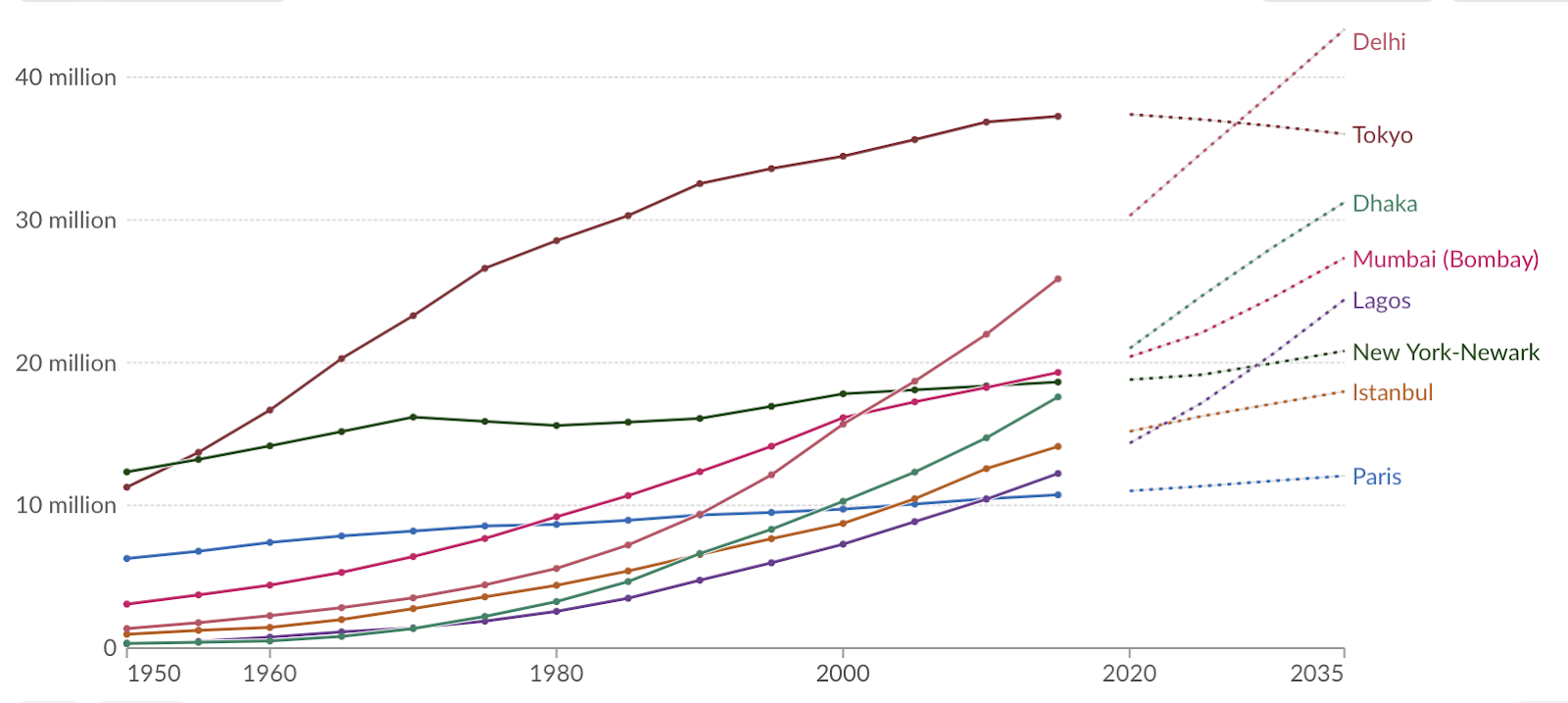


 Energy, Climate & Sustainability