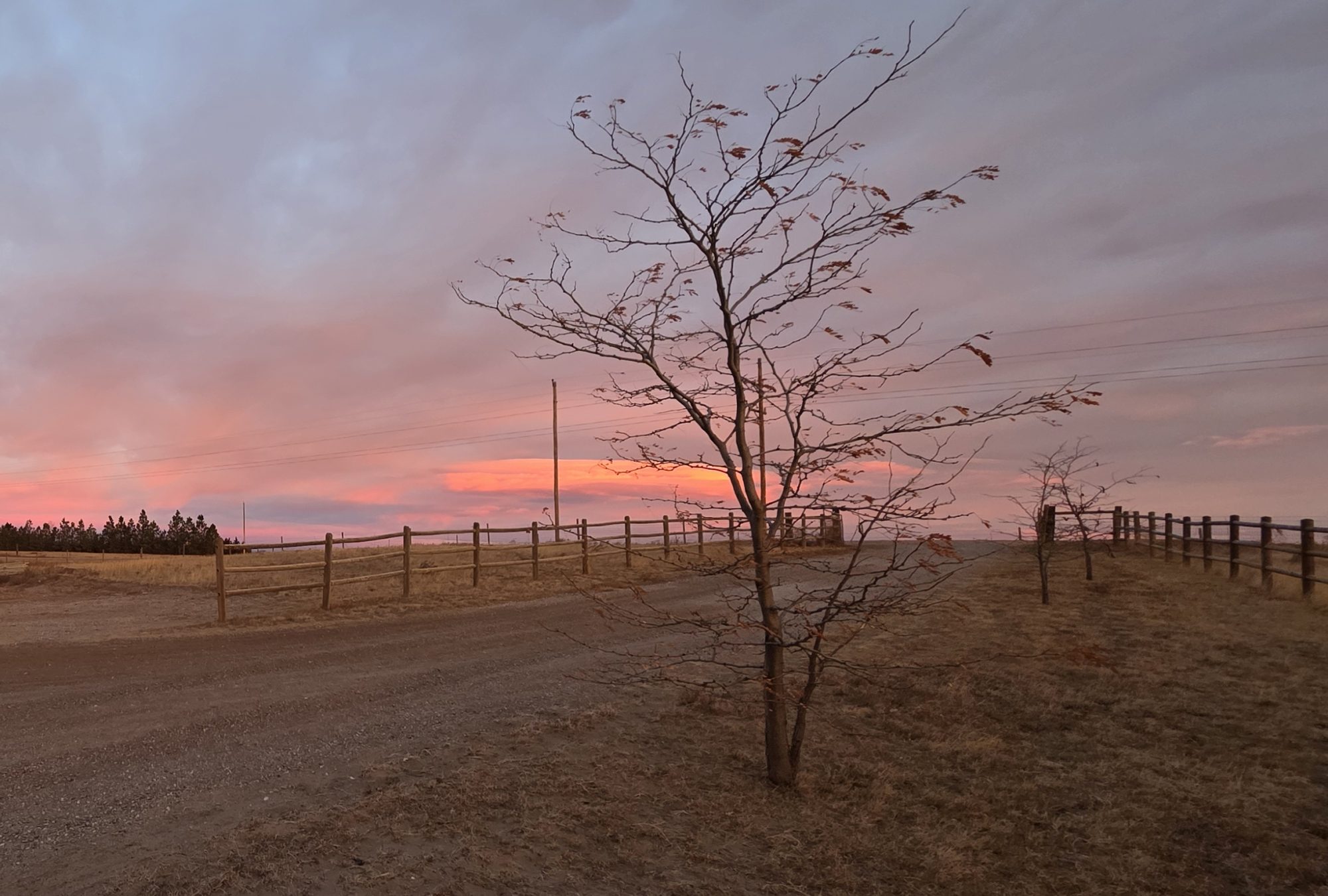
photo of a red tree in the fall www.atozmomm.com

Your Support is Appreciated

Hey all!

Hope you are loving Exile & Return Study!

The holidays are quickly approaching. While this is an exciting time for many (especially if you plan to travel to see friends and family that you couldn’t see last year), many are struggling and don’t have enough.

There are many great organizations to give to, from national organizations, such as United Way, to more local organizations, such as your local food bank or other favorite non-profit.

As you think about your end-of-year donations, I would like to ask that you consider donating to support my blog and writings. One day, I hope to be a published author. I am in search of a literary agent at the moment. This blog is a passion of mine, and I love helping you all grow deeper with God. Please leave comments as you feel led. I love reading them!

DONATE HERE

If you gain value here and would like to support my blog, I’d appreciate it. While there is no pressure to give, as I know you all have other causes to support, I’d just like to throw it out there as an option.

Click HERE, or I have a donation button on my sidebar that uses PayPal. It’s secure, and you don’t need a PayPal account.

Whether you donate to me or another cause that is close to your heart, please do so. Every little bit helps. Thanks in advance, and I’m looking forward to Jesus’s miracles!

God bless you and hugs to all!!

DONATE HERE

photo of Nehemiah 1-3 from bsf exile and return study www.atozmomm.com

BSF Study Questions Exile & Return: A Time to Build Lesson 23, Day 3: Nehemiah 2:1-10

Summary of Nehemiah 2:1-10

Nehemiah brought King Artaxerxes wine and noticed he was sad. He tells the king about Jerusalem’s sorry state. The king asks him what he wants, and he says he wants to go and rebuild it. He asked the king for safe passage and timber for rebuilding and was granted it.

BSF Study Questions Exile & Return: A Time to Build Lesson 23, Day 3: Nehemiah 2:1-10

6) His heart for the Israelites. He was afraid because he was addressing arguably the most powerful man on earth at that time, who could kill him if he so wanted. Nehemiah was prompted by the King noticing his sadness, which provided the opening to speak for Jerusalem. He was terrified because displaying sorrow in the Persian court was strictly forbidden—it implied dissatisfaction with the King’s rule and could be punishable by death

7a) Nehemiah asked for things that were not unreasonable to provide. He anticipated obstacles before they arose. He secured political legitimacy (letters of safe passage) to bypass hostile governors and material resources (timber requisition) to guarantee construction. This foresight ensured the mission wouldn’t fail due to bureaucracy or lack of supplies once he arrived.

b) Practical planning honors God by taking His mission seriously. It prevents the work from stalling due to avoidable lack, distinguishing true faith from presumption. God often answers prayers through strategy and resources, expecting us to steward the means necessary to finish what He calls us to do.

8a) He had the strength and protection of God first off, and then he asked the king for protection, too. Nehemiah possessed the supreme assurance of “God’s good hand” upon him. Practically, he carried royal letters validating his authority to hostile governors and arrived with a military escort of officers and horsemen. This combination of divine favor, political legitimacy, and armed security provided robust strength against immediate opposition.

b) God’s. Believers rely on the conviction of God’s calling and the power of His Spirit (Zechariah 4:6). Like Nehemiah, they combine this spiritual trust with practical wisdom and community unity, understanding that God provides strength not just to endure, but to actively build and overcome opposition.

Conclusions BSF Study Questions Exile & Return: A Time to Build Lesson 23, Day 3: Nehemiah 2:1-10

I love how Nehemiah had a plan and put it into action. And, he had thought enough about it to realize what he needed to make it happen, too.

End Notes BSF Study Questions Exile & Return: A Time to Build Lesson 23, Day 3: Nehemiah 2:1-10

A royal cupbearer’s job in ancient times was to taste the food and drink before the king did in order to ensure it was not poisoned. It was a very important and powerful job.

Nehemiah likely prayed repeatedly in the 4 months, “Lord, take this burden from me or provide me with the answers.”

The date was important here for prophecy. Daniel 9:25 says that exactly 173,880 days from this day – which was March 14, 445 B.C. – Jesus would enter Jerusalem (April 6th, 32 A.D.)

Nehemiah risked affronting the king with his sadness. Being in the king’s presence was supposed to be joyful. A lot was riding on this ask. Nehemiah had the pressure to ask for God correctly, too, as well as the pressure of death.

It is God’s job to change people’s hearts, not ours.

Sharing our concerns with other believers can make for powerful prayer. You don’t have to give them the details (God already knows the details). You can just ask for prayer in general.

Nehemiah prayed again and made his request. He had a plan. God is a planner and often works in unexpected ways to get things done.

Nehemiah made the 800-mile-long journey from Persia to Jerusalem. This was a lot for people in the ancient world. God will equip us for His tasks when we do something.

There is always opposition when doing God’s plan for your life. Here, we see Sanballet, who would become governor of Samaria and Tobiah oppose Israel.

courtesy of https://www.jesuswalk.com/greatprayers/9_nehemiah_success.htm


END NOTES SUMMARIZED

The Opportunity (Verses 1–2)

The Timing: It is the month of Nisan, four months after Nehemiah first heard the bad news (Chapter 1). He has been praying and waiting for the right moment. The Risk: Nehemiah appears sad in the King’s presence—a dangerous move, as Persian court etiquette required attendants to be perfectly content. The King notices and asks, “Why is your face sad?” Nehemiah is “very much afraid” because his life is on the line.

The Request (Verses 3–8)

The Pivot: Instead of panicking, Nehemiah identifies with his people (“the place of my fathers’ graves lies in ruins”) and shoots up a quick, silent prayer (“So I prayed to the God of heaven”). The Plan: He proves he hasn’t just been worrying; he has been planning. He asks for three specific things:

  1. Time: A set leave of absence.

  2. Security: Letters for safe passage through the Trans-Euphrates provinces.

  3. Resources: A letter to Asaph for timber to build the temple fortress, the city walls, and his own house.

The Arrival and Opposition (Verses 9–10)

The Hand of God: The King grants the requests because “the good hand of my God was upon me.” Nehemiah arrives not as a lonely pilgrim, but with officers and horsemen. The Enemy: His arrival immediately disturbs the local power brokers, Sanballat the Horonite and Tobiah the Ammonite. They are displeased that someone has come to seek the welfare of the Israelites, foreshadowing the conflict to come.

Conclusion

Nehemiah 2:1–10 demonstrates the partnership between prayer and preparation.

Nehemiah did not rely on prayer as a substitute for planning, nor did he rely on planning to the exclusion of prayer. He waited four months, developed a logistical strategy, and when the moment came, he stepped out in faith. The passage teaches that God opens doors, but He expects us to walk through them prepared.

Best Every Day Items!

https://amzn.to/4b1ZE7a

https://amzn.to/4jbg6E6

https://amzn.to/4pZDzLa

https://amzn.to/4jg8eRN

https://amzn.to/4atO18V

https://amzn.to/48TLDXP

*As an Amazon associate, I earn from qualifying purchases

Contact me today!

photo of Nehemiah 1-3 from bsf exile and return study www.atozmomm.com

BSF Study Questions Exile & Return: A Time to Build Lesson 23, Day 2: Nehemiah 1

Summary of Nehemiah 1

Nehemiah reports that Jerusalem is broken and the gates have burned. He prayed to God, saying he confessed the sins he and the Israelites had made. They have not obeyed. He reminds God of His promise to gather them back to the Promised Land if they return to Him and obey. He asks for favor before the Lord.

BSF Study Questions Exile & Return: A Time to Build Lesson 23, Day 2: Nehemiah 1

3) Nehemiah heard that the exiles who returned to Jerusalem are in trouble and disgrace. The wall of Jerusalem is borken and its gates have been burned. He responds by mourning, weeping, fasting, and prayingbefore the Lord, repenting of his/their sins and asking God for favor.

4a)

God’s character: “Lord, the God of heaven, the great and awesome God, who keeps his covenant of love with those who love him and keep his commandments”

God’s people: God’s people are His servants. He confesses that the people have sinned, acted wickedly against God, and not obeyed His commands, decrees, and laws.

God’s promises: “If you (the people) return to me (God) and obey my commands, then even if your exiled people are at the farthest horizon, I will gather them from there and bring them to the place I have chosen as a dwelling for my Name.”

Nehemiah’s desire: “Lord, let your ear be attentive to the prayer of this your servant and to the prayer of your servants who delight in revering your name. Give your servant success today by granting him favor in the presence of this man.”

b) This shows that Nehemiah understands God and His character. He represents the people by confessing for them. His prayer reveals a relationship of deep intimacy and corporate solidarity. He approaches God confidently based on His covenant faithfulness, yet humbly identifies with the people’s sin (“we have sinned,” v.6). This is vital because true spiritual leadership requires owning the community’s failures as one’s own to intercede effectively.

5) I’m currently searching for God’s will in my life right now. I have an important medical procedure coming up that I am anxious about. I am trying to determine what God wants for my life right now, what is His will for the rest of my life. I’m asking God for guidance and to move me in His direction, not mine.

Conclusions BSF Study Questions Exile & Return: A Time to Build Lesson 23, Day 2: Nehemiah 1

I love this example of prayer: praise God for who He is, confess your sins, remind God of His promises, ask for what you want/need. Good stuff!

End Notes BSF Study Questions Exile & Return: A Time to Build Lesson 23, Day 2: Nehemiah 1

It’s been 1,000 years since Moses, and the people of God have 400 more years to wait for Jesus. Both Judah and Israel were in shambles. They had been exiled by Babylon, and only about 50,000 of the Jews decided to return when given the opportunity. It’s around 444 B.C.

We pick up the Israelites’ story 15 years after the Book of Ezra ends, so almost 100 years after the captives were allowed to return to Jerusalem. The walls of Jerusalem are still in rubble from the Babylonian conquest.

Nehemiah lives in the capital of the Persian empire and in the palace, so he is a person of import. He is tasked with rebuilding Jerusalem’s walls and the city. He spent about 13 years leading God’s people to rebuild the city.

The survivors were living in a city with no wall, and therefore, in constant fear of attack.

God would use Nehemiah, but first He has to do work inside of Nehemiah.

Nehemiah is a leader, as we all are in some part of our lives. He fasted and prayed before he did.

If your vision is big, you must pray. We’ll see that Nehemiah prayed for months before he did anything Nehemiah 1:1-4 and 2:1.

Prayer will relieve your stresses. It gives you strength.

We are to be humble before the Lord, confessing our sins without excuses, and realizing we need God to do it.

Nehemiah quoted from both Leviticus 26 and Deuteronomy 30.

Nehemiah wanted to do something, but he would need God to do so. God, use me!

END NOTES SUMMARIZED

The Report and Reaction (Verses 1–4)

The Scene: Nehemiah is in the citadel of Susa, serving the Persian King, enjoying comfort and prestige. The Crisis: His brother arrives with news that the Jewish remnant in Jerusalem is in “great trouble and shame.” The walls are broken, and the gates burned—meaning the city is defenseless and a laughingstock. The Response: Nehemiah does not offer pity from a distance; he internalizes the pain. He sits, weeps, mourns, and fasts. His broken heart immediately leads him to prayer rather than political maneuvering.

The Prayer of Preparation (Verses 5–11)

Nehemiah’s prayer establishes a model for crisis management:

  1. Adoration: He begins by acknowledging God as “great and awesome” and faithful to His covenant.

  2. Confession: He does not blame the Babylonians or his ancestors alone. He uses the word “we”—including himself and his father’s house in the nation’s sin.

  3. Remembrance: He quotes Deuteronomy back to God, reminding Him of His promise: if the people return to Him, God will gather them from the farthest skies.

  4. Petition: He asks for success, specifically requesting favor “in the sight of this man” (King Artaxerxes).

Conclusion

Nehemiah 1 teaches that effective leadership begins with empathy and intercession.

Before Nehemiah laid a single stone, he laid a foundation of prayer. He demonstrates that when we face a crisis, we must first look upward (to God’s character) and inward (confessing sin) before we look outward (to fix the problem).

The takeaway is that true burden-bearing bridges the gap between our personal comfort and the brokenness of God’s people.

Best Every Day Items!

https://amzn.to/4b1ZE7a

https://amzn.to/4jbg6E6

https://amzn.to/4pZDzLa

https://amzn.to/4jg8eRN

https://amzn.to/4atO18V

https://amzn.to/48TLDXP

*As an Amazon associate, I earn from qualifying purchases

Contact me today!

photo of lynx www.atozmomm.com

Friday’s Digest BSF Exile & Return: A Time to Build Lesson 22

WHAT YOU NEED TO KNOW IN BSF EXILE & RETURN: A TIME TO BUILD LESSON 22

  • Humans are able to repent because of God’s goodness
  • Life is out of God’s grace when we all deserve judgment
  • We can rest in God despite the chaos around us
  • God is in the ordinary

TAKE AWAY: God is in every area of our lives.

Contact me today!

photo of Zechariah 12-14 from bsf exile and return study www.atozmomm.com

BSF Study Questions Exile & Return: A Time to Build Lesson 22, Day 5: Zechariah 14:10-21

Summary of Zechariah 14:10-21

Jerusalem will be raised up high and inhabited. The Lord will send a plague on Jerusalem’s enemies. Their flesh will rot, and they will fight against each other. Their animals will face a similar fate.

All nations’ inhabitants who have survived will go up year after year to worship the Lord and celebrate the Festival of Tabernacles. If they do not, they will receive no rain, and they will face a plague. Everything will become holy to God.

BSF Study Questions Exile & Return: A Time to Build Lesson 22, Day 5: Zechariah 14:10-21

13) The Lord will send a plague on Jerusalem’s enemies. Their flesh will rot while they are still standing on their feet, their eyes will rot in their sockets, their tongues will rot in their mouth, and they will fight against each other. Their animals will face a similar fate. He will gather the wealth of the surrounding nations for His people. All nations’ inhabitants who have survived will go up year after year to worship the Lord and celebrate the Festival of Tabernacles. If they do not, they will receive no rain, and they will face a plague.

14a) All nations’ inhabitants who have survived will go up year after year to worship the Lord and celebrate the Festival of Tabernacles. If they do not, they will receive no rain, and they will face a plague. Life in God’s kingdom is centered on universal worship. Former enemies must journey annually to Jerusalem to honor the King at the Feast of Tabernacles. It is a reality of absolute lordship: obedience brings refreshing rain, while refusal brings drought and plague, ensuring every nation acknowledges God’s supreme reign.

b) The inscription “Holy to the Lord” will mark even common horse bells, erasing the sacred-secular divide and rendering every ordinary activity as holy as temple worship.

c) We withhold His influence by compartmentalizing life—labeling career, entertainment, or finances as “secular” zones off-limits to God. By refusing to consecrate the “mundane”—unlike Zechariah’s vision where even common pots become holy—we deny His lordship over daily choices, keeping parts of our hearts locked against His transforming presence.

15) For those who do not turn to God, their days will be rough. But this is the reality of judgment. God will finally reign supreme everywhere. Everything will be holy. This is wonderful, not exactly challenging!

Conclusions BSF Study Questions Exile & Return: A Time to Build Lesson 22, Day 5: Zechariah 14:10-21

I love getting glimpses of what my life will be like in the future. Gives me hope.

End Notes BSF Study Questions Exile & Return: A Time to Build Lesson 22, Day 5: Zechariah 14:10-21

Jerusalem will finally be a safe place. All the mountains will be flattened since Jerusalem will have no enemies. Jerusalem will become wealthy again.

Egypt was not dependent on water, but it will face the same punishment as others.

“Holiness to the Lord” was what was inscribed on the metal band on the high priest’s headpiece (Exodus 28:36).

The pots were the cooking utensils used for sacrificial meat. Sacrifices may still be a thing in the millennium, but not for sins.

Everything will be made holy in Jesus’ reign and reflect His purposes.

Zechariah’s entire book points to Christ.

END NOTES SUMMARIZED

The Restoration of the City (Verses 10–11)

The Scene: The geography surrounding Jerusalem is flattened into a plain (from Geba to Rimmon), causing Jerusalem to stand high and prominent above the surrounding landscape. The Meaning: This symbolizes the city’s spiritual and political elevation. The curse is permanently lifted (“there shall be no more ban of destruction”), and the city will be inhabited in absolute safety.

The Judgment on the Enemies (Verses 12–15)

The Plague: God strikes the armies that attacked Jerusalem with a terrifying supernatural decay—their flesh, eyes, and tongues rot while they stand on their feet. The Panic: A “great panic from the Lord” seizes them, causing them to turn on one another. The Plunder: The wealth of the surrounding nations (gold, silver, and garments) is gathered in abundance, reversing the earlier plundering of Jerusalem.

The Feast of the King (Verses 16–19)

The Requirement: The survivors from the attacking nations undergo a conversion. They are required to make an annual pilgrimage to Jerusalem to celebrate the Feast of Tabernacles (Sukkot) and worship the King, the Lord of hosts. The Consequence: If a nation (e.g., Egypt) refuses to come, they receive “no rain” and suffers the plague. This establishes God’s rule as absolute and enforceable over all global powers.

The Pervasive Holiness (Verses 20–21)

The Bells: The inscription “Holy to the Lord”—which was previously reserved strictly for the golden plate on the High Priest’s turban (Exodus 28:36)—is now engraved on the bells of horses (common animals of war/labor).

The Pots: The ordinary cooking pots in Jerusalem become as sacred as the holy bowls used at the Altar. The Removal of the “Canaanite”: There will no longer be a “Canaanite” (often interpreted here as a merchant/trader or an unclean person) in the house of the Lord. The transactional nature of religion is gone; everything is pure worship.

Conclusion

Zechariah 14:10–21 describes the sanctification of the secular.

The book concludes not just with Israel’s safety, but with the total erasure of the line between the “sacred” and the “common.” In God’s final Kingdom, holiness is not confined to the Temple or the priesthood; it saturates the geography, the economy, and the daily tools of life (horses and pots). The end of history is the presence of God filling all things.

Best Tech Deals!

https://amzn.to/498GR7O

https://amzn.to/459BZ0Q

https://amzn.to/48ROb8X

https://amzn.to/4j7mJqW

https://amzn.to/4qpkBgR

*As an Amazon associate, I earn from qualifying purchases

Contact me today!

photo of Zechariah 12-14 from bsf exile and return study www.atozmomm.com

BSF Study Questions Exile & Return: A Time to Build Lesson 22, Day 4: Zechariah 14:1-9

Summary of Zechariah 14:1-9

God will gather all the nations of the world to fight against Jerusalem. Half of the city will go into exile, but the rest of the people will not be taken from the city. Then the Lord will go out and fight against those nations. On this day, God will make a path for His people to escape. It will be a day like no other, with no day or night. Living waters will flow out from Jerusalem, and the Lord shall reign forever as the One, True Lord on earth.

BSF Study Questions Exile & Return: A Time to Build Lesson 22, Day 4: Zechariah 14:1-9

10)  All the nations will be gathered against Jerusalem. The city will be captured, the houses ransacked, and the women raped. Half of the city will go into exile, but the rest of the people will not be taken from the city. Then the Lord will go out and fight against those nations. On that day, his feet will stand on the Mount of Olives, east of Jerusalem, and the Mount of Olives will be split in two from east to west, forming a great valley, with half of the mountain moving north and half moving south. The people will flee by my mountain valley, for it will extend to Azel. Then the Lord will come, and all the holy ones with him.

11) The Mount of Olives will be split in two from east to west, forming a great valley, with half of the mountain moving north and half moving south. There will be neither sunlight nor cold, frosty darkness. Living water will flow out from Jerusalem, half of it east to the Dead Sea and half of it west to the Mediterranean Sea.

12a) The Lord will be king over the whole earth. On that day, there will be one Lord, and his name the only name.

b) The Lord can live and rule and reign in my heart each and every day. We don’t have to wait for His physical presence, for we have His spiritual presence. Put Him first today.

Conclusions BSF Study Questions Exile & Return: A Time to Build Lesson 22, Day 4: Zechariah 14:1-9

I love how God always wins and how He is always in control. He brings enemies against us, but then empowers us to win. So, so good, and a truth many of us need right now in our lives.

End Notes BSF Study Questions Exile & Return: A Time to Build Lesson 22, Day 4: Zechariah 14:1-9

This is an End Times prophecy.

Jesus will come with all the saints, the armies of heaven,  Revelation 19:14.

Prophecies like this one is part of the reason Israel was looking for a different kind of king than Jesus when he came to earth.

God Himself will be the light.

END NOTES SUMMARIZED

The Siege and the Savior (Verses 1–5)

The Crisis: The prophecy opens with a grim scene. God gathers all nations to battle against Jerusalem. The city is captured, plundered, and half the population goes into exile. It appears all hope is lost.

The Intervention: Just when defeat seems total, the Lord Himself goes forth to fight against those nations.

  • The Touchdown: His feet stand on the Mount of Olives (east of Jerusalem).

  • The Earthquake: The mountain splits in two from east to west, creating a massive valley.

  • The Escape: This new valley provides a supernatural escape route for the Jewish people to flee the destruction, just as they fled the earthquake in the days of Uzziah.

The Cosmic Shift (Verses 6–7)

Unique Day: The natural order of the universe changes. There is no longer a distinct “day” or “night,” nor cold or frost. It becomes a time of continuous, supernatural light—”at evening time it shall be light.” This signals the end of the old age and the beginning of a new creation order.

The Living Waters and The King (Verses 8–9)

Life Flows: “Living waters” (a symbol of spiritual life and abundance) flow out from Jerusalem, half to the Dead Sea (East) and half to the Mediterranean (West). Unlike seasonal streams, these flow continuously, in summer and winter.

Universal Rule: The climax of the passage is the establishment of the Kingdom.

  • “The Lord will be king over all the earth.”

  • Monotheism becomes the global reality: “On that day the Lord will be one and his name one.” All rival gods and idols are eliminated.

Conclusion

Zechariah 14:1–9 depicts the ultimate reversal.

It begins with Jerusalem completely vulnerable and defeated by the nations, but ends with Jerusalem as the source of life for the world and God reigning supreme over those same nations. The passage teaches that God’s final victory often comes at the moment of seemingly greatest defeat. He intervenes personally to rescue His people, alter the physical world, and establish His eternal Kingdom.

Best Tech Deals!

https://amzn.to/498GR7O

https://amzn.to/459BZ0Q

https://amzn.to/48ROb8X

https://amzn.to/4j7mJqW

https://amzn.to/4qpkBgR

*As an Amazon associate, I earn from qualifying purchases

Contact me today!

photo of Zechariah 12-14 from bsf exile and return study www.atozmomm.com

BSF Study Questions Exile & Return: A Time to Build Lesson 22, Day 3: Zechariah 12:10-13:9

Summary of Zechariah 12:10-13:9

God will pour out a spirit of grace and supplication on His people. They will mourn when they realize they pierced Jesus and grieve. But, the people will be cleansed on that day. Idols will be banished and not remembered. The sheep will scatter when the shepherd is struck. Some of the people. will be struck down, but there will be a remnant who will be God’s people.

BSF Study Questions Exile & Return: A Time to Build Lesson 22, Day 3: Zechariah 12:10-13:9

7a) A spirit of grace and supplication and a fountain that will cleanse the people from their sins and impurity.

b) One has to have a truly repentant heart in order to receive the grace and blood of Jesus and be cleansed of one’s sins. Sorrow over sins is just part of forgiveness and then a renewed desire to do better.

c) Jesus had to die to save all of us because all of us sin.

8 ) Both predict the future national salvation of Israel. Romans promises that “all Israel will be saved” after the Gentile fullness. Zechariah describes the event that fulfills this: God pouring out a spirit of grace, causing the nation to recognize their Messiah (the “pierced one”), mourn in repentance, and receive cleansing. No.

9a) It was in God’s will for Jesus to sacrifice himself for all of humanity. This passage reveals the crucifixion as God’s sovereign plan, not a tragedy. God commands the sword against His “Associate” (Jesus) to strike Him, intentionally scattering the flock to refine a faithful remnant. This mirrors Isaiah 53:10, confirming it “pleased the Lord to crush Him” to secure salvation for His people.

b) God has forgiven all of my sins, each and every day. He has mercifully blessed me and given me a desire to do His will. I have passed this on to my kids so that they, too, can work for God’s kingdom.

Conclusions BSF Study Questions Exile & Return: A Time to Build Lesson 22, Day 3: Zechariah 12:10-13:9

Great passage of God’s grace through His son, Jesus Christ.

End Notes BSF Study Questions Exile & Return: A Time to Build Lesson 22, Day 3: Zechariah 12:10-13:9

God’s grace will allow His people to turn to Jesus.

This is good news, as we learn that all of God’s people will turn to Christ Romans 11:26.

The mourning at Hadad Rimmon refers to the people’s mourning when King Josiah died  (2 Kings 23:29 and 2 Chronicles 35:20-25).

Because God’s people will turn to Him through Jesus, they will be cleansed and forgiven of their sins.

The analogy of God as a fountain for His people is common in the Bible.

God will also cleanse His people of idolatry and false prophets, 2 common ways Israel sinned against God and were led astray.

False prophets would be ashamed, and even their family would condemn them.

The Shepherd in verse 7 is Jesus, and God is the one who commands the Shepherd to be struck.

Jesus’ sacrifice was God’s plan, and they worked together to do so.

The sheep will be scattered refers to the disciples. Jesus quoted this phrase from Zechariah 13:7 in Matthew 26:31.

This seems to say that only 1/3 of the Jewish people will survive the Tribulation. Interestingly, this group includes the 144,000 of Revelation 7 and Revelation 14 as Jesus establishes his millennial rule on earth.

END NOTES SUMMARIZED

The Spiritual Awakening (12:10)

Following the physical victory, God pours out a “spirit of grace and supplication” upon Jerusalem. This triggers a profound revelation: they will “look on me, the one they have pierced,” recognizing their historical rejection of the Messiah (God Himself).

The National Repentance (12:11–14)

This realization leads to deep, bitter mourning, comparable to the grief over an only child. It is a solemn, segregated sorrow where families mourn privately and separately (men and women apart), indicating that this is a genuine, individual conviction of heart, not just a public ceremony.

The Cleansing from Sin (13:1–6)

In response to this repentance, a “fountain” is opened to cleanse the people from sin and impurity. God ruthlessly purges idolatry and false prophecy from the land. The rejection of deception becomes so intense that false prophets are ashamed of their visions, and even parents would condemn a son who speaks lies in God’s name.

The Shepherd Struck and the Remnant Refined (13:7–9)

God commands the sword to strike “My Shepherd” (the Man who is My Associate), causing the sheep to scatter. This initiates a severe refining process: two-thirds of the land is cut off, while the remaining third is brought through the fire. This refined remnant calls on the Lord, finally restoring the covenant bond: God says, “They are my people,” and they respond, “The Lord is our God.”

Conclusion

While the previous section dealt with physical deliverance, this section details Israel’s spiritual restoration. It demonstrates that true salvation requires recognizing the wounded Messiah, deep repentance, and a painful refining process that ultimately restores the intimate, reciprocal relationship between God and His people.

Best Tech Deals!

https://amzn.to/498GR7O

https://amzn.to/459BZ0Q

https://amzn.to/48ROb8X

https://amzn.to/4j7mJqW

https://amzn.to/4qpkBgR

*As an Amazon associate, I earn from qualifying purchases

Contact me today!

photo of Zechariah 12-14 from bsf exile and return study www.atozmomm.com

BSF Study Questions Exile & Return: A Time to Build Lesson 22, Day 2: Zechariah 12:1-9

Summary of Zechariah 12:1-9

God promises to defend Jerusalem against its enemies “on that day” when all the nations are against them. Judah will defeat all of its surrounding enemies. All the nations that attack Jerusalem will be destroyed.

BSF Study Questions Exile & Return: A Time to Build Lesson 22, Day 2: Zechariah 12:1-9

3) He says that this is a prophecy (so it will come true). He describes the ultimate power of God, who created all of the earth, heavens, and mankind. He is in control.

4) This refers to Jesus’ Second Coming

5)

The key places: The key places are Judah and Jerusalem, the two places where the Final Battle will be and where Jesus will establish his kingdom on earth. Jerusalem is the epicenter, described as an immovable “heavy stone” and a “cup of reeling.” Judah (the countryside) acts as the “firepot,” saved first, so the capital cannot boast superiority.

The circumstances of the battle: Judah’s enemies are coming against them. A massive coalition of “all the nations of the earth” surrounds Jerusalem to lay siege. The city faces imminent destruction from a united, global military force intent on removing it.

The Lord’s response and the outcome of the battle: God will punish His people’s enemies all those who attack His people. God strikes the enemy armies with panic and blindness while supernaturally empowering His people. Judah consumes the nations like fire, ensuring Jerusalem remains intact while the attackers are destroyed.

God’s relationship to His people and personal interest in the world: God will save His people as a testimony to His promises to them. God reveals Himself as the sovereign Creator who forms the human spirit. He is intimately vigilant (“I will keep a watchful eye”), defending the weak and fiercely validating His covenant bond.

6) Always, I find the strength deep within that can only come from God when I face opposition or challenges in my life.

Conclusions BSF Study Questions Exile & Return: A Time to Build Lesson 22, Day 2: Zechariah 12:1-9

I love Biblical prophecy! So powerful!

End Notes BSF Study Questions Exile & Return: A Time to Build Lesson 22, Day 2: Zechariah 12:1-9

The book of Zechariah offers the best description of the End Times in the Old Testament.

Fun Fact: Jerusalem is the most named location in the Bible, mentioned over 800 times. Here, Jerusalem is mentioned more than 20 times in Zechariah 12-14. Jerusalem is special, indeed.

“On that day” refers to the End Times. You’ll also see it as “the day of the Lord” elsewhere.

God will protect Jerusalem against all of her enemies.

God will supernaturally empower His people in those days to overcome their enemies.

END NOTES SUMMARIZED

The Siege and the Defense (Verses 1–4)

God declares Himself the Creator of the heavens and the human spirit, establishing His absolute authority. He prophesies that Jerusalem will become a “cup of drunkenness” and a “heavy stone” to all surrounding nations. When the nations of the earth gather to lay siege against Jerusalem, they will only hurt themselves (intoxicated/staggering and physically crushed), while God strikes their armies with panic and blindness.

The Victory of Judah (Verses 5–8)

The leaders of Judah will recognize that their strength comes solely from the Lord. God will make these clans like a “firepot in a woodpile,” consuming their enemies on all sides. Crucially, the Lord will save the “tents of Judah” (the countryside/common people) first, before the house of David (the royalty/city), to ensure no class or group can boast over another.

The Empowerment (Verse 8)

On that day, God will defend the inhabitants of Jerusalem so supernaturally that even the weakest among them will be as strong as King David, and the house of David will be like God Himself (like the Angel of the Lord) in leadership and power.

Conclusion

Zechariah 12:1–9 establishes that the physical deliverance of Israel in the end times will be an exclusively divine act. It serves to humble human pride and demonstrate God’s zeal for His covenant people. The victory is designed so that the glory belongs to God alone, not to military prowess or political strategy.

Best Tech Deals!

https://amzn.to/498GR7O

https://amzn.to/459BZ0Q

https://amzn.to/48ROb8X

https://amzn.to/4j7mJqW

https://amzn.to/4qpkBgR

*As an Amazon associate, I earn from qualifying purchases

Contact me today!

photo of phoenix, Arizona www.atozmomm.com

Friday’s Digest BSF Exile & Return: A Time to Build Lesson 21

WHAT YOU NEED TO KNOW IN BSF EXILE & RETURN: A TIME TO BUILD LESSON 21

  • God’s plans are what unfold in your life
  • God uses others to render His justice
  • Christ brings salvation and judgment
  • Jesus is the centerpiece of God’s redemptive plan for us
  • We are to put Jesus and God at the center of our lives
  • Surrender to Jesus in everything you do
  • God is always doing more than what we know
  • We can always trust Him

TAKE AWAY: Only Jesus can solve humanity’s sins.

Contact me today!

photo of Zechariah 9-11 from bsf exile and return study www.atozmomm.com

BSF Study Questions Exile & Return: A Time to Build Lesson 21, Days 4 and 5: Zechariah 11

Summary of Zechariah 11

“Open your doors, O Lebanon,” for judgment falls on the leaders. The Lord commands Zechariah to “pasture the flock marked for slaughter.” He takes two staffs, Favor and Union, but the flock detests him. He breaks Favor, annulling the covenant. Upon asking for wages, they weigh out “thirty pieces of silver,” which he throws to the potter. He then breaks Union, dissolving the brotherhood, leaving them to a “worthless shepherd” who deserts the flock.

BSF Study Questions Exile & Return: A Time to Build Lesson 21 Days 4 and 5: Zechariah 11

9) The poetry depicts a devastating fire sweeping from the north, devouring Lebanon’s majestic cedars and Bashan’s oaks. These trees symbolize Israel’s pride and powerful leaders. The “wailing of shepherds” and “roaring of lions” reveal that the nation’s rulers are being stripped of their power, signaling the total collapse of national defense. We have “railing” and “ruin.” Not good.

10) “Flock marked for slaughter”

11a)

God levels three specific and damning accusations against the leaders of Israel:

  • Merciless Exploitation: They treat the people as mere commodities to be bought and sold, slaughtering them without a second thought.

  • Spiritual Hypocrisy: They attribute their filthy gain to God’s blessing, saying, “Praise the Lord, I am rich,” masking their greed with religious language.

  • Ruthlessness (Not Sparing): The text states specifically that their own shepherds “do not spare them.” They offer no protection or mercy to the flock that is being bought and slaughtered.

b) God says: “For I will no longer have pity on the people of the land,” declares the Lord. “I will give everyone into the hands of their neighbors and their king. They will devastate the land, and I will not rescue anyone from their hands.”

God responds with judicial abandonment, ceasing His protection and surrendering the flock to civil strife and tyranny. This occurs because the flock forsook the “living waters” (Jeremiah 2:13), detested His leadership (Zechariah 11:8), and ultimately rejected the true Good Shepherd in favor of corrupt, destructive leaders (John 10).

12) Based on Zechariah 11:7–9, God directed Zechariah to shepherd the “flock marked for slaughter.” He took two staffs, named Favor and Union, to tend them. However, after removing three corrupt leaders and facing the flock’s hatred, Zechariah grew weary and resigned, leaving the rebellious people to their fate

13) Breaking Favor signified God revoking His covenant with the nations, removing His protective restraint. Breaking Union symbolized the severing of the brotherhood between Judah and Israel. Together, these acts marked the end of divine peace and national unity for the people.

14a) 30 pieces of silver

b) For me, it’s at my low points in life.  When I’m depressed, unhappy, or life gets hard. That’s when I am tempted.

15a) Verses 15–16 reveal the Antichrist (typified as the “foolish shepherd”) is raised up by God, showing his power is a divinely permitted judgment. His cruelty is absolute neglect of the suffering, while his destruction is savage: he devours the healthy sheep’s flesh and tears off their hooves to consume them utterly.

b) God is in control. God is in charge. God always wins.

Conclusions BSF Study Questions Exile & Return: A Time to Build Lesson 21, Days 4 and 5: Zechariah 11

This is a difficult passage to interpret, so stick with it!

End Notes BSF Study Questions Exile & Return: A Time to Build Lesson 21, Days 4 and 5: Zechariah 11

The doors of Lebanon are the mountain passes between Lebanon and Israel. The cedar trees represent Lebanon’s strength.

As the shepherd, Zechariah represented the Lord.

The three shepherds are often considered to represent the prophets, the priests, and the king.

The eating of the flesh did happen when the Romans attacked Jerusalem in 70 A.D.

In Zechariah 11, the two staffs represent the dual blessings the Good Shepherd (Messiah) brought to His people:

1. Staff “Favor” (Hebrew: No’am)

  • Translation: Often translated as “Beauty,” “Grace,” or “Pleasantness.”

  • Symbolism: It represents God’s protective covenant and grace toward His people. It symbolized the divine restraint God placed on foreign nations to keep them from destroying Israel. It reflects the vertical relationship between God and His flock—a relationship defined by His unmerited favor and defense.

2. Staff “Union” (Hebrew: Chobelim)

  • Translation: Often translated as “Bands,” “Bonds,” or “Unity.”

  • Symbolism: It represents the internal brotherhood and cohesion of the nation. specifically the unification of Judah (the Southern Kingdom) and Israel (the Northern Kingdom). It reflects the horizontal relationship among the people—binding them together in peace and shared identity under one Shepherd.

Together, they show that the Shepherd provided both external protection (Favor) and internal peace (Union).

In Zechariah 11:12–13, the thirty pieces of silver serve as a powerful prophecy regarding the rejection of the Messiah. Here is the breakdown of its significance:

1. The Value: The Price of a Slave

When the Shepherd asked the people for his wages, they weighed out thirty pieces of silver.

  • The Insult: In the Mosaic Law (Exodus 21:32), this was the specific compensation price for a slave gored by an ox.

  • The Meaning: By paying this amount, the religious leaders were effectively telling the Shepherd (God), “Your value to us is no more than that of a dead slave.” It was a calculated expression of contempt.

2. The Act: “Throw it to the Potter”

God, insulted by the low valuation, commanded Zechariah to “throw it to the potter” in the house of the Lord.

  • The Prophecy: This specific detail foreshadows the events of the New Testament with remarkable precision. A potter’s field was where a potter would throw his broken bits of pots. It was a useless piece of land.

3. The Fulfillment: Judas and Jesus

This passage is directly cited in (Matthew 27:3-10) as being fulfilled by Judas Iscariot:

  • The Betrayal: Judas betrayed Jesus for exactly thirty pieces of silver, fulfilling the valuation of the Messiah as the price of a slave.

  • The Return: Filled with remorse, Judas threw the silver back into the temple (“the house of the Lord”).

  • The Potter: The chief priests used the “blood money” to buy a potter’s field as a burial place for foreigners, fulfilling the command to throw the silver “to the potter.”

The foolish shepherd was allowed by God to be His instrument of judgment because the people rejected the true shepherd. This was fulfilled when Jesus was rejected. The foolish shepherd foreshadows the Antichrist (Daniel 9:27).

God will judge the worthless shepherd. Revelation 13:312-14

END NOTES SUMMARIZED

This chapter provides a grim and dramatic enactment of Israel’s rejection of God’s leadership, contrasting the “Good Shepherd” with the “Foolish Shepherd.”

  • The Wailing of Leaders (vv. 1–3): The chapter opens with poetry describing the destruction of Lebanon’s cedars and Bashan’s oaks. These majestic trees represent the prideful leaders of the nation. The “shepherds” (rulers) wail because their glory and pasture are destroyed.

  • The Good Shepherd Rejected (vv. 4–14): Zechariah is instructed to act as a shepherd for a flock marked for slaughter. He takes two staffs—Favor (Beauty) and Union (Bonds). Despite caring for them and dismissing three bad leaders, the flock detests him. In response to their rejection, he breaks the staff “Favor,” signifying the revocation of God’s restraining protection against foreign nations.

  • The Price of a Slave (vv. 12–13): When the Shepherd asks for his wages, the people weigh out thirty pieces of silver—the legal price of a slave (Exodus 21:32). This insultingly low valuation of God’s care is thrown “to the potter” in the house of the Lord, a specific prophecy fulfilled when Judas betrayed Jesus (Matthew 27:3–10).

  • The Rise of the Foolish Shepherd (vv. 15–17): Because the people rejected the Good Shepherd, God hands them over to a “worthless shepherd” who will not care for the lost or heal the injured, but will instead devour them.

Conclusion

Rejection invites ruin. The conclusion of Zechariah 11 is a sobering warning: when people reject God’s gracious leadership (the Good Shepherd), they do not gain freedom. Instead, they become vulnerable to predatory leadership (the Foolish Shepherd). By valuing God’s care at the price of a slave, the people forfeited the “Favor” and “Union” that sustained their community.

Best Travel Items!

https://amzn.to/48W9e8Z

https://amzn.to/4pv5FxA

https://amzn.to/4oR8Mic

https://amzn.to/4q5BdtN

https://amzn.to/48BcDLx

https://amzn.to/3MslkiL

*As an Amazon associate, I earn from qualifying purchases

Contact me today!

photo of Zechariah 9-11 from bsf exile and return study www.atozmomm.com

BSF Study Questions Exile & Return: A Time to Build Lesson 21, Day 3: Zechariah 10

Summary of Zechariah 10

The Lord will care for His people, Judah, bringing rain. The Lord will be with His people as they punish their enemies. God will strengthen Judah, gather them, and save them. He will redeem them.

BSF Study Questions Exile & Return: A Time to Build Lesson 21 Day 3: Zechariah 10

6) The Promise: God guarantees abundant provision (“showers of rain”) if the people ask Him. He promises to intervene personally, visiting His neglected flock and transforming them from wandering sheep into His “majestic horse in battle.”

The Warning: He warns that idols and diviners speak lies and give “false comfort,” causing the people to wander. Consequently, God declares His burning anger against the “shepherds” (leaders) responsible for this spiritual directionlessness.

7a) “The Cornerstone” (Daniel 2:34, Isaiah 28:16Psalm 118:22-23Matthew 21:42Acts 4:111 Peter 2:4-5): Reveals Him as the foundational rock on which God’s kingdom is built, crushing opposing kingdoms.

“The Tent Peg” (Isaiah 22:23-24): Reveals Him as the secure anchor who bears the weight of God’s house and glory, holding everything together firmly.

“The Battle Bow”: a strong fighter for good (Isaiah 63:1-4Revelation 19:11-16).

“Every Ruler”: (Revelation 19:16).

b)

  • They will become like “mighty men” in battle, trampling the enemy and putting horsemen to shame because the Lord is with them (v. 5).
  • God promises to strengthen “Judah” (South) and save “Joseph” (North), reuniting the divided kingdom and restoring them as if He had never rejected them (v. 6).

  • He will “whistle” for them to gather from exile in Egypt and Assyria, bringing them back until the land (Gilead and Lebanon) is overflowing with people (vv. 8–10).

  • Just as in the first Exodus, God promises to pass through the “sea of trouble” and strike down the waves, humbling the pride of the nations that held them captive (v. 11).

  • The final promise is one of identity: “I will strengthen them in the Lord and in his name they will walk” (v. 12).

8a) The Lord is our defender and our provider. He strengthens us to overcome obstacles in our lives. He restores us. He has compassion on us. He never rejects us. He gathers us. He brings us back to Him. He is our everything.

b) I’m looking to make a career move and am wondering what He has for me. I pray He is helping guide me in these trying times and allowing me peace and solace through it all.

Conclusions BSF Study Questions Exile & Return: A Time to Build Lesson 21, Day 3: Zechariah 10

I loved the circling of the “I’s.” It just shows us how much God loves us and all that He does for us, day in and day out. He is amazing.

End Notes BSF Study Questions Exile & Return: A Time to Build Lesson 21, Day 3: Zechariah 10

If you ask for rain, the Lord will provide.

Latter rains are spring rains.

There is no help from idols or diviners (or those who tell the future). The people had no leaders, which is why they were relying on these diviners.

Nevertheless, God would transform His people from sheep to war horses, ready for battle. They will defeat their enemies.

Their shepherd would be Jesus!

God will strengthen His people (all the tribes of Judah) and bring them joy.

God will gather His people  (Deuteronomy 30:1-6Jeremiah 23:1-8Jeremiah 32:37-41Ezekiel 11:16-20Ezekiel 36:16-28) and defeat their enemies, so they can walk in freedom.

END NOTES SUMMARIZED

Interpretation of Zechariah 10

This chapter focuses on the source of true blessing and the restoration of God’s people from scattered exiles to a unified, powerful nation.

  • True Source vs. False Comfort (vv. 1–2): The chapter opens with a command to seek provision (“rain”) from God, contrasting Him with household gods (idols) that offer lies. Because human leadership failed, leaving the people wandering like sheep without a shepherd, God announces He will step in to punish the bad leaders and care for the flock Himself.

  • The Flock Becomes a Warhorse (vv. 3–7): God promises to transform His timid flock into a “majestic steed in battle.” From the house of Judah will come the key figures of stability and strength: the Cornerstone (foundation) and the Tent Peg (security). God empowers them to tread down enemies, signaling victory for both Judah (South) and Ephraim (North).

  • The Second Exodus (vv. 8–12): God signals (whistles) for His people to return from exile in “Egypt” and “Assyria.” He promises to dry up the deep waters—just as He did at the Red Sea—to remove all obstacles to their return, strengthening them to “walk in His name.”

Conclusion

Restoration requires reliance. The passage concludes that God is the only provider of both physical needs (rain) and national security. By personally gathering the scattered exiles and removing the barriers to their return, God demonstrates that when His people rely on Him rather than false idols, He transforms their weakness into divine strength.

Best Travel Items!

https://amzn.to/48W9e8Z

https://amzn.to/4pv5FxA

https://amzn.to/4oR8Mic

https://amzn.to/4q5BdtN

https://amzn.to/48BcDLx

https://amzn.to/3MslkiL

*As an Amazon associate, I earn from qualifying purchases

Contact me today!