NATURE IMMERSION
We believe in nature immersion, defined as “unstructured free time in nature resulting in an intimate, deep and personal connection to the natural world.” We’ve found that allowing children to spend extended periods of time outdoors naturally promotes environmental stewardship and encourages children to care about the earth.
PLACE-BASED EDUCATION
It has been shown that learning and exploring in a permanent location encourages personal connection with nature, promotes a sense of belonging and comfort, builds an awareness of seasonal changes and patterns, and ultimately begins the flow of environmental activism. Children develop leadership skills and confidence in nature exploring our field and forest land each day.
EXPOSURE TO RISK
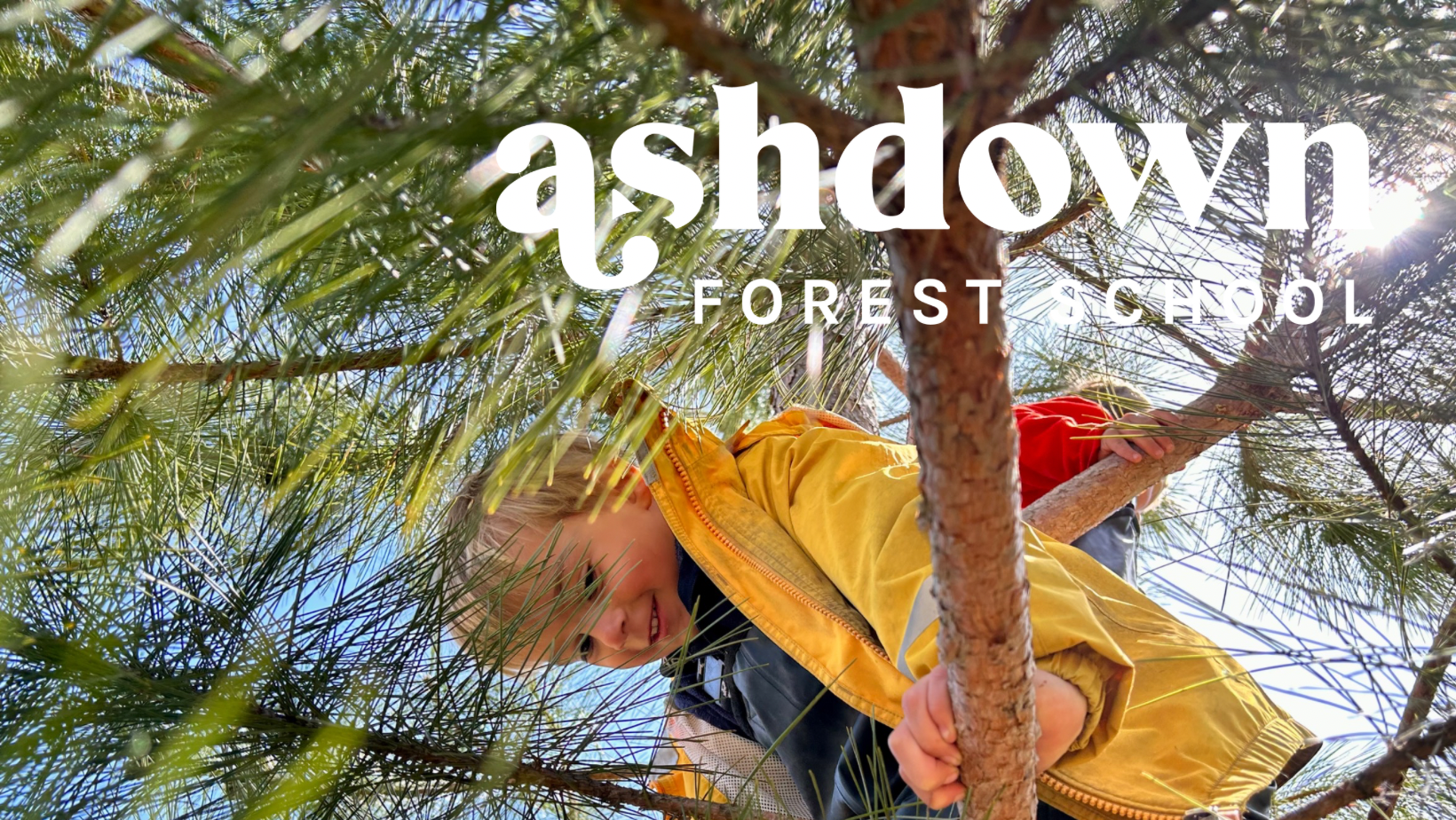
We believe that exposing children to moderate risk and allowing them to develop an awareness of their surroundings is crucial for their development. Engaging in activities like climbing trees, balancing on logs, running on uneven ground, and experimenting with tools allow children to strengthen their senses and develop self-confidence through facing challenges successfully.
FLOW LEARNING
Flow learning, also known as child-led or interest-led learning, flows naturally from children’s curiosities which may be influenced by the seasons, plants and animals, or individual interests. We’ve found that children learn more deeply when the curriculum arises organically and they are given space to engage in something that interests them and is relevant in that moment.
INQUIRY-BASED TEACHING
Throughout the day, teachers actively model engagement and ask open-ended questions to encourage conversation. We are mindful about validating each child’s thoughts and ideas. We like to use a simple technique called ‘Noticing and Wondering’ by asking leading questions that begin with “I notice that...” or “I wonder why...” These questions are suggestive rather than directive, encouraging the process of divergent thinking. We believe that inquiry-based teaching allows children to express themselves, trust their observations, and build self-confidence.
SMALL CLASS SIZE
In order to best meet each child’s individual needs and to honor interest-led learning, we offer a small class size with a 1:6 teacher to child ratio.
Kindergarten Readiness
The most important learning takes place when children are allowed and encouraged to freely move and play. Studies have shown that children who are given more opportunity to play outdoors in preschool perform better academically in elementary school as they have developed strong problem-solving and critical thinking abilities. Nature immersion offers opportunities for social, emotional, physical and cognitive growth to take place, paving the way for academic-based learning later on. Through documentation of learning, we ensure that Minnesota’s Early Learning Standards are being met, and that each child is prepared to confidently take on their next adventure.